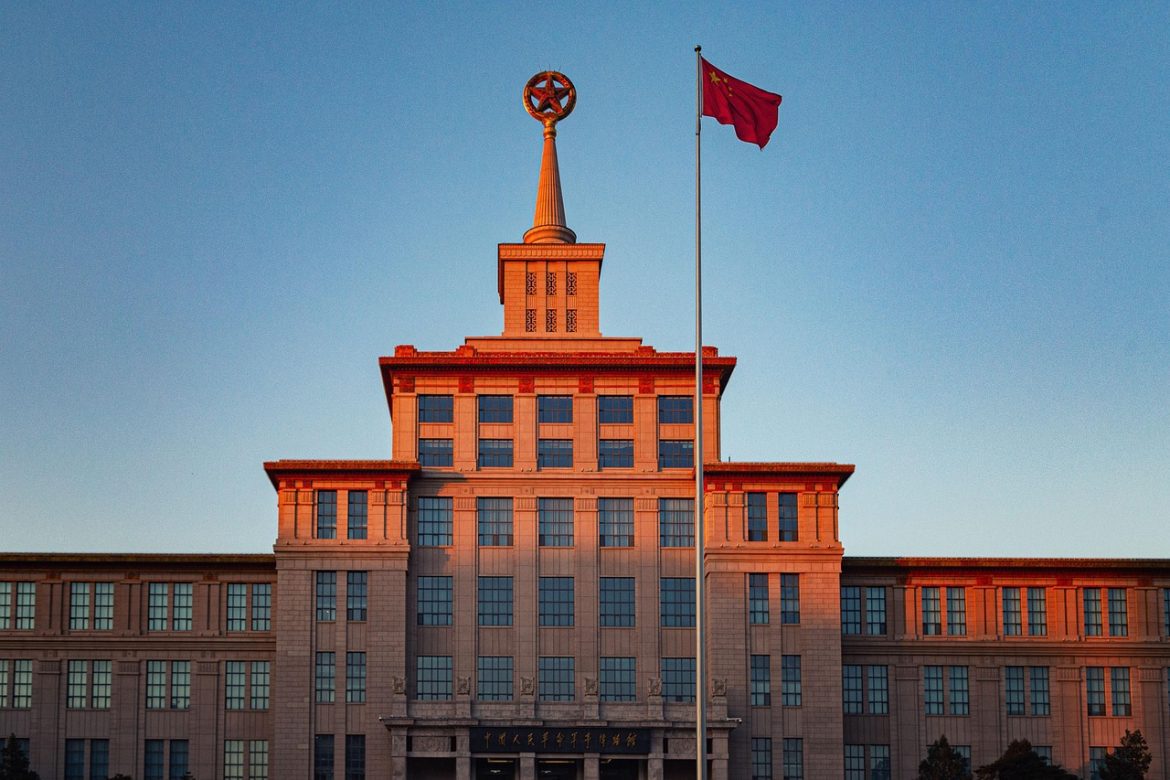
Post Contents
- China National Museum visit guide – National Museum of China highlights on Tiananmen Square, exhibitions & Beijing tips
- National Museum of China tickets, opening time, and ID/passport admission guide
- Ancient Chinese exhibition treasures – Houmuwu ding bronze, porcelain, and iconic artefacts
- National Museum of China tour – revolutionary history, multimedia exhibits, and modern China
- Beijing tours tip: Subway Line 1 route from Tiananmen Square to the National Museum of China
- F.A.Qs: National Museum of China museum visit tips and guide
- After your visit: a reflection on Chinese culture that stays with you
China National Museum visit guide – National Museum of China highlights on Tiananmen Square, exhibitions & Beijing tips
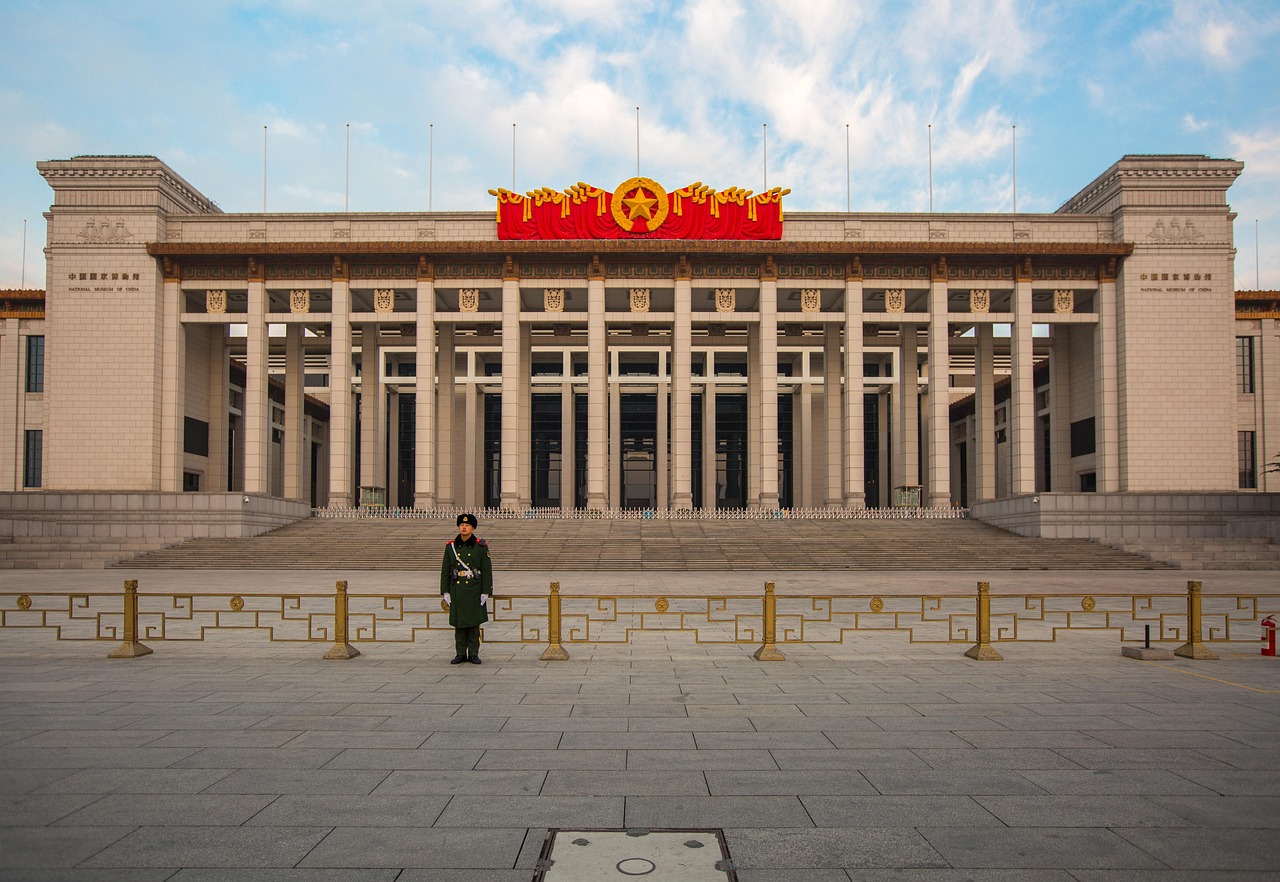
Why this Tiananmen Square museum sparks a sense of adventure in Beijing
The China National Museum moment starts before you even step inside: you’re on the edge of the Square, in the capital, surrounded by monumental architecture and a scale that makes you look up. For adventure seekers, it’s a different kind of rush—less adrenaline, more awe—because the next door you open leads into thousands of years of story at the National Museum of China. It’s classic China in one landmark, and it can instantly sharpen most Beijing tour plans.
The National Museum of China is among the world’s largest museum complexes by floor area, with galleries spread across vast square meters of calm, well-lit space. Its collection holds over one million objects, from ancient Chinese craftsmanship and archaeological finds to modern milestones that shaped today’s nation. You don’t need to be an expert to enjoy it; you just need curiosity—and the patience to slow down when a single exhibit stops you in your tracks.
Explore the museum collection – a suggested route, standout exhibits, and an easy self-guided tour
Think of the museum as a set of themed paths rather than one long corridor. You’ll move between archaeology-focused galleries (ritual metalwork, jade, ceramics) and modern halls where timelines, photographs, and personal items add human texture. Many exhibition spaces use multimedia display points and interactive station stops, so you spend less time guessing and more time understanding what you’re seeing.
One traveller described standing near the entrance, looking across the atrium, and realising they were in the city centre while holding a ticket to time travel. Minutes later, they were face-to-face with objects older than many countries’ recorded histories. That contrast—present-day Beijing outside, deep civilisation inside—creates a connection that feels surprisingly immediate.
Focused visit tip: plan a short tour of the National Museum of China without feeling overwhelmed
This museum is vast, and your attention is precious. If you try to do everything, you’ll exit feeling rushed rather than restored. Instead, build a simple plan for the National Museum of China: choose one ancient Chinese highlight set, one modern-history route, and leave space for one of the day’s special exhibitions if it draws you in. That balance keeps your tour buoyant—and helps you trust your pace.
- First hour: pick one “anchor” room and read labels properly.
- Second hour: shift to a contrasting exhibition style (multimedia or photography-heavy galleries).
- Final hour: follow curiosity, then stop before fatigue turns wonder into noise.


National Museum of China tickets, opening time, and ID/passport admission guide
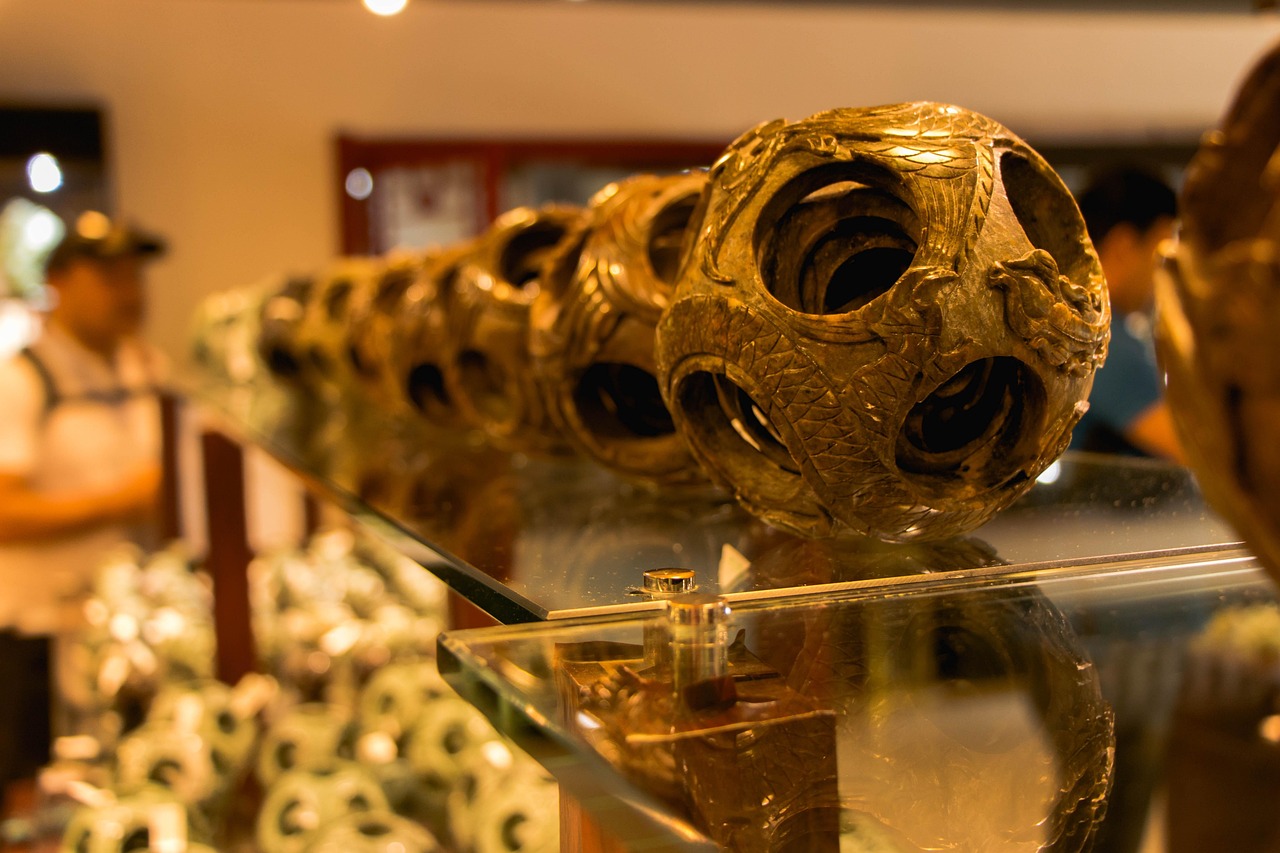
Tickets, hours, and entry tips for a seamless museum visit in Beijing
This section is what makes your day feel effortless at the National Museum of China. Admission is free, but you still need to secure a ticket, and popular dates can book out—especially weekends and public holidays. The simplest approach is to reserve via the official website before you arrive; on-site options sometimes work, but they’re less reliable when the city is busy.
Bring your identity document: international travellers use a passport, and local visitors may use an ID card (your booking is tied to your identity and ID). Expect security screening at the entrance, similar to major landmarks across central Beijing. For the smoothest start, check the daily opening time in advance and arrive early in the a.m when lines are shorter, and the galleries feel calmer.
Ticket and entry guide: best hours, p.m pacing, and the official process to follow
Plan around when the museum is open and the gentle late-day slowdown: some galleries begin closing routines in the late p.m, before the final exit. Arrive early, and you’ll have the mental space to compare details—glaze on porcelain, carved patterns on ritual vessels, or the brush rhythm in historic writing. A simple self-led guide method works well: pick one floor, one theme, then build out from there.
As a practical tip, travel light. Large bags slow screening and may need to be checked, so keep essentials only (water, tissues, power bank). Stay respectful of shared heritage: speak softly, and avoid flash photography in sensitive areas. In a few galleries, signage may be stricter; follow staff direction with care—it’s part of how this site protects fragile material culture.
Photo etiquette: items are not allowed, security checks, and where to get support
In plain terms, items are not allowed if they risk damaging exhibits or disrupting other visitors—think tripods, some selfie sticks, and anything that creates hazards in crowded galleries. If you’re unsure, ask a staff member rather than guessing; support is usually close by, and the tone is calm, official, and reassuring.
If your plans change—your slot shifts, your tour runs late, or you’re navigating Beijing for the first time—pause and re-centre your focus. You can still have a memorable visit by choosing fewer galleries and spending longer with what matters. And if you’d like help designing a trip that connects Beijing with the rest of the country, please contact us through Designer Journeys. This article is written to be practical, but personal planning can make it seamless.
Ancient Chinese exhibition treasures – Houmuwu ding bronze, porcelain, and iconic artefacts
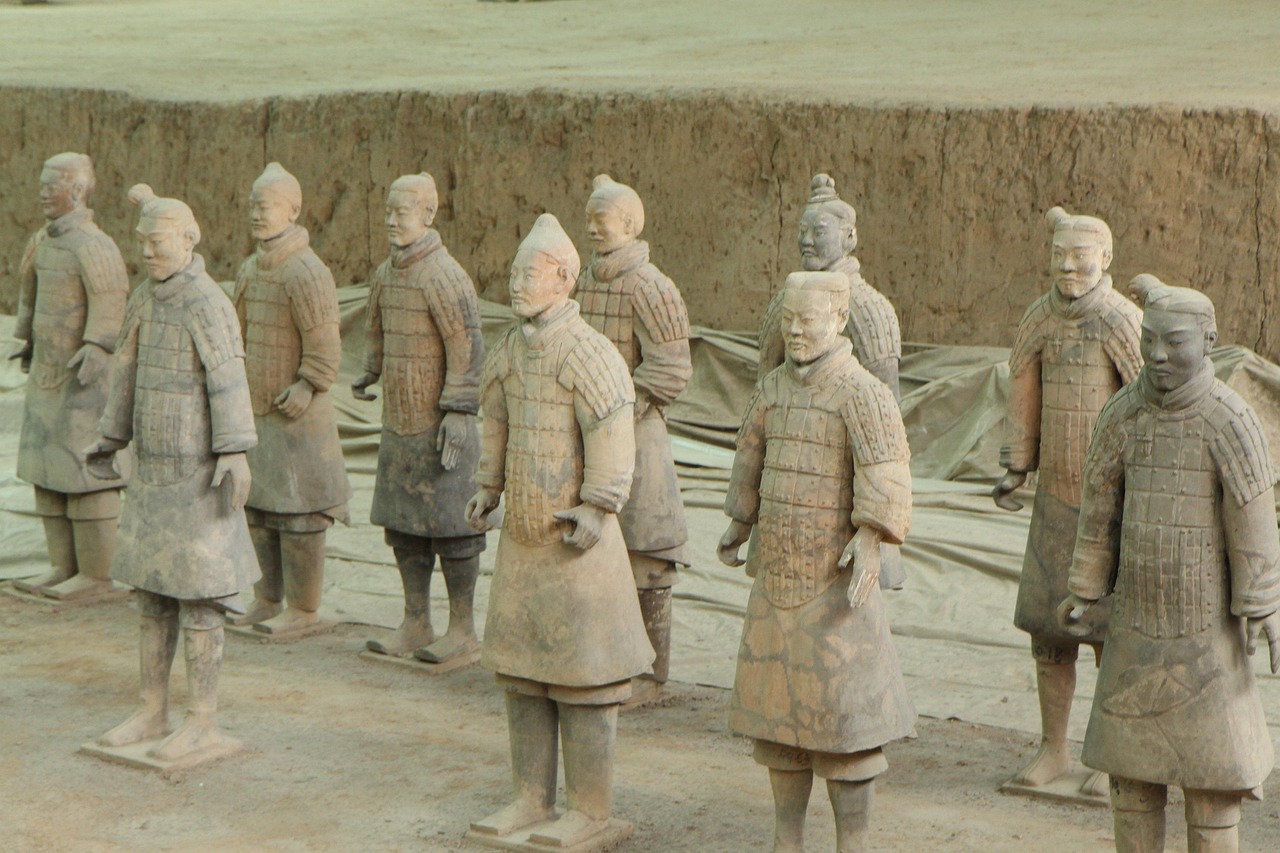
Ancient Chinese treasures: porcelain, ritual icons, and legendary objects you can’t miss
This ancient Chinese trail is where many travellers feel the deepest time shift. Start with a must-see: the Houmuwu ding, a legendary square cauldron from the Shang period. It isn’t only impressive for size and weight; it’s a symbol of authority, ritual, and order—an iconic object designed to make power visible. Once you’ve seen one ding, you’ll start spotting the form and its status cues across the wider museum collection.
Let the galleries unfold like a timeline of discovery. Shang craftsmanship shows how bronze was mastered with extraordinary control, turning metal into ceremony. Nearby, coin displays trace everyday exchange and state power; it’s fascinating how something so small can reveal a whole system of trust. Look too for the jade dragon motif, where ideas of harmony and protection become material you can almost feel.
Ritual bronze icons – archaeology notes and what each dynasty label really means
Here’s the gentle trick: don’t try to memorise every dynasty first. Instead, notice what the labels emphasise—use, burial context, where it was found, and inscription patterns, often summarised by a curator or scholar. That’s the heart of archaeology: not just “what it is,” but what it did in a life and in a community. Read with that lens, and even a single artefact can hold a full narrative.
If you see mention of Sanxingdui in a panel or a rotating display, pause. That name often signals a different regional visual language and a reminder that ancient Chinese history was never one monolithic style. This is also where a local guide can add value—pointing out comparisons you might otherwise miss.
Porcelain, ceramics, and calligraphy: an expert way to look through the Qing dynasty galleries
The porcelain and ceramics galleries are a masterclass in quiet design. You don’t need technical training to spot transitions: colours refine, shapes slim or expand, and kiln marks become a kind of signature. Watch how the same vessel type changes across a dynasty shift—its function, aesthetics, and even its intended setting can transform. The lighting is crafted to help you see glaze depth, so step slightly to the side and notice how it catches.
Many visitors feel unexpectedly emotional in the Ming and Qing dynasty galleries. There’s no dramatic soundtrack—just a hush, a few careful steps on polished floors, and objects that carried private life: brushes, small luxuries, and sometimes calligraphy that still feels intimate across centuries. In that calm, Chinese culture arrives not as a concept, but as a personal feeling.
- Label-reading tip: read the first and last line, then return to the middle if you’re drawn in.
- Pacing tip: after each dense case, look up and orient yourself before the next.
- Where to pause: at inscriptions, kiln notes, and anything tied to a known excavation site.
National Museum of China tour – revolutionary history, multimedia exhibits, and modern China
Revolution to modern China: exhibitions that feel alive, clear, and surprisingly personal
These galleries at the National Museum of China can feel like walking into a living archive. Expect timelines that anchor you, then layers: photographs, banners, newspapers, household objects, and carefully chosen personal items. What might have felt like “textbook” becomes a sequence of human decisions, pressures, and hopes—presented with clarity and purpose.
This is where the museum’s interactive approach shines. Multimedia station points are designed to deepen engagement: short films, audio segments, and touch-based displays help you build your own understanding rather than passively absorbing data. For travellers who learn by doing, these exhibits can be a gateway into modern Chinese identity and the nation’s current shape.
Interactive exhibition design that rewards curiosity, balance, and focus
Take a self-guided rhythm that protects your attention. Alternate a dense gallery—heavy with text and detail—with a lighter display where objects and images do more of the talking. Seek out quiet corners or benches to reset; this isn’t only comfort, it’s how you keep insight sharp so the story stays vivid rather than exhausting.
A student once shared that a single interactive panel changed their relationship with history. They arrived thinking museums were about being lectured. They left with confidence, because the exhibit let them test what they’d understood, then kept exploring. That’s a powerful kind of exploratory energy: leaving with questions you actually want to follow.
Special exhibitions and cultural events worth timing on your visit
Look out for special exhibitions, pop-up cultural events, and demonstrations that bring tradition into the present. One traveller we spoke with attended a brush-and-ink session; they described the room going still as the brush moved, as if strangers were breathing together. Check what’s on via the museum site or at information points when you arrive—sometimes the best highlight is the one you didn’t plan.
Beijing tours tip: Subway Line 1 route from Tiananmen Square to the National Museum of China

Design your Beijing route around the Square for a smooth museum arrival
For a confident day out, use this Beijing tour as your plan. The simplest transportation option is the Beijing subway: take line 1 to Tiananmen East or Tiananmen West, then get off at Tiananmen with the crowd heading toward the Square. Signage in the station is generally clear, and it’s the least stressful way to arrive without negotiating traffic.
From Tiananmen Square, you can walk to the museum using simple orientation cues: the National Museum of China sits on the east side of the Square, opposite other major landmarks. If you’re meeting a private guide or starting a curated tour, agree on a precise meeting point before you surface—security zones can subtly reshape how you cross open spaces.
Entrance choices, station logic, and street-level realities to expect
Be prepared for busier flows near major crossings, especially late morning. If you take a bus, build buffer time; it’s reliable but slower through central security areas. At the entrance, staff will direct queues and re-check documents, so keep your passport or ID ready. If you’re unsure which door is best, follow posted signs rather than GPS—landmark zones can reroute pedestrians.
If you’re approaching from the west gate side of a nearby complex, don’t worry if you need to loop around; it’s common. Keep your mood calm and your plan flexible. The goal is a seamless arrival, not a perfect straight line.
Design a classic China day plan, then extend it into a 10-day route
To sightsee without rushing, pair the museum with nearby stops that match your energy. Many travellers combine a morning museum block with an afternoon walk through the exterior and a relaxed meal. Even though the price of admission is zero, you’ll want a card-ready approach for water and snacks; think of it as a small trade-off for comfort that keeps the day flowing.
If this is part of a wider journey, Beijing is a natural opener to classic China. A well-paced 10-day route often looks like Beijing–Xi’an–Shanghai, with optional Macao as a contrast in architecture and atmosphere. Consider flight timing so you’re not landing and sprinting into galleries; arriving the evening before can protect your morning energy. If you’re sketching a high-end package with a private guide and museum priority planning, explore our Trip gallery for ideas that fit together naturally—this trip in Beijing should feel like the beginning of something, not a box to tick.
- Best flow: museum first, then outdoor landmarks after lunch.
- Comfort tip: carry water, wear comfortable shoes, and plan breaks.
- Navigation tip: choose Tiananmen East station if you prefer staying on the east side.
F.A.Qs: National Museum of China museum visit tips and guide
FAQs for a smoother museum visit: tickets, timing, and what to expect
Is the National Museum of China worth visiting?
Yes—especially if you want to understand Chinese history in a single, beautifully designed setting near the Square. The National Museum of China blends ancient Chinese treasures, modern history, and rotating exhibition programming, with multimedia moments that help you connect quickly. Even seasoned travellers describe real awe here because the timeline of China feels tangible, not abstract.
Do I need a reservation to visit?
Usually, yes. Although admission is free, you still need a ticket, and reserving in advance is the safest approach—particularly on weekends or peak travel dates in Beijing. Use the official website of the National Museum of China whenever possible, and carry the identity document you used to book, such as a passport or ID card. Arriving early also helps if you need to troubleshoot on-site.
How much time should you plan for a first visit?
Plan at least 2–3 hours for a first visit, and longer if you love reading labels or want to include special exhibitions. The museum is huge, so a focused route works best at the National Museum of China: one ancient section, one modern section, and time to pause. Comfortable shoes matter, and short breaks help you keep attention sharp rather than rushing.
What can you see inside the museum?
You’ll find a sweeping collection that ranges from bronze works, jade, coin displays, porcelain, and ceramics to revolutionary-era objects, photographs, and immersive displays. Highlights include iconic ritual forms, such as ding vessels and galleries, that span multiple dynasties. The museum also hosts temporary exhibitions and cultural events, which can add an unexpected, memorable highlight to your day.
After your visit: a reflection on Chinese culture that stays with you
This reflection often arrives at the exit, when daylight returns and the Square feels louder than it did before. You may not be able to summarise what you saw—and you don’t need to. The weight of civilisation can sit quietly in your chest, like a song you can’t quite name, and that is enough.
What stays is rarely the biggest object. It’s the human scale: the hush in a Qing dynasty gallery where strangers instinctively lower their voices; the steady attention of a guard who has watched a masterpiece all day and still treats it with care; the moment a brush touched paper and time seemed to soften. In those spaces, culture becomes personal, and your pace becomes something you can trust.
There’s a gentle kind of adventure in that feeling. You leave not with conquest, but with curiosity—more willing to listen, more willing to imagine, and more confident that respect is a form of strength. China’s story doesn’t resolve in one afternoon, even at the National Museum of China; it opens and then continues quietly as you explore the world with a little more attention.