Post Contents
- Pingyao, China: Why Pingyao Ancient City Still Feels Timeless in Shanxi province
- Sunrise on the Pingyao city wall – an ancient city wall walk above the old city
- Ming and Qing Street after dark – Pingyao night market, Shanxi food, and a commercial street glow
- Bankers, magistrates and scholars in the city of Pingyao – Rishengchang Former Bank, yamen and Confucian temple
- Near Pingyao day trips – Shuanglin Temple, Zhenguo Temple, and family compound escapes
- What stayed with me after Pingyao, China: the quiet confidence of a living city
- F.A.Qs: Pingyao China planning
Pingyao, China: Why Pingyao Ancient City Still Feels Timeless in Shanxi province
Pingyao Ancient City and Why It Still Feels Timeless in Shanxi Province
If you’re researching pingyao china, Pingyao ancient city—also known as the ancient city of pingyao—is a well-preserved ancient, unique ancient place in Shanxi province and one of the best preserved ancient destinations in northern China. It is an ancient county-level city in China, a Han Chinese city whose urban planning still reads clearly in the street grid, the gate-to-market logic, and the way a courtyard sits behind plain brick. It remains a rare city in China where the past doesn’t sit behind glass; this Chinese city simply surrounds you.
That’s why its designation as a UNESCO World Heritage site matters: it protects the whole atmosphere, not only a few headline monuments, and it supports long-term heritage conservation. Inside the protected area—around 225 hectares—this heritage site keeps its historic architecture in everyday view, from streets and lanes that retain their proportions to a single archway that frames the sky. Even the residential scale feels honest, with courtyard houses that seem lived-in rather than staged, which is exactly why world heritage status feels earned here.
Pingyao travel insight: a calm, layered itinerary for an adventure-seeker pace
Pingyao rewards travellers who explore in layers: start early for space and crisp light, take a long lunch when the stones warm up, then return later for the softer evening mood. A few travel tips help: buy tickets the night before when possible, carry small cash for snacks, and keep a loose plan so you can follow what looks interesting rather than rushing between “top” stops. The goal is a day that feels intentional, not over-scheduled.
My first arrival in Pingyao felt seamless: the modern station, the short ride, then the soundscape changes as you pass through the gate. Footsteps soften on stone, conversations feel closer, and you realise your body has slowed before you’ve consciously decided to. If you visit Pingyao in peak season, that gentle shift is easiest to find at dawn and again after dinner, when shopfronts quieten, and locals share small travel stories over tea.


Sunrise on the Pingyao city wall – an ancient city wall walk above the old city
Sunrise on the City Wall and Wandering the Old City with a city wall walk inside the Pingyao ancient city walls sunrise
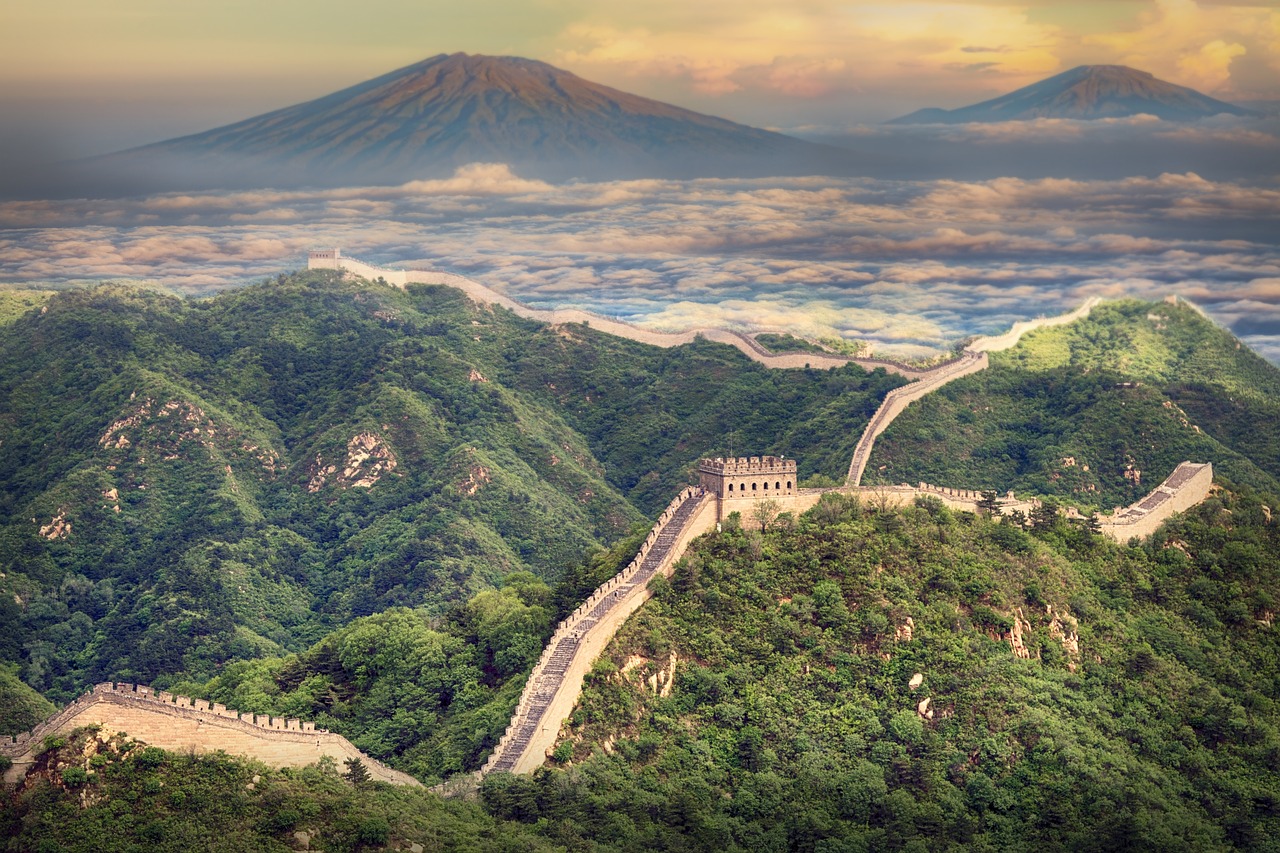
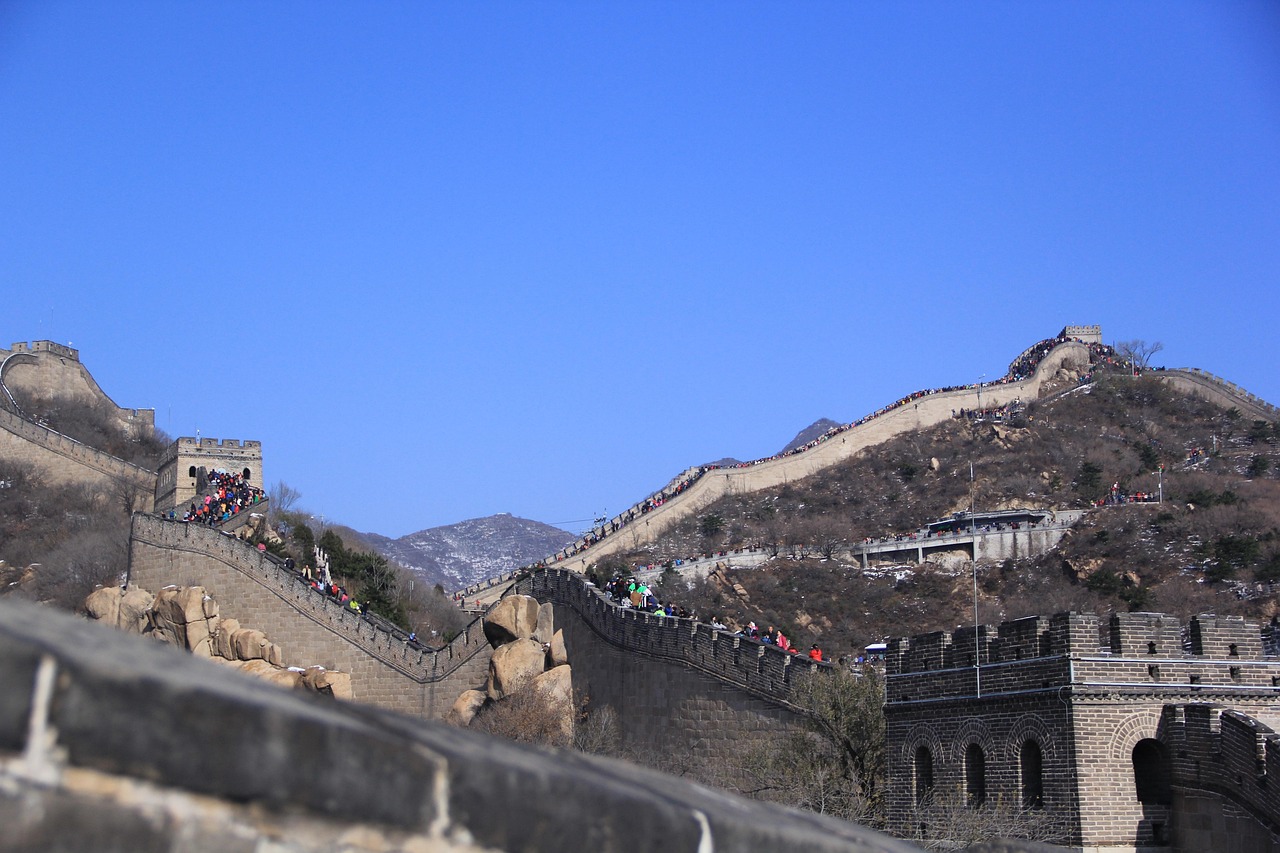
A sunrise city wall walk is the moment Pingyao turns personal. Climb the steps in the blue hour, and you’ll watch the rooflines of Pingyao’s ancient city catch gold—tile edges lighting up one by one, as if the day is being gently switched on. From a watchtower, the ancient walls stop feeling like scenery and become proof of continuity: this city wall has held its shape while life kept moving around it.
The city wall ticket is often around 54 RMB, and combined passes can bundle multiple main highlights into one itinerary without turning your trip into a checklist. Even if budget isn’t your concern, the real advantage is smoother logistics: fewer queues, fewer payment moments, and more time to linger where the views are best.
Inside the city walls: winding lanes, a quiet lane, and local culture
Back at street level, the pleasure is getting a little lost on purpose. Step away from the obvious routes, and you’ll find small courtyards, tea counters, and workshops where the rhythm feels unhurried. I once turned into a quiet lane and ended up in a tiny tea house—two low tables, steam rising, and a shopkeeper who seemed genuinely delighted to explain how seasons change the town’s pace.
Pingyao is generally very safe for solo travellers; the practical advice is the same as anywhere: keep valuables secure when tour groups surge, and watch your footing on uneven stone. A simple “ni hao” and patient body language go a long way, and you’ll often be met with open, matter-of-fact friendliness.
Photography stops along the Pingyao city wall: watchtowers, geometry, and morning haze
For photography, the wall offers clean structure: crenellations, repeating roof rhythms, and the soft haze that can sit over the plain in the morning. Pause at corners and towers for layered depth, look for bicycles cutting through quiet streets, and stay patient—stillness is part of the composition. If you’re travelling with someone, take turns watching bags so the other person can focus fully on framing.
- Best light: 20–30 minutes after sunrise for warm roof highlights and gentle shadows.
- Best angles: tower corners for repeating lines and long perspectives into the grid.
- Etiquette: keep a respectful distance when photographing doorways and private courtyards.
Ming and Qing Street after dark – Pingyao night market, Shanxi food, and a commercial street glow
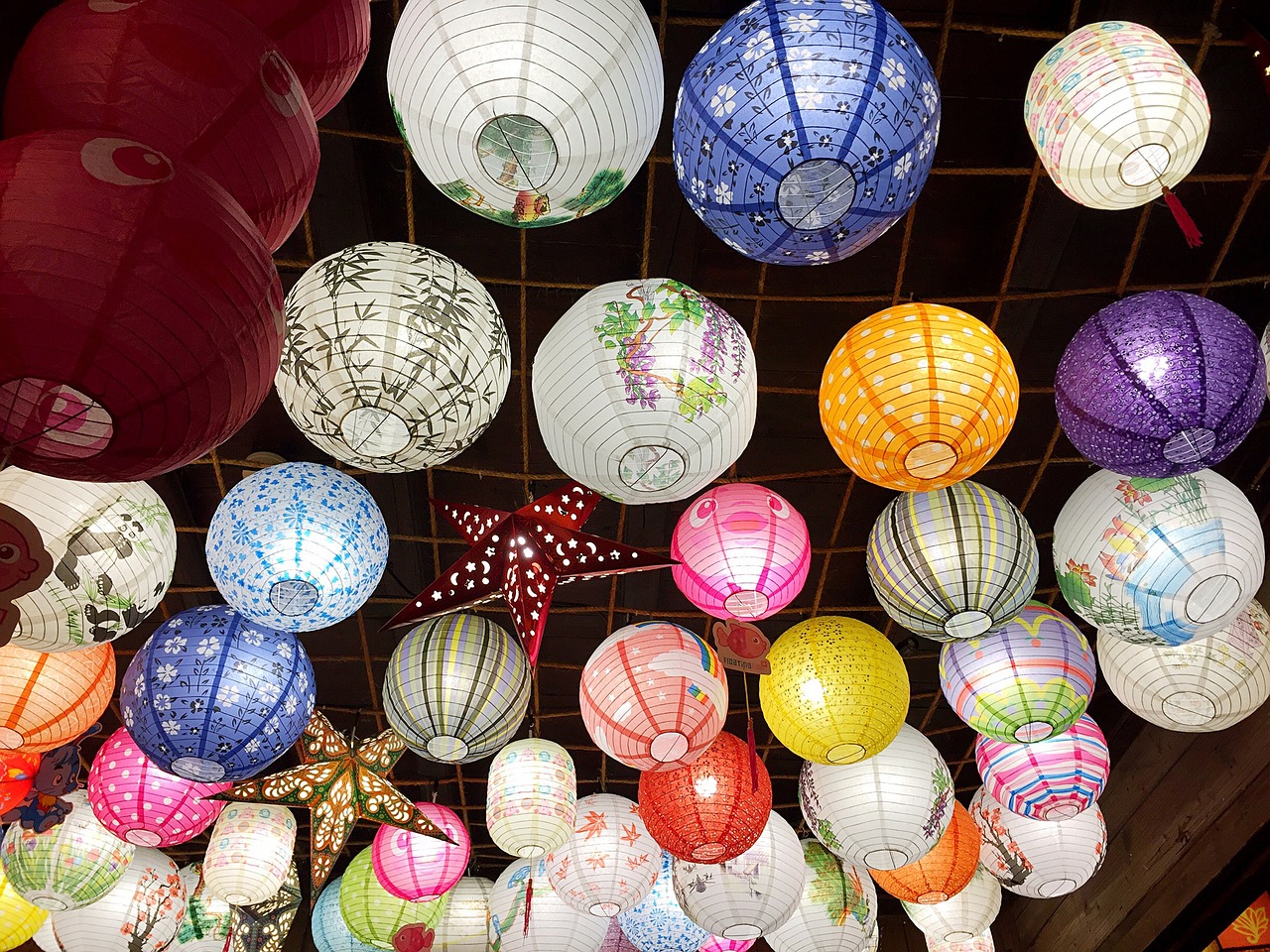
Ming and Qing Street After Dark and Pingyao’s Night Market for Ming and Qing Street, Pingyao night market, Shanxi food
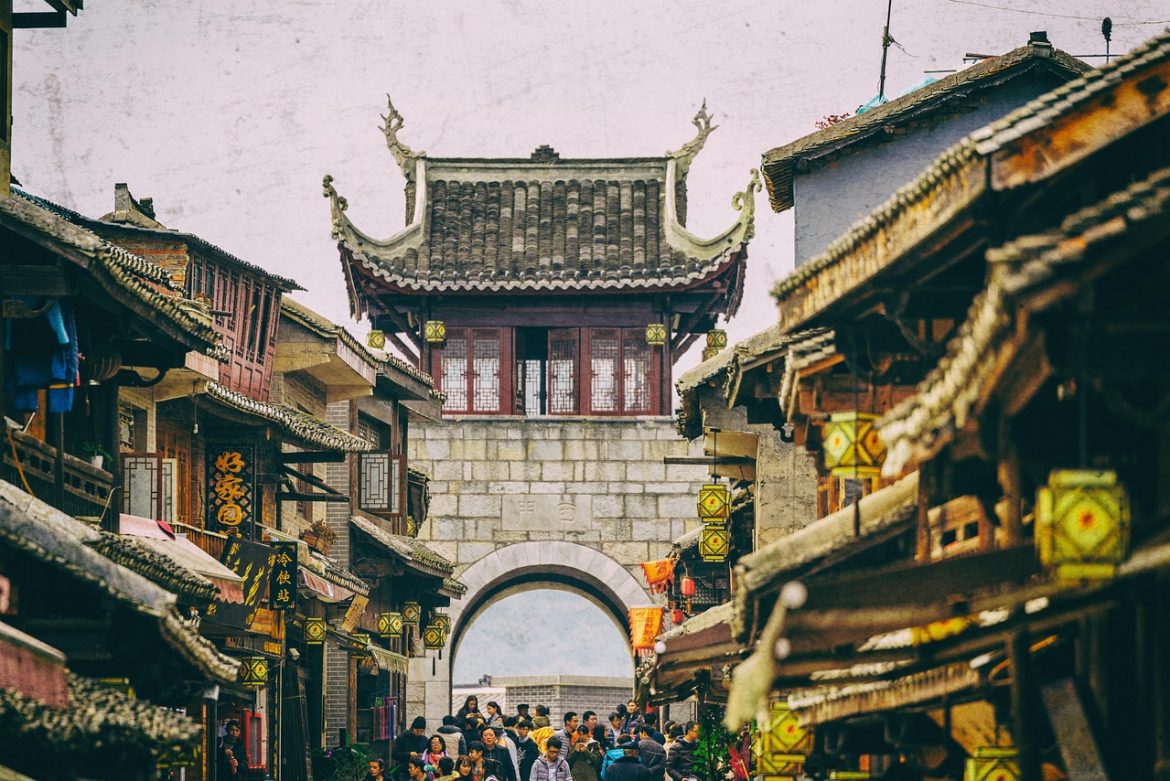
Ming and Qing Street is where evening energy gathers without becoming overwhelming. This commercial street glows with traditional façades, shop signs, and lanterns that turn brick into a soft red-brown, and the pace encourages wandering rather than rushing. If you like history with texture, it’s easy to picture a Ming dynasty streetscape continuing into modern evenings—busy, practical, and quietly beautiful.
Walk slowly and let details do the work: carved doorframes, old shopfront proportions, and the small theatre of bargaining that feels more like conversation than conflict. The point isn’t nostalgia; it’s seeing how the Ming and Qing dynasties left behind design habits—what a doorway should look like, how a storefront should welcome you, and how a street should guide movement.
Shanxi flavour at the Pingyao night market
At the night market, you can try local favourites with zero pressure—point, smile, taste, repeat. Food lovers often remember the vinegar first: bright, complex Shanxi vinegar that makes even simple noodles feel precise. One evening, away from the busiest stalls, I ate hand-pulled noodles at a family table and felt genuinely looked after: extra napkins, a quiet recommendation, and a patient pause while I tried to pronounce it.
If you prefer a more refined evening, keep it in two beats: a light tasting walk, then a calmer sit-down meal in a courtyard. Behind unassuming doors, Pingyao’s guesthouses and restaurants can be surprisingly elegant—lanterns, stone paving, and that “oriental” romantic mood that still feels grounded in real local life.
Shadow puppets and lantern-lit streets for a gentle cultural night
To find living folk arts, look for a traditional shadow puppet show. The plots are easy to follow without fluent Mandarin, and the community spirit is unmistakable—families leaning in, performers greeting regulars, visitors welcomed without fuss. It’s also a low-pressure way to add culture to your evening without needing a guide.
If you travel around festival dates, the lantern nights become even more cinematic: silhouettes crossing pools of light, reflections on wet stone, and shopfront details sharpening into miniature stages. A simple shot list helps—lantern bokeh, hands exchanging snacks, and one wide frame that captures the street’s gentle curve into darkness.
Bankers, magistrates and scholars in the city of Pingyao – Rishengchang Former Bank, yamen and Confucian temple
Bankers, Magistrates and Scholars in the City of Pingyao with Rishengchang Former Bank Ancient Government Office Confucian Temple, Pingyao
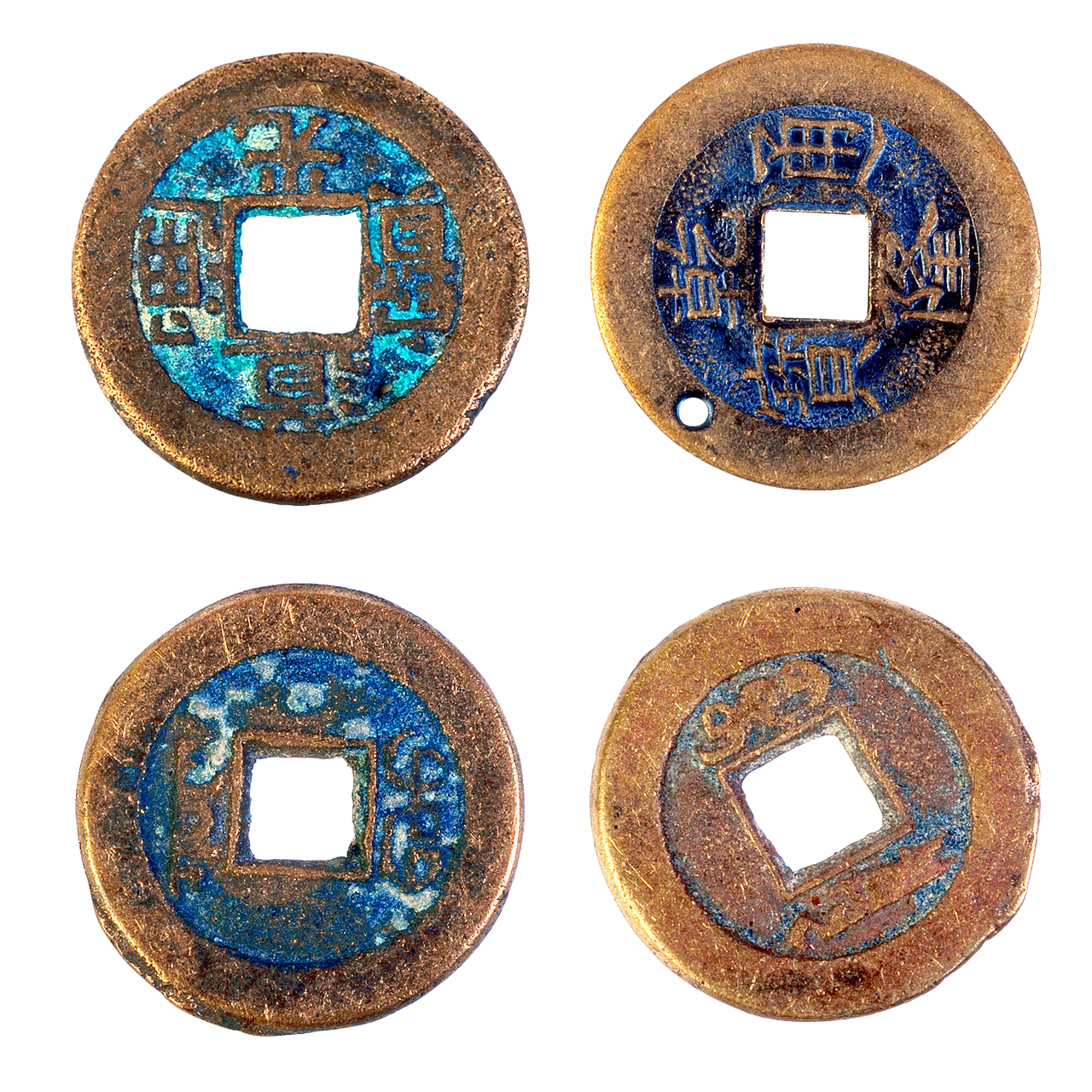
This trio of sites explains how Pingyao worked, not only how it looked. The city of Pingyao once operated as a financial centre with influence far beyond the region, and the evidence sits in account rooms, courtyards, and carefully controlled access points rather than in grand palaces. Here, imperial China feels like a system—money, law, and education—running through ordinary lives.
Rishengchang Bank and China’s first draft bank
Begin at the Rishengchang bank, widely regarded as China’s earliest draft bank—an ingenious draft bank that let merchants move value safely across long distances. Seeing the ledgers, counters, and layered rooms makes trust feel physical; it’s easy to understand how this became a blueprint for a bank in China. China’s commercial sophistication isn’t abstract here—it’s built into doors, walls, and the way space controls information.
Look for the quiet hierarchy: who sat where, who could enter which rooms, and how secrecy was built into the daily workflow. It’s a small masterclass in how commerce stays stable when roads are long, and cash is vulnerable.
The yamen, Confucian learning, and a quiet temple stop
Next, explore the Ancient Government Office (the yamen), where Qing dynasty administration and law enforcement unfolded across a series of courtyards that still echo. Plaques and punishment displays are blunt, but they add weight to the beauty outside—reminding you that order was performed publicly, ceremonially, and with real consequences. It’s an essential counterpoint to the city’s prettiest streets.
Then shift to the Confucian Temple and County Museum for cultural heritage and a clearer sense of values: steles, ceremonial layout, and learning framed as moral order. This is where the historical narrative becomes world cultural, not just local, and the temple complex is an easy place to slow down and reflect. For a shorter, more intimate stop, add the temple of the city god—enter quietly, avoid blocking worshippers, and let your observation guide your camera hand.
- Best flow: bank first (commerce), yamen second (law), temple last (learning).
- What to look for: spatial hierarchy, inscriptions, and courtyard acoustics.
- Quiet respect: step aside during prayers and keep voices low.
Near Pingyao day trips – Shuanglin Temple, Zhenguo Temple, and family compound escapes
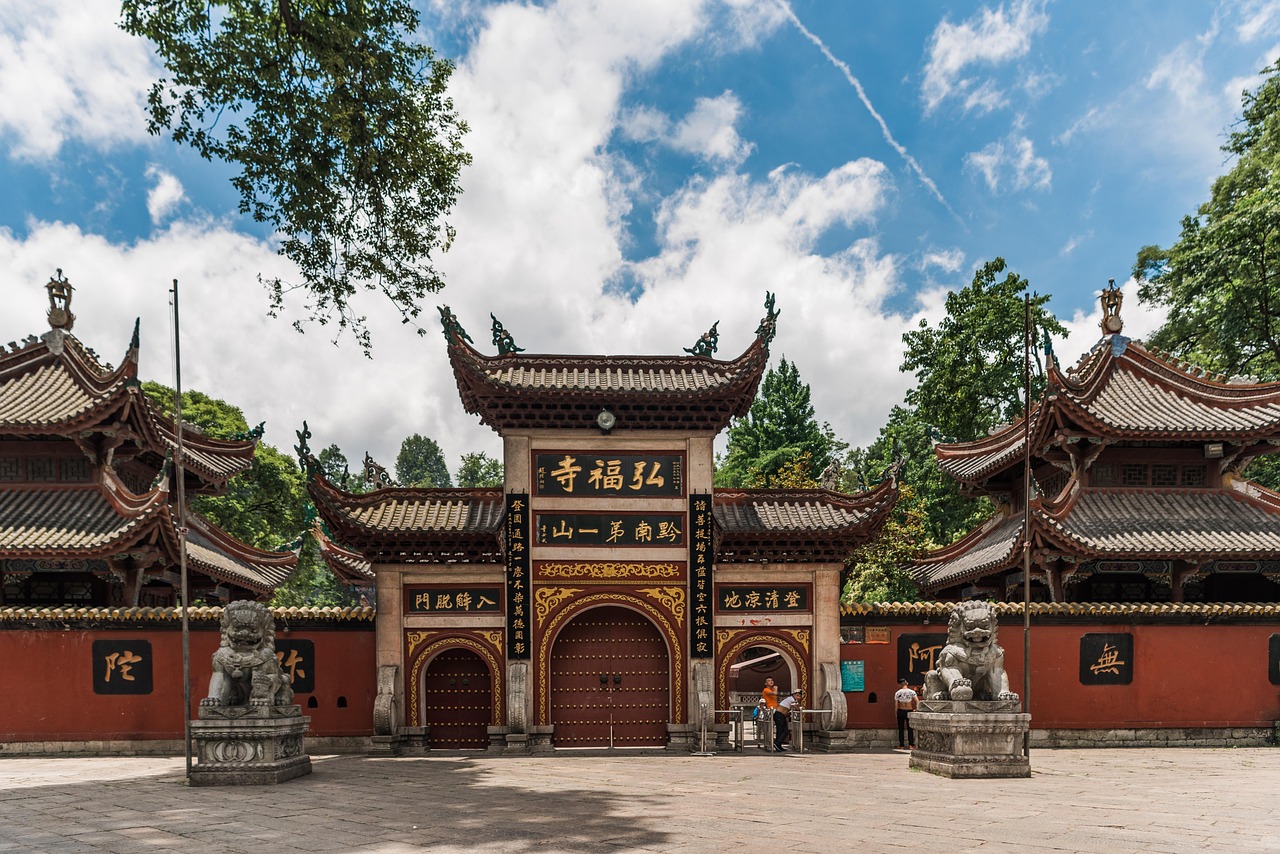
Near Pingyao Day Trips Temples Family Compounds and Quiet Roads near Pingyao Shuanglin Temple Zhenguo Temple Wang family compound day trip
Day trips add a quieter dimension to Pingyao, with fewer crowds and art that feels like a secret shared. Pingyao County sits in a landscape where belief, craft, and family power shaped settlements for centuries, so these famous ancient stops broaden the story beyond the walls. If you’re choosing only one outing, pick based on what you love more: sculpture, early timber buildings, or domestic architecture on a grand scale.
Temples near Pingyao in Shanxi: Shuanglin and Zhenguo
Start with Shuanglin Temple, celebrated for its painted sculptures—rows of expressive figures that feel astonishingly lifelike. In the Wanfo Hall, give yourself time: the density of faces and gestures can overwhelm at first, then suddenly resolve into individual personalities. Shuanglin is one of those historical witnesses that makes craftsmanship feel immediate rather than “museum distant.”
Zhenguo Temple offers a different mood—quieter, older in spirit, and rooted in the Five Dynasties era. For visitors who love structure, it’s an example of han timber proportions that later Chinese han builders continued to admire, a reminder that cultural heritage is often what survives instability. Between Shuanglin Temple and Zhenguo Temple, you get a rare spectrum of devotion, artistry, and endurance in Shanxi.
Wang family compound and the art of the courtyard
For architectural scale, explore the Wang family compound—an immense building complex of gates, corridors, and layered living spaces that reveals how wealth and hierarchy shaped daily rituals. You’ll hear the name wang repeated in stories, but what stays with you is the precision: stonework that frames light, routes that control movement, and details that reward slow looking. As a family compound, it’s at its best when you let silence and shadows do half the storytelling.
Logistics are straightforward once you decide on your comfort level. To get to Pingyao in the first place, many travellers fly via Taiyuan Wusu International Airport, or take the high-speed train from Beijing or Xi’an and then a short taxi ride to the historic entrance. For day trips, a private car keeps things smooth, while buses and taxis work well if you prefer a slower, more local rhythm.
- Timing: temples in the morning, compound in late afternoon for softer light.
- Shoes: expect uneven stone steps and long courtyards; comfort matters.
- Security: In festival periods, keep valuables secure and avoid open bags in crowds.
If your dates align, the Pingyao International Photography Festival is a compelling reason to return, bringing contemporary work into old brick settings and encouraging fresh perspectives. For visual inspiration beyond this guide, you can also browse our Trip gallery and imagine how Pingyao might fit into a wider journey through China.
What stayed with me after Pingyao, China: the quiet confidence of a living city
What stays with you after visiting Pingyao isn’t a checklist—it’s the way the ancient city settles when day-trippers leave. The old town grows quieter without becoming empty; a door closes, footsteps pass, lanterns hum, and the air seems to soften around brickwork. In that calm, Pingyao’s presence feels steady, as if centuries can be close and ordinary at once.
I keep one small memory close: a shared tea in a tucked-away courtyard, offered with no agenda, only kindness. The cup was warm in my hands, and the conversation—half gestures, half laughter—made me feel gently included. It wasn’t dramatic, but it carried the kind of trust that changes how you move through unfamiliar places.
There’s a particular confidence that arrives quietly here. It begins with careful steps on cobblestones, and then—almost without noticing—you’re choosing your own turns, reading the mood of a side street, listening for where life is happening. That’s the historical and cultural power of Pingyao: it doesn’t demand attention; it rewards it.
Long after you leave, you may still picture the city’s night breathing: soft glow, hush between sounds, and the feeling that history can be lived rather than performed. Pingyao remains, in the mind, like a lantern seen from a distance—steady, patient, and quietly inviting.
F.A.Qs: Pingyao China planning
How many days do you need in Pingyao?
Two days is ideal: one for the city wall, lanes, Ming and Qing Street, and key museums, and one for temples or a family compound. A single day is possible, but an overnight stay lets you enjoy calm evenings when the streets feel most atmospheric.
Is Pingyao worth visiting?
Yes—Pingyao is worth visiting if you value authentic texture over polished spectacle. It’s a well-preserved place where you can explore at your own pace, from sunrise on the wall to lantern-lit nights, with rich cultural heritage and a reassuringly walkable feel for most travellers.
What is Pingyao, China, famous for?
Pingyao is famous for its UNESCO-listed townscape, intact city wall, and historic urban planning, along with sites like the yamen and the Confucian Temple. Many visitors also come for the banking history tied to the first draft bank tradition, plus night-market snacks and the distinctive vinegar flavours of the region.
What to do in Pingyao?
Walk the city wall at sunrise, wander cobbled alleys, visit Ming and Qing Street at night, and explore key historic sites such as the former bank area, yamen, and Confucian Temple. For more range, add day trips to Shuanglin Temple or Zhenguo Temple, then return for an unhurried evening stroll.