Post Contents
- Why Xi’an Still Matters: terracotta army xian china, Qin Shi Huang, and the Qin Emperor’s ancient-capital legacy
- Plan a Seamless Visit to the Terracotta Army from Xi’an: transport, tickets, and timing
- Pit 1 at the Terracotta Warrior Museum in China: the exhibition hall moment you never forget
- Pit 2 and Pit 3: Qin Shi Huang’s hierarchy, specialised units, and command planning
- Qin Shi Huang mausoleum and exhibition in Xi’an: bronze chariots, tomb context, and beyond the pits
- F.A.Qs: terracotta warriors and horses museum in Xi’an
- Terracotta warrior reflections in Xi’an, China: what the pottery figures and details leave with you
Why Xi’an Still Matters: terracotta army xian china, Qin Shi Huang, and the Qin Emperor’s ancient-capital legacy
Xi’an’s Qin-era legacy behind the terracotta warrior site
To understand the terracotta army of Xi’an, China, it helps to picture Xi’an not only as a modern city but also as an ancient capital where an entire worldview was being rewritten. In the third century, the Qin state rose with an intensity that still feels startling: new laws, new measures, new roads—and an ambition to standardise a fractured land into one empire. For today’s traveller, that drive translates into something you can feel in your bones: the confidence of big ideas, and the human cost behind them.
At the centre of this story is Emperor Qin Qinshihuang, better known as China’s first emperor and the first emperor of a unified realm. His reign is impossible to separate from the terracotta warrior ranks displayed at the Terracotta Warriors and Horses Museum. These figures are not simply an attraction; they are cultural relics tied to a vast mausoleum plan and an emperor’s vision for a tomb that sought to choreograph the afterlife with the same precision used to govern the living.
From Qinshihuang to global fame: March 1974, digging a well, and the archaeological breakthrough
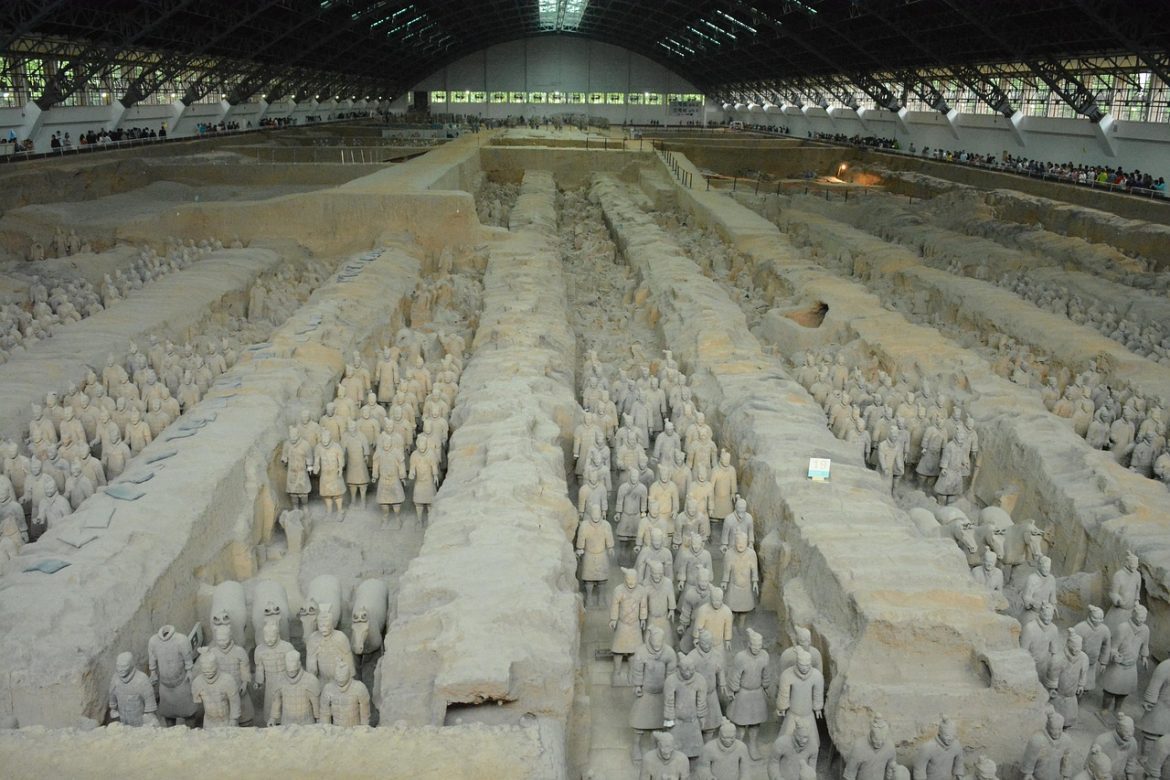
The museum complex is now a UNESCO World Heritage Site and one of the most compelling archaeological sites in Asia. Yet it began with ordinary local life: in March 1974, farmers in Shaanxi Province were digging a well when they struck fragments that didn’t belong to the soil. An archaeologist team arrived, and what followed was decades of excavation and careful archaeology—mapping, cataloguing, and learning how to reassemble shattered pottery figures into a single, lifelike presence.
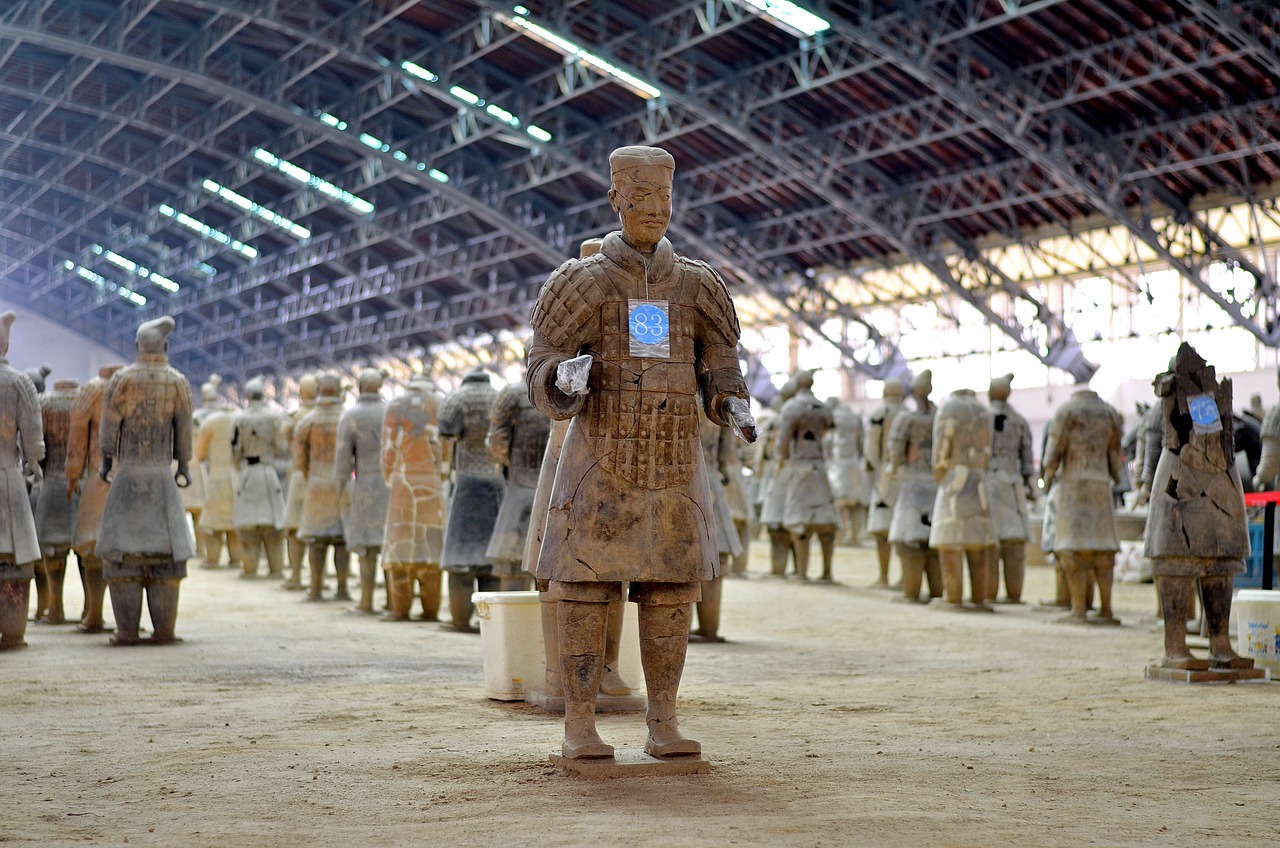
Work continues, and parts remain unexcavated by design. Conservators have learned that the moment a statue is exposed, its delicate colour can vanish quickly. That patient decision—to wait until science can better protect what is unearthed, and to unearth only what can be preserved—keeps the story alive: it is not only history on display, but history still being uncovered through ongoing excavation work.
Scale, solemn stillness, and artisan details in every terracotta warrior
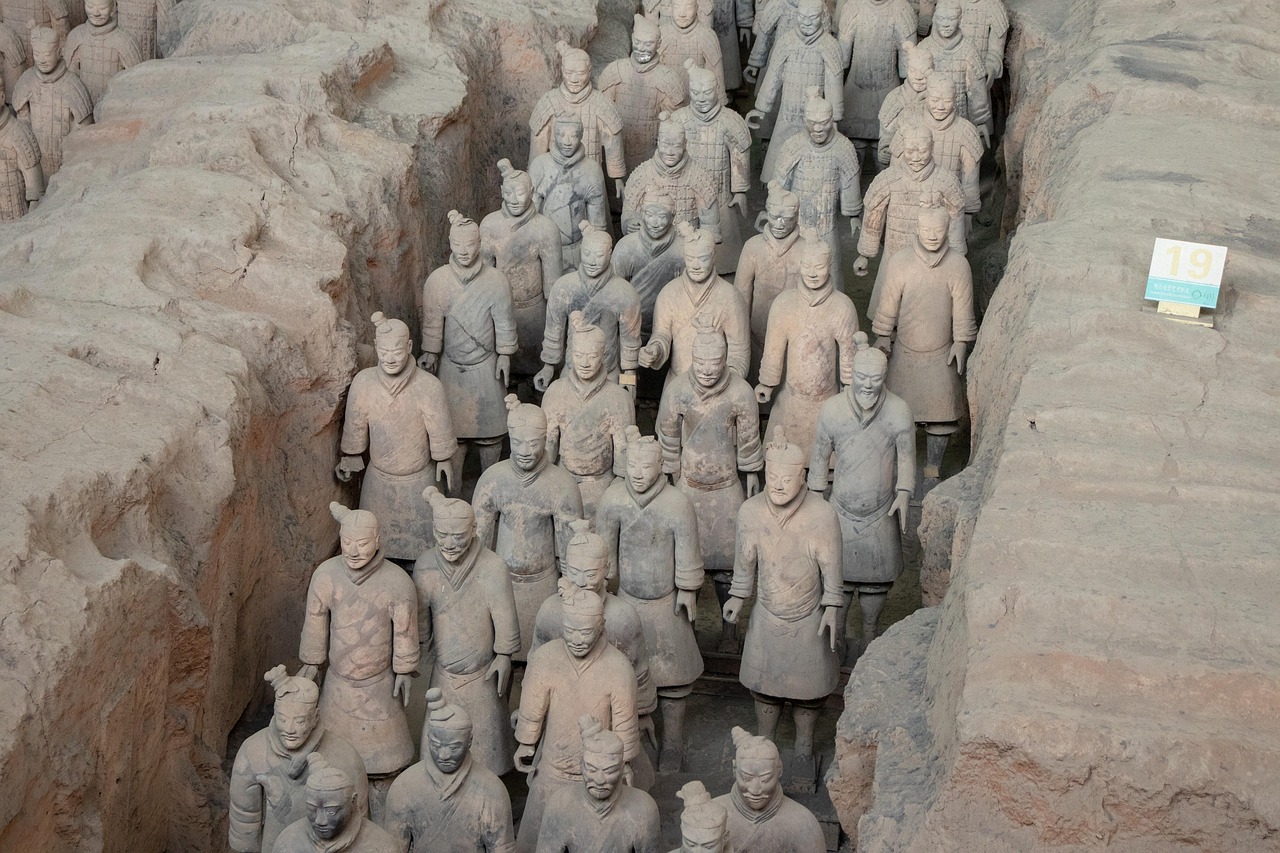
Set your expectations gently but honestly: you will be facing several thousand figures across the complex, and the emotional impact can be surprisingly personal. Each terracotta warrior was crafted at life-size, with distinct hairstyles, a specific hairstyle line at the hairline, subtle differences in tunic folds, and expressions that read like a paused conversation. Seen together, they’re a statement of power; seen one by one, they are quiet proof of the artisan hands that shaped them.
That tension—grandeur and intimacy—becomes the heartbeat of your day. You don’t have to know every date to feel it. You simply have to show up, slow down, and allow the place to meet you.


Plan a Seamless Visit to the Terracotta Army from Xi’an: transport, tickets, and timing
How to plan transport and tickets for the Xi’an museum day
If you’re planning to visit the terracotta army from Xi’an with transport and tickets in mind, a little design thinking goes a long way. This is a major army site with multiple halls, so arriving with a calm, measured pace—rather than rushing—creates a smoother experience. For travellers who like to explore deeply, that structure gives you freedom: you can linger at a pit without worrying about logistics.
Best time to visit: how to arrive, choose vantage points, and keep the pace calm
Arrive early morning or late afternoon, when temperatures are cooler and indoor spaces feel less crowded. If you can, plan your route before you enter the complex so you know where you’ll pause, where you’ll push on, and where you’ll simply stand to take in the best vantage points.
Most travellers arrive in Xi’an by high-speed train or flight, then continue about 40 minutes from the city centre to the site by bus or taxi. A guided tour can offer genuine support here: not because you can’t do it alone, but because a local expert can translate context into insight, helping the day feel connected rather than fragmented.
Tickets, the exhibition hall route, and comfort near the pit walkways
Tickets cost roughly 150 yuan (about $22 USD), and the audio guide fee is extra—but it’s one of the simplest upgrades you can make for a more personal visit. Many visitors describe the shift that happens when narration points out a rank marker, a facial detail, or a repair scar from excavation work: suddenly, the warriors and horses feel less like objects and more like a story you’re walking through.
Wear comfortable shoes, as there is significant walking and uneven terrain near the pit walkways and outdoor paths between halls. Pack water, move together with your group, and allow extra time for breaks—this is a big day, even for fit travellers.
- Create a calmer arrival: screenshot your transport plan and museum opening times the night before.
- Design your pace: do pit 1 first if you want the “wow” early, or last if you prefer a slow build.
- Choose your support: an audio guide for independence, or a guided tour for deeper local storytelling.
- Comfort matters: water, layers, and shoes with grip make the whole visit feel more effortless.
If you’re building a wider cultural itinerary through China, you can also explore ideas and premium routes in our Trip gallery—a helpful way to imagine what else you might pair with Xi’an.
Pit 1 at the Terracotta Warrior Museum in China: the exhibition hall moment you never forget
Pit 1: the first full view of the clay soldiers in formation
In Pit 1 is where many travellers have their defining moment: the first step into the hall, the sudden change in acoustics, and then the sight—rows upon rows of clay soldiers arranged with astonishing discipline. The space feels solemn, almost like a cathedral of earth and time, and it’s common to hear someone inhale sharply without meaning to. This is the treasure trove people try to describe, and still fail to capture fully.
Visit Pit 1 up close: life-sized ranks, chariots and horses, and pigment traces
Pit 1 is the largest and most dramatic pit, and the scale is part of the shock. You’ll notice infantry, chariots and horses, and an order that reads as military logic rather than museum display. As you circle the viewing platforms in this exhibition hall, look for well-preserved armour plates and the occasional trace of pigment—faint colour that hints at how vivid these figures once were.
One visitor told me the audio guide felt like “someone switching on the lights” in their mind: it pointed out tool marks, repairs, and the way facial structure varies from warrior to warrior. That’s the intimacy hiding inside the vastness—thousands together, yet each face distinctly human.
Battle formation and tactics: crossbow spacing, fortification logic, and the charioteer’s role
To deepen your insight, scan the battle formation like you would read a landscape. Notice where the charioteer would stand, how units are spaced, and the way fortification thinking shows up even underground. This was the crossbow era, and the disciplined spacing suggests tactics built on range, timing, and command—less chaos, more choreography.
If you enjoy details, seek out an archer, observe their posture and gear, then compare them to heavier infantry. Small differences reveal rank and function—quiet reminders that this “army” was designed as a complete machine, not a collection of statues.
Photography is welcome, but practise care: avoid flash photography, stay behind designated barriers, and speak softly. The site is still an active conservation space as much as a visitor experience, and your respect genuinely supports the work happening in the background.
Pit 2 and Pit 3: Qin Shi Huang’s hierarchy, specialised units, and command planning
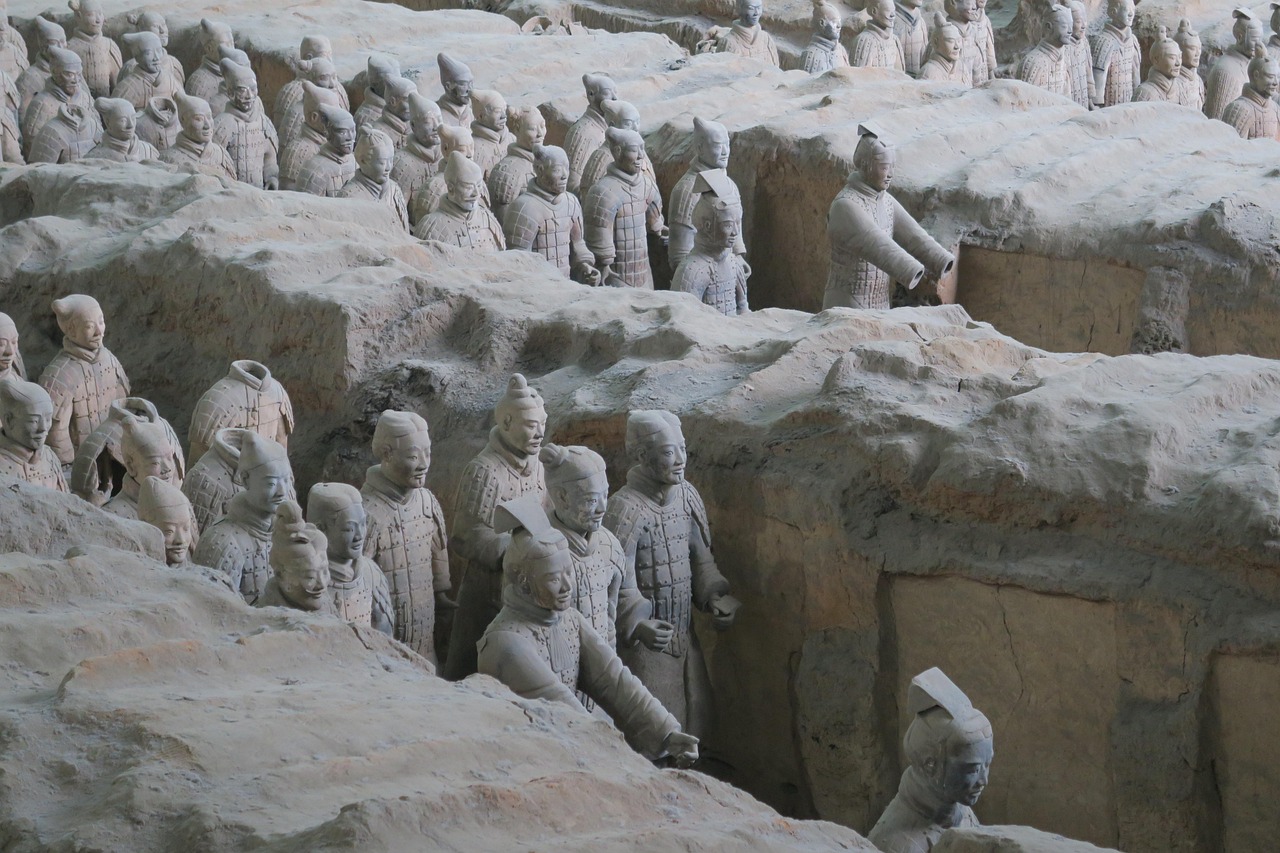
Pit 2 and Pit 3: reading roles, rank, and strategy
After Pit 1, Pit 2 and Pit 3 feel like reading footnotes that change the meaning of the whole page. The crowds often thin slightly, and the mood shifts from shock to curiosity. This is where you begin to understand that Qin Shi Huang wasn’t only building spectacle—he was projecting systems, hierarchy, and control into an underground palace of ideas.
Pit 2 variety: cavalry, archer teams, and a kneeling archer
In Pit 2, the variety is the point. You’ll see cavalry, infantry, and units that feel more specialised, and the craftsmanship becomes easier to study because the layout invites comparison. Look for different stances and equipment, including a kneeling archer—an unforgettable detail that reveals how pottery could capture tension in a body.
It’s also where you sense the mastery behind the terracotta warrior project: the repetition needed for scale, and the individuality needed for realism. Additional pits and partial displays hint at what remains to be discovered, and that openness keeps the story from feeling “finished”.
Pit 3 as the command centre: archaeologist practice, archaeology, and careful excavation decisions
Pit 3 is often described as the command centre, and whether or not you’re a military-history enthusiast, you can feel the narrative: leadership, planning, order. It’s a quieter pit, and that quiet can be powerful—less spectacle, more strategy.
This is also a good moment to adopt an archaeological lens. An archaeologist may excavate slowly, document every fragment, and sometimes leave statues partially in place to protect fragile surfaces. The decision not to unearth everything at once can feel counterintuitive, but it’s a form of trust: preserve the material stability of the past rather than chase speed.
If you’re with a local guide, you may hear legends of Qin Shi Huang’s quest for immortality—stories passed along with a smile, not as a hard fact, but as cultural texture. In a place like this, human storytelling matters. It helps you imagine not just an emperor, but a society trying to make sense of power, fear, and eternity.
Qin Shi Huang mausoleum and exhibition in Xi’an: bronze chariots, tomb context, and beyond the pits
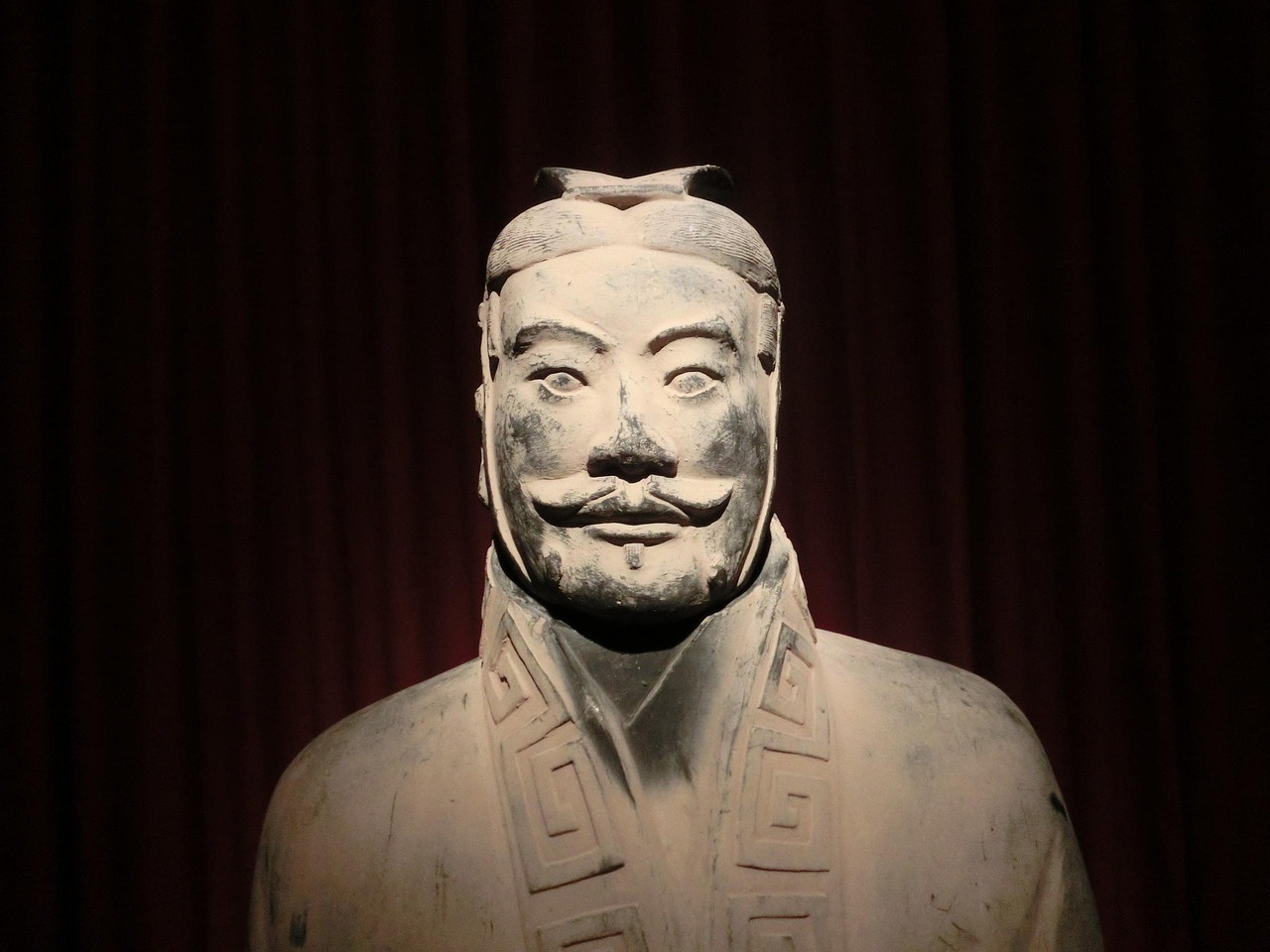
Beyond the pits: bronze chariots, weapons, and mausoleum context
To round out the experience, give yourself permission to go beyond the headline pits. The museum route is designed as a sequence of revelations: first, the army; then the technology and artistry that made it possible; and finally, the landscape that held the ruler’s ambition. If you’re a cultural enthusiast, this is where your understanding becomes layered—less “I saw it”, more “I understand why it exists”.
Bronze chariots and weapons exhibition: how the Qin system learned to standardise
The bronze chariots are among the most exquisite objects on site, and they change the emotional temperature of the day. Where the terracotta warrior ranks feel rugged and earthen, these works speak of precision, metallurgy, and court-level resources. Nearby weapons displays underscore the Qin state machine: standardised parts, sharp engineering, and the quiet confidence of a system built to last in the Qin dynasty.
Move slowly through the exhibition spaces and let the interpretive panels do their work. An expert audio guide can help you spot small design choices—insignia placements, rank clues, and subtle variations—that might otherwise slip past.
Strolling the Mausoleum Site Museum: construction of his tomb, the tomb complex, and Qin Shi Huang’s legacy
When you step outside to the mausoleum area, the atmosphere opens up. The earthworks and tree-lined paths remind you that the figures were only one component of a far larger burial complex. The Mausoleum Site Museum provides context on the construction of his tomb and why the main chamber remains largely unopened: preservation, safety, and respect for what cannot yet be protected once exposed.
There’s something reassuring in that restraint. Even with today’s technology, some doors stay closed—not out of secrecy, but out of care for Qin Shi Huang’s story and the fragile underground environment.
- Photograph thoughtfully: no flash indoors, and keep your distance behind barriers.
- Follow local etiquette: speak softly, queue patiently, and keep pathways clear.
- Leave no trace: dispose of rubbish properly and respect quiet spaces.
- Watch for signage: pit routes and restricted zones protect conservation work.
These small choices create a smoother flow for everyone, and they quietly support the teams in preserving what you came to see.
F.A.Qs: terracotta warriors and horses museum in Xi’an
Why are the Terracotta Warriors in Xi’an?
The Terracotta Warriors are in Xi’an because they were created to guard the burial complex of Qin Shi Huang, the first emperor, near his mausoleum. They were placed underground as part of an afterlife vision, protecting the tomb and projecting imperial order beyond death for the Qin emperor.
Can tourists see the Terracotta Warriors?
Yes. Tourists can visit the Terracotta Warriors at the Terracotta Warriors and Horses Museum near Xi’an. You view the pits from designated walkways and platforms, with clear barriers that protect the figures while still offering excellent sightlines for photography and close observation—an ideal first visit to the terracotta army.
How much does it cost to go to the Terracotta Army in Xi’an?
Tickets typically cost about 150 yuan (about $22 USD), and an audio guide may incur an additional fee. Prices can vary slightly by season or ticket policy, so it’s wise to confirm on the day—especially if your visit to the terracotta falls on peak dates.
Where is the Terracotta Army in Xi’an?
The museum is located outside central Xi’an in Shaanxi Province, around a 40-minute drive from the city centre. Most travellers reach the site by taxi, private car, or public bus, often combining it with time at the nearby mausoleum area of Qin Shi Huang and the wider Qin–era story.
Terracotta warrior reflections in Xi’an, China: what the pottery figures and details leave with you
For me, reflections don’t arrive all at once; they unfold later, in the gaps between travel days. I can still picture the terracotta warrior gaze—steady, unblinking, neither welcoming nor hostile—simply present. It lingered in my mind less as a checklist item and more as a feeling, like the world had briefly widened and then settled back into place.
What stays with you is the strange comfort of scale: life-sized ranks standing together, yet each face distinct, shaped by hands you’ll never meet. I found myself thinking about the people behind the project—the workers mixing clay, the makers refining a tunic fold, the team that could excavate and log fragments so they could be restored with dignity. In that chain of effort, you sense something quietly human, even in a story built around a ruler.
There’s also a tension that feels worth holding: the grandeur of the Qin, and the intimacy of detail; the certainty of an empire, and the fragility of colour that disappears if exposed too quickly. It asks you to look closely, to trust slow history, and to carry a softer kind of confidence—the kind that comes from paying attention rather than rushing for proof.
Long after you leave, it’s easy to imagine that, somewhere under the soil, more pottery figures remain—waiting patiently, not demanding anything, simply inviting your curiosity to stay awake. That’s what a good attraction does at its best: it keeps your mind travelling after your feet have stopped.