Post Contents
- Top Things to Do in Rome, Italy – Luxury Travel Guide for High-End Travellers & a Relaxed Itinerary
- Colosseum and Roman Forum – Private Guided Tour with Palatine Hill in the Heart of Ancient Rome
- Vatican Museum and Sistine Chapel – Skip-the-Line Private Guide for Art Insight
- Piazza Icons Walk in the Centre of Rome – Pantheon, Trevi Fountain, Piazza Navona & Spanish Steps
- Trastevere, Monti Aperitivo & Aventine Keyhole – Cool Places in Rome for an Evening Itinerary
- F.A.Qs: Top things to do in Rome, Italy
- Rome, Italy Reflections After the Journey – The Moments That Stay With You
Top Things to Do in Rome, Italy – Luxury Travel Guide for High-End Travellers & a Relaxed Itinerary
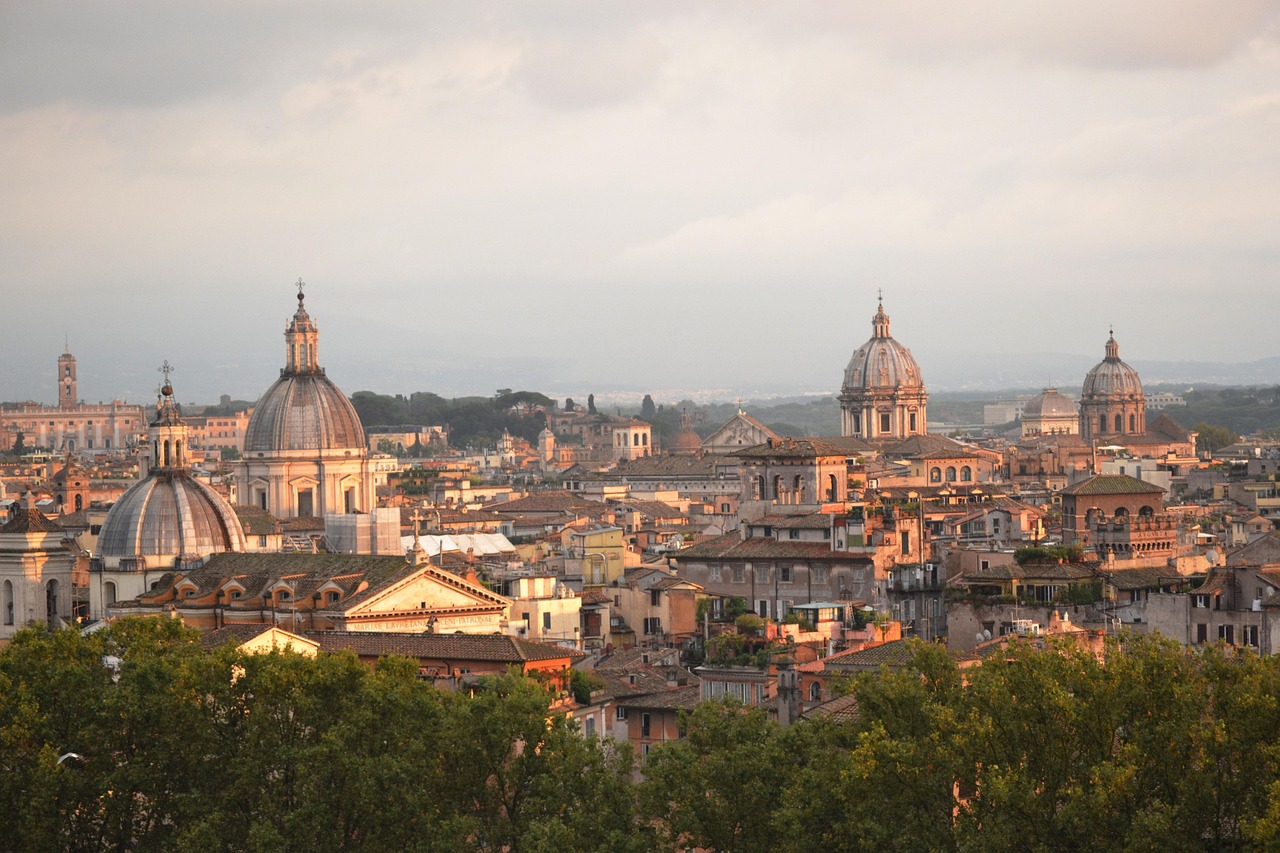
Things to Do in Rome Travel Guide for High-End Travellers in the City of Rome
This chapter is your foundation for the top things to do in Rome, Italy, travel guide and luxury itinerary—designed for travellers who appreciate privacy, design, and a sense of ease. Rome is a city of contrasts: a classical past and contemporary style living side by side, marble and modern tailoring, ruins beside terrace cocktails in the eternal city. When we say “best things,” we mean experiences that feel unhurried, well worth the time, and beautifully supported—so you can relax into the city Rome has to offer.
For many trips to Rome, the true luxury is pacing. You’ll take in the top attractions without feeling you’re chasing them, and you’ll still have space for quiet moments: an espresso at a local bar, a slow walk through a sunlit piazza, and a boutique purchase that becomes a keepsake. If you visit Rome with intention, the city rewards you with calm between the icons.
Designing a flexible Rome itinerary for 2 to 5 days (and what to prioritise)
Rome is definitely a place where “much to see” can become overwhelming—especially when tourist density surges in summer. A flexible itinerary keeps your days light and your evenings alive. For a first-time visitor, the iconic corridor (Colosseum, Roman Forum, Vatican, and historic centre) deserves attention, but with a gentle see-and-skip mindset so your days don’t blur. If you want a simple framework, build a Rome itinerary around two anchors per day, then leave space for lingering meals and spontaneous detours.
If you return to Rome, you can lean into texture: neighborhood markets, artisan studios, and slower galleries. Your way to experience Rome can shift from checklist to craft—less about volume and more about meaning and the small details that make a destination memorable.
- 2 days: Prioritize two anchors (Colosseum and Roman Forum; Vatican) plus one sunset aperitivo.
- 3 days: Add the icon loop through the historic centre, with time for long lunches and a short museum stop.
- 4–5 days: Include Trastevere evenings, the Aventine at its calmest, and a curated food tour that suits your tastes.
Best time to visit Rome and how to start early in the morning
The best time to visit Rome is April to June or late September to October—shoulder seasons when light feels softer, evenings are comfortable, and tourist flows are calmer. Even in peak months, the simplest upgrade is to start early in the morning for key sights, then retreat to a shaded terrace when the streets heat up.
Think of your time to visit as part of your design: first entries for major sites, unhurried lunches, and golden-hour walks when the city turns honey-colored and you feel like you have Rome to yourself.
Where to stay in Rome: best places to stay for walkability and calm
To stay well in Rome, choose neighbourhoods that balance beauty with walkability. Campo de’ Fiori is central for restaurants and easy strolls to the Pantheon; Trastevere has charm after dark; the historic centre offers polished convenience for first-timers. For high-end travellers, boutique hotels on quieter streets can be the best luxury choice—often with concierge support that quietly upgrades your day.
For the best places to stay, ask your hotel for a tailored plan: timed museum entries, a chauffeured car service, and reservations that match your tastes. If you have extra days, consider pairing Rome with one night outside of Rome as part of a broader Italy itinerary. If you want inspiration beyond this travel guide, browse our Trip gallery for design-led routes and places to visit in Italy that connect the capital with the rest of your time in Italy.
Getting around Rome with seamless support (without the stress)
The city’s narrow lanes and cobblestones reward travellers who plan for comfort. For longer hops—especially in the afternoon—pre-book a private transfer or chauffeured car service so you arrive composed. For walking, choose comfortable yet elegant shoes, and remember to dress modestly at religious sites.
Many of us began with Rick Steves and a folded map; it’s a wonderful starting point. Yet an expert local guide elevates the journey: they adjust timing around crowds, weave context into what you see in Rome, and share specific locations in Rome you might otherwise miss, making the experience feel both easy and deeply personal.




Colosseum and Roman Forum – Private Guided Tour with Palatine Hill in the Heart of Ancient Rome
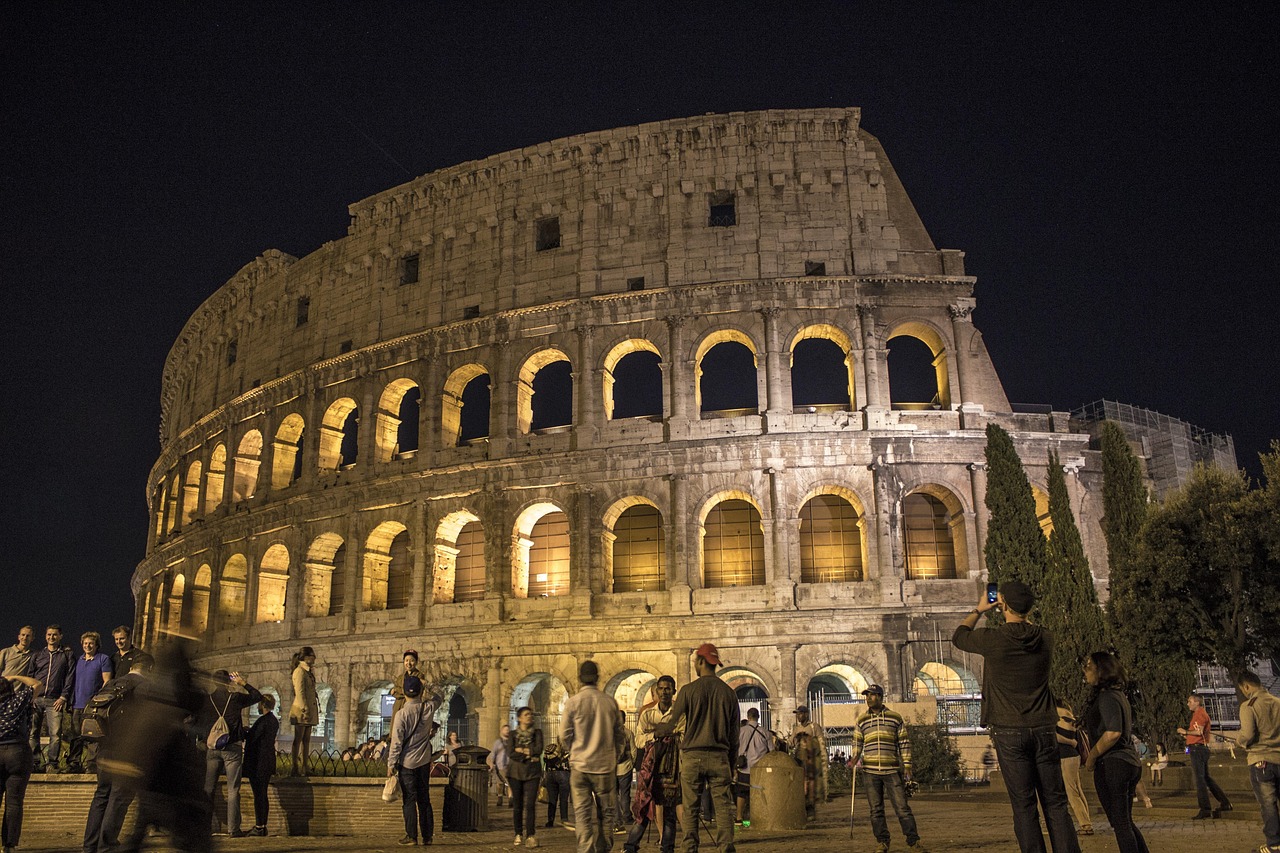
Colosseum and Roman Forum Private Guided Tour in Ancient Rome at dusk
For many travellers, a private guided tour of the Colosseum and Roman Forum is the signature moment—the one that shifts Rome from “famous” to truly personal. The Colosseum is an obvious tourist attraction, but the experience changes completely when entry is timed, the narrative is crafted, and you’re not pushed along by the largest crowds. It becomes an attraction in Rome, where you experience it with context rather than noise.
If you can, design your visit for late afternoon or after-hours access. The atmosphere becomes more intimate, and the stone seems to hold its breath as the city sounds soften.
Why the Colosseum feels more powerful with a private guided tour
The Colosseum is not just a monument; it’s a theater of memory. With an expert guide, you’ll uncover how engineering, politics, and spectacle shaped the Roman Empire—and how daily life once revolved around this arena. Rather than rattling off dates, a great guide builds a narrative you can feel: the entrance tunnels, the seating hierarchy, and the emotion of standing where history still echoes.
Pairing the Colosseum and the Roman Forum creates a single sweep through the heart of ancient Rome. One moment you’re inside the amphitheater; the next you’re walking among temples and basilicas where decisions were made that shaped Europe. The Roman Forum is a landscape of ruin, yes, but also of continuity—Rome is home to layers that never fully disappear.
Adding Palatine Hill: the best way to see the full archaeological complex
Palatine Hill is the quiet, elevated counterpoint—ideal for perspective and a calmer pace. From here, the panorama opens up, and the stories knit together: emperors’ residences above, civic life below. It’s often the best way to see the entire complex without rushing, especially if you’re travelling with family or simply want moments of stillness between the busiest corridors.
Allow time to linger: a few well-placed pauses can be more powerful than another stop. This is where a private guide earns their place—reading your energy, offering shade breaks, and choosing routes that feel seamless.
Booking guidance: book your tickets well in advance. In high season, timed entry is non-negotiable for the Colosseum, and private slots sell out quickly. Prioritize official ticketing, then choose vetted operators for logistics and access—many travellers enjoy a tour with Walks of Italy for clear pacing and a reliable skip-the-line structure.
- Choose a timed entry that avoids midday heat and peak tourist surges.
- Ask for a route that includes the Roman Forum and Palatine Hill in one flow.
- Carry a discreet crossbody bag and keep valuables close in dense crowds.
One traveller told us their private after-hours Colosseum experience felt like time travel: no jostling, no loud groups—just space to imagine the arena as it once was. Their guide slowed down at the most evocative points, letting the silence do some of the storytelling, and the entire evening felt curated rather than consumed.
Vatican Museum and Sistine Chapel – Skip-the-Line Private Guide for Art Insight
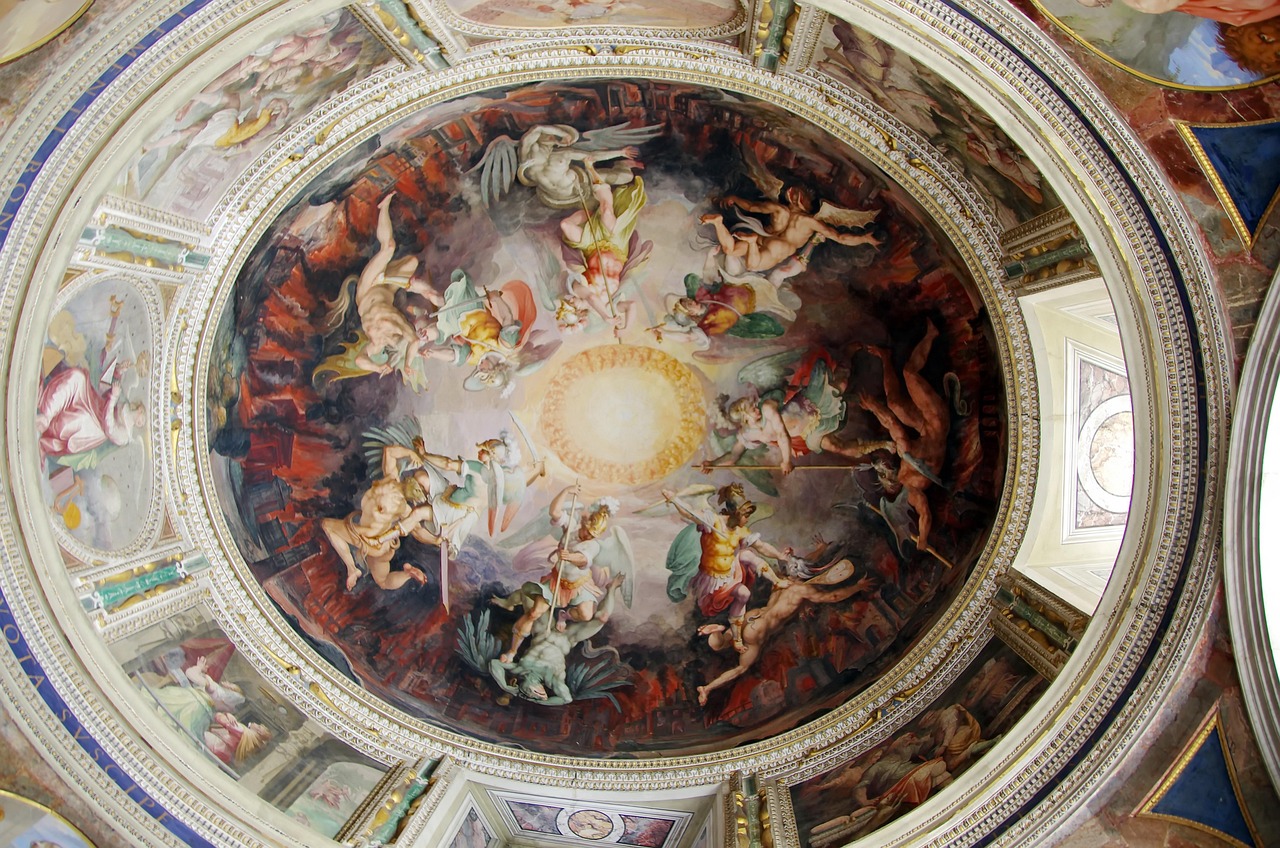
Vatican Museum and Sistine Chapel with skip-the-line art insight
A Vatican Museum and Sistine Chapel skip-the-line private guide plan is how you visit the Vatican with calm—especially if you’re sensitive to crowds or simply prefer elegance over endurance. The Vatican can be one of the busiest tourist attractions in Europe, but with the right structure, it becomes intimate: an art historian at your side, a pace matched to your interests, and a morning that feels quietly meaningful.
This is one of the best places where personal attention turns “seeing” into insight. Instead of racing, you move with intention—so the museum feels like a curated collection rather than a maze.
Vatican Museum highlights: what to see without museum fatigue
The Vatican Museum is vast. To prevent overload, choose a route that matches your curiosity: classical sculpture, Renaissance frescoes, tapestries, or the Raphael Rooms. A good guide will create breathing space—pausing in quieter corners, letting you sit for a moment, and translating symbolism into something you can actually feel.
Simple comfort makes a difference: bring water, wear shoes that handle marble floors, and keep layers handy for cool galleries. In peak corridors, stay alert for pickpockets—use a money belt or a discreet crossbody bag, and keep your phone secure.
The Sistine Chapel moment and why expert interpretation matters
The Sistine Chapel can be overwhelming if you arrive in a rush. With expert explanation beforehand, the moment becomes focused: you understand what you’re looking at and why it still moves people centuries later. An art enthusiast once described being profoundly moved as their guide gently pointed out the human details in Michelangelo’s figures—less a lecture, more a conversation that created space for awe.
That’s the quiet luxury here: not more facts, but better understanding.
Extend your morning to Peter’s Basilica near the Vatican
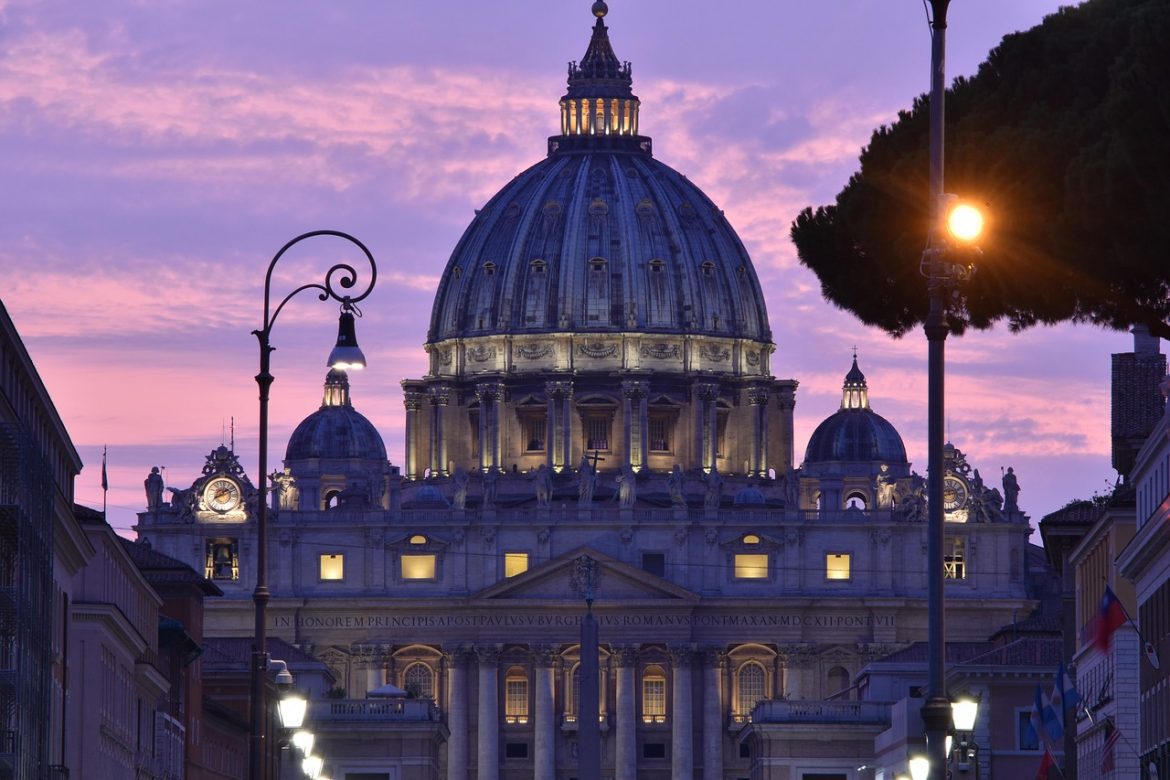
After the Vatican Museum, consider continuing to St. Peter’s Basilica (often accessible via a connecting route, depending on ticketing and crowd management). Dress codes matter—covered shoulders and knees—and mornings tend to feel calmer than afternoons. A gentle stroll near the Vatican afterwards, perhaps along the Tiber, helps you decompress and let the art settle.
If you’re travelling at a slower pace, build in a coffee break before moving on. Your itinerary should support your energy, not test it.
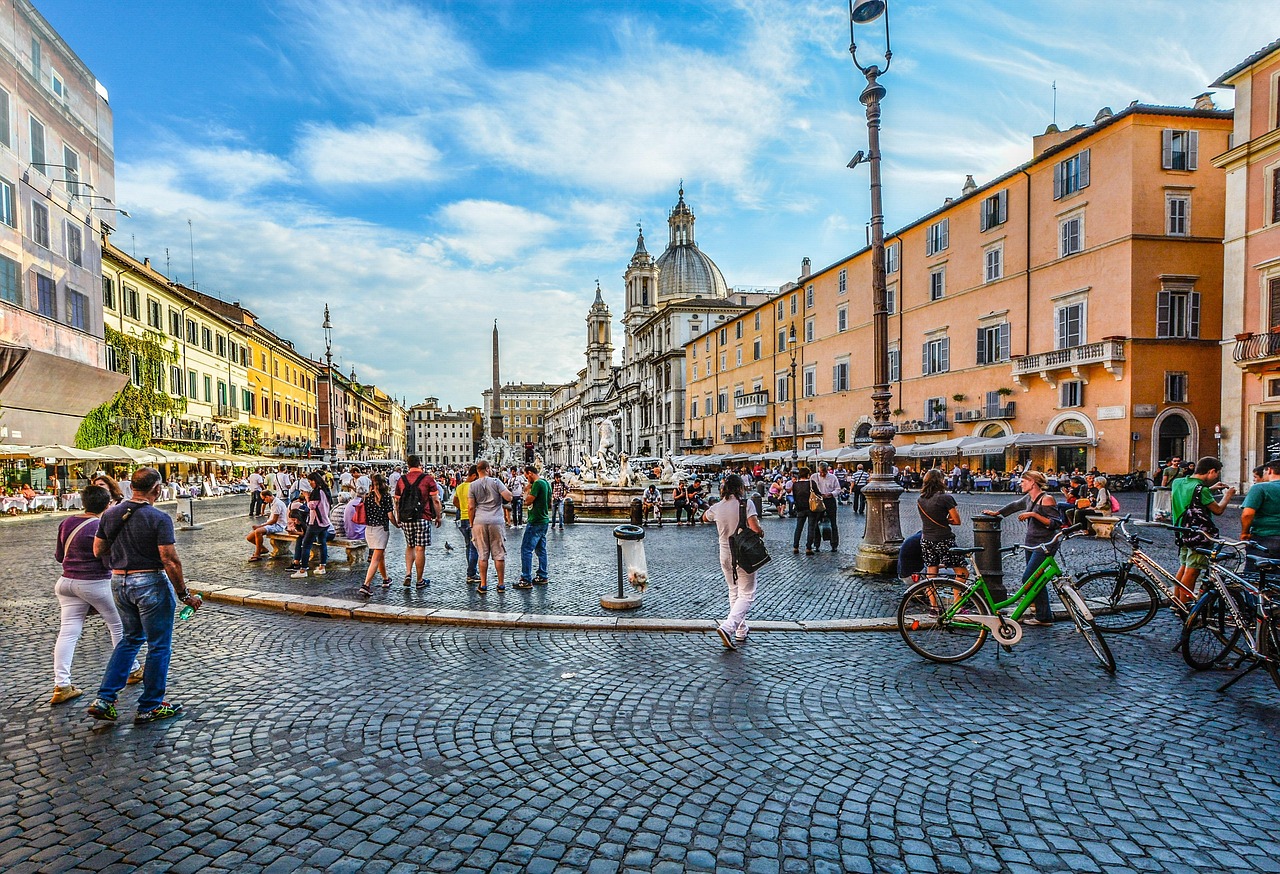
Piazza days in the centre of Rome with Pantheon, Trevi Fountain, and Spanish Steps
If you’re searching for Piazza Navona, the Pantheon, Trevi Fountain, and the Spanish Steps in one elegant loop, this is your walk. It’s the classic “icon circuit” that helps you understand Rome’s visual language: curves and columns, fountains and façades, and the way light slides across stone. It’s also where you’ll feel the city’s rhythm—where locals pass through quickly, and tourist crowds gather around each landmark.
Start when the streets are still cool, and you’ll see a softer Rome. This loop also reveals the in-between spots in Rome—tiny churches, backstreet ateliers, and café corners that make the day feel personal, not packaged.
Begin at the Pantheon, one of the most astonishing spaces in Europe, and step inside to feel the scale. From there, stroll to Piazza Navona, where baroque fountains and painterly façades create a natural stage for people-watching. This piazza is ideal for a refined pause: choose a café where you can sit back, notice details in the stonework, and let the city come to you rather than the other way around.
From Piazza Navona, continue on foot towards the Trevi Fountain. As you go, you’ll pass small churches, boutiques, and tiny corners that feel like secret discoveries—proof that the best moments are often between the big markers on a map.
Trevi Fountain ritual: when to go and how to throw a coin
At the Trevi Fountain, approach with patience and at the right time. Early morning or late evening is calmer, and the marble glows rather than glares. If you choose to throw a coin, do it simply: stand with your back to the water and toss it over your left shoulder. You’ll hear the “5 euros” myth now and then, but the ritual doesn’t need a price tag—just a small moment of intention.
Then continue towards Spagna and Piazza di Spagna, home to the Spanish Steps. Even if you only pause for a photograph, the area offers a beautiful view of Roman street life—especially at golden hour, when the light feels designed.
The Victor Emmanuel II Monument: a viewpoint and the story of unified Italy
To deepen context, add the monument often called the Vittoriano as a viewpoint anchor. It’s dramatic, yes, but it also draws you into the story of unified Italy: Vittorio Emanuele II, the first king of Italy and later king, and the nation-building era that reshaped the peninsula. Seen from this angle, Rome becomes more than an open-air museum—it becomes a capital with layered identities.
Viewpoints mini-list for this area:
- Golden-hour angles along side streets leading into each piazza.
- High-window perspectives from calm hotel lounges or terraces.
- A quiet corner near Piazza del Popolo for an open, airy feel before the day thickens.
Trastevere, Monti Aperitivo & Aventine Keyhole – Cool Places in Rome for an Evening Itinerary
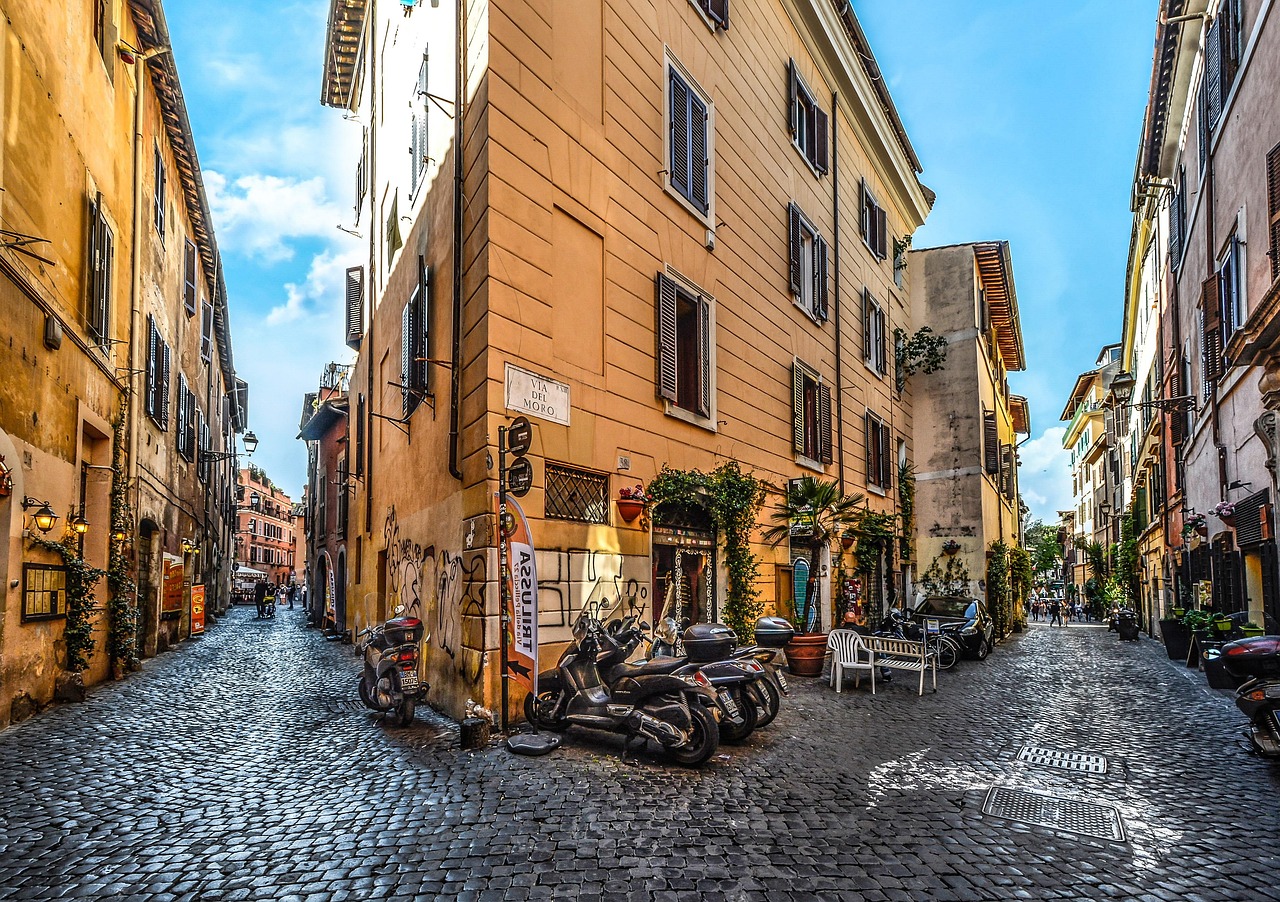
Trastevere, Monti and Aventine for a local Rome night
This chapter follows the feeling behind Trastevere, Monti aperitivo, and the Aventine Keyhole—an evening itinerary that trades queues for character. After big attractions, these neighborhoods help you settle into the city: cobbled lanes, boutique shops, artisan restaurants, and that lived-in hum that makes Rome feel like somewhere you could belong.
It’s also where luxury becomes subtle. Not necessarily white tablecloths (though you can have them), but impeccable timing, thoughtful recommendations, and the confidence of knowing where you’re going next.
Trastevere evenings and a Rome food tour in Trastevere
Trastevere is best approached as a neighbourhood, not a stage set. Wander through small shops, step into family-run bakeries, and choose a tour in Trastevere that balances storytelling with tastings. A well-curated food tour should introduce seasonal Italian food and quality wine pairings—simple, honest flavours presented with polish.
If you enjoy structure, a Rome food tour in Trastevere can be the easiest way to uncover the district’s best plates without falling into tourist traps. Ask for smaller groups and guides who tailor the pace—it should feel like you’ve lived in Rome for an evening, even if it’s your first time.
Quick tips for an elevated food tour:
- Begin earlier to avoid peak dinner waves and secure better tables.
- Ask for a focus on seasonal produce and regional wines.
- Share dietary preferences upfront so the experience feels seamless.
A couple once told us their most memorable meal wasn’t just “fine dining”—it was a Michelin-starred dinner set inside a historic palazzo. They described how luxury service and authentic Roman flavours sat together naturally: attentive pacing, graceful pairings, and dishes that still felt rooted in Italian travel traditions rather than reinvented for show.
Monti rooftop aperitivo: best views over the Forum
For a calmer, design-forward evening, cross into Monti. This is where you’ll find less crowded cafés and a more local mood—perfect for a lingering drink. Choose a rooftop at sunset and let the Roman Forum glow below; it’s one of those rare best views where history feels close enough to touch, yet the moment remains entirely your own.
If you’re navigating by car, this is where a chauffeur becomes a quiet luxury. Monti’s lanes can be tight, and arriving smoothly keeps the evening’s tone intact.
Aventine hush: the Keyhole and Giardino degli Aranci
To end the night softly, head to the Aventine Keyhole for a perfectly framed glimpse of the Vatican skyline—an unexpected, almost cinematic perspective. A solo traveller once shared that this tiny, hidden view gave them serenity: a rare pause away from the busiest corridors, a small moment of wonder without fanfare.
From there, stroll to Giardino degli Aranci for a contemplative view of Rome. It’s especially lovely as the city quiets. For late evenings, keep a gentle safety mindset: walk with purpose, stay aware in quieter streets, and consider a private transfer back to your hotel if you’re far from the centre.
F.A.Qs: Top things to do in Rome, Italy
What can you not miss in Rome?
You cannot miss the Colosseum and Roman Forum for a vivid sense of ancient Rome and the Vatican Museum for art that genuinely shifts your perspective. In the historic centre, make time for the Pantheon and a classic piazza stroll, then choose one calmer moment—such as the Aventine Keyhole—to balance the city’s energy. The most memorable visits often come from timing and guidance: early entries, skip-the-line access, and an expert who brings the story to life.
What are the top five attractions in Rome?
The top five attractions for most travellers are the Colosseum, the Roman Forum (often paired with Palatine Hill), the Vatican Museum and Sistine Chapel, the Pantheon, and the Trevi Fountain. Many also include Piazza Navona or the Spanish Steps, depending on your pace and interests. For a high-end approach, reserve timed entry and consider a private guided tour so each site feels calm, personal, and genuinely worth your time.
Is there a 7th wonder in Rome?
Yes—Rome is home to the Colosseum, which is recognized as one of the New 7 Wonders of the World. Seeing it with a private guided tour can transform the experience from a busy visitor moment into something intimate and textured, especially with after-hours or late-day entry. Pair it with the Roman Forum to understand the wider setting and the story of the Roman Empire.
When to avoid Italy in 2026?
If you want fewer crowds, avoid Italy in 2026 during peak summer weeks (especially late July and August) and around major holidays when Rome’s busiest sights are at capacity. For a calmer feel, choose April to June or late September to October, and plan your big-ticket visits for opening time. If you must travel in peak periods, prioritise skip-the-line options, private transfers, and hotels with strong concierge support.
Rome, Italy Reflections After the Journey – The Moments That Stay With You
This closing chapter holds the feeling behind Rome, Italy, reflections after the journey—the way certain moments linger long after you’ve left Italy. Not the checklist of major sights, not even the photographs, but the quieter impressions: footsteps on cobblestones at dusk, the sound of a fountain in a shadowed piazza, the way warm light touches old walls as if it has always known them.
In Rome, grandeur and stillness live side by side. The Colosseum carries scale and spectacle; the Aventine offers hush. The Vatican can be intense, yet inside the Sistine Chapel, there’s a collective silence that feels almost protective, as if everyone agrees to be smaller for a moment. Later, in Trastevere, a neighbourhood table can feel like the most luxurious place to visit—not because it’s grand, but because it’s human.
What stays with you is often a contrast you didn’t expect: a glance shared in a museum corridor, the scent of citrus near a garden wall, a brief kindness from a stranger when the city feels busy. Rome’s magic doesn’t demand that you conquer it; it invites you to be present with it, together, even if only for a few days.
At Designer Journeys, we design travel with care and expert support so you can explore with confidence—looked after, never rushed, and free to make the journey your own. Our favourite things are often the simplest: a perfectly timed coffee, a quiet street at dusk, and the feeling that there’s always more of Rome to discover when you’re ready.