Post Contents
- Livorno Tuscany First Impressions and the City’s Story with a Port City History Walk
- Terrazza Mascagni Livorno Seafront Promenade Sunrise and Mediterranean Views
- Mercato Centrale di Livorno Seafood Street Food and Cacciucco with Local Trust
- Livorno Venezia District Canal Boat Tour Venere degli Angeli and New Venice Atmosphere
- Fortezza Vecchia Livorno Naval Academy Museum Itinerary for a Crafted Adventure Day
- What Livorno Leaves With You After the Sea Air Fades
- F.A.Qs: Livorno in Italy
Livorno Tuscany First Impressions and the City’s Story with a Port City History Walk
Livorno Tuscany First Impressions and the City’s Story with a port-side stroll
Begin with a livorno tuscany port city history walk, because Livorno doesn’t introduce itself like postcard hill towns. It’s an important port with sea-breeze honesty, and that “working” energy is exactly what makes it so compelling for adventure seekers who still crave cultural depth. Livorno is a city that invites you to look closer: cranes and ferries in one direction, elegant façades and wide piazzas in the other.
For context, Livorno’s rich history is inseparable from the Medici. Under the Medici family and the grand duke of Tuscany, the city was shaped into a free port, welcoming merchants and communities who settled in Livorno for trade, safety, and opportunity. The port of Livorno became a gateway not just for goods, but for ideas—one reason the city feels more international than you might expect in the Tuscany region.
Livorno was founded in 1017 as a small fishing village on the coast, and later changed hands and ambitions; 1421 is a date locals still cite, when Florence’s influence accelerated the town’s strategic importance. Over time it was called Leghorn by English-speaking traders, and you can still sense that cosmopolitan thread in details like the Protestant cemetery, a quiet reminder of the foreign sailors and merchants who once made this shoreline their temporary home.
Livorno landmarks that orient you fast in Tuscany
To feel instantly grounded, start at Piazza della Repubblica, a vast “bridge-piazza” built over waterways, then drift towards Piazza Grande for a sense of the civic heart. Nearby, the Four Moors monument—sculpted by Pietro Tacca—anchors the waterfront story in bronze and salt air. Look for the statue of the grand duke (Ferdinando I) above the figures: a visual shorthand for Medici-era ambition and maritime power.
Keep an eye out for the synagogue too. Livorno’s synagogue is more than architecture; it’s a symbol of a layered past, shaped by tolerant policies and the practical realities of a port city in Tuscany. The city was rebuild after the second world war, and that resilience shows—less precious, more honest, and quietly proud.
A crafted first-day loop for spontaneity and confidence
For adventure seekers, the best first afternoon in Livorno is designed like a loop: short distances, big views, and easy detours. Wander from the piazzas towards the harbour edge, then let your instincts pull you into side streets where a single painted doorway or peeling façade can become your personal souvenir. It’s an approach that supports curiosity without demanding perfection.
- If you arrive by cruise ship, step a few streets beyond the immediate terminal area before choosing a café—prices and atmosphere improve quickly.
- Keep valuables secure in busy zones: crossbody bag worn to the front, phone away between photos, and pockets kept simple.
- Use gentle Italian to create local trust: “Buongiorno”, “per favore”, and “grazie” open doors with warmth.
And one small reassurance: Livorno is one of those places where getting lightly “lost” is part of the design. You’re never far from water, a wide street, or a landmark—so you can explore with confidence, then reorient in minutes.




Terrazza Mascagni Livorno Seafront Promenade Sunrise and Mediterranean Views
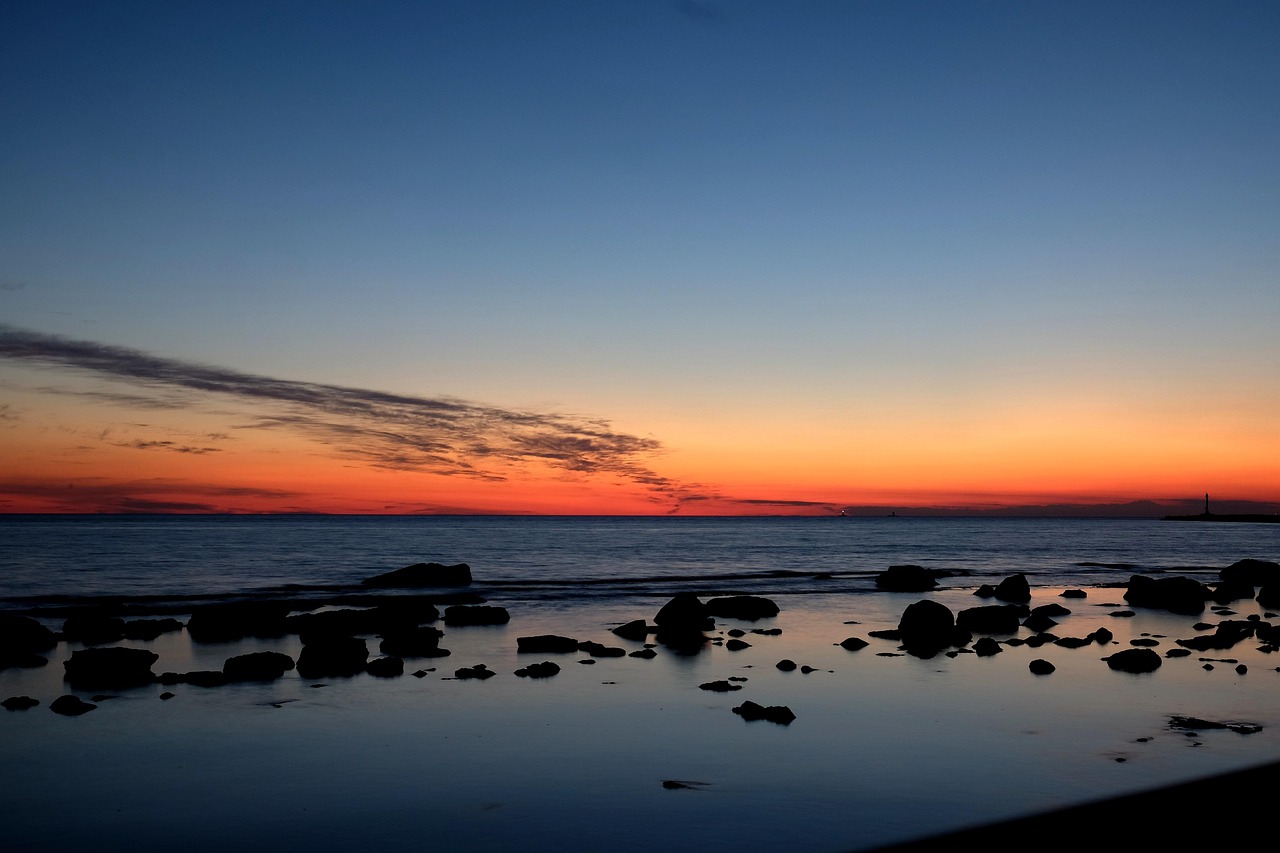
Terrazza Mascagni and the seafront promenade at sunrise in Livorno
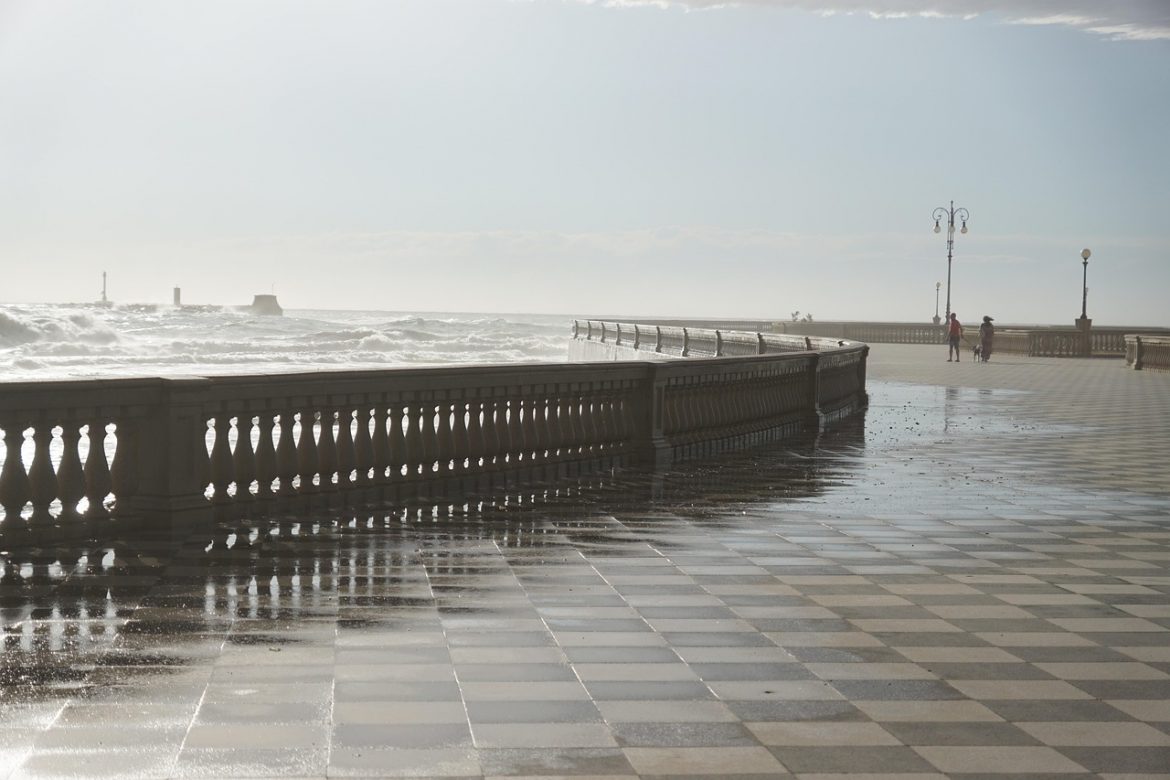
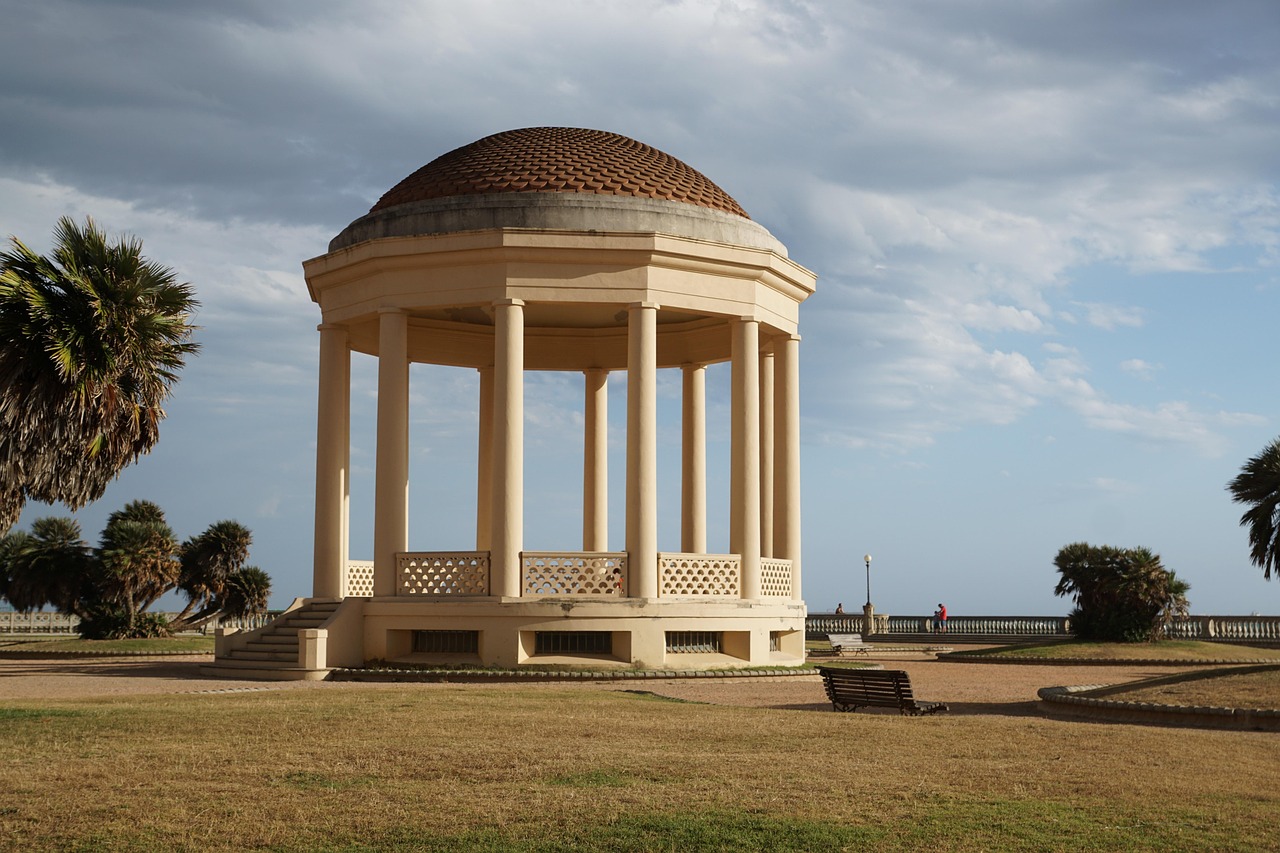
For a terrazza mascagni livorno seafront promenade sunrise, set your alarm and let the city feel new. The Terrazza Mascagni is a black-and-white checkerboard terrace overlooking the Mediterranean, and it’s the sort of attraction that makes photographers, runners, and romantics share the same quiet awe. Even if you return later, first light belongs to you.
One morning, an adventurer described cycling the seafront at dawn—tyres humming, air cool enough for a light layer, and fishermen unloading their catch while seagulls called overhead. It was the kind of moment that builds self-trust: you realise you can create a beautiful day here without over-planning. Livorno rewards that gentle bravery.
Mascagni, music, and the rhythm of Livorno
The promenade’s name nods to composer Pietro Mascagni, and it’s fitting: the mood changes like movements in music. Early hours are sparse and meditative; by late afternoon, the passeggiata begins, and the same railings and benches become social. You can watch Livornesi greet one another, pause for an espresso, and let the sea do what it does best—soften the edges of thought.
A coastal route from Terrazza Mascagni to the aquarium
Design a seamless out-and-back route: start at Terrazza Mascagni, roll or walk towards the aquarium, then return via cafés when the sun rises higher. Renting a bicycle is a stylish way to explore, especially if you enjoy moving through a city in Tuscany with a little pace and freedom. Cycle as locals do: keep right, pass with a soft warning, and slow near families and dogs.
For pauses, choose a gelato that matches the day’s energy (pistachio if you’re feeling bold, lemon if you want the sea to echo back). If the wind picks up, you’ll be glad of a wind-proof layer—this coast is generous with drama.
And for couples or friends travelling together, here’s the reassuring secret: you don’t have to stay side-by-side every second. Agree a meeting point on the terrace, take ten minutes each to wander and photograph, then come back together and share what you noticed. It keeps the discovery personal, while still feeling held.
Mercato Centrale di Livorno Seafood Street Food and Cacciucco with Local Trust
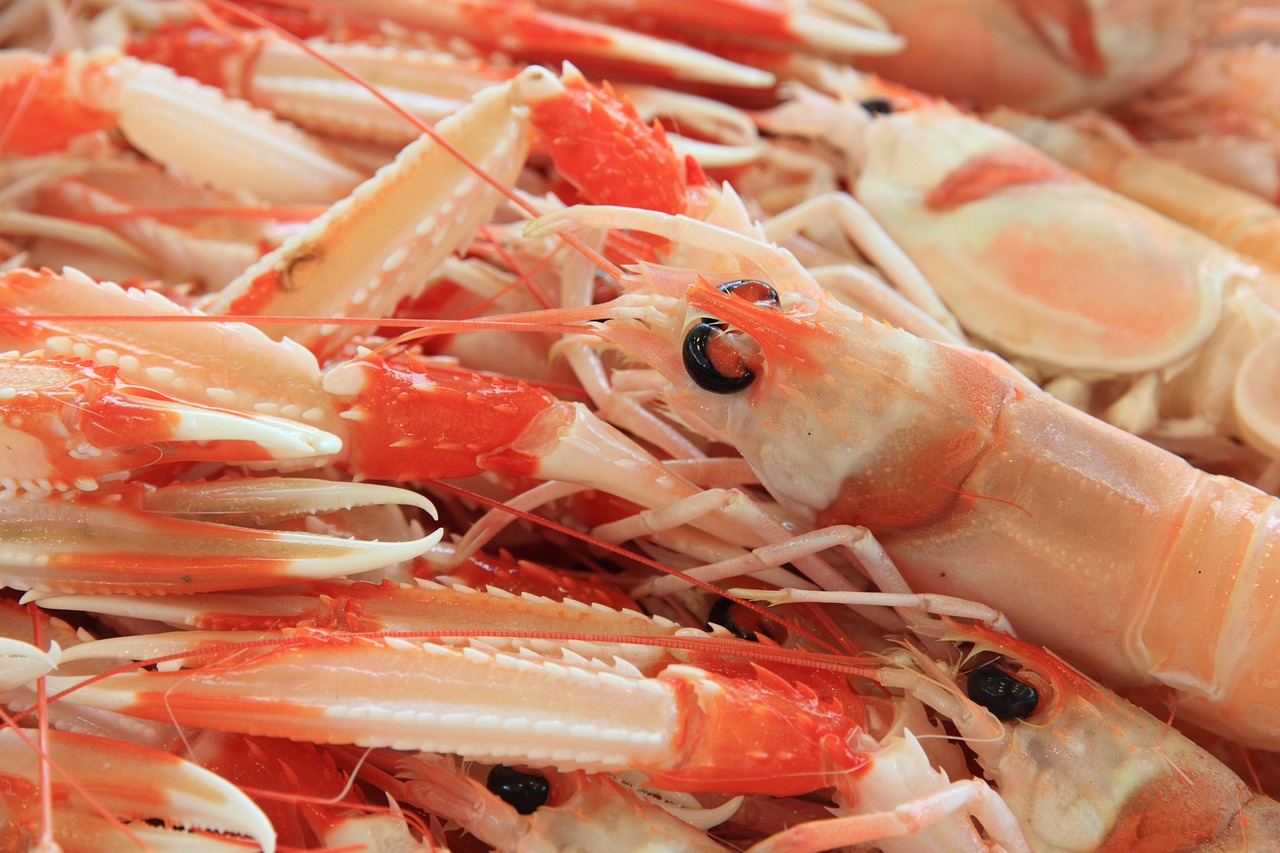
Mercato Centrale di Livorno and Tuscan flavours with local trust
Step into mercatO centrale di livorno seafood street food cacciucco territory, and let your senses lead. One traveller told me they got lost in the Mercato Centrale—guided by the smell of fresh seafood and the laughter of vendors who shared stories about local fishing traditions from a small fishing village heritage. In Livorno, food isn’t just fuel; it’s the city’s maritime memory served warm.
Start with cacciucco, the iconic Livornese seafood stew, dark and generous with the day’s catch. You’ll also find simple fried seafood, bright seasonal produce, and Tuscan staples that taste better when you’re standing at a counter, shoulder-to-shoulder with locals. Ask what’s best today, and you’ll often receive not just a recommendation, but a story.
What to eat in Livorno and how locals order
Livornese flavours are straightforward and brave—sea-led, peppery, and unapologetic. Locals often keep it simple: one hero dish, one small side, and a drink that doesn’t interrupt the taste of the sea. If you’re unsure, ask for something “tipico” and you’ll usually be steered well, especially when you begin with a friendly “Buongiorno”.
If you’re planning a more refined evening later, the market still matters: it gives you insight into what you’ll taste at the table. The best high-end meals in Livorno often begin with the same ingredients you see here, just handled with quieter finesse.
Budget-friendly tasting that still feels crafted
Even for luxury travellers, there’s pleasure in designing a tasting that feels intentional rather than chaotic. Think of it as your own curated flight—small, shareable, and full of local texture.
- Choose two bites: a fried seafood cone and a seasonal vegetable plate.
- Add one hero dish: cacciucco, shared if you’re together.
- Keep drinks simple: sparkling water or a light local wine, then save cocktails for later.
Markets can be busy, so keep personal items secure and choose quieter aisles if you prefer more space. A calm posture and a few basic Italian greetings are your best support—people respond to care, and Livorno responds to genuine curiosity.
As afternoon fades, keep one idea in your pocket for later: a couple once described dining at a small trattoria overlooking the Terrazza Mascagni, savouring authentic Tuscan dishes while locals danced nearby during a spontaneous street festival. In Livorno, romance often arrives unannounced—and that’s part of the charm.
Livorno Venezia District Canal Boat Tour Venere degli Angeli and New Venice Atmosphere
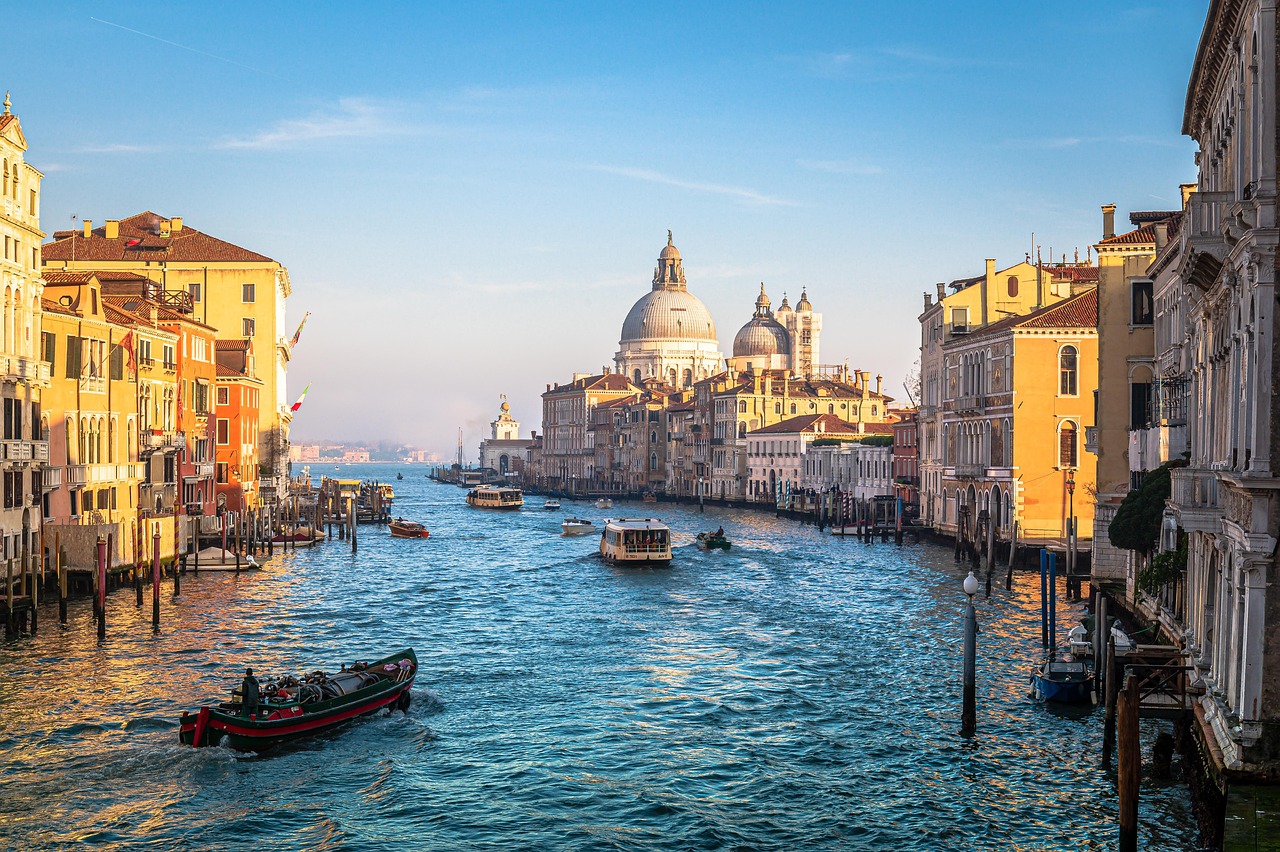
Venezia District canals in Livorno with a boat tour through Venere degli Angeli
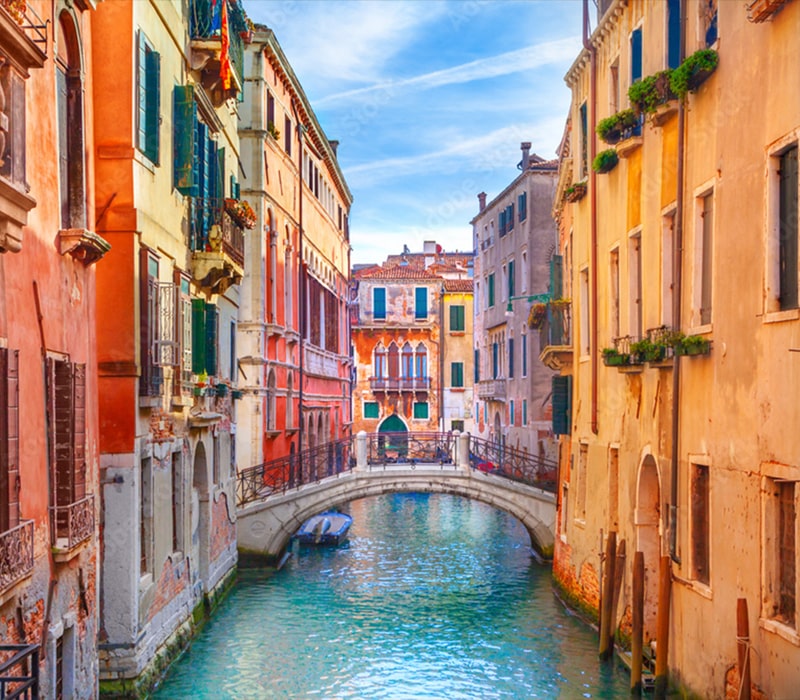
A livorno venezia district canal boat tour venere degli angeli is the quickest way to understand why this city feels like a cousin to Venice, rather than an imitation. In the Venezia (or venice district) quarter—sometimes nicknamed New Venice—waterways, little bridges, and old warehouses shape the mood. The Fosso Reale is the key reference point, a ribbon of water that makes Livorno feel both practical and poetic.
Book a boat tour through the Venere degli Angeli canal and you’ll uncover Renaissance-era planning alongside merchant architecture. Warehouses become quietly beautiful when you notice their proportions; a single restored façade can make the whole quarter feel cinematic. It’s a classic Livorno experience, but still intimate—especially outside peak hours.
Canal-side culture in Venezia and the Church of Santa Caterina
Use the Church of Santa Caterina as a visual anchor. Its dome rises above the canal network like a compass point, helping you orient as you explore. Guides may mention architect Bernardo Buontalenti, who helped fortify parts of Medici-era Tuscany with modern thinking; here, those ideas translate into a district built for trade, defence, and movement.
And if you’ve come via Florence, the contrast is part of the pleasure. Florence is an open-air museum of artistry; Livorno is an open-air conversation between sea, labour, and layered identity—more like Genoa in spirit, but with Tuscan light.
What to book and how to link the tour to aperitivo
Most tours are straightforward: expect an easy boarding point, a compact duration, and commentary that may be Italian-first with helpful summaries. If language matters to you, book ahead and ask for an English option; if not, let the visuals lead and treat the commentary as texture.
For a seamless route, step off the boat and walk to an aperitivo spot nearby. Keep it simple: one drink, one small plate, then an unhurried wander back across bridges as the water darkens. Daytime feels clearest; golden hour feels most romantic. Either way, bring a light layer, a bottle of water, and sun protection—comfort makes confidence effortless.
Solo travellers often ask if this area feels supportive. It does, especially in daylight: stay aware, keep your bag close, and choose well-lit routes back. You can keep the experience personal without feeling alone.
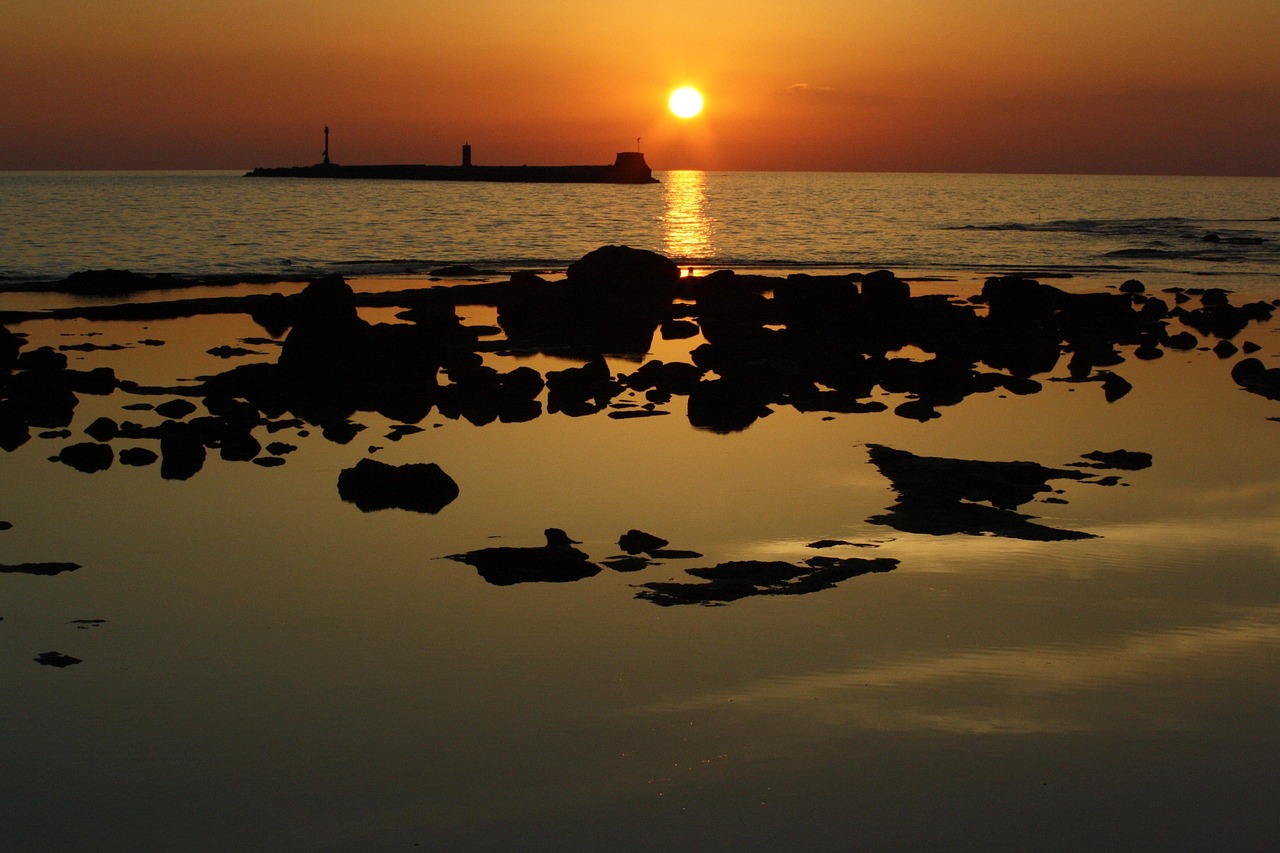
Fortezza Vecchia in Livorno with harbour views and a seamless adventure day plan
Build your day around a fortezza vecchia livorno naval academy museum itinerary, and you’ll feel the harbour’s power up close. Fortezza Vecchia (the Old Fortress) is monumental—stone, sea, and centuries of watching ships arrive. One solo explorer described visiting at sunset, photographing ancient walls bathed in golden light, and feeling unexpectedly connected to Livorno’s maritime past. It’s a gentle kind of awe: history without noise.
This fortress isn’t only about views (though the panoramic harbour vantage is superb). It’s about understanding Livorno as a city built to endure—strategic, outward-looking, and always moving. If you’re the kind of traveller who likes to uncover the “why” behind a place, this is your anchor.
Pair the fortress with the Naval Academy museum for a deeper look at Italy’s maritime story. The Italian Naval Academy and its collections help you read the port like a living text: routes, ships, discipline, and the quiet systems that keep an important port functioning. Even if you’re not typically drawn to military history, the craftsmanship of objects and the sense of scale can be unexpectedly moving.
As you move between sites, you’ll notice how Livorno balances pride and practicality. It doesn’t polish away its working identity; it invites you to respect it.
Side quests with a villa, Macchiaioli art, and Montenero
If you want extra cultural texture, add Villa Mimbelli and the Giovanni Fattori Civic Museum. The collection connects you to the figures of the Macchiaioli—painters of the Macchiaioli school who captured light and real life with a modern eye. It’s a stylish counterpoint to the harbour, and a wonderful way to experience Tuscan art beyond the usual grand galleries.
If time allows, you can also glance at Fortezza Nuova, a second fortezza that adds another chapter to the city’s defensive design. Then give yourself a viewpoint reset in Montenero: head up for calmer air and a wide outlook over the Ligurian Sea, a reminder that adventure can be both active and restorative.
- Best season: late spring to early autumn (May to September) for weather and festivals like Festa dei Ceri.
- Arrivals: fly into Pisa International Airport, then take a ~20-minute train or bus to Livorno; the connection is easy and reassuring.
- Getting around: Livorno is walkable, but bicycles make the coastline and canals feel effortless.
- Costs: entry to most museums is affordable, and discounts may apply for students and seniors.
- Care checklist: hydration, sun protection, secure bags, and a light layer for sea wind.
If you’d like to imagine how these days can be designed into a wider Italian journey—perhaps balancing the coast with time inland—browse our Trip gallery for inspiration and pacing ideas.
What Livorno Leaves With You After the Sea Air Fades
After Livorno, what stays isn’t only the sights; it’s the sensory afterglow. You remember salt air caught in your hair, canal echoes under bridges, and the market’s warm noise—voices calling, knives tapping, paper wrapping seafood with practised care. Livorno doesn’t ask to be romanticised; it simply keeps moving, and somehow that steadiness becomes comforting.
The personal threads linger in quieter ways: a shared laugh with a vendor who noticed your curiosity, the private confidence of a sunrise ride, and the hush that settles over old stone at sunset. Even the small choices—stopping for espresso when you needed a pause, or turning down a side street just to see what was there—become proof that your instincts can be trusted.
And later, when you’re far from Tuscany, you might find yourself remembering not a checklist but a feeling: a promenade widening into sea light, a bench where you sat together without speaking, a city that held your pace without rushing you. Livorno waits in the background like that—ready to be met again in another season, when the wind shifts and the light tells a slightly different story.
F.A.Qs: Livorno in Italy
Is Livorno worth visiting in Italy?
Yes—Livorno is worth visiting if you want a more authentic, sea-facing side of Tuscany. It blends a working port atmosphere with elegant seafront beauty, canal neighbourhoods, and standout food like cacciucco. It’s also less crowded than many Tuscan hotspots, which makes exploring feel calmer and more personal.
What to do in Livorno, Italy from a cruise port?
From the cruise port, you can quickly reach Terrazza Mascagni for seafront views, explore the Venezia district canals by boat, and visit Fortezza Vecchia for harbour panoramas. If time allows, browse Mercato Centrale for seafood and local snacks. Keep valuables secure in busy areas and walk a few streets beyond the terminal for better cafés.
How far is Livorno from Tuscany?
Livorno is in Tuscany—it’s a coastal city within the region. Many travellers use it as a seafront counterpoint to inland Tuscany, pairing it with places like Florence or Pisa. The journey from Pisa is short, typically around 20 minutes by train or bus, making Livorno easy to include without overcomplicating your route.
Why is Livorno famous?
Livorno is famous for its historic role as a Medici-era free port, its multicultural heritage, and its strong maritime identity. Travellers also come for Terrazza Mascagni’s checkerboard terrace, the Venezia district waterways, and local cuisine—especially cacciucco, the signature seafood stew. The city’s fortresses and harbour views add to its distinctive character.