Post Contents
- First look at the canals of Venice overview and Venice canal history Italy
- Vaporetto water buses, Venice canal transportation, Italy, and bridge anchors
- Grand Canal, Venice: gondolas, vaporetto, palaces, bridges, Italy.
- Rialto Bridge, Rialto Market, Venice canals, local Italian food.
- Cannaregio in Venice is a quiet neighborhood with hidden canals and a maze of waterways.
- Dorsoduro Venice canals, museum, Accademia Bridge, Italy, for lagoon air.
- St. Mark’s Basilica, Doge’s Palace, San Marco, gondola ride in Venice, Italy at night.
- FAQs: Venice canals in Italy
- What Venice Leaves With You: Venice canals and Italy’s reflection after the journey.
First look at the canals of Venice overview and Venice canal history Italy
First, look at the canals of Venice and why they matter on a quiet morning canal
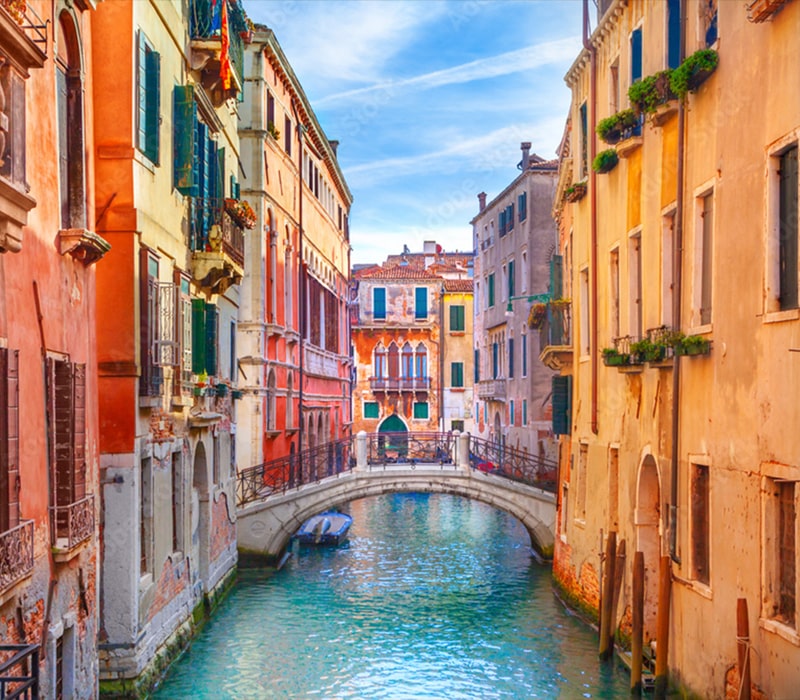
The canals of Venice overview meets Venice canal history in Italy the moment you step into a hushed back canal and hear water tap softly against stone. Imagine the city of Venice as it began—marshy edges and small communities learning to live together on islands in the Venetian lagoon, connected by waterways rather than roads. That origin story is still visible today, not as a museum label, but as an everyday rhythm.
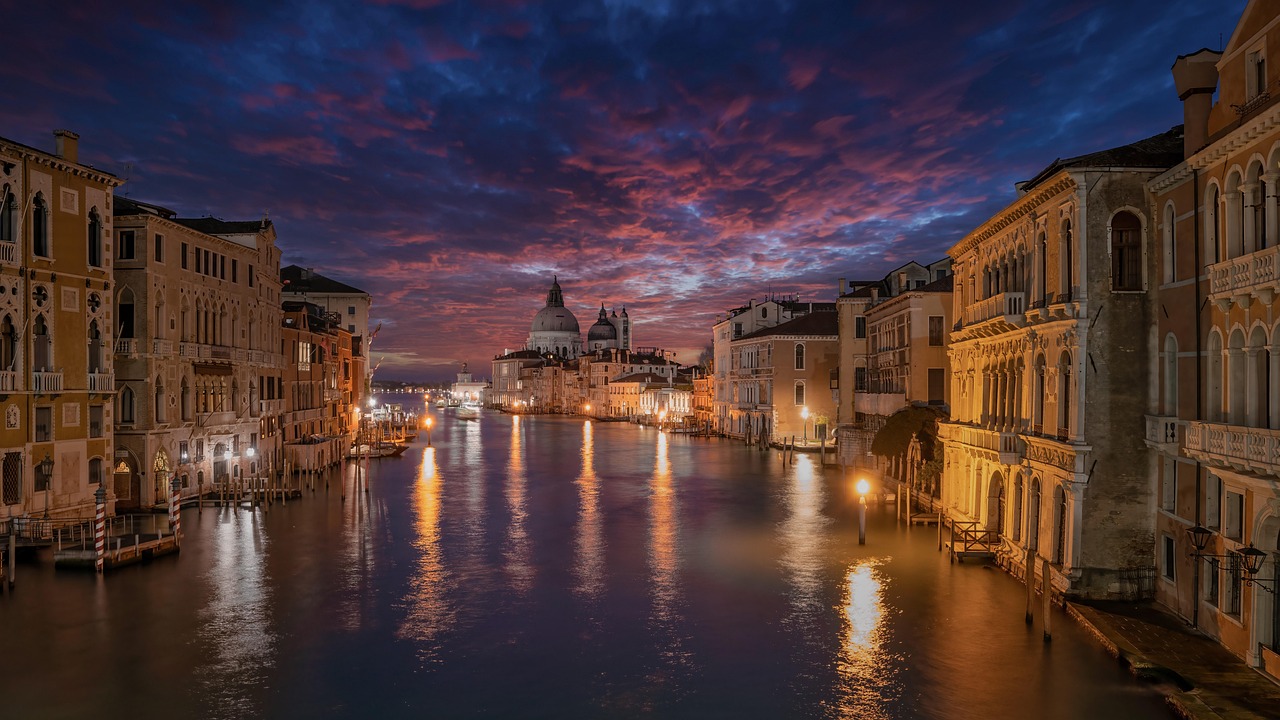
The Grand Canal is the headline act, shaped in a distinctive reverse S-curve that lets Venice unfold like a living map. Its average depth of 5 meters (which surprises many first-time visitors) matters because the tide and flooding continue to shape daily life, from shop entrances to how tourism flows throughout the day. Water is not a backdrop here; it’s a quiet decision-maker.
How to read a Venice canal like an adventurer
As you explore, start noticing cues that help you navigate with confidence. A low, simple bridge often signals a more local route; broader crossings tend to link busier corridors. Narrow streets that suddenly open onto a canal-side walkway can become your personal compass, while a discreet “sotoportego” cut-through offers a quick pivot when the crowds build.
Look up, too. Public buildings and each palace sit on a foundation designed to withstand water and time, giving Venice its improbable poise. The building materials—brick, Istrian stone, weathered timber—tell you what the city values: resilience dressed as beauty.
An early morning canal vignette you’ll remember
One explorer told us about an early morning stroll when Venice felt almost private: fishermen checking lines, market sellers setting out crates, and a lone musician rehearsing where the sound could travel. It was the kind of personal, unplanned insight that makes you feel part of the day rather than a tourist observing it.
Hold that mindset as you go: discover with curiosity, explore with care, and respect private property even when a doorway looks like the perfect photo. Venice’s canals reward those who move gently, as if travelling together with the city rather than through it.




Vaporetto water buses, Venice canal transportation, Italy, and bridge anchors
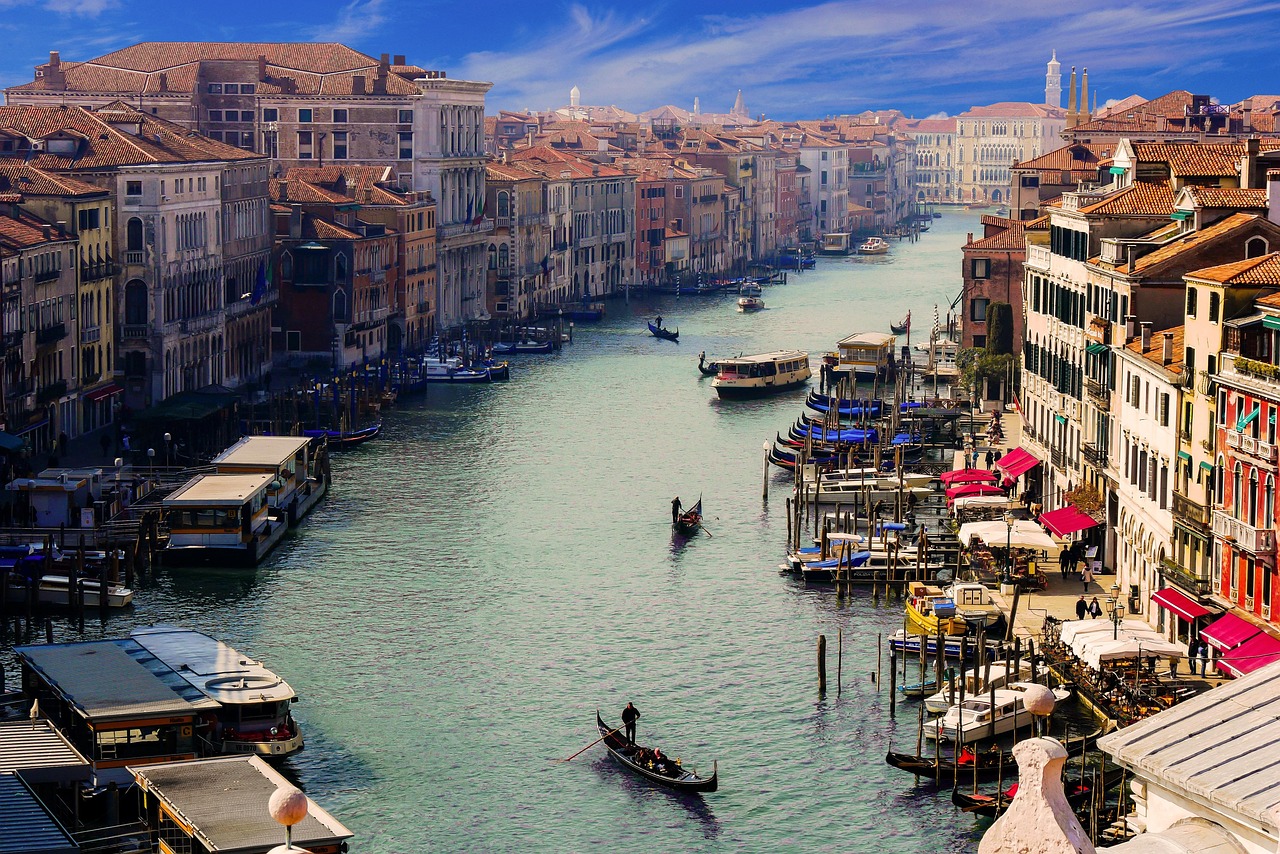
Vaporetto, water buses and bridges for a seamless Venice plan
Vaporetto water buses, Venice canal transportation in Italy, becomes wonderfully simple once you plan your arrival with support. From Venice Marco Polo Airport, you can transfer by water or road to the mainland gateway at the bus terminal in Piazzale Roma, then continue into Venezia proper. If you arrive by rail, your first view may be the railway station at Venezia Santa Lucia—an immediate reminder that the canal is your main street.
Vaporetto lines made simple for seamless days
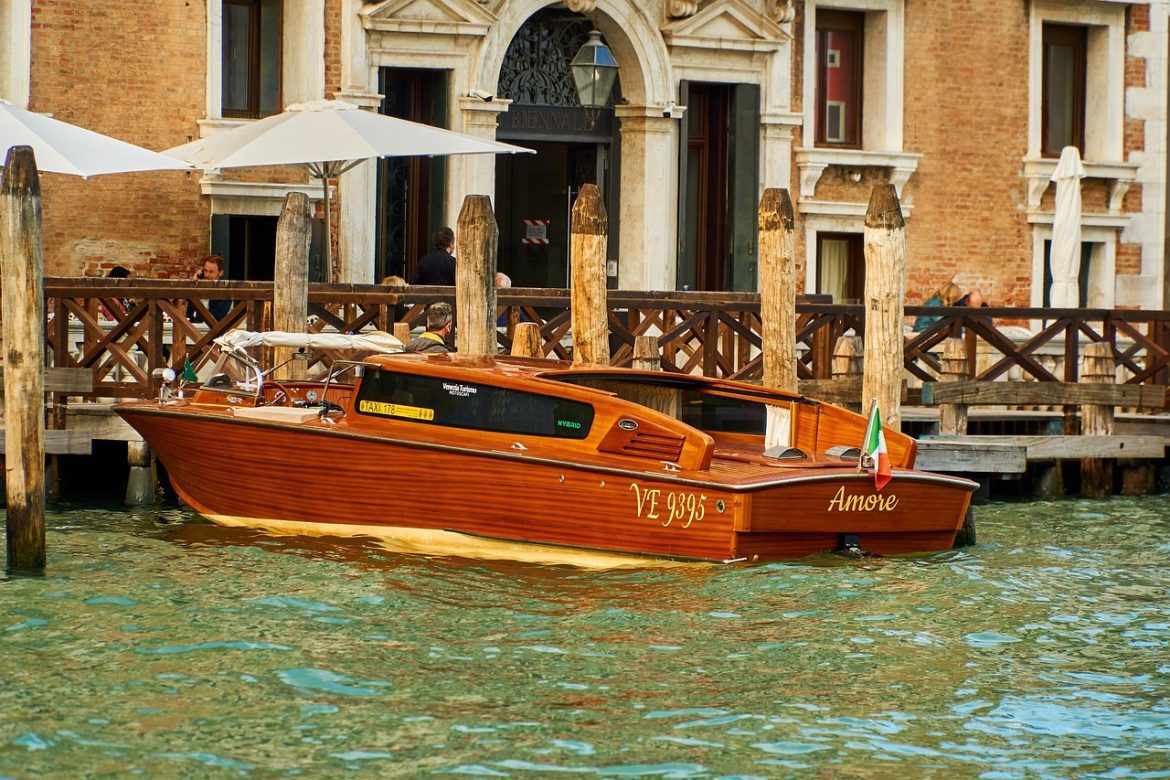
Think of the vaporetto as your elegant, affordable backbone. Buy tickets in advance where possible, validate them before boarding, and expect peak times to feel compact—especially mid-morning and late afternoon. A crafted loop helps you reduce backtracking: one direction for big sights and another for quieter returns, so your day stays seamless rather than reactive.
If you want to browse inspiration before you land, our trip gallery can help you imagine routes that balance culture and calm without over-planning.
For adventure seekers, bridges are more than crossings—they’re anchors. The Scalzi Bridge sits close to the railway station and quickly sets your orientation. The Accademia Bridge (with its current form rooted in the 19th-century story of crossings here) opens a graceful path towards Dorsoduro. And the Constitution Bridge—by Calatrava, a Spanish architect—adds a contemporary line from the late 20th century into your mental map.
When should you upgrade? Water taxis are fast and private, especially with luggage or late arrivals, but the cost is in a different league. Public boats are slower yet wonderfully efficient, and you’ll still feel the city’s pulse as you move.
Travel with confidence and care: keep belongings close in busy corridors, wear shoes that handle stairs and slick edges, and stay hydrated. On bright days, the Mediterranean sun can glare off the water, so a hat, sunscreen, and a little patience keep your energy high and your day joyful.
Grand Canal, Venice: gondolas, vaporetto, palaces, bridges, Italy.
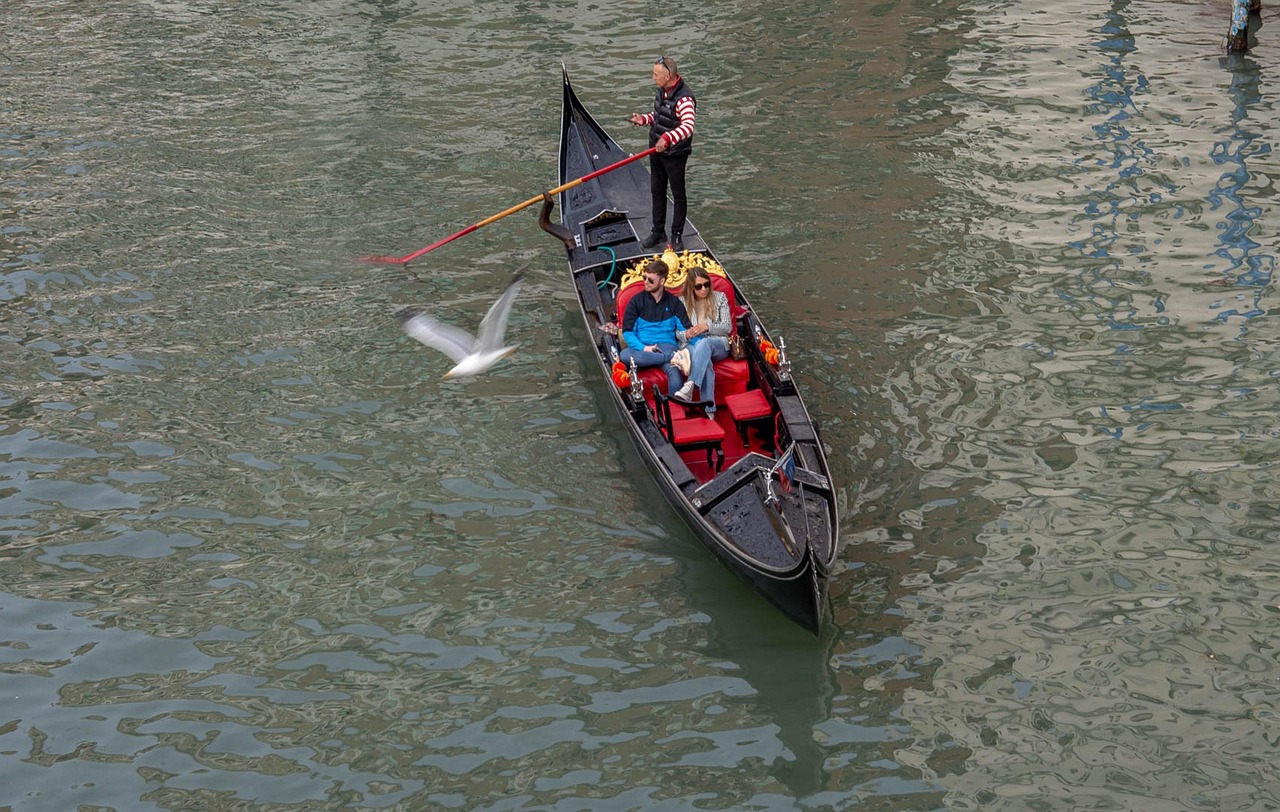
Grand Canal sights by gondola or vaporetto with palaces and bridges
Grand Canal, Venice gondola or vaporetto, and palaces and bridges in Italy are the kind of day you can create like a designer: light, timing, and vantage points working together. For softer photos and a calmer boat, aim for early morning or late afternoon. On a vaporetto, sit on the outer side for uninterrupted sight lines, and avoid the most crowded runs by traveling just before lunch or after the early evening rush.
Grand Canal facades and palazzo stories
Venice’s grandeur lives in its details: Gothic arches, Renaissance styles, and an opulent facade that looks theatrical until you remember these were family homes and working headquarters. Along the water, you’ll spot Ca’ d’Oro shimmering with lace-like stonework and Ca’ Pesaro (Pesaro) offering a weightier, baroque confidence. Nearby, the influence of Baldassare Longhena is part of the city’s visual signature—proof that Venice can be both delicate and commanding.
Each bend of the Grand Canal feels like a new chapter, and the bridges become mini-adventures: pause to understand angles, reflections, and how the canal threads districts together. It’s one of the clearest ways to connect what you’re seeing with where you are.
A spontaneous gondola chat that changed the mood
A traveller once shared how a spontaneous gondola outing became unexpectedly moving. The gondoliers didn’t just steer; one quietly pointed out a hidden doorway once used for midnight visits and a corner where a family tradition still continues. It wasn’t a lecture—just local stories offered with warmth, turning a beautiful ride into a personal memory.
Choosing well keeps the experience crafted rather than rushed. A private boat can feel romantic and intimate; a vaporetto offers authenticity through everyday motion. Either way, build in time to linger so the Grand Canal becomes a feeling rather than a checklist.
Rialto Bridge, Rialto Market, Venice canals, local Italian food.
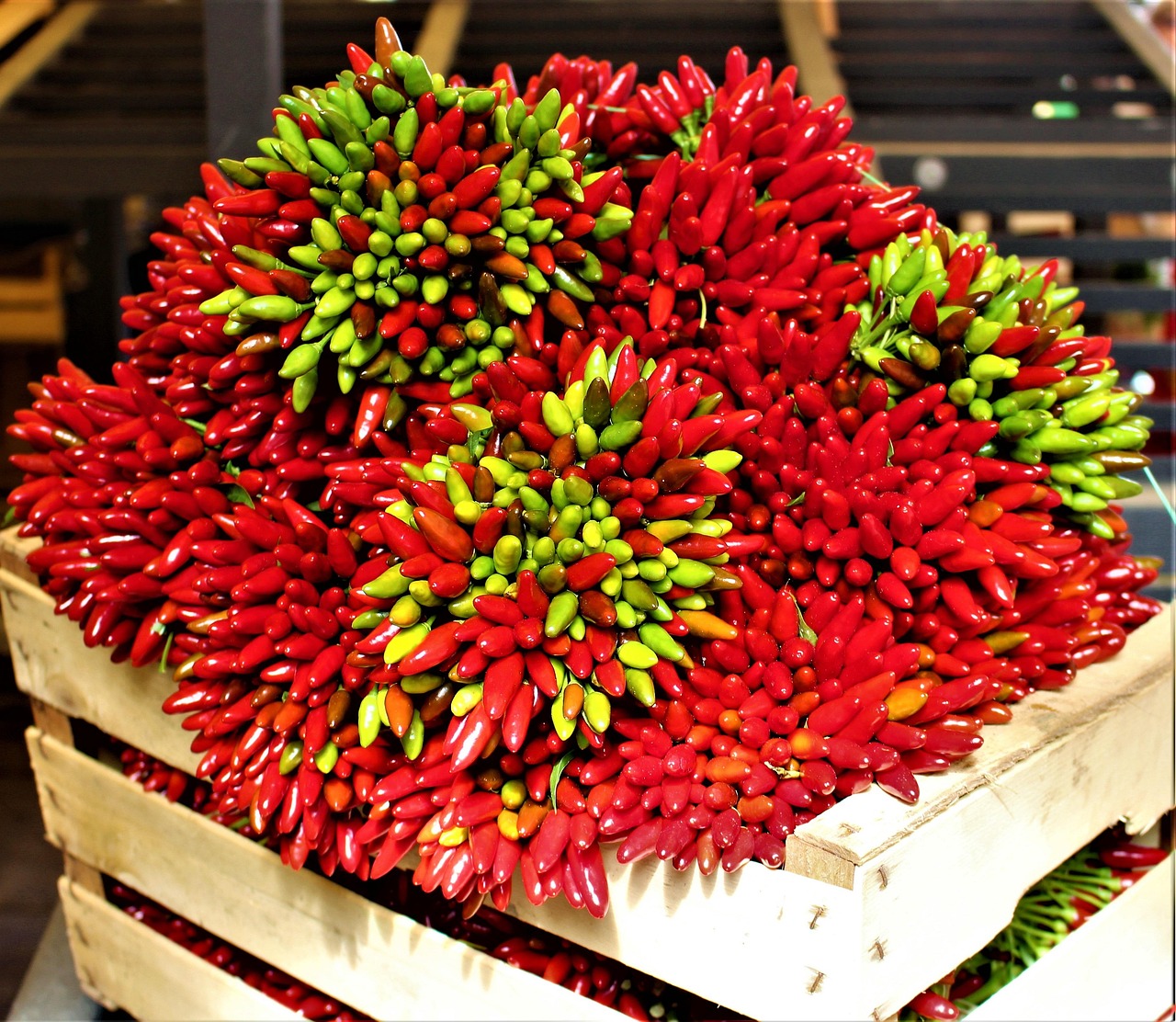
Rialto Bridge and the Rialto Market as a cultural pulse beside the canal
Rialto Bridge, Rialto Market, Venice: the city’s buzz becomes audible. Here, commerce and tradition merge: delivery boats gliding in, greetings exchanged across stalls, the flicker of knives and scales, and the warm, salted air. This is Venice alive in real time, and it’s deeply comforting to experience something so rooted and local.The
Rialto Bridge is a landmark and meeting point
The Rialto Bridge has long been a practical crossing and a symbol, designed by Antonio da Ponte to serve as a bridge while still feeling monumental. Stand for a moment and watch how routes flow: people arrive, pause, then scatter into narrow streets or reappear at the water’s edge. In Venice, bridges are social architecture as much as engineering.
A micro-itinerary for an unhurried market wander
Arrive early, when the pace is brisk but not clogged, and let your curiosity lead without blocking the way. Look for seasonal produce, glistening seafood, and spice stalls that hint at Venice’s wider history. Small acts of care matter: ask before photographing, keep voices low, and support sellers with respectful interest.
- Start at the fish market for the day’s catch, then drift towards fruit and vegetables for colour and scent.
- Choose one snack—fresh fruit, a pastry, or cicchetti nearby—and take it to a quiet edge rather than the busiest steps.
- Cross the Rialto Bridge once more to feel the shift from market energy back into the city’s softer lanes.
When you leave, the sounds linger: crates sliding, laughter, the ripple of a passing boat. It’s a small reminder that Venice is more than iconic views—it’s a working city that invites you to pay attention.
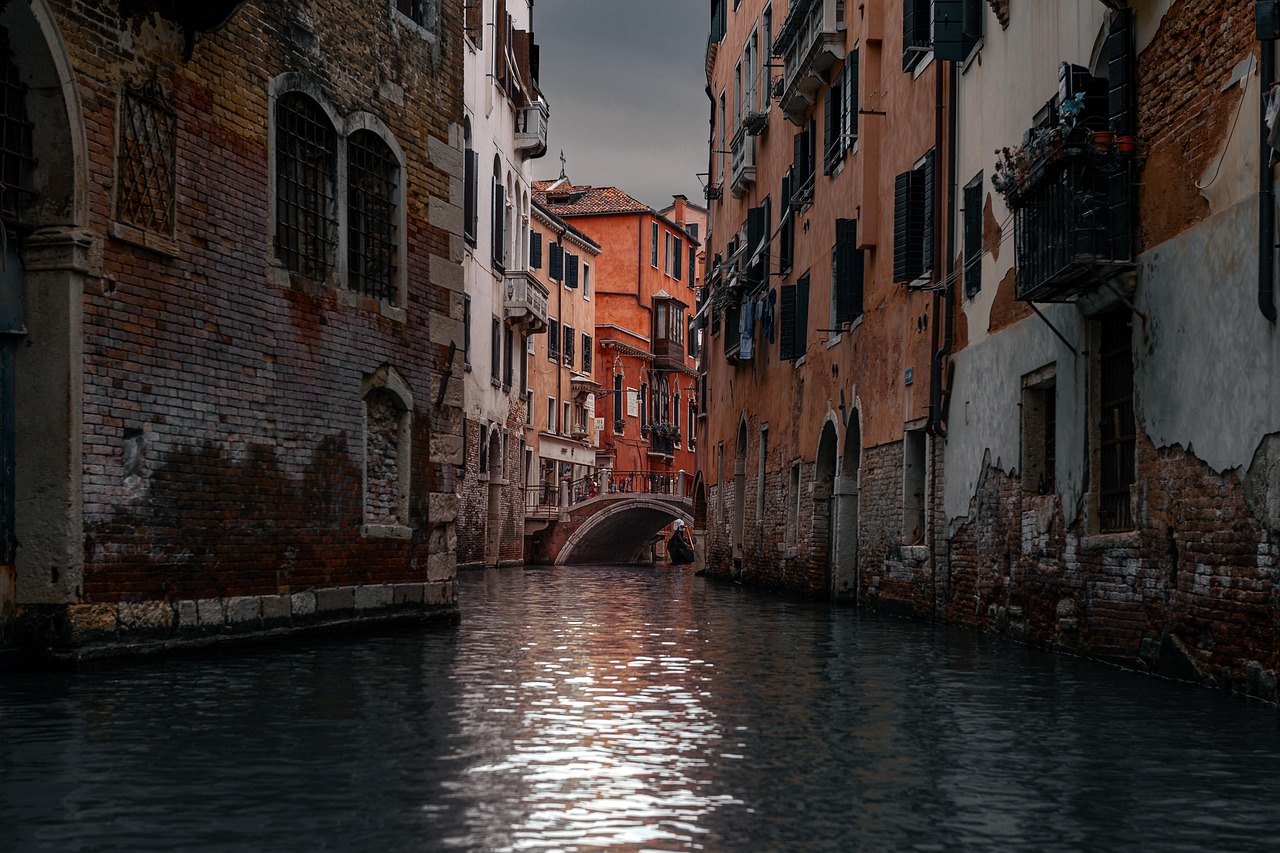
Cannaregio canal maze for artisan finds and quieter Venice
Cannaregio in Venice, with hidden canals and a quiet atmosphere, is where many travelers find relief. Its intricate turns and gentle pace make the canal edges feel less like a stage. This district offers space to explore authentic city life without performing for others.
Getting lost in the maze and getting happily unlost
An adventurer once recounted getting lost in Cannaregio’s maze of canals and narrow streets—then realising it was the best part of the day. They found artisan workshops with hands at work, tiny galleries, and a café where the owner remembered everyone’s order. The secret was not panicking: they used bridges as checkpoints and followed the subtle drift back towards familiar water.
Try a simple rule: when you feel turned around, pause on a bridge, pick one landmark direction, and walk with trust for five minutes before reassessing. Venice rewards calm decisions.
Artisan stops at a wooden bridge moment
Look for small bacari-style stops where you can taste something simple and excellent, then continue to a wooden bridge that feels like stepping into a private film set. It’s a beautiful place to slow down and watch reflections rearrange themselves in the canal.
Warm etiquette keeps Cannaregio feeling as it should. Keep voices soft in residential lanes, avoid doorstep picnics, and practise mindful photography—especially when laundry lines and open windows remind you that real life is unfolding right beside you.
- Confidence toolkit: download an offline map before you head out.
- Note two nearby vaporetto stops so you always have an easy return option.
- When in doubt, sit, observe, and let the neighbourhood introduce itself.
Dorsoduro Venice canals, museum, Accademia Bridge, Italy, for lagoon air.
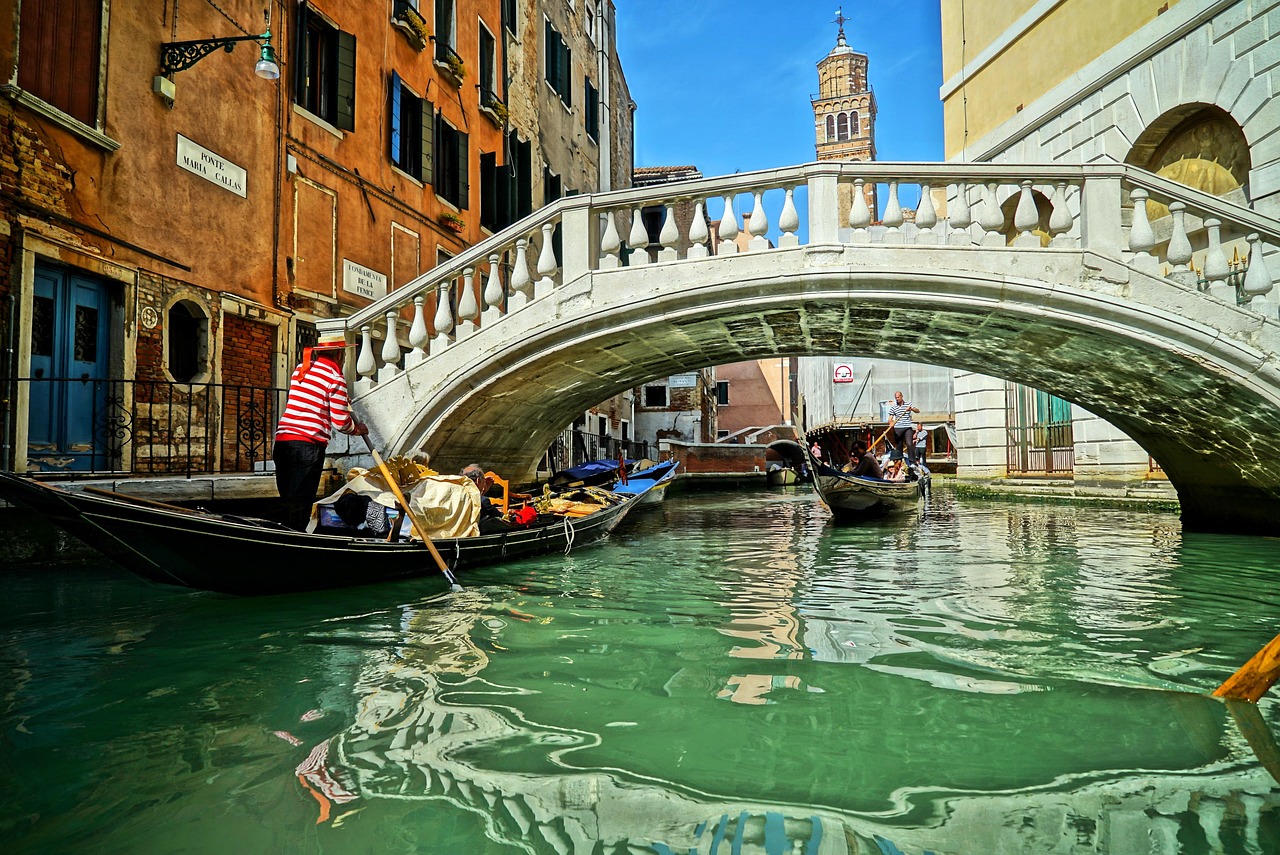
Dorsoduro adventures, museums, viewpoints and lagoon air along the canal
Dorsoduro, Venice canals, and the Accademia Bridge in Italy offer culture with breathing room. Water-side walkways feel longer and more photogenic, shifting to studios, galleries, and small squares where locals’ routines feel accessible.
Crossing the Accademia Bridge into Dorsoduro
Build your route across the Accademia Bridge and let the district open gradually. If you have time and energy, consider a small island detour into the lagoon for a change of horizon—Venice feels different when the skyline loosens, and the air tastes saltier. It’s a subtle adventure, the kind that reinforces your sense of place rather than rushing you onwards.
Slow grandeur and light that prepares you for San Marco
Dorsoduro’s slow grandeur is in the palazzo frontages and quiet canal corners where the water seems to hold the light. A couple once described how this district “taught them” to look: by the time they later climbed the Campanile di San Marco, they already understood how roofs, water, and bridges make a single pattern.
Practically, Dorsoduro helps your itinerary stay seamless. It sits in a position that reduces zigzags across the city while still keeping discovery alive—an expert way to design days that feel generous rather than packed.
St. Mark’s Basilica, Doge’s Palace, San Marco, gondola ride in Venice, Italy at night.
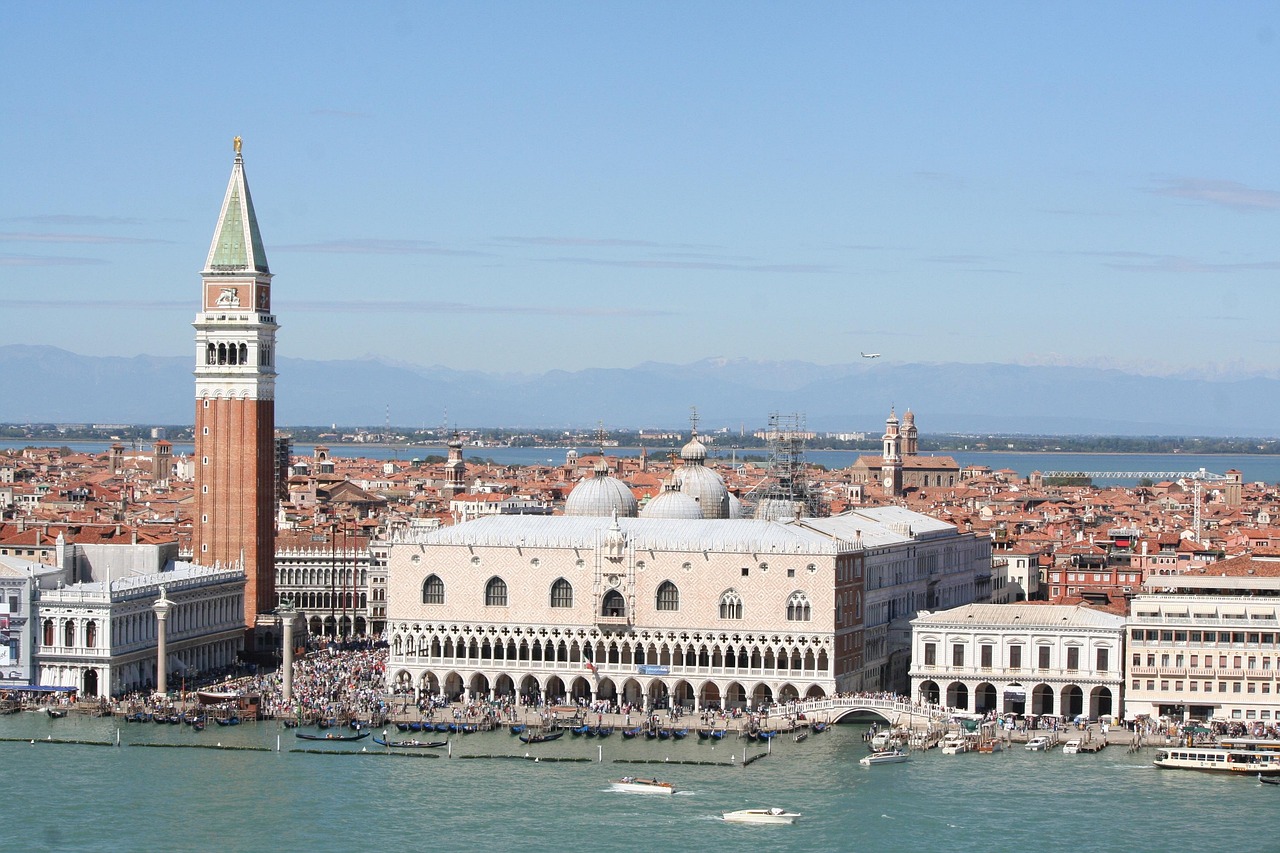
San Marco icons and a night-time gondola ride in Venice
St. Mark’s Basilica, Doge’s Palace, and the San Marco gondola ride in Venice, Italy, are where awe and authority meet on the same square. Begin with St. Mark’s—golden, intricate, and quietly overwhelming—then step into Doge’s Palace to trace power, justice, and ambition from the Middle Ages onwards. The shift from sacred to civic is part of what makes Venice feel so layered.
San Marco with confidence and care
Book tickets online in advance to avoid long queues and keep the day crafted and calm. Dress modestly when you enter religious spaces, and give yourself a moment to stand still—this is not a place to rush. Among the Venetians and visitors alike, you’ll notice how the square shapes behaviour: people soften their voices without being asked.
A couple once told us their golden hour at the Campanile di San Marco felt unexpectedly personal. As Venice stretched out—water, rooftops, and the lines of each bridge—they felt deeply connected to the city’s history, as if the view had been waiting to be understood rather than merely photographed.
A night-time gondola ride for quiet magic
To create something truly memorable, choose a nighttime gondola ride through quieter canals. Without the daytime chatter, Venice becomes sound and reflection: oar creaks, distant footsteps, light spilling onto water, and the sense that the city’s stories are felt rather than explained. It’s an intimate way to explore that doesn’t compete with crowds.
A gentle reality check keeps the evening easy. Stay together in busier lanes, be aware of pickpocket hotspots around major routes, and choose well-lit paths back to your accommodation. With small precautions, the night feels reassuring rather than uncertain.
If you visit during the Venice Carnival, a solo traveller once recalled attending a masked ball and feeling the city “switch on” in a different way—mystery and tradition moving together through the streets like another current in the canal.
FAQs: Venice canals in Italy
Does anyone swim in the Venice Canals?
Swimming in Venice canals is uncommon and generally discouraged. The canal network is a working waterway with boat traffic, changing currents, and water quality that isn’t suitable for casual swimming. In special organised events, limited swims may be permitted under controlled conditions, but it isn’t a normal activity for visitors.
What sweets is Venice known for?
Venice is known for traditional biscuits and carnival treats, especially fritole (fried sweet dough) and galani (thin, crisp ribbons dusted with sugar) during the festive season. You’ll also find bussolai from the lagoon islands and other delicate pastries in local bakeries, ideal for a refined snack between walks.
What is the most beautiful canal in Venice Italy?
Many travellers consider the Grand Canal the most beautiful canal in Venice, Italy, because it showcases the city’s most dramatic architecture and famous bridges in one sweeping route. That said, quieter back canals in Cannaregio and Dorsoduro can feel even more magical for those who value stillness and local atmosphere.
How deep is the water in Venice canals?
Depth varies by location, but the Grand Canal has an average depth of about 5 meters. Smaller canals can be shallower and are influenced by tide changes. This variation is part of how Venice functions as a living city on water, shaping navigation, maintenance, and day-to-day life along the canal edges.
What Venice Leaves With You: Venice canals and Italy’s reflection after the journey.
Venice canals, Italy: Reflection after the journey arrives quietly, often when you least expect it. It might be on your last morning, pausing at a small crossing as water brushes stone, or in the way your body now slows when you reach a canal edge. Venice’s canals change your sense of direction and time; you stop measuring distance in meters and start measuring it in moments.
What stays with you is not only what you saw but also how you learned to see. There’s a calmer confidence in getting “lost” and finding your way again and a deeper respect for fragile places that continue to live, work, and adapt. The city teaches care without preaching it, simply by asking you to move thoughtfully.
Small human details linger: a local voice offering directions without hurry, evening reflections that turned windows into lanterns, the patience of walking and waiting while the waterway did its own slow work. Even the final bridge you cross feels like a soft threshold—less an ending than a gentle change of light.
And later, far from the lagoon, you may find yourself imagining a new journey you can create with the same trust and curiosity—quietly, together with the places you choose thonor.