Post Contents
- Uffizi Gallery in Florence, Italy, where art feels like an Expedition for a cultural adventure guide
- Uffizi Ticket Strategy and Entrance Logistics for a Seamless Visit with ticket Florence Italy entrance times unlimited priority admission
- Second Floor Highlights A Renaissance Trail Through the Uffizi with uffizi second floor highlights Botticelli Leonardo Michelangelo Florence
- Uncover Quiet Rooms Drawings Sculpture and Hidden Gems with uffizi gallery drawing sculpture rooms Florence museum quiet corners
- Vasari Corridor and Medici Routes Uffizi to Pitti Palace with Vasari Corridor Uffizi Florence Italy Pitti Palace Boboli Gardens
- What Stayed With Me After the Uffizi in Florence with Uffizi Florence reflection Italy Renaissance gallery memories
- F.A.Qs: Uffizi Gallery Florence ticket and visits
Uffizi Gallery in Florence, Italy, where art feels like an Expedition for a cultural adventure guide
Uffizi Gallery in Florence Italy Where Art Feels Like an Expedition
If you’re seeking a Uffizi Gallery in Florence, Italy, cultural adventure guide rather than a rushed checklist, the Uffizi is your kind of terrain. This gallery rewards travelers who arrive curious: you can discover the headline icons, then slip into calmer rooms where a single painted gesture holds your attention longer than you expected.
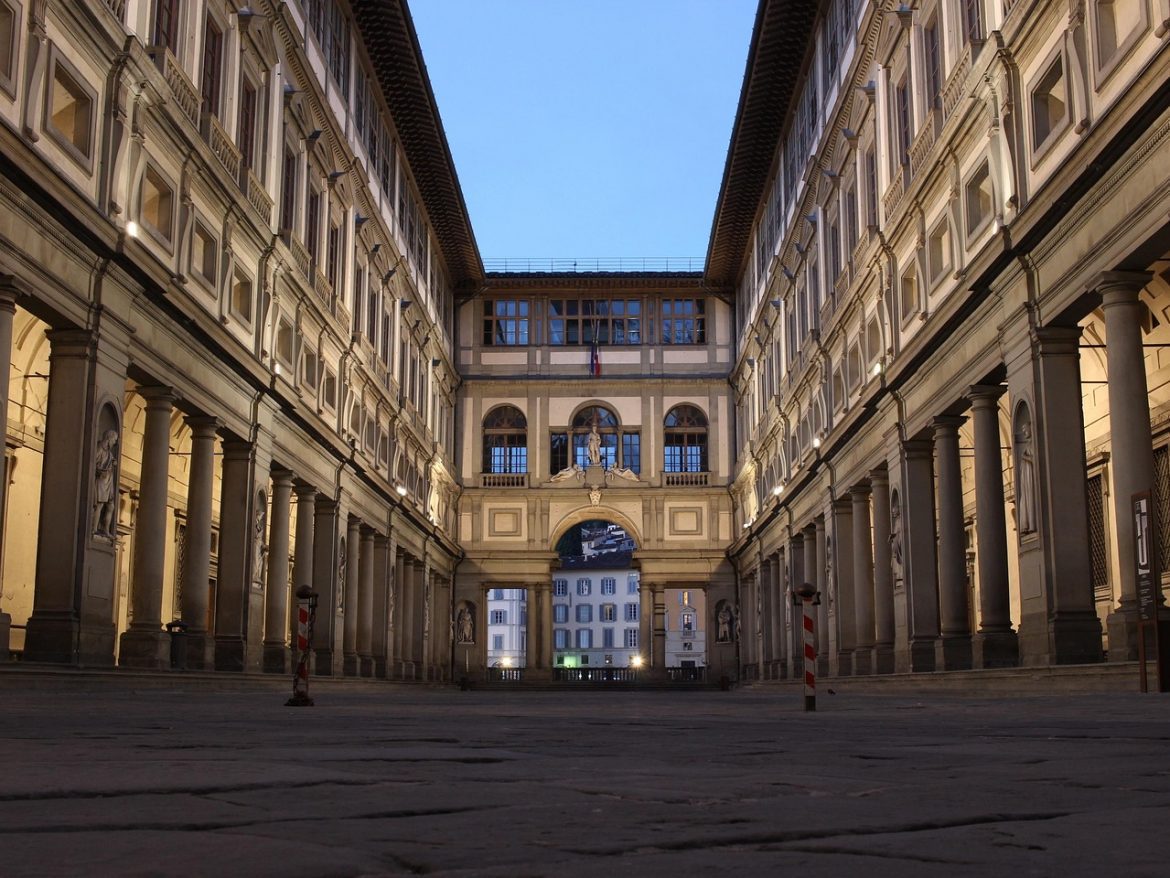
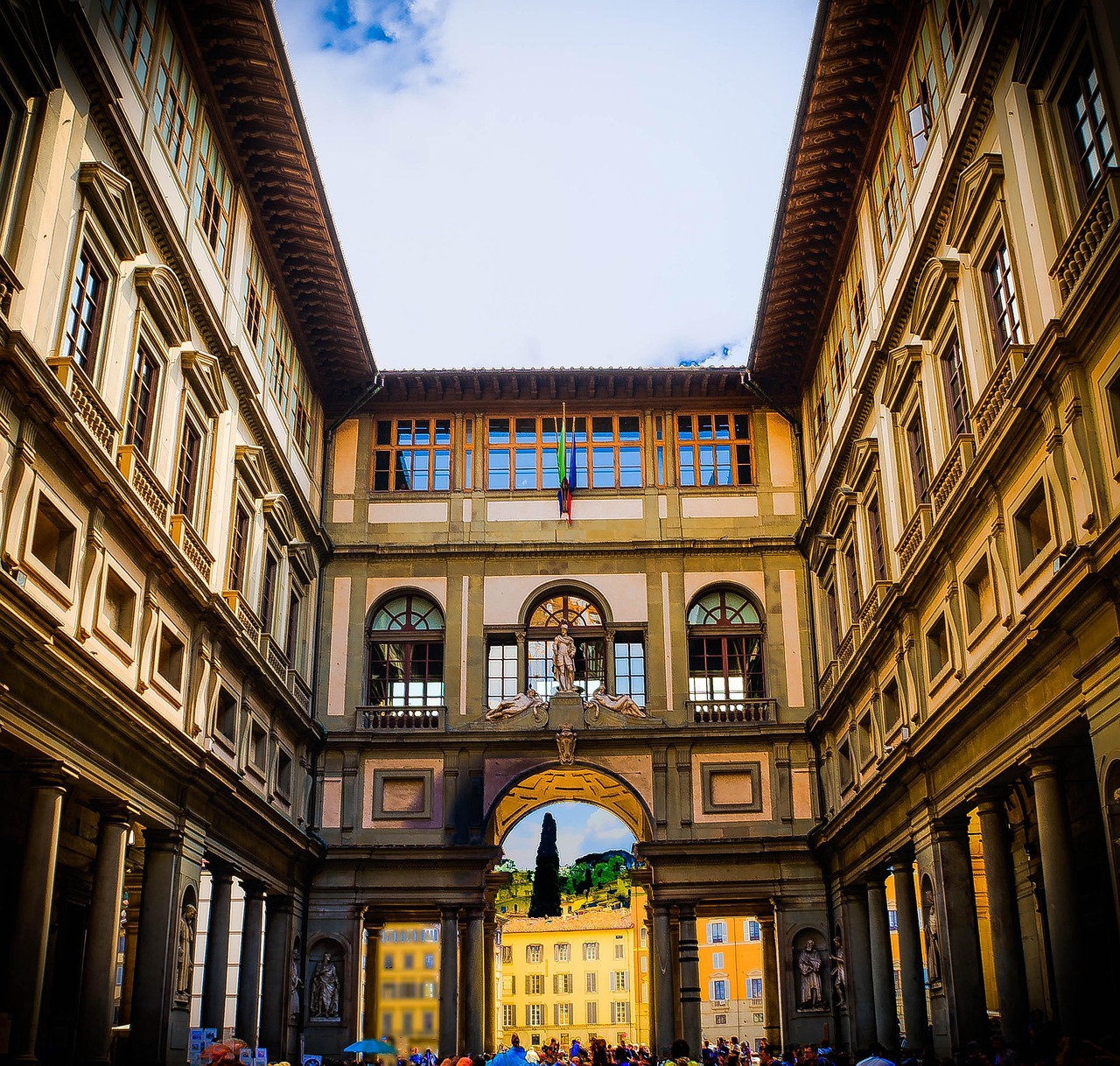
For first-timers, it helps to orient yourself with care. The Uffizi sits beside Piazza della Signoria, with Palazzo Vecchio close enough to feel part of the same story, and the Loggia dei Lanzi (with its open-air sculpture) acting as an elegant threshold between street life and curated quiet.
Firenze bearings for confident explorers
In Firenze, everything feels walkable, yet emotionally dense—perfect for adventure seekers who prefer to explore on foot with confidence. The museum’s architectural setting makes the approach feel ceremonial, and once you step inside, your pace naturally shifts from city sprint to gallery attention.
Medici origins and the 1560 turning point
The Uffizi complex was designed by Giorgio Vasari, commissioned by Cosimo, and anchored in Medici family power and taste—beginning in 1560. That origin matters: it explains why administration, prestige, and art became intertwined here and why your visit can feel like you’re walking through a living map of Florentine ambition.




Uffizi Ticket Strategy and Entrance Logistics for a Seamless Visit with ticket Florence Italy entrance times unlimited priority admission
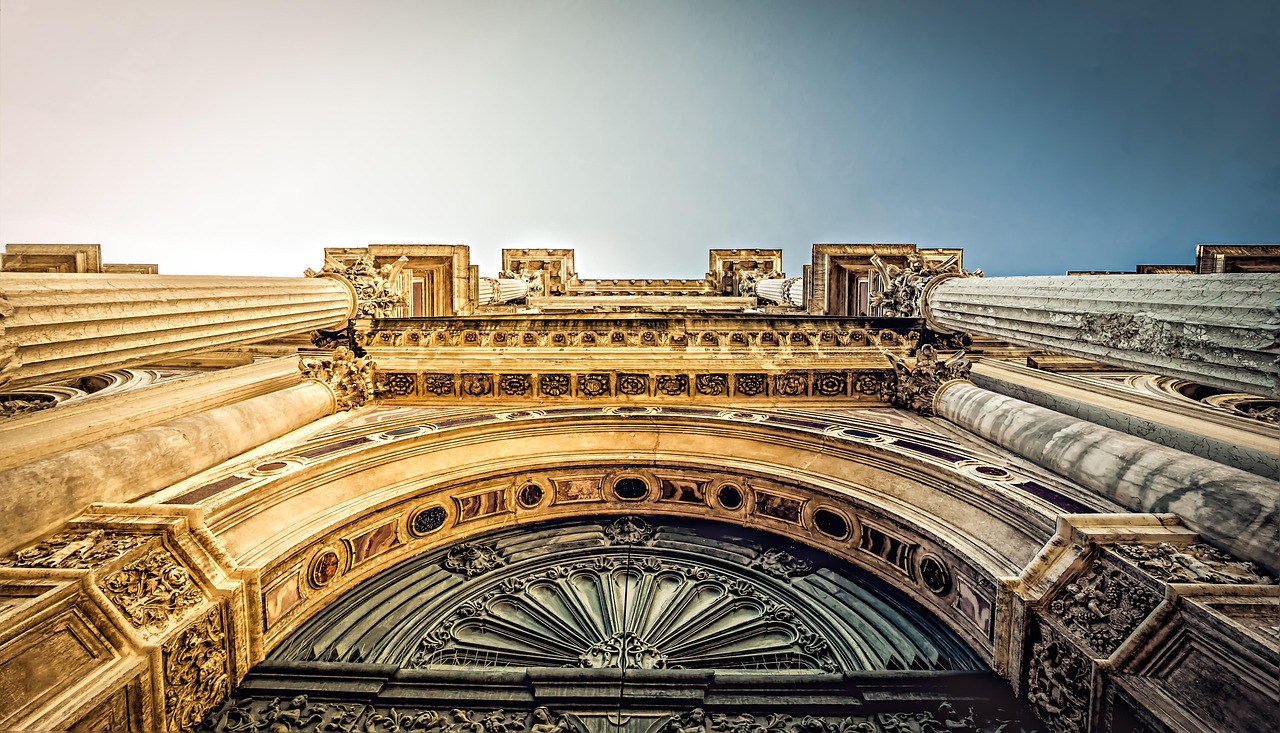
Uffizi Ticket Strategy and Entrance Logistics for a Seamless Visit
For a smooth day, think like a strategist: uffizi ticket Florence Italy entrance times unlimited priority admission planning is what turns a busy museum into a seamless experience. Book online well in advance—your timed slot reduces queues, supports calmer entry, and protects your energy for the collection rather than the pavement outside.
Some resellers advertise “unlimited priority admission” options; these can suit short-stay adventurers, but always check official terms before you buy. If you’re travelling with children, ask about passes such as a family passepartout, and confirm what’s included on the day.
Entrance timing and a calm gallery rhythm
Aim for early morning or late afternoon; the light is more photographic outside, and the rooms inside can feel less pressured. Plan at least 2–3 hours, wear comfortable shoes, and bring a small bottle of water—Florence asks for stamina even when you’re “just” indoors.
- Where to enter: use the main entrance zone by Piazza della Signoria for straightforward access, then follow signs through security checks.
- What to keep handy: your ticket confirmation, ID if required for discounts, and minimal bags to move easily.
- On the ground floor: allow a few minutes to settle—maps, cloakroom needs, and your first sense of direction.
Etiquette that protects precious works
Inside the Uffizi, your care shows in small choices: no flash photography, speak softly, and respect quiet zones. Keep moving when a room is tight, never touch displays, and treat other visitors with the same trust you’d want around a masterpiece.
Seasonal shifts are real: temporary exhibitions can change routes, and occasional closures happen. Check the official Uffizi website for opening hours and any current health/COVID-19 guidance, and note that some eligibility categories or special days may be free of charge.
If you’re building a wider Tuscany route, keep your plans flexible—this is one of the museums in the world that can quietly expand the time you thought you had. For inspiration beyond Florence, browse our curated Trip gallery when you’re ready.
Second Floor Highlights A Renaissance Trail Through the Uffizi with uffizi second floor highlights Botticelli Leonardo Michelangelo Florence
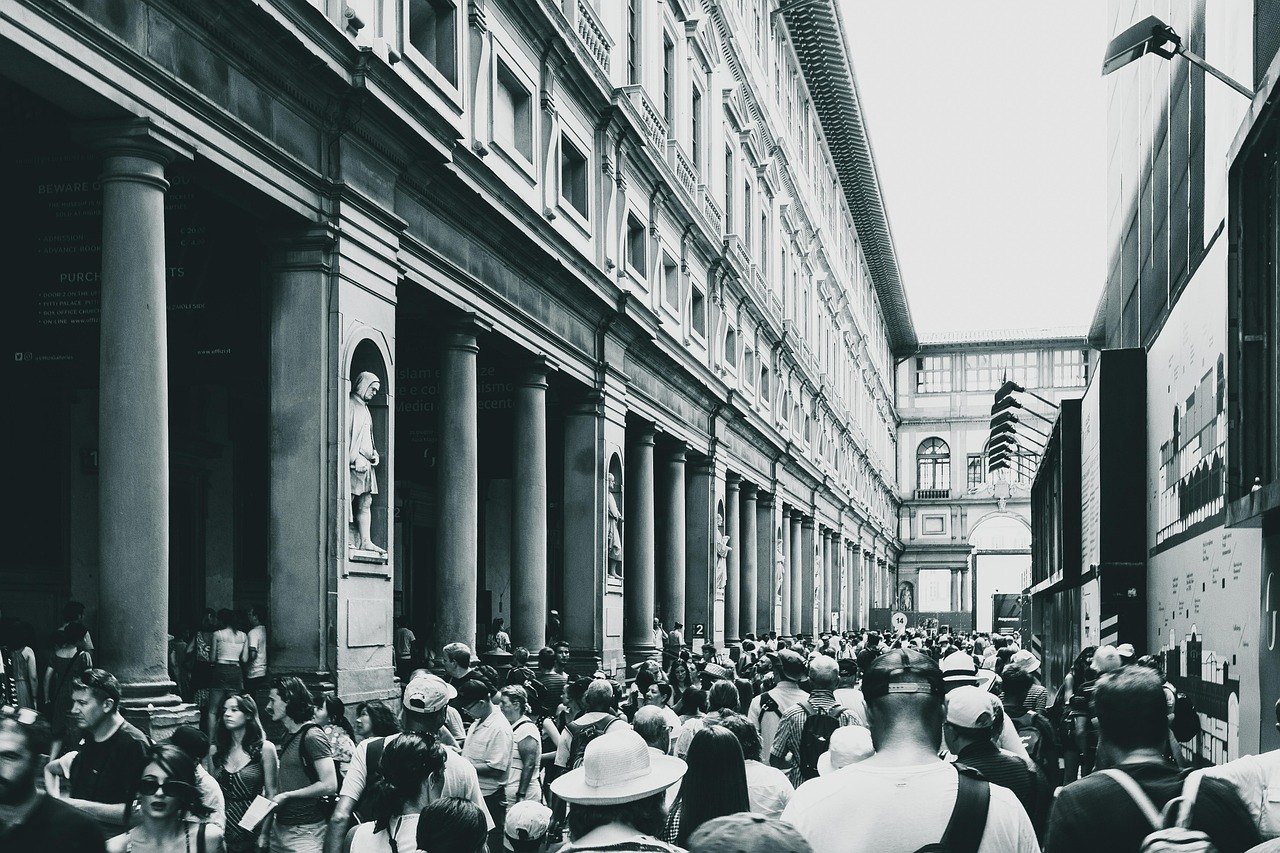
Second Floor Highlights A Renaissance Trail Through the Uffizi
To stay centred in a world-class collection, use a simple plan: uffizi second floor highlights Botticelli Leonardo Michelangelo Florence as your spine, then let curiosity fill in the side paths. The second floor is where many travellers meet the Renaissance face-to-face, and where decision fatigue can sneak in if you don’t create a light itinerary.
Second floor must-see moments and how to linger
Begin with Botticelli’s The Birth of Venus. One traveller told me they felt an almost physical hush as the painting seemed to depict not just a myth, but a new way of seeing—grace, vulnerability, and beauty arriving without armour. Give yourself a transformative pause here: notice the symbolic breeze in the drapery and the calm confidence in Venus’s gaze.
From there, look for Leonardo da Vinci (his Annunciation is a classic encounter), then Michelangelo’s intensity, and Raffaello’s clarity. For a deeper timeline, seek Giotto, Cimabue, Simone Martini, and Beato Angelico—early masters who make the later triumphs feel earned rather than inevitable.
Florentine art history without the jargon
This is art history you can feel: the Renaissance period in Florence is inseparable from patronage, faith, and civic identity. Many works of art were conceived for a chapel or a palace, and once you know that, you start noticing scale, perspective, and how faces were designed to be seen in candlelight or sunlight.
A gentle pace strategy helps: linger when colour and gesture pull you in, move on when you feel your attention thinning, and return later if the room quietens. The Uffizi isn’t a race—it’s a crafted encounter with how humans learned to make meaning visible.
Uncover Quiet Rooms Drawings Sculpture and Hidden Gems with uffizi gallery drawing sculpture rooms Florence museum quiet corners
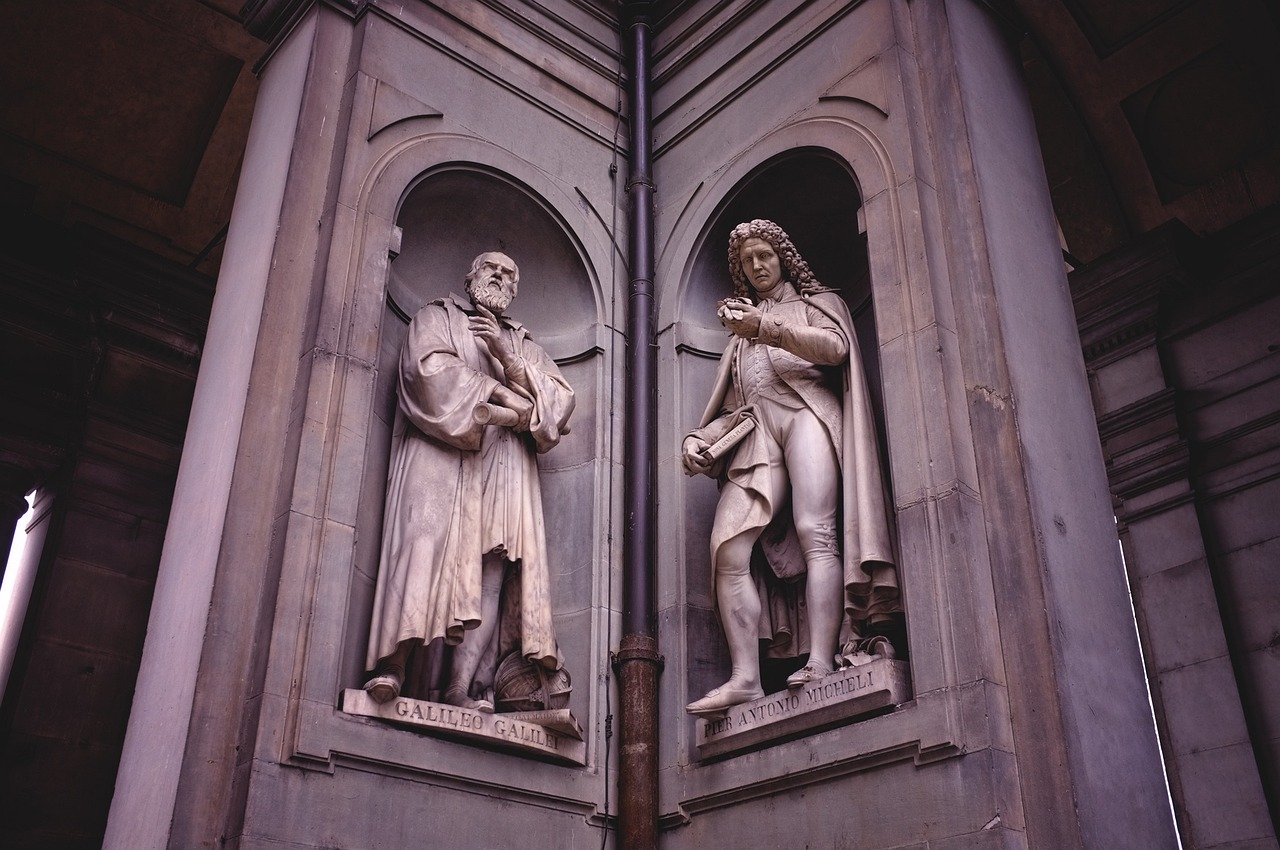
Uncover Quiet Rooms Drawings Sculpture and Hidden Gems
Once the main rooms have stirred you, shift gears: uffizi gallery drawing sculpture rooms Florence museum quiet corners is where the Uffizi starts to feel personal. A visitor once shared that wandering into lesser-known sections changed the day completely—suddenly it wasn’t “a crowded attraction”, but a private discovery with hidden gems and breathing space.
Drawing rooms and works on paper
Drawings and works on paper are often light-sensitive, so displays rotate; you might see different sheets on different visits. Approach them slowly and close enough to notice pressure, hesitation, and the human hand—these are the drafts where ideas first took shape, before a painter committed to a public surface.
If you’re travelling with an appetite for context, look for names that widen the narrative beyond the obvious, like Filippo Lippi or Piero della Francesca. Even a brief encounter can recalibrate your taste and sharpen what you notice in the bigger rooms.
Sculpture, statue scale, and a mood change
The shift into sculpture can feel like stepping into cooler air. Marble surfaces hold light differently, and a monumental statue can command a room in a way that painting simply can’t—especially when you catch details in hair, muscle, or a chipped edge that proves its age.
You may also meet a collection of ancient forms that makes the Renaissance feel less like a beginning and more like a revival. Names such as Baccio Bandinelli can appear as you explore, and even a quick glance can spark a new respect for bodies in space.
- Photographic care: follow signs, avoid flash, and frame respectfully without blocking the flow.
- Movement: step aside for others, then return when the sightline clears.
- Hands-off rule: never touch glass or plinths—your care keeps the museum alive for the next visitor.
And don’t be surprised by a broader range: Dutch and Flemish works can shift the atmosphere, and a 17th-century room may feel like a new terrain altogether. If you encounter Caravaggio, the drama can land like a sudden thunderclap—darkness made luminous.
Vasari Corridor and Medici Routes Uffizi to Pitti Palace with Vasari Corridor Uffizi Florence Italy Pitti Palace Boboli Gardens
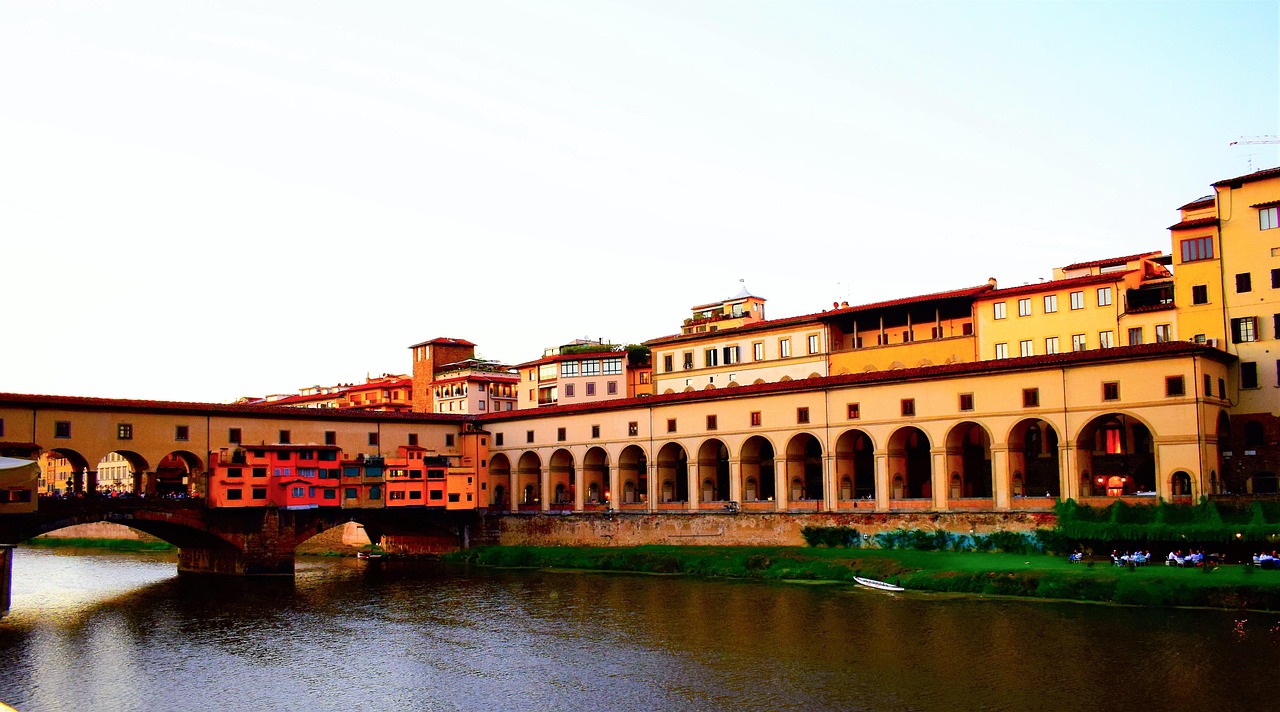
Vasari Corridor and Medici Routes Uffizi to Pitti Palace
For travellers who crave a sense of secret passage, Vasari Corridor Uffizi Florence Italy Pitti Palace Boboli Gardens is the storyline to follow. The Vasari Corridor is a discreet elevated corridor that once allowed the Medici to move with safety and control, and today it’s prized for rare views over Florence and select artworks—booking rules can change, so check official updates before you design your day.
Vasari views and a local insight
An art lover once described a chance meeting with an expert local guide near the entrance, and how a few insider stories transformed everything. Suddenly Cosimo and the later grand duke era weren’t abstract names: they were decision-makers shaping what would be seen, owned, and protected, and why the corridor mattered as a route of power.
From the windows, the city feels majestic in miniature—rooftops, the Arno, and the geometry of bridges. It’s a reminder that Florence is not only a museum of walls, but a living stage where the palazzo and palace identities still influence how the streets feel.
From Uffizi to Pitti and Boboli Gardens
The corridor’s narrative connects naturally to the Medici geography: toward Pitti, toward a different kind of display, and toward the idea of Palazzo Pitti as a second centre of gravity. If you have the energy after the Uffizi, pair the afternoon with Pitti Palace—many high-end travellers love the museum of costume and fashion for its texture, craft, and unexpected modern art echoes.
Then, for a nature reset, wander through Boboli Gardens. The shift from framed art to open air supports a calmer nervous system—your mind keeps processing what you’ve seen, but your body finally exhales.
Back at the Uffizi, end with a rooftop café moment: a crafted pause above the city, panoramic views of the historic centre and the river, and the quiet confidence that you’ve explored well—without rushing.
What Stayed With Me After the Uffizi in Florence with Uffizi Florence reflection Italy Renaissance gallery memories
Later, when the city noise thins, I still remember the feeling of Uffizi Florence reflection Italy Renaissance gallery memories as something physical: the hush that settles in your shoulders, the soft echo of a courtyard, the way light seems to turn slower inside stone corridors. In the Uffizi, you don’t only look at precious works; you feel your own attention being reshaped, as if patience is quietly returning to its proper place.
What stays with me most is not a list of rooms, but the weight of standing near a single masterpiece and realising you can trust your response. You begin to notice details you once hurried past—how a hand is angled, how colour holds warmth, how a face refuses to perform for you. Even outside, Florence seems to move differently, as if the city is asking for the same care you offered inside the museum.
I think of the river at dusk, of the loggia where voices blur into a gentle hum, and of that moment when your internal compass clicks into alignment—curiosity, confidence, and a steadier kind of wonder. Imagine which one image you’ll carry home unprompted, weeks from now, and what it might reveal when the Uffizi begins to unfold again in memory.
F.A.Qs: Uffizi Gallery Florence ticket and visits
What is the most famous thing at the Uffizi Gallery?
The best-known icon is Botticelli’s The Birth of Venus, often considered the emotional centre of the Uffizi. Many visitors describe a genuine sense of awe in front of it, as if Florence’s Renaissance spirit becomes immediate and personal.
How long does it take to walk through Uffizi?
Most people need around 2–3 hours for a satisfying visit, especially if you want time for the second-floor highlights and a few quieter rooms. If you love lingering with artworks, you can easily spend half a day without feeling rushed.
What is so special about the Uffizi Gallery?
The Uffizi is special because its collection traces the Renaissance in Florence with extraordinary depth, while also offering sculpture, drawings, and later European paintings. It’s not just famous works—it’s the feeling of moving through history in a carefully designed setting.
Is Da Vinci in the Uffizi?
Yes. You can see works by Leonardo da Vinci at the Uffizi, including the Annunciation. Seeing it in person adds nuance you can’t get from reproductions, especially in the handling of space and the quiet precision of detail.