Post Contents
- Leaning Tower of Pisa Location and How to Reach It in Piazza dei Miracoli with a gentle lean
- Piazza dei Miracoli Ensemble Cathedral Baptistery and Camposanto in Pisa with a soft lean
- Why the Tower Leans A Human Story of Foundation and Stabilisation in Italy with a measured lean
- Climbing the Leaning Tower of Pisa 294 Steps of Adventure with a thrilling lean
- Museo dellOpera del Duomo and Local Pisa Moments with a creative lean
- What Stayed With Me After Pisa in Tuscany with a quiet lean
- F.A.Qs: Leaning Tower of Pisa location and visiting details
Leaning Tower of Pisa Location and How to Reach It in Piazza dei Miracoli with a gentle lean
Leaning Tower of Pisa Location and How to Reach It
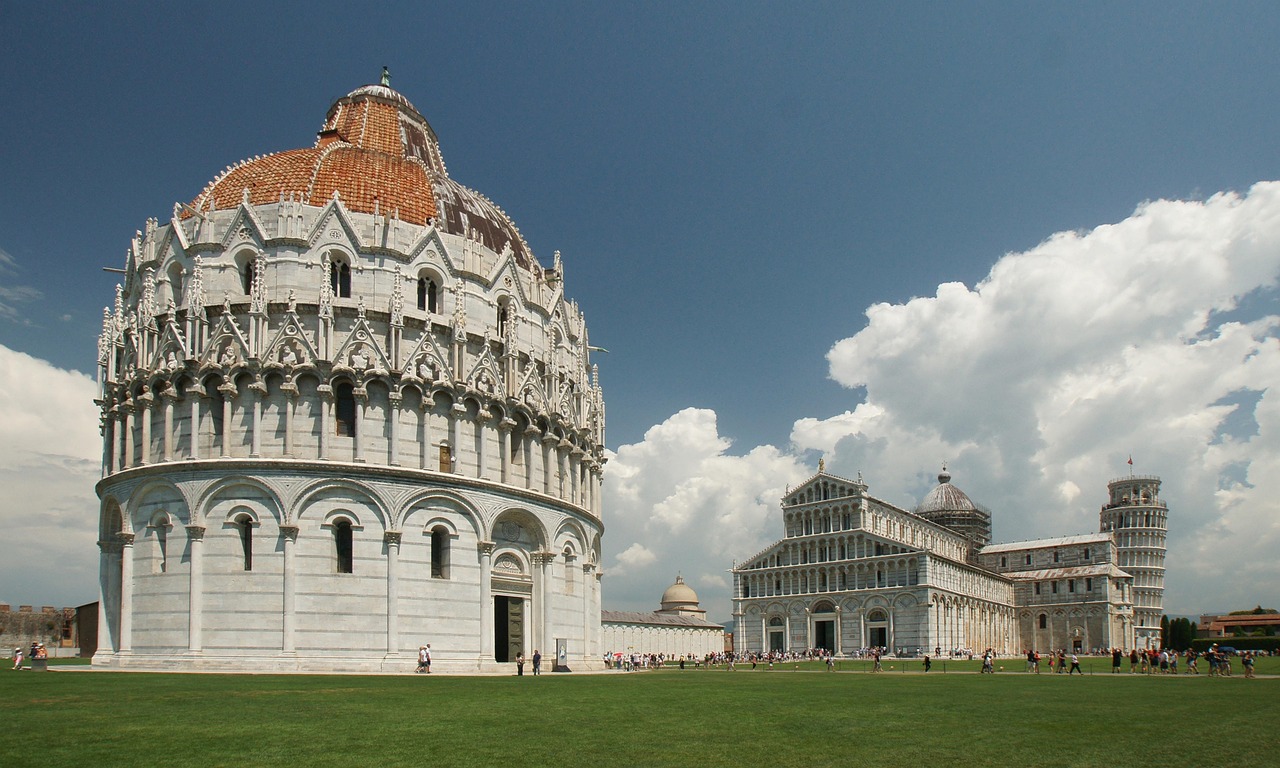
If you’re searching for the italy leaning tower of pisa location piazza dei miracoli, here it is in plain, reassuring terms. The Leaning Tower of Pisa stands inside the Piazza dei Miracoli, the famed cathedral square in the city of Pisa, in the Tuscany region of Italy. It’s not tucked away in a side street—it rises from an open, elegant lawn where the whole ensemble feels carefully crafted for wonder.
Arriving is wonderfully straightforward, which helps you keep your energy for the experience itself. Take the train to Pisa Centrale, then enjoy a 20-minute walk through local streets, or hop on a short bus ride if you prefer a more seamless approach. If you have time, design your route via the Arno river for atmosphere, then let the tower appear like a surprise you can trust.
To support a high-end, low-stress day, book timed entry online for the tower climb. Tickets are around €20 (please check the latest price and discounts for children or EU citizens before you travel). With a timed slot, you can explore with confidence rather than queue-watching.
Once you step into the square, orientation becomes easy. The tower sits beside the cathedral, with the baptistery nearby, so you can create your own rhythm: tower first if you’re fresh, or the cathedral first if your timed slot is later.
- Arrival tip: From Pisa Centrale, walk with purpose but stay slow enough to notice artisan storefronts.
- Security: In busy moments, keep belongings secure and close, as pickpockets can target crowds.
- Comfort: Carry water in warm months and pause in the shade to stay steady.
If you’d like to imagine the broader journey, browse our Trip gallery for beautifully designed routes through Tuscany and beyond.




Piazza dei Miracoli Ensemble Cathedral Baptistery and Camposanto in Pisa with a soft lean
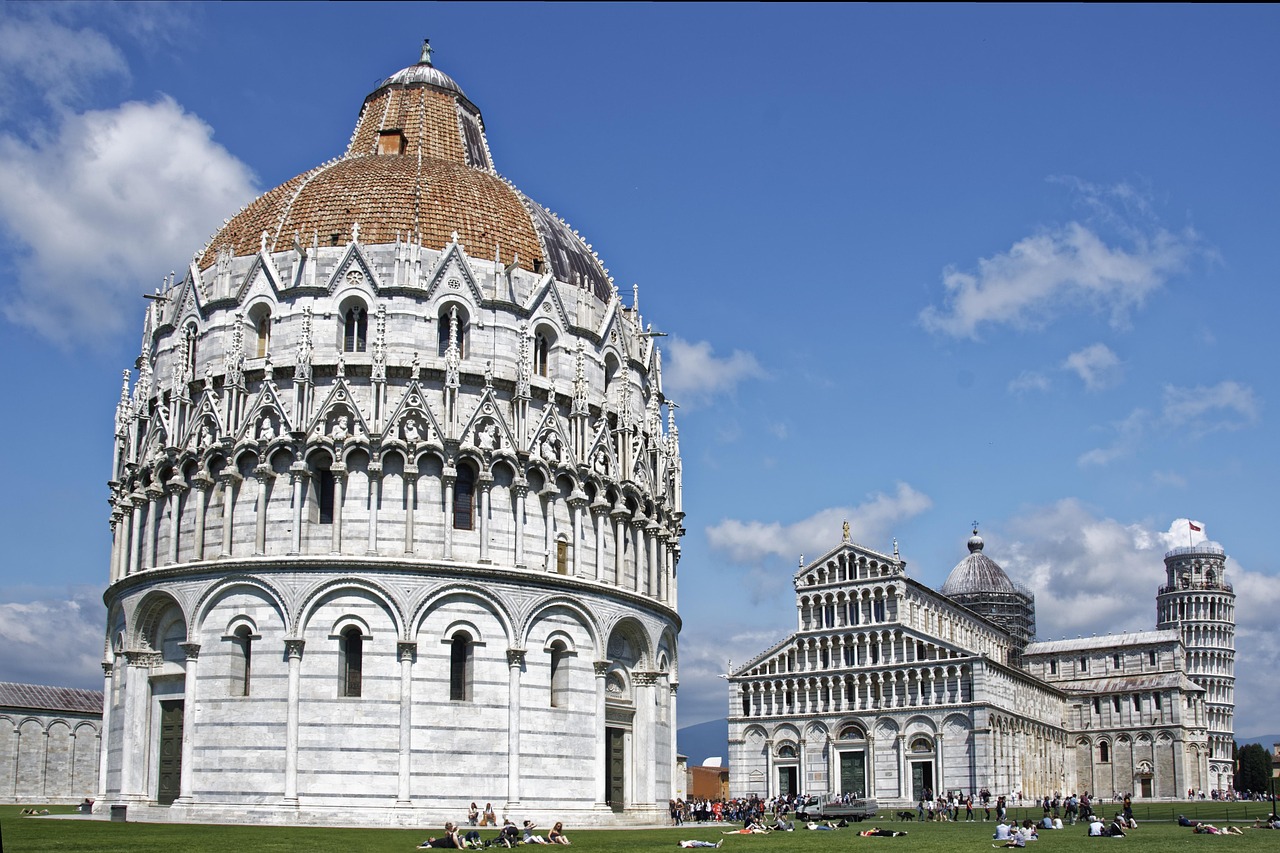
Piazza dei Miracoli Ensemble Cathedral Baptistery and Camposanto
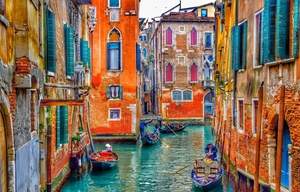
When people type Piazza dei Miracoli Pisa Cathedral Baptistery Italy, they’re usually looking for the headline sights. Yet the real gift is the feeling of the place: a UNESCO World Heritage square that behaves like a medieval jewel, asking you to explore with care. It’s the Square of Miracles in the most human sense—quietly extraordinary, especially when you stop rushing.
Italian Romanesque architecture and the cathedral calm
The Pisa Cathedral is an Italian masterpiece of romanesque architecture, set in pale stone and white marble details that catch the light. Inside, the mood shifts to soft and reverent; keep voices low, and avoid touching delicate surfaces. Small gestures of respect help the whole space feel more peaceful, together.
Baptistery acoustics and the Camposanto pause
The Baptistery is often described as the largest in Italy (worth confirming if you love precision), and it’s memorable for more than its size. Step inside and listen: the acoustics can turn a simple moment into a personal memory for families and solo travellers alike. Then consider the Camposanto, a reflective cemetery that offers a crowd-breather before the tower’s thrill.
For cultural enthusiasts, the ensemble connects to a wider Italian story. In Florence, the Piazza del Duomo celebrates vertical certainty; here, the famous tilt invites curiosity about how beauty survives imperfection.
Why the Tower Leans A Human Story of Foundation and Stabilisation in Italy with a measured lean
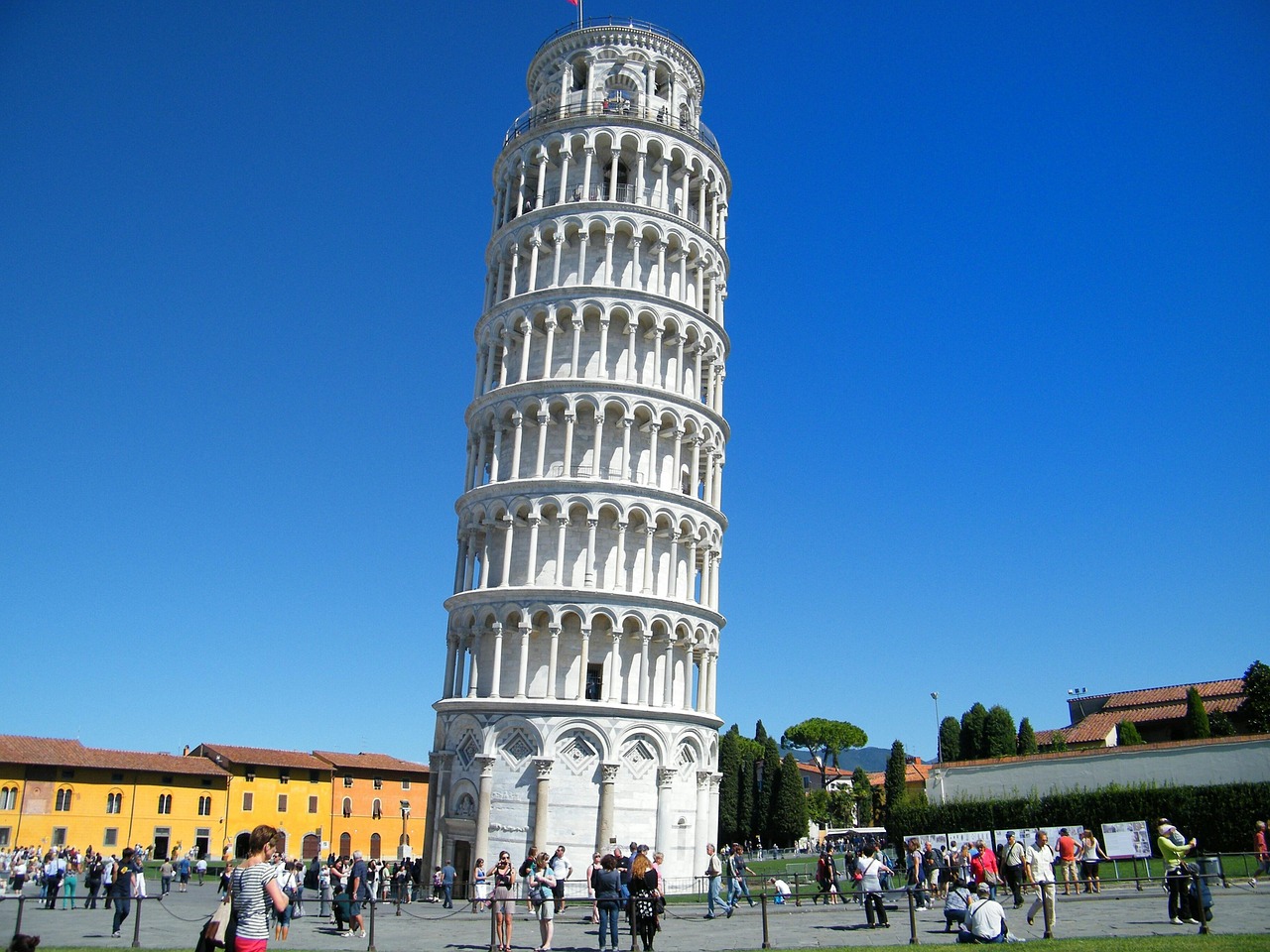
Why the Tower Leans A Human Story of Foundation and Stabilisation
If you’ve looked up why the leaning tower of pisa leans foundation stabilization Italy, the explanation is surprisingly human. The ground here is soft soil, and the early foundation was too shallow, so the structure began to settle unevenly as it rose. In traveller-friendly terms, the “tilt” is simply an increasing incline away from the vertical, measured in degrees.
Key timeline beats add depth to the story. Pisa began in 1173, and the leaning tower of pisa began as a bell tower for the cathedral complex. An interruption in building stretched the project across roughly 200 years, which may have helped prevent sudden collapse by giving the ground time to settle.
It’s also a tale of people making brave decisions as the monument shifted. The early architect is often linked to bonanno, and later work involved giovanni di simone, with builders trying to compensate for the growing lean as they resumed construction. It’s the kind of imperfect, ingenious problem-solving that makes history feel close.
Modern engineering added another chapter of trust. The tower closed in 1990 due to safety concerns and reopened in 2001 after stabilisation and careful restoration. “Unstable” didn’t mean doomed; it meant experts needed to stabilise the structure so visitors could climb with confidence again.
- Uncover the numbers: height is about 55.86 metres (also cited as 55.86 meters), and some guides round this to 56.
- Lean in figures: an often-quoted estimate is around 5.5 degrees, though measurements shift with ongoing monitoring.
- Movement: engineers track changes in tiny amounts, sometimes noted around 1.2 mm, while interventions can involve counterweights measured by the tonne.
There’s even a local thread linking the city to science: galileo is often mentioned in Pisa stories, reminding us how curiosity and careful observation shape our understanding of the world.
Climbing the Leaning Tower of Pisa 294 Steps of Adventure with a thrilling lean
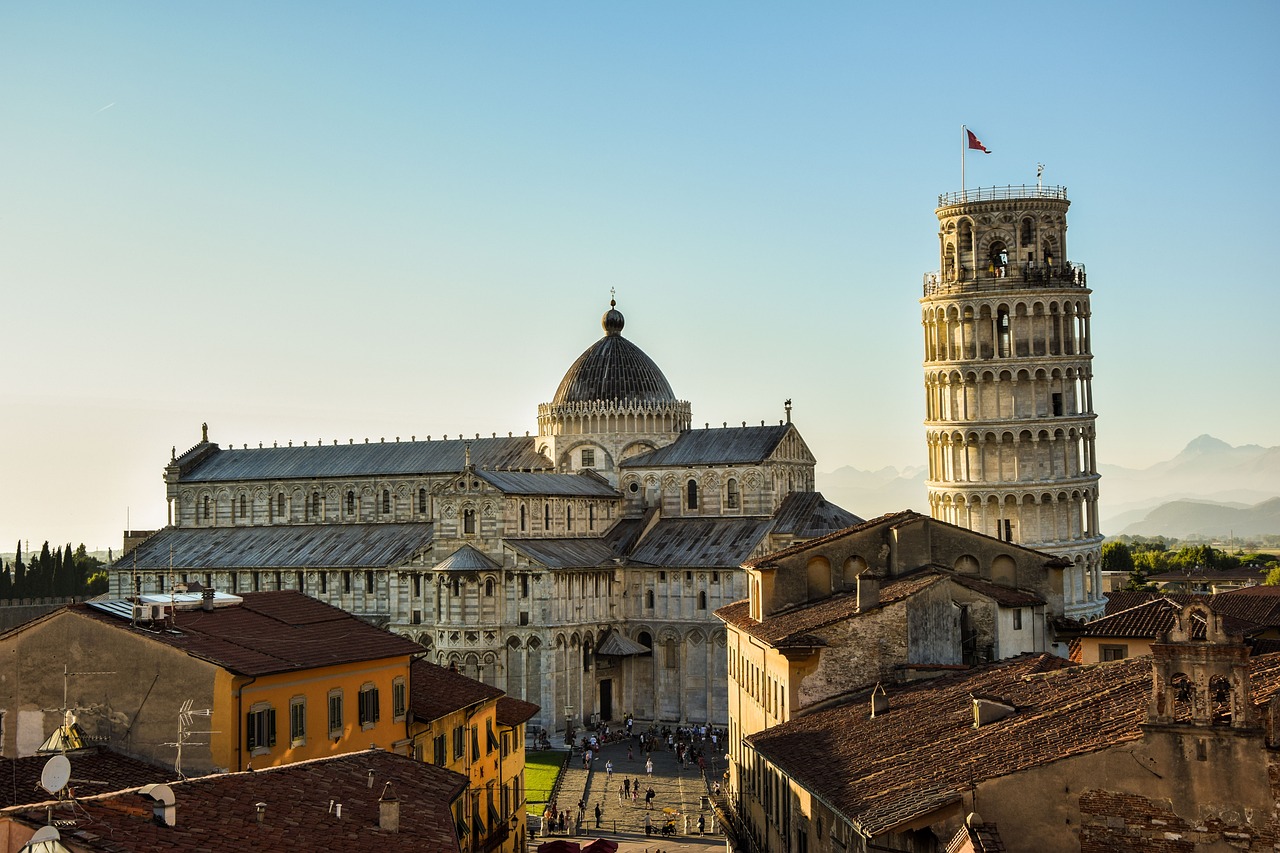
Climbing the Leaning Tower of Pisa 294 Steps of Adventure
Searchers of climb leaning tower of pisa 294 steps views Tuscany Italy usually want the practical truth, so here it is with care. The steps are steep and spiral tightly, and you can genuinely feel the Leaning Tower of Pisa lean beneath you. Many travellers describe a mix of thrill and slight nervousness—then a surprising calm as their body adjusts and their confidence returns.
Tilt underfoot and a safe, supportive pace
Wear comfortable shoes and keep your hands free for balance. This climb is not recommended for those with mobility issues, or for anyone with an intense fear of heights, and it’s always wise to listen to your body. Pause when you need to; the goal is a crafted memory, not a race.
Bell tower views across Tuscany and the bell chamber
At the top, Pisa opens out in every direction: rooftops, distant fields, and a clean sweep of Tuscany light. You’re standing inside a working bell tower with a bell chamber, and the history feels tangible in the stone. The tower is said to hold seven bells (details can vary by source), and even when they’re silent, you sense the purpose behind the architecture.
For a more seamless experience, consider evening illumination events. The glow softens the marble, crowds often thin, and your photos feel more personal than performative—an adventure you can create without jostling.
Museo dellOpera del Duomo and Local Pisa Moments with a creative lean
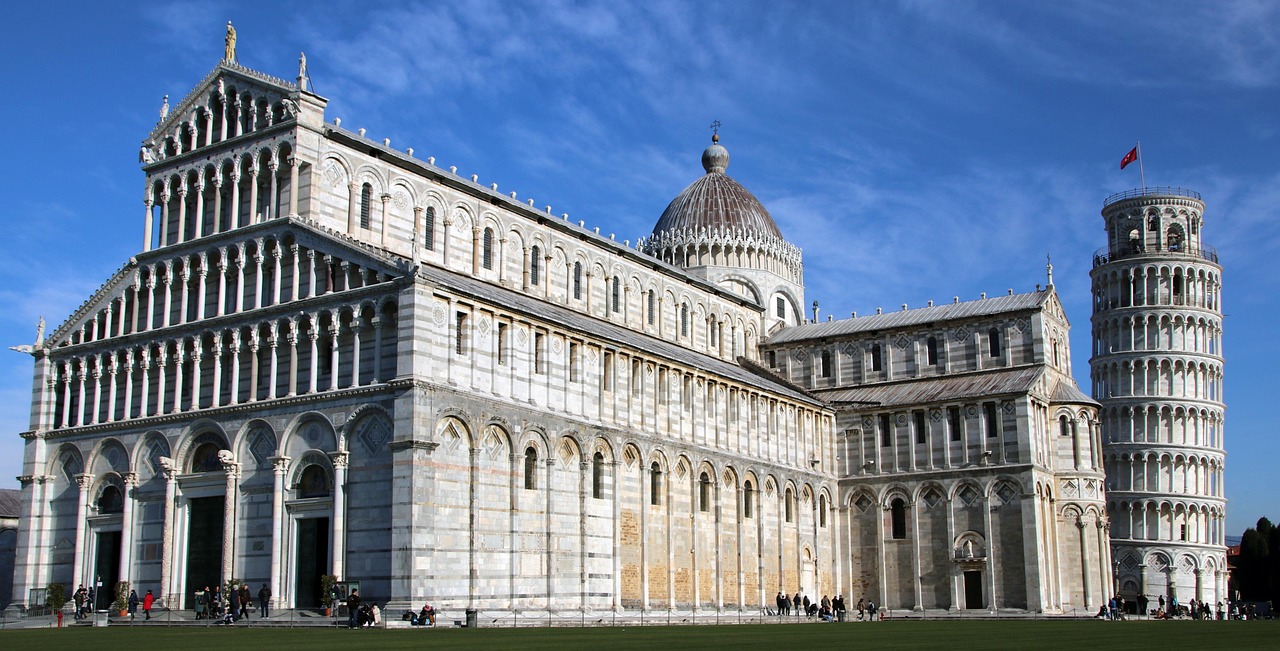
Museo dellOpera del Duomo and Local Pisa Moments
Those looking for Museo dell Opera del Duomo Pisa tower history Italy are often craving insight beyond the postcard. The museum is a thoughtful stop that deepens your understanding of the duomo complex and the engineering narrative behind the famous lean. It’s also a wonderful way to slow the day down after the climb.
Uncover the museum story and the Opera of the Duomo
Inside the museum, try a simple approach: pick two artefacts to really notice, rather than trying to take everything in. Look for sculpture details that once lived outdoors, and exhibits explaining how stabilisation reduced risk of collapse over time. You may also see references to the Opera organisation that has long cared for these works—an “opera” of stewardship, not spectacle.
If you’re travelling with children, this is where excitement turns educational. Families often recount the moment their kids spot the tower’s lean from a distance, then later connect that sight to models and diagrams that explain how the foundation behaved.
Local artisan encounters and photo-play beyond clichés
One of my favourite Pisa memories isn’t grand at all. A local craftsperson, polishing a small piece of stonework in a side street, offered a quiet story about the square—how each century leaves a mark, and how the city protects what’s fragile. It felt like a gentle guide to travelling with more care.
- Classic shot: forced-perspective “holding up” the tower, done with patience and a sense of humour.
- Fresh angles: frame an arch, catch long shadows, or use reflections after rain.
- Respectful interiors: keep flash off, follow signage, and avoid touching marble.
When you’re ready for calm, wander towards the Arno for espresso or gelato. The river air is softer, and the pace reminds you that Pisa is a must-see not because it’s busy, but because it’s surprisingly human.
If time allows, you might also notice mentions of the Sinopie Museum nearby, which adds another layer to the duomo story for those who love art-process details.
What Stayed With Me After Pisa in Tuscany with a quiet lean
By the time dusk settles, what remains isn’t a checklist—it’s a feeling. I remember the strange comfort of trusting my footing on a landmark that refuses to look stable, and realising that confidence can be learned in small, physical ways. The Leaning Tower of Pisa doesn’t just lean in space; it leans into your perspective, gently reshaping it.
The details linger most. Pale stone cooling under evening air, the soft glow when the illumination begins, and the way the square changes once you stop trying to do it all. For a moment, the monument feels less like an attraction and more like a shared piece of time.
I also keep coming back to togetherness—family wonder, laughter over playful photos, and the warmth of local voices that made history feel close. Even the names etched into the place, like San echoes from nearby churches and the Assunta dedication within the duomo tradition, seemed to hold a quiet steadiness.
And then there’s the thought that follows you out into the street: if a leaning tower can stand, perhaps the most memorable journeys are the ones you take slowly, with trust, care, and an open curiosity for whatever Italy shows you next.
F.A.Qs: Leaning Tower of Pisa location and visiting details
Where is the Leaning Tower of Pisa located exactly?
The Leaning Tower of Pisa is in the Piazza dei Miracoli, the cathedral square in the city of Pisa in Tuscany, Italy. The tower stands beside the cathedral and near the baptistery, so you can explore the whole UNESCO ensemble on foot once you arrive.
Can people still walk up the Leaning Tower of Pisa?
Yes. Visitors can still climb the tower, usually with a timed ticket, and the ascent is up 294 steps on a steep spiral staircase. It can feel intense because of the lean, so it’s best for those comfortable with heights and steady on their feet.
Is Pisa tower 7 Wonders of the World?
It’s often casually described as one of the 7 wonders, but it is not part of the official New7Wonders list. Its global fame comes from its distinctive lean, its medieval setting, and the wider Piazza dei Miracoli complex.
Is the Leaning Tower of Pisa in Rome or Florence?
Neither. The Leaning Tower of Pisa is in Pisa, a separate city in Tuscany. Florence is also in Tuscany and makes a popular pairing by train, but the tower is not in Florence or Rome.