Post Contents
- Amalfi Coast Travel Guide for a High-End Escape – Luxury Trip Planning That Feels Effortless
- Arrive via Naples or Salerno, Then Base Yourself in Sorrento for a Seamless Start
- Positano Style: Beach Clubs, Terraces, and Boutique Luxury With Sea Views
- Amalfi Town and the Duomo of Sant’Andrea – History, Courtyards, and Easy Walks
- Ravello: Beautiful Gardens, Villa Views, and a Perched-High Hilltop Escape
- Private Yacht Day Along the Amalfi Coast and Capri – Coves, Grottos, and Quiet Luxury
- Sentiero degli Dei: Lemon Groves, Limoncello, and a Path of the Gods Morning
- What Stayed With Us After the Amalfi Coast – Personal Memories That Linger
- F.A.Qs: Trip to Amalfi Coast Italy
Amalfi Coast Travel Guide for a High-End Escape – Luxury Trip Planning That Feels Effortless
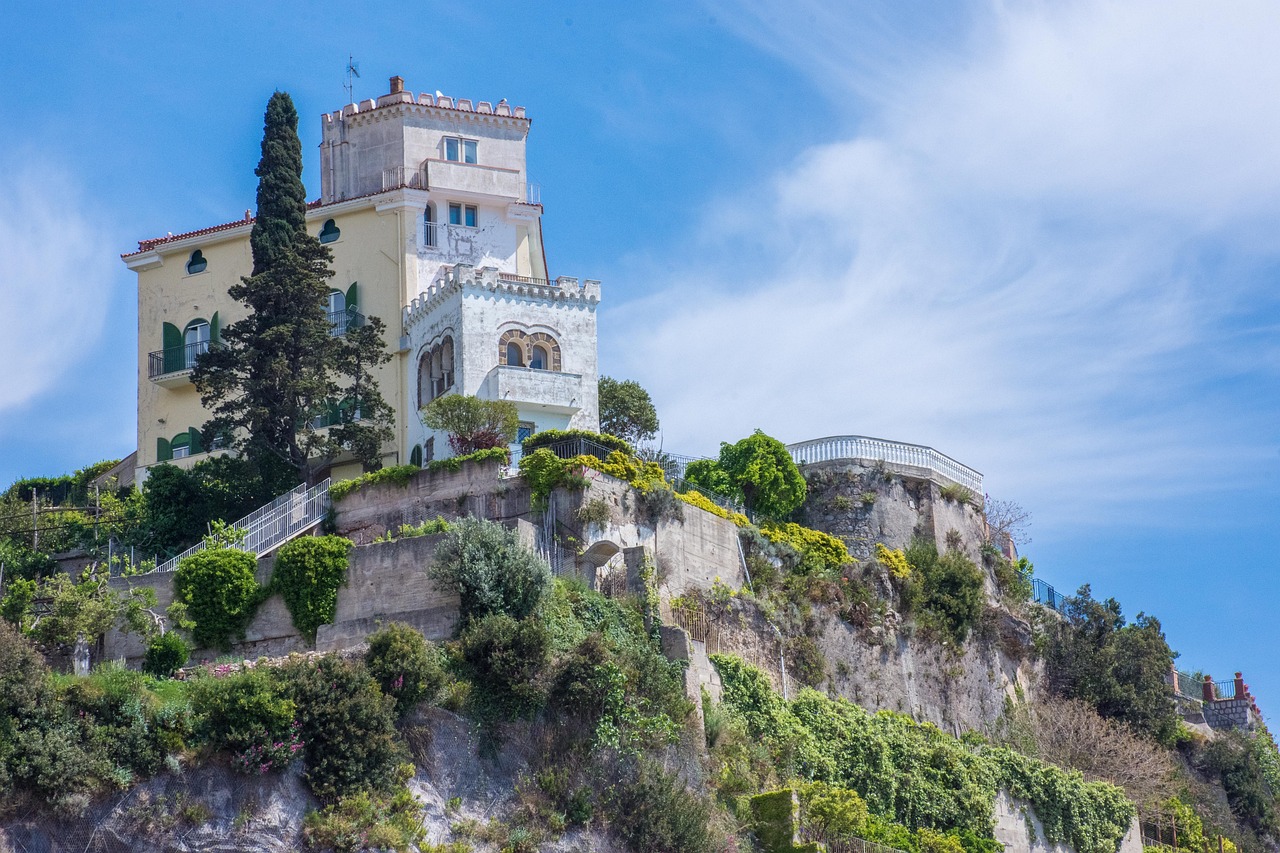
High-end escape planning on the coast, with a beautiful place of cliffs and colour
Planning a trip to amalfi coast italy can feel like choosing between spontaneity and comfort, but you can have both. This Amalfi Coast travel guide focuses on luxury trip planning with a light-touch approach—design the essentials, then let the days surprise you. Amalfi coast is a place where a morning swim can turn into a long lunch, followed by an evening that feels quietly inevitable.
The best time to visit is May to September, when the days are warm and the calendar is full of local energy. For a calmer, more polished rhythm, late May, June, and September usually deliver the same glow with fewer pinch points for reservations, transfers, and beach setups.
Trip planning with confidence: steep steps, stylish nights, and smart reservations
High-end comfort starts early: sought-after villa stays and boutique hotels with a terrace and pool can sell out months ahead. Reserve accommodation and a few key dinners, then leave intentional space for what you’ll discover in real time—an artisan shop, an overlooked viewpoint, or a slower aperitivo that becomes the whole evening.
Pack for the landscape: soft luggage, breathable fabrics, and shoes that can handle a stairway without compromising your look. Add a light layer for breezy sea crossings, and one elegant outfit for dining where a polished presence feels natural, not performative.
A slim 5–7 day itinerary sketch designed to breathe
To keep the flow unhurried, plan by themes rather than strict timings—sea day, village day, garden day, plus one cultural detour. A simple approach many travellers love is:
- Day 1: Arrive, settle, and create a gentle evening ritual—sunset drink, early dinner, good sleep.
- Day 2: Positano at leisure, with beach time and a late dinner.
- Day 3: Historic Amalfi, plus an easy wander along the coast.
- Day 4: Ravello for gardens, music, and cooler air.
- Day 5: A private sea day for hidden coves and caves.
- Day 6: Path walk and lemon tasting, then a quiet night in.
- Day 7: A final slow morning and departure.
If you’d like to imagine what a fully curated Designer Journeys week can look like, you can browse our Trip gallery—purely for inspiration, never pressure.




Arrive via Naples or Salerno, Then Base Yourself in Sorrento for a Seamless Start

Arrive via Naples or Salerno, then settle into Sorrento for an easy first night
For most arrivals, Naples International Airport is the practical choice, while Salerno Costa d’Amalfi Airport can be a quietly convenient alternative in peak season. Either way, a private transfer with a driver who understands the bends, timings, and luggage logistics is real support—not a frivolous add-on. From there, you can connect smoothly to the ferry network and schedule a Pompeii visit without turning your first day into a sprint.
Sorrento is a polished launch point before you move deeper into the villages. It’s calm, well-serviced, and ideal for a first night after travel—especially if your ultimate villa is in Positano or higher up, where check-ins can be later and arrivals more complex.
Getting around the Amalfi Coast: drivers, private tours, and when the ferry helps
Public transport exists, but narrow roads and summer traffic can erode your patience if you try to fit too much in. Consider private tours for at least one day, or book a dedicated driver on the days you want to linger without worrying about parking or bus queues. For time-rich travellers, even helicopter transfers can make sense—less about showing off, more about protecting your peace.
On water days, the ferry is often the most graceful way to move between Sorrento and key towns, particularly when you’re travelling light. Aim for early departures, keep a light layer in your bag, and treat the crossing as part of the experience.
Pompeii as a refined cultural counterpoint (with Mount Vesuvius context)
If you’d like one deep historical insight to balance the coastal glamour, Pompeii makes an exceptional day trip from Naples or Sorrento. This roman town, frozen in time, reveals ancient ruins with startling intimacy—streets, frescoes, and courtyards that still feel human. It’s impossible not to think about the eruption of Mount Vesuvius, and how Mount Vesuvius in 79 changed lives in a single ash-dark afternoon.
Practical reassurance: choose soft bags over hard cases, and ask your hotel to coordinate porters where possible. A simple arrival ritual helps too—freshen up, step onto the balcony for your first sea breath, then dinner somewhere close. That small act of care can set the tone for the entire Amalfi Coast.
Positano Style: Beach Clubs, Terraces, and Boutique Luxury With Sea Views
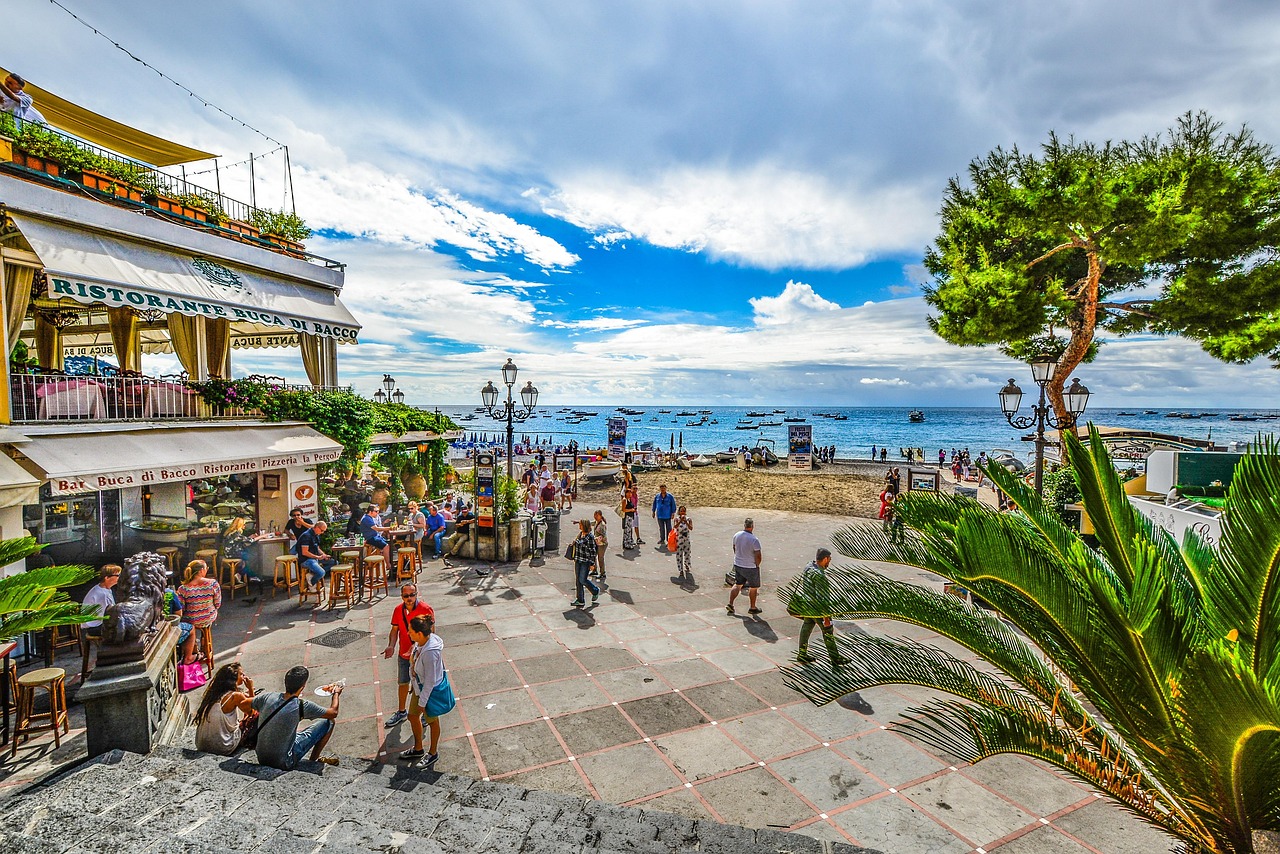
Positano’s picturesque layers of beach clubs, boutiques, and sunset terraces
Positano is best enjoyed in “levels”—start at the waterline, then drift upward through boutique-lined lanes and quiet viewpoints. It’s a picturesque place to slow down, not a destination to “conquer”; the aim is to move with confidence and a little elegance. If you love design, you’ll notice how the town frames sea views at almost every turn.
Hotel Poseidon and a softer shore at Fornillo Beach
For a classic stay, Hotel Poseidon is beloved for warm service and the moment you spot the infinity pool hovering above the rooftops. When the main beach feels busy, Fornillo Beach offers a gentler atmosphere—still stylish, just less compressed. If you want the must-do version of a relaxed afternoon, book a lounger, order something cold, and let the light do the work.
If you’re leaning into the beach club scene, reserve beach chairs and umbrellas ahead, especially in July and August. The etiquette is simple: keep it chic, keep it unhurried, and treat staff with the same calm you’d expect in return. Between swims, one well-timed gelato becomes your small reward for navigating steps and sunshine with grace.
A terrace dinner you’ll trust yourself to remember in Positano
A couple once told us about their intimate sunset dinner on a terrace overlooking the town—how flavours arrived in waves, matched by the gentle sea breeze. The memory wasn’t only the food, but the feeling of being together, held by the light and the hush between courses. You can’t manufacture that mood, but you can quietly design the conditions: a reservation, an unhurried arrival, and one beautiful outfit that feels like you.
For a reassuring recommendation, Il Tridente is a spot to have dinner with consistency, romance, and a view. Book well ahead, arrive slightly early, and consider a later seating when the air cools and the lights begin to sparkle. If you’re pairing villages, Amalfi and Positano make a natural duo—fashion and history in one crafted arc.
Amalfi Town and the Duomo of Sant’Andrea – History, Courtyards, and Easy Walks
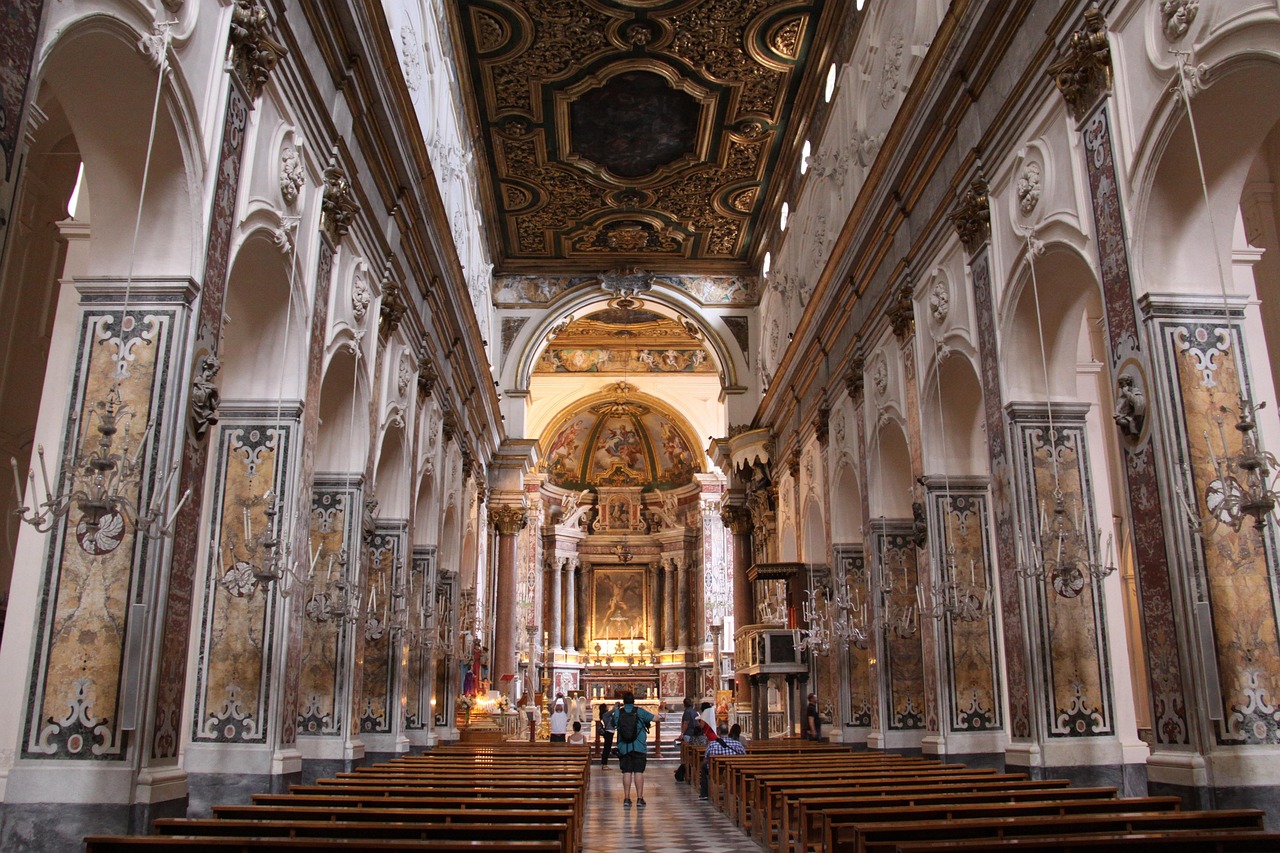
The duomo of Sant’Andrea: Arab-Norman detail in the heart of Amalfi
Your anchor here is the Duomo of Sant’Andrea (Amalfi Cathedral), where Arab-Norman architecture and a vibrant cloister bring the past into focus. In the town of Amalfi, you feel the pride of a former maritime republic, with roots reaching back to the 9th century, still present in the way the place carries itself. This is a morning for quiet observation: look up, listen to footfall on stone, and let the details meet you.
Start in the main square, then step away from the centre before day crowds gather. Atrani is close enough to reach on foot, yet intimate enough to feel like a private discovery—soft voices, narrow lanes, and a slower rhythm that restores your calm.
Minori and Maiori: a more local rhythm along the Amalfi Coast
If you have time exploring beyond the central lanes, Minori and Maiori offer an easier pace along the Amalfi Coast. These towns feel more residential, with family cafés and simple promenades where you can walk without constantly negotiating steep steps. It’s a lovely contrast when you want the same character, minus the loudest edges.
Paper, convento courtyards, and how to spend an hour well
Amalfi’s paper tradition is often linked to being invented in Amalfi, and a brief visit to a paper museum or artisan shop adds a refined, tactile insight. Choose stationery as a keepsake you’ll actually use, then slip into a convento courtyard or shaded viewpoint for a cool pause—one of those moments where you simply sit and let the day settle.
When friends ask whether to visit Amalfi as a “quick stop,” we gently suggest giving it at least a half day of attention. The cathedral deserves your focus, and so do the quieter corners that make this stretch of coast feel human.
Ravello: Beautiful Gardens, Villa Views, and a Perched-High Hilltop Escape
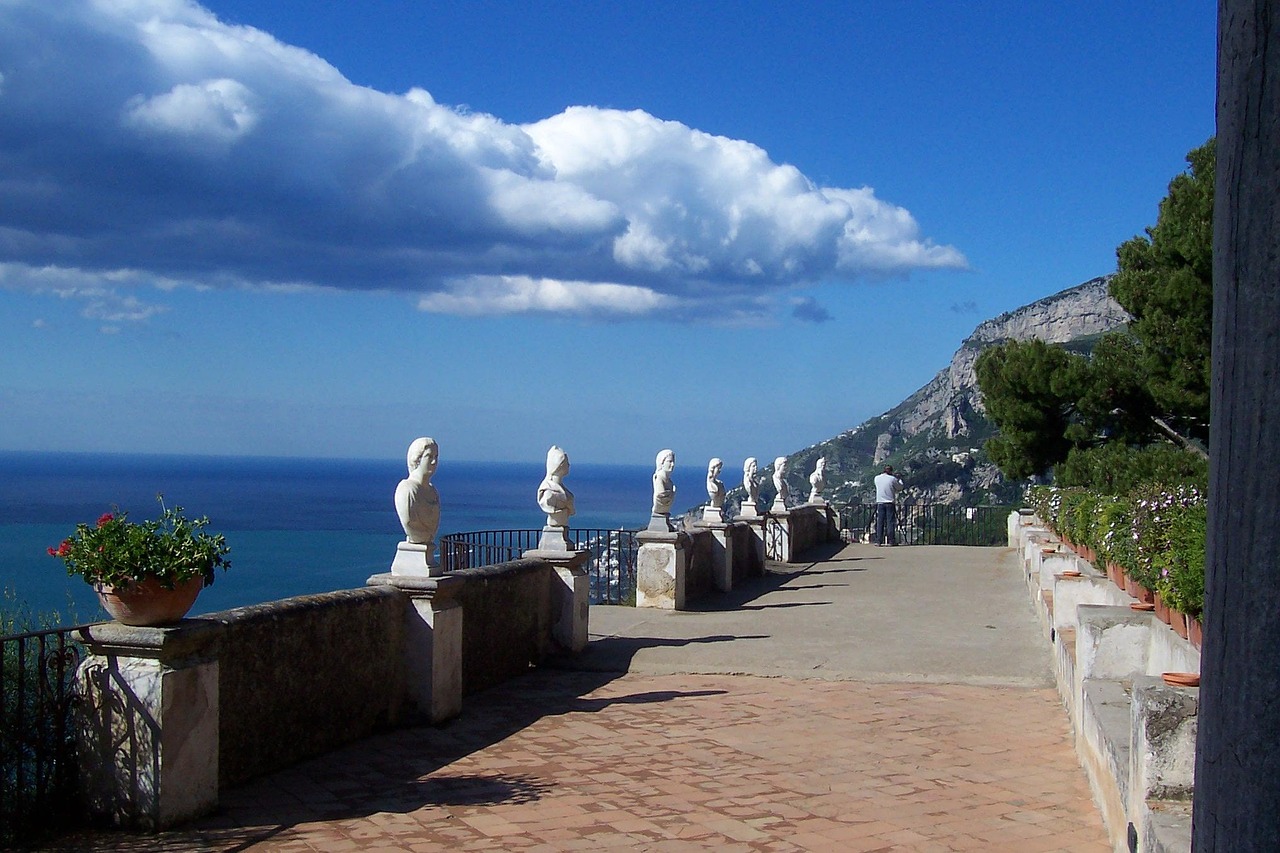
Ravello, perched high above the coast, is a hilltop town made for slow afternoons
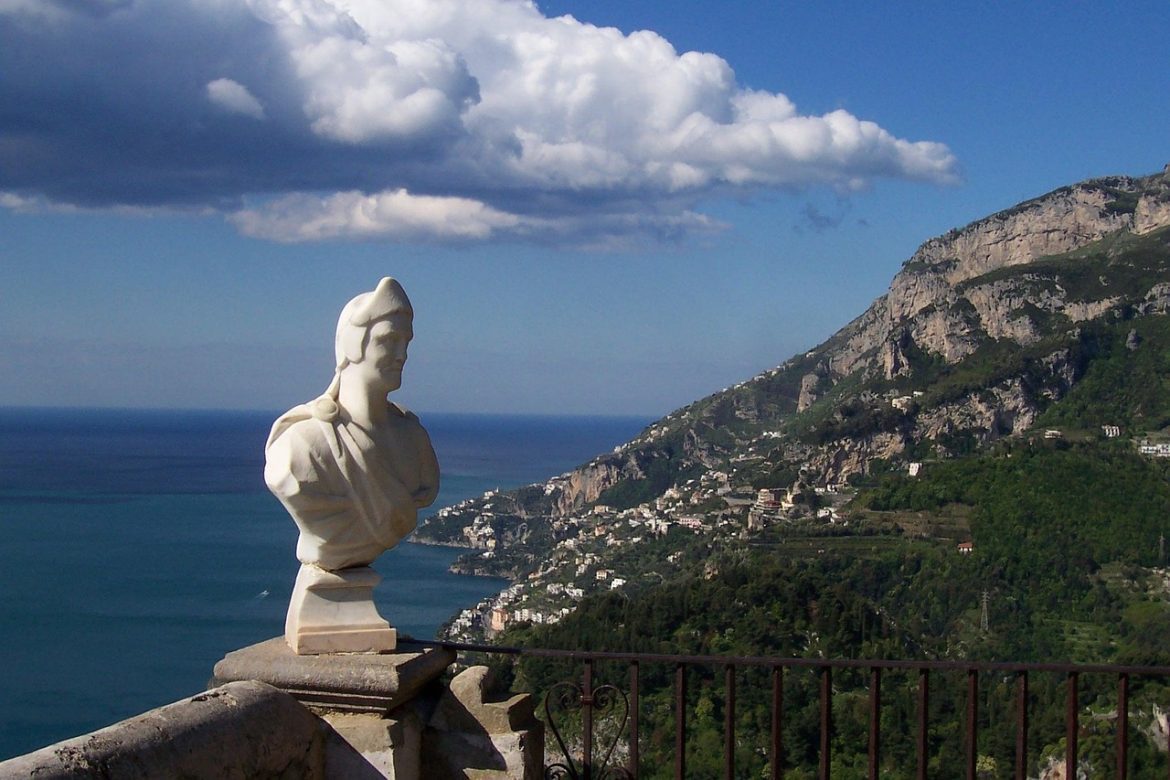
Ravello is the hilltop town many high-end travellers quietly fall for: perched high above the Amalfi Coast, it brings cooler air, slower mornings, and a sense of artistic refuge. If Positano is theatre, Ravello is poetry—amazing views with none of the rush. It’s also a natural place to reset your pace before dinner back at your villa or hotel.
Villa Cimbrone and Villa Rufolo: a two-villa afternoon with stunning views
Design your visit as an unhurried “two-villa afternoon.” Villa Cimbrone is romance and stillness—pathways that invite you to wander, and corners where the world seems to pause. Villa Rufolo adds history and architecture, with a terrace framed by the best views in town, especially as the light warms towards golden hour.
An art lover once described discovering Ravello’s beautiful gardens, then finding the music festivals that light up the nights with a kind of gentle magic. There’s a cultural thread here that reaches to Wagner, and you can feel it in the way the town holds space for performance without losing its calm.
Practical luxury cues for an unhurried Ravello day
Wear shoes you trust on uneven stone, and bring a light layer for evening breezes. If you’re staying in a villa, return for an aperitivo on your own terrace before dinner—an easy reset that keeps the experience personal. Even if your base is a grand hotel elsewhere, Ravello has a way of making the day feel intimate.
Private Yacht Day Along the Amalfi Coast and Capri – Coves, Grottos, and Quiet Luxury
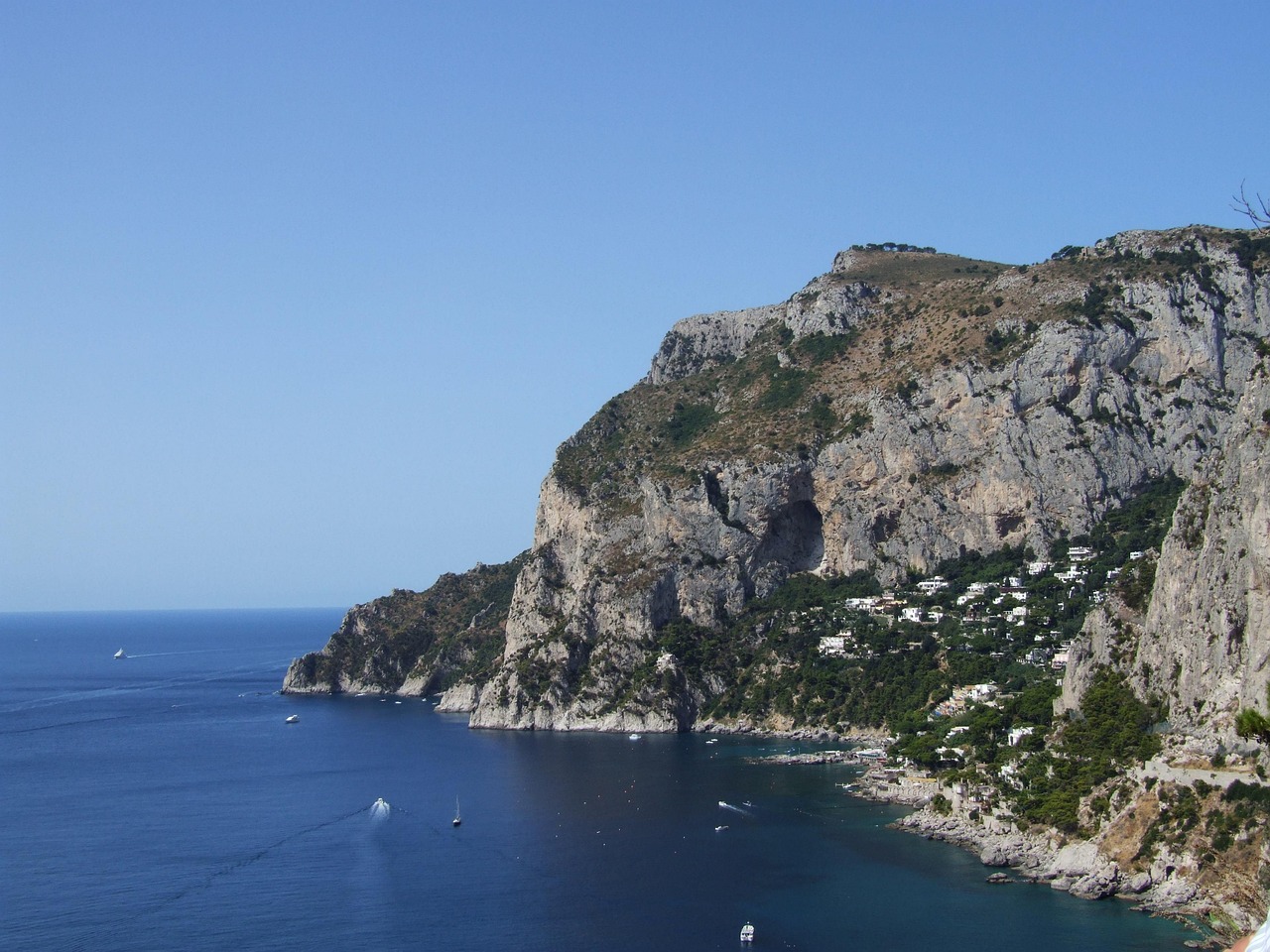
A private yacht day reveals the coastline from the water, far from road traffic
A private yacht day is one of the most seamless ways to uncover the coastline without the traffic and tight turns of summer roads. This is where quiet luxury becomes practical: you have space, privacy, and the sense that the entire coast is behind you for a few hours. If you prefer structure, ask for a simple boat tour outline—then keep the pace flexible once you’re underway.
Ask your skipper to shape the day around calm water and discreet stops: one protected cove for a swim, one easy snorkel moment, then the Grotta dello Smeraldo when conditions are clear. If the sea is kind, you can also consider Capri’s Blue Grotto, though timing is everything and queues can form. A good skipper offers expert judgement and adapts with care—so you never feel pushed into a decision that doesn’t suit you.
Capri as a chic island with flexible pacing
Capri is a chic island for designer strolls and lingering lunches; decide on a half day or full day based on sea conditions and crowd patterns. If you want to spend the day on the island of Capri, aim for a quieter lunch hour, then leave before the energy turns frantic. One beautiful drink, one perfect spot for people-watching, and then back to the boat is often the sweet spot.
A group of friends once shared their private yacht day: laughter on deck, music low, and the unique serenity of slipping into bays where you can hear nothing but water. They said it felt like a crafted secret—an experience that kept them together, away from the busiest corners. For logistics, confirm your departure port, request towels and snacks, and bring simple seasickness prevention if you’re prone; the goal is to feel supported so the day stays light.
Sentiero degli Dei: Lemon Groves, Limoncello, and a Path of the Gods Morning

The Path of the Gods pairs ridge-line walks with lemon-scented breaks
The Sentiero degli Dei, or Path of the Gods, is the classic ridge walk for stunning views when you approach it with calm confidence. The plan is simple: start near Bomerano, follow the ridge line, and finish around Nocelle—then choose a gentle descent option if heat or knees are a concern. Think of it as a morning of clarity, not an endurance badge.
Safety, comfort, and a calmer pace on the Path
Start early, carry more water than you think you need, and bring sun protection that won’t irritate you as you sweat. Footwear matters here: narrow paths and uneven stone ask for grip, not glamour. Keep your pacing steady, pause often, and let the Amalfi Coast reveal itself in layers—this is how you create a hike that feels good in your body, not just impressive on camera.
Lemon groves, limoncello, and a local welcome in Campania
After the trail, soften the day with terraced lemon groves and a limoncello tasting—fragrant, bright, and rooted in craft. Look for producers who talk you through the peel, the patience, and the balance of sweetness; it’s a small culinary insight into Campania. You’ll often see the pride around limoni di Amalfi, and that scent of lemon can follow you for hours.
A solo traveller once told us she felt exhilaration on the Path, then was welcomed by locals offering homemade limoncello—community that felt like support, not spectacle. For a quiet add-on, pause in Praiano for a simple trattoria lunch at a family run spot before returning to your villa. Menus often lean towards many seafood dishes, grilled vegetables, and pasta that tastes like someone cooked it with genuine care.
What Stayed With Us After the Amalfi Coast – Personal Memories That Linger
When we visit the Amalfi Coast, personal memories aren’t always the big moments—often they’re the softer edges: salt on your skin after an afternoon swim, bells in the distance, and the faint perfume of lemon on your hands as you open a gate. The Amalfi Coast asks you to move with patience, then quietly rewards you for it.
What stays, too, is how looked-after you can feel when you choose pace over pressure. A waiter remembering your preference without fuss, a driver who gives you space to daydream, a terrace where the evening air cools just enough to make you pull on a light layer—small moments of trust that add up to something steadier than excitement.
And perhaps that’s the real gift: you come home noticing beauty with more ease. You imagine new colours for your own rooms, you hear music differently, you hold togetherness (or solitude) as something you can design with intention. Amalfi Coast is one of those rare destinations that doesn’t shout for attention; it lingers, and it waits—like a familiar melody you’ll recognise again when Italy calls for its next chapter.
F.A.Qs: Trip to Amalfi Coast Italy
What is the best month to go to Amalfi Coast?
June and September are often the most balanced months: warm sea days, long light, and a more comfortable pace than peak summer. May is also lovely for fresh colour and cooler walks. If you’re seeking a calmer luxury experience on the Amalfi Coast, avoid late July and August where prices rise and popular spots feel tightly booked.
How many days is enough for Amalfi?
Five to seven days is ideal if you want signature highlights and breathing room. It allows time for Positano and Ravello, a relaxed sea day, and one active morning like the Path of the Gods—without feeling you’re constantly moving hotels. Shorter stays can work, but you may lose the unhurried rhythm that makes the coast feel special.
Is $10,000 enough for a trip to Italy?
Yes, $10,000 can be enough for a trip to Italy, depending on your travel style, season, and how many destinations you include. For a high-end stay here, that amount may cover a shorter, well-designed break with a quality hotel, a few special meals, and one private experience. Peak summer, larger villas, and yacht days can push budgets higher.
When to avoid Italy in 2026?
If you dislike crowds and high prices, avoid late July and August in Italy in 2026, especially in coastal and iconic cities. Major holidays and long weekends can also make transport and reservations more stressful. For a smoother experience with more availability, consider May, June, or September, when the weather is excellent and days feel more effortless.