Post Contents
- Venice and the Lagoon: why this floating city is known for its canals and timeless atmosphere
- San Marco essentials: basilica splendour, Palazzo Ducale power, and iconic landmarks
- Venice from the Water: gondola moments along the Grand Canal and the Rialto Bridge
- Artful Venice in Dorsoduro: museums, crafted details, and a slower part of Venice
- Local flavours and islands: food in Venice, Murano and Burano, plus a simple Venice itinerary
- Leaving Venice: what stays with you after your visit to Venice
- F.A.Qs: Venice travel planning and essentials
Venice and the Lagoon: why this floating city is known for its canals and timeless atmosphere
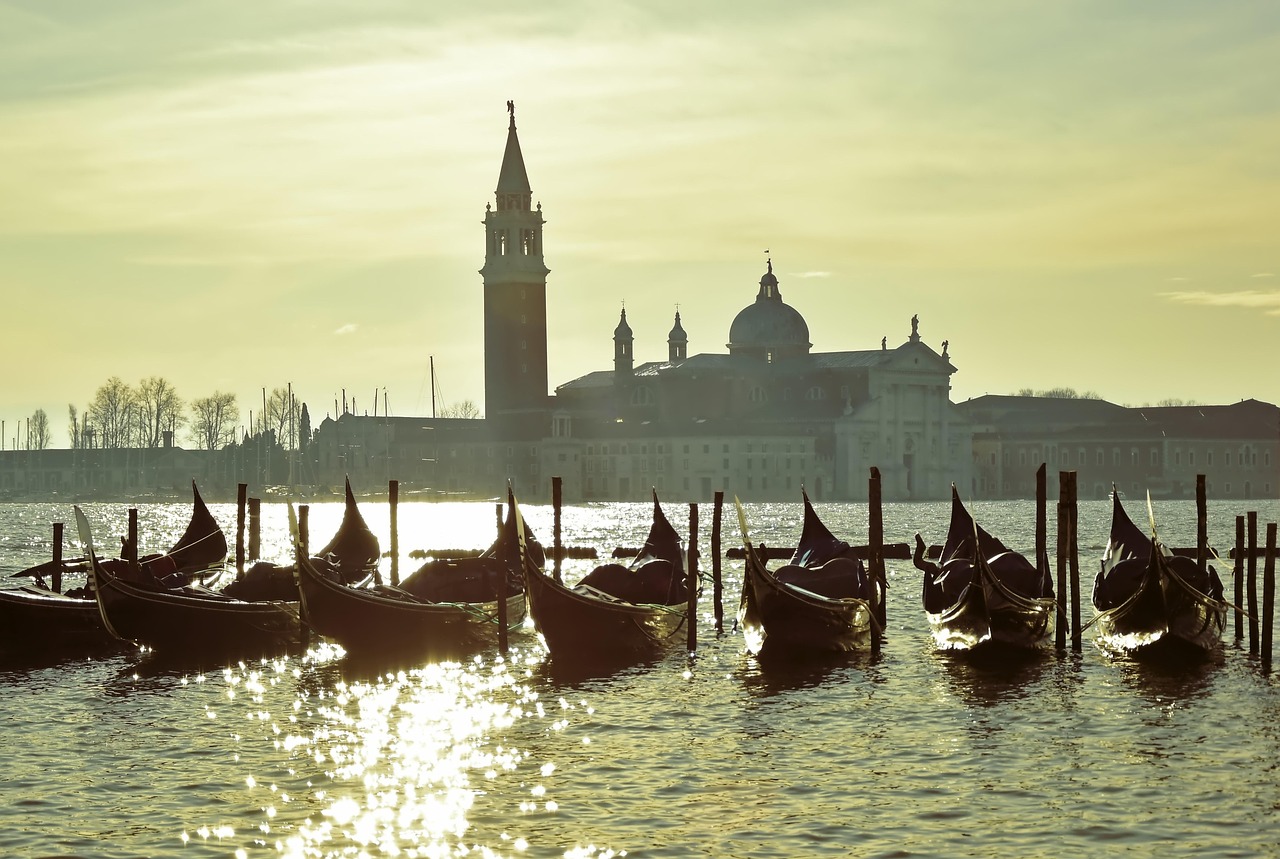
Venice and the Lagoon at golden hour as gondolas drift through a quiet canal
If you’re asking what is venice italy known for, the answer starts with water: here, a canal becomes the street, façades rise straight from the tide, and the past feels close enough to touch. Venice is one of the great cities in the world, shaped by the Venice lagoon, where stone foundations meet shifting light. It’s famous for palazzi emerging from the water and a sense of arrival that feels like stepping into a story.
More than anything, Venice is a unique place built on the lagoon, known for its canals, and defined by how you move through it: slowly, noticing details. A doorway becomes a landmark; a small crossing becomes a bridge in Venice you’ll remember for the view. When you see Venice this way, the city stops feeling like a checklist and starts feeling personal.
How to design a day in Venice with calm confidence and a flexible itinerary
The secret to a high-end day here is not doing more—it’s designing the timing so you experience the city before it performs for the crowds. Early mornings belong to residents and photographers; late afternoons soften the edges; evenings can be your flourish. If you want a stay in Venice that feels intimate, anchor your plan around two “musts”, then allow space to discover what’s between them.
Here’s a simple itinerary logic that works beautifully for your first visit to Venice, especially when peak hours gather around the main piazza and waterfront:
- Morning: start early, walk on foot through quieter lanes, then choose one major site.
- Afternoon: pause for a long lunch, a gallery, or a slow vaporetto ride for perspective.
- Evening: book one memorable moment—music, a tasting, or a waterside view at dusk.
This rhythm helps you explore without rushing, and it builds trust in your own pace. It also makes a single day feel like a lived experience rather than a race between attractions in Venice.
Practical reassurance for visiting Venice in comfort, from arrivals to footwear
For italy travel planning, the best time to visit is spring (April to June) or early autumn (September to October), when the weather is gentle and the city feels more breathable. In late autumn and winter, acqua alta can appear; with smart footwear and a flexible plan, it becomes a manageable detail rather than a disruption.
Arrive via Venice Marco Polo Airport or by train to Venezia Santa Lucia, and consider how you want the first moments to feel. A private transfer can be the difference between stress and seamless support, especially if you’re carrying luggage over bridges. If you’d like to create a trip to Italy that connects this destination to other highlights with ease, you can browse our Trip gallery for inspiration—an easy starting point for a guide to Venice and beyond.




San Marco essentials: basilica splendour, Palazzo Ducale power, and iconic landmarks
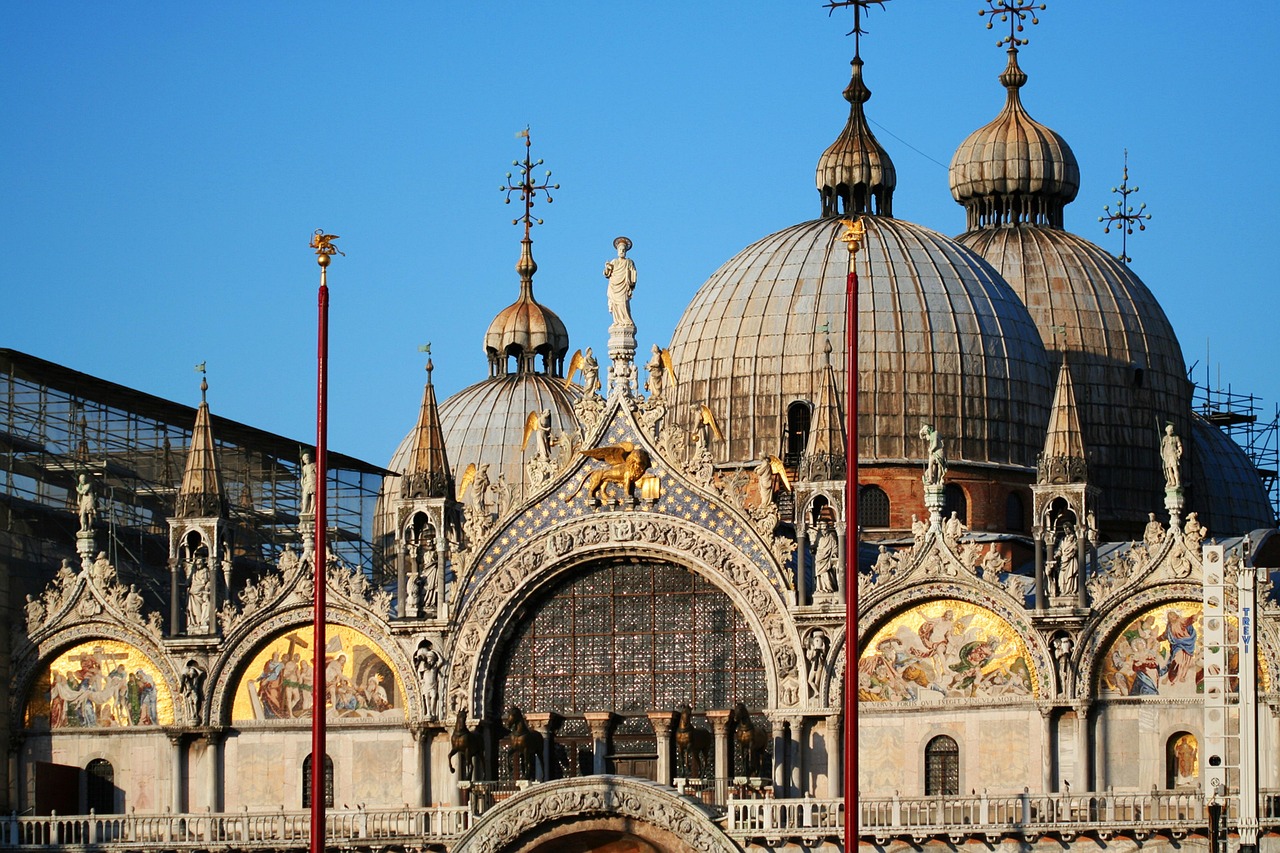
San Marco essentials in Venice with early light across the piazza
For many first-timers, this is the core morning—an open-air stage where Venice reveals its most iconic landmarks. Come early, while the paving stones are still cool, and you’ll feel the difference immediately: less noise, more space to look up, and time to take in the ornate details that make this quarter unforgettable.
Begin with St Mark’s Basilica, often described as a basilica of gold. Inside, a single mosaic panel can hold your attention for minutes; pause beneath the dome and let your eyes adjust to the glow. You don’t need to know every detail of the city’s past to feel its ambition and devotion.
St Mark’s Basilica and the campanile bell tower for a panoramic view of the city
Pair the basilica with the campanile for a bell tower viewpoint that gives you a true view of the city. From above, you understand Venice as a pattern: roofs, water, and the lagoon holding everything gently in place. Timing matters—pre-booking and arriving early helps you avoid long queues in high season, and keeps the experience calm.
Afterwards, give yourself permission to step away from the busiest flow for a few minutes. Even a short pause with a coffee on a side street can feel like a reset, a small act of care that keeps the rest of the morning smooth.
Doge’s Palace, the Bridge of Sighs, and a detour to San Giorgio Maggiore
Next, step into doge’s palace and you’ll feel the weight of power in painted ceilings and grand chambers. Officially the palazzo ducale, it isn’t just a museum—it’s a living container of venetian history, where decisions once shaped trade routes and alliances. Take your time with the art and the scale; this is one of the famous sights where slow looking is the reward.
From here, the Bridge of Sighs carries you into a more intimate story of justice and consequence. It’s one of the most storied bridges in this city, and it’s worth a quiet moment—then, if you can, cross the water to san giorgio maggiore. The atmosphere there feels softer, and the perspective back across the basin is a gentle reminder that the best way to see venice is to step slightly aside.
A solo traveller once told us the moment that stayed with her wasn’t a photograph at all: it was sitting in a church in venice for a classical concert, hearing music lift into old stone and sensing the history of venice in sound as much as architecture. In a place built on reflection, that kind of stillness is its own luxury—something many Venetians quietly prize.
Venice from the Water: gondola moments along the Grand Canal and the Rialto Bridge
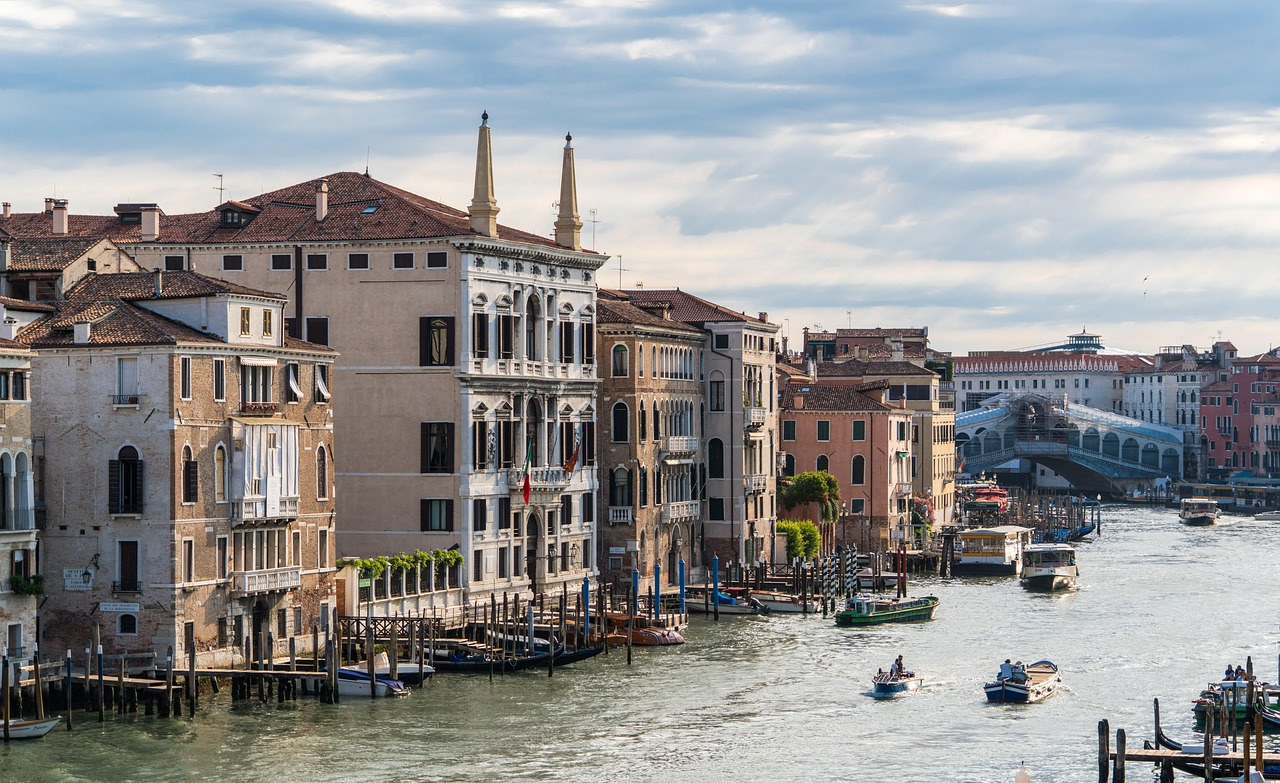
Venice from the water with palazzi lining the curve of the Grand Canal
When people look up this perspective, they’re really asking for the feeling: that moment when the city shifts and you understand it as a waterfront civilisation. The Grand Canal is the main stage, a sweeping curve lined with historic façades where light changes by the minute. Even if you’ve walked for hours, the canal reveals angles you simply can’t get from land.
This is also where a high-end approach is less about extravagance and more about control: choosing the right arrival, the right timing, and the right pace so you feel looked after. With a little planning, even busy days can feel crafted—especially on a first visit to Venice.
Arrivals and transfers around Venice, from water taxi to vaporetto routes
From Venice Marco Polo Airport, a private water taxi is a beautiful way to begin, especially if you value privacy after a flight. Vaporetto water buses are more public but wonderfully scenic, and they’re often the most efficient way to move around Venice once you’ve settled in—particularly along the grand canal at the classic stops.
If you’re deciding between them, consider these quick cues:
- Water taxi: best for comfort, door-to-door simplicity, and a quiet start.
- Vaporetto: best for easy access, a local feel, and a classic ride from Venice across the main routes.
- On foot: best for discovering lanes, an artisan workshop window, and the city’s softer details.
If you’re arriving by cruise, be aware that tendering and port logistics can add time. A calm plan—plus a little buffer—keeps your first hours feeling unhurried and confident, rather than reactive.
Choosing a gondola and meeting the Rialto Bridge at sunset
A gondola can be a unique experience when you treat it as a small ceremony rather than a quick tick-box. Choose a quieter route into narrow canals if you want intimacy, or opt for a postcard corridor if it’s your first time and you want the classic sweep. For couples, a private gondola with a musician can feel quietly cinematic; one pair described being serenaded as they drifted under low bridges, the city’s sounds fading into water and song.
And then there’s the rialto bridge. One traveller told us about watching the city turn gold from the Rialto Bridge at sunset, with gondolas silhouetted on the water and a soft hush settling over the crowd. It’s a simple scene, but it stays with you because it feels like you’re exactly where you meant to be—no performance required.
Artful Venice in Dorsoduro: museums, crafted details, and a slower part of Venice
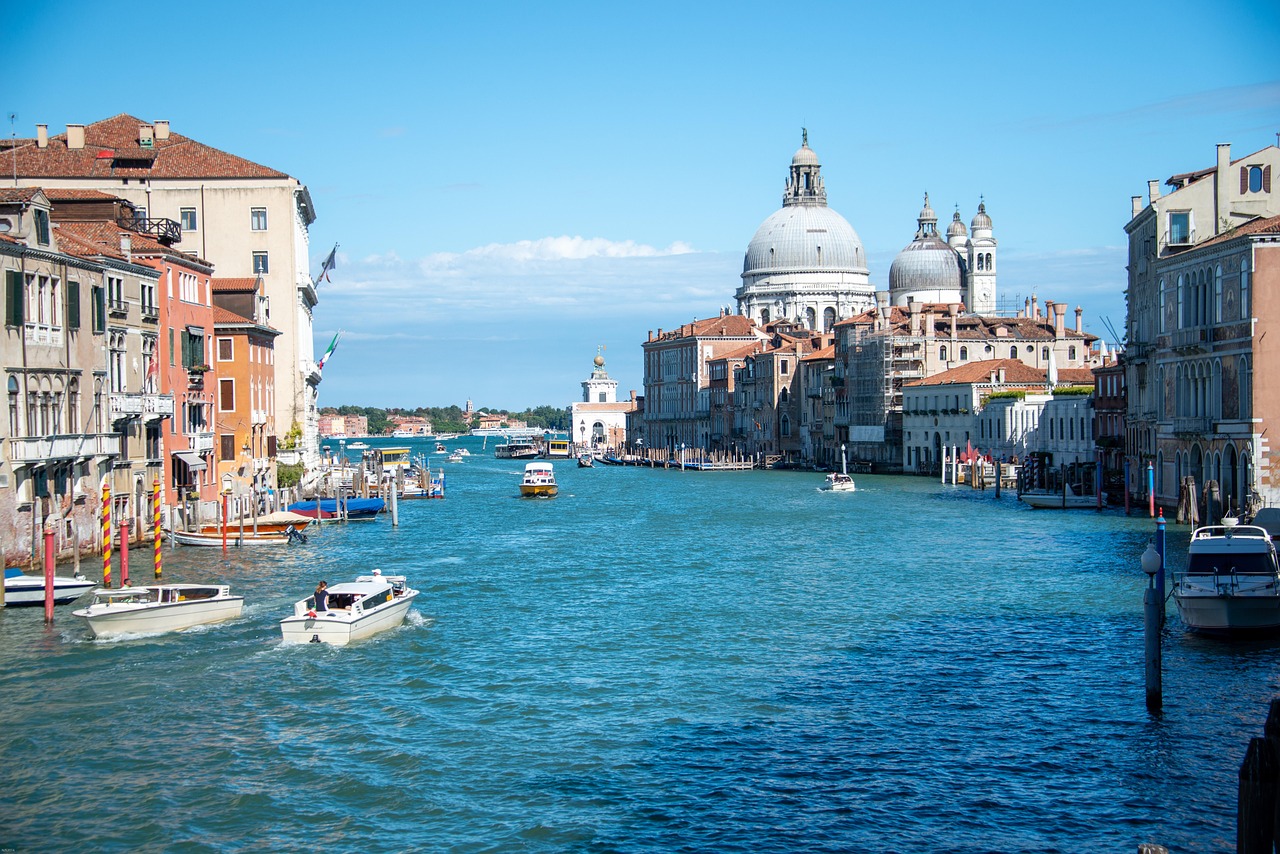
Artful Venice in Dorsoduro with a calm canal-side walkway
If you’re searching for a more design-led side of Venice, you’re already leaning toward the city that collectors, architects, and repeat visitors adore. Dorsoduro moves at a different tempo—slower lanes, gallery windows, and a local mood that feels both elegant and relaxed. It’s part of Venice where you can notice texture: students crossing small bridges, neighbours greeting each other, and cafés that feel like they belong to daily life.
This is where you can see in venice beyond the obvious. The beauty becomes less about spectacle and more about composition: light on plaster, water tapping stone, and contemporary culture woven into ordinary streets.
Peggy Guggenheim Collection: modern masters and one of the best art museums in Italy
The peggy guggenheim collection is a must for modern art lovers and a standout among art museums in italy. To keep it enjoyable, aim for a focused visit rather than trying to cover every room at speed. Give yourself time to sit, look, and let a few works land properly; then step out to the waterline and breathe.
It’s also a wonderful counterpoint to the older splendour elsewhere in the city. Together, these layers show how Venice has always attracted outsiders, patrons, and the bold—people willing to trade, create, and rethink what a city can be.
Maker culture and Santa Maria della Salute for a calmer pause
Beyond museums, the city has a maker’s heartbeat. Seek out an artisan appointment—paper marbling, textiles, or atelier-led demonstrations—where storytelling is as valuable as the object you take home. Private visits can be arranged so you meet craftspeople with expert translation and genuine insight, rather than browsing in a hurry.
For a design-minded pause, step into santa maria della salute. The architecture is luminous, the space invites quiet, and it’s particularly photogenic when the light turns soft. Dress modestly, remember it remains a place of worship, and move with care—this destination rewards reverence.
As evening approaches, you might notice how art here easily becomes performance. A reference to masks isn’t out of place—it’s a bridge between identity, craft, and theatre, and it hints at the city’s most playful season.
Local flavours and islands: food in Venice, Murano and Burano, plus a simple Venice itinerary

Local flavours and islands near Venice with colourful waterside houses
For travellers planning a balanced Venice itinerary, the magic lies in mixing refinement with real life. Start with the confidence to eat in venice well: look for traditional bacari serving cicchetti, best paired with a glass of local wine and an unhurried conversation. A curated food tour can guide you away from tourist traps and into the true food scene, where quality is quiet and consistent.
High-end dining belongs here too. Michelin-starred rooms offer amazing food with thoughtful wine pairings, yet some of the most memorable food in venice comes from intimate places in Cannaregio where the welcome feels warm and local. From seafood pastas to market-fresh plates, local food and simple food and drinks often outshine anything overly staged.
Morning stillness and food and drinks: bacari culture at an easy pace
One visitor described the peacefulness of early morning strolls through empty alleys, hearing only footsteps and the occasional splash from a canal. It began with a first espresso before the city woke, then a relaxed bacari crawl with a few plates of cicchetti—simple bites, friendly bartenders, and the feeling of being gently included rather than entertained.
To keep your meals feeling effortless, remember a few soft rules of comfort:
- Step a few streets away from the busiest routes for better value and calmer service.
- Book special dinners ahead in high season, especially for Michelin-starred tables.
- Stay aware in crowded areas and keep belongings secure; pickpockets target busy pinch points.
With just a little care, your time becomes about pleasure and discovery, not vigilance.
Murano, Burano, and Carnival: easy island trips on the lagoon
When you want to expand beyond the historic centre, the islands of venice make an easy, crafted add-on. Murano is famed for glass and studio demonstrations that reveal technique and patience; Burano, a small island, is all colour and reflection, and it’s wonderfully photogenic in any season. Time your boats for a seamless half-day, and you’ll return with energy rather than exhaustion—proof that Venice is one destination where “less” often feels like “more”.
Then there is Venice Carnival, a world of masks, opulent costumes, and playful reinvention. One traveller recalled the joy of a masked ball, feeling transported back in time as music swirled through gilded rooms. If you travel in this season, book accommodation and key events well in advance, and plan gentle escapes between busy moments so the carnival stays joyful.
Leaving Venice: what stays with you after your visit to Venice
As the journey ends, reflections often arrive in small, unplanned flashes. What stays isn’t only the photographable highlights; it’s salt air on your skin, the sound of water under bridges, and the way the city teaches you to move more gently. Venice lingers like a familiar melody—quietly present long after you’ve returned to normal days.
You may remember the warmth of late light on stone, or the hush of an early lane before anyone else appeared. You may remember the way a gondola turned a corner and the world narrowed to water and footsteps, or how the lagoon held the city like an open hand. Here, beauty is rarely loud; it’s patient.
There’s something else, too: a renewed confidence in travelling with intention. This destination invites you to take things slowly, to design space into your days, and to choose care over urgency. It reminds you that the most meaningful moments are often the ones you didn’t plan to chase.
And perhaps, one day, you’ll picture a last look across a quiet canal at dusk—windows soft with light, water darkening to ink—and you’ll simply imagine returning, not to collect what you missed, but to meet the city again with fresh curiosity and calm.
F.A.Qs: Venice travel planning and essentials
Venice travel planning FAQs with gondolas on a calm canal
What is Venice, Italy best known for?
Venice is best known for its canals, the Grand Canal lined with historic palazzi, and its setting on the lagoon. It’s also famous for gondola rides, a landmark basilica, and museums—plus the atmosphere created by water, light, and craft.
What is the number one attraction in Venice, Italy?
For most visitors, Mark’s Basilica is the number one attraction. Its golden mosaics, rich decoration, and position on St Mark’s Square make it an essential first stop, especially when you visit early for a calmer atmosphere.
What months does Venice smell?
Venice can smell more noticeable during the hottest summer months, especially July and August, when heat and still air can amplify the natural odours of water and tides. Choosing spring or early autumn often brings fresher conditions and a more comfortable pace.
What is the Speciality of Venice Italy?
Venice’s speciality is its blend of art, architecture, and waterborne life—plus a food culture built around seafood and cicchetti in traditional bacari. The city is also renowned for Murano glass, Burano colour, and the feeling of living inside a masterpiece.