Post Contents
- What to Do in Venezia Italy: Arrivals, Transfers & First Bearings for a Luxury Venice Travel Guide from Marco Polo Airport
- 10 Best Things to Do in Venice: Start at San Marco with Piazza San Marco, St. Mark’s Basilica & the Campanile
- Doge’s Palace Venice: A San Marco Palazzo Experience with Skip-the-Line Entry (and the Bridge of Sighs)
- Gondola Ride in Venice at Sunset: Quiet Canal Corners, the Grand Canal & Rialto Bridge (Ponte di Rialto)
- Things to Do in Venice: Cicchetti Tasting Tour at Bacari with Fine Wine and Gelato
- Venice Itinerary: A Day Trip Around Venice to Murano, Burano and Dorsoduro Artisan Workshops
- What Stayed With Me After Time in Venice: Personal Reflections on Trust, Care, and a Trip to Venice
- F.A.Qs: Venice travel questions high-end travellers ask before a visit to Venice
What to Do in Venezia Italy: Arrivals, Transfers & First Bearings for a Luxury Venice Travel Guide from Marco Polo Airport
Arrive in Venice with ease: calm transfers and first bearings
This “visit Venice” travel guide for a polished arrival—whether you land at Marco Polo Airport or arrive via Santa Lucia—focuses on starting calmly and getting your bearings without friction. Venice rewards those who arrive gently: salt air, the first glint of a canal, and the quiet confidence of knowing the details are handled. If you’re travelling with a concierge or hotel in venice, let them design your transfer end-to-end so you can simply exhale and begin exploring.
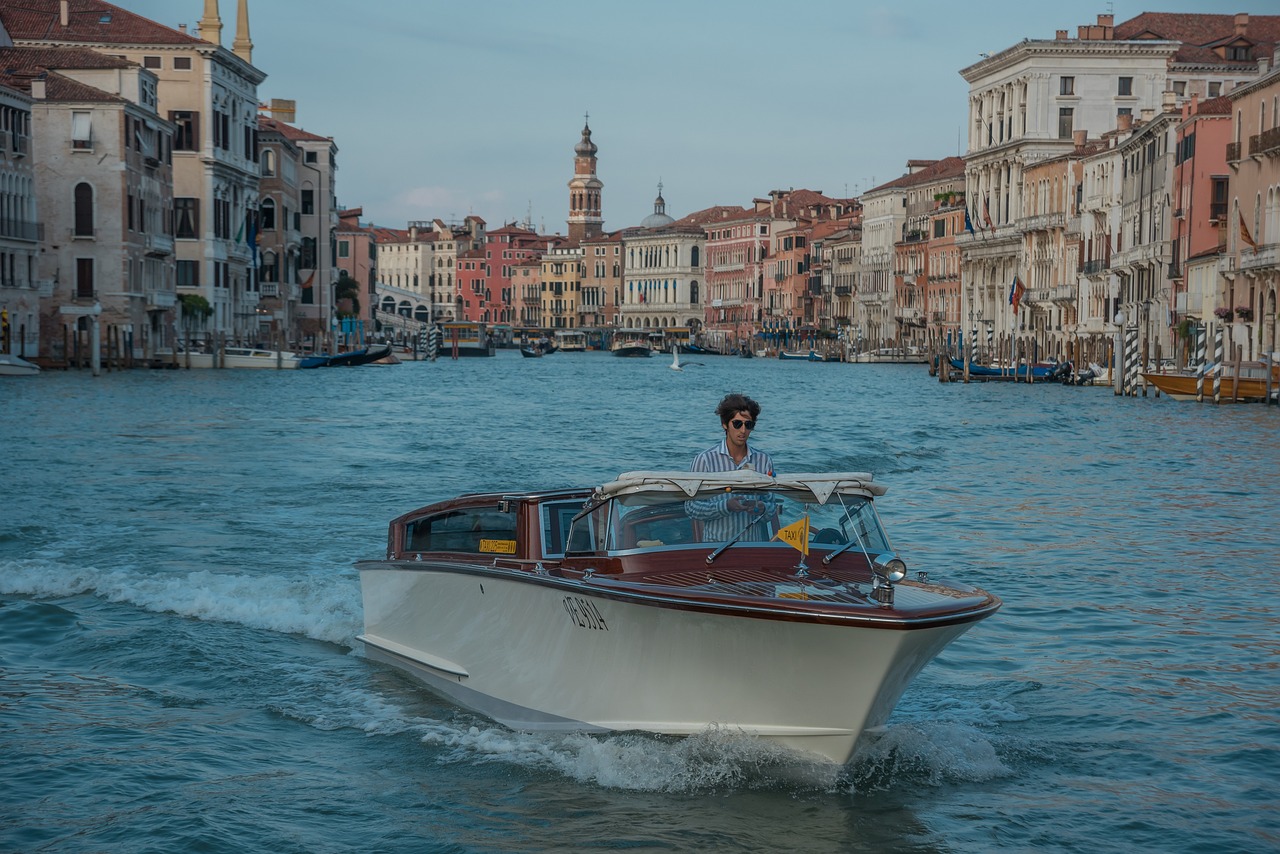
From Venice Marco Polo Airport, a private water taxi is the most seamless choice for high-end travellers—especially with luggage. You’ll skim across open water and slip straight into the city’s canal network, often pulling up at (or near) your hotel’s private landing. If you arrive by rail, stepping out at the Santa Lucia train station and seeing water immediately feels like a small revelation; a porter service and a pre-arranged boat make that first moment feel effortless and distinctly Venetian.
Get your bearings slowly: an easy first loop for first-time visitors
If this is your first trip to venice, the most reassuring advice is simple: slow down and let Venice come to you. After check-in, take 45 minutes to wander one small loop near your hotel—one bridge, one canal, one campo—so you get your bearings without turning it into a mission. This is where the city begins to feel human, not just iconic: a florist setting out buckets, a bell in the distance, a softly lit passage that becomes your shortcut later.
Because there’s no car access in most of Venice, the city is naturally walkable. Comfortable shoes matter, but so does mindset: allow a little extra time, and treat an occasional wrong turn as part of the story, not a mistake. The quiet luxury here is support—knowing your base is close, and you can always pause, reset, and continue together.
Vaporetto essentials: tickets, travel card & a first glide along the Grand Canal
A vaporetto is Venice’s water-bus system, and it’s wonderfully practical when you want to cover distance without overpaying for private boats each time. If you plan a few rides, a travel card can be good value, and your concierge can advise what suits your itinerary. When it’s time to move, simply hop on a vaporetto at the nearest stop, validate your ticket, and keep an eye on the signage—locals do this with quiet efficiency.
For a first look, choose the most scenic Line 1 run along the grand canal: you’ll pass palazzi, arches, and water doors that make the city feel like a living museum. It’s not just transport—it’s a moving viewpoint, and a graceful way to settle into the rhythm of Venice.
- Seamless transfer tip: pre-book a water taxi if you land late, so you’re not negotiating on the jetty.
- Cost reality, gently: central Venice is pricier—consider lunches in quieter lanes for better value with a crafted feel.
- Acqua alta care: pack waterproof footwear in shoulder seasons, so high tide never steals your comfort.
If you’d like inspiration for a wider trip to italy that pairs beautifully with Venice, browse our Trip gallery for ideas you can shape around your own pace.




10 Best Things to Do in Venice: Start at San Marco with Piazza San Marco, St. Mark’s Basilica & the Campanile
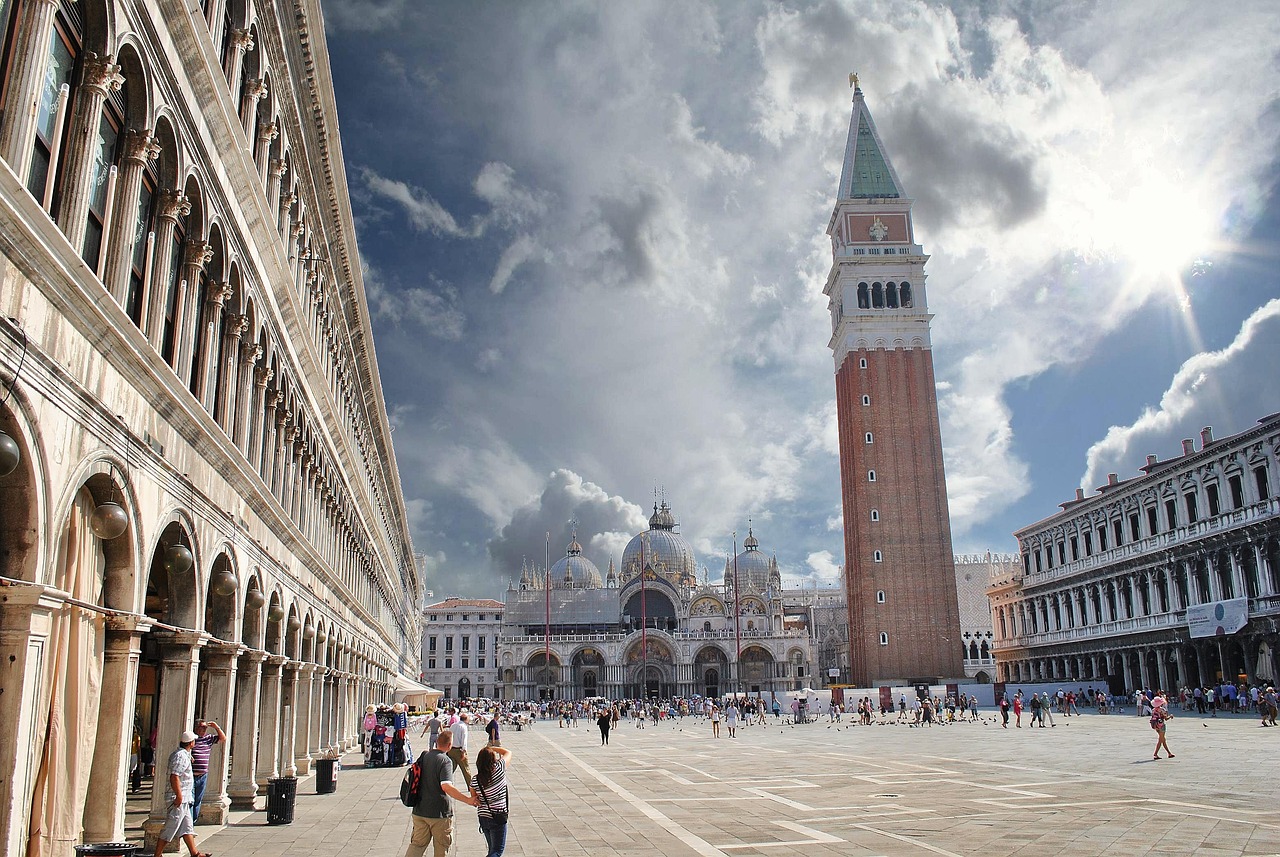
San Marco in Venice: the elegant beginning to a perfect day
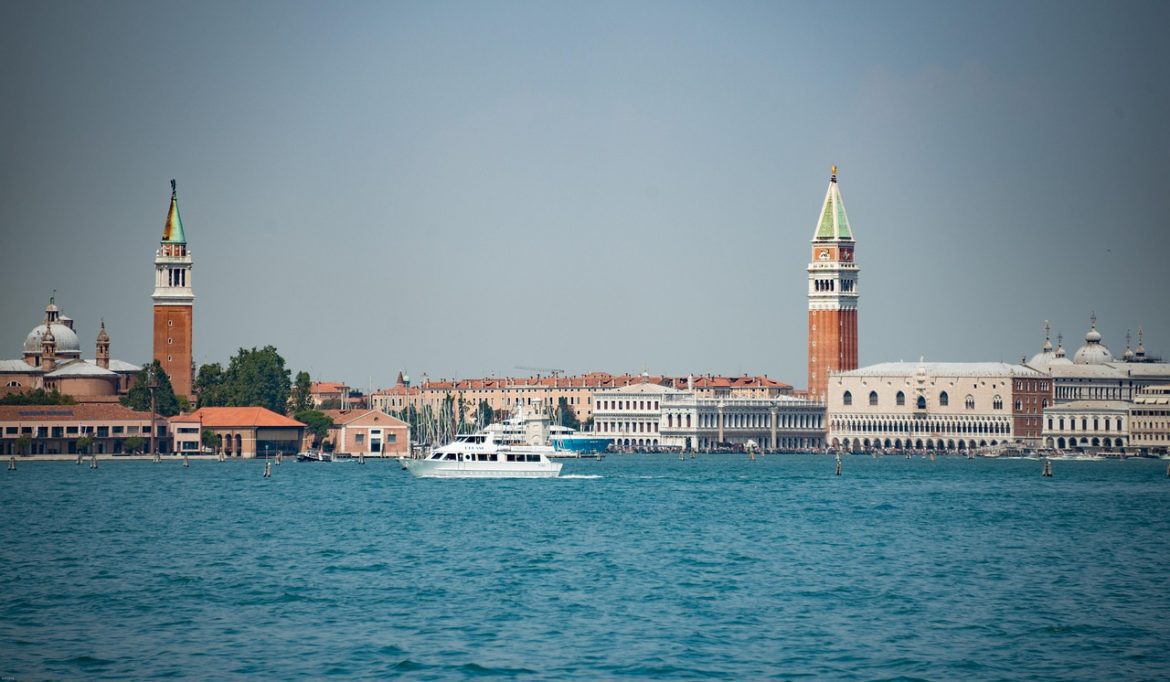
If you want the 10 best things to do in venice, San Marco is the natural beginning—piazza san marco, the basilica, and the campanile are a trio that instantly explains Venice’s magnetism. Go early in the morning, when the square still feels like a private salon: the light is gentle, the footsteps are softer, and you can take unhurried photographs that look as refined as they feel. For many travellers, this is the moment a day in venice clicks into place.
This is Mark’s Square at its most elegant. Even if you’ve seen it on film, standing here in real life has a calming scale—water nearby, sky above, and architecture that seems to glow rather than shout.
Piazza San Marco and St. Mark’s Basilica: golden mosaics and quiet etiquette
Step into St. Mark’s Basilica and give yourself time to adjust. The golden mosaics shimmer like candlelight held in stone, and the sense of devotion is palpable even on busy days. If you can, seek out the glittering altarpiece and pause long enough to notice the intricacy rather than simply ticking a box.
A small note of care keeps everything effortless: cover shoulders, keep voices low, and remember that flash photography rules can change. This isn’t about formality—it’s about trust and respect in a living basilica, so your visit feels calm and welcome.
Climb the Campanile: panoramic views and a calm sense of direction
The campanile is one of Venice’s most recognisable landmarks, and the view gently reshapes your plans. From above, the red rooftops and the waterline read like a pattern, and the city suddenly feels navigable rather than maze-like—ideal for mapping your next canal-side walk. This iconic bell tower experience is best with timed entry, especially in peak months, so you’re not waiting in the sun.
Afterwards, design a refined pause at a historic café—Florian is the classic choice. Order an espresso, settle in, and people-watch as the square becomes a living stage. If time allows, cross to San Giorgio Maggiore for a quieter counterpoint and a memorable skyline view back across the canal.
Doge’s Palace Venice: A San Marco Palazzo Experience with Skip-the-Line Entry (and the Bridge of Sighs)
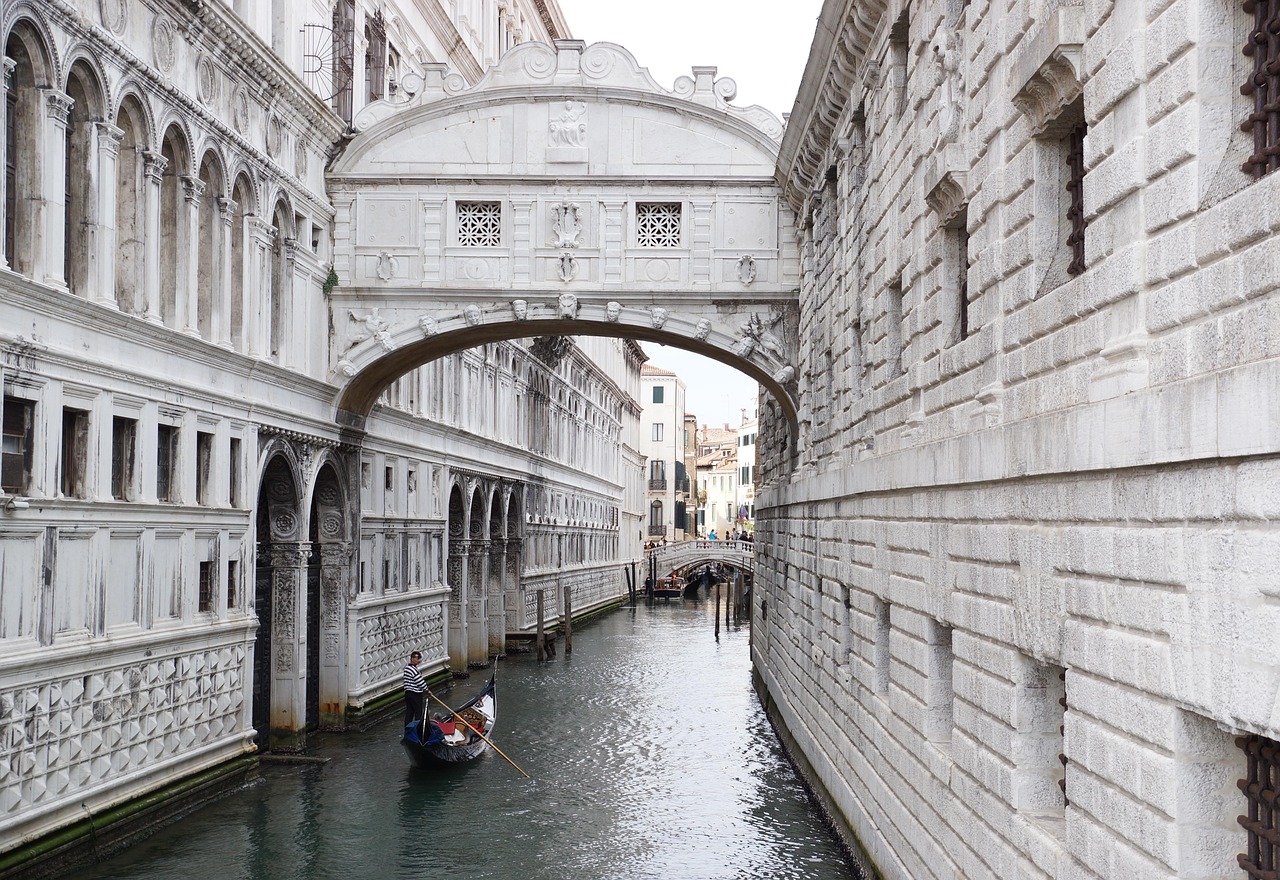
Doge’s Palace in Venice: power, ceremony, and art in one place
For a deeper understanding of Venice, a crafted visit to doge’s palace in the San Marco district is hard to beat. This is not just a building; it’s a masterclass in how a maritime republic projected power through art, ceremony, and architecture. With an expert guide, the experience becomes less about crowds and more about insight—what you notice, what you uncover, and the stories that make the frescoes feel alive inside this historic palazzo.
The palace is most enjoyable with a timed, skip-the-line entry, ideally mid-morning on a weekday or later afternoon when tour groups thin. Your hotel team can arrange a route that keeps the pace comfortable, so you don’t leave feeling overloaded.
Cross the covered passageway with context and care
Cross the enclosed bridge once, slowly. Knowing what it connected—state rooms to detention—and what it symbolised adds a quiet emotional weight that surprises many travellers. In a city so visually rich, this is a moment that lands not through spectacle, but through meaning.
One couple we spoke with described a shared silence after seeing the scale of the state rooms: gilded ceilings, colossal canvases, and the subtle politics stitched into every detail. Their guide pointed out elements they’d have walked past—small emblems, deliberate sightlines, and the way the architecture itself was designed to impress visiting dignitaries.
Practical pacing around San Marco: see more, feel less fatigue
Allow around two hours, more if you linger in the galleries. Pairing this with nearby San Marco sights works best if you build in a pause—perhaps a glass of water and a seat in the shade before moving on. Keep bags small, follow dress and photo rules, and you’ll find the whole visit flows with reassuring ease.
- Best time window: pre-book the first or last entry slots for a calmer atmosphere.
- Comfort tip: bring a light layer; historic interiors can feel cool even in warm months.
- Guided value: an expert-led route often reveals “why” as well as “what”.
Before you leave the area, note the small courtyards and side passages—Venice has a way of offering hidden gems just beyond the busiest corners.
Gondola Ride in Venice at Sunset: Quiet Canal Corners, the Grand Canal & Rialto Bridge (Ponte di Rialto)
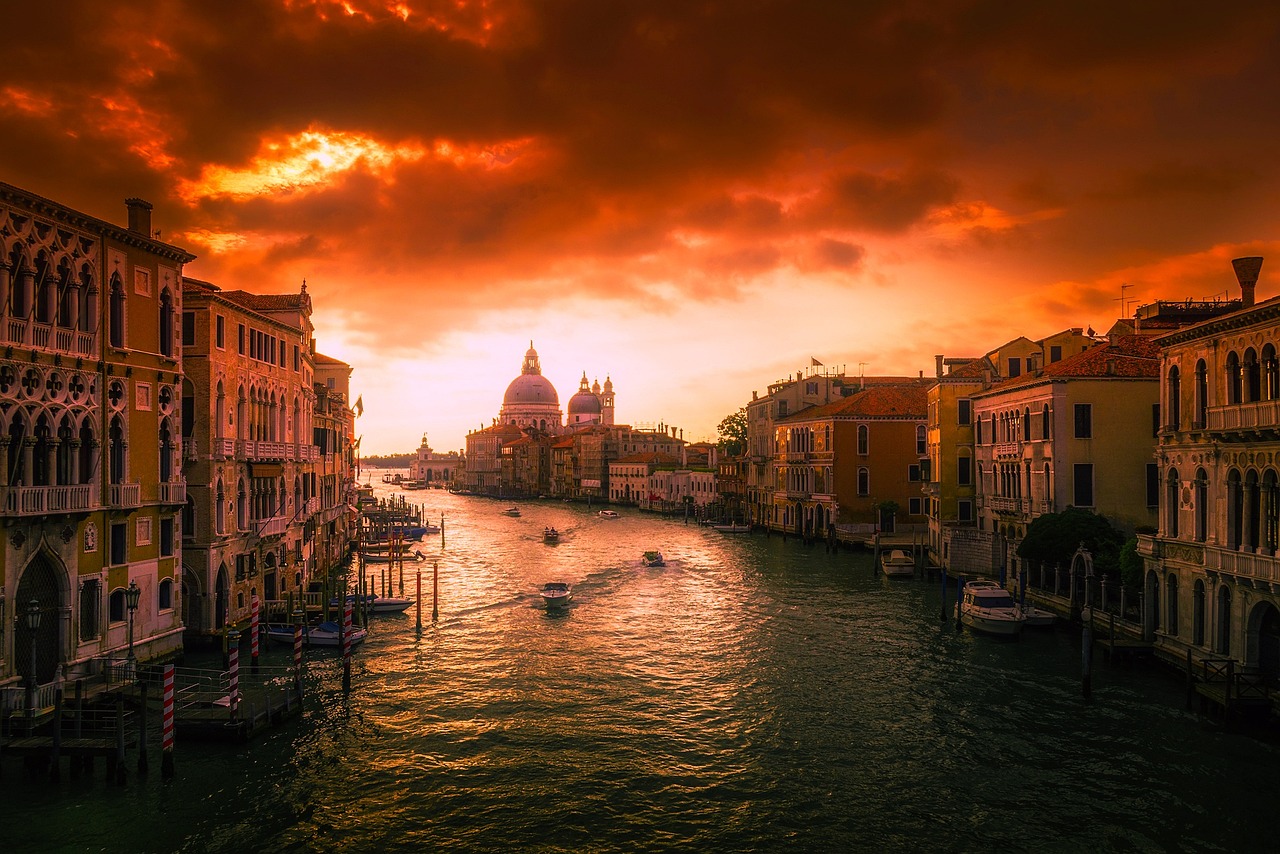
A sunset gondola in Venice: reflections, lanterns, and calm water
A gondola ride in venice at sunset is the signature indulgence—and for good reason. Book a private gondola at the golden hour, ask for the quieter canal corners first, and then drift back towards the main waterway as the lamps begin to glow. Venice softens at this hour; conversations drop, reflections deepen, and even familiar façades feel newly intimate.
One traveller told us their gondolier narrated centuries-old Venetian tales as they turned into narrower waterways, creating a personal connection that lingered long after the ride ended. It’s that blend of theatre and tenderness that makes this gondola moment feel less like a performance and more like a shared memory.
Rialto Bridge moments: viewpoints, photos, and the calm after the ride
After your ride, walk to the Rialto Bridge and take your time. You’ll hear the water traffic, watch boats slip under the arch, and find a vantage that feels both iconic and oddly peaceful—especially when you pause for a clear view of the grand canal. When you do your own crossing the bridge, stop midway and look down the canal; Venice is at its most cinematic when you’re not hurrying.
On the far side, notice how the crowd changes block by block. A few steps away from the main flow, you can often find a quieter edge across the canal where the soundscape is mostly water and low voices.
Fondaco dei Tedeschi rooftop: views over the Grand Canal without the crowds
For a modern viewpoint, reserve a timed slot on the terrace. This lookout is open to the public and offers views over the grand canal that feel surprisingly serene above the bustle. It’s an elegant pause—more gallery-like than touristy—especially if you arrive just before dusk.
Finish with a classic ritual: a Bellini in a refined bar. Keep the evening seamless by confirming your gondola meeting point in advance, and avoid the most overcrowded boarding spots near the busiest stretches of the canal. With a little design and support, the night unfolds with confidence.
Things to Do in Venice: Cicchetti Tasting Tour at Bacari with Fine Wine and Gelato
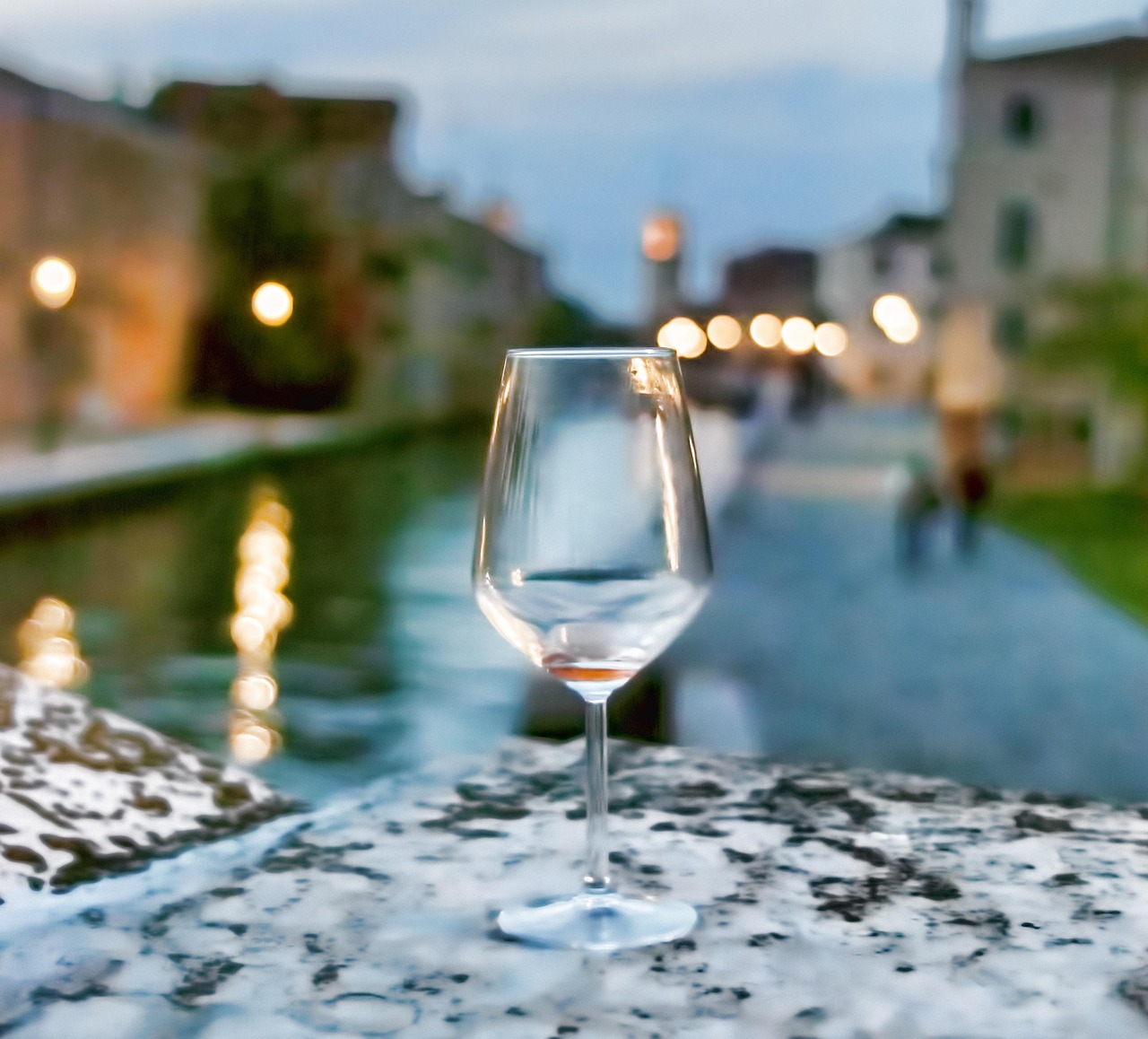
Cicchetti in Venice: small plates, fine wine, and a relaxed evening pace
Among the most satisfying things to do in venice is a cicchetti tasting tour through classic bacari—small plates, excellent pours, and a slow walk between welcoming bars. The luxury here isn’t about formality; it’s about choosing intimate places with character, ordering well, and letting the evening feel unforced. Ask your concierge to craft a route matched to your palate, and you’ll avoid the obvious traps while still tasting authentic Venetian favourites.
Start with one glass of white from the Veneto, then add cicchetti gradually: baccalà mantecato, marinated seafood, seasonal vegetables, or a warm crostino. Savour, chat, and keep moving—Venice is best when dinner becomes a gentle drift through lanes and over bridges, giving you an effortless way to explore venice after dark.
Where luxury meets value when you’re on a budget
Even in high season, Venice can be kind if you choose wisely. If you’re on a budget, step slightly off the San Marco drag: you’ll often find better produce, more relaxed service, and an atmosphere that still feels special. Think quality over quantity—two excellent stops can feel more elevated than five rushed ones.
Near the busiest squares, “tourist menu” boards and aggressive greeters are your warning signs. A good bacaro is usually small, confident, and quietly busy with locals; the energy feels warm rather than pushy.
Gelato punctuation: how to order and stroll like a local
For a sweet pause, choose a small cone and keep walking—gelato tastes better with a little night air. With gelato in venice, etiquette can vary by shop: sometimes you pay first and then order; elsewhere you order first and pay at the end. A quick glance at the counter flow, or a gentle “Si paga prima?” keeps things smooth and respectful.
- Curated route idea: begin in Dorsoduro for a calmer start, then wander towards Rialto for livelier late-evening energy.
- Wine pairing tip: match lighter cicchetti with crisp whites; save richer bites for a spritz or a fuller-bodied glass.
- Keep it walkable: Venice is at its best when you’re not chasing reservations across the city.
Done well, this becomes less “food crawl” and more a gentle way to move through the city—unhurried, delicious, and like a local.
Venice Itinerary: A Day Trip Around Venice to Murano, Burano and Dorsoduro Artisan Workshops
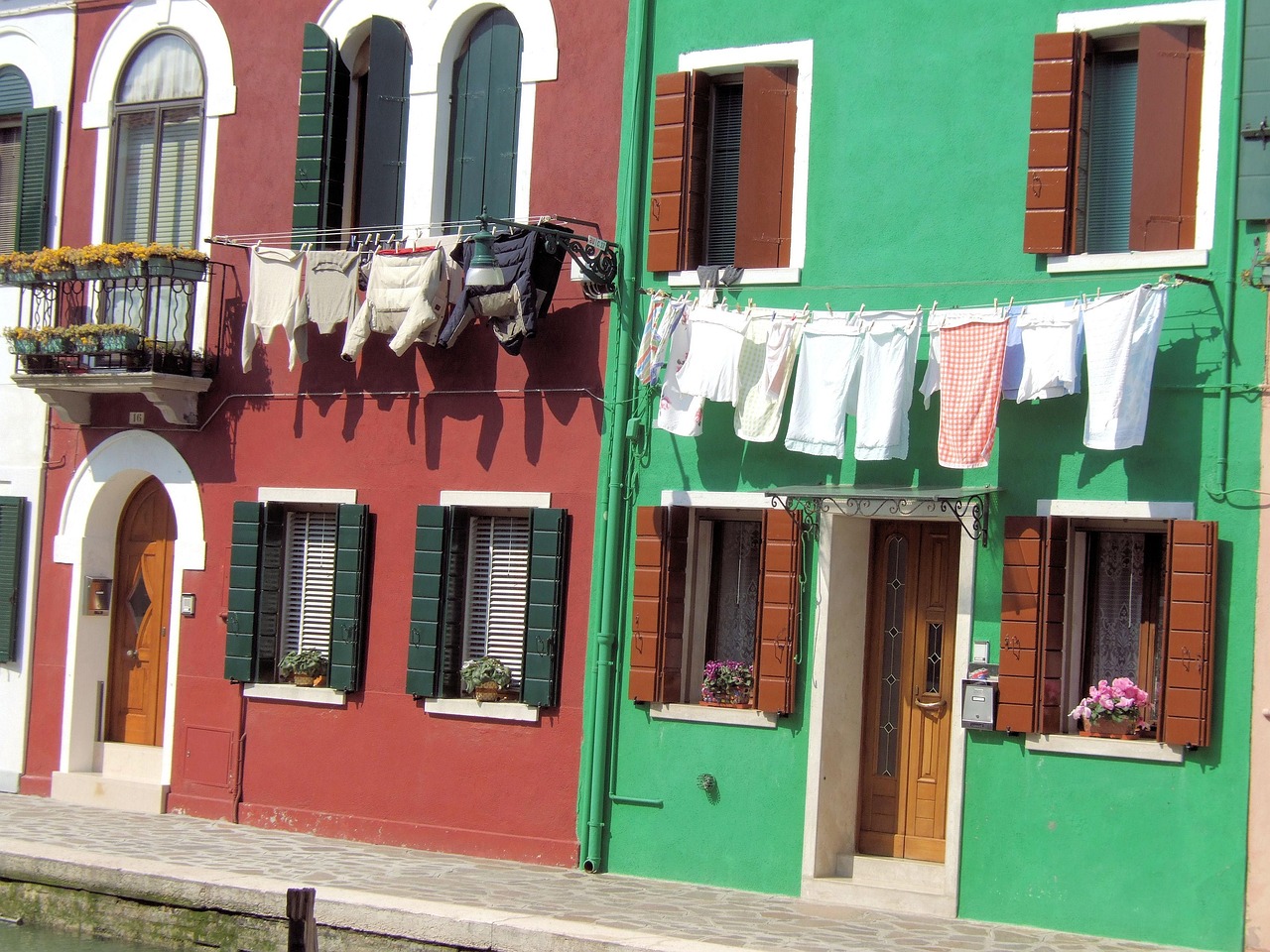
Around Venice: Murano glass, Burano colour, and artisan Dorsoduro
For a more layered venice itinerary, step beyond the core and let the wider lagoon reframe the city. You can go to murano in the morning to visit murano studios on the island of murano, then continue on for Burano’s colour and calm. It’s a day trip that offers contrast: less marble grandeur, more texture, craft, and lived-in rhythm—an ideal way to see around venice without feeling rushed.
A visitor once told us they expected Burano to feel like an “add-on”, but they were surprised by the quiet charm of Burano’s colourful houses against Venice’s bustling centre. The shift in pace felt restorative—like the city had handed them permission to breathe again.
Visit Murano studios for glass, conversation, and human craft
There’s a particular intimacy in watching artisans at work. A seasoned traveller described being invited behind the counter by a local maker to witness delicate glassblowing, and the warmth of that welcome stayed with them as much as the finished piece. In Venice, trust is often built through small courtesies: listening, asking before photographing, and acknowledging the skill in front of you.
If you’re also drawn to masks and handmade paper, return to Dorsoduro later and wander near the workshops, then pause by di santa maria della salute as the light shifts on the water. It’s a quieter side of Venice, and a beautiful way to keep the day feeling balanced.
Biennale season: modern art with a luxury exhibition lens
If your dates align, the Venice Biennale brings modern art into dialogue with history in a way that can genuinely change how you read the city. One couple described how attending a luxury art exhibition during the Biennale transformed their understanding of contemporary work—suddenly Venice felt not just preserved, but creatively alive. It’s a reminder that craft here isn’t only heritage; it’s also experimentation.
- Timing tip: start early to avoid the midday rush on popular island routes.
- Booking support: use getyourguide for curated island logistics when you want simplicity, or let your hotel tailor private timings.
- Crowd control: build in one long lunch stop so the day feels spacious, not like a checklist.
Whichever option you choose, keep the connections realistic. Checking water-bus timetables in advance (or asking your concierge to map them) makes the whole day feel calm, and lets you focus on what you came for: craft, colour, and the wider Venice story.
What Stayed With Me After Time in Venice: Personal Reflections on Trust, Care, and a Trip to Venice
After time in venice, what returns to me isn’t a single landmark, but an afterimage: water brushing stone, a soft hush in the evening, and the sensation that the city asks you to pay better attention. Venice has a way of changing your sense of time—slowing it down, rounding its edges, making space for small notices that would be lost elsewhere. It’s one of those magical places where the simplest details can feel extraordinary.
I think of a gondolier’s stories offered without hurry, and the way a bridge can become a pause rather than a crossing. I think of an artisan’s welcome—hands steady, glass glowing—shared as if you were meant to understand the care inside the work. These moments are personal, but they also feel quietly collective, as though Venice invites you to move through it together: with trust, with support, and with confidence that you don’t need to see everything to feel it fully.
And perhaps that is the city’s most refined gift. In a place so celebrated, the best things can be the simplest ones—being guided well, feeling safe enough to wander, and allowing the atmosphere to settle into you. Long after you leave, you may find yourself listening for water where there is none, and wondering what Venice might reveal next time you return.
F.A.Qs: Venice travel questions high-end travellers ask before a visit to Venice
What should you not miss in Venice?
Don’t miss the atmosphere of Venice as much as the icons: a quiet walk off San Marco, St. Mark’s Basilica for its mosaics, a sunset gondola moment on a smaller canal, and an unhurried pause beside the city’s main waterway. If you have time, add Murano or Burano to feel the wider pace and a different side of the canal culture.
What time of year does Venice smell?
Venice can smell more noticeably in the hottest, stillest weeks of summer, when warm water and heat intensify algae and harbour odours. It’s usually localised and temporary rather than constant. For the most comfortable experience, plan April to June or September to October, when the weather is pleasant and the city tends to feel fresher.
What is Venezia, Italy known for?
Venezia is known for its canals, the elegant façades on its waterfronts, and a history shaped by trade, art, and craftsmanship. It’s also celebrated for San Marco, the basilica’s golden interiors, Venetian glass from Murano, colourful Burano, and a culture of small pleasures—from cicchetti to historic cafés—set within a uniquely waterborne cityscape.
What is the number one attraction in Venice, Italy?
For most visitors, the number one attraction is the San Marco area—especially Piazza San Marco and St. Mark’s Basilica—because it captures Venice’s grandeur in one place. Many travellers also rank a gondola experience highly, not as a single “sight” but as an intimate way to feel the city’s canal rhythm and evening light.