Post Contents
- What to See and Do in Rome Italy – Designing a High-End Rome Itinerary and Places to Stay
- Colosseum After Hours – Ancient Rome Drama, Private Access, and the Colosseum and Roman Forum
- Vatican City Before the Crowds – Vatican Museum Early Access for Art Lovers
- Centro Storico Icons – Pantheon, Trevi Fountain, Piazza Navona, and Classic Things to See
- Trastevere by Night – Rome Food Tour in Trastevere, Local Craft, and Evening Atmosphere
- Rooftop Rome Dining – Rooftop Restaurants, Wine Pairings, and Best Views
- Vespa and Walking Tours – A Hidden-Gems Rome Itinerary Beyond the Usual Routes
- What Stayed With You After Rome – Reflections on the Eternal City
- F.A.Qs: Things to know before you go (tickets, etiquette, and budgets)
What to See and Do in Rome Italy – Designing a High-End Rome Itinerary and Places to Stay
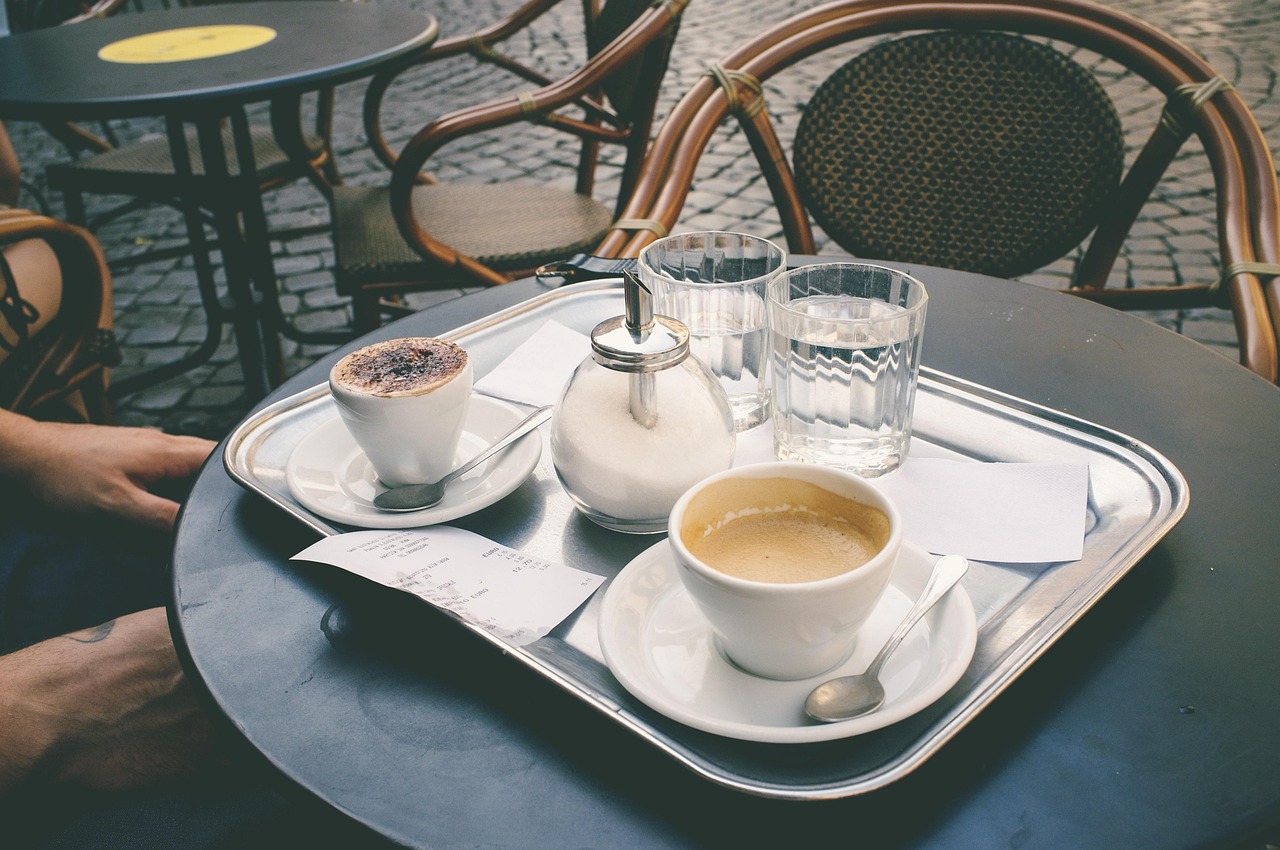
Designing a Rome itinerary with confidence in city Rome, with an unhurried coffee stop
If you’re wondering what to see and do in rome italy while designing a high-end itinerary, the real luxury is pace: enough structure to feel seamless, and enough space to follow curiosity. A first visit to Rome often suits a “big-hits with breathing room” rhythm, while a return to Rome can be built around neighbourhoods, artisan makers, and longer meals. Either way, this itinerary should feel personal—these are the best things to plan once, then enjoy without constantly checking a list.
Timing makes everything feel lighter on a trip to Rome. The best time to visit is spring (April to June) and early autumn (September and October), when you can explore comfortably and linger outdoors in the capital city. Summer is dazzling but volatile—heat, crowds, and the need for hydration—while winter is mild yet can be rainy, so you’ll want a smart layer and shoes that handle slick stone.
Ticketing for top attractions: timed entry, calm pacing, and smart choices
For top attractions, the simplest confidence-builder is booking ahead. Reserve timed entries for the Colosseum and the Vatican well in advance, then plan one “anchor” experience per day—so you can see and what to skip without guilt. Early mornings are ideal for major sights; afternoons are better for galleries, long lunches, and quiet churches that don’t require a sprint through tourist attractions.
- Book in advance for the Colosseum and the Vatican to avoid long queues and last-minute compromises.
- Choose one headline visit per day, then add one flexible stroll, shop stop, or café reset.
- Check current inclusions if you use the Roma Pass for transport and museum entry—benefits change over time.
Getting around the center of Rome: walking loops, drivers, and easy logistics
The center of Rome is best experienced on foot: you’ll notice the way light settles on stone, and how a street opens suddenly into a piazza. For reach—especially evenings, or days that include multiple zones—consider a private driver or a Vespa ride with an expert guide. If you prefer public transport, the Roma Pass can be useful, but treat it as a tool rather than the entire itinerary.
Where you stay in Rome shapes the emotional feel of your days in Rome. Near the Vatican suits museum mornings; Centro Storico is wonderfully walkable; and Trastevere is made for evenings that unfold slowly. If you’re going to Rome for a special occasion, we design with care—so if a reservation shifts or the weather turns, your trip still feels held together. For inspiration, browse our Trip gallery and picture the best places to stay, then map it into a relaxed Italy itinerary for your next trip to Italy and overall Italy travel plans.




Colosseum After Hours – Ancient Rome Drama, Private Access, and the Colosseum and Roman Forum
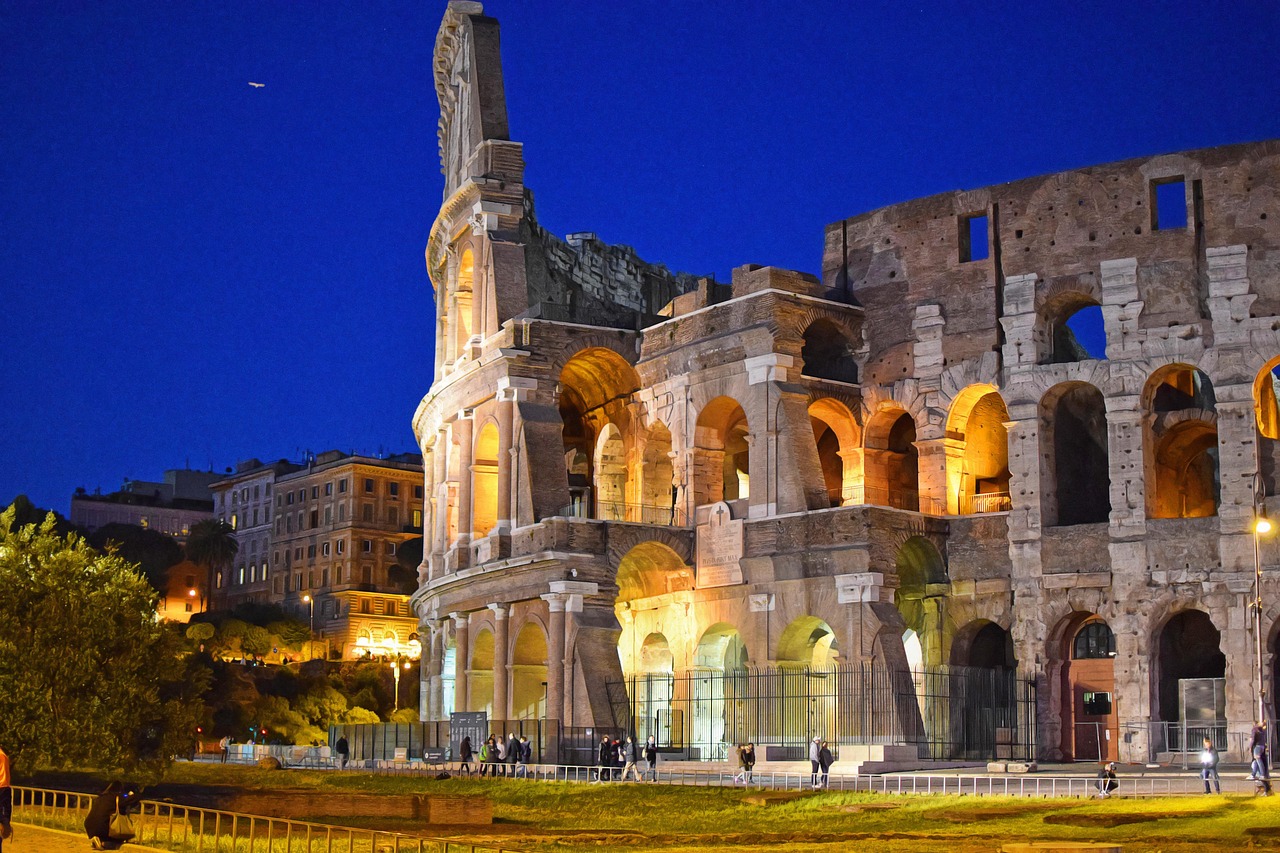
Colosseum after hours: a private, crowd-light way into Ancient Rome
For many travellers, the Colosseum sets the tone: see it shoulder-to-shoulder, or experience it with intimacy. A private after-hours Colosseum visit changes the entire mood—quieter corridors, softer light, and time to let the scale land. With an expert guide, the Colosseum becomes more than a photograph; it becomes a story you can follow, with insight that makes even the worn stone feel articulate.
To keep it seamless, plan a private transfer to deliver you close to the entrance, then linger after your tour rather than rushing straight to dinner. You’ll often notice the beauty of Rome most clearly when you allow a little silence to do some of the work.
Colosseum and Roman Forum: Roman Forum ruins and Palatine Hill viewpoints
Pairing the Colosseum and Roman Forum creates narrative, not noise: arena, then city, then hillside. In the Roman Forum, each ruin rewards a simple prompt—“What happened here?”—rather than trying to memorise every column. From Palatine Hill, you gain perspective on how power, politics, and daily life were stacked into a single lived landscape.
If you’re worried about feeling “museumed out”, keep the rhythm tactile: pause at one viewpoint, listen for the city in the distance, and let your guide choose a handful of details that bring the wider scene to life. That’s a way to experience Rome that feels human rather than exhaustive, and it’s one of the most rewarding things to do in Rome for history lovers.
Victor Emmanuel II and Piazza Venezia: a modern Rome detour with context
For a brief cultural pivot, detour to Piazza Venezia and the Victor Emmanuel II monument. It’s a striking counterpoint to the Colosseum—an emblem of unified Italy and a reminder that the city of Rome has many eras layered together, including the story of the King of Italy. It’s also a practical landmark for orienting yourself when you move between neighbourhoods.
For photography, consider two moments: golden hour for warmth, or the Roman Forum lit up at night for atmosphere. Do keep valuables secure—pickpockets target crowded entrances and metro areas—so a polished day doesn’t get disrupted. Dress for uneven stone (a polished trainer can still be elegant), and you’ll move with confidence between major sites and any other attraction in Rome you’ve bookmarked.
Vatican City Before the Crowds – Vatican Museum Early Access for Art Lovers
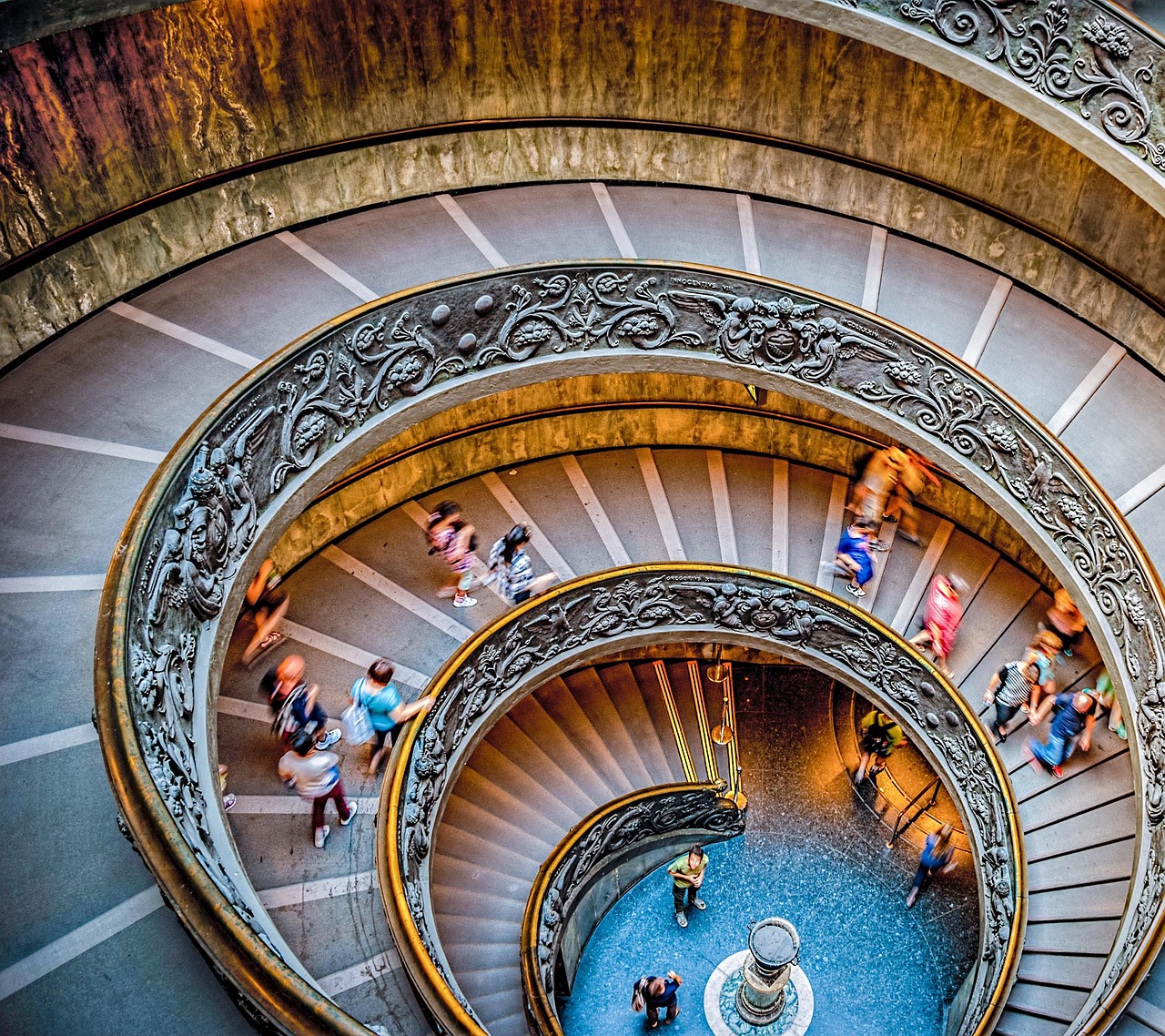
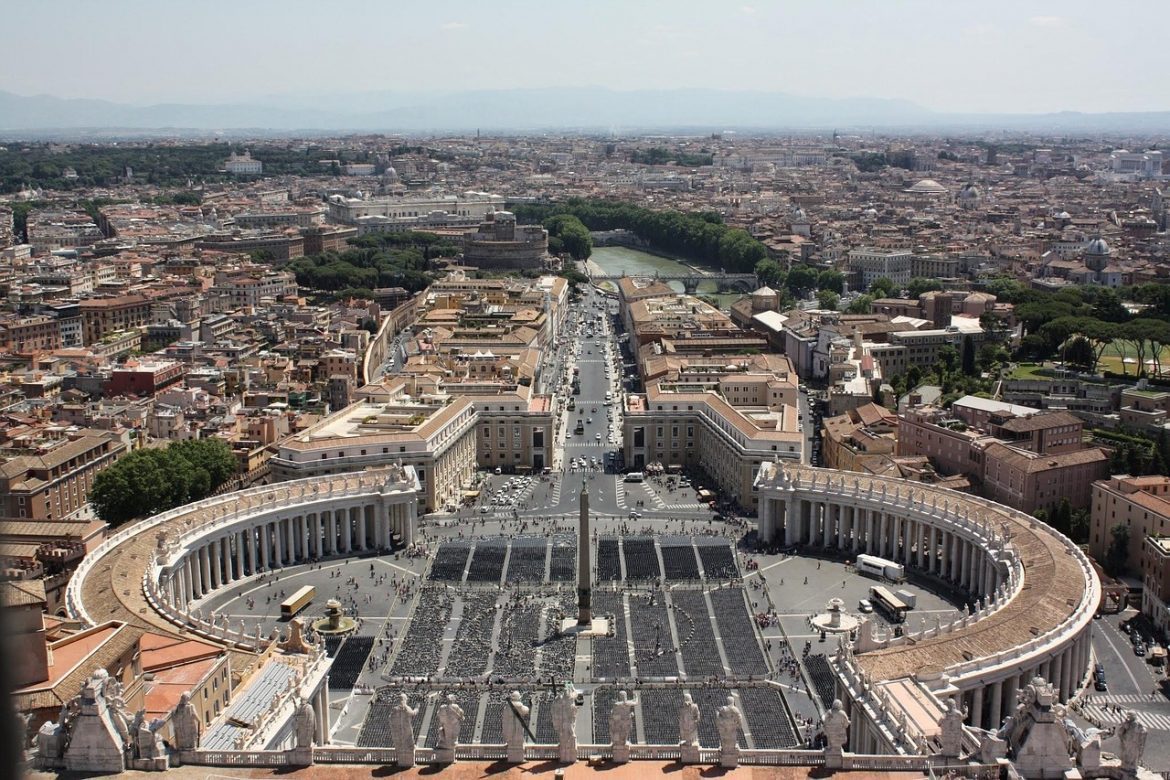
Vatican City before the crowds: early-access calm for art lovers
For art lovers, a Vatican Museum early access tour is less about speed and more about attention. The Vatican Museums and Sistine Chapel can feel overwhelming at peak times; early access gives you space to look, think, and actually absorb the Renaissance. Choose a small-group option where the guide is truly expert—someone who can read the room, answer quietly, and help you move through the Vatican Museum with trust rather than trivia.
An avid art lover once told us their small-group Vatican morning transformed how they understood Michelangelo’s ceiling. With expert commentary and a few quiet moments without the crowds, symbolism and technique suddenly clicked—the kind of insight that stays with you long after you leave.
Visit the Vatican: respectful dress, a simple route, and calm transitions
When you visit the vatican, dress with respect (covered shoulders and knees), and arrive with your entry confirmation ready. A simple, crafted route keeps the experience calm: Vatican Museum highlights, the Sistine Chapel, then on to peter’s basilica when open. Rather than trying to see everything, create a personal lens—colour, anatomy, politics, or devotion—so the morning feels like a curated gallery, not a checklist.
- Security: expect airport-style checks; keep liquids minimal and pockets tidy.
- Comfort: bring water, but sip discreetly where permitted; Rome’s heat can surprise you.
- Attire: a light layer can cover shoulders without feeling formal.
Coffee in Rome near the Vatican: best coffee stops and queue-free logistics
Build in a gentle reset afterwards: coffee in Rome is a ritual, and there are excellent bars near the Vatican where you can debrief with a cappuccino (earlier) or an espresso (any time). If you want the best coffee, go where locals stand at the counter and order simply—your guide or driver can point you to a dependable spot near the Vatican.
Optional upgrades can elevate the morning further: a private guide, a curated focus on the Raphael Rooms, or a quieter pace through the Vatican Museums for those who want depth over breadth. With the right support, the Vatican City experience feels less like crowd management and more like a personal encounter with art.
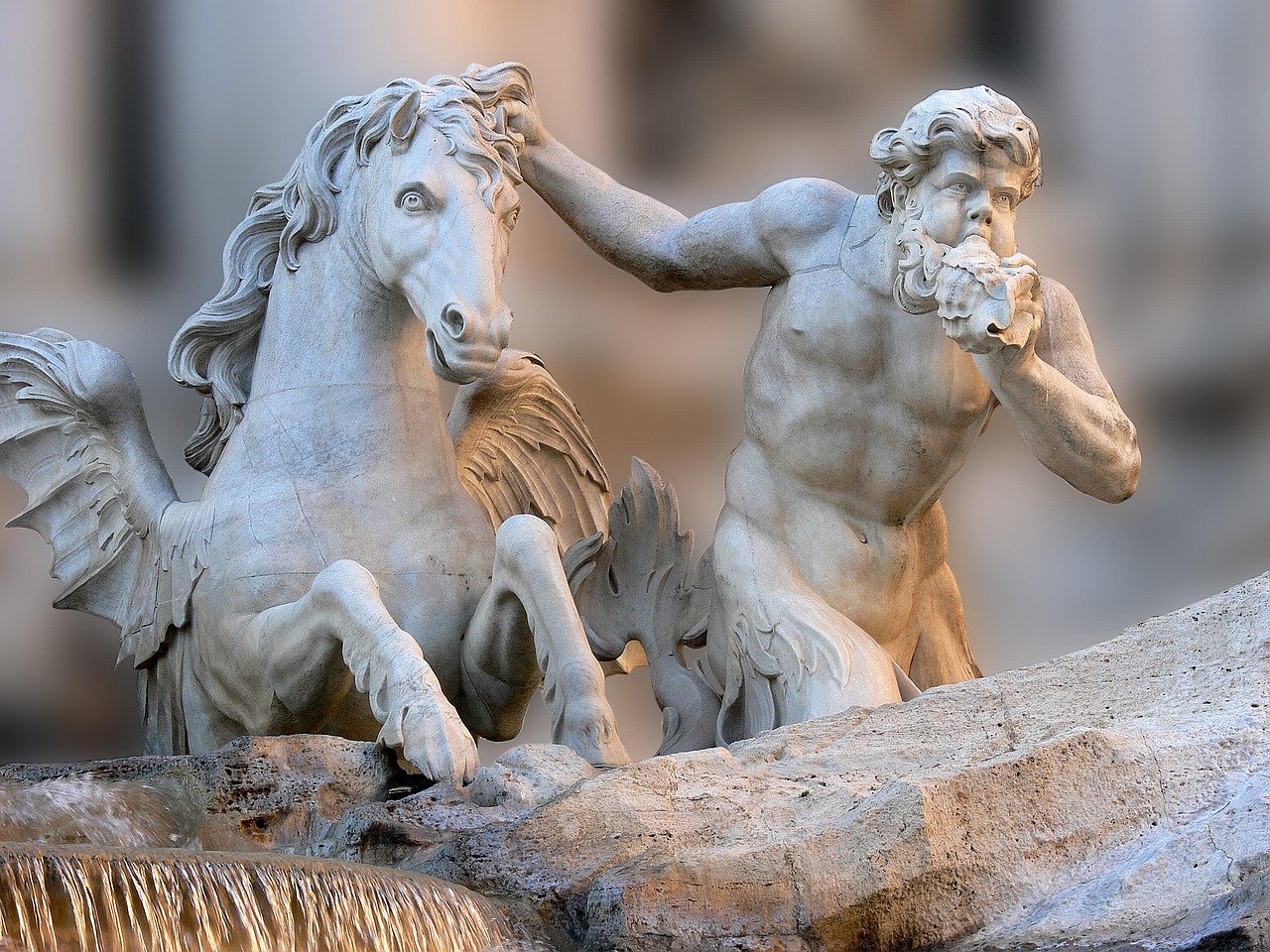
Centro Storico icons on a walkable loop through Rome’s most loved piazzas
When travellers ask what to prioritise in Centro Storico, we suggest an “icons loop” that feels effortless rather than intense. Start with the Pantheon, then drift to Piazza Navona, continue to the Trevi Fountain, and end near Piazza di Spagna—each stop close enough that you can enjoy the streets between. It’s an easy way to see in rome without constantly commuting, and it’s ideal for a first visit to Rome when you want elegance, not exhaustion.
Pantheon: light, proportion, and the calmest entry windows
The Pantheon is one of those places in Rome where a few minutes can feel like an hour. Go earlier or later in the day for a calmer atmosphere, and check current rules—depending on timings, it may be free to enter or require a ticket. Stand beneath the oculus and notice how light becomes architecture; it’s a quiet reminder that Rome has always been designing experiences, not merely buildings.
One of our favourite ways to frame it is to look up, then look around: many visitors focus on the dome, but the proportions at eye level—columns, niches, worn thresholds—tell their own story. Add a short pause at a nearby church or courtyard to reset before the next stop on your itinerary.
Trevi Fountain ritual, Piazza di Spagna style, and the Spanish Steps nearby
The Trevi Fountain is best approached with strategy and grace. Visit early in the morning, step slightly back from the densest crowd, and then—if you’d like—throw a coin with an intention that’s quietly yours. From there, walk toward Piazza di Spagna and continue up to the Spanish Steps for people-watching and a fashion-forward glance at nearby boutiques, without letting shopping consume the day.
If you enjoy viewpoints, add two easy options. Piazza del Popolo offers a broad sense of scale and is truly worth a visit, setting you up beautifully for later sunset moments. This section of the centre is also where many travellers (including a friend who studied abroad in rome) fall in love with the daily cadence—street musicians, church bells, and the way the city seems to exhale between monuments.
Trastevere by Night – Rome Food Tour in Trastevere, Local Craft, and Evening Atmosphere
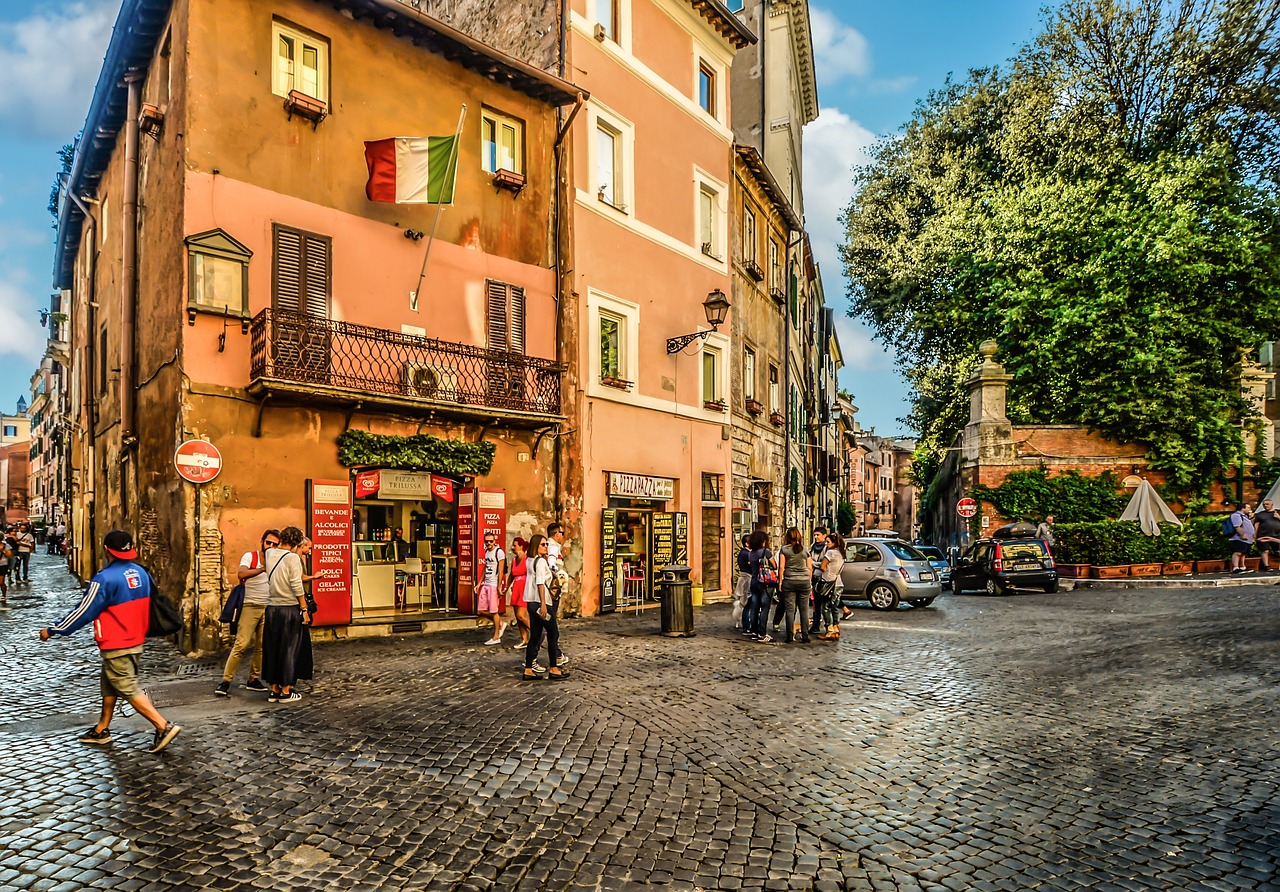
Trastevere by night: cobblestones, warm light, and a slower Rome
If your rome food tour in trastevere wish list is craving something more local, Trastevere is your answer. The cobblestone streets and artisan shops create a softer kind of glamour—lived-in rather than polished—especially after dark when the neighbourhood starts to hum. It’s the perfect contrast to big-ticket days and an easy addition to an itinerary focused on atmosphere.
A guided food tour is the easiest way to uncover family-run places to eat and drink while avoiding the tourist traps. A thoughtful tour in Trastevere doesn’t just feed you; it gives you context, introductions, and confidence—so you can return later, choose great places to eat, and order like you belong.
Rome food tour in Trastevere: trattoria warmth and local introductions
A solo traveller once shared how locals in Trastevere invited them into a traditional, family-run trattoria. It wasn’t staged; it was simply kind. They described the evening as reassuring—full of care, laughter, and the sense that Roman hospitality can be as memorable as any attraction in Rome.
When you choose where to eat, look for short menus, seasonal specials, and a room full of Italians. The best places don’t shout; they glow quietly.
Italian food classics, best pizza cues, and ordering with ease
For italian food, start with Roman classics: cacio e pepe, carbonara, amatriciana, and artichokes when in season. For best pizza, watch for blistered crust, a balanced topping-to-dough ratio, and a queue that moves steadily rather than stalls. Learn a few phrases—locals appreciate the effort, and it’s a simple way to create connection.
- “Un tavolo per due, per favore” (a table for two, please).
- “Cosa mi consiglia?” (what do you recommend?).
- “Il conto, per favore” (the bill, please).
Sweet-tooth sidebar: the best gelato in rome is usually found by looking beyond hotspots. A food enthusiast told us their favourite scoop came from a local recommendation down a side street—small batch, intense flavour, and none of the neon mountains of airy gelato. It became one of our favorite things to repeat on every trip to Rome: asking one local, then following the answer.
Rooftop Rome Dining – Rooftop Restaurants, Wine Pairings, and Best Views

Rooftop Rome dining: skyline magic and a celebratory pace
For a high-end trip, rooftop restaurants with best views can become your signature evening—the moment the city shifts from sightseeing to celebration. A rooftop table is special in the city of Rome because it creates distance from the crowds while keeping the skyline close: domes, terraces, and that unmistakable Roman glow. Book with intention: decide whether you want quiet romance, a celebratory mood, or a refined space to reset between big days.
A couple once told us their romantic rooftop dinner overlooking the illuminated Roman Forum became the highlight of their luxury trip to Rome. The view of Rome—golden ruins below, soft conversation around them—felt like the city was sharing a secret.
Rooftop timing, dress codes, and seamless transfers
For timing, sunset brings colour and atmosphere; later reservations bring sparkle and a calmer pace. Many rooftops lean smart-casual, so think elegant linen in warm months and a light jacket when evenings cool. A pre-arranged car keeps it seamless, especially if you’re moving from a long day and want to arrive unhurried.
Boutique enotecas for refined Italian wines with intention
Between headline dinners, seek out boutique enotecas tucked into historic cobblestone lanes. Ask for a style rather than a label: crisp whites from Lazio, a structured red from Piedmont, or something volcanic from Etna if you want a story in the glass. If you’re ordering confidently, simple pairing cues help: bubbles with fried appetisers, bright whites with seafood, and deeper reds with slow-cooked sauces.
Consider adding a crafted detour: an aperitivo moment with views of the city, designed as a gentle reset. It’s a small act of care for your own energy—so the next day’s exploring feels joyful, not effortful.
Vespa and Walking Tours – A Hidden-Gems Rome Itinerary Beyond the Usual Routes
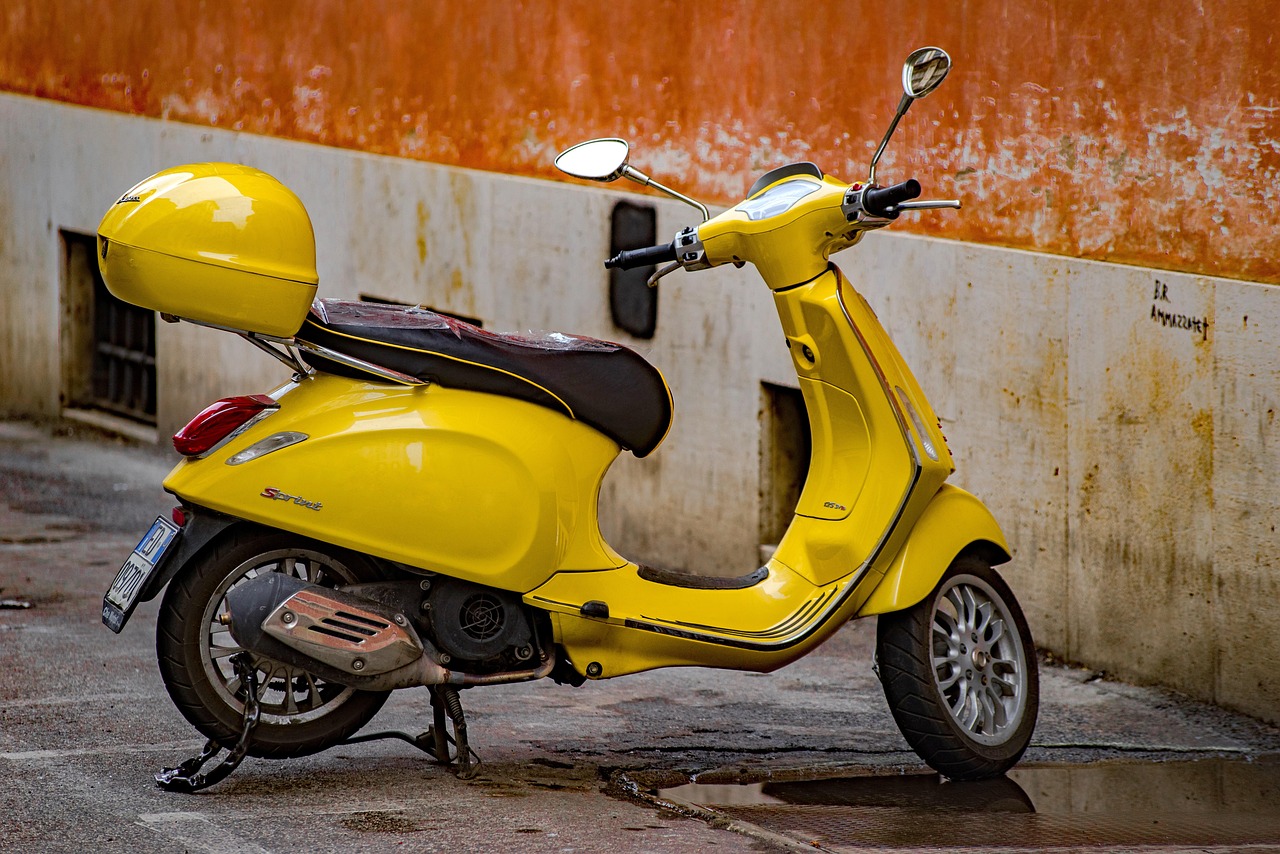
Vespa and walking tours: uncovering quieter corners with a private guide
A private Vespa tour is for travellers who want to feel the city breathe beyond typical routes. On a Vespa, you can explore with momentum—past river bends, up to quiet overlooks, and into corners that cars can’t reach. With an expert guide, it becomes safe and intuitive: you’ll learn when to pause, where to look, and how to capture the beauty of Rome in motion without feeling rushed.
A seasoned traveller fondly remembered a bespoke Vespa route that stopped at hidden piazzas and artisan shops inaccessible by car. What stayed with them wasn’t speed—it was confidence: the feeling that Rome could be navigated together, gracefully, with trust in the plan and room for spontaneity.
Giardino degli Aranci: green calm, best views, and a classic overlook
For a cinematic pause, head to Giardino degli Aranci. It’s one of the best views for a quieter moment—green, shaded, and emotionally spacious. From here, you’ll catch a layered view of Rome that helps you understand how the city’s neighbourhoods and monuments relate, before you dip back into busier streets.
Choosing operators and balancing Vespa rides with walking days
If you’re researching operators, compare boutique guides who keep groups small and routes thoughtful. For walking days, some travellers like a tour with walks of italy as a benchmark for pacing and storytelling, then elevate with private experiences where it matters most. The aim is simple: balance a Vespa day with a walking day, so you get both the thrill and the intimacy of the city.
- Safety: helmets are non-negotiable; confirm licensing requirements and route planning in advance.
- Timing: avoid peak traffic where possible, especially if you’re not used to Roman flow.
- Security: keep valuables secure and carry only what you need.
Done well, this is an easy, joy-filled counterpoint to big monuments—a way to uncover places in rome that many visitors never see, while still feeling supported and never over-scheduled.
What Stayed With You After Rome – Reflections on the Eternal City
When you think about leaving Rome, it’s rarely the checklist that returns first. It’s the feeling of ancient stone under evening light, the hush you didn’t expect inside a chapel, and the way the city seemed to soften when you stopped trying to “do” it perfectly. Somewhere between the Colosseum’s shadow and a quiet piazza, the Eternal City has a way of changing your sense of time—stretching a single glance into something you carry.
What lingers, too, is kindness: a waiter who noticed you were tired and brought water without being asked, a guide who gave you a quiet moment rather than another fact, a local who offered help with a smile. The most beautiful journeys are designed with just enough structure to create trust, then left open enough for the city to meet you personally.
In memory, Rome returns in small details—the click of heels on cobblestones, the taste of citrus in an aperitivo, the sudden view down a narrow street. Even if your time in Italy was brief, the beauty of rome stays textured and close, as though it’s still unfolding. And perhaps that’s Rome’s quiet promise: you don’t finish it—you simply begin, and one day, when the moment is right, you might find yourself ready to return to rome in a new way.
F.A.Qs: Things to know before you go (tickets, etiquette, and budgets)
What should you not miss in Rome, Italy on a first visit?
Don’t miss the Colosseum and Roman Forum for ancient scale, an early visit to the Vatican Museums and Sistine Chapel for Renaissance masterpieces, and an evening in Trastevere for atmosphere and food. Add the Pantheon and Trevi Fountain at quieter times to enjoy them without feeling rushed—these are classic things to do in rome that reward slower pacing.
What not to do in Italy as an American traveller?
Avoid arriving at major sights without pre-booked tickets, dressing casually in religious sites, and eating only near the biggest tourist hotspots. Don’t carry valuables loosely in crowded areas, and try not to rush meals—Italian dining is slower by design. Learning a few basic Italian phrases is always appreciated, and it’s a simple way to feel more at ease as you visit rome.
What are the 6 top sightseeing picks in Rome?
Six top choices are the Colosseum, the Colosseum and Roman Forum with Palatine Hill, the Vatican Museums and Sistine Chapel, St Peter’s Basilica, the Pantheon, and the Trevi Fountain. If you have extra time, add Piazza Navona and the Spanish Steps for classic Centro Storico ambience.
Is $1000 enough for a week in Italy?
$1000 can work for a week in Italy only with very careful budgeting and typically outside major cities, but it’s tight once you include accommodation, transport, meals, and entrance tickets. In Rome especially, paid attractions and central hotels add up quickly. For a high-end trip, plan a larger budget or shorten the stay while upgrading key experiences—and remember that how you pace your itinerary can matter as much as what you book.