Post Contents
- Why Capitoline Hill Matters in Rome and Ancient Rome Capitolium
- Piazza del Campidoglio Michelangelo’s Capitoline Hill Rome Italy design walk
- Capitoline Museums Rome Italy gallery trail for statues and Renaissance art
- Capitoline Hill Rome Italy hidden corners and Capitoline Museums upper levels
- Capitoline Hill Rome Italy terraces Roman Forum views and transport tips
- What Stayed With Me After Capitoline Hill in Rome Italy lasting memories
- F.A.Qs: Capitoline Hill Rome
Why Capitoline Hill Matters in Rome and Ancient Rome Capitolium

Why Capitoline Hill Matters in Rome and Ancient Rome
Capitoline Hill Rome Italy history Ancient Rome Capitolium isn’t just a string of keywords—it’s the heartbeat of how the city once worked. Of the seven hills, this one became the political and religious centre, a place where decisions, vows, and civic identity were anchored high above the streets of Rome. When you step onto the top of the Capitoline Hill, you’re not simply sightseeing; you’re standing where authority was designed to feel inevitable.
The name Capitolium points to the hill’s sacred prestige, most famously the Temple of Jupiter Optimus Maximus. This sanctuary honoured a triad—Jupiter, Juno and Minerva—whose presence shaped the tone of public life, from triumphs to treaties. Even if little remains visible of the Temple of Jupiter Optimus Maximus today, knowing it stood here changes how you read the surrounding stone and skyline.
A traveller once told me they felt time compress in the best way: one moment they were negotiating modern Rome’s traffic and chatter, and the next they were quiet—almost startled—by how many layers of antiquity are stacked into this single rise. It wasn’t loud awe; it was the kind that settles in your chest, steady and personal, as you notice one monument after another claiming the same horizon.
Legends add colour to the hill’s gravity. You’ll hear of Romulus, the Sabines, and Tarpeia—names that feel like myth until you realise how long Romans used these stories to explain loyalty and betrayal. There’s the goose warning during the Gauls, and later the deep political shift around 509 BCE, when the city moved away from kingship (Tarquinius Priscus is one king of Rome often recalled in the older tradition) towards a new civic order. Whether you read it as Etruscan influence, Roman self-mythmaking, or both, the hill remains the stage.
For orientation before you explore, it helps to name what you’re seeing. The Palazzo Senatorio sits like a civic anchor, with the Palazzo dei Conservatori and Palazzo Nuovo framing the piazza. Nearby, Santa Maria in Aracoeli (the basilica of Santa Maria) watches from above its steep approach, while the Vittoriano creates a bold nineteenth century backdrop, tied to Victor Emmanuel II and modern nationhood.




Piazza del Campidoglio Michelangelo’s Capitoline Hill Rome Italy design walk
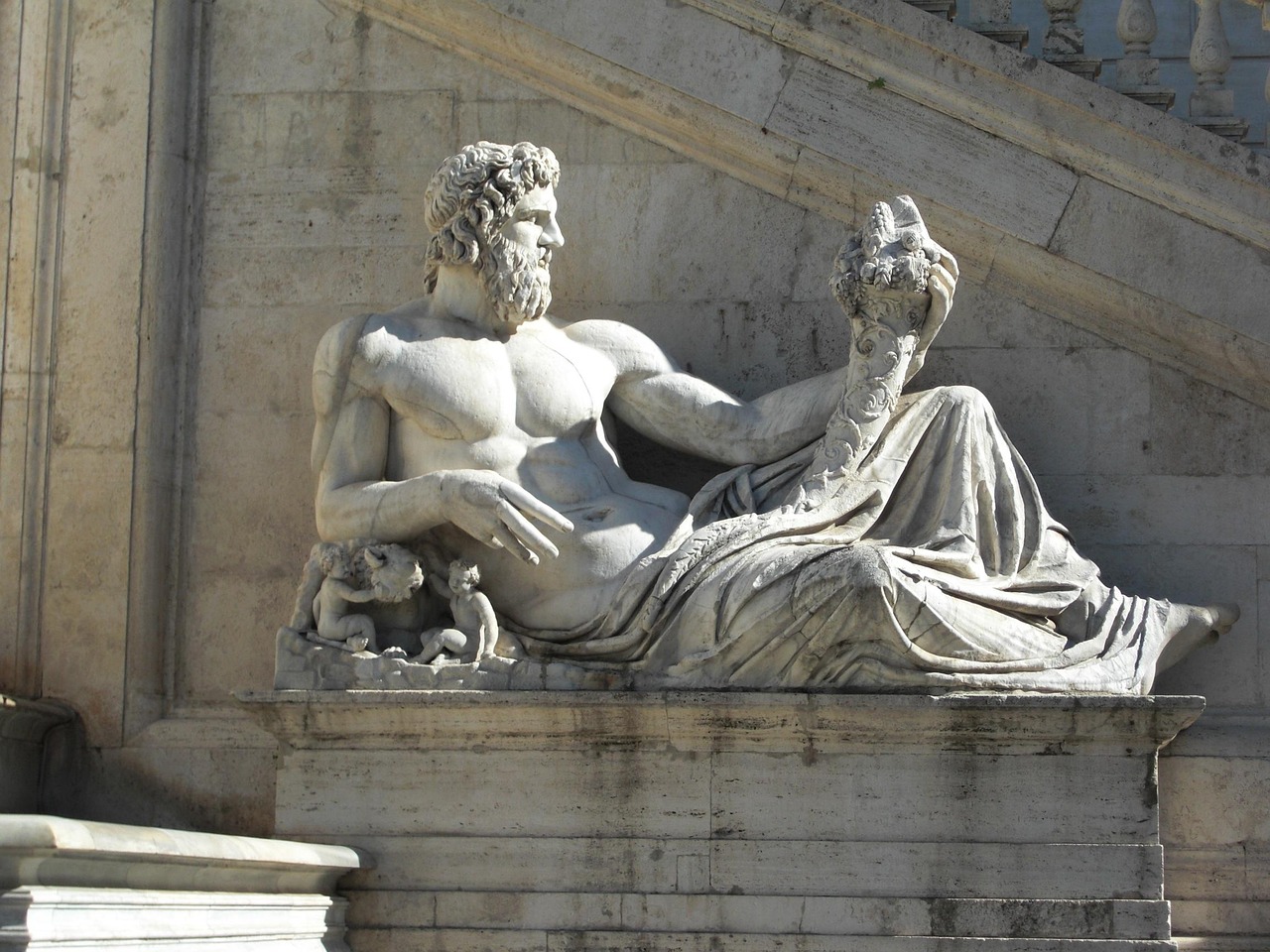
Piazza del Campidoglio and Michelangelo’s Design Walk
Piazza del Campidoglio Michelangelo’s Capitoline Hill Rome Italy is best understood on foot, at your own pace. Begin your approach via the Cordonata, the broad staircase that feels ceremonial without being punishing. As you rise, the city noise softens, and the arrival has a theatre-like calm—an effect that was intentionally crafted in the sixteenth century for Pope Paul III Farnese.
Reading the Capitol design as you arrive in Rome
Michelangelo’s plan isn’t about showing off; it’s about making you feel held by order. The façades and angles guide your eye towards the centre, and the symmetry offers a reassuring sense of place even on a first visit. The Palazzo Senatorio’s presence matters here, because it signals that this is still Rome’s civic hill—an idea that has survived emperors, popes, and parliaments.
Stand here with the statue and imagine the story
Pause by the central equestrian statue: what you see in the Piazza del Campidoglio is a bronze copy, placed so the square can breathe with history without risking the original. The statue of Marcus Aurelius, long mistaken as Constantine in earlier centuries, survived in part because it was believed to depict a Christian emperor—an accident of interpretation that became a gift to the city. It’s a small reminder that Rome’s preservation is sometimes a story of chance, trust, and changing meaning.
Practical care makes this feel effortless. Entry to the piazza is free, it’s wonderfully photogenic, and early morning light can be spectacular before the crowds gather. If you want a simple way to create your own rhythm, try this short set of “slow looking” prompts:
- Listen for the moment the street sound fades as the square opens.
- Trace the sightlines towards Rome’s layers of history—ancient, Renaissance, and modern together.
- Take one portrait-like photo from the edge, then put the phone away for five minutes.
And if you’re building a larger Italy itinerary, keep inspiration close without rushing: Trip gallery.
Capitoline Museums Rome Italy gallery trail for statues and Renaissance art
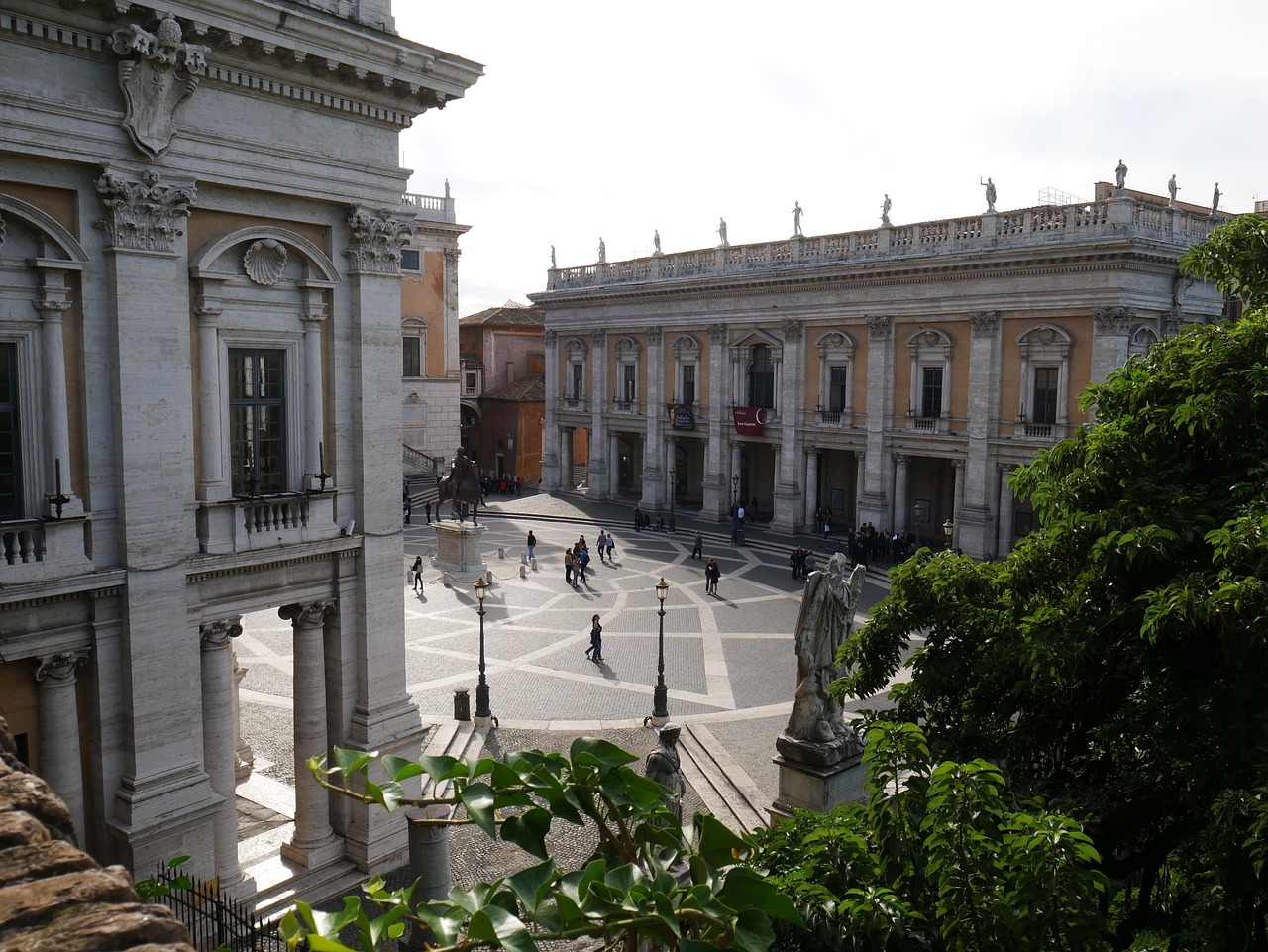
Capitoline Museums Gallery Trail for Statues and Renaissance Art
Capitoline Museums Rome Italy gallery statues Renaissance is the phrase to remember when you want a museum visit that feels like discovery, not endurance. The complex is home to the Capitoline Museums, and it rewards a simple “gallery trail” approach: choose a clear sequence, move with confidence, and let yourself linger where the art pulls you in. Even adventure seekers who usually prefer the outdoors often find this is where Rome becomes intimate.
Start with the big themes: Roman portrait sculpture that captures age, authority, and vulnerability; bronze technique that still feels modern; and rooms that invite close looking rather than quick scanning. The goal isn’t to see everything—it’s to see well, with expert attention to craft and expression.
Two anchors help you stay oriented. One is Marcus Aurelius: the equestrian statue of Marcus Aurelius inside the museum feels different from the outdoor experience, because you can read the surface and the power of the pose up close. The other is the quiet variety of faces—statesmen, priests, and citizens—where a chipped lip or softened curl of hair can be more moving than any headline masterpiece.
A solo adventurer once shared their favourite moment here: escaping the busiest corridors by climbing to less crowded upper levels, where fresco fragments and overlooked sculpture details suddenly felt like a private conversation. They spoke about noticing tool marks, hairline cracks, and the way light sits on stone—proof that “adventure” can also mean uncovering the hidden within plain sight.
For practical support, tickets are typically around €15, and skip-the-line booking online can protect your time. Plan a mid-visit pause—water, a breath, a reset—so your attention stays sharp for the final rooms.
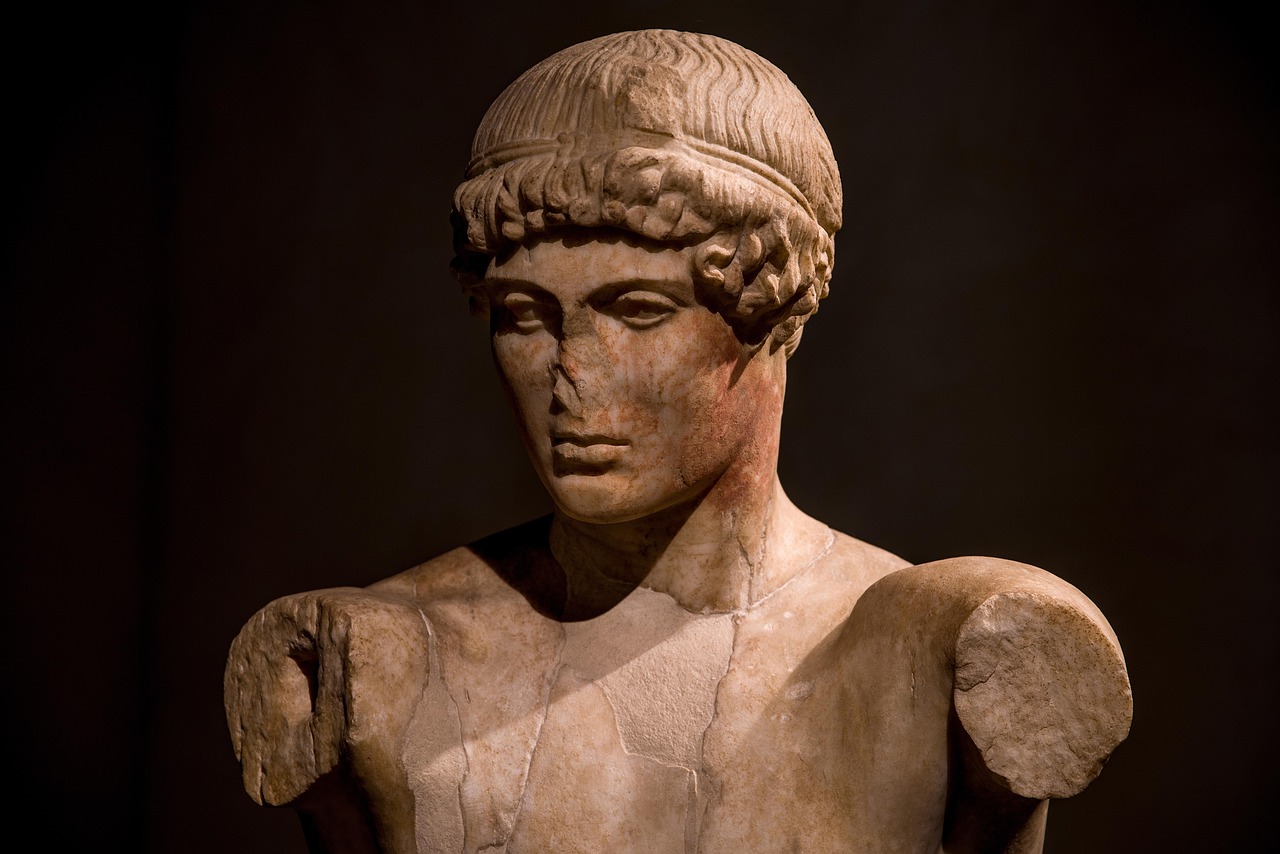
Uncover Quiet Corners Above the Crowd on Capitoline Hill
Capitoline Hill Rome Italy hidden corners Capitoline Museums upper levels is your invitation to an adventure-within-culture. Instead of chasing every room, choose one corridor or gallery space to slow down and uncover details most visitors miss—especially in peak season when Rome can feel wonderfully, relentlessly alive. This is where you turn a prestigious museum visit into something personal.
Small quests that turn Rome into a playful gallery
Give yourself a micro-quest and let curiosity do the work. You might track a recurring symbol across rooms, compare Roman and Renaissance artistic tradition in a single sitting, or seek out a bronze highlight and study how it catches the light. These small missions create focus, and they’re surprisingly calming when crowds swell.
- Find one statue that looks “official”, then another that feels human—compare posture and gaze.
- Choose a detail (hands, sandals, hair) and follow it through three different works.
- Stand back, then step close: notice how the same sculpture changes with distance.
Layers of the Capitol from excavation to nineteenth century life
Capitoline Hill has never been static. As you move through palazzo spaces and museum levels, you’re walking through centuries of rebuilding, collecting, and reinterpreting—an excavation narrative written into architecture. Think of a century BC reference point as only one layer: the site kept evolving through medieval devotion, Renaissance collecting, and into the nineteenth century civic reshaping that frames the hill today.
Look out for the names that explain the area’s functions. Palazzo dei Conservatori connects art, governance, and civic pride; Palazzo Caffarelli hints at later administrative life; and the presence of state archives in the wider area reminds you that power has always needed paperwork as well as pageantry. With that context, even a quiet doorway can feel like a clue.
And because care is part of high-end travel, a few etiquette notes protect the experience for everyone: keep voices low, follow photography rules, and wear shoes that handle cobblestones as confidently as museum floors. Your comfort and respect create a smoother day, together with everyone else’s.
Capitoline Hill Rome Italy terraces Roman Forum views and transport tips
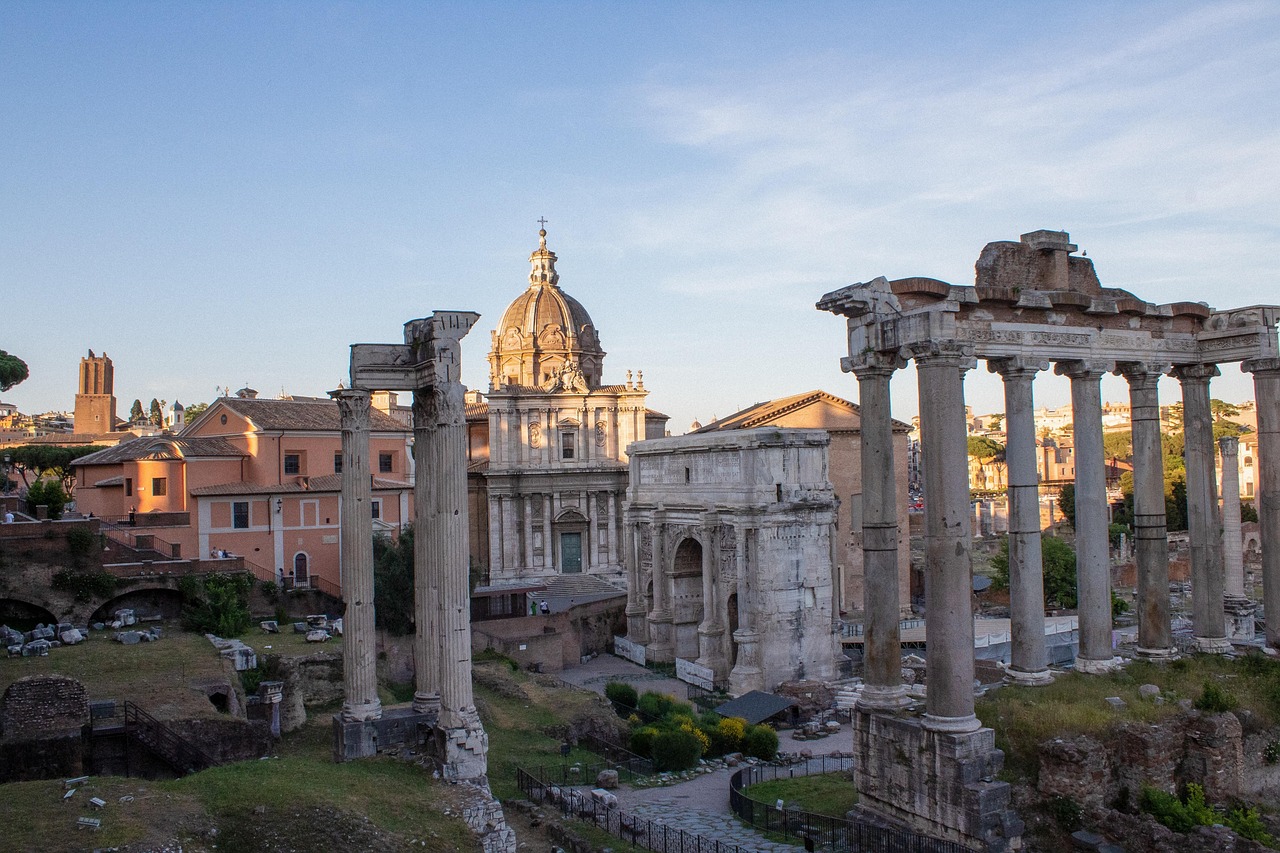
Terraces, Roman Forum Views and a Seamless Visit Plan
Capitoline Hill Rome Italy terraces Roman Forum views transport tips can be wonderfully seamless with a little planning. If you’re arriving by public transport, Metro Line B to Colosseo station is the simplest starting point; from there it’s a short walk (or bus) depending on your energy. The steepest sections tend to be on the final approach up onto the hill, so take it steadily—Rome rewards unhurried steps.
For views, aim for the terraces where the city opens up and the forum becomes a living map. From here you can imagine centuries of Roman life unfolding below: procession routes, markets, and the slow accumulation of ruins that now glow in warm light. It’s one of those vantage points where the scale of Rome finally makes emotional sense.
One visitor described watching sunset from the hilltop and feeling two worlds at once: vibrant city life below, and a calm ring of ancient stone around them. The ruins didn’t feel dead; they felt quietly present, like a story still being told in a different language. If you can, savour that shift in light—it’s a gentle form of adventure, the kind that steadies you.
To keep your visit comfortable, here’s a quick checklist built on trust and practical support:
- Go early morning or late afternoon for cooler temperatures and softer crowds.
- Bring water; the climb and sun can surprise you, even when the day feels mild.
- Expect wind and glare on the terraces—sunglasses help, and a light layer can be useful.
If you have energy for “bonus explore”, Santa Maria in Aracoeli is nearby, and its approach feels like a small challenge with a beautiful payoff. You can also take a quick look towards the Vittoriano and its bold lines, then return for a final pause in the piazza del Campidoglio—where Rome’s grand design and your own quiet pace meet easily.
What Stayed With Me After Capitoline Hill in Rome Italy lasting memories
Capitoline Hill Rome Italy lasting memories quiet reflection isn’t the sort of thing you photograph perfectly; it’s what settles in after you’ve left the steps behind. What stayed with me was the sensation of standing between temple memory and modern Rome, where the past isn’t sealed off—it’s threaded into ordinary life. You feel it in the way stone edges meet new walls, and in how the city keeps moving around places once considered sacred.
Sometimes it’s a single detail you carry home. It might be the curve of a statue’s hand, the softened authority in a face you didn’t expect to recognise, or a shadow in a gallery that made the room briefly feel private. Or it might be the Roman Forum at dusk, seen from above, when the light makes the ruins look less like fragments and more like a language you almost understand.
There’s a quiet confidence that comes from travelling with care in a living city of antiquity. You trusted your instincts—when to linger, when to step aside, when to lower your voice, when to simply look. And in that small, respectful attention, Rome gives you something back: not a checklist completed, but a sense of belonging to its long story.
Long after you’ve walked on, the hill remains what it has always been—a place that suggests there is always another layer, waiting patiently, whenever you’re ready to notice it.
F.A.Qs: Capitoline Hill Rome
What is the significance of the Capitoline Hill in Rome?
Capitoline Hill was the civic and sacred centre of ancient Rome, associated with the Capitolium and the great Temple of Jupiter Optimus Maximus. Today it still holds that sense of authority through the Piazza del Campidoglio, key palazzi, and the Capitoline Museums, where art and archaeology connect you to Rome’s long public life.
Is Capitoline Hill, Rome free?
Yes—walking into the Piazza del Campidoglio and enjoying the main outdoor spaces on Capitoline Hill is free. Costs apply if you enter the Capitoline Museums (often around €15), and it’s wise to book skip-the-line tickets online if you want a smoother, more time-efficient visit.
What’s so special about Palatine Hill?
Palatine Hill is special for its imperial ruins and origin stories, often linked to Rome’s earliest legends and elite residences. It offers a different atmosphere from Capitoline Hill: more archaeological parkland and expansive remains, whereas Capitoline feels more civic, museum-focused, and architecturally designed around the Piazza del Campidoglio.
Did Michelangelo design the Capitoline Hill?
Michelangelo designed the Renaissance transformation of the Piazza del Campidoglio and its harmonious layout, shaping how you arrive and experience the Capitoline today. He didn’t create the hill itself, but his plan gave the Capitol a crafted civic stage—one that still guides your view, pace, and sense of symmetry in modern Rome.