Post Contents
- Milan travel guide luxury arrival Milan Malpensa Airport Linate travel guide
- Days in Milan itinerary trip to Milan central Milan itinerary
- Explore Milan art in Milan Brera district Fondazione Prada travel guide
- La Scala Opera House Teatro alla Scala tickets for performances Milan days in milan
- Milan Fashion Week shopping flagship stores Lake Como day trip itinerary
- Final day in Milan reflection Milano memories travel guide
- F.A.Qs:
Milan travel guide luxury arrival Milan Malpensa Airport Linate travel guide
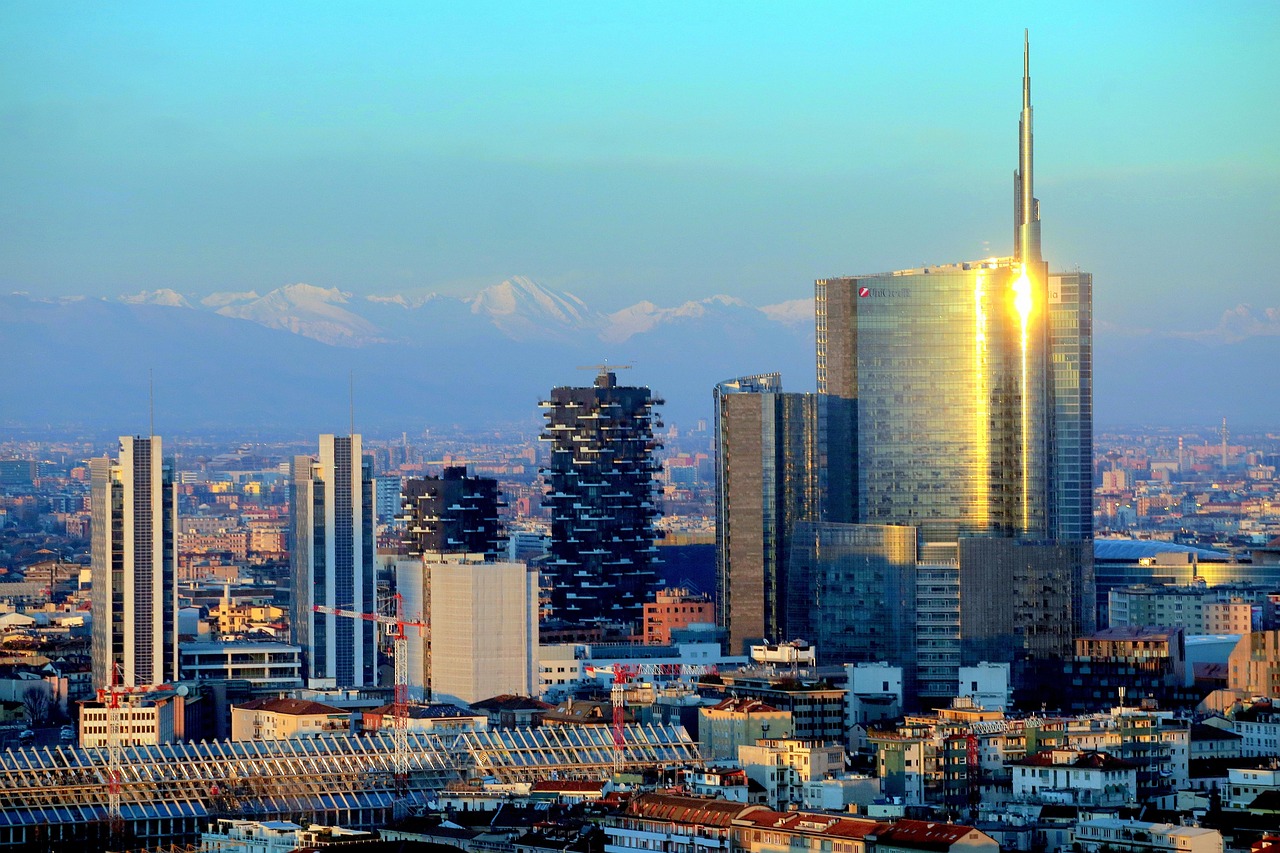
Milan travel guide for a seamless luxury arrival and a calm first glimpse of the skyline
In this Milan travel guide to luxury arrival, flying into Milan Malpensa Airport or Linate sets the tone for how relaxed your time in Milan will feel. Milan is the second largest city in Italy, and it moves with purpose—so the first win is removing friction early, then letting the city’s elegance meet you at your pace.
If you value space and calm, a private transfer is the most seamless option, especially after a long flight. Luxury car rentals can also work beautifully if you’re planning to explore around Milan or escape to the lakes, but consider whether you really want to navigate ZTL restrictions and city traffic on day one. For many high-end travellers, being met lands like quiet reassurance.
Arriving with confidence in Milan with private transfers
Malpensa is larger, with more long-haul connections; Linate is closer to the centre, often ideal for European routes. Whichever you choose, aim to land mid-morning or early afternoon so you can check in, refresh, and still enjoy a gentle first evening without feeling rushed by the city’s hustle and bustle.
Pack a “first hours” kit in your hand luggage—fresh socks, a fragrance you love, and a charger—so you can create comfort quickly. It’s a small design choice, but it changes your arrival mood.
Where to base yourself in central Milan, Brera or Porta Nuova
For walkability and classic grandeur, central Milan places you near the Duomo and the city’s most iconic landmark moments. Brera suits travellers who want intimate charm—cobblestone streets lined with galleries and small cafés—while Porta Nuova offers modern polish and skyline views near Bosco Verticale.
One of my favourite ways to “begin” Milan is to choose a base that matches your natural rhythm. If you like early starts and museums, stay central. If you crave slower mornings and artisan ateliers, Brera will feel like a secret held between you and the city. For a contemporary edge—glass towers, design hotels, and a sense of future-facing Italy—Porta Nuova is quietly compelling within the Lombardy region.
To settle in on your first evening, keep it simple and supportive: a single espresso, a gentle piazza stroll, then an aperitivo somewhere you can people-watch without being swallowed by noise. The point is not to see in Milan immediately, but to let it meet you halfway.
- Travel tips: Book Duomo rooftop and La Scala entries in advance, and request timed access where available.
- Carry a crossbody bag in busy areas; pickpockets can target queues and trams.
- Use trusted transportation at night—hotel cars, licensed taxis, or a vetted driver—especially after dining.
- Milaners appreciate punctuality and a warm “Buongiorno” or “Buonasera” when entering shops.
If you’re planning to visit during spring (April to June) or early autumn (September to October), you’ll find Milan’s light softer, queues calmer, and terraces more enjoyable. If you’d like inspiration for elevated itineraries elsewhere in Italy, you can browse our Trip gallery for designer-led routes and hotel ideas.




Days in Milan itinerary trip to Milan central Milan itinerary
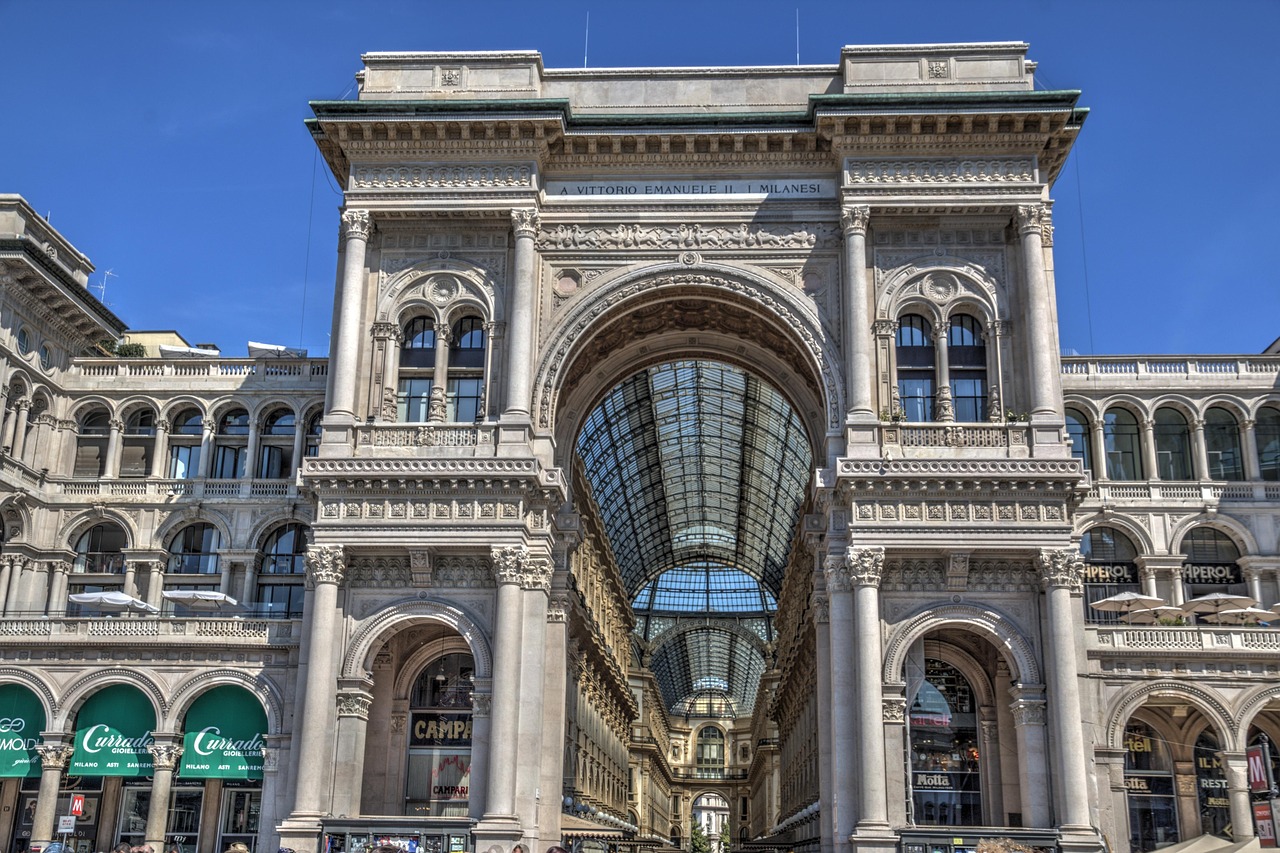
Three days in Milan itinerary for first timers inside the Galleria Vittorio Emanuele II
This days in Milan itinerary for a first trip to Milan in central Milan is designed to feel polished, not packed. Milan rewards those who pace well: you’ll see the great icons, but you’ll also have space to wander, discover a small courtyard, and feel the city’s confidence without borrowing anyone else’s tempo.
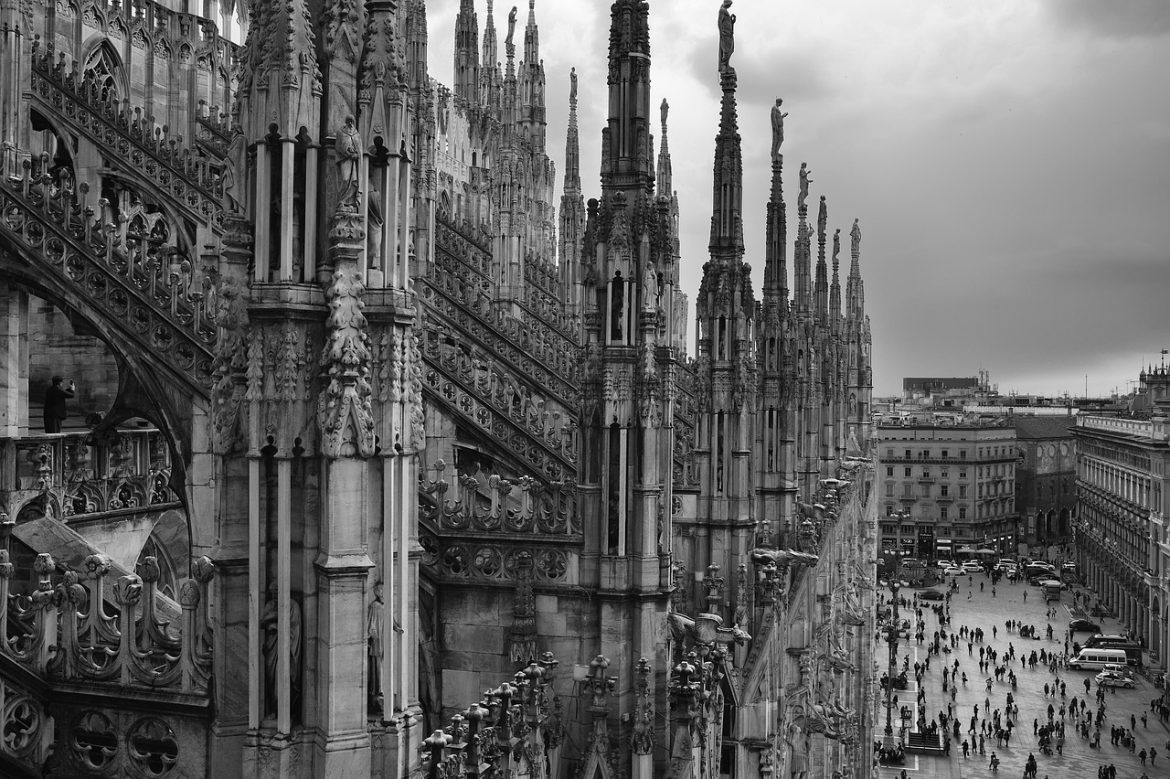
Begin near the Duomo with premium entry, so you glide past the longest queues and step into the Duomo di Milano with clarity rather than fatigue. Inside, pause long enough to notice the light on stone—then save your most unhurried time for the rooftop terraces. The Duomo rooftop is where Milan becomes cinematic, with spires like lacework against the sky.
A luxury traveller once shared how a private rooftop tour of the Duomo offered an intimate glimpse of gothic detail they’d never have noticed alone: carved faces tucked into corners, tiny architectural jokes, and a sunset that turned the entire city the colour of warm champagne. That kind of access doesn’t just save time—it creates a more personal relationship with the place.
Afterwards, allow a slow drift back through the centre for a simple dinner. Keep your footwear comfortable yet stylish; Milan’s stone and steps are beautiful, and they’re still steps.
Step into the shopping arcade at the Galleria
Next, step into the shopping arcade that is Galleria Vittorio Emanuele II—part cathedral, part salon, part stage set. Even if you buy nothing, it’s an architectural experience in itself, and it will teach you something about how Milan lives: with elegance in the everyday.
One visitor reminisced about wandering the Galleria Vittorio Emanuele II at dawn, when the marble floors felt like their own private Milan and the cafés were just beginning to set out chairs. If you can rise early once, it’s worth it—the city feels like a whispered secret before the boutiques open and the day becomes brighter and busier.
Day 2 turns towards culture with a calmer tempo. Start with Sforza Castle, where museums and layered history reveal Milan’s older heart. Then wander the gardens for a serene afternoon; it’s one of the easiest places to breathe in the city. If you want a golden-hour photograph that feels timeless, take a short metro ride away towards Arco della Pace and let the late light do the styling for you.
On Day 3, book timed tickets for The Last Supper at Santa Maria delle Grazie—this is essential, as availability is limited and demand is constant. Seeing Leonardo da Vinci’s work in person can feel strangely quieting; the room holds attention differently than a museum hall. From there, balance the historical weight with a contemporary stop such as Museo del Novecento, where art in Milan moves from the 20th century to the present with confident clarity.
To keep the itinerary effortless, pre-book what matters, then leave gentle gaps for what you didn’t plan: a side street, a small gallery, a courtyard you uncover by accident. The goal is to see the sights without feeling like you’re performing them.
Explore Milan art in Milan Brera district Fondazione Prada travel guide
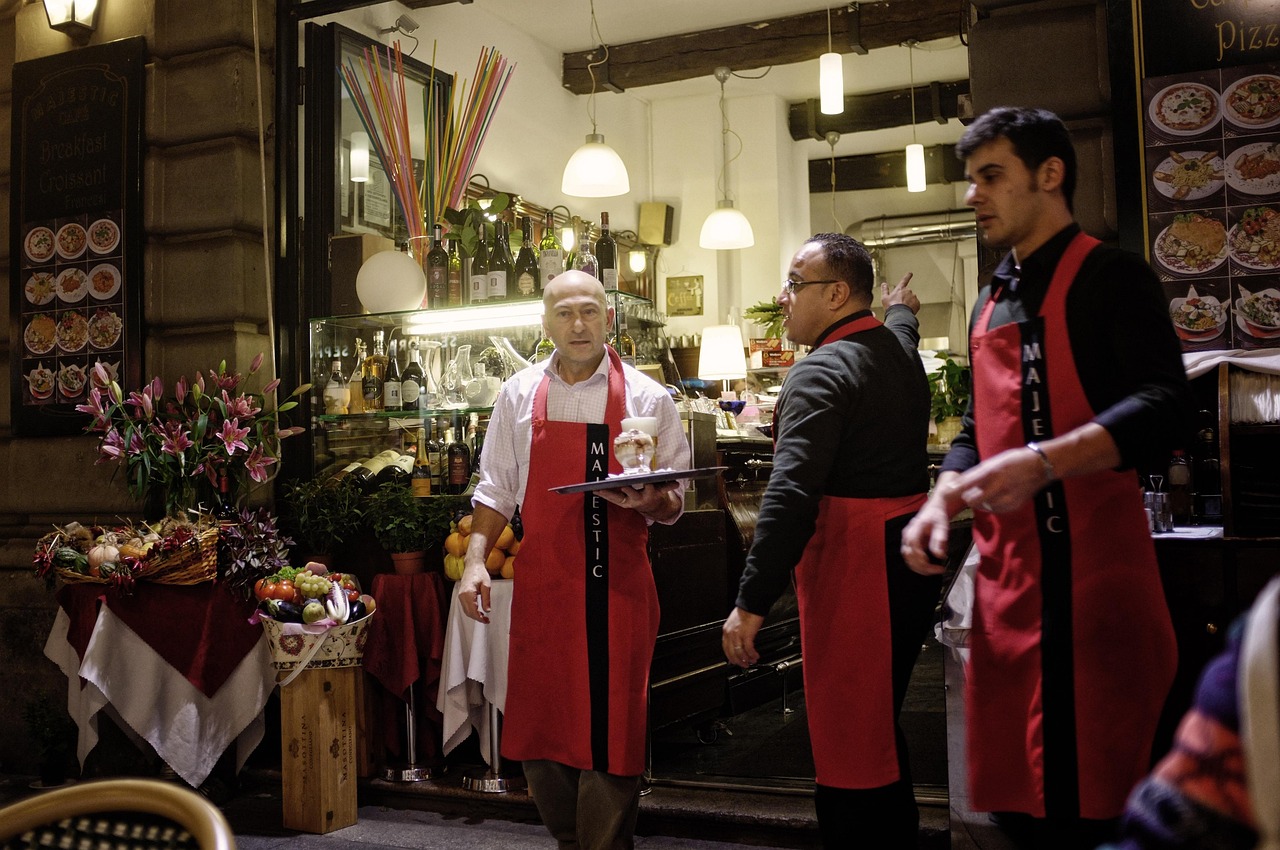
Art and design in Milan from Brera to Prada with a quiet street café pause
To explore Milan through art and design, start in the Brera district and let it guide you street by street. This is the kind of neighbourhood that rewards those who look twice: a doorway becomes a gallery, a side lane becomes a studio, and a café table becomes a front-row seat to Milanese style.
Brera guided tour moments and Piazza San Marco
A guided walking tour here can be transformative—not because you can’t find Brera alone, but because an expert can translate what you’re seeing into local context with warmth and insight. One individual shared how a guided walk revealed boutique ateliers, hidden courtyards, and small details of craftsmanship that made Milan feel less like a map and more like a conversation. Together, you begin to notice what’s usually missed.
Build in a pause at Piazza San Marco, where the pace softens. If you’ve been moving quickly through Italian cities, Brera offers a different kind of luxury: time that feels crafted, not spent.
Pinacoteca di Brera and Fondazione Prada in contemporary Milan
At Pinacoteca di Brera, you’ll find a collection of Italian paintings that anchors the city in its artistic lineage. One focused moment with Caravaggio can be enough—his dramatic light feels surprisingly modern, and it threads the past into the present without effort. This is the Brera art gallery experience at its best: not everything, but the right things, seen well.
Then shift to contemporary Milan with Fondazione Prada, where architecture and curation feel deliberately designed to keep you alert. An art enthusiast once recounted attending an opening night here and having a chance encounter with a contemporary artist—an unscripted conversation that turned the evening into a memory, not a visit. Prada’s world can feel bold, but it’s also precise, and that precision is part of its allure.
For a quieter counterpoint, step into the Church of San Maurizio. The frescoes and atmosphere offer a sacred pause—less crowded, deeply layered. If you want one more soft moment, the Brera Botanical Garden is small, calm, and surprisingly restorative in the middle of the city.
- Choose morning museum slots for calmer rooms and better light.
- Ask your guide to design a route that avoids peak tour groups and includes a café pause.
- Wear shoes that handle cobbles and gallery floors with equal grace.
Luxury in Milan isn’t only about what you access; it’s also about how you feel while accessing it. With the right guide, visits become timed, calm, and quietly exceptional—support that lets you stay present.
La Scala Opera House Teatro alla Scala tickets for performances Milan days in milan
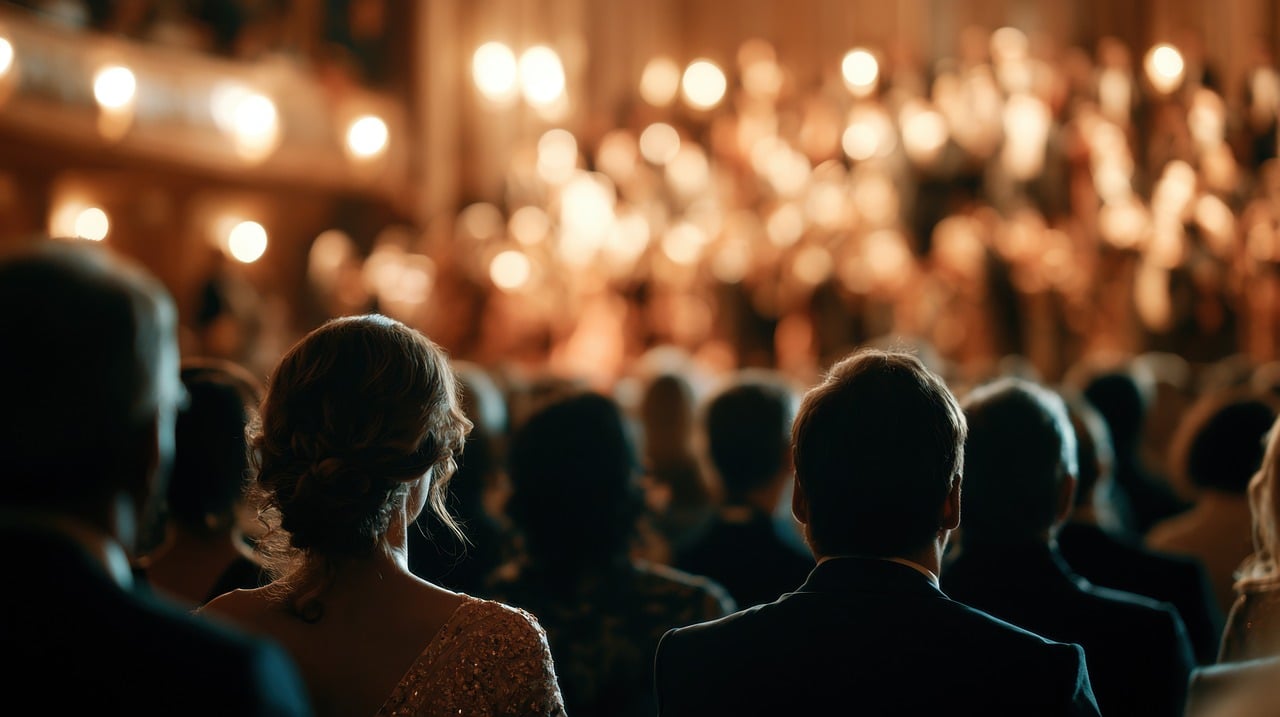
La Scala nights and Milanese cuisine with confidence inside Teatro alla Scala
La Scala Opera House and Teatro alla Scala are where Milan’s love of craft becomes audible, and securing tickets for performances Milan travellers truly want is best done early. This is a signature evening in the city in Italy: a place where the rituals matter, from the way you arrive to the way you take your seat.
How to secure tickets for performances and what to wear
If you’re aiming for sought-after dates, consider premium experiences via trusted concierge channels, or ask your hotel to handle the request so it’s seamless. Dress codes can vary by performance, but the safest approach is classic and refined—think tailored jacket, elegant dress, or a sharp evening look that feels like you’ve honoured the moment.
Arrive unhurried. A private car pick-up can remove pressure, especially if you’re dining beforehand. Milaners appreciate punctuality, and this is one place where being early feels like part of the pleasure, not a burden.
Aperitivo and Michelin-starred dining as a crafted celebration
Before the curtain, plan an aperitivo that balances excitement with reassurance. Choose one classic bar for atmosphere, then—if you want a quieter glow—shift to a discreet hotel lounge where service feels intuitive. In Milan, the best spaces don’t rush you; they read you.
For dinner, let Michelin-starred dining be a crafted celebration rather than a checklist. A couple once described their anniversary as a multi-course tasting menu paired with rare Italian wines, guided by a sommelier who listened to their preferences and built the pairing with care. They left not just full, but genuinely looked after.
When ordering Milanese cuisine with confidence, keep it simple: risotto alla milanese for saffron comfort, cotoletta for crisp indulgence, and one perfect pastry as a small ritual the next morning. If you’re unsure about wine, let an expert sommelier translate regions and styles into something personal rather than technical.
After dark, a stroll along the Navigli can be wonderfully atmospheric, especially around Naviglio Grande where reflections make the water feel like moving silk. Stay aware in busy areas, keep valuables close, and rely on trusted transport for the return—your comfort is part of the evening’s design.
Milan Fashion Week shopping flagship stores Lake Como day trip itinerary
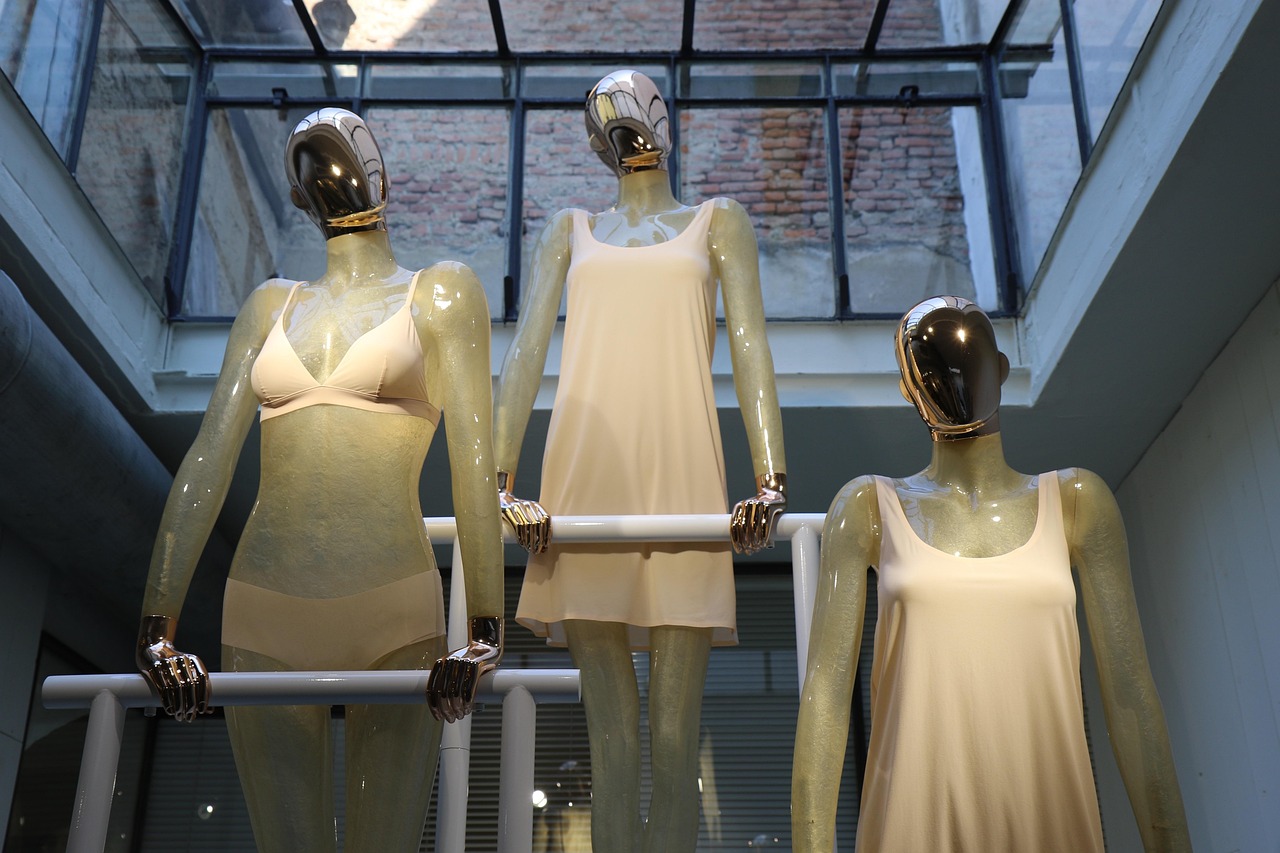
Fashion, modern Milan and a Lake Como day trip with flagship-store style
Milan Fashion Week shopping and flagship stores can be thrilling, but the true luxury is knowing how to curate the experience—and when to step away. Milan sits in the Lombardy region of northern Italy, and it has a global fashion confidence that can feel contagious, even if you’re usually a quiet dresser.
Fashion week energy, ateliers, and shopping with meaning
A fashion aficionado once recounted attending a VIP Fashion Week show: the energy, the exclusivity, the sense of connection in the room as industry insiders greeted one another like an ongoing story. If you’re in town during fashion week, ask your concierge about showroom appointments or private experiences; even a single event can add sparkle to a stay.
Luxury shopping with meaning begins by treating the Galleria Vittorio Emanuele as more than retail. It’s a social stage and a landmark of design history. If you’re purchasing, ask boutiques about tax-free support and paperwork; most luxury stores can guide you smoothly, and credit cards are widely accepted. Tipping isn’t mandatory, but in upscale venues a 5–10% gesture is appreciated when service has been exceptional.
Modern Milan in Porta Nuova plus San Siro nights
For modern neighbourhoods, explore Porta Nuova and seek viewpoints that frame Bosco Verticale—Milan’s green vertical icon. The contrast to historic piazza scenes is part of the city’s charm: old stone, new glass, and design threaded through both. Milan may not sit in the center of italy, yet it often feels like a centre of style for Europe.
If you want sport and spectacle, add an evening at San Siro or a tour of San Siro Stadium. It’s a different side of the city—loud, communal, and unexpectedly moving if you enjoy collective atmosphere.
Then, when you’re ready for air and water, plan a day trip to Lake Como. With a private driver and a well-timed start, you can glide into the lake’s calmer world without stress. A stop in Bellagio offers that classic postcard perspective, while an alternative lake such as Maggiore can feel slightly quieter depending on the day. The key is comfort: leave early, avoid the busiest midday ferry crush, and return to Milan before late-night fatigue sets in.
- Book shopping appointments for quieter service and better fitting-room time.
- Carry your passport details for tax-free forms, and keep receipts organised.
- For a Lake Como escape, build in a long lunch and a calm return—no racing the clock.
Final day in Milan reflection Milano memories travel guide
The final day in Milan reflection is often the gentlest part of the journey, when Milano stops being a destination and starts feeling personal. You already know how to cross a street here, when to pause, and which corners feel like yours—even if you’ve only been in the city a few days.
Imagine a last walk through a familiar piazza, the same route you took on your first evening, only now it carries meaning. A small espresso becomes less about caffeine and more about continuity—the comfort of repeating a ritual in a place that once felt unknown.
What stays with you is rarely the headline moment alone. It’s the light on stone beneath arcades, the sound of footsteps in a quiet corridor, and the feeling of being held by design—by details that make you look closer, and travel a little more thoughtfully when you return home.
There’s also the softer memory of local encounters: a waiter who remembered your preference, a museum guard who pointed you towards a less crowded room, the ease of moving between locals and tourists with respect. Milan teaches a calm confidence—trusting your own pace, and letting excellence be simple.
When you leave, you may notice that you carry the city differently than you expected. Not as a list of things done, but as an internal shift towards beauty, care, and crafted time. And perhaps, in another season—spring, or early autumn—you’ll find yourself wondering what the same streets would reveal in a different light.
F.A.Qs:
What is the best month to go to Milan?
April to June is ideal for mild weather, long daylight hours, and a lively cultural calendar without peak-summer intensity. September and October are also excellent, with warm tones, comfortable evenings, and a slightly calmer feel across key sights such as the Duomo and major museums.
How many days in Milan, Italy is enough?
Three days is a well-balanced stay for first-timers: enough time for the Duomo and rooftop, a cultural afternoon at Sforza Castle, a La Scala night, and art stops in Brera or at Fondazione Prada. Add a fourth day if you want a relaxed Lake Como outing or deeper shopping and design time.
How much does a trip to Milan, Italy cost?
Costs vary by season and style. For high-end travel, plan for premium hotel rates, pre-booked museum access, private transfers, and at least one exceptional dining experience. A comfortable luxury budget commonly includes four- or five-star accommodation, curated tours, and thoughtful shopping, with flexibility for special evenings.
Is $10,000 enough for a trip to Italy?
$10,000 can be enough for Italy depending on trip length, cities, and accommodation level. For a shorter luxury break focused on Milan—especially if you prioritise a strong hotel, a few private experiences, and one Michelin-starred dinner—it can work well. For longer multi-city journeys, costs rise quickly with private drivers and peak-season stays.