Post Contents
- Design a seamless Venice travel guide itinerary for luxury travellers things to do in Venice
- Piazza San Marco Venice attractions Basilica di San Marco Campanile views
- Doge’s Palace Venice tourist attractions and Bridge of Sighs guided tour
- Grand Canal Venice gondola ride best things to do in Venice water taxis
- Rialto Bridge Venice places to visit in Venice and Rialto Market food tour
- Peggy Guggenheim Collection Venice attractions in Venice Dorsoduro walking tour
- Murano Burano Torcello Venice best places to visit islands itinerary
- What Venice leaves with you after Italy
- F.A.Qs: Venice tourist attractions and travel tips
Design a seamless Venice travel guide itinerary for luxury travellers things to do in Venice
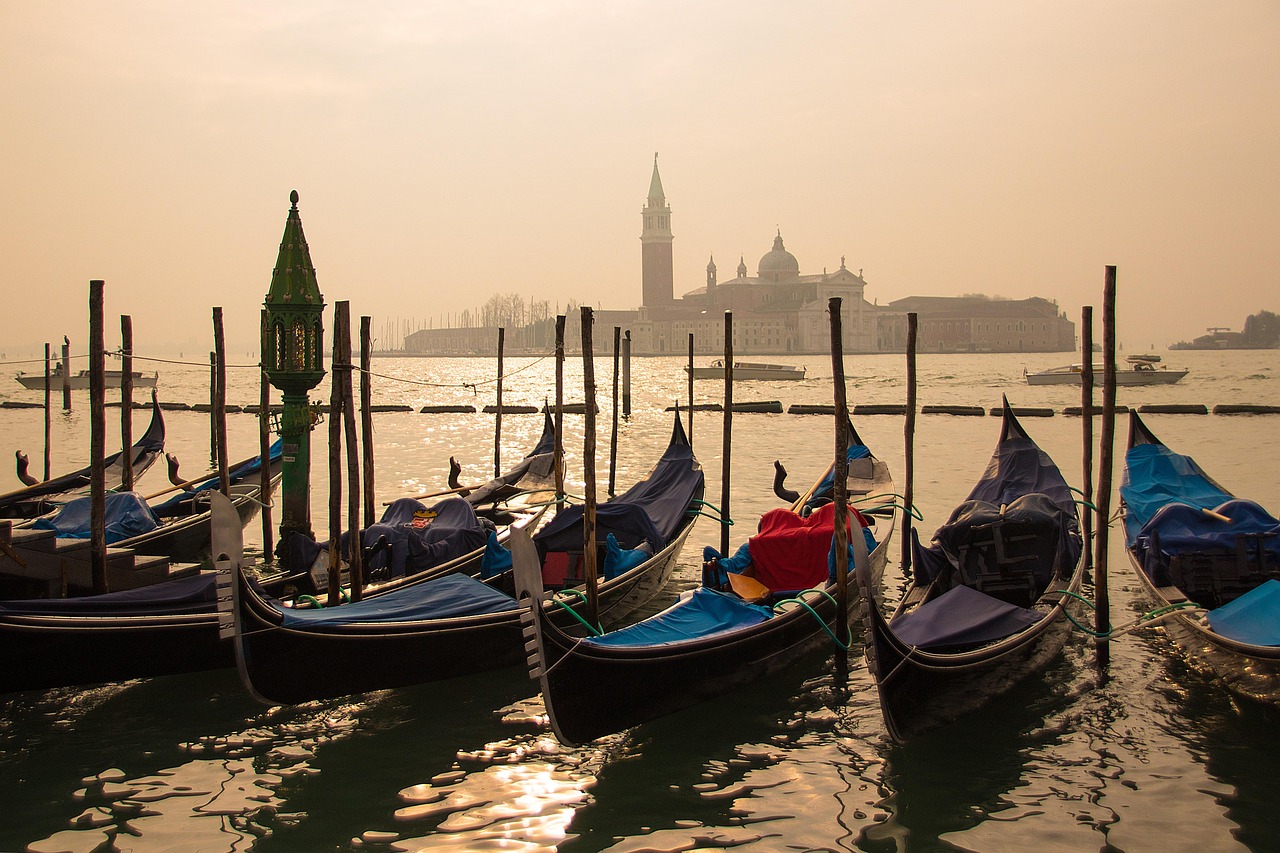
Design a seamless Venice travel guide and itinerary for luxury travellers in Venice
If you’re seeking a Venice travel guide itinerary for luxury travellers things to do in Venice, the most important decision is pace. Venice rewards an unhurried rhythm: early in the morning for calm streets, a long lunch when the lanes swell with day-trippers, and evenings that return the city to itself. The best time to visit Venice is April to June or September to October, when the weather is mild and the main attractions feel more breathable.
Design your day around light and flow. Begin with quiet corners near your hotel, then move towards San Marco once you’re ready—rather than letting the city pull you into the first queue you see. At night, build in one beautiful, simple anchor: a canalside stroll, a refined cocktail, or a softly lit table booked by your concierge with trusted local insight.
Arrivals made effortless with water, rail and expert support
Arriving well sets the tone for everything that follows in Venice. From Venice Marco Polo Airport, a private transfer can be arranged to match your comfort level—especially if you’re carrying valuable luggage or arriving after a long flight from travelling to Italy. If you’re coming by high-speed train, Venice Santa Lucia station delivers you straight into the city’s watery theatre.
For that first impression, choose between water taxis (ideal for privacy and door-to-door ease) and the vaporetto (efficient, lively, and best when you’re travelling light). If you’re staying in a quieter district, your hotel can coordinate porters and a short walking route, so you feel supported rather than hurried.
Where to stay, tickets in advance, and a gentle planning template
For an exclusive feel, Cannaregio and Dorsoduro are wonderful bases in Venice—slightly removed from the busiest tourist pinch-points, yet still beautifully connected by canal. If you’re choosing a canal-facing room, ask for double glazing or a higher floor; you can enjoy the romance of boats passing below without sacrificing sleep.
- Tickets in advance: secure timed entry for the Basilica and Doge’s Palace, and add one private experience (gondola or guide) to make the whole trip feel crafted.
- Skip the line: prioritise early slots and private entries where available, so you’re not standing in the sun with a crowd.
- Passes: with museums in Venice often around €20–€25, a Venice Museum Pass can be good value if you’ll visit multiple sites; a Venice city pass may help if it matches your exact wish list.
Mini-template for one day in Venice: sunrise walk and coffee, San Marco before midday, a slow lunch, a Grand Canal glide, then evening aperitivo. Mini-template for a week Italy itinerary: two or three nights in Venice as the centrepiece, followed by lake or countryside days in Italy for contrast. Keep a calm safety note in mind: pickpockets can appear in crowded tourist areas, but five-star hotels and experienced concierges offer real support and reassurance.
If you’d like visual inspiration for your wider route, our Trip gallery is a lovely place to start imagining what comes next.




Piazza San Marco Venice attractions Basilica di San Marco Campanile views
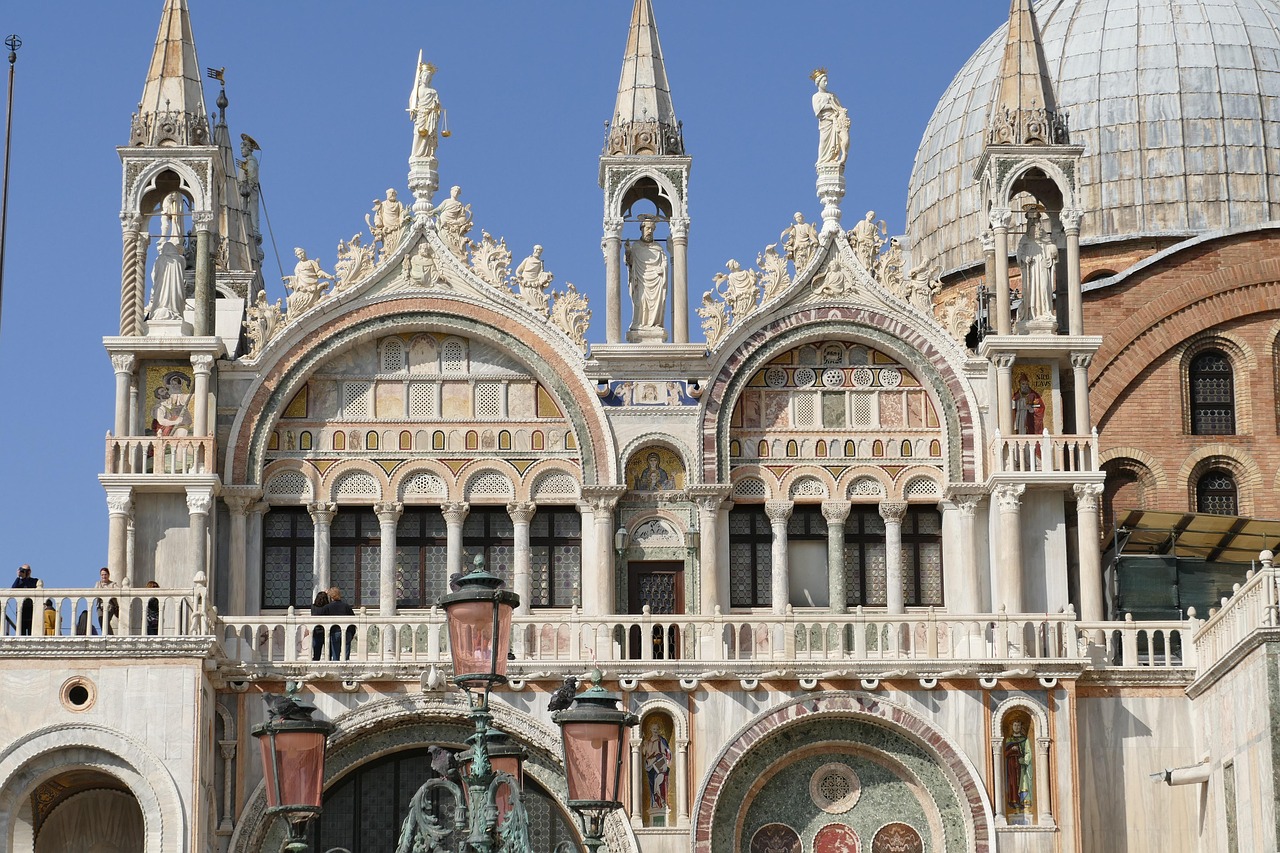
Piazza San Marco attractions in Venice with Basilica di San Marco and Campanile views
To experience Piazza San Marco Venice attractions Basilica di San Marco Campanile at their most graceful, arrive before the square becomes a thoroughfare. Venice is at its most elegant when you treat it like a gallery, not a race. Pause for an espresso in a quieter spot just off the piazza, and approach the square with gentle timing so you can take in the architecture without jostling.
Here, luxury is often about calm. Keep your voice soft near the cathedral, move together with the flow of people, and let your attention settle on small details: stone worn smooth by centuries, the sound of footsteps, and the way light turns water into a mirror at the edge of the city.
Basilica di San Marco and the terrace for a clear view of Venice
Basilica di San Marco is one of the top attractions in Venice, and it’s worth visiting with a little preparation. Dress modestly (covered shoulders and knees), and consider a timed ticket so you can enter with confidence. Inside the basilica, look up slowly: gold surfaces catch the light, and the mosaic work feels almost alive as the day brightens.
If you can, add the basilica terrace. The terrace offers a memorable view of Venice that feels intimate rather than panoramic-for-the-sake-of-it, especially when the piazza is still relatively quiet. A clear day also lets you pick out the geometry of canals and rooftops stretching out like a soft map.
Campanile bell tower views over Venice with lift access
The Campanile, the piazza’s bell tower, is one of the best views in the city—especially for first-time visitors who want to understand Venice’s layout. Lift access makes this an easy addition even if you prefer to conserve energy for later in the day. When you reach the top, practise photo etiquette: step aside, keep your bag close, and avoid monopolising the best angle.
For a soft detour that changes the mood, walk to San Zaccaria. This church in Venice often feels calmer than nearby landmarks, and the light inside can be remarkably serene. One traveller once told us it became their favourite church in Venice simply because it offered stillness amid a beautiful city that never stops shimmering.
A final note of local etiquette with care: avoid feeding pigeons in the piazza, and keep a gracious pace. It’s a small way of honouring the city and everyone sharing it.
Doge’s Palace Venice tourist attractions and Bridge of Sighs guided tour
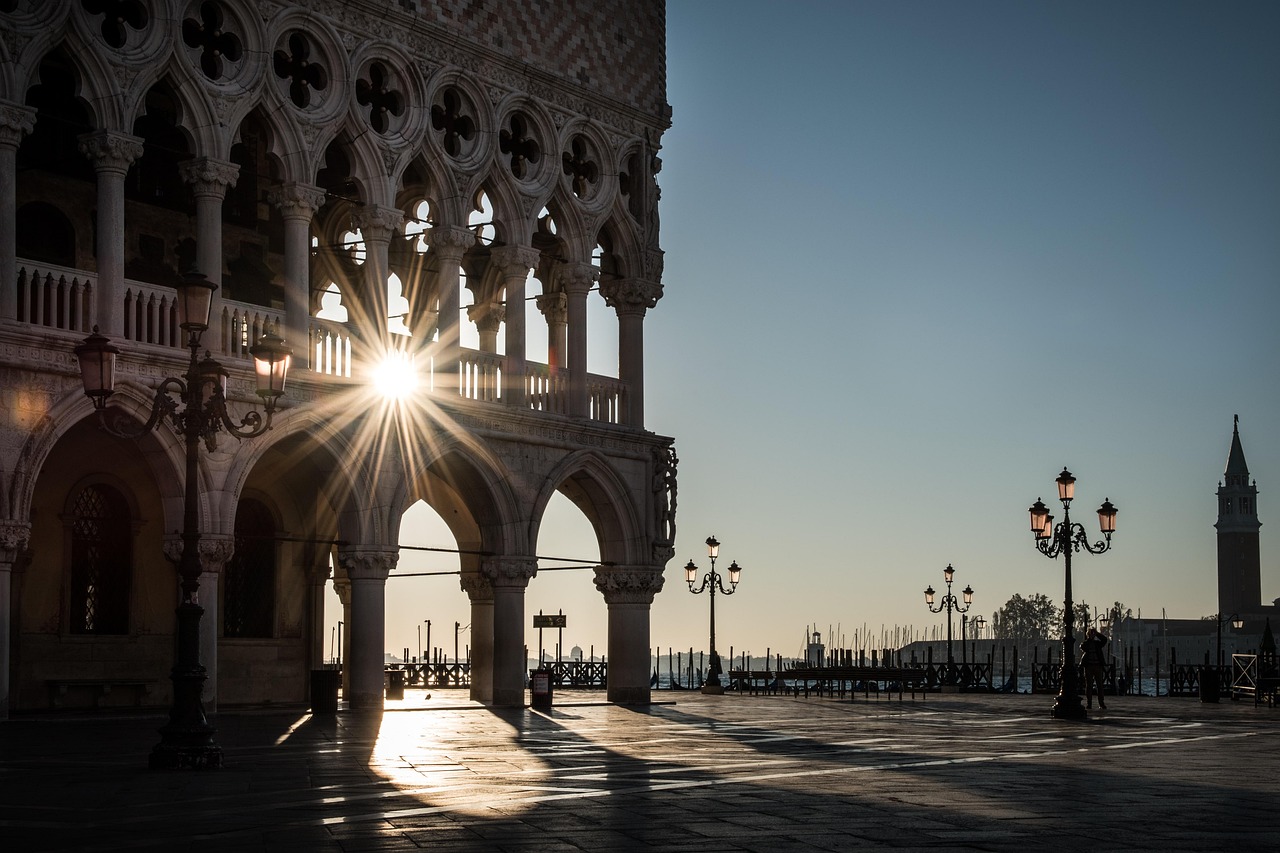
Doge and Renaissance power at the best tourist attractions in Venice
For travellers drawn to history and symbolism, the Doge’s Palace Venice tourist attractions Bridge of Sighs guided tour route is essential. Think of the Doge’s Palace as both art and story: sumptuous halls that once staged the Venetian Republic, and paintings that reward lingering rather than rushing. The experience feels richer when you pause to notice small theatrical choices—how ceilings guide your gaze, and how corridors funnel you towards power.
In peak season, a little design goes a long way. Timed entry helps you keep your day feeling seamless, and a private guide adds expert context without turning the visit into a lecture.
Visit the Doge’s Palace after hours for intimacy and trust
High-end travellers often choose a private, after-hours visit to the Doge’s Palace, and the mood shift can be extraordinary. A couple once shared how their after-hours tour felt like walking through a living film set: no tour groups, no echoes of other conversations—just their guide’s calm insight and the hush of historic chambers opening one by one. In that quiet, the palace becomes personal, not performative.
If you’re considering this, speak to your hotel concierge early. The best slots are limited, and the comfort of having everything confirmed allows you to relax into the moment.
Bridge of Sighs logistics and how to cross the bridge gracefully
Within the palace route you’ll cross the Bridge of Sighs, a bridge in Venice layered with legend. The practical guidance is simple: follow the one-way flow, then pause only when space allows. When you cross the bridge, it helps to take one unhurried breath and let the meaning land—this was a threshold between splendour and confinement.
Booking guidance with confidence: choose timed entry; opt for small-group or private depending on your preference for space; and check accessibility if stairs are a concern. Security checks are standard, so bring only what you need, keep valuables close, and you’ll feel looked after as you move through one of Venice’s best tourist attractions.
Grand Canal Venice gondola ride best things to do in Venice water taxis
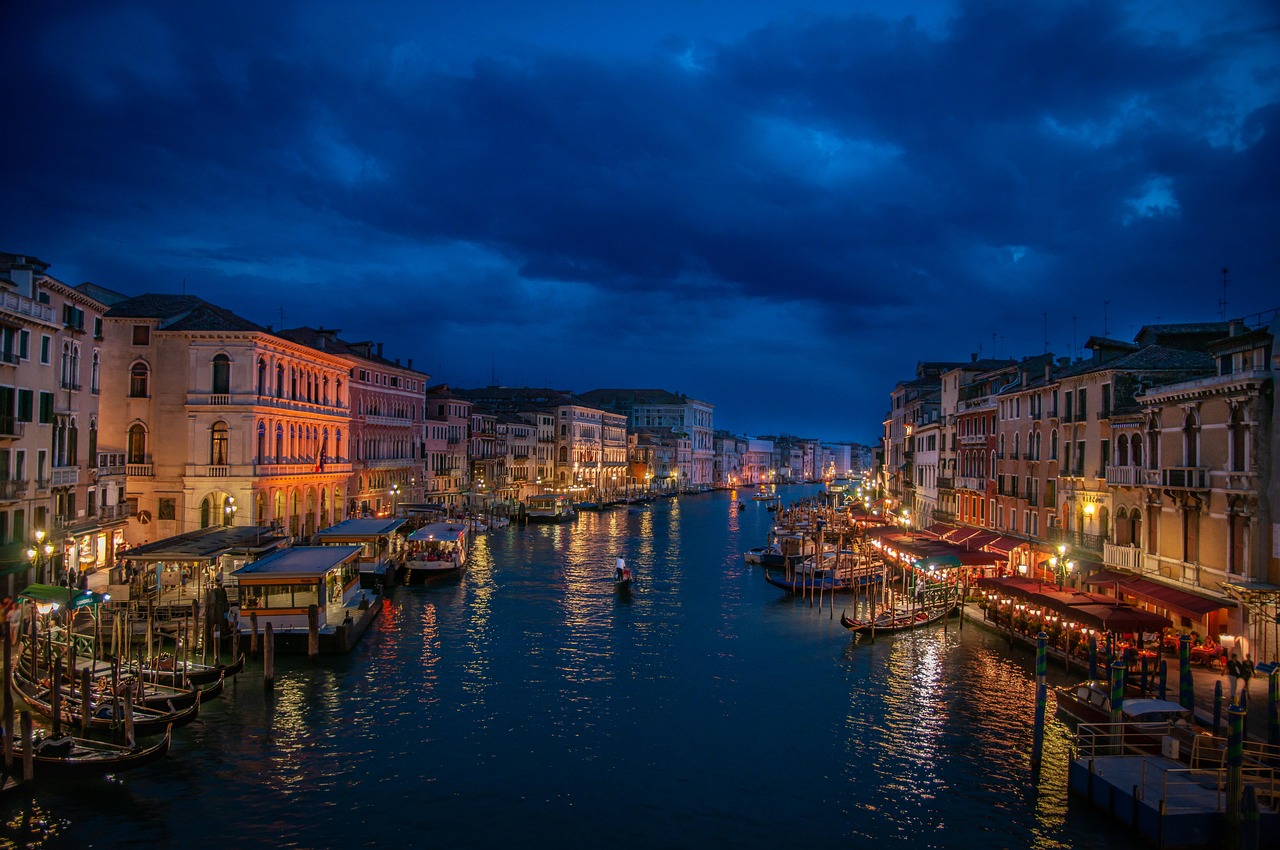
Grand Canal elegance and a private gondola ride in Venice
When travellers ask for the best things to do in Venice, the answer is often a feeling rather than a list—and the Grand Canal Venice gondola ride best things to do in Venice water taxis conversation sits right at the centre of that. The Grand Canal is how Venice “reads” best: palazzi rising from the water, façades like layered theatre backdrops, and boats threading the city together. Plan a slow reveal instead of a checklist, so every turn feels like a discovery.
If you’re exploring the city for the first time, spend a little time simply watching. The canal teaches you the pace of Venice more quickly than any map.
Gondola, vaporetto or private boat along the Grand Canal
A gondola is intimate and romantic; it’s the classic choice when you want privacy and a crafted route through quieter canals. The vaporetto is practical and wonderfully local, particularly along the Grand Canal where the viewpoints keep changing. A private boat sits between the two—comfortable, efficient, and ideal when you’d like a seamless transfer between neighbourhoods without the crowds.
Choose based on your energy and your day’s design. If you’re pairing San Marco with Dorsoduro, a water journey can be the most elegant way to transition without breaking the spell.
A dawn gondola ride and Venice at night for quiet romance
One high-end traveller told us their most magical moment in Venice was a dawn gondola ride, when the city felt like it was holding its breath. The water was still, the air cool, and the only sound was the soft rhythm of the oar. To recreate that calm with confidence, book ahead, confirm the meeting point the evening before, and choose a route away from the busiest stretches.
For an added panorama, consider San Giorgio Maggiore. Time it for soft light—either early or late—so you can enjoy the scene without the busiest lines. Then, let Venice at night be gentle: a quieter canal walk, a discreet carafe of wine, and the reassurance of moving together, not hurriedly.
Rialto Bridge Venice places to visit in Venice and Rialto Market food tour
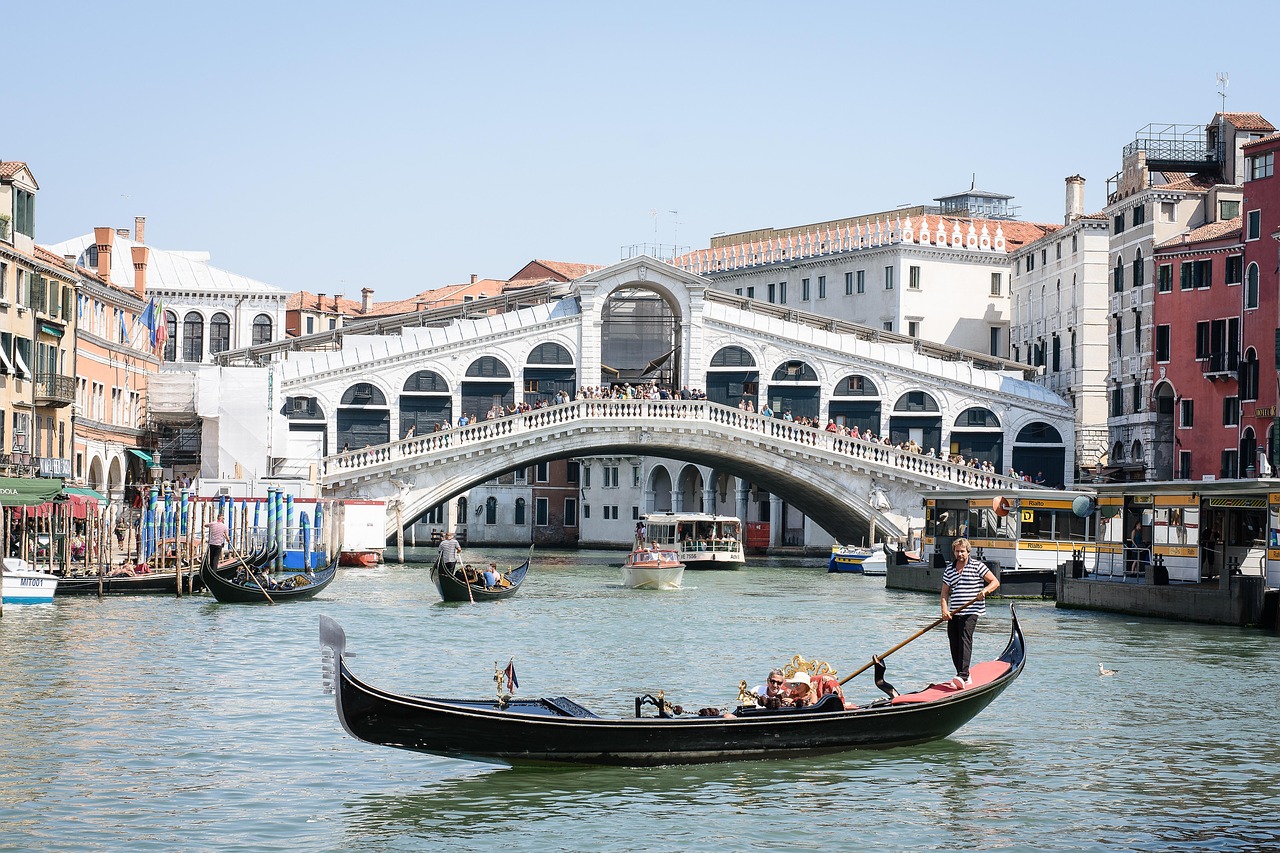
Rialto Bridge and local flavours at the Rialto Market in Venice
For classic Venice atmosphere with a local edge, the Rialto Bridge Venice places to visit in Venice Rialto Market food tour pairing is a natural fit. The Rialto Bridge is a must-see, but it’s also a pinch-point, so timing matters. Aim for early morning photos, or come later in the evening when the foot traffic softens and the Grand Canal feels more cinematic.
If you want a viewpoint without the crush, consider a detour to Fondaco dei Tedeschi for rooftop perspectives (check access requirements in advance). It’s a simple way to keep the experience elegant, even at a major tourist attraction.
Rialto Market morning walk for authentic Venetian flavours
The Rialto Market is best in the morning, when produce is at its most vibrant and seafood gleams on ice. Let your senses guide you: citrus and herbs in one direction, briny lagoon aromas in another. You don’t need to buy much to feel the place; sometimes it’s enough to taste one perfect thing and watch Venice negotiate its daily life.
- What to taste: seasonal fruit, local cheeses, freshly baked focaccia, and small Venetian bites that lead naturally into cicchetti.
- How to move: step aside for vendors, keep photography mindful, and ask before taking close-up shots.
If you’d like curated context, a food tour can be ideal—look for small groups, market-to-bacari stops, and thoughtful wine pairings. The right guide adds insight with warmth, helping you uncover flavours you might otherwise miss.
One luxury traveller still talks about a canalside Michelin-starred dinner with lagoon views: courses that felt precisely composed, paired with wine that made each dish sing. Keep expectations realistic—menus vary and reservations matter—but the pleasure is very real when your evening is designed with care.
Practicalities: most stalls accept card, but carrying a little cash helps. If the market is closed, head to Cannaregio for backup bacari, and enjoy a slower, more local evening.
Peggy Guggenheim Collection Venice attractions in Venice Dorsoduro walking tour
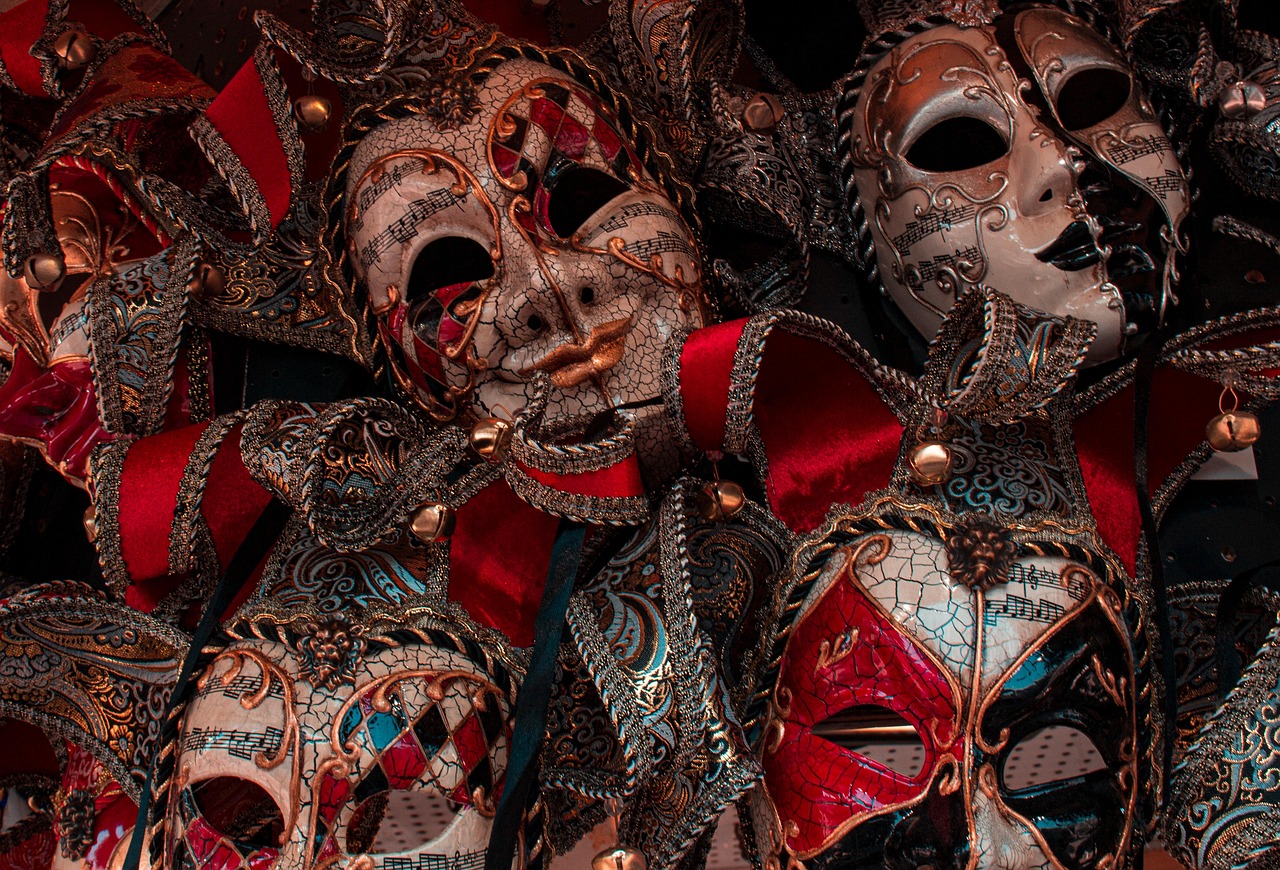
Art and craft tourist attractions in Venice beyond the crowds
For a quieter cultural counterpoint, Peggy Guggenheim Collection Venice attractions in Venice Dorsoduro walking tour is a beautiful way to shift the mood. The Peggy Guggenheim Collection is worth visiting if you love modern art and prefer an attraction that feels contemplative rather than crowded. Choose an earlier or later entry time so you can move unhurriedly and linger with the pieces that speak to you.
In Venice, art often feels like part of the streetscape—reflections, plasterwork, worn thresholds—so this chapter is about letting creativity lead. It’s also a reminder that not all tourist attractions in Venice need to be monumental to be memorable.
A slow walking tour through Dorsoduro and a best places pause
Dorsoduro invites a slow walking tour: studio-like streets, gentle canal crossings, and small galleries that reward curiosity. Plan one pause for aperitivo near the water, and let the conversation drift. Luxury here is space—time to notice, time to imagine, time to feel unobserved.
If you’re craving an additional landmark, Basilica di Santa Maria della Salute is your architectural punctuation mark. You can appreciate Maria della Salute from the shore for crisp symmetry, then again from the water for a softer, floating perspective.
Traditional Venetian mask-making with a local artisan
A traditional Venetian mask-making workshop is one of the most personal top things you can do, especially if you want to connect with Carnival heritage. A frequent visitor once described learning mask-making from a local artisan as the moment Venice truly became “theirs”. They left with a personalised piece—painted by hand, made slowly—that carried the city’s spirit long after the trip ended.
Shop with confidence afterwards: look for provenance, ask who made it, and avoid mass-made souvenirs. A simple question, offered with respect, often opens a warmer conversation than any sales pitch. If you pass a chiesa di san tucked into a side lane, step inside for a minute; quiet spaces are part of Venice’s craft too.
Murano Burano Torcello Venice best places to visit islands itinerary
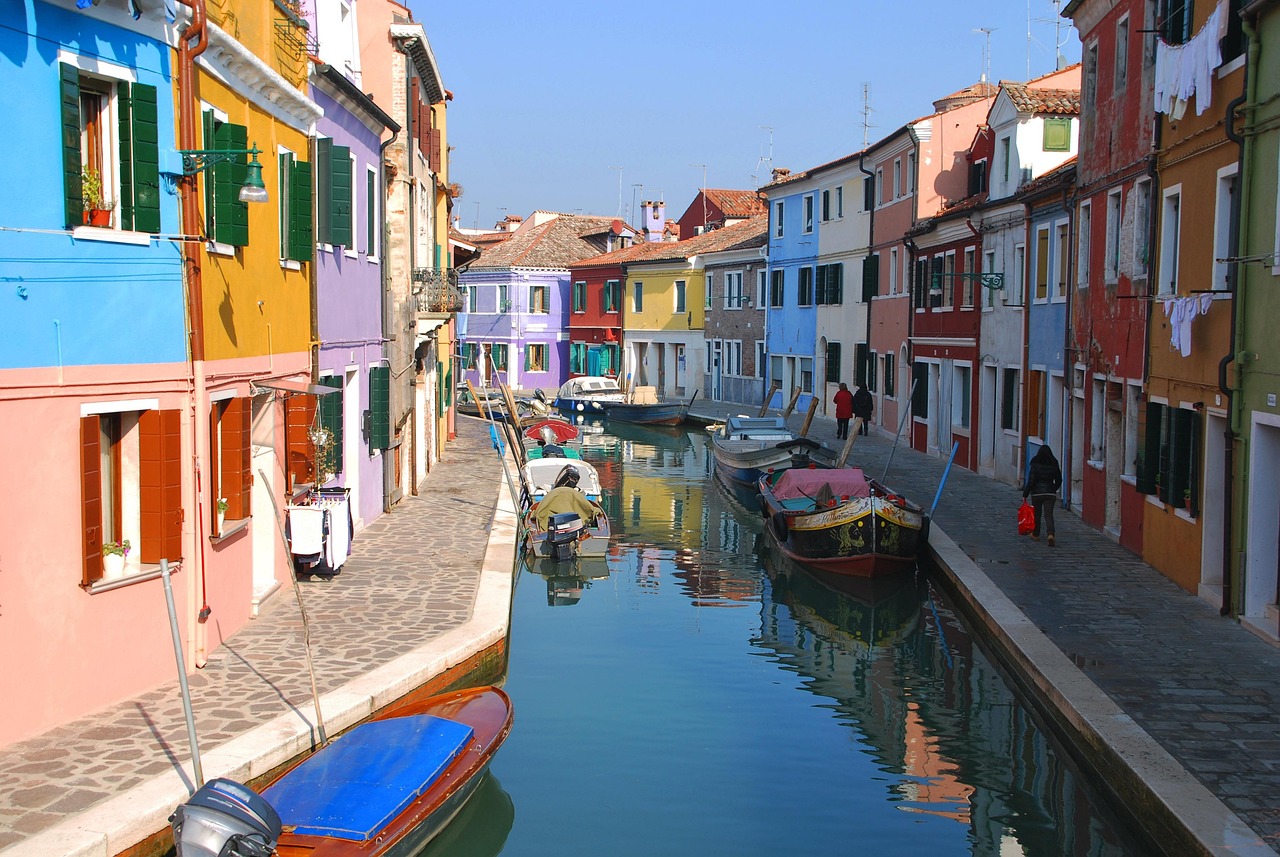
Murano Burano and Torcello around Venice for day trips
If you’re ready to look beyond the centre, Murano Burano Torcello Venice best places to visit islands itinerary planning can feel refreshingly simple. These islands change the texture of your trip: more sky, more water, and a different kind of quiet. Choose half-day or full-day based on your energy, and design one unhurried anchor rather than trying to “collect” them all.
A good rule: pick two islands for a half-day, or all three for a full day with a long lunch. Either way, you’ll return to Venice feeling reset.
Island of Murano known for its glass and Burano known for its lace
The island of Murano is known for its glass, but the best experience is expert-led rather than performative. Choose a reputable furnace demonstration (your hotel can advise), and don’t feel pressured to buy on the spot. If you do fall in love with a piece, ask about certificates and shipping so you can travel with ease.
Burano is known for its lace and its colour—bright houses reflected in narrow canals like brushstrokes. Enjoy the photogenic lanes, but keep your visit respectful: these are residential streets, and the most beautiful photos often come when you step aside and let daily life pass.
Torcello as a calmer counterpoint and logistics around Venice
Torcello is a softer note—less about spectacle, more about atmosphere. It’s often best for light and silence, especially if you arrive earlier in the day. Slow down, listen for birdsong, and notice how different Venice can feel when the crowd noise fades.
- Vaporetto timing: check departure intervals and build in buffer time so your day stays seamless.
- Private boat upgrade: ideal for comfort, flexible stops, and a more exclusive pace around Venice.
- If weather shifts: prioritise Murano’s indoor studios, then save Burano’s lanes for clearer skies.
If you’re only here briefly and wondering what to see in Venice beyond the main attractions, this island day is often the answer.
What Venice leaves with you after Italy
Venice doesn’t always announce its impact while you’re still in it. It happens quietly, as the days soften your sense of time—water replacing streets, footsteps echoing into small squares, and light moving across walls like a slow, patient painter. At some point you realise you’ve seen Venice, not just ticked off tourist places, and that shift feels oddly comforting.
What you carry home is rarely the grandest moment. It might be a mask you helped create, the remembered shimmer of mosaic gold in Basilica di San Marco, or the hush of a canal at dawn when the city felt private. It might be the simple confidence of knowing where you were going, because someone designed the journey with care and you trusted the pace.
Luxury, in the end, is often this: being looked after without being rushed, moving thoughtfully, and choosing experiences that honour local life as much as personal joy. Venice gives back when you travel gently—when you let space exist between attractions, and allow the city to speak in its own language.
And later, when a bell toll or a slant of evening light catches your eye somewhere far from the lagoon, you may find Venice returning—uninvited, vivid, and quietly asking what you’ll notice next time.
F.A.Qs: Venice tourist attractions and travel tips
What is the number one attraction in Venice, Italy?
For most travellers, St Mark’s Basilica in Venice is the number one attraction because it combines extraordinary art, history and atmosphere in a single place. Aim for a timed entry and dress modestly, then allow time for the terrace so the experience feels unhurried rather than crowded.
What should you not miss in Venice?
Don’t miss seeing Venice by water at least once, whether that’s a gondola, vaporetto or private boat. Pair it with time in San Marco and a slower moment elsewhere—such as Dorsoduro—so your trip balances iconic sights with calmer, more personal spaces.
What months does Venice smell?
Venice can occasionally smell in hotter periods, especially during very warm summer days when water levels and heat intensify algae and stagnant corners. Many travellers find spring and early autumn more comfortable, with fresher air and fewer extremes.
What is Venice, Italy best known for?
Venice is best known for its canals, gondolas, and landmark architecture such as the Basilica and the Doge’s Palace, alongside a rich Venetian craft tradition. It’s also celebrated for an atmosphere that feels unlike any other Italian city—part theatre, part living museum, part floating dream.