Post Contents
- Hiroshima Peace Memorial Park overview Japan peace memorial travel and the Peace Memorial Story
- How to get to Hiroshima Peace Memorial Museum Japan tram Hiroshima Station
- Hiroshima Peace Memorial Museum exhibition atomic bomb testimonies Japan
- Atomic Bomb Dome UNESCO World Heritage Site Hiroshima Japan peace memorial
- Peace Memorial Park monuments Children’s Peace Monument Flame of Peace Hiroshima Japan
- Hiroshima peace memorial reflections Japan travel
- F.A.Qs: Hiroshima Peace Memorial Museum and Peace Park
Hiroshima Peace Memorial Park overview Japan peace memorial travel and the Peace Memorial Story
Hiroshima Peace Memorial Park and the Peace Memorial Story in Hiroshima, Japan
A Hiroshima Peace Memorial Park overview Japan peace memorial travel moment begins with geography as much as emotion: the park sits in central Hiroshima city, shaped by two rivers and long, open walkways that naturally lead you towards the museum and the Dome. You’ll feel how the location is deliberately crafted—spacious, quiet, and easy to navigate—so a visitor can move at their own pace without being pushed along by crowds.
To orient yourself, imagine the Peace Memorial Park as a gentle spine running from the riverbanks towards the main memorial axis. The Hiroshima Peace Memorial Museum sits within this wider peace memorial landscape, and the surrounding monuments are not “extras”—they’re part of the story, designed to hold memory in the open air where the city continues to live.
August 1945 as a human event in Hiroshima
On 6 August, an atomic bomb was dropped on Hiroshima, and the event reshaped lives in a way that numbers alone can never explain. The park does not sensationalise the horror; instead, it preserves the reality of the attack with a steady, humane tone. You’re invited to understand the scale of loss while staying close to the personal—families, everyday routines, and the sudden rupture of normal life.
Many travellers share that the first sensation here is not shock, but clarity: a quiet understanding that peace is not abstract. In a place built to preserve national and international memory, the city itself becomes part of the message—resilience without bravado, and remembrance without performance.
How to visit with trust, care, and confidence
This is a space where speaking softly matters. You’ll notice silent reflection zones, gentle signage, and a tone set by other visitors who instinctively slow down. If you’re travelling together, it’s reassuring to agree in advance that anyone can pause, step aside, or sit down—support is part of a respectful visit.
Designer Journeys’ lens is simple: design your time so it feels both grounded and manageable. Adventure seekers often worry they’ll feel out of place in a solemn setting, but curiosity and conscience belong together. Here, exploration looks like patience—walking slowly, reading carefully, and letting insight arrive in its own time.


How to get to Hiroshima Peace Memorial Museum Japan tram Hiroshima Station
Getting to Hiroshima Peace Memorial Museum from Hiroshima Station by tram
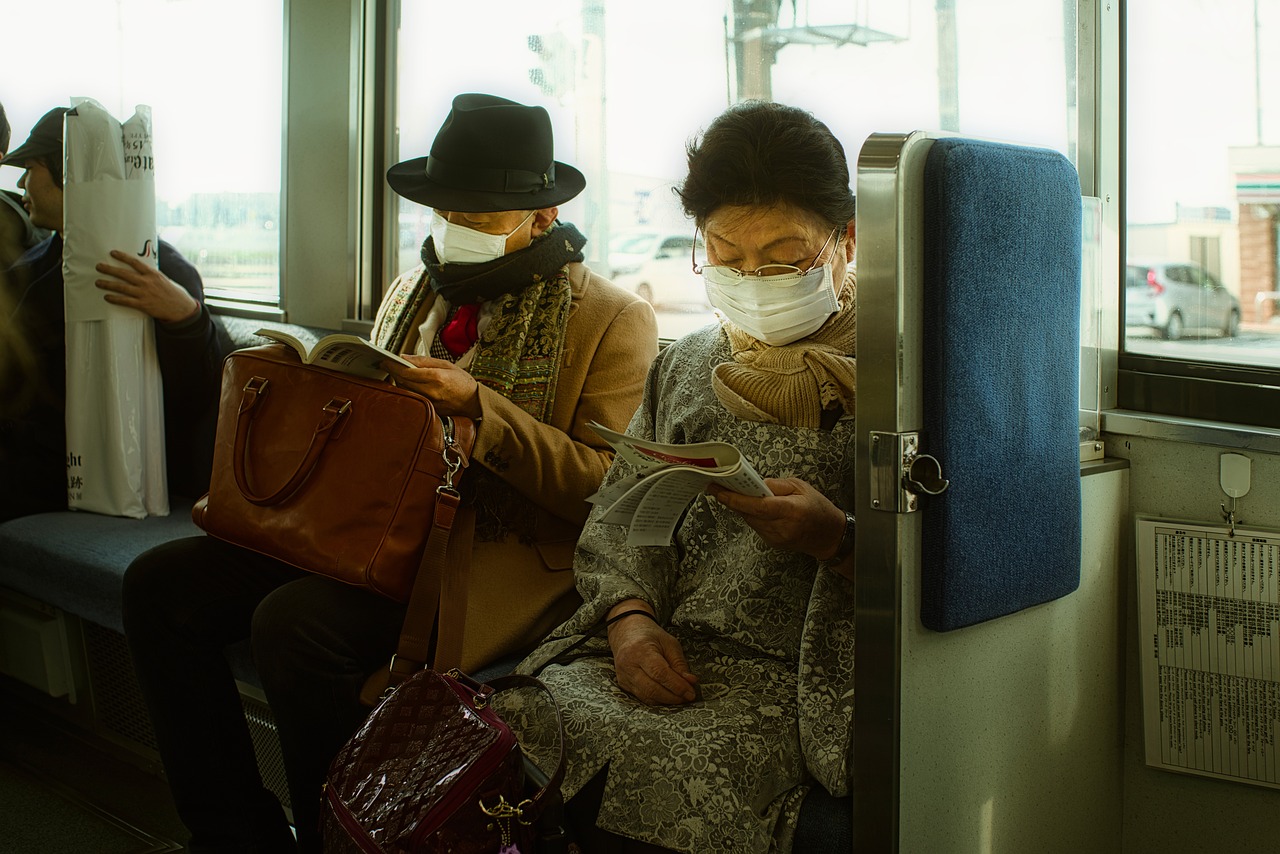
If you’re wondering how to get to Hiroshima Peace Memorial Museum Japan tram Hiroshima Station, the city makes it refreshingly seamless. From Hiroshima Station, follow signs for the tram (streetcar) lines and look for platforms serving routes towards the Peace Memorial Park area. As you roll through Hiroshima, you’ll pass local shops, offices, and everyday life—an important reminder that this is a living city, not an open-air relic.
Get off at the Hiroshima Peace Memorial Park tram stop (often announced clearly in English), then walk a short, flat route into the peace memorial park. The approach feels intentionally spacious; it gives you a few minutes to arrive emotionally, not just physically.
Ticketing, timing, and a calm plan before you enter
Weekdays and early mornings tend to be quieter, which helps you create a more reflective experience—especially if you prefer to absorb exhibitions without feeling hurried. Entry fees are modest (around 200 yen for adults), and most travellers spend 1–2 hours across the Hiroshima Peace Memorial Museum and the surrounding grounds, depending on how slowly you choose to read and sit with the displays.
For convenience, consider a day tram pass if you’ll be exploring more of Hiroshima city afterwards. Also check ahead for any reservation or timed-entry periods, particularly during school holidays or commemorative dates in August.
- Best time to arrive: early morning on a weekday for softer crowds and a steadier pace.
- Comfort cue: pause at the river edge for a minute before entering—simple, but surprisingly supportive.
- Plan B: if it feels intense, step outside and return later; your visit can be shaped around your needs.
Accessibility and support for travelling together
The park routes are generally step-free, and the museum environment is designed to be accessible for a wide range of visitors. You’ll find toilets nearby and calm spots to regroup—benches by the water are a favourite for a quiet reset. If you’re travelling as a couple, family, or small group, it can help to agree on a meeting point outside the museum in case someone needs space.
If you’d like to weave this into a wider journey through Japan, you can explore our Trip gallery for design-led inspiration that balances cultural depth with ease.
Hiroshima Peace Memorial Museum exhibition atomic bomb testimonies Japan
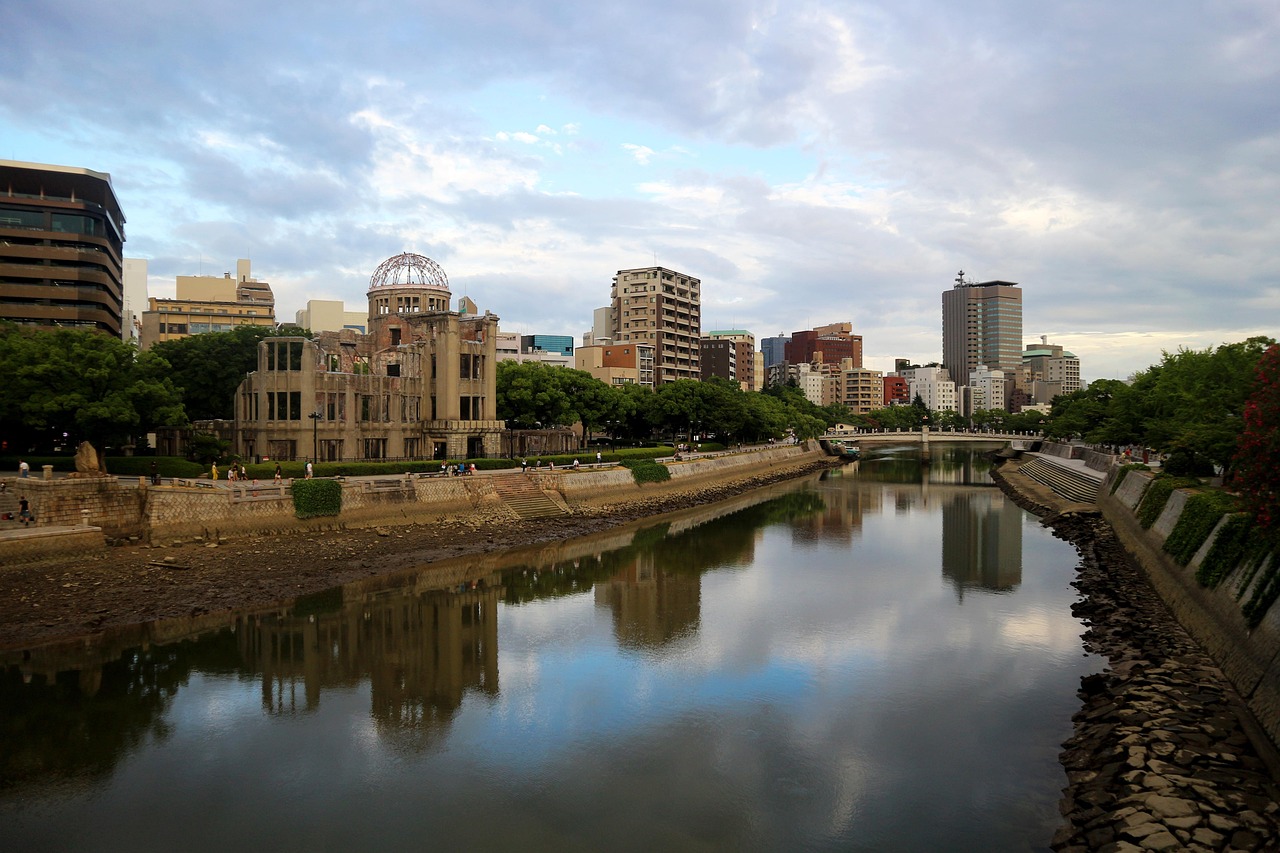
Inside the Hiroshima Peace Memorial Museum exhibitions and testimony
The Hiroshima Peace Memorial Museum exhibition atomic bomb testimonies Japan experience is structured to guide you from context into the moment of the explosion, then through the blast and the aftermath—handled with expert restraint and clarity. The permanent exhibition doesn’t try to overwhelm; it asks you to look closely, to read, and to stay present with what ordinary life became when the bomb fell.
You’ll notice how the museum uses careful pacing: contextual panels, then intimate displays, then space to think. It’s an environment that respects your capacity while still telling the truth.
Personal artefacts that make history tangible
For many visitors, the most affecting sections are the personal items—clothing, everyday objects, and photographs that feel heartbreakingly familiar. One traveller described standing still for a long time in front of a small artifact, realising that “history” here is not distant; it belonged to someone with plans for the afternoon. Another common reflection is how survivor testimony, presented with dignity, shifts the story from dates into lived reality.
The photographs and witness accounts can be intense, so it helps to visit with self-awareness. You’re not meant to “handle it perfectly”; you’re meant to be human. A quiet sense of gratitude often follows—gratitude for life, for safety, and for a shared global responsibility towards world peace.
How to pace yourself with confidence and care
Move slowly through the most detailed areas, then deliberately take a break. Step into a quieter corner, sit if you can, and let your breath settle. If you’re with someone, a gentle check-in—“Do you want to pause?”—can be all the support needed.
It’s also worth noticing the museum’s wider framing, including how national narratives, international efforts, and government decisions shaped the era. You don’t need to reach a final conclusion today; you’re simply beginning a deeper understanding.
Atomic Bomb Dome UNESCO World Heritage Site Hiroshima Japan peace memorial
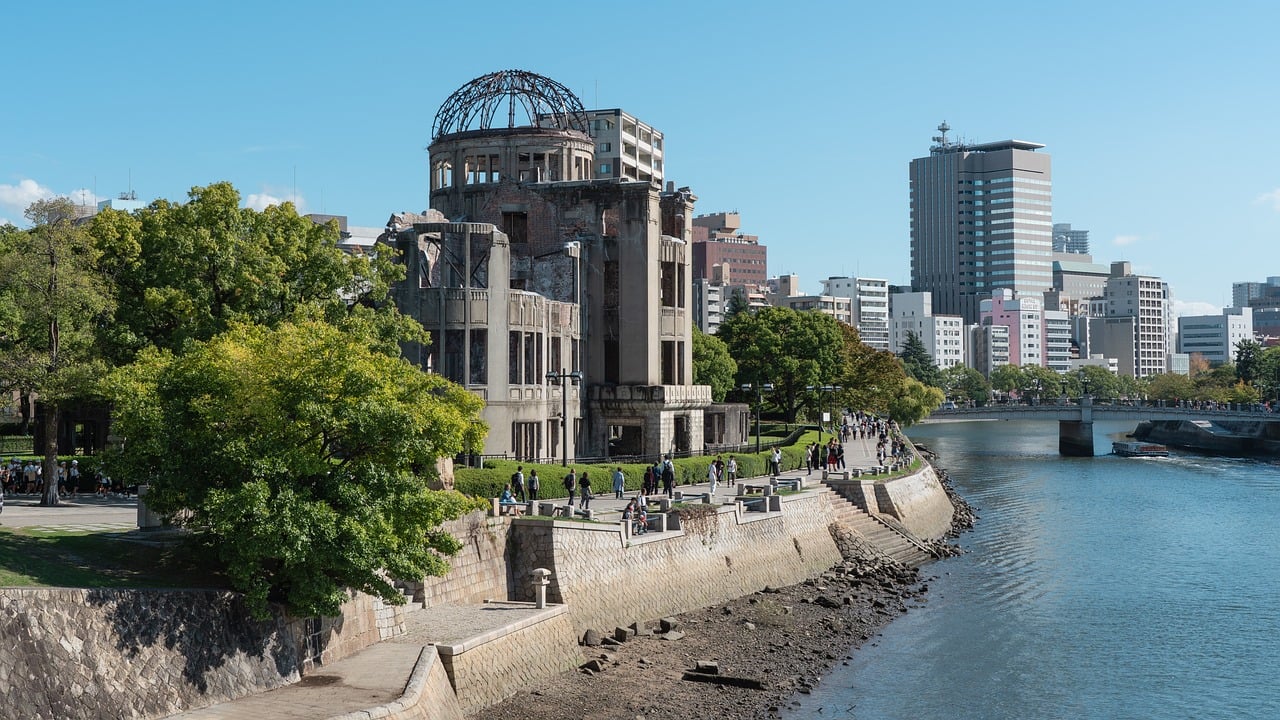
Exploring the Atomic Bomb Dome UNESCO World Heritage Site in Hiroshima
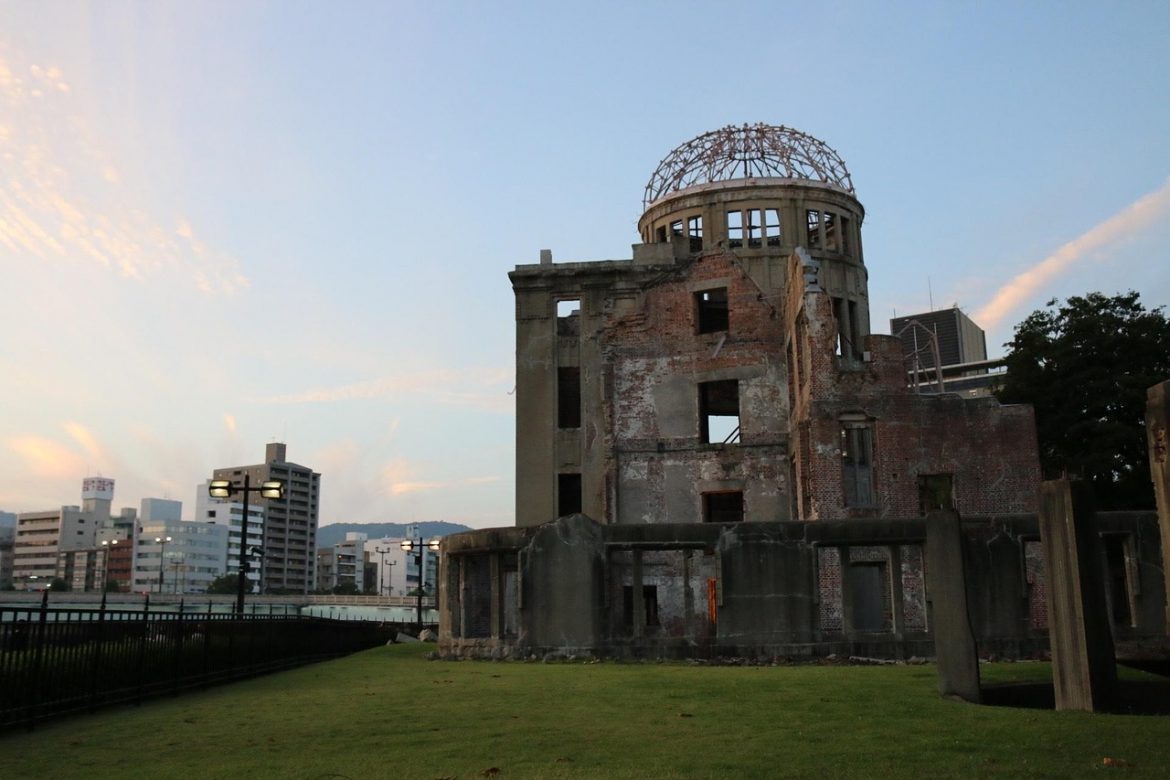
The Atomic Bomb Dome UNESCO World Heritage Site Hiroshima Japan peace memorial is one of those places you recognise before you even reach it—because the silhouette sits in collective memory. The structure was once the Prefectural Industrial Promotion Hall, a building associated with modernity and civic pride. When the bomb exploded nearby, the shell remained, and today the Dome stands as an enduring peace memorial icon.
Seeing it in person is different from photographs. The air, the scale, the quiet movement of people around it—everything slows you down.
A respectful outdoor tour loop around the Dome
Create a short walking loop that lets you view the Dome from several angles without rushing. In the morning, light can feel soft and almost gentle; later in the day, shadows sharpen the lines and the mood can shift. Both are valid—choose what suits your temperament, and let the site speak without forcing meaning.
- Best viewpoints: from the riverbank path and the opposite side where the frame opens wider.
- How to linger well: stand back, keep walkways clear, and allow others their quiet moment.
- When it feels heavy: look towards the water, then return—small resets make the visit steadier.
What the Dome communicates about resilience and memory
The Dome is not a spectacle; it’s a preserved wound, and that preservation matters. It communicates resilience, yes, but also the reality of the horror and the necessity of remembering—locally, nationally, and internationally. It’s a reminder that the cost of war is carried by civilians, and that atomic power in warfare creates a legacy that doesn’t end with a ceasefire.
For adventure seekers who love photography, consider a reflective approach. Create images that honour the atmosphere: wider compositions, fewer close-ups of grieving faces, and a gentle presence that never turns the moment into a performance.
Peace Memorial Park monuments Children’s Peace Monument Flame of Peace Hiroshima Japan
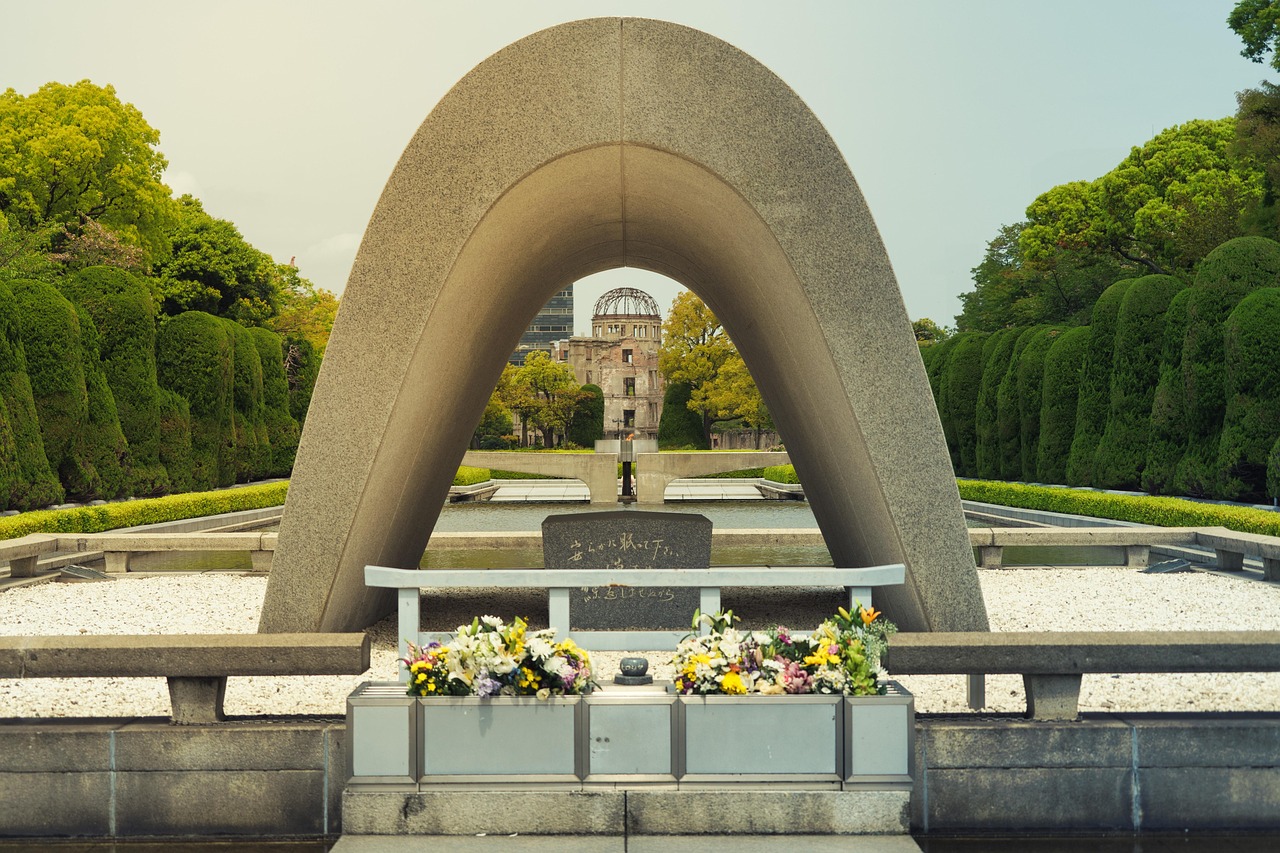
Walk the Peace Memorial Park monuments including the Children’s Peace Monument and Flame of Peace
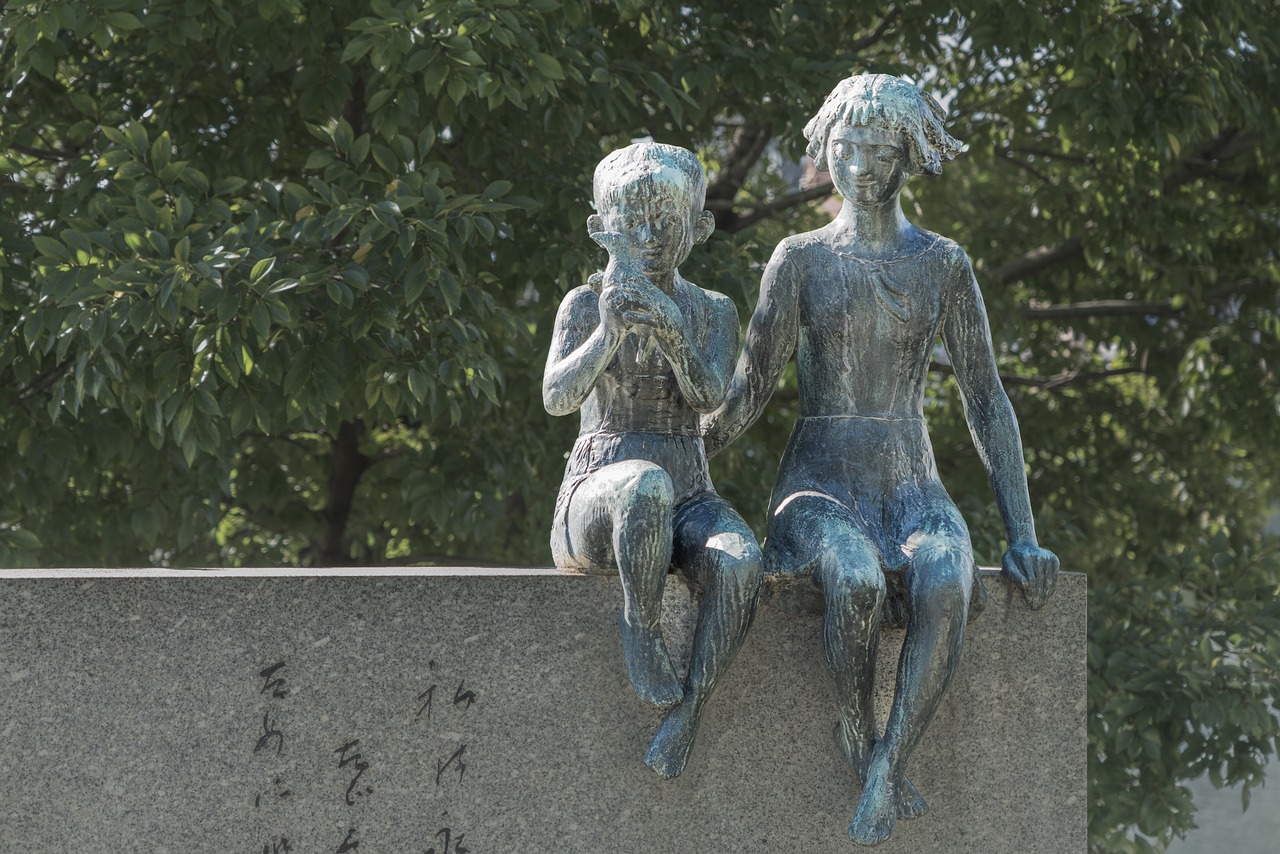
A Peace Memorial Park monuments Children’s Peace Monument Flame of Peace Hiroshima Japan walk is best approached as a calm sequence rather than a checklist. Start with the Children’s Peace Monument, then continue towards the Flame of Peace, allowing time to pause at smaller markers along the way. The peace park layout naturally encourages stillness; the river paths soften the city soundscape and help you stay present.
Each monument holds a different facet of remembrance—some are communal, some deeply personal. Together, they keep the atomic bomb victims visible, not as statistics, but as people whose absence shaped Hiroshima.
Monuments as a continuing call against nuclear weapons
The Flame of Peace carries a clear message: a commitment to a future without nuclear weapons. The language around the park is grounded and direct, avoiding theatrics. It’s a place where reflection becomes a quiet form of responsibility—one that doesn’t demand grand gestures, only honesty.
A common anecdote travellers share is the unexpected emotional arc: heaviness at first, then a surprising steadiness, and finally a sense of gratitude—gratitude for the ordinary day you’re living, and for the human capacity to keep choosing peace.
Local insight, volunteer learning, and respectful engagement
If you want deeper context, look out for volunteer guides and on-site learning options connected to international peace work at the centre. A good guide doesn’t rush you; they support your questions and help you uncover meaning without telling you what to feel. Keep your engagement simple—listen carefully, keep voices low, and avoid performative behaviour.
- Quieter moments: riverside paths often feel calmer than the central axis.
- Where to sit: benches facing the water offer a restorative pause between monuments.
- Small etiquette: let others step forward first, especially in narrow viewing areas.
Hiroshima peace memorial reflections Japan travel
The phrase Hiroshima peace memorial reflections Japan travel can sound tidy on a page, but the reality is messier—in the best, most human way. After Hiroshima, what many people carry is not a single lesson, but a quieter courage: the ability to look at difficult truths without turning away, and to keep moving through the world with steadier compassion.
You might notice it later, not immediately—on a train platform, in a conversation, in the way you read the news. The experience can unfold over days, not minutes, and it’s wise to trust your own pace. There is no “correct” reaction, only an honest one.
If you travel with others, speak about it with care. You don’t need to summarise the museum, or prove you understood everything. Sometimes it’s enough to say, gently, that it affected you—then allow silence to do its work. Understanding, in places like this, can be a lifelong process rather than a moment of completion.
And perhaps that is Hiroshima’s most enduring gift: it invites you to imagine future journeys designed with empathy, where curiosity and conscience travel together. Peace is not a slogan here—it feels crafted daily, through small choices, and through the way we hold other people’s stories with tenderness. The question that lingers is simple, and quietly demanding: what might you help preserve, simply by the way you live?
F.A.Qs: Hiroshima Peace Memorial Museum and Peace Park
Is the Hiroshima Peace Museum worth it?
Yes—if you’re willing to visit with care. The Hiroshima Peace Memorial Museum is deeply moving, expertly presented, and offers a personal lens on the A-bomb and its aftermath. Many visitors leave with clearer insight into the human cost of the bombing, plus a renewed commitment to peace. It’s not “enjoyable” in the usual sense, but it is meaningful, well curated, and respectfully done.
Can you visit where the bomb hit in Hiroshima?
You can visit key sites connected to the bombing, including the Atomic Bomb Dome area and the wider Peace Memorial Park. While the exact hypocentre is marked elsewhere in the city, most travellers focus on the peace memorial landscape around the Dome and museum, where remembrance is thoughtfully preserved. Walking these spaces offers a grounded sense of place without turning tragedy into spectacle.
Is there a dress code for the Hiroshima Peace Memorial Museum?
There’s no formal dress code, but modest, respectful clothing is strongly recommended. Comfortable shoes help, as you’ll likely walk through the park and stand for periods in the exhibition areas. Because this is a solemn peace memorial site, it’s wise to avoid overly revealing outfits or anything that could feel attention-seeking. Quiet behaviour matters more than fashion here.
How long should you spend at the Hiroshima Peace
Plan around 1–2 hours for the museum and nearby grounds, depending on how deeply you read and how often you pause. Some people move faster, but many visitors appreciate taking breaks to process the displays and testimony. If you’re travelling together, build in extra time for sitting by the river or walking the monuments slowly—those quieter minutes are often where the visit settles into meaning.