Post Contents
- Why the Hakone Open-Air Museum Feels Like a Must-Do Hakone Attraction
- Getting to the Museum From Tokyo: Odawara Station Connections and Easy Hakone Routes
- Explore Outdoor Sculpture Walks at the Hakone Open Air Museum: Symphonic Sculpture Highlights
- Gardens, Mountain Air and Moments to Relax in Hakone
- Picasso Pavilion, Play Sculptures and Visitor Facilities
- What Stayed With Me After Hakone
- F.A.Qs: Hakone Open-Air Museum visitor essentials
Why the Hakone Open-Air Museum Feels Like a Must-Do Hakone Attraction
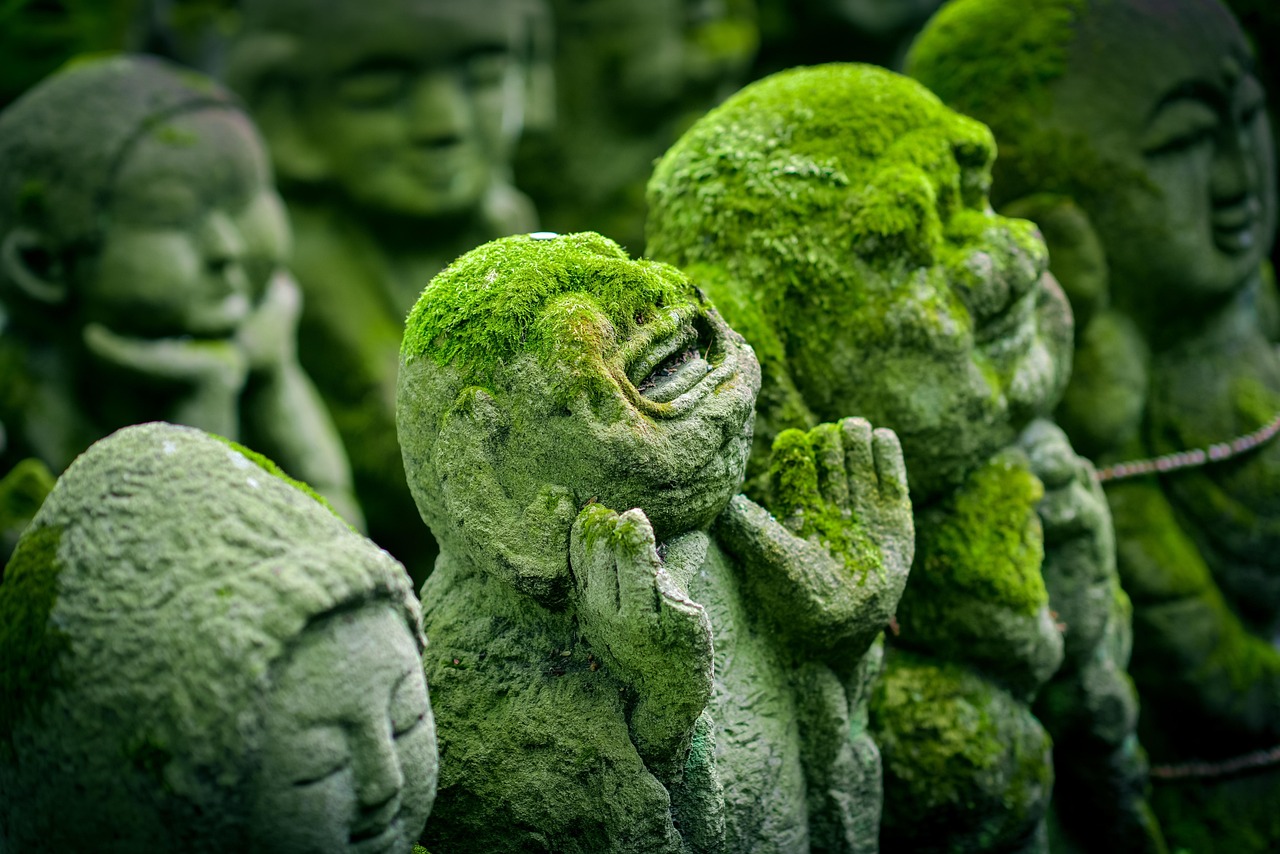
A first look at the Hakone Open-Air Museum in Hakone, Japan—an outdoor art experience set against mountain air
Your Hakone Open-Air Museum Japan day starts before you reach the first sculpture: crisp mountain air, wide paths, and an easygoing venue built for wandering. This museum blends an outdoor gallery feel with calm corners where you can slow down, take in the scenery, and follow your own pace—solo, as a couple, or with friends. It’s also an art museum that rewards curiosity rather than expertise.
It also has real heritage: the museum opened in 1969 and has grown into a spacious landmark on the ground of Hakone’s hillside parkland. What makes it work is the balance—clear wayfinding for first-time visitor confidence, plus enough open space to linger without feeling rushed.
One hundred and twenty works across lawns: sculpture, a famous sculptor legacy, and the surrounding mountains
The collection delivers on scale: you’ll see 120 pieces by modern artists, famous sculptors, and contemporary sculptors placed along lawns, paths, and gentle rises, framed by the surrounding mountains. The layout feels natural—each sculpture sits in conversation with the garden setting and the mountains of hakone, as if the landscape itself is part of the exhibition. You’ll notice how different angles and light change the experience as you move outdoors.
I still remember a quiet “wow” moment—sunlight filtering through trees, a towering form ahead, and the realisation that you don’t need specialist knowledge to enjoy contemporary work in an open-air museum. You simply keep walking, keep noticing, and let the museum meet you where you are.


Getting to the Museum From Tokyo: Odawara Station Connections and Easy Hakone Routes
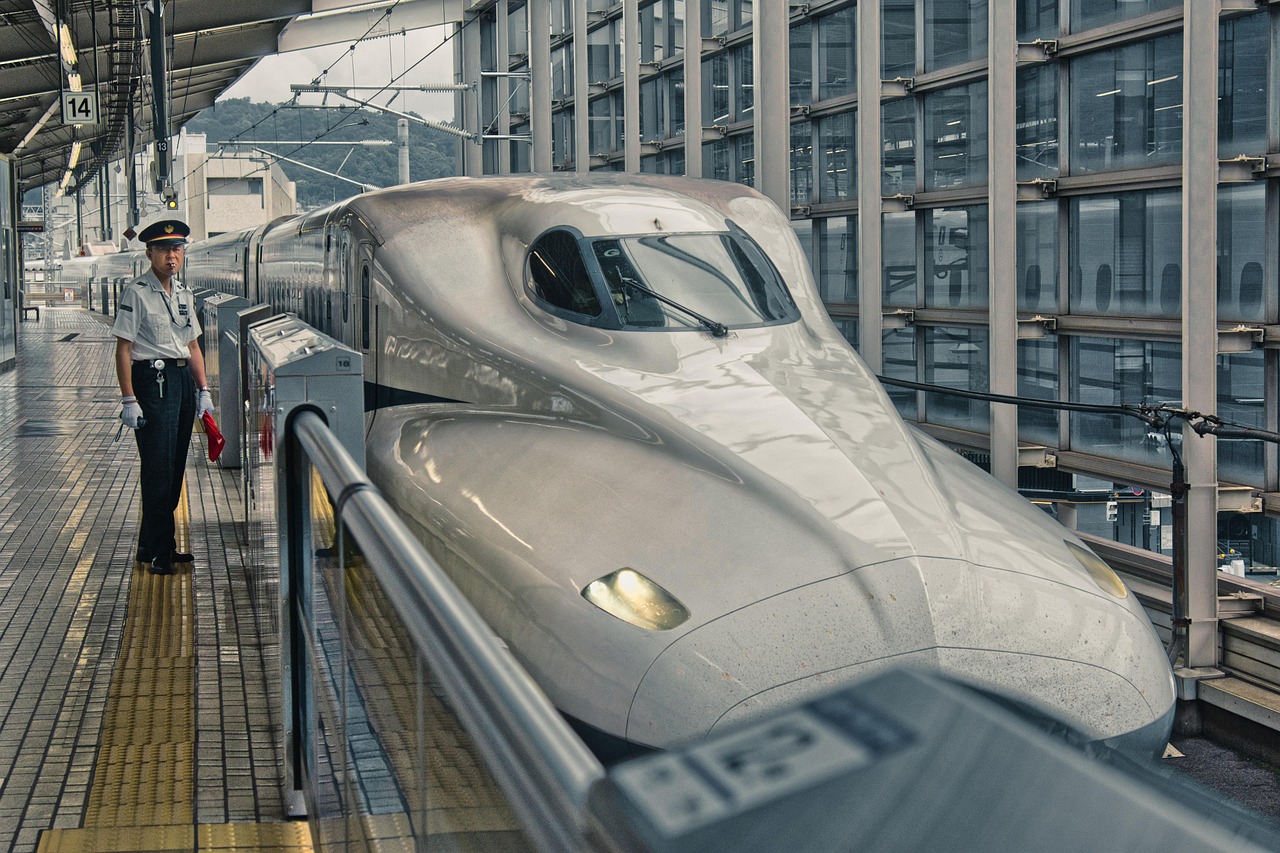
How to reach the museum from Tokyo, with simple rail connections into Hakone
Planning the trip from Tokyo is refreshingly straightforward, which helps if you’re fitting Hakone into a comfort-first Japan itinerary. A common route is from Shinjuku in Tokyo to Odawara Station, then onward into Hakone as the scenery shifts from city lines to green slopes and wooded hills. If you’re comparing transport bundles, the Hakone Free Pass can be useful for combining trains and local travel—check current conditions so it supports your itinerary rather than complicating it.
The train station walk: a short hop on the Hakone Tozan Line to the museum entrance
From Odawara, connect into the hills on the Hakone Tozan Line (Hakone Tozan) and step off at the nearby stop known locally as Chokoku-no-Mori—“mori” meaning forest. From the station area, it’s a short, well-signed walk to the entrance, and the wayfinding genuinely supports first-time visitor nerves—especially if you arrive early and want a calm start.
- Flexible alternatives: a local bus can help if you’re staying farther out or your train timing doesn’t align.
- When a taxi is worth it: if you have photography gear, shopping bags, or you’re travelling together in formal shoes after a hotel check-out.
- Plan ahead: if you’re continuing to Hakone Gora later, note that Gora Station can be busy at peak times, so build in a little buffer.
If you’d like to design the rest of your Japan journey around art, nature, and comfort, you can browse our Trip gallery for inspiration.
Explore Outdoor Sculpture Walks at the Hakone Open Air Museum: Symphonic Sculpture Highlights
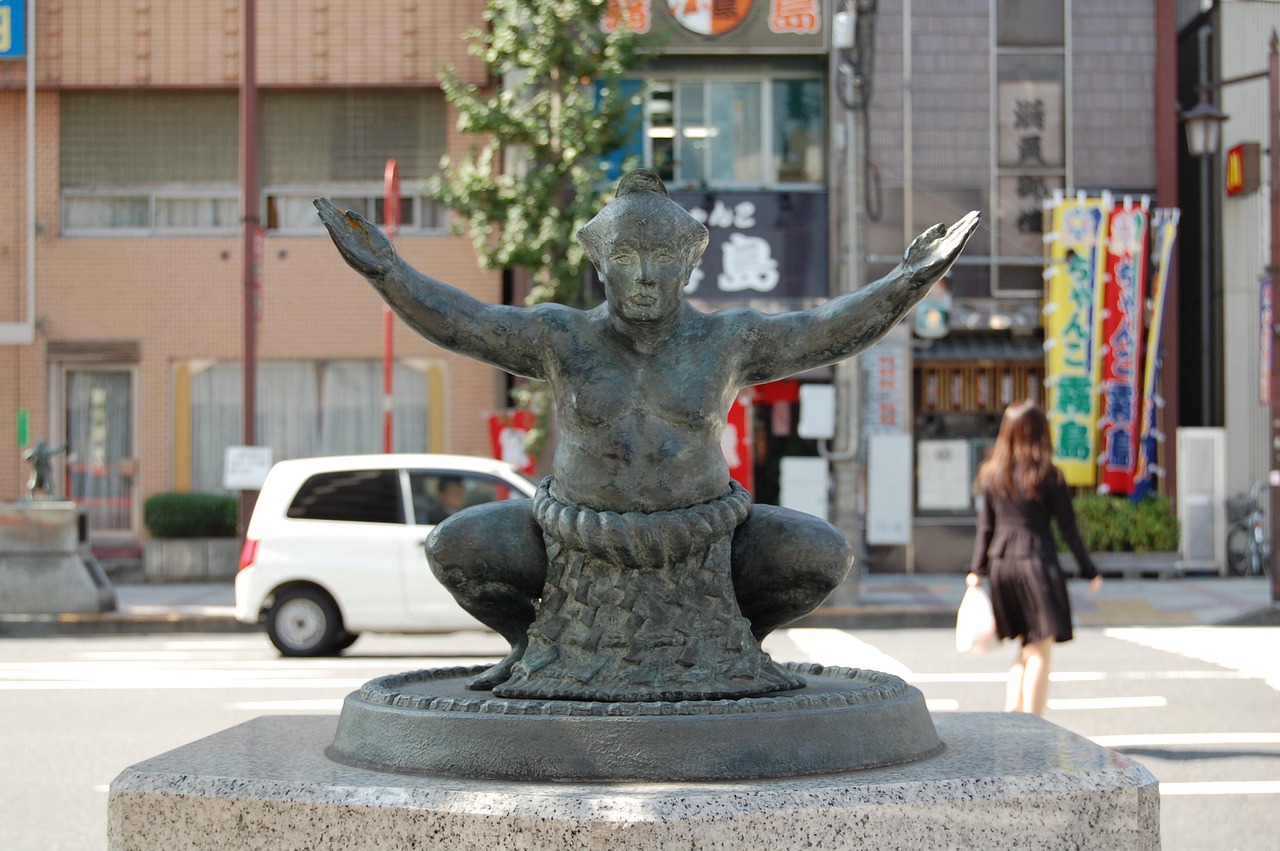
Outdoor sculpture paths and the Symphonic Sculpture experience at this Hakone museum
Days here feel best when you treat them like a designed loop, not a checklist. The museum grounds have gentle gradients and clear routes, so you can explore in a natural flow—pausing when a sculpture catches your eye, then continuing without worrying you’ve “missed” the good bits.
Kinetic sculpture, wind, and an outdoor exhibition that changes as you move
Some visitors get most captivated by kinetic pieces that respond to wind and movement; you don’t just look, you create a moment with the work. That’s the magic of this outdoor museum in Hakone: the mountain breeze becomes part of the exhibition, and your position—two steps left, a slow turn—changes what you see.
Why the Symphonic Sculpture is a must for visitors
The Symphonic Sculpture is an immersive highlight with a distinctly japanese spirit of participation. Moving through it becomes a little concert of colour, form, and perspective—more like stepping inside an idea than simply observing an object. Take your time, let others pass, and notice how the light shifts as you climb and descend.
Practical trail notes matter. Wear comfortable shoes, bring weather layers, and take care on damp paths after rain—Hakone weather can turn quickly on a mountain route, even when Tokyo feels stable.
Gardens, Mountain Air and Moments to Relax in Hakone
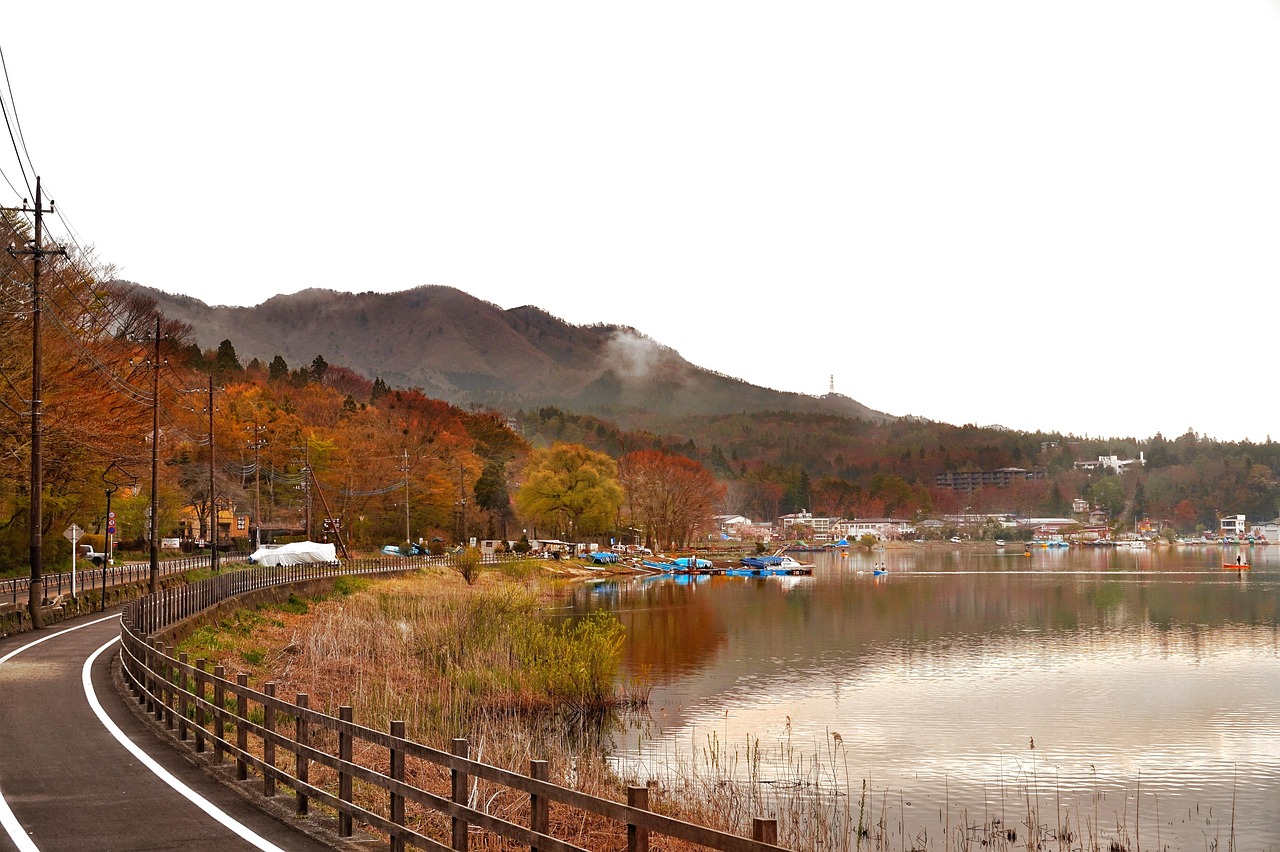
Garden paths and open lawns—where art and nature meet in Hakone
Garden moments are what elevate this museum from “great” to quietly unforgettable. The setting—part sculpture park, part botanical garden—feels like a living gallery, especially in spring blossom or the deep tones of autumn foliage.
Uncover the quiet with ponds, benches, and a slower stroll
To find the calm, drift toward the ponds and shaded benches where the soundscape softens. Many visitors describe a gentle shift away from urban urgency here—a personal reset that arrives when you stop trying to be efficient and start noticing the mountain air and trees.
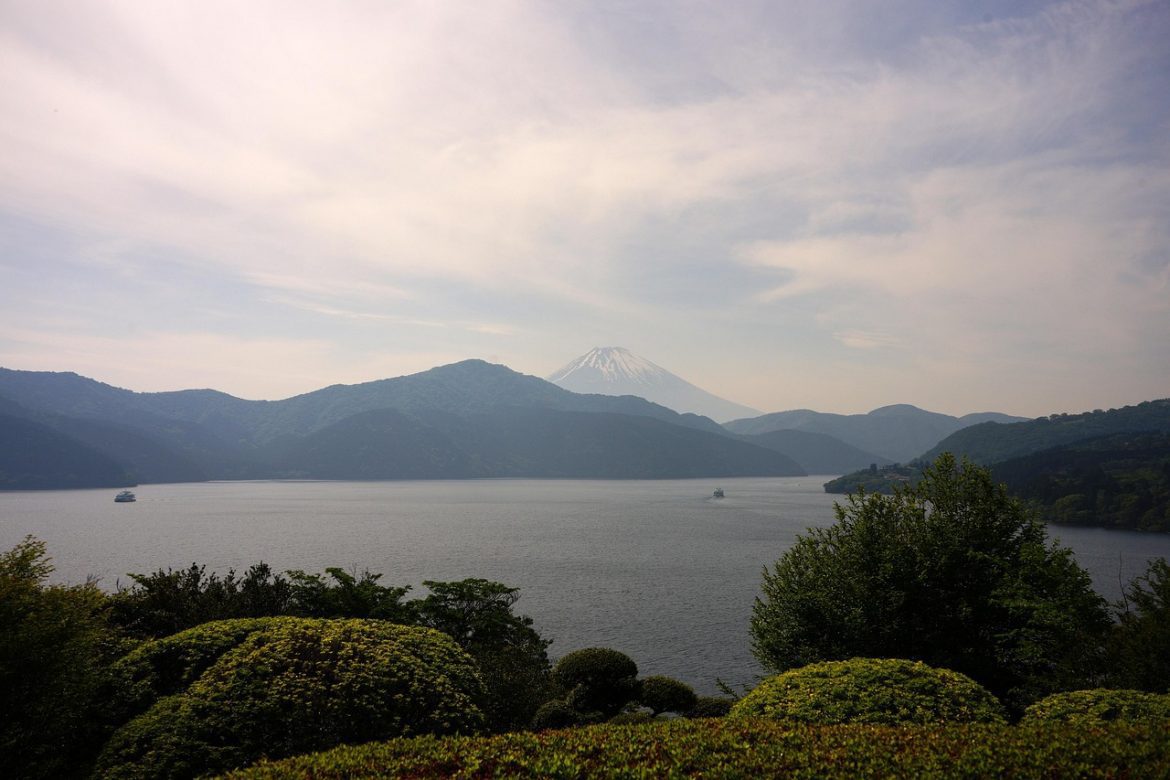
On clear days, mt fuji can be a hopeful possibility rather than a promise, and that’s a healthier way to hold it. If Fuji appears, it feels like a gift; if not, the landscape still offers a beautiful view worth your attention.
- Photo timing: softer light often arrives earlier in the day; afternoons can be bright on open lawns.
- Local care: keep voices low, follow paths, and don’t touch artworks unless indicated.
- Comfort: pack a light layer—temperatures can drop quickly in the surrounding mountains.
Picasso Pavilion, Play Sculptures and Visitor Facilities
Indoor spaces, family-friendly play sculpture, and essential visitor amenities
A good plan gives your day a smart rhythm—outdoor exploration, then an indoor reset. The Picasso Exhibition Hall anchors the experience with ceramics, painting, and other works by Picasso, making it ideal if the weather turns or you want a quieter mid-visit pause.
Picasso exhibition hall: ceramics, a curated Picasso exhibition, and stained-glass light
Inside, the Picasso exhibition rewards slow looking, even if you don’t consider yourself an “art person”. In some areas, colorful stained glass shifts the atmosphere in seconds, and a stained-glass glow can make the rooms feel like a gentle lightbox. Where available, venetian glass details add another layer of design-led beauty—quietly luxurious without shouting for attention.
Play sculpture areas and a creative playground for families
For families, the playground and play sculpture area is a standout: children can climb, invent stories, and learn through movement. It’s one of the few places where a museum day can feel hands-on and adventurous while still being respectful of the art.
Practical visitor notes: tickets are often around 1,600 yen for adults (with discounts for students and seniors), but do check current yen pricing before you go. This facility has lockers, restrooms, and staff assistance that’s easy to find, plus time well spent at the gift shop and the cafe. If you’re staying nearby, a ryokan can pair beautifully with the day—especially if you’re planning a hot spring soak later.
- Support details: clear signage and helpful staff make navigation simple for solo travellers.
- Etiquette: keep to marked areas and respect traditional japanese norms of calm, shared space.
- Afterwards: choose accommodation that suits your pace—whether a quiet hotel or a classic ryokan.
What Stayed With Me After Hakone
Reflection isn’t something you schedule; it’s what arrives later, when you realise the day changed your inner pace. I left the Hakone Open-Air Museum with a softer confidence—the sense that creativity doesn’t always demand explanation, only attention. The museum and the landscape felt seamless, as if the mountain had agreed to hold the artwork for a while and let visitors carry the feeling away.
One image returns most clearly: wind moving through a sculpture while water sat almost still in a pond nearby. It was ordinary and extraordinary at once, a reminder that the most meaningful Hakone travel moments are often quiet, not performative—moments you don’t need to share immediately to know they matter.
I also think about the human touch: travellers choosing care over haste, noticing local rhythms, and allowing themselves to explore with trust rather than pressure. Whether you arrived from Tokyo for a day trip or stayed overnight, Hakone has a way of helping you listen to your own imagination again.
Long after you’ve left the mountains, you may find you’re still looking for that same feeling—art in the open air, space in your thoughts, and the gentle question of what you might discover next, simply by walking a little further.
F.A.Qs: Hakone Open-Air Museum visitor essentials
FAQ essentials for planning a smooth day at this Hakone museum
Is the Hakone Open-Air Museum worth going to?
Yes—especially if you like culture with fresh air and movement. The museum blends outdoor sculpture with a mountain setting, so it feels active rather than formal. Highlights like the Symphonic Sculpture and the Picasso galleries add variety, and there are calm garden spaces when you want a slower pace.
Is the Hakone Open-Air Museum closed?
It isn’t routinely closed, but opening days and hours can change seasonally, and temporary closures can happen due to weather or maintenance. Check the official museum website shortly before you travel, particularly if you’re visiting in winter or during heavy rain periods in Hakone.
How much time do you need at the Hakone Open-Air Museum?
Allow at least 2–3 hours for a relaxed visit, especially if you want to explore the outdoor areas and spend time in the Picasso spaces. If you enjoy photography, travelling with children, or taking breaks for snacks and the gift shop, 4 hours can feel comfortably unhurried.