Post Contents
- Hokkaido travel guide: luxury travel packages to Hokkaido Japan for high-end travellers
- Hokkaido itinerary: planning a trip and the best time to visit Hokkaido
- Summer Hokkaido tour: Furano and Biei, lavender fields, and open-sky days
- Winter wonder: Sapporo Snow Festival, Niseko ski resort, and luxury Hokkaido travel
- Otaru–Hakodate Line: scenic train journey and attractions in Hokkaido
- Noboribetsu onsen: hot spring town calm, Ainu culture, Kushiro, Akan, and Shiretoko
- Visit Hokkaido: reflections on luxury, space, and this northern island
- F.A.Qs: planning a luxury trip to Hokkaido
Hokkaido travel guide: luxury travel packages to Hokkaido Japan for high-end travellers
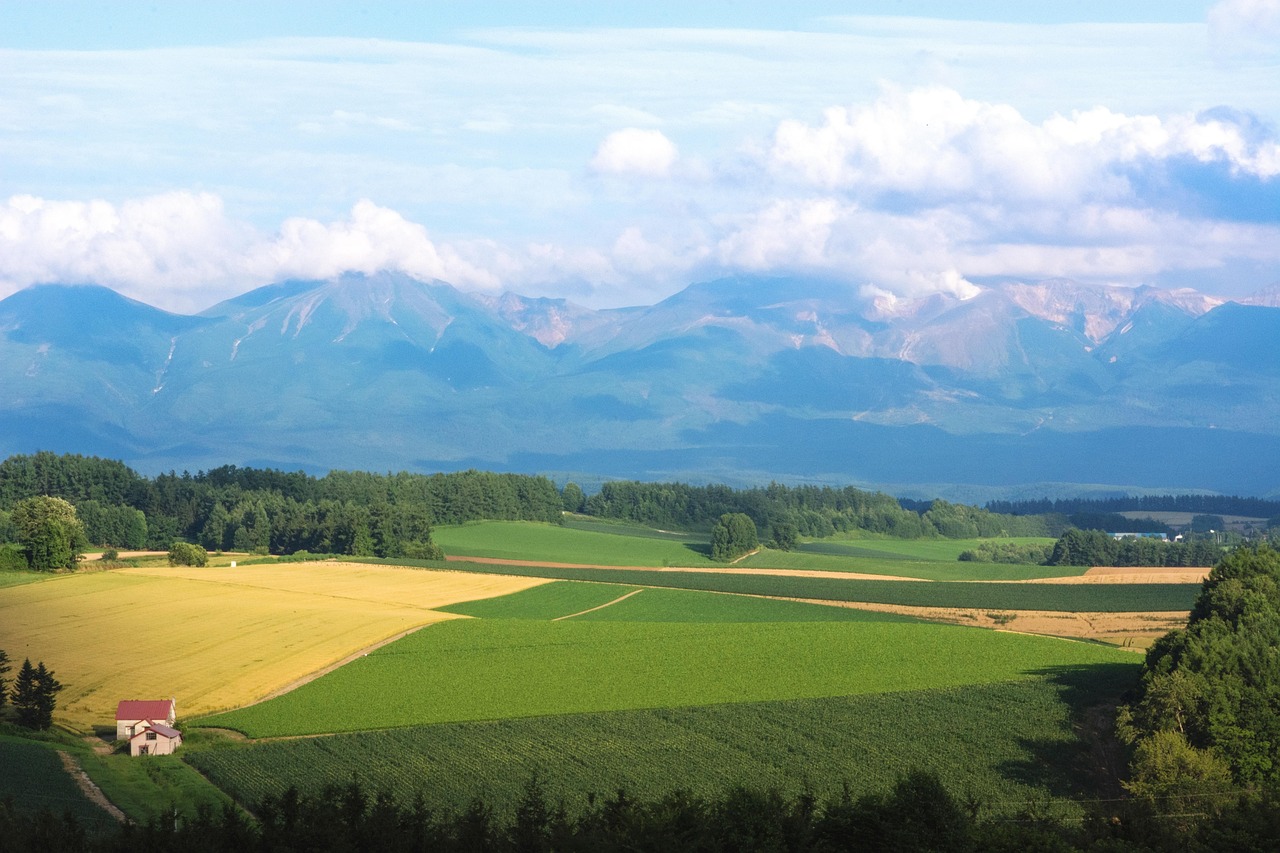
Hokkaido travel guide for high-end travellers across Japan’s northern island
If you’re considering travel packages to Hokkaido Japan, it helps to start with what makes Hokkaido island feel so different from the main islands. As Japan’s northernmost island and the second largest island, it offers cleaner air, wide-open scenery, and a naturally slower pace that feels like true luxury. For high-end travellers, that difference becomes the point: room to breathe, and time to notice the details.
Sapporo, the capital of hokkaido and the largest city, is a comfortable base to begin your trip to hokkaido with confidence. From here, we can connect Niseko, Otaru, Furano and Biei, Noboribetsu, Hakodate, and—if you’re curious—the eastern wilds around Kushiro. Rather than racing across the map, we’ll uncover the best hokkaido through a few thoughtfully chosen stays and a calm, well-paced itinerary.
Crafted vacation packages to Hokkaido: what luxury really looks like
For Designer Journeys, “crafted” means your comfort is protected in small, meaningful ways. Think private guides who read your pace, insider reservations at discreet counters, quiet-view rooms that frame the weather like art, and a resort in hokkaido that mirrors your style—whether that’s minimalist design, fireside warmth, or ski-in ease. The result is vacation packages that feel personal, not pre-set.
To support your imagination before you even arrive, start with our Trip gallery. It’s a calm way to picture how a seamless itinerary can feel—one that leaves space for spontaneity, without ever sacrificing trust.
Beautiful Hokkaido at a softer rhythm: cultural experiences without rushing
The best journeys here don’t try to “do” everything. They prioritise cultural experiences, seasonal nature, and relaxed luxury—so your days feel designed, not packed. Expect fewer hotel moves, more depth in each place, and an unhurried tempo that elevates small moments: a lingering breakfast, a late-afternoon stroll, an onsen steam hush.
As we go, we’ll keep your travel rhythm in mind—especially if you’re arriving from Tokyo or combining regions. Hokkaido travel is at its finest when it feels calm, curated, and reassuring from start to finish, with clear places to visit and plenty of breathing room.


Hokkaido itinerary: planning a trip and the best time to visit Hokkaido
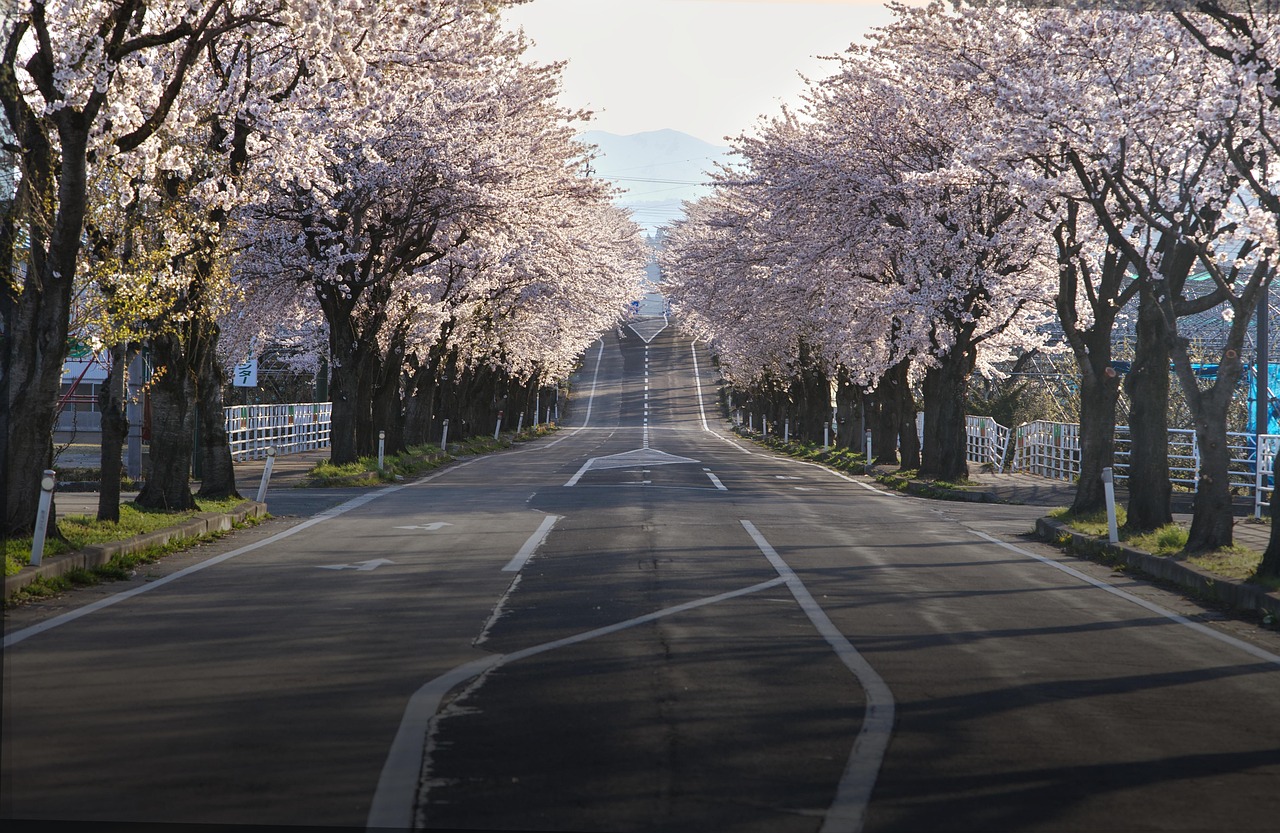
Hokkaido itinerary planning a trip by season with blossom-lined walks
For Hokkaido itinerary planning a trip is easiest when you choose a season first, then build the experiences around it. The best time to visit is July–August for Furano colour, comfortable hiking, and long evenings; and December–February for skiing, crisp snow days, and winter events in Sapporo. This single decision creates confidence—because it clarifies packing, hotel style, and how much travel time you’ll actually enjoy.
Seasonal insight: cherry blossom season to powder snow
Spring can feel like a secret, especially for travellers who want quieter roads and a more local atmosphere. The cherry blossom season arrives later here than in Honshu, and Daisetsuzan’s late blossom adds a gentle surprise for those who like soft light and cool air. Autumn brings golden forests and a calmer mood—ideal for design-forward hotels, slow dining, and landscape drives.
Arrival and transport: New Chitose Airport, private transfers, and the japan rail pass
Most luxury journeys begin via New Chitose Airport in Chitose, and the convenience of sapporo’s new chitose airport makes the first day feel easy. You can be in Sapporo quickly, then transition onwards with private transfers or rail—whichever best supports your pace. If you’re coming up from the south, rail links can connect back through tokyo train station for onward travel, though many travellers prefer to fly to protect rest.
For passes, a Hokkaido Rail Pass often offers better value once you’re staying within the region, while the japan rail pass can make sense if you’re threading multiple cities across Japan. For scenic days, trains bring a romantic calm; for countryside photography or families, a private car adds comfort and control.
- What to pack: layers year-round; for skiing and outdoor activities, add thermal base layers and proper eyewear.
- Premium rentals: in Niseko you can rent high-end skis and outerwear, with expert boot fitting and storage.
- Local etiquette: remove shoes indoors, keep quiet public behaviour, and follow onsen rules (wash first; no swimsuits).
With the season set and transport settled, your itinerary can feel both flexible and beautifully grounded—ready for the landscapes that make Japan’s northern island so memorable.
Summer Hokkaido tour: Furano and Biei, lavender fields, and open-sky days
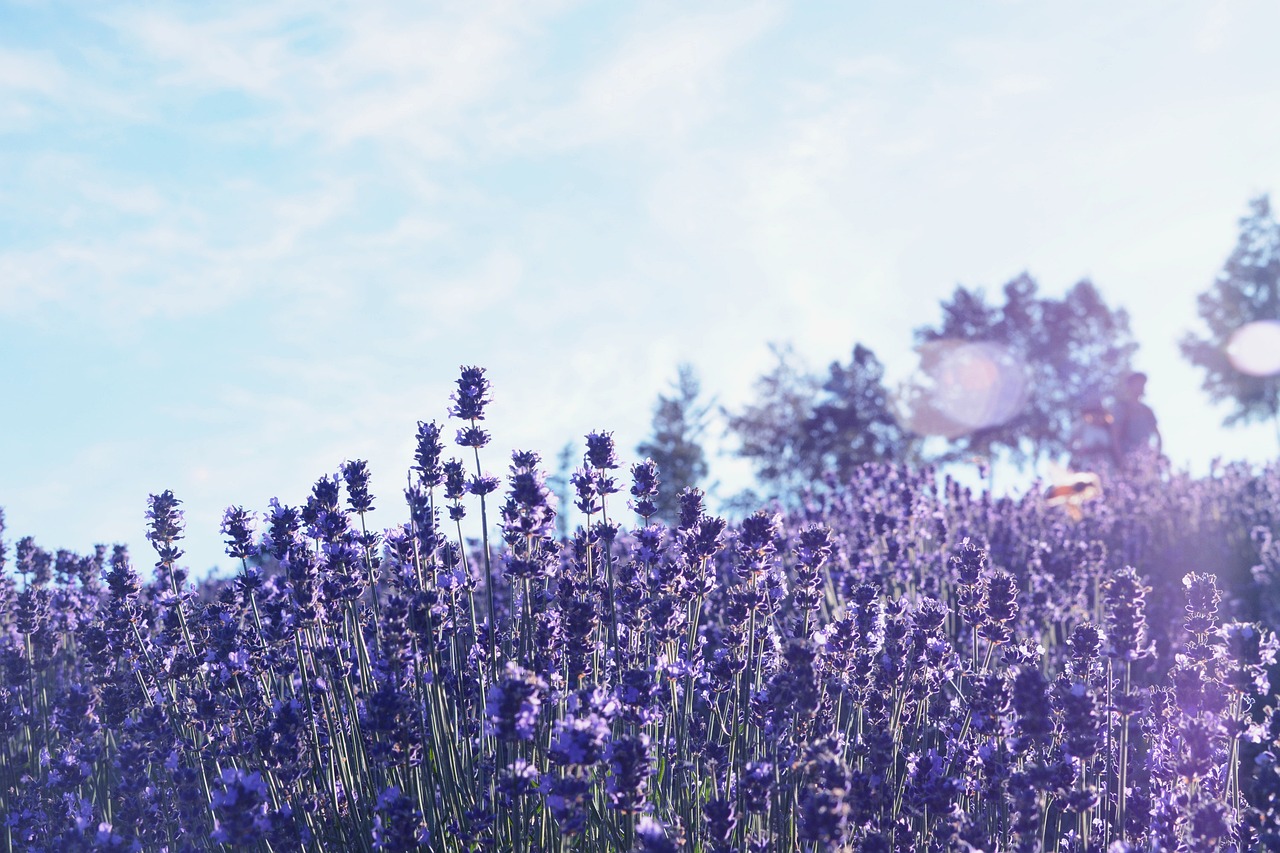
Summer Hokkaido tour through Furano and Biei with lavender horizons
For a summer escape, a Hokkaido tour through Furano and Biei is where colour, calm, and spacious skies meet. With a private driver or guided experience, you can design a day-by-day arc that prioritises unhurried viewpoints, local farm cafés, and golden-hour photography—without the rushed feeling that can creep into peak season. It’s also one of the most photogenic attractions in hokkaido for travellers who love landscapes.
Lavender fields and a once-in-a-lifetime sensory moment
The lavender fields are the centrepiece, and they’re more immersive than photographs suggest. One traveller we planned for described stepping into Furano’s purple rows and feeling the calming scent settle their shoulders—an unexpectedly personal moment of stillness. The vista was vivid, yes, but the real luxury was time: pausing, listening to bees, and letting the horizon do its quiet work.
To enjoy these summer scenes with less congestion, we’ll often recommend early starts and weekday visits, paired with a late lunch reservation when tour buses thin out. It’s a small adjustment that transforms the experience.
Asahikawa and Daisetsuzan: northern japan scale with calm hiking
To extend the landscape story, consider Asahikawa as a refined base—well-placed for countryside drives and calm evenings. From there, Daisetsuzan national park (often shortened to Daisetsuzan) offers alpine walks and, in some years, late blossom sightings that feel almost private. This is northern japan at its most expansive: crisp air, wide trails, and a sense of scale that resets your sense of time.
For stays, a boutique hotel can keep things modern and light, while a ryokan nearby adds atmosphere after a day outside. A thoughtful concierge can also create seamless picnic moments and book the right table for a restorative dinner—so you return from hiking to comfort that feels genuinely looked after.
Winter wonder: Sapporo Snow Festival, Niseko ski resort, and luxury Hokkaido travel
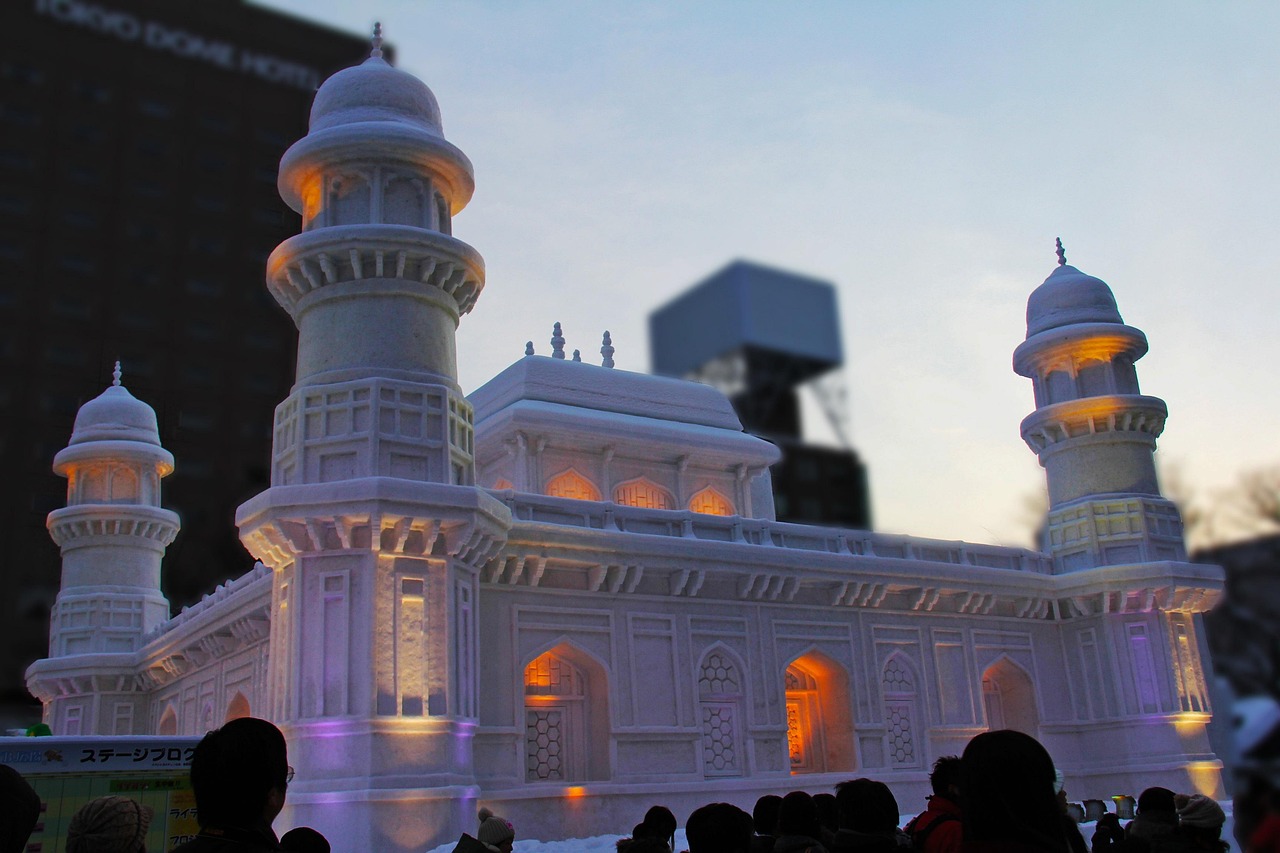
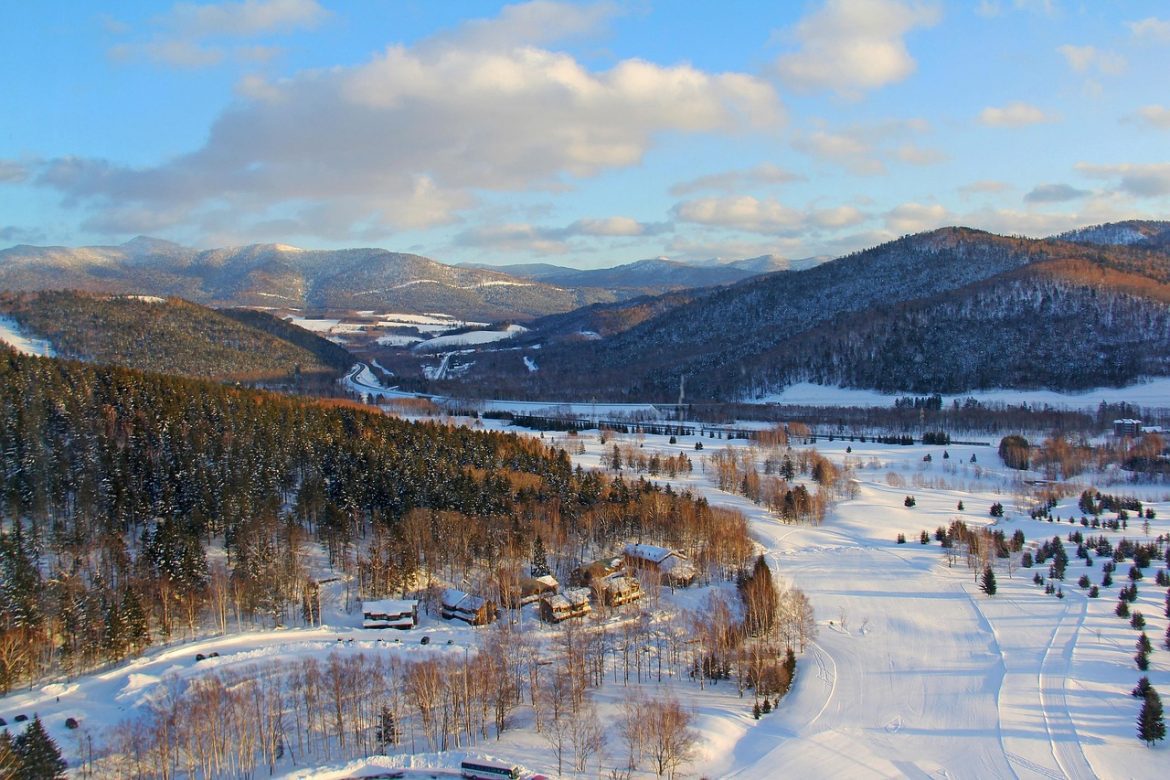
Winter wonder at the Sapporo Snow Festival with illuminated sculptures
In winter, the phrase “Winter wonder Sapporo Snow Festival Niseko ski resort luxury Hokkaido travel” stops sounding like marketing and starts feeling true. The annual sapporo snow festival transforms central Sapporo into a gallery of light, where the sapporo snow crunch underfoot and the snow festival held each year brings locals out in a calm, celebratory mood. Even if you’re not usually drawn to crowds, the atmosphere can feel surprisingly gentle—especially in the evening.
One guest told us that seeing the Sapporo Snow Festival after dark felt genuinely emotional: the city softened, the air sparkled, and the illuminated ice sculptures looked almost unreal against the deep winter sky. That “am I really here?” moment is why we love designing winter journeys for first-timers—because the experience is as reassuring as it is dazzling.
Between festival strolls, Sapporo remains wonderfully liveable: warm cafés, elegant hotel lounges, and a sense of easy navigation that supports relaxed exploration.
Niseko ski resort luxury: powder snow, private guiding, and recovery time
Niseko is the headline ski resort for a reason. The powder snow is famously light, and the infrastructure makes luxury feel effortless—ski-in, ski-out comfort, expert-led lessons, private guiding, and off-slope wellness that helps you recover well. A luxury traveller who stayed at a high-end resort praised the impeccable service, gourmet dining, and the ease of equipment fitting with valet storage; it felt like the mountain was doing the work for them.
- How we balance it: a few nights in Sapporo, then a smooth transfer to Niseko for longer slope days.
- Food with intent: a single market visit for fresh seafood at Nijo Market—Hokkaido crab and sea urchin—then back to refined dining.
- A simple winter ritual: an evening view near Sapporo TV Tower, followed by a quiet toast of Sapporo beer.
If you’re comparing resorts in japan, Niseko stands out for the blend of international polish and local warmth—high-end, yet human.
Otaru–Hakodate Line: scenic train journey and attractions in Hokkaido
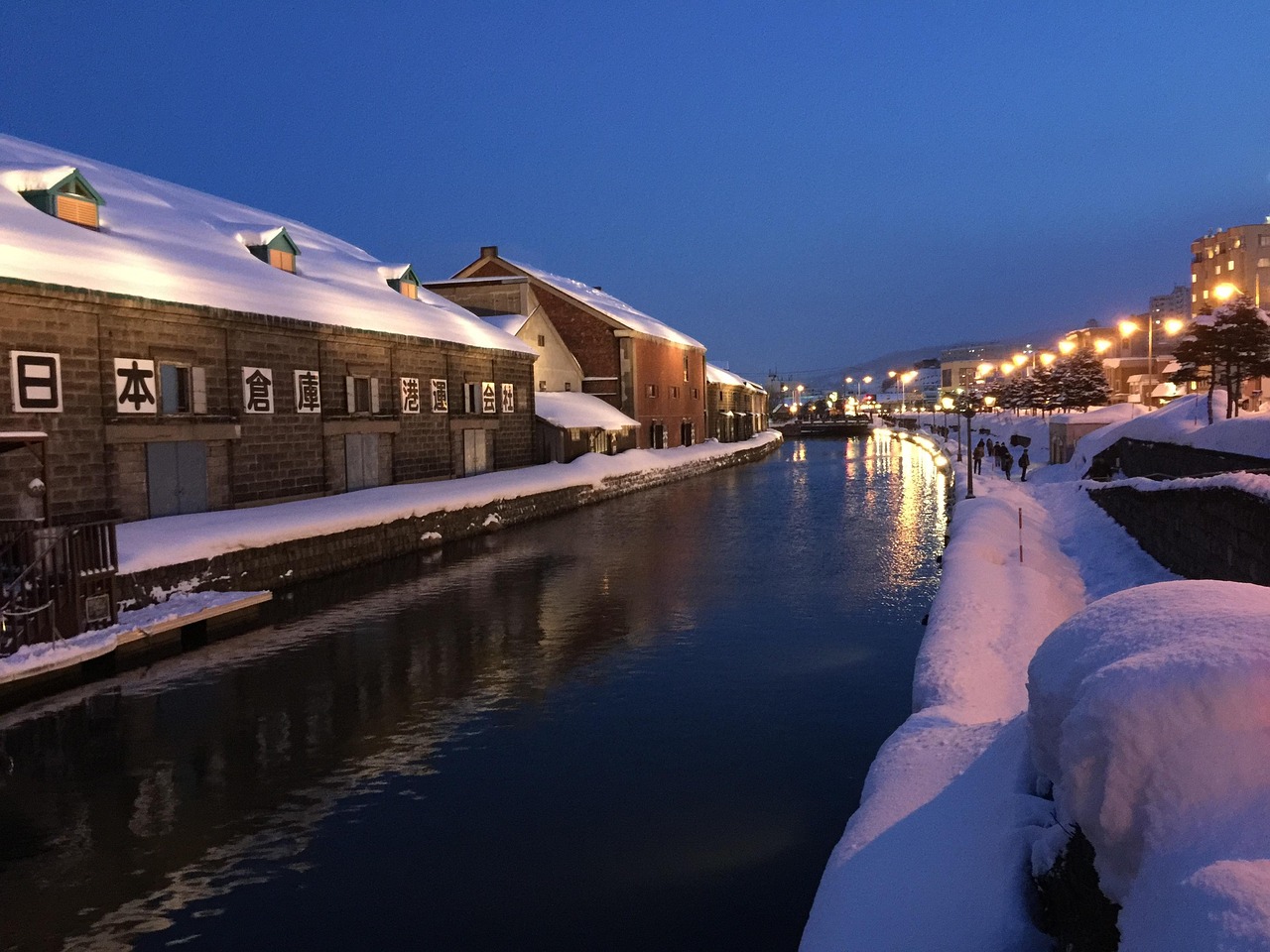
Otaru to Hakodate line scenic rail with coastal elegance in Hokkaido
For an Otaru Hakodate line scenic train journey, think of a coastal chapter that feels both refined and restorative. Otaru is a small harbor city with a nostalgic canal, beautifully made glasswork, and port-to-plate sushi that tastes impossibly clean. It works as a day trip from Sapporo, yet an overnight stay adds atmosphere once the lanterns come on.
Hakodate line romance: coastal views and travel that feels like the experience
The Hakodate line is a scenic train journey in the best sense: wide coastal views, a restful carriage rhythm, and a feeling that travel is part of the experience rather than a gap between highlights. For couples, it can feel quietly romantic; for families, it’s an easy way to move without managing winter roads.
Hakodate heritage: Meiji-era stories with design-forward comfort
Arriving in Hakodate, the evening views are the classic draw, but it’s the slower hours that often stay with you. A crafted itinerary might pair early morning market browsing with a relaxed afternoon in a design-forward hotel—then a simple walk through heritage streets that whisper of Meiji-era trade and international influences. This part of Hokkaido can feel like a gentle bridge between Japan’s past and its modern, minimalist style.
- Places to visit: Otaru canal at dusk, a private dining counter, and an early Hakodate view slot.
- Worth reserving: glassmaking sessions, a discreet sushi seating, and a photographer for coastal portraits.
A gentle budgeting note: premium dining here is worth planning for, but luxury planning also protects spontaneity—because the best tables are held with quiet confidence, not last-minute stress.
Noboribetsu onsen: hot spring town calm, Ainu culture, Kushiro, Akan, and Shiretoko
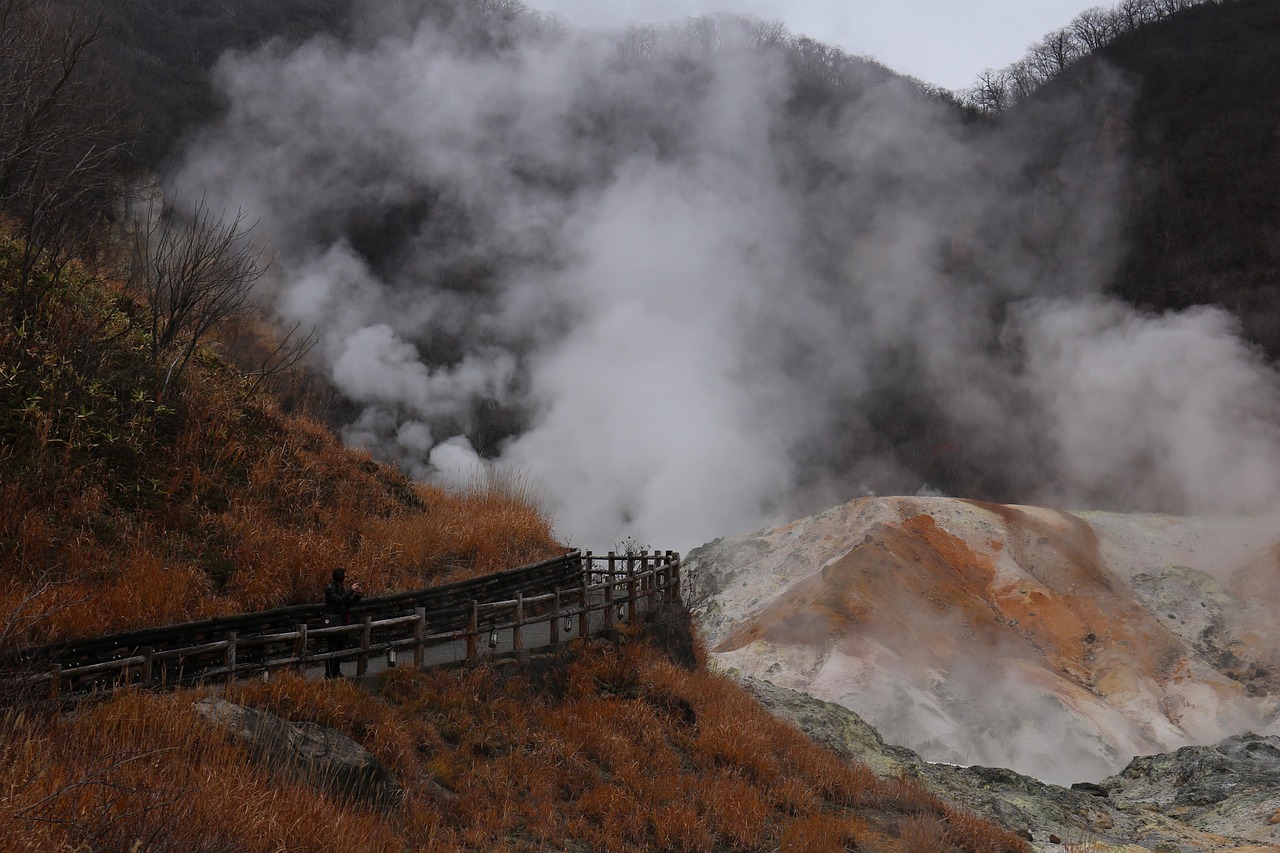
Noboribetsu onsen and Hell Valley volcanic landscapes for restorative Hokkaido travel
For travellers drawn to Noboribetsu onsen and the eastern wilds, this is the chapter where Hokkaido turns deeply restorative. Noboribetsu is a famous hot spring resort with a hot spring town feel, shaped by volcanic landscapes and natural hot springs fed by geothermal forces. It’s an ideal pause between cities—a place to sleep well, soak slowly, and let your body catch up with your senses.
Hell Valley (Jigokudani): volcanic drama and privacy-first hot spring baths
The landmark landscape here is Hell Valley (Jigokudani), where steam rises from the earth and the colours feel otherworldly. When choosing a hot spring resort, many high-end travellers prefer private hot spring baths for privacy and calm—especially if they’re new to onsen etiquette or simply want silence after a busy week. It’s also where “natural hot” water truly means something: mineral-rich, warming, and gently grounding.
Ainu culture and the eastern wilds: Kushiro, Lake Akan, Shiretoko Peninsula, and Abashiri
One visitor described their Noboribetsu Onsen stay as quietly transformative: early mornings with empty corridors, therapeutic waters, and a sense of care away from tourist crowds. From that calmer base, you can add cultural depth with a single focused visit to learn about the Ainu at an Ainu Museum, guided with sensitivity and respect for ainu culture, art, and tradition.
If you want to uncover wilder Hokkaido, we can sketch an eastern extension that feels seamless with private logistics: Kushiro wetlands for open skies, Akan and lake akan for forested shores, the shiretoko peninsula for raw coastal nature, and Abashiri by the sea of okhotsk for a bracing, beautiful edge-of-the-map feeling. In the far northeast, Shiretoko and nearby Shari can feel like the northernmost island of hokkaido at its most untamed—best experienced with expert planning, warmth, and trust.
- Quiet luxury tip: choose ryokans with private bathing options and thoughtful in-room dining.
- Ease factor: let drivers and guides handle timing so you can simply explore and exhale.
Visit Hokkaido: reflections on luxury, space, and this northern island
To visit hokkaido is to notice how space changes you. It’s the northernmost air that feels newly rinsed, the wide horizons that make your mind slow down, and the way time stretches when the days are designed with care. Long after you’ve left Sapporo behind, you may still remember the softness of snow underfoot, the sea air along the coast, and the scent of summer fields carried on a light wind.
What stays with you is rarely the grand moment alone. It’s the warmth of local encounters, a quiet nod from a hotel team who seemed to understand your rhythm, and the hush of onsen steam when the world outside feels far away. Luxury here isn’t about excess; it’s about trust, pace, and being held gently in a vast landscape on the northernmost island.
And then there’s the return—quiet, unhurried, and surprisingly tender. You unpack, you carry on, and yet a part of you keeps wandering back to this northern island, wondering what it might feel like in another season, when curiosity is ready to unfold again.
F.A.Qs: planning a luxury trip to Hokkaido
Which month is the best time to visit Hokkaido?
It depends on what you want most. July is ideal for Furano colour and comfortable countryside touring, while February suits skiing and the snow festival in Sapporo. If you prefer fewer crowds, late spring can bring a quieter cherry blossom season feel, and early autumn offers crisp air and golden landscapes.
Is $10,000 enough for a trip to Japan and Hokkaido?
For a well-crafted luxury journey, $10,000 can be enough for a shorter trip or for travelling as a couple with thoughtful choices, but peak winter ski weeks and premium dining can raise costs quickly. Prioritise what matters most—exceptional stays, a private guide on key days, and a calmer route—then build around that.
Can you fly directly to Hokkaido via Sapporo’s airport?
Yes. Many travellers fly into sapporo’s new chitose airport, which serves Sapporo and has direct international connections in certain seasons, plus excellent domestic links via Tokyo and other hubs. From the airport, fast trains and private transfers make it straightforward to reach Sapporo, Niseko, or onwards to regional towns.
How long is a bullet train from Tokyo to Hokkaido?
The fastest shinkansen services from Tokyo to southern Hokkaido (Shin-Hakodate-Hokuto) typically take around four hours, then you’ll add onward travel time to reach Hakodate city or continue towards Sapporo. Many luxury travellers mix rail with a short flight to protect downtime, depending on their route and season.