Post Contents
- Beaches in Japan: Choose the Best Beach with Confidence for Luxury Travel Planning
- Okinawa Emerald Beach: a Beautiful Beach in Japan to Explore, Swim, and Snorkel
- Okinawa Prefecture Island Design: Ishigaki Island, Kabira Bay, and Miyako Island
- Shirahama Beach in Wakayama Prefecture: White Sand, Hot Spring Resorts, and an Easy Escape
- Kamakura Beaches Near Tokyo: Surf, Culture, and a Refined Day Trip
- F.A.Qs: Beaches in Japan for Luxury Travellers
- What Stayed With Us After Japan by the Sea
Beaches in Japan: Choose the Best Beach with Confidence for Luxury Travel Planning
Beaches in Japan: Choosing Your Best Beach with Confidence for Luxury Planning
When travellers search for beaches in Japan with a luxury lens, what they’re really asking is simple: which shore will feel effortless, beautiful, and aligned with who they are on holiday. The country’s main islands stretch from the Sea of Japan to the Pacific, with the Seto Inland Sea offering a calmer, island-studded middle ground. With the right design, you can pair blue-water days with dining, privacy, and local insight—without losing time to uncertainty.
For high-end travellers, the best beach isn’t only a view. It’s clear blue water when conditions allow, a refined resort nearby, and an arrival that feels cared for from the first greeting. It also means choosing the right destination for your rhythm—morning snorkelling, a gentle dip, a surf lesson, or a quiet scenic retreat where the coastline does the talking. For some travellers, the beach is best at dawn, before the day fully begins.
How to choose among the best beaches in Japan based on your travel style
Start with a quick geography compass. Okinawa and the Okinawa chain are where you’ll find the most consistent tropical colour—turquoise waters, coral reefs, and warm evenings that invite you outside. On mainland Japan, the mood leans culture-forward: temple visits by the sea, scenic viewpoints, and elegant hot spring stays where the beach near your ryokan becomes part of a slower, more restorative day.
If you’re travelling from cities like Tokyo, decide whether you want a short coastal getaway or a dedicated island week. Your ideal beach depends on season, mobility preferences, and your appetite for activity. We also recommend saving a few hours for spontaneity—coastal towns around Tokyo often reveal their charm in small, unplanned moments.
Swimming season, safety tips, and the support that builds confidence
In much of Japan, swimming season runs from early summer into late summer, but sea conditions can change quickly, and certain beaches may have rip currents. Before you go swimming, check whether beaches are open, read posted flags, and confirm lifeguard hours—especially if you’re travelling with family or planning longer water times. If you’re new to Japan travel, a private guide or a trusted hotel concierge can add calm, from local etiquette to simple logistics.
- Design for ease: pre-book transfers, towels, and a late check-out so the day feels unhurried.
- Read the sea: ask locals about wind and tides before choosing beaches for swimming.
- Travel with care: keep the beaches clean, use quiet voices, and respect shared spaces.
If you’d like a visual starting point for a crafted itinerary, browse our Trip gallery and imagine how beach days could sit beside art, onsen, and the countryside—together, seamlessly.


Okinawa Emerald Beach: a Beautiful Beach in Japan to Explore, Swim, and Snorkel
Okinawa Emerald Beach: a Beautiful Beach in Japan to Explore and Snorkel
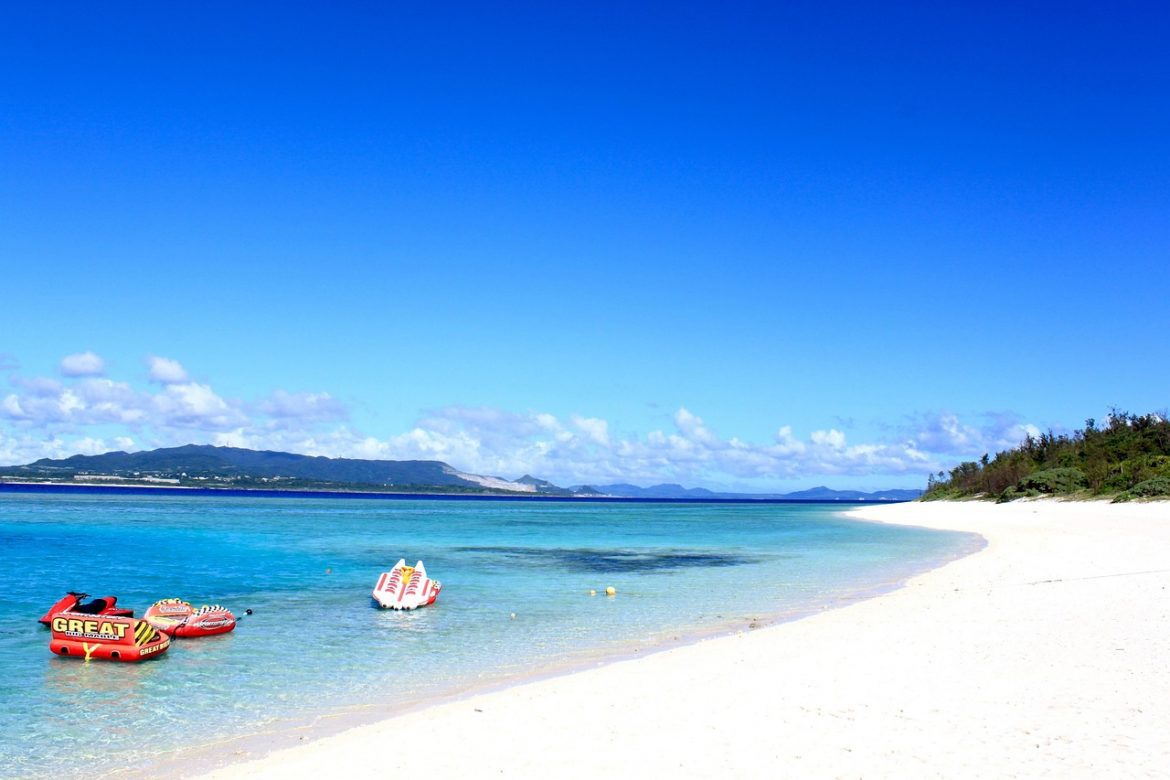
For many travellers, Emerald Beach on the Okinawa main island is the moment they understand why Okinawa ranks among the best beaches in Japan. Here, the sea reads as layered blue waters—soft aquamarine at the edge, deepening into richer tones as the day brightens. It’s a beautiful beach for swimming and sunbathing, with an easy holiday mood that still feels unmistakably Okinawan. If you want a straightforward first stop, it’s a smart destination and an excellent beach in Okinawa for relaxed, first-time visitors.
Emerald Beach is also a gentle entry point into Okinawa’s marine world. With the right operator, you can explore reef life in a way that feels respectful and safe, balancing wonder with conservation. If you’re travelling as a couple, it’s the kind of place where time slows naturally—one long swim, a shaded drink, then an early dinner with sea air still on your skin at a nearby resort.
Snorkel respectfully: coral reefs, visibility, and guided confidence
Snorkelling and diving here can be extraordinary, but coral reefs are living ecosystems and need thoughtful visitors. Choose an expert guide who briefs you clearly, keeps group sizes small, and prioritises reef health over rushed itineraries. Visibility varies day to day, so a good operator will adjust the plan with confidence—sometimes the best choice is a sheltered cove rather than open water for a calmer snorkel.
Pack reef-safe sun protection, and avoid touching coral or standing in shallow areas. These small decisions create a better experience for everyone, and they’re part of travelling with care—quietly, locally informed, and grounded in respect.
When to visit Okinawa: festivals, seamless arrival, and sunset moments
The best time to visit Okinawa is typically May to October, when the sea is warm and festivals add colour to evening streets. Weather can shift quickly, though, so build your days with flexibility and trust the local forecast. Arrive via Naha Airport, then let luxury transfers take over—your resort check-in should feel seamless, not transactional.
- For calm water: ask your concierge which beaches are most protected from wind that week.
- For ease: pre-arrange a private car and luggage support so you can start relaxing immediately.
- For a personal pace: plan one “nothing booked” morning to explore at your own pace.
One evening, a traveller told us about a private sunset cruise off the coast of Okinawa. As the light thinned into gold, sea turtles moved beneath the boat in unhurried arcs, visible through the water, while premium sake was poured with quiet ceremony. It wasn’t the itinerary that stayed with them—it was the feeling of being held by the moment.
Okinawa Prefecture Island Design: Ishigaki Island, Kabira Bay, and Miyako Island
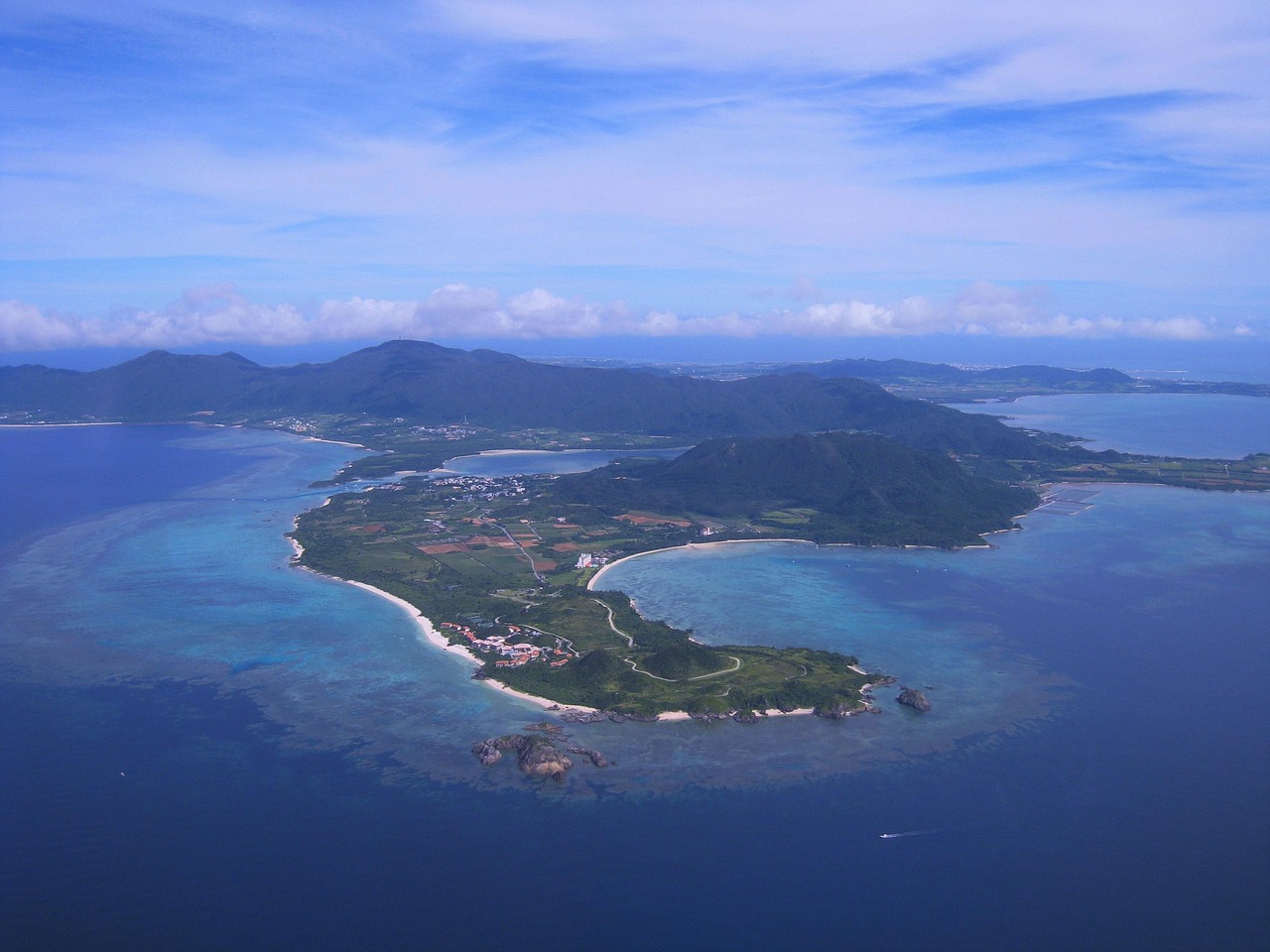
Okinawa Prefecture Island Design for Ishigaki Island, Kabira Bay and Miyako Island
If you’re searching for Okinawa Prefecture itineraries for Ishigaki Island, Kabira Bay, and Miyako Island, you’re already thinking like a designer. The Okinawa Prefecture rewards travellers who create an island-hopping circuit that’s short, elegant, and low-friction—especially when flights and ferries are chosen with care. Rather than racing across islands, use Okinawa as your gateway and avoid trying to see every island in one trip; it’s better to build a rhythm that feels personal and unforced.
For high-end travellers, we often suggest a two-island pairing rather than trying to cover everything. A few nights on Ishigaki for scenic icons and local cuisine, then a shift to Miyako for beach time that feels almost dreamlike. With concierge support, private boat options, and tailored dining, the logistics disappear and the days feel wonderfully simple—and you’ll still have time to consider a quiet extension such as Amami Oshima if you’re craving something even more low-key.
Ishigaki and Kabira Bay: the picturesque attraction to time perfectly
Ishigaki is a favourite for travellers who want variety—reef lagoons, viewpoints, and restaurants that celebrate island produce. Kabira Bay is the attraction everyone photographs, but timing matters: visit in the morning for softer light and calmer seas, then return later for a different mood. A private guide can point out quieter vantage points and help you experience the bay respectfully when it’s busy.
When the breeze rises, the colour can become even more dramatic—layered greens and blues that feel almost painted. This is a picturesque and scenic stop where you don’t need to do much at all; you simply arrive, breathe, and let the view settle.
Miyako Island: white sand, waters ideal for a relaxed swim, and smart safety
Miyako Island is where white sand becomes a daydream—soft underfoot, bright in the sun, and gentle on early morning walks. Not every beach is ideal for swimming every day, especially when winds pick up, so ask your resort team which swimming beaches feel safest that morning and where the waters are ideal for a calm float. Do stay alert for strong currents in exposed areas, and choose protected bays if you’re travelling with less confident swimmers; Miyako is also an island in Okinawa where conditions can change quickly.
- Private boat charters: ideal for discreet snorkel stops and unhurried beach time away from the busiest sands.
- Tailored tasting menus: a simple way to make the evening feel crafted without overplanning.
- Reef-first operators: choose teams that limit numbers and brief clearly on coral etiquette.
With the right planning, these islands feel like a single, coherent escape—each transfer anticipated, each day designed to protect your time. That’s the luxury: not excess, but ease you can trust, with several quieter ones in Okinawa available for day trips when you want privacy.
Shirahama Beach in Wakayama Prefecture: White Sand, Hot Spring Resorts, and an Easy Escape
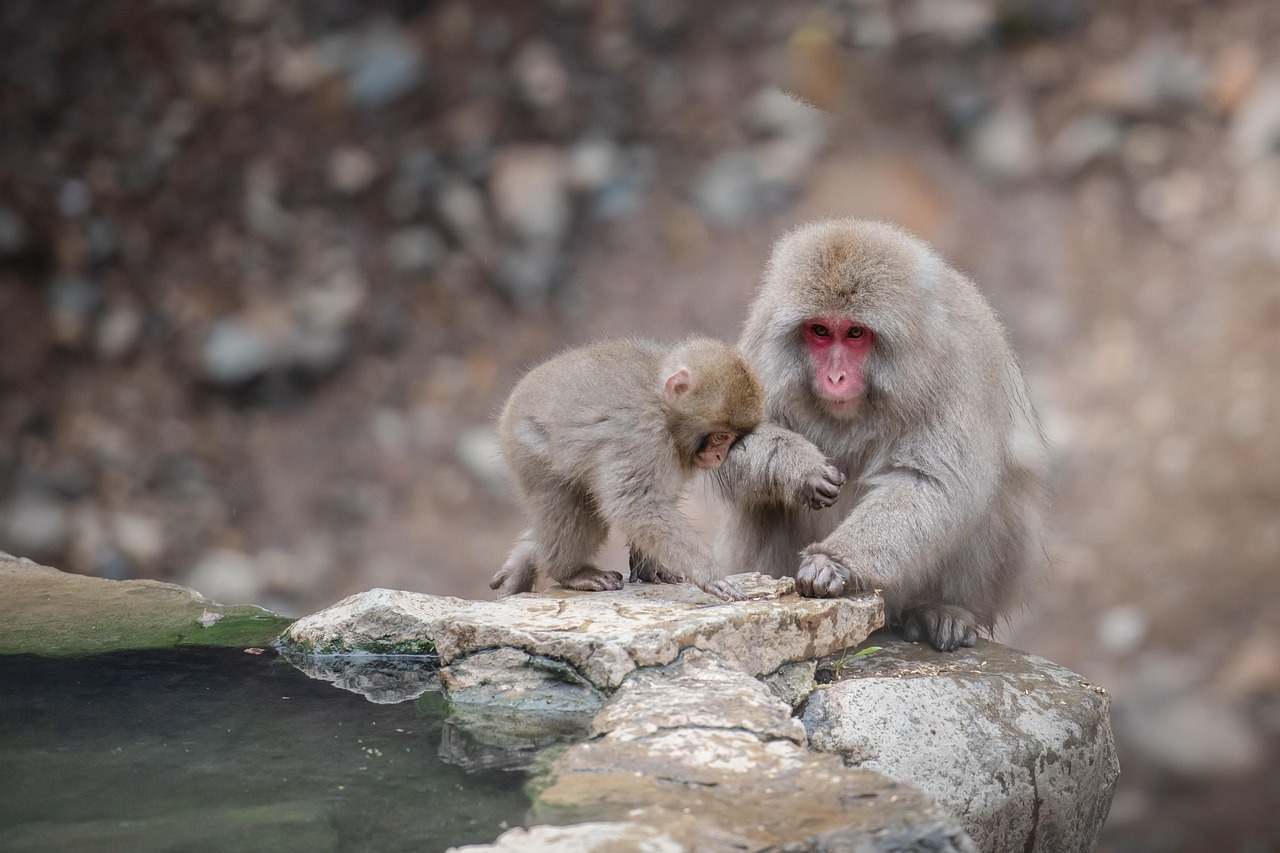
Shirahama Beach in Wakayama Prefecture and Mainland Japan Hot Spring Resorts
The search for Shirahama Beach in Wakayama Prefecture is often a search for softness—sunlit shallows, refined stays, and a coastline that feels easy to access. This popular beach is known for bright white sand, calm water on good days, and facilities that make day-tripping or lingering feel comfortable. It’s also one of the most satisfying sandy beaches on the country’s main islands, with a shoreline that is close to a kilometre long and designed for leisurely walks.
What elevates Shirahama is how naturally it pairs sea time with thermal bathing. After a swim, you can return to an onsen hotel, change into a yukata, and let the day melt into steam and quiet conversation. For couples, it’s a gentle getaway that feels both easy and special, especially when you choose a hotel with a spa-grade hot spring.
Onsen pairing: hot spring resorts and a beach near your ryokan
Staying at hot spring resorts with a beach near your room changes the whole tone of the trip. You can begin with a walk on sand, then end with a soak that resets your body after travel. Etiquette is simple: rinse before entering, keep voices low, and move with consideration—these are shared spaces built on trust and calm.
For more privacy, many upscale ryokans offer reservable bathing times or in-room tubs. A honeymoon couple once shared how their serene mornings began with barefoot walks along Shirahama’s shoreline, followed by exclusive spa treatments—no hurry, no noise, just togetherness and care.
Getting to Shirahama from Osaka—and expanding your list of beaches
From Osaka, Shirahama is reachable by limited express train, then a private car for the final stretch—an approach that keeps the arrival seamless. If you want to broaden your list of beaches, consider the Seto Inland Sea for scenic island crossings, or head south towards Kyushu (including Kagoshima) for a different coastal character. Shikoku (including Kochi) can deliver quieter sands and a more local pace, ideal for travellers who value space across Shikoku and Kyushu.
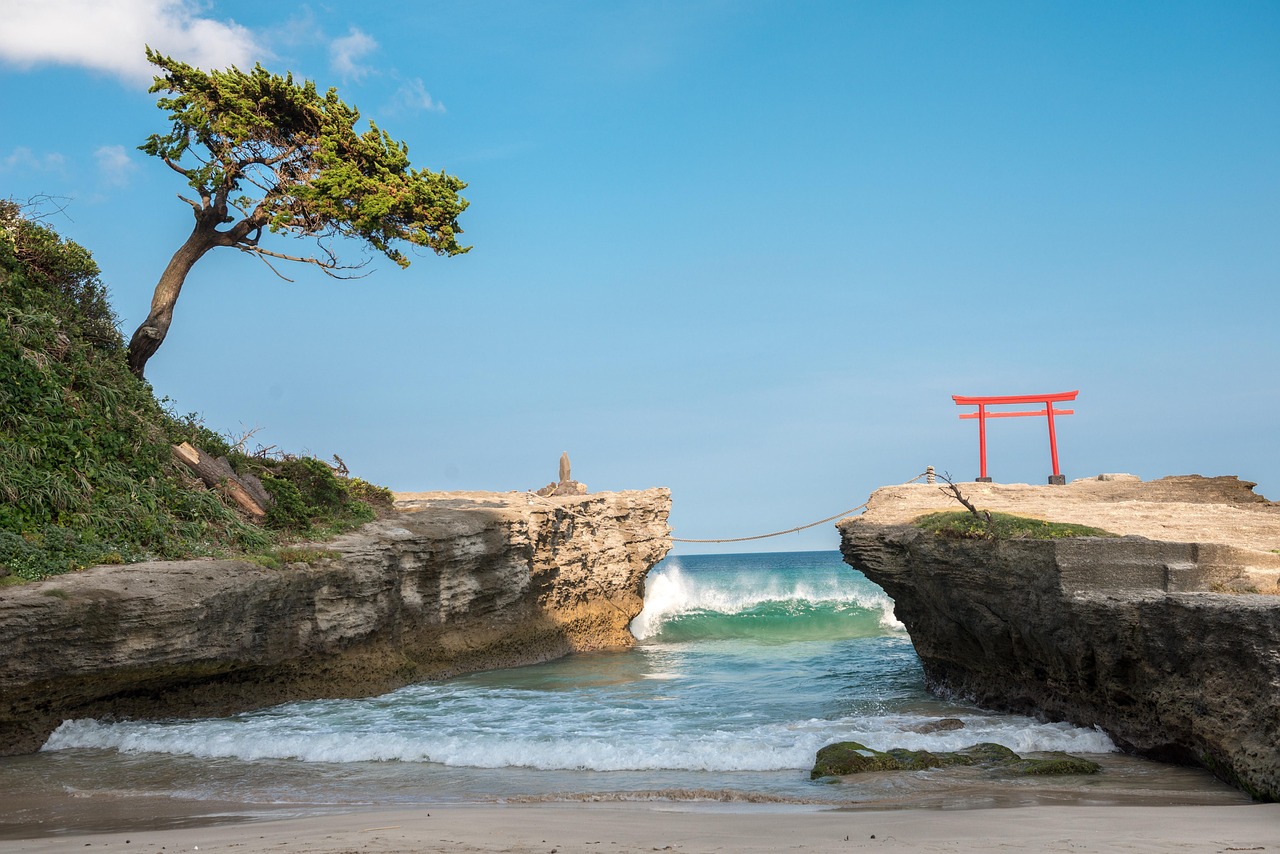
For a northern contrast, the Tohoku region offers a striking alternative: Jodogahama, with Jodogahama Beach set along the Sanriku coast, feels dramatic and sculptural rather than tropical. It’s a scenic beach choice when you want atmosphere over pure sun and sand. If you’re curating a slower coastal itinerary, you can also look at quieter historic towns such as Hagi for culture-led seaside days.
Kamakura Beaches Near Tokyo: Surf, Culture, and a Refined Day Trip
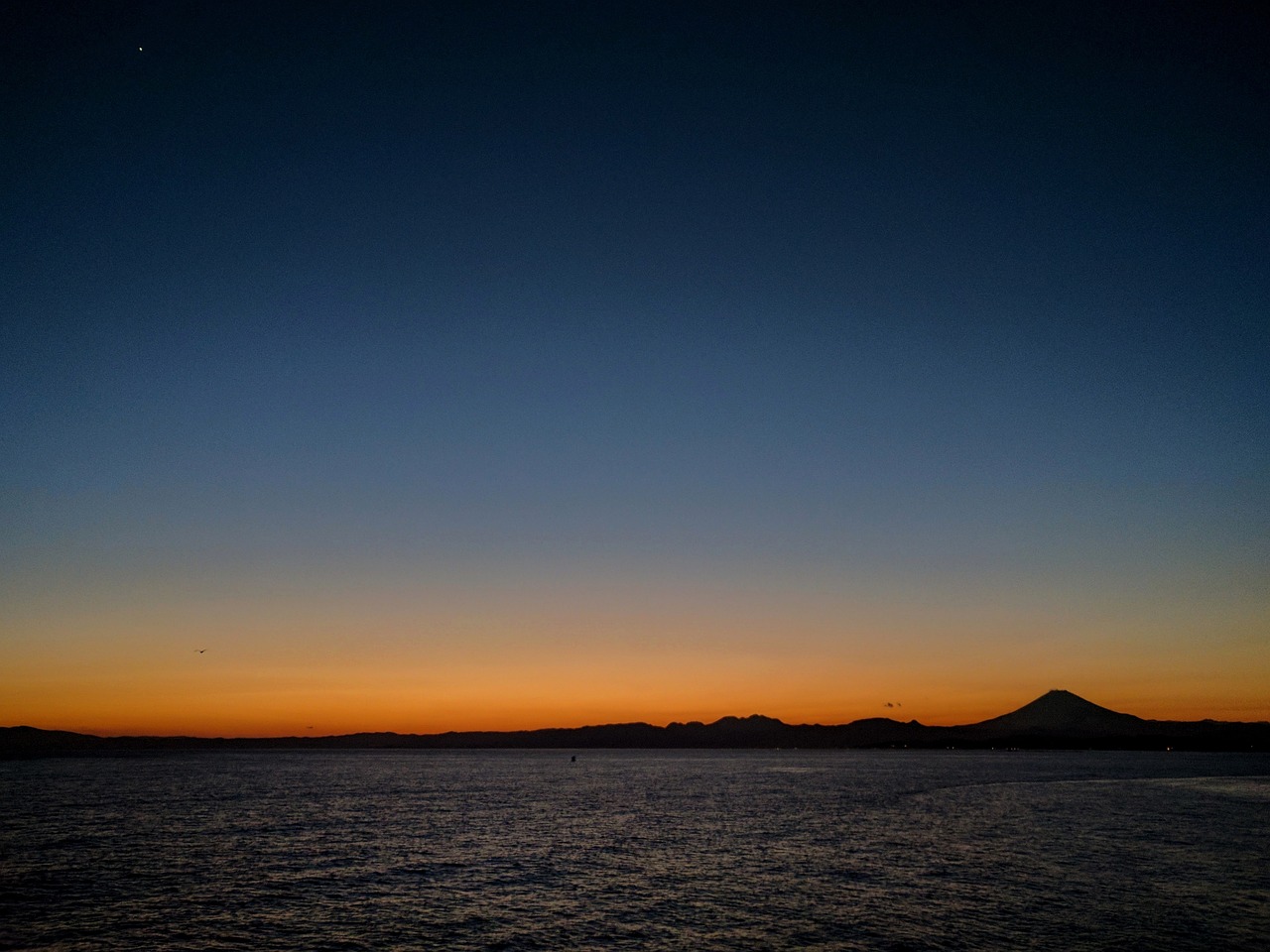
Kamakura Beaches Near Tokyo for Surf and Culture-Led Escape
For travellers planning beaches near Tokyo, the appeal is clear: a coastal reset without leaving Tokyo’s orbit. South of Tokyo, Kamakura in Kanagawa blends temples, boutiques, and sea air in a way that feels quietly luxurious. Start early to avoid the busiest arrivals from Tokyo and Yokohama, and you’ll experience a gentler, more personal version of the coast.
This is where culture comes first, and the sea follows as a soft second note. You might begin with incense and stillness, then find yourself looking out over the water with sand underfoot—two textures of calm in a single morning. It’s also one of the easiest beaches in Japan to integrate into a wider itinerary when your base is Tokyo.
Tokyo to Kamakura and Enoshima: a private-guide itinerary with ease
Consider a guided start: meet near Kamakura Station, then move through the city with local insight rather than guesswork. One luxury traveller described meditating at Tsurugaoka Hachimangu Temple, then continuing to Enoshima for a bespoke beach picnic—seasonal fruit, carefully chosen sweets, and tea poured with the same care you’d expect at a fine ryokan. It’s a crafted day that feels intimate, even when the region is lively.
- Best time of day: early morning for quieter temple grounds and calmer beach walks.
- High-end practicalities: plan for lockers, towel service, and a change of clothes if you’ll dine afterwards.
- Local etiquette: tidy footprints, quiet voices, and shared-space respect keep the mood serene.
Surf, calmer swimming spots, and extending the coast to the Izu Peninsula
Kamakura’s shoreline can offer good surfing conditions when the swell is right, and surf schools help you balance safety with confidence. On gentler days, choose calmer areas for a relaxed dip—these aren’t always the same spots, so it helps to check conditions each morning and confirm whether a lifeguard is present. If you want to continue the coastal thread from Tokyo, the Izu Peninsula is a natural next step for scenic drives and slower seaside villages, with stylish stays and excellent food.
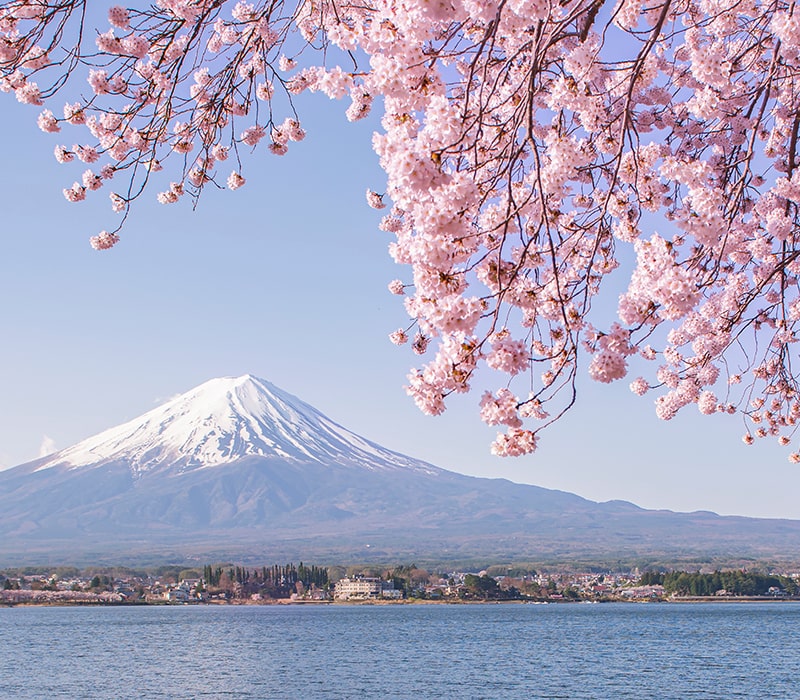
Further west, a beach in Shizuoka can add a classic Japan postcard moment: views of Mount Fuji rising beyond the water. On a clear day, Mount Fuji feels almost unreal—an elegant reminder that the coastline can be as memorable as any city. For travellers who enjoy design and photography, those views of Mount Fuji may be the quiet highlight of the whole week, especially when the light catches Fuji at sunset.
F.A.Qs: Beaches in Japan for Luxury Travellers
Does Japan have any good beaches?
Yes, Japan has many nice beaches, from the clear lagoons of Okinawa to white-sand stretches such as Shirahama and cultural shores near Tokyo. The best choice depends on what you want: snorkel-friendly reefs, calm areas for swimming, or scenic coastline walks with great food and refined stays nearby.
Is Japan good for a beach holiday?
Japan is excellent for a beach holiday if you design it around season and geography. Okinawa is the warm-water favourite from late spring through autumn, while the main islands suit travellers who want beach time blended with temples, onsen, and Tokyo. For a luxury feel, plan transfers, choose trusted operators, and keep a little flexibility for weather.
Is $10,000 enough for a week in Japan?
$10,000 can be enough for a week in Japan for two travellers at an upscale level, depending on flights, room category, and how many private experiences you add. Staying in boutique hotels or ryokans, using some private transfers, and choosing a few signature meals is achievable. For fully luxury resorts and daily private guides, you may want a higher budget.
Are Japan’s beaches safe to swim in?
Many beaches are safe to swim in during swimming season, particularly where there are marked areas and a lifeguard on duty. Safety varies by day due to wind, waves, and currents, so always check flags and local guidance before entering the water. If you’re unsure, choose sheltered bays, swim where others are present, and consider guided water activities.
What Stayed With Us After Japan by the Sea
When people reflect on the best beaches in Japan, they rarely start with distances or checklists. They speak about sensation: salt air lingering after temple incense in Kamakura and the way morning light hushes a shoreline before anyone else arrives. They remember how Okinawa holds colour—soft aquamarine one minute, deep blue the next—and how that shifting palette can soften even the busiest mind.
What stays is the confidence that comes from being supported well. A private transfer that appears exactly when it should; an expert who gently suggests a better cove when the wind turns; a local meal that feels personal rather than performative. In Shirahama, the day is still on your skin when you step into steam, and the body understands rest without being told.
These coastal days create trust through small choices, not packed schedules. You begin to notice how beaches in Japan can be both restorative and deeply local—reef days in Okinawa, culture-led shorelines near Tokyo, and quieter routes that sit beyond the obvious. It’s one of the most satisfying destinations in Japan when you want design, ease, and a sense of place together.
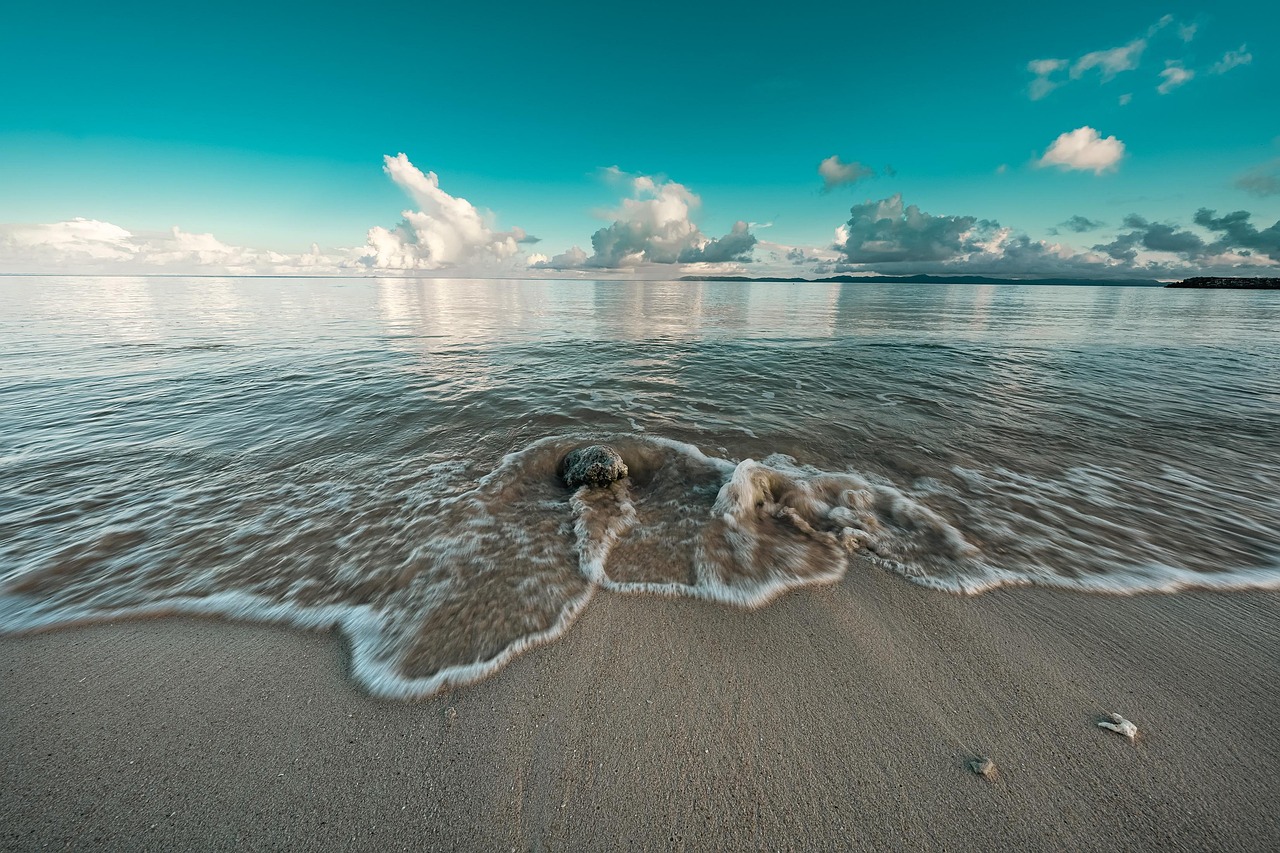
And then there’s the final image: a sunset line resting on the horizon, one last barefoot step on white sand, and the faint sound of water folding onto shore. If you love sun and sand, you’ll find that Japan’s beaches are varied, thoughtful, and often unexpectedly serene—proof there are many beautiful coastal days still waiting whenever you feel ready to return.