Post Contents
- San Marco district guide for first-time explorers – st marco venice italy walking tour plan
- Basilica di San Marco cathedral in Italy – monumental domes, marble, and mosaic splendor
- Palazzo power tour in Italy – Doge, justice, and the Venetian Republic’s historic influence
- Campanile di San Marco bell tower guide in Italy – top of the tower views over Venezia
- Gondola ride near St Mark’s Square in Italy + visit the Correr Museum for deeper context
- What stayed with me after a day around San Marco
- F.A.Qs: Saint Mark & San Marco travel guide
San Marco district guide for first-time explorers – st marco venice italy walking tour plan
On my favourite morning in Piazza San Marco, the first sun touched the basilica facade and turned stone into warm gold. A fellow traveller once told me that same sunrise walk changed their entire sense of the city—less postcard, more personal, as if it offered trust before it asked anything in return. If you’re arriving with adventure in mind, this guide helps you shape the day with intention, not noise.
Sunrise moments near the waterfront and the main square
Orientation in the San Marco area: from the waterfront column to quiet lanes
Start by grounding yourself at the lagoon edge: the two great column sentinels by the water are an easy landmark when the square fills with a tourist surge. From here, the heart of Venice opens in three directions—towards Saint Mark and its golden landmark church, along the waterfront promenade, and into slimmer lanes where a local rhythm returns. The route is compact, walkable, and surprisingly calm once you step away from the main flow.
For arrivals, take the vaporetto to the San Marco stop, then walk a few minutes into the square. If you’re pairing this day with other crafted experiences in Italy, keep inspiration handy via our Trip gallery—it’s a reassuring way to see how expert planning can feel effortless.
Create one bold highlight, then keep the rest beautifully flexible
To support an adventure-seeker mindset without overpacking your schedule, choose one “bold thing” as your anchor: a Campanile panorama, a ducal route through state rooms, or a gondola glide into quieter waterways. Then let everything else be discovered in the gaps—an archway, a courtyard, a small church threshold. You’ll move with confidence, but still leave room for surprise.
- Best timing: spring or early autumn, and aim for early morning or late afternoon to ease pressure from the crowd.
- Seamless start: arrive with water, comfortable shoes, and a calm plan for your first 60 minutes.
- Street-smart care: keep valuables secure in busy areas—alert, not anxious.




Basilica di San Marco cathedral in Italy – monumental domes, marble, and mosaic splendor
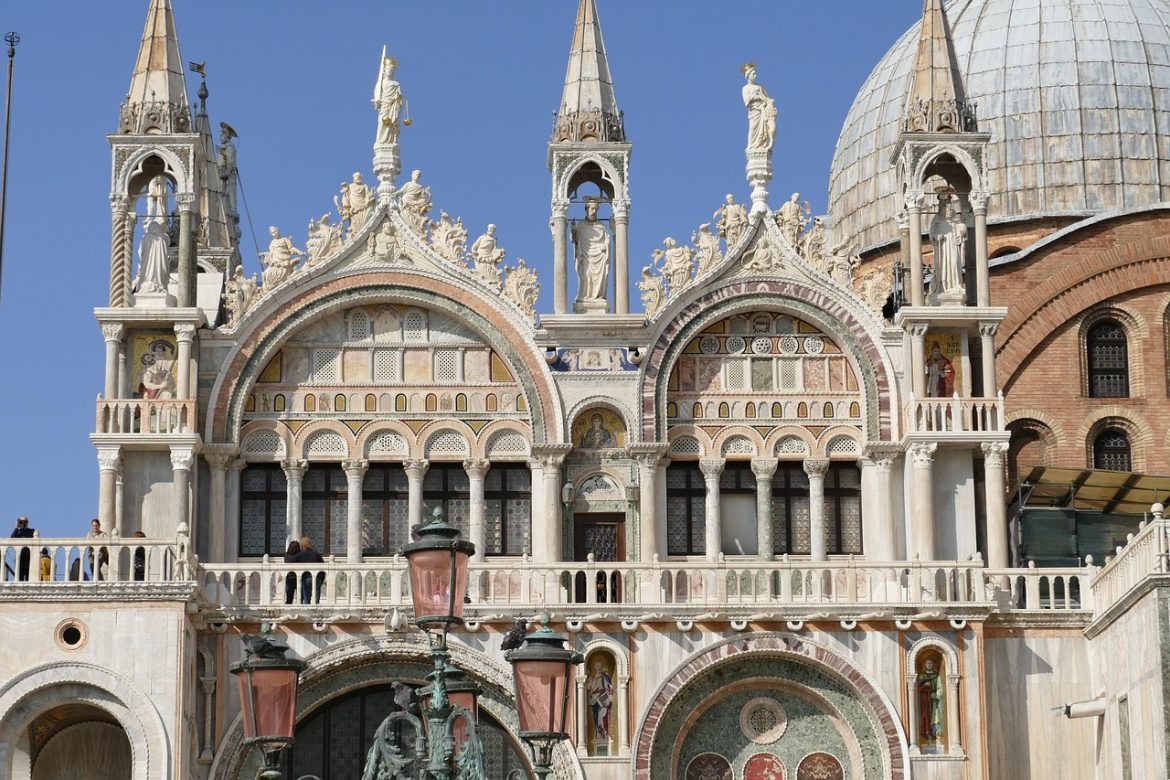
For many travellers, this cathedral is the emotional centre of the day. Even when skies are grey, the basilica feels luminous—dome clusters, arches, marble, and a world-famous mosaic cycle that seems to glow from within. As a basilica in venice, it’s monumental without being cold, and that balance is exactly why Saint Mark leaves such a lasting imprint.
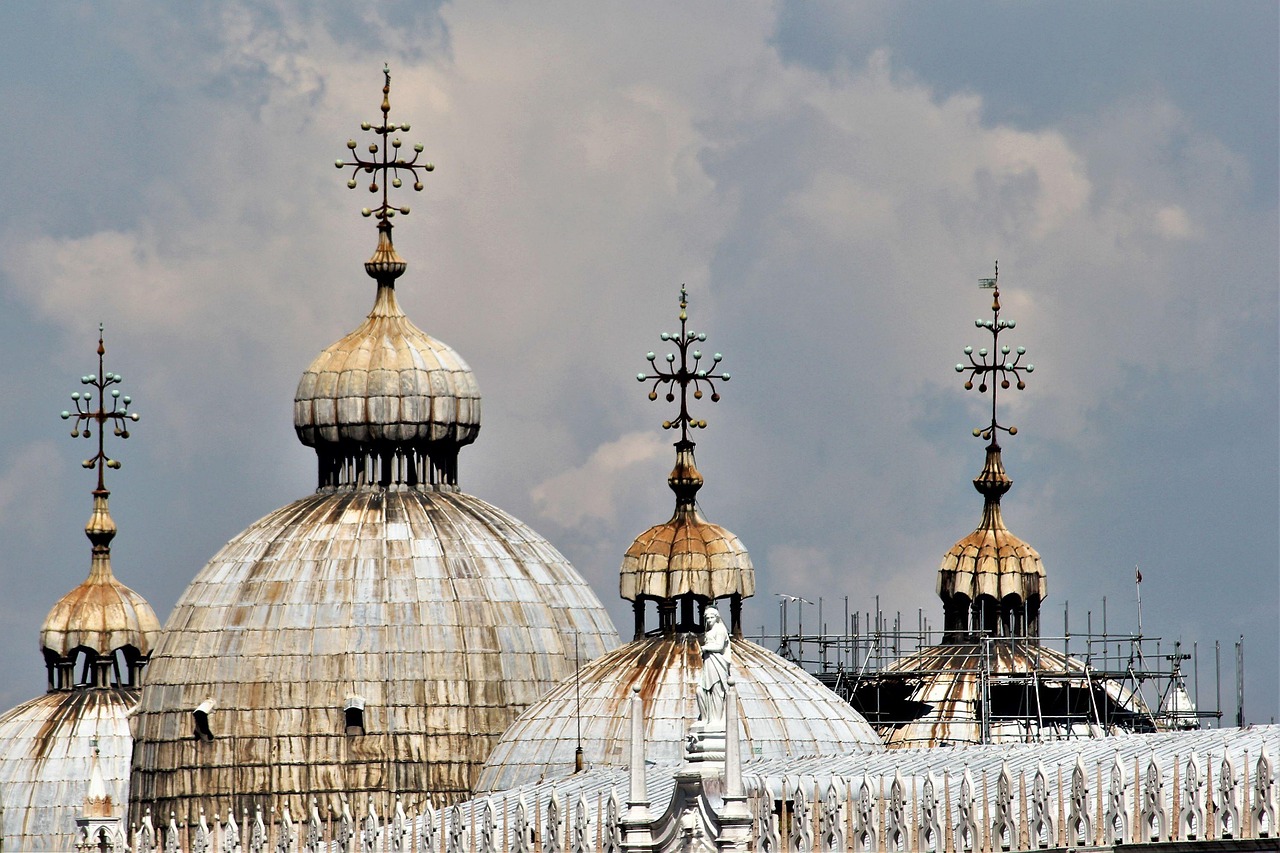
Golden interiors and layered history inside Saint Mark’s cathedral
Why the basilica of Saint Mark feels Byzantine, Greek, and unmistakably Venetian
In plain language, the basilica of san marco was built to express wealth and reach—part faith, part statement. It began as the private chapel of the doge, and it carried the story of a maritime republic that traded, travelled, and brought back ideas, treasure, and taste. You can sense Greek and imperial influences in the atmosphere and the way the space is designed to dazzle, while the Venetian character shows up in how proudly it performs civic identity.
One gentle turning point to keep in mind: in 1807, the building was formally consecrate as the city of Venice cathedral. That detail helps you date the moment its role shifted—reframing it not only as a symbol of power, but also as a shared house for the wider community and the living history of venice.
Details to uncover: four bronze horses, porphyry figures, and a forest of columns
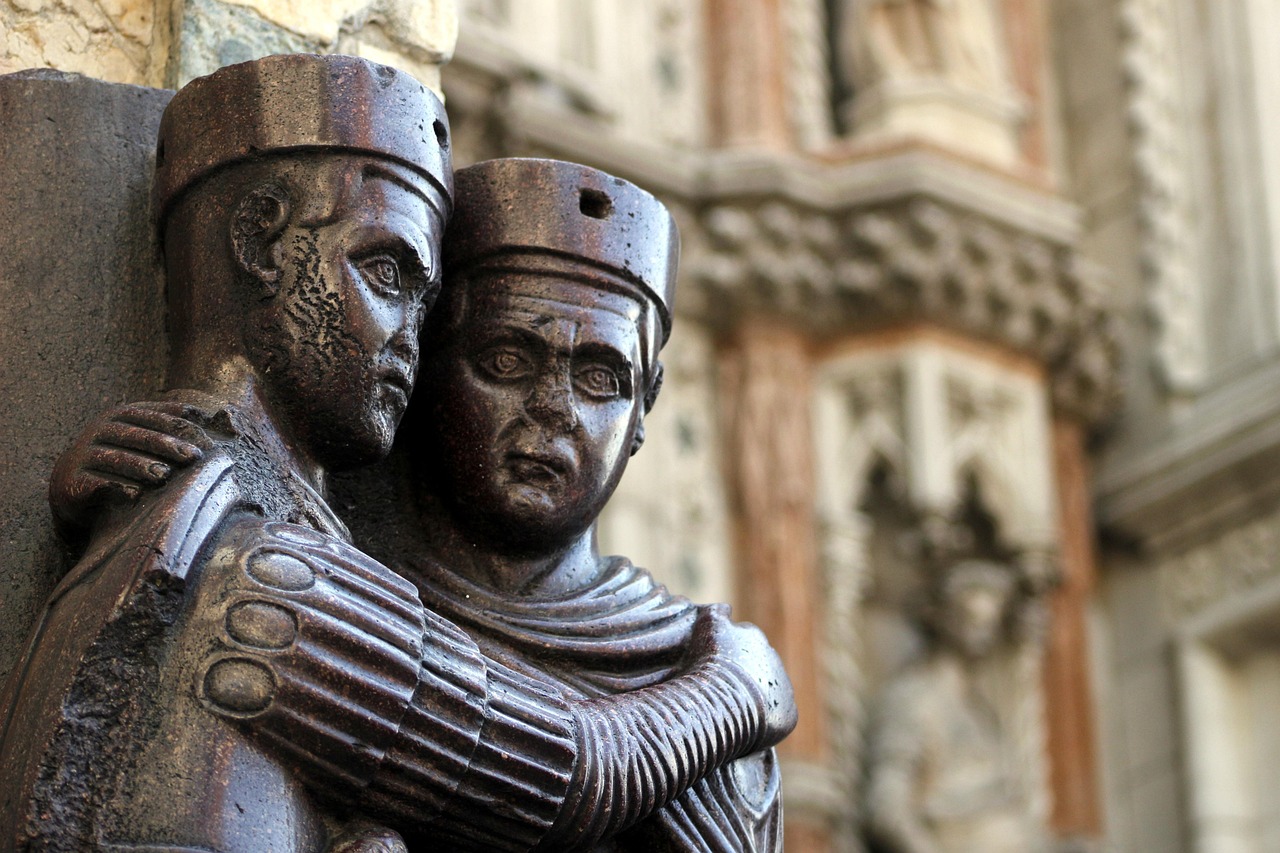
Look for the four bronze horses above the entrance (the originals are protected inside), and the tetrarchs carved in porphyry—late Roman figures often dated to the 3rd century, small in scale but unforgettable. One horse detail many people miss is how its stance reads differently in changing light, a reminder that the façade display has been curated since the 13th century. Some visitors also notice how many columns there are; people speak of close to 500 columns across the complex, creating a forest of stone that makes every step feel like a reveal.
Be respectful: modest dress, quieter voices, and patience at the entrance. A visitor once described a spontaneous classical moment—choral sound folding into the domes—so serene and intimate it felt like the building was listening back. The marble decoration seems to decorate the light itself, which is why this stop stays memorable even among beautiful cathedrals.
Palazzo power tour in Italy – Doge, justice, and the Venetian Republic’s historic influence
This palace visit offers insight beyond the obvious, because it’s less “rooms with paintings” and more a living diagram of governance. Here, the doge and the former Venetian leadership shaped decisions that rippled across each century, leaving fingerprints on the city’s daily life and public image. If you’re drawn to bold stories, this is where the Venetian Republic feels crafted and consequential.
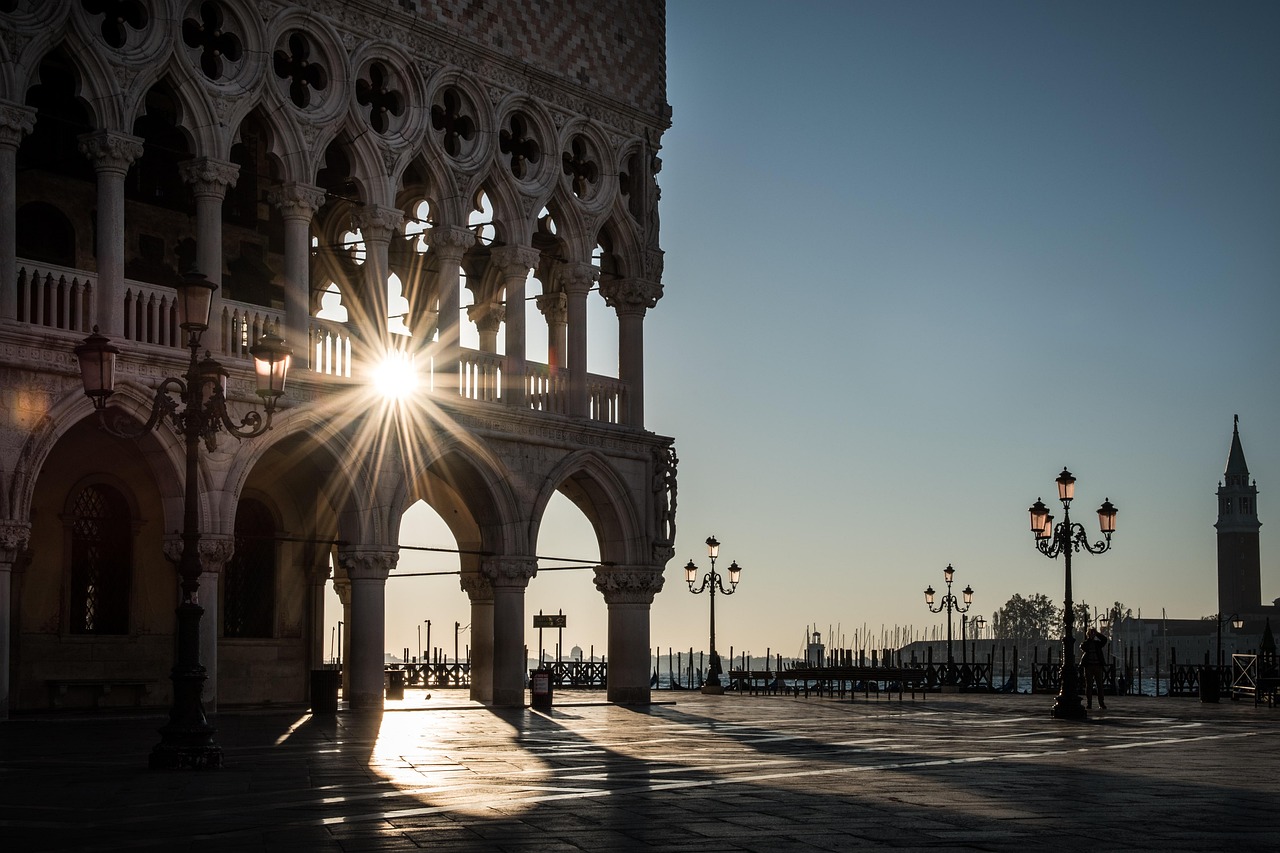
Grand staircases, state rooms, and power on display
Palazzo Ducale: Gothic architecture, symbolism, and museum-level interiors
Outside, the lace-like exterior sets expectations; inside, the tone shifts into grand staircases and carefully staged rooms calibrated to project authority. Take a slow lap through the main halls and notice how sculpture, painting, and ceremonial layout work together to teach reputation. It’s a rich museum experience, and even the small garden courtyard moments help reset your attention between galleries.
Secret routes, the Bridge of Sighs, and justice themes handled with care
If you can, choose a timed route that includes behind-the-scenes passages—these spaces add adventure without needing sensationalism. The Bridge of Sighs and the justice themes are best approached with sensitivity: focus on law, ritual, and the human weight of decisions, rather than drama. Take a slow look; it lands deeper that way.
- Tickets: book skip-the-line or timed entry so your tour feels seamless.
- Flow: arrive early, then plan a calm reset stop afterwards—coffee, water, and a few quiet minutes.
- Energy: the palace is rich and dense; a paced visit supports better attention and deeper insight.
Campanile di San Marco bell tower guide in Italy – top of the tower views over Venezia
This bell tower guide is for the traveller who wants a single, unforgettable perspective shift. Whether you take the lift or pace yourself, the reward is panoramic: rooftops, lagoon, and the square’s geometry laid out like a map. It’s one of the simplest ways for a visitor to understand how water and stone coexist here.
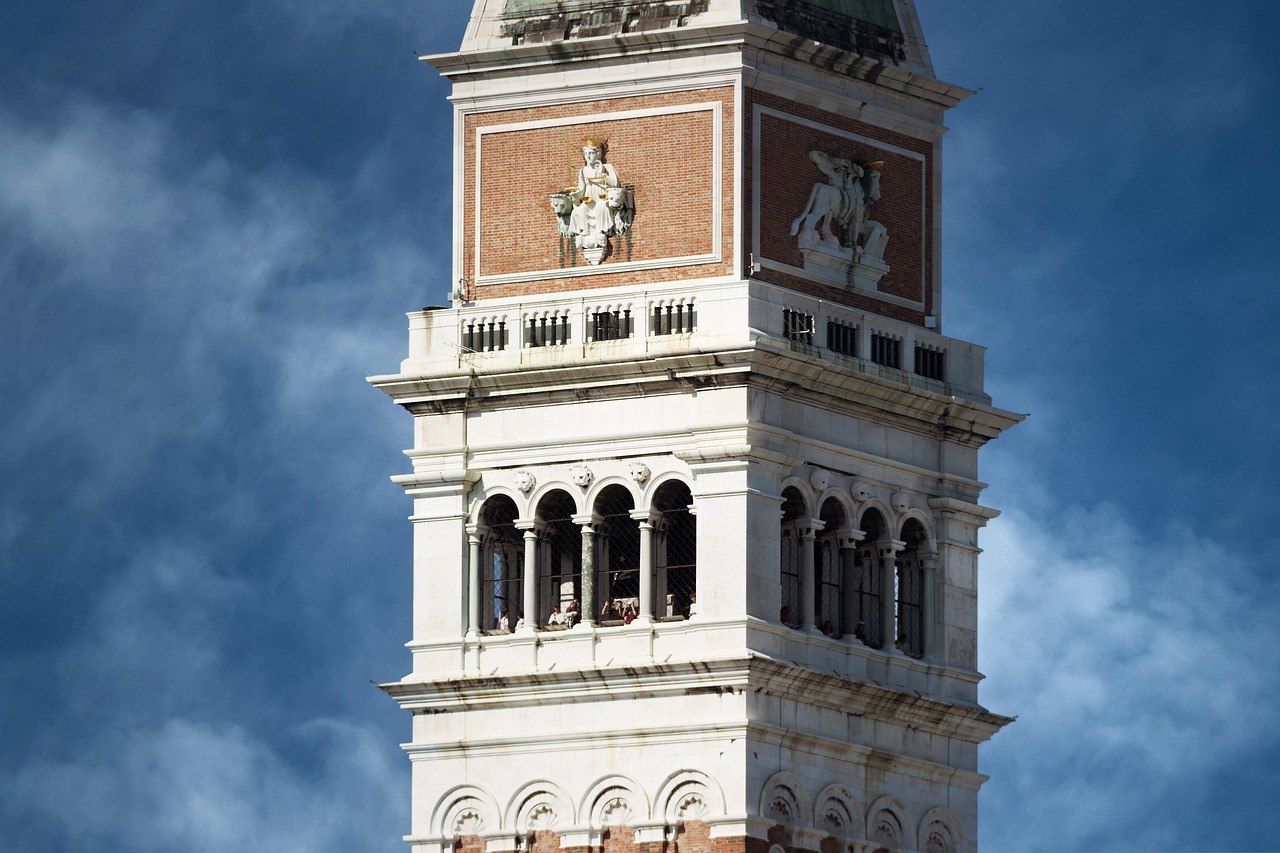
A clear, high viewpoint over rooftops and lagoon lines
Photo strategy in the piazza light: timing, framing, and fewer distractions
For photos with fewer distractions, aim for early morning or late afternoon. The light is kinder, the atmosphere more spacious, and you can capture scale without making people the whole story. If you’re travelling together, take turns: one person shoots, the other simply looks—then swap.
Spot domes, rooflines, and water-bus routes below
From above, you can trace the dome clusters of Saint Mark’s cathedral and the ducal roofline like a stitched seam of time. Watch the water-bus routes threading the waterways—tiny movements that explain how the city breathes. Bring water, expect wind and sun, and give your group a “slow look” minute before heading down.
Gondola ride near St Mark’s Square in Italy + visit the Correr Museum for deeper context
To round out the day, a gondola ride near the main square can feel like slipping behind the curtain. One adventurer told me their most vivid memory wasn’t the iconic stretch—it was drifting through a quieter canal and noticing hidden frescoes, laundry lines, and local gestures that made the city feel like a real house of daily life rather than a set. This is where you explore with confidence and a little extra calm.
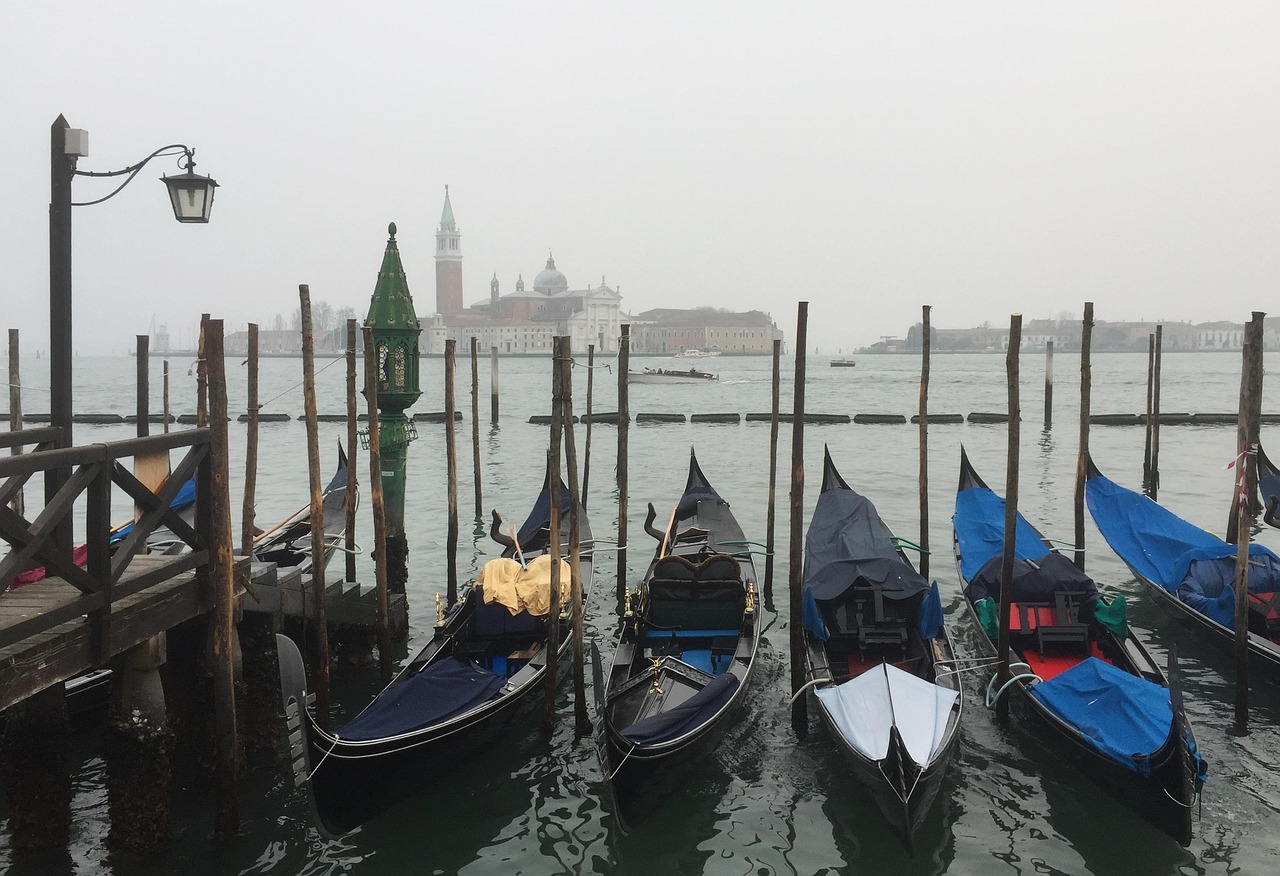
A slower luxury hour on the water and nearby collections
Choose a route that blends iconic waterways with a serene San Moise detour
Start near the square for that classic sense of arrival, then ask for a quieter detour towards San Moise. You’re not buying minutes; you’re designing mood. If your gondolier is open to it, request a balance: a glimpse of the famous, then a slower drift where the soundscape softens and the city feels close.
Museum triangle for context: visit the Correr museum, Marciana treasures, and archaeological rooms
If you want culture with depth, build in a smaller museum hour: visit the Correr museum, the Marciana collections nearby, and the archaeological rooms that place the area in a wider timeline. You’ll see how an Egyptian motif appears in decorative fragments, how objects were used to shape identity, and why Italian public space here has always been both stage and living room for venetians.
- Coffee pause: choose a standing espresso to read the square’s mood without getting trapped by table prices.
- Belongings: keep your bag zipped and worn cross-body—simple support against pickpockets.
- Luxury of time: sit for a while, listen for live music, and let the day feel crafted rather than chased.
If you have extra space in your schedule, a quick note: Murano is a different island story entirely, but it can pair beautifully on another date if you’re craving glass craft after your san marco in venice immersion.
What stayed with me after a day around San Marco
By late afternoon, the square softens towards sunset, and even the most magnificent corners feel gentler. There’s a point where the air changes—less performance, more presence—and you realise how the area has been holding you all day, quietly, through light on stone and the hush inside a cathedral.
What travellers often carry home isn’t a checklist. It’s a new trust in slow looking, and a sense that beauty can be approached with care rather than urgency. It’s noticing how craft lives in small things: the curve of an arch, the weight of marble beneath your feet, the way a dome catches the last colour of the sky.
And there’s something else, too: togetherness. Whether you came with friends, family, or someone you love, shared wonder has a way of making the world feel more human—especially in places that are famously iconic. When you leave, the images remain, but so does a calmer confidence in choosing depth, and in letting history meet you at your own pace.
Later, when you remember the day, it may not be the loud moments that return first, but the tender ones—quiet music, a shadowed lane, a pause that felt intimate. That’s the real venice has to offer: a chance to slow down, look closer, and let the place change you gently.
F.A.Qs: Saint Mark & San Marco travel guide
What is Saint Mark known for in San Marco?
Saint Mark is known for Mark’s Basilica, its golden mosaic art, and the wider area as a symbolic heart of civic and spiritual life. The setting is also famous for grand public space, ceremonial tradition, and landmark views over the lagoon.
Is San Marco expensive to visit?
San Marco can feel expensive because it’s the most iconic area, with premium cafés and high-demand experiences. You can keep it balanced by visiting early, choosing a standing coffee, prioritising one paid highlight, and enjoying the many walkable moments that cost nothing.
Who is buried in San Marco?
Tradition holds that the relics of Saint Mark the evangelist are housed in the basilica. For many visitors, that sacred association is part of why the basilica of san marco feels so powerful, even if your interest is primarily cultural and historic.
What to see in San Marco?
Focus on San Marco Square, the cathedral, Doge’s Palace, and the Campanile for panoramic views. For deeper context, add Museo Correr and nearby collections, then finish with a gondola ride into quieter waterways for a different perspective.