Post Contents
- The Duomo of Florence and Santa Maria del Fiore Duomo of Florence Cathedral of Santa Maria del Fiore Italy
- Duomo Florence planning tickets timing and arrival Duomo Florence tickets Brunelleschi Pass official website Italy plus Milan Cathedral
- Giotto Bell Tower and Brunelleschi dome in Florence Florence Duomo dome climb Giotto bell tower terrace Italy
- Inside Florence Cathedral frescoes nave and the crypt Inside the cathedral Florence Cathedral Vasari Last Judgment Santa Reparata crypt Italy
- Baptistery of San Giovanni and the Duomo Museum Baptistery of San Giovanni Gates of Paradise Duomo Museum Opera del Duomo Museum Italy
- What stays with you after the Duomo Florence duomo reflection travel Italy
- F.A.Qs: The Duomo Italy essentials for travellers
The Duomo of Florence and Santa Maria del Fiore Duomo of Florence Cathedral of Santa Maria del Fiore Italy
The Duomo of Florence and Santa Maria del Fiore Duomo of Florence Cathedral of Santa Maria del Fiore Italy
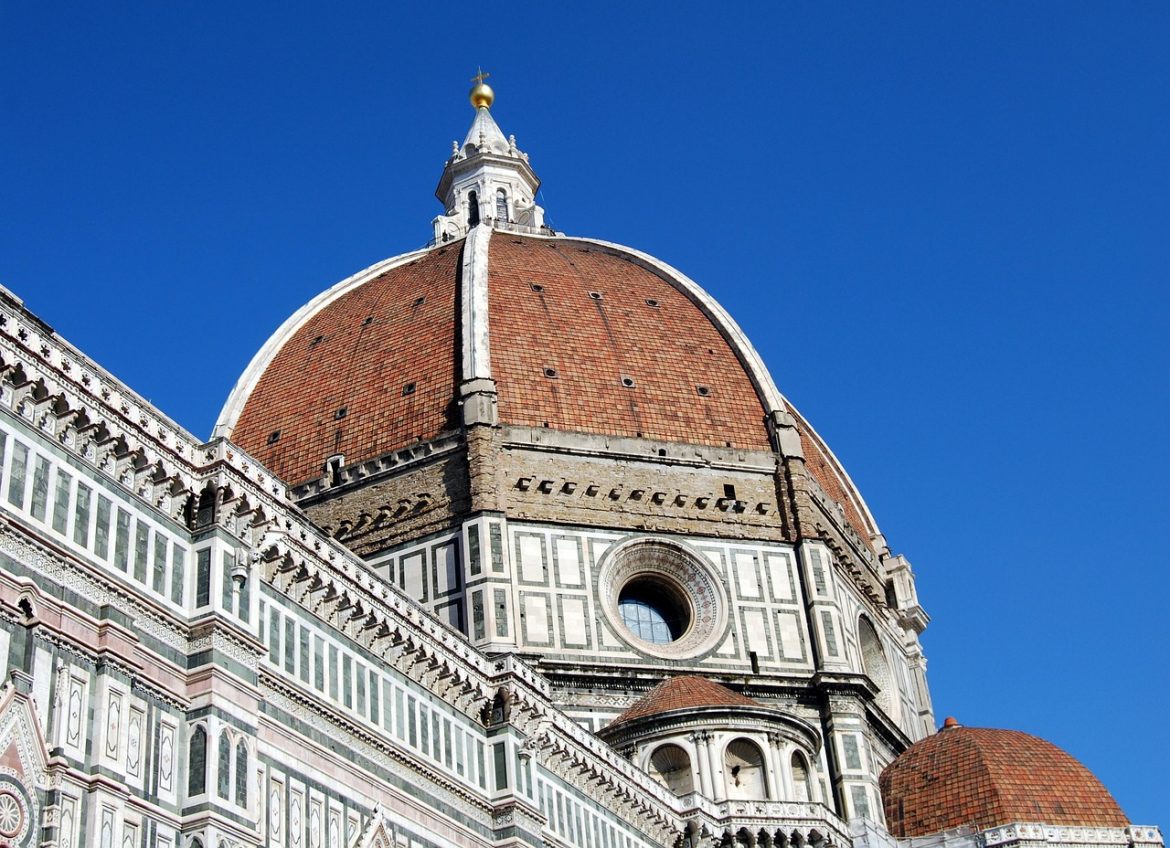
The Duomo of Florence is more than a landmark; it’s the symbol of Florence, the cathedral of Florence, and the seat of the archdiocese set within the historic center of Florence, a world heritage site where the city’s identity feels almost tangible. For high-end travellers who like their culture with a little pulse-quickening ambition, this is the rare place that invites both reverence and daring in the same breath.
Officially the cathedral of Santa Maria del Fiore, the story begins at the end of the 13th century, when a bold civic dream took form in stone. The construction of the cathedral started in 1296, and it wasn’t simply a building project; it shaped medieval Florence’s confidence, its rivalries, and its belief that beauty could be engineered at scale.
Uncover the human timeline behind the cathedral
It was designed by Arnolfo di Cambio, an architect whose ambition matched the city’s. Saying “designed by Arnolfo di Cambio” can sound like a tidy fact, yet on the ground it reads as a long, lived effort—generations of craftspeople working, pausing, adapting, and creating a cathedral complex that would take centuries to complete. Local guides often share stories of guild pride and artistic one-upmanship, which turns stonework into a very human conversation across time.
Marble, pattern, and why the exterior feels like a masterpiece
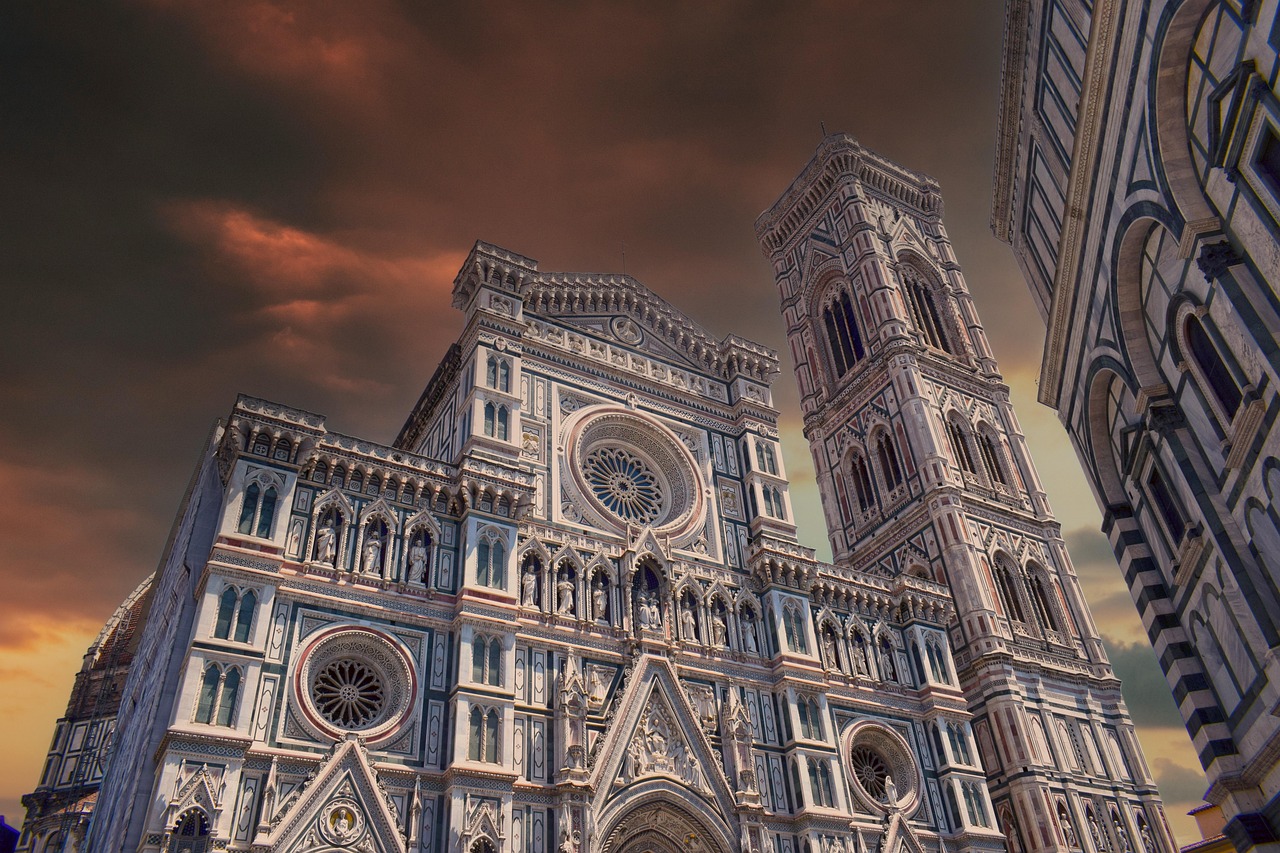
Before you even enter the piazza, the exterior of the cathedral catches you with white marble and darker green tones, laid in geometric rhythm. Up close, it’s not “just” decoration; it’s a visual language that makes the façade feel like an absolute masterpiece of art rather than a single building. Many travellers tell us the awe starts early—on the walk through Florence’s narrow lanes, when the dome is still hidden, and then suddenly the cathedral opens up in full scale, as if the city has been saving its best line for last.
Pause and let that first moment land. This is the church of Santa Maria for a reason: it doesn’t ask you to rush, it invites you to discover, to explore, and to trust your own pace.




Duomo Florence planning tickets timing and arrival Duomo Florence tickets Brunelleschi Pass official website Italy plus Milan Cathedral
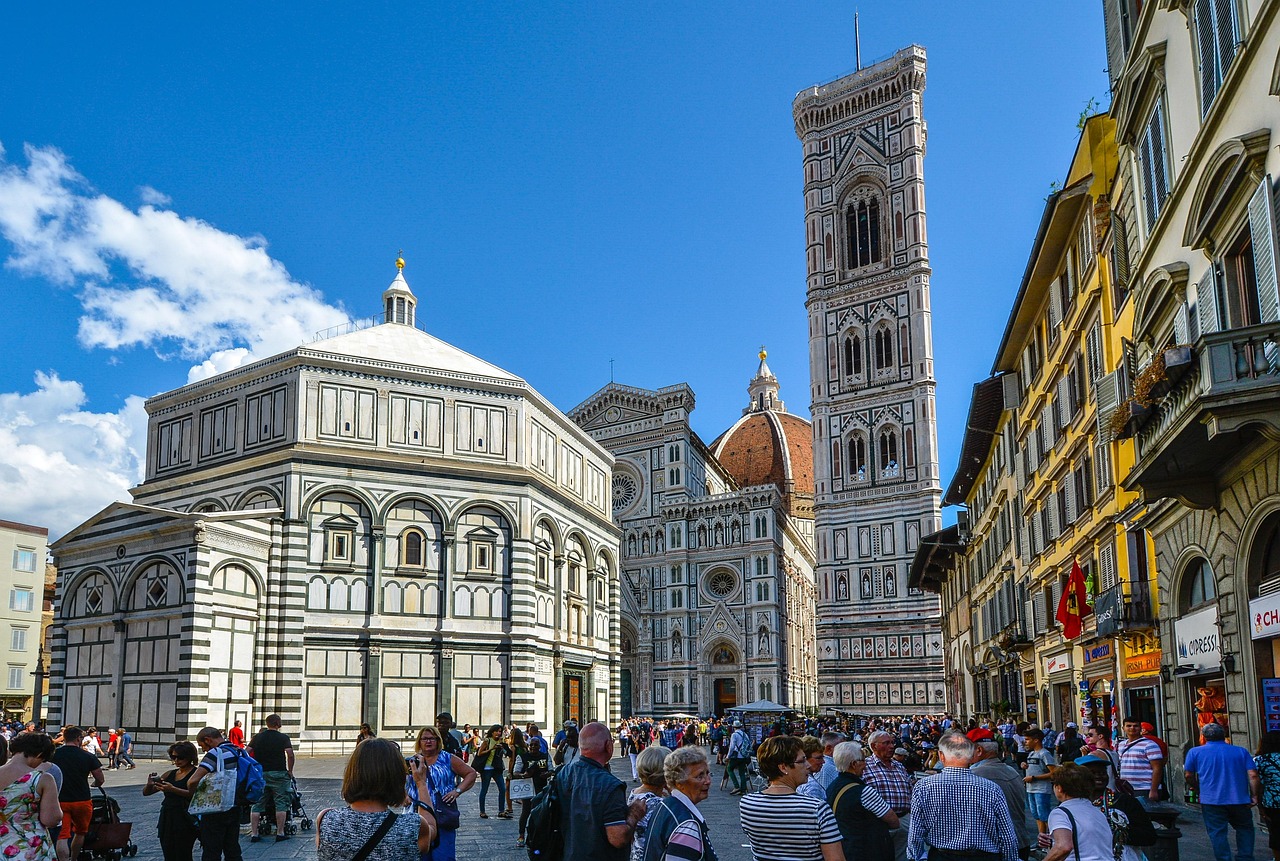
Duomo Florence planning tickets timing and arrival Duomo Florence tickets Brunelleschi Pass official website Italy plus Milan Cathedral
Planning the duomo complex in Florence is where you can create a seamless day: the right ticket, the right timing, and a calm arrival can change everything. When people search “Duomo Florence tickets Brunelleschi Pass official website Italy plus Milan Cathedral”, they’re usually asking for the same thing—clarity they can trust, without guesswork.
Types of tickets and the Brunelleschi Pass with confidence
There are different types of tickets for the duomo complex, and the Brunelleschi Pass is the one most Adventure Seekers choose because it typically includes the dome in Florence, the Baptistery, the museum, and other parts of the complex. Booking via the official website is the simplest way to lock in a timed slot and feel supported, especially in peak season when queues can wrap across Piazza del Duomo.
Think of it as designing your day: you’re not just buying entry, you’re reserving breathing space—between the climbs, the art, and the quiet corners.
Timing, arrival, and luggage storage in the city centre
For the best experience, aim early morning or late afternoon. Hours vary seasonally but often sit around 10 am to 5 pm, and those cooler windows make the climb kinder. You can easily walk from the city centre, or use Florence’s public transport; parking is limited and rarely worth the stress right beside the cathedral.
If you’ve arrived from another city and you’re carrying bags, sort luggage storage before you do any stairs. Even a small backpack can feel heavy in narrow staircases with limited ventilation, and you’ll enjoy the day more when your hands are free.
- Best windows: early morning for hush, late afternoon for softer light over the piazza.
- Book ahead: timed slots reduce waiting and help groups stay together.
- Wear: comfortable shoes with grip; avoid slick soles on worn steps.
- Know yourself: the climb is not recommended if you’re suffering from dizziness and claustrophobia.
If you want extra reassurance, a guided tour or private tour can be genuinely calming—someone else manages the micro-logistics while you stay present with the architecture.
And if you’re deciding between the duomo Italy icons, here’s a friendly comparison: Milan Cathedral is grand and Gothic, famous for its rooftop forest of spires; Florence is a Renaissance statement anchored by Brunelleschi’s dome, with a more intimate sense of engineering daring. Both are magnificent, but they feel emotionally different on the body: Milan is expansive wandering, Florence is focused ascent.
Giotto Bell Tower and Brunelleschi dome in Florence Florence Duomo dome climb Giotto bell tower terrace Italy
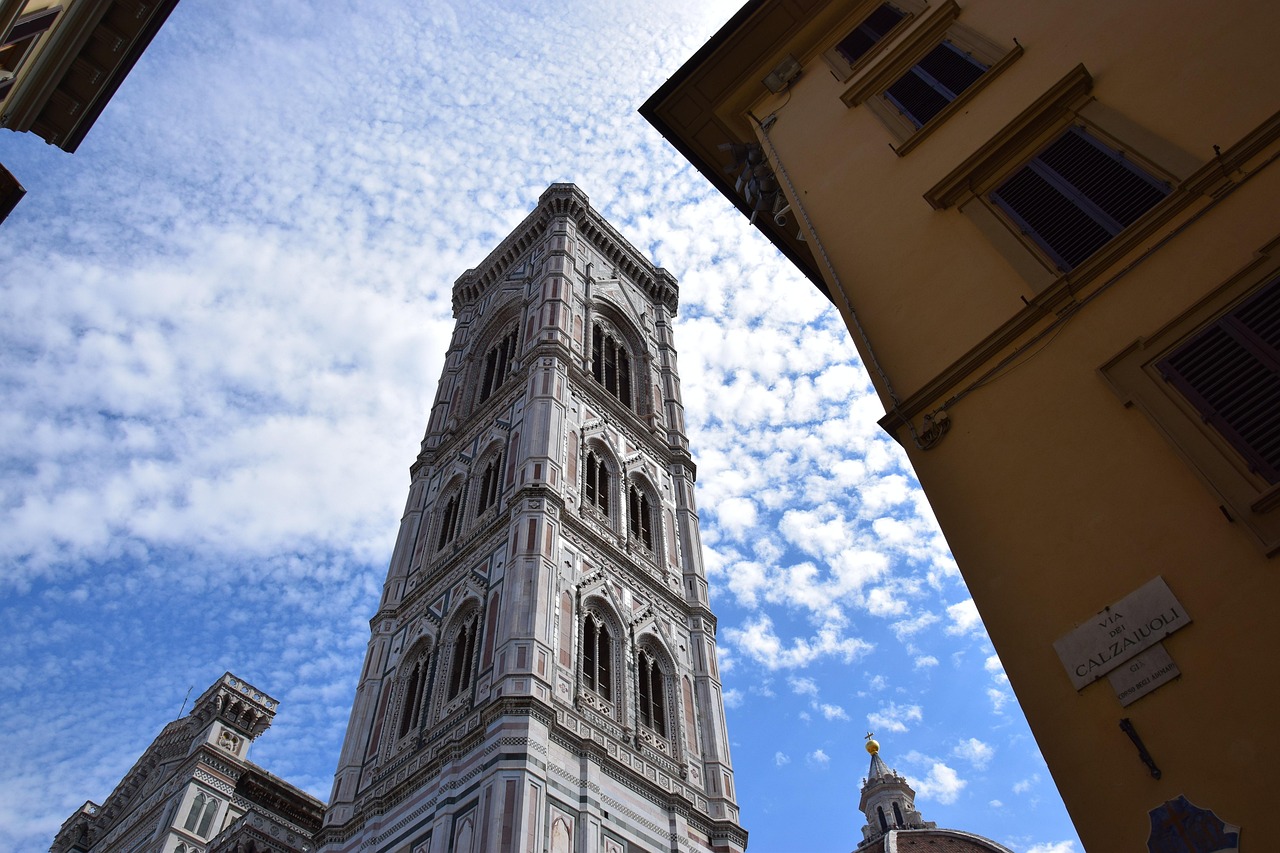
Giotto Bell Tower and Brunelleschi dome in Florence Florence Duomo dome climb Giotto bell tower terrace Italy
If your heart lifts at height, this is your chapter: the Florence Duomo dome climb and Giotto’s Campanile are two different thrills in the same square. The keyword phrase “Florence Duomo dome climb Giotto bell tower terrace Italy” sums up the choice—do you warm up on the bell tower, or go straight for the dome?
Giotto’s bell tower as a high-reward warm-up
Giotto’s bell tower is a leg-burn adventure that still feels approachable, especially if you want the view of the city without committing to the tightest parts of the dome route first. Step by step, Florence begins to arrange itself into rooftops, courtyards, and distant hills. The reward is a clean view of Florence that frames the cathedral and its marble skin like a model you can hold in your mind.
For many travellers, the bell tower is also a confidence builder: you learn your rhythm, you practise steady breathing, and you confirm you’re happy with heights before the more enclosed sections ahead.
Brunelleschi and why the dome still feels daring
Then comes Brunelleschi’s real audacity. Filippo Brunelleschi helped reimagine what a dome could be, and that breakthrough still reads as bold today because you can feel the structure around you as you ascend. You’re not just touring a cathedral; you’re moving through Renaissance thinking—geometry turned into lived space.
One adventurer we met described it perfectly: the climb tests your spirit, but every turn offers a new insight into the architect’s choices. You catch glimpses down into the basilica-like volume of the nave, and the scale becomes personal: you’re inside a solution that once seemed impossible.
Find a terrace moment when you need it—somewhere to pause for water, to look back across the piazza, and to notice how the light changes across stone. If you reach the ring at the top, hold that viewpoint for a full minute before you touch your phone. This is the sort of memory that feels crafted, not captured.
Photographers’ note: outside, the best angles can be busy. A local coffee stop nearby is a small act of care—reset your shoulders, review your shots, and then continue together for the next ascent.
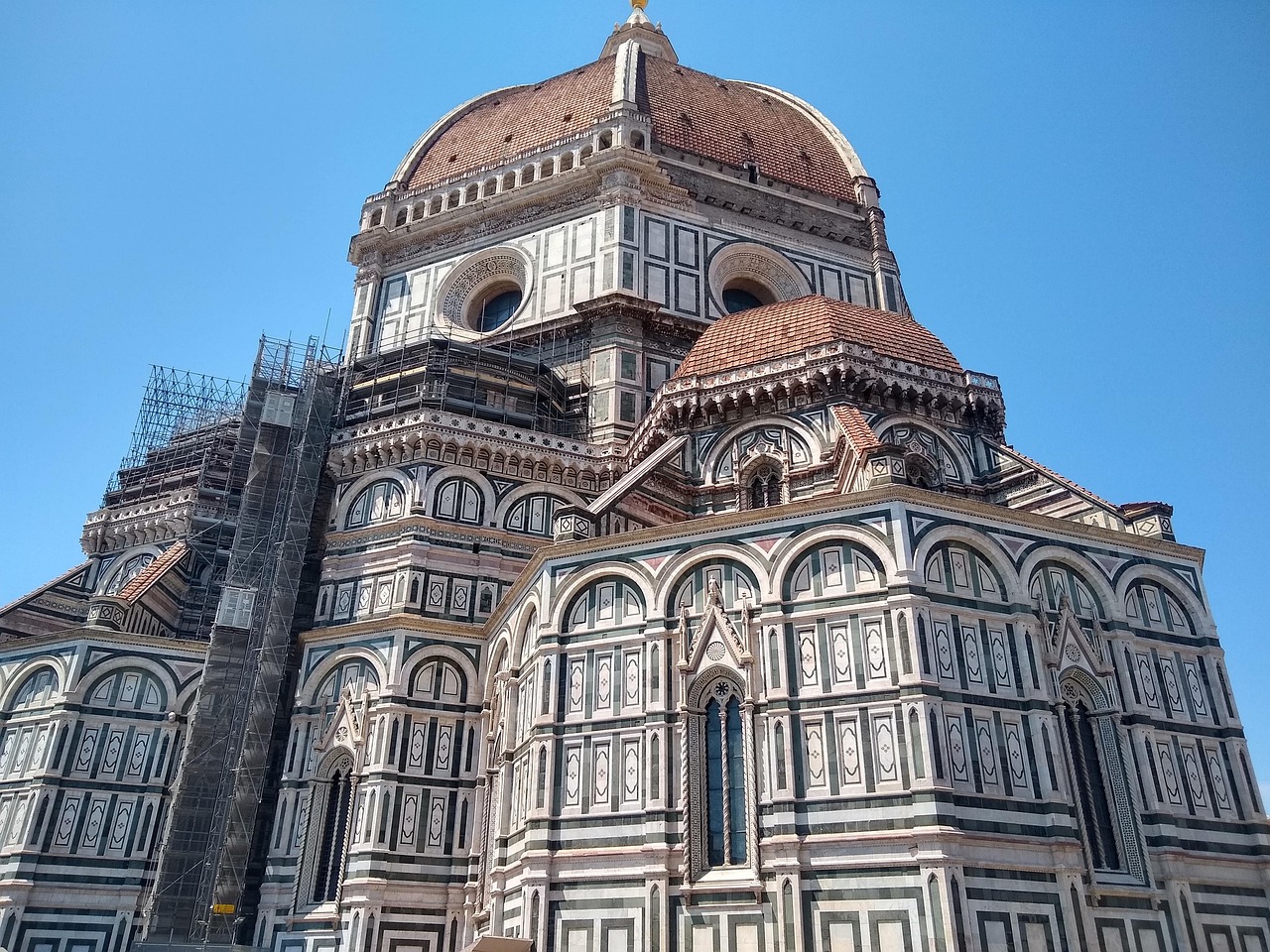
Inside Florence Cathedral frescoes nave and the crypt Inside the cathedral Florence Cathedral Vasari Last Judgment Santa Reparata crypt Italy
Inside the cathedral, the experience shifts from adrenaline to atmosphere. The phrase “Inside the cathedral Florence Cathedral Vasari Last Judgment Santa Reparata crypt Italy” captures the layers you’re about to explore: a spiritual hush in the nave, astonishing frescoes above, and an older Florence beneath your feet.
Step into the Florence cathedral and you’ll notice how the proportions change your voice and your pace. The nave feels vast but restrained, with space designed to lift the gaze and calm the mind. Many visitors cherish an early morning entry—those first minutes can feel intensely personal, especially when the crowd noise hasn’t yet gathered and you can simply stand, breathe, and be present.
This is one of the largest churches in the world, yet it can feel intimate when you give it time. If you’ve just come from the street, let your eyes adjust and your thoughts settle before you start “doing” anything.
Vasari’s Last Judgment and the frescoes under the dome
When you look up, do it comfortably: find a spot where you can lean slightly and soften your neck. Vasari’s Last Judgment unfurls across the dome ceiling with dramatic colour and storytelling that rewards slow attention. Choose one section—figures, movement, light—and stay with it until it becomes more than decoration.
It’s easy to rush because the duomo is famous; it’s braver to slow down. That small choice can transform the entire visit the cathedral experience.
The crypt of Santa Reparata and the old cathedral below
Then, uncover the city’s deeper timeline in the crypt. The crypt of Santa Reparata reveals the cathedral of Santa Reparata, the old cathedral and church of Santa Reparata that links Florence’s worship history to daily life since the 5th century. In the crypt of the cathedral, you feel the ground truth of time: foundations, fragments, and the sense that every grand surface above rests on quieter, older stones.
Some of what you see today reflects restorations and shifts across the 17th and 18th centuries, which shaped how the interior reads and how light moves through the space. It’s a fascinating history told without words—just by what remains.
- Dress with care: shoulders and knees covered is the simplest sign of respect.
- Sound matters: speak quietly, especially in the nave and crypt.
- Photography rules: follow signage; some areas limit flash or filming.
When it’s busy, your calm presence is a gift to others, and it keeps the cathedral feeling like more than a tourist stop.
Baptistery of San Giovanni and the Duomo Museum Baptistery of San Giovanni Gates of Paradise Duomo Museum Opera del Duomo Museum Italy
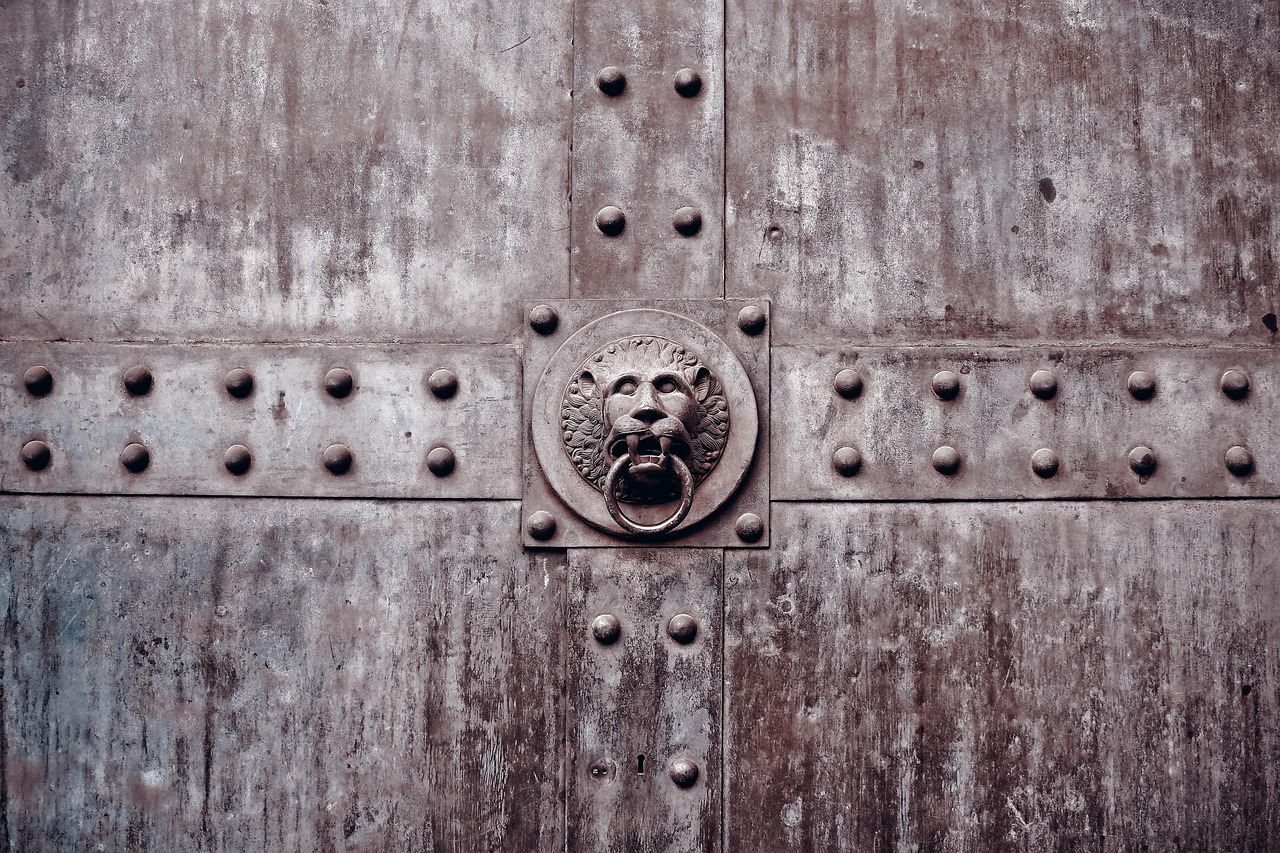
Baptistery of San Giovanni and the Duomo Museum Baptistery of San Giovanni Gates of Paradise Duomo Museum Opera del Duomo Museum Italy
The duomo complex becomes even richer once you step into the Baptistery of San Giovanni and the Duomo Museum. If you’re searching “Baptistery of San Giovanni Gates of Paradise Duomo Museum Opera del Duomo Museum Italy”, you’re already tuned to the real luxury here: context. You don’t just see the duomo—you understand what it took to build and defend beauty as civic identity.
The baptistery, San Giovanni, and a story of civic pride
The baptistery is one of those places that feels quietly essential. Even with limited time, pause in front of the doors and let the craftsmanship speak first. The bronze panels are more than art; they’re Florence narrating itself. Lorenzo Ghiberti—often named simply as Ghiberti—won fame for these doors, and local stories still relish the artistic rivalry and ambition behind them.
Stand in Piazza San Giovanni, and notice how everything aligns: cathedral, baptistery, bell tower. The geometry feels designed, as if the city itself is an open-air gallery. If you’re navigating by addresses, you’ll often see references around Piazza San Giovanni 7 for nearby access points and practical wayfinding in the area.
Opera del Duomo Museum and the Fabbrica del Duomo legacy
Next, the Museo dell’Opera del Duomo adds depth. The Opera del Duomo Museum (often called the opera duomo) holds original works and models that rebuild your understanding of what you’ve just climbed or stared up at. You’ll see how a master sculptor’s hand reads differently in close-up than it does on a façade, and how the Fabbrica del Duomo functioned like a long-running creative workshop dedicated to the cathedral’s care.
If your ticket includes terraces of the Duomo, consider them as a design-forward add-on: a calmer elevated angle, beautiful without the tight squeeze of the stairwells. A terrace visit can also be a lovely compromise for mixed groups—some climb, others take the museum and meet afterwards with stories to trade.
When you’re ready to recharge, choose a local café for Tuscan comfort—something simple, restorative, and unhurried. And if you’re daydreaming beyond Florence, browse our Trip gallery for crafted routes that connect art cities with countryside breathing space.
What stays with you after the Duomo Florence duomo reflection travel Italy
Florence duomo reflection travel Italy isn’t really about ticking off a site; it’s about what lingers in the body once you’ve left the piazza behind. Later, you may remember the top of the dome not as a photograph, but as a physical sensation—lungs working, stone underfoot, and that sudden, sweeping openness as the Tuscan landscape unfolds beyond the rooftops.
It’s a curious contrast: exhilaration on steep stairs, then stillness inside the cathedral where sound softens and strangers instinctively lower their voices. Both can be true. Travel can ask something of you and, at the same time, return you to yourself with a gentler confidence.
In the days after, small details often rise to the surface: late light warming marble, the hum of Florence at street level, and the feeling of being very small beneath a vast dome. You might even find a private joy in the moments you noticed while others rushed—an overlooked pattern, a quiet corner, a glance exchanged with a guide who offered one local insight that changed the whole story.
Tired legs, full hearts, and a sense of trust in your own pace—this is what a well-designed day can leave behind. And somewhere in your mind, a question stays softly lit: what other places in Italy are waiting to be discovered, not quickly, but truly?
F.A.Qs: The Duomo Italy essentials for travellers
Why is the Duomo so famous?
The duomo is famous because Florence Cathedral, Santa Maria del Fiore, unites daring engineering and Renaissance art in one place. Brunelleschi’s dome changed architectural history, while the cathedral complex includes Giotto’s bell tower, the Baptistery, and the Opera del Duomo Museum. It’s also a civic symbol, rooted in Florence’s identity and craftsmanship, which you can feel in the marble façade and the scale of the interior.
What does Duomo mean in Italy?
In Italy, “duomo” generally means the principal church of a city—often its cathedral—rather than a single specific building. So when travellers say “the duomo Italy”, they might mean Florence’s cathedral, Milan Cathedral, or another city’s main church. In Florence, the duomo refers to the cathedral of Santa Maria del Fiore and, by extension, the wider duomo complex around Piazza del Duomo.
How difficult is it to climb the Duomo?
The climb to the dome is physically demanding: expect many steps, narrow staircases, and limited ventilation. In Florence, the ascent is 463 steps, and there is no lift. If you’re fit and comfortable in tight spaces, it’s an exhilarating challenge with a remarkable view of the city. If you’re unsure, consider a guided tour for steady pacing and extra support.
Did Michelangelo work on the Duomo?
Michelangelo did not create Brunelleschi’s dome in Florence, and he is not the primary artist associated with the cathedral’s construction. Brunelleschi is the key figure for the dome, while Giorgio Vasari is linked to the Last Judgment frescoes inside. That said, Michelangelo’s influence is often discussed in the broader story of Italian Renaissance art and architecture, and his work is closely connected to Florence as a city.