Post Contents
- Why seeing the Last Supper in Milan still feels like a quest for the Cenacolo Vinciano
- Last Supper museum tickets and booking in 2026 for the Museo del Cenacolo Vinciano
- Guided tours of the Last Supper in Milan and a private guide for art-history insight
- Explore Santa Maria delle Grazie in Milan: UNESCO context and the Vinciano setting
- Design a Milan itinerary for 2026 after you visit the Last Supper museum
- What stayed with me after Milan: a Last Supper reflection for 2026 travellers
- F.A.Qs: The Last Supper in Milan, Italy (tickets, timing, and what to expect)
Why seeing the Last Supper in Milan still feels like a quest for the Cenacolo Vinciano
Why seeing the Last Supper in Milan still feels like a quest for the Cenacolo Vinciano
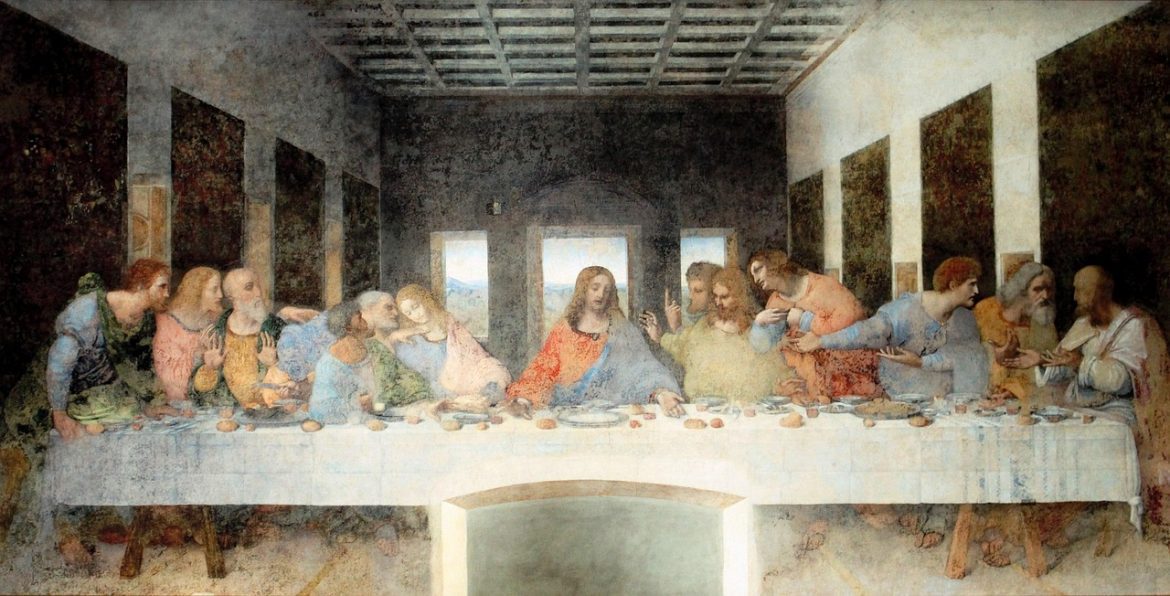
Planning the last supper milan italy experience is often described like a quest, because it asks you to prepare, to wait, and then to be fully present. Among the great paintings in the world, it’s one of the most celebrated—and for many travellers it becomes quietly unforgettable once you realise you’re standing before the last supper by Leonardo da Vinci, in the place it was meant to live.
Commissioned in the city of Milan under Ludovico il Moro, Leonardo began the work around 1494, painting it on the wall of the refectory of the Dominican convent of Santa Maria. The scene was created for daily ritual, not for crowds, which is why the visit still feels unlike any other major attraction in Europe.
Leonardo da Vinci’s experiment and why it matters when you admire every detail
What visitors are really looking at isn’t a traditional fresco. Leonardo da Vinci used an experimental approach with tempera and layers on dry plaster rather than the traditional method, and that choice shaped everything that followed: early deterioration, ongoing restoration, and the strict rules you notice today. Understanding the technique helps you read the surface as famously vulnerable—more like a living object than a poster-perfect image.
I still remember stepping into the refectory of the convent and feeling the air shift—cooler, cleaner, almost preservative. People fell naturally into near silence, as if the room itself asked for trust. You don’t have long, so it helps to focus on faces, hands, and the way the composition pulls your attention back to Christ.
Uncover the drama located in the center
In those few minutes, your mind races: the disciple leaning in, one apostle recoiling, and the tension of the moment when Jesus speaks of betrayal—when someone will betray. Your gaze keeps returning to Christ, then to what sits to the right of Jesus, where reactions ripple like a wave across the table. The next sections are here to give you calm, practical context so you can experience the scene with confidence, not stress.




Last Supper museum tickets and booking in 2026 for the Museo del Cenacolo Vinciano
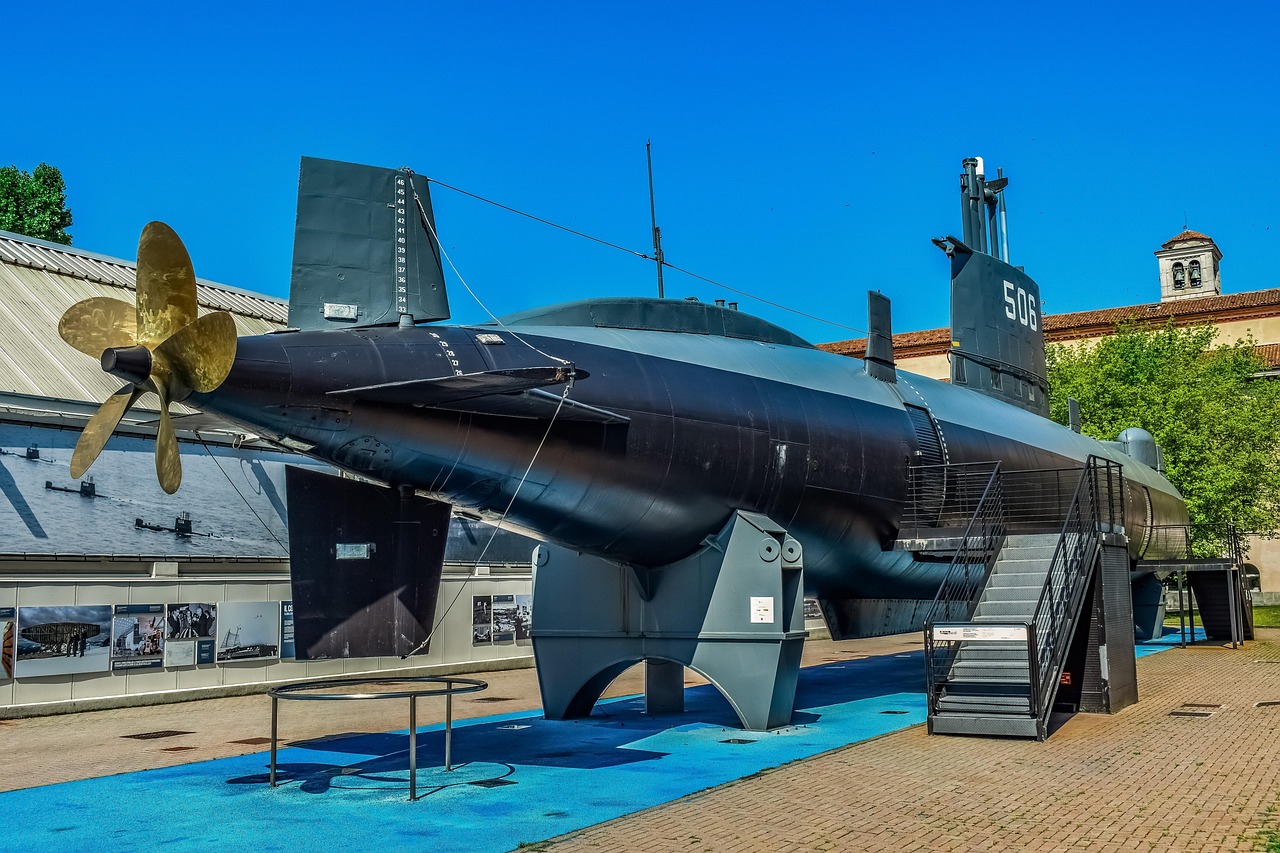
Last Supper tickets and booking in 2026 for the Museo del Cenacolo Vinciano
For 2026 ticket booking, it helps to recognise the official name you’ll see on calendars and confirmations: Museo del Cenacolo Vinciano (sometimes listed as museo cenacolo vinciano). Your reservation is tied to a specific time slot at Santa Maria delle Grazie, and online listings may also label it as the last supper museum—so a little name-spotting is part of the process.
Tickets disappear quickly because the number of visitors allowed inside is strictly capped for conservation. This isn’t hype; it’s protection for a surface that has survived humidity, war damage, and repeated intervention. Treat it like a high-demand cultural event and you’ll plan with much less frustration.
Ticket booking strategy for 2026 that locals trust
In Milan, people talk about last supper tickets the way others talk about theatre premières: you plan early, and you keep a couple of backup dates. My steady recommendation is to book at least two months ahead for weekends and peak travel periods, and to check availability again if your first attempt fails.
- Start with the official channel: the managing body is Direzione Regionale Musei Nazionali Lombardia, and the official website is where you’ll find primary inventory.
- Prepare a quick checklist: preferred dates, backup dates, full names as on ID, and a card ready—this can save time when tickets to see are released.
- Refresh with purpose, not panic: pick two or three acceptable time windows and commit; you’re shaping a full day, not chasing a rumour.
Cost, discounts, and what your timed ticket usually includes
The entrance fee is approximately 15 euros, with reduced rates often available for students and seniors. A standard ticket typically covers timed entry to see the last supper; optional add-ons may include headsets, a licensed guide, or a wider walking route that fits your interests.
If your ideal slot is gone, you still have options: adjust dates, consider early morning or late afternoon, or book a guided tour through a reputable operator for extra support and guaranteed entry. The aim is a smooth plan that protects your time and lets you arrive settled.
One more expectation to hold gently: the visit duration is strictly limited to 15 minutes. It’s short, yes—but it’s also intensely focused, which is part of why the Cenacolo Vinciano remains so powerful.
Guided tours of the Last Supper in Milan and a private guide for art-history insight
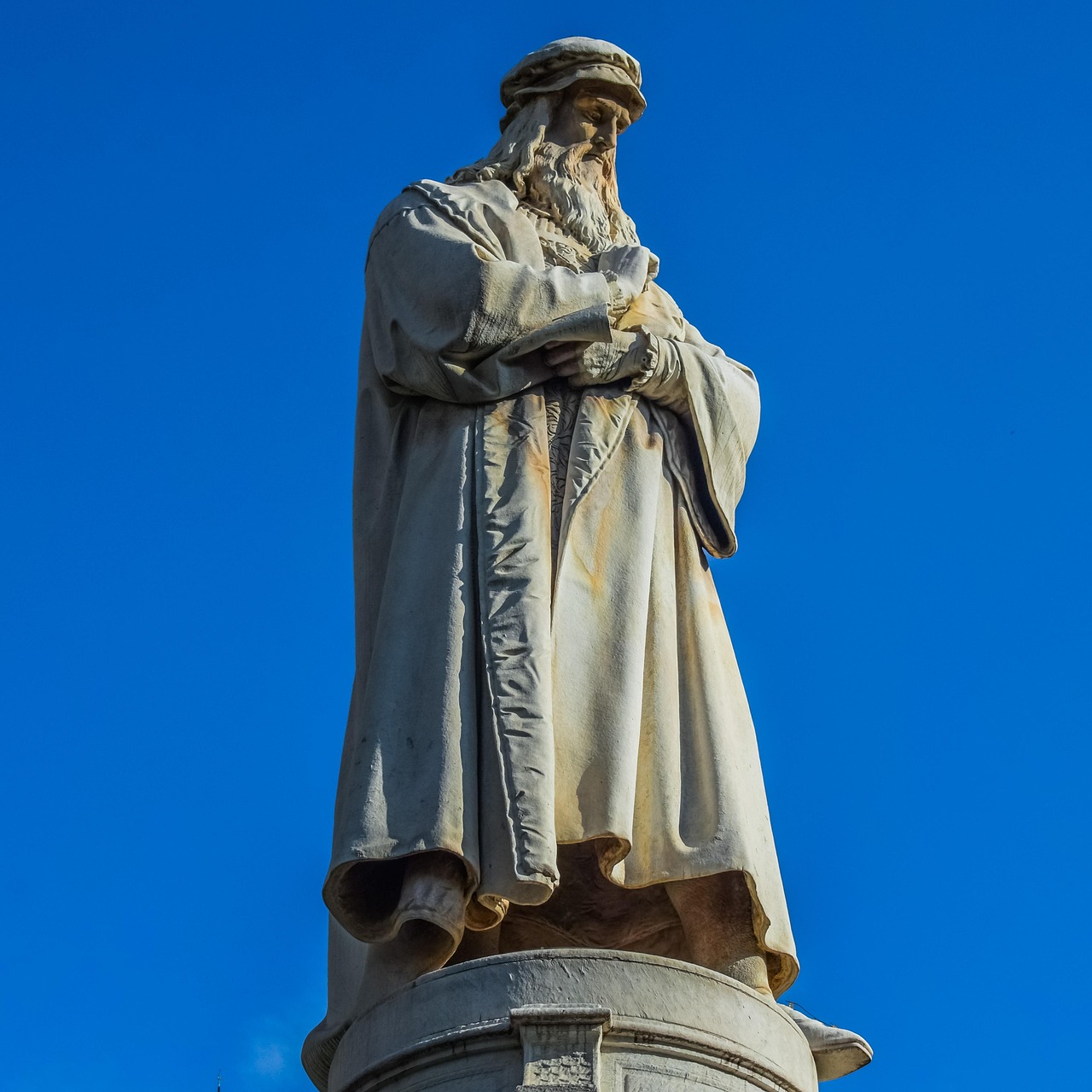
Guided tours of the Last Supper in Milan for fast, meaningful context
Choosing guided tours can be the difference between “I saw it” and “I understood it.” With such a short timed slot, a good guide helps you read the composition quickly—how lines and gestures draw you back to the centre, and how da vinci’s planning makes the narrative snap into place in seconds. For many first-time visitors, it also eases the pressure of being a tourist in a highly regulated setting.
If you want extra depth, ask for a guide who can explain leonardo’s technique, the history of patronage, and why this work of art sits at the heart of the Italian Renaissance story.
Small-group guided tours vs. going one-to-one with an expert
Small-group guided tours suit first-timers who want expert structure and a shared sense of wonder, without feeling rushed. A one-to-one format suits travellers who crave detail, families who need a gentler pace, and anyone who wants to ask questions freely—especially helpful when the no-photography rule means you’re relying on memory and observation.
If you’re unsure, here’s a simple way to decide: choose small-group if you want value and energy; choose a one-to-one format if you want intimacy, control, and a personal thread through Milanese history.
Restoration, WWII, and the emotional weight of survival
Many people are surprised that the most moving part isn’t only the image, but the survival story around it. Hearing how conservation teams fought deterioration—and how the refectory of the dominican convent was protected during WWII—adds emotional weight that stays with you. It’s also the clearest reminder of how much careful restoration is still shaping what we can see today.
To keep the experience smooth, follow on-the-ground etiquette: no photography in the room, keep voices low, and move with respectful behaviour. This isn’t stiffness; it’s care, and it’s part of why the mural can still be shared.
Practical support matters too. Arrive early, keep your ID handy if required for your ticket, and let your guide handle the timekeeping—so you can focus on looking closely and staying present.
Explore Santa Maria delle Grazie in Milan: UNESCO context and the Vinciano setting
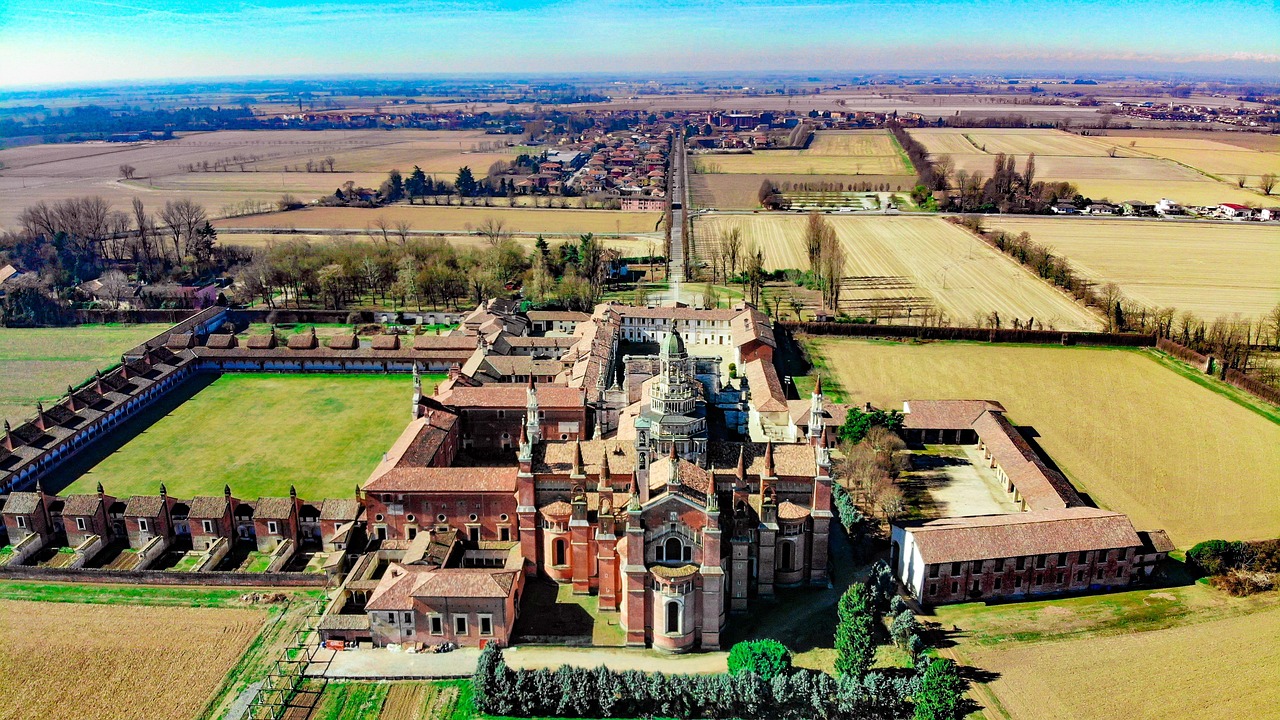
Explore Santa Maria delle Grazie in Milan for UNESCO context around the mural
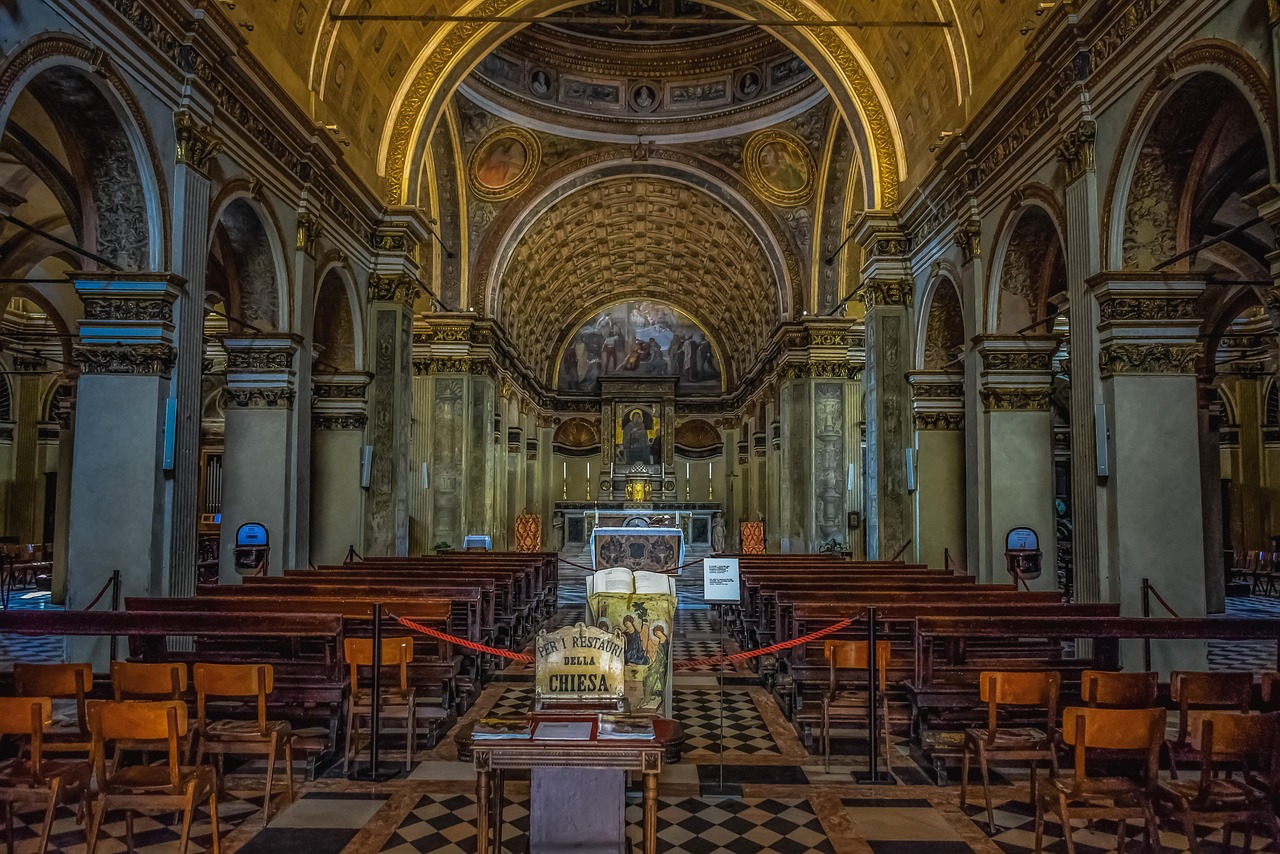
This stop isn’t just “background”—it’s part of the meaning. Beyond the last supper, take time to explore the wider complex and its architecture, recognised as a UNESCO World Heritage site. In Milano, the contrast between busy streets and quiet stone is one of the most famous parts of the visit.
The spatial context is beautifully grounding. Within the convent of Santa Maria delle Grazie, the dining hall belonged to the daily rhythm of the Dominican community, and the tone is still contemplative today. In older write-ups you may see it shortened to the convent of Santa Maria delle or even the convent of Santa Maria; they’re pointing to the same place, just with different shorthand.
Spend a few minutes in the church itself—the church of Santa Maria delle is where you feel the scale, light, and intention of the site. Take a slow lap through any adjacent courtyard spaces, then arrive at your time slot with the calm the setting encourages.
Timing for a calmer approach in 2026
If you can, choose an early morning or late afternoon slot. The streets may still hum, but within the complex the atmosphere softens, and the approach feels intentionally crafted rather than hurried. That small choice changes your whole day.
Think of it as a reset before you go in: a few deep breaths, a slower pace, and a quiet moment to notice how the architecture frames the experience. It makes the viewing feel more personal, even when the logistics are strict.
Photography outside, respect inside
Photography is generally fine on exteriors and in courtyards, where you can capture architectural details and a sense of place. Inside, the no-photography rule matters: it reduces disruption and helps protect a fragile surface that still reacts to light, moisture, and movement. Respect deepens the experience because it turns your attention back to looking carefully.
Design a Milan itinerary for 2026 after you visit the Last Supper museum
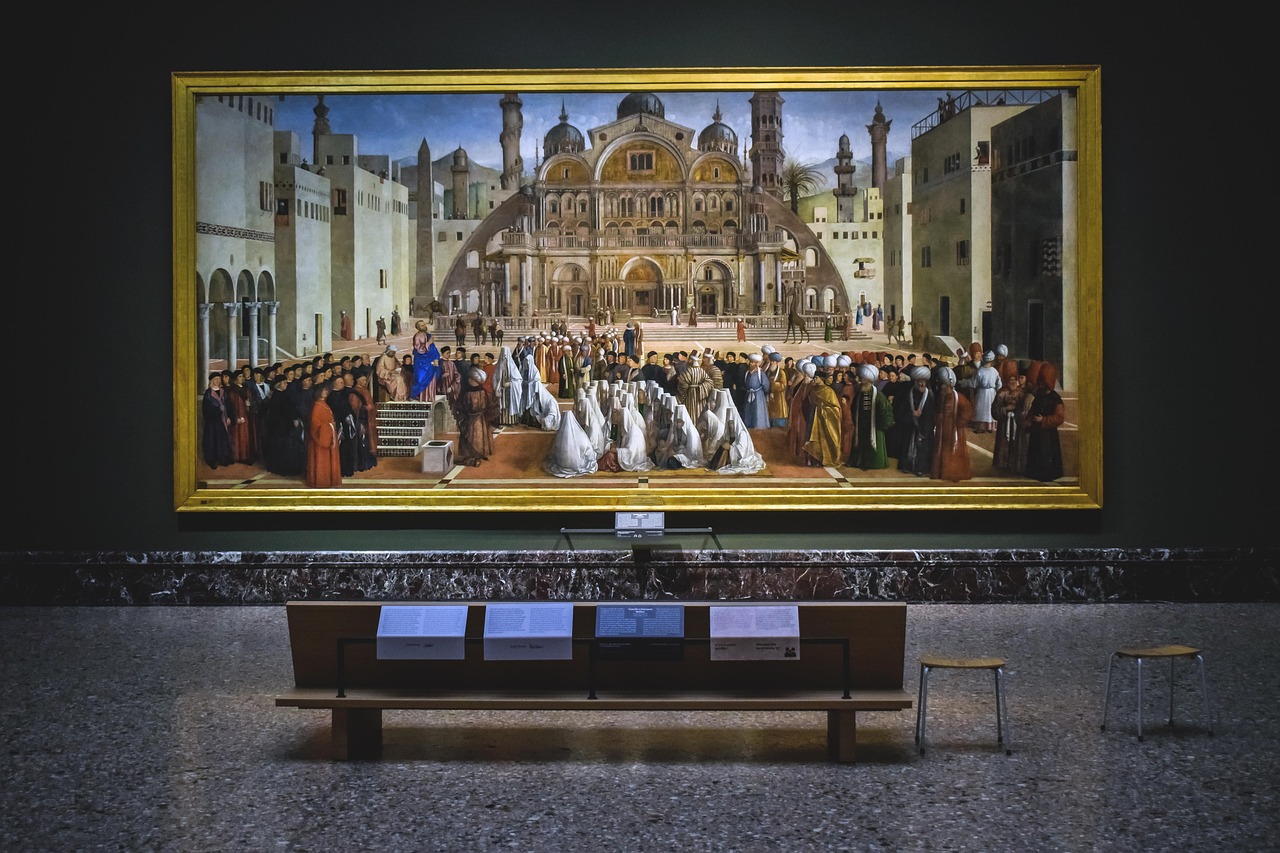
Design a Milan itinerary for 2026 after your timed visit
For 2026 planning in the city of Milan, build your day around the fixed entry time, then let everything else unfold with breathing room. Your viewing is the anchor; the rest of the itinerary should feel like a reward, not a race across a map of Milan.
Transport first, for confidence: reach the site via Metro line 2 to Cadorna station, then take the short walk. Arriving 15–20 minutes early helps you pass checks without stress and keeps your ticket time protected.
A compact walking route that still feels crafted
From the museum area, you can explore on foot and keep the day adventure-friendly with smart pauses.
- Art continuation: head towards Pinacoteca di Brera Gallery for a strong follow-up to Leonardo’s visual storytelling.
- Leonardo-linked stop: consider the Pinacoteca Ambrosiana for Renaissance works connected to Leonardo da Vinci’s world.
- One grounded café moment: choose a local spot for an espresso and a quiet journal line or two—small rituals help you process what you’ve just seen.
Power, patronage, and the courtly thread behind the mural
To connect the politics behind the painting, pair your afternoon with Sforza Castle. You’ll feel how art, power, and place fit together—layered, human, and surprisingly modern—especially once you connect the patron’s ambitions to the wider story of Ludovico and il moro.
Finish with atmosphere rather than another queue. Wander towards the Duomo, pass through the Vittorio Emanuele II Gallery, and, if you’re drawn to it, pause by La Scala—Milan’s legendary opera house. For more inspiration as you plan, you can explore our Trip gallery and design a wider Italian journey with the same balance of creativity and care.
What stayed with me after Milan: a Last Supper reflection for 2026 travellers
Last supper travel feelings are surprisingly quiet, considering how famous the image is. Days later, what returns isn’t the crowd outside or the logistics of booking, but the hush of the room and the sense that everyone was holding their breath together, protecting something precious.
There’s a gentle tension that lingers: the rarity of securing a ticket versus the shared human story you experience once you’re inside. The exclusivity is real, yet the moment belongs to all of us—because it speaks to doubt, loyalty, fear, and love in ways that don’t age.
I find I trust my own travel instincts more after experiences like this. Preparation—choosing the time, accepting the rules, leaning on expert support—creates steadiness, and that steadiness opens space to discover meaning rather than chase it. In this city, careful conservation doesn’t just preserve paint; it preserves a chance for wonder.
And then, in ordinary moments, the image follows you: a gesture remembered, a glance between figures, the sense of being briefly invited into a sacred pause. It feels must-see not because it’s famous, but because it changes how you look at art, time, and attention.
F.A.Qs: The Last Supper in Milan, Italy (tickets, timing, and what to expect)
Is The Last Supper in Milan worth seeing?
Yes—if you enjoy culture with a sense of occasion. The last supper is a rare, time-limited viewing in a carefully controlled monastic setting, and the emotional impact can be profound when you understand the history, technique, and conservation care behind it.
Is The Last Supper in Milan the original?
Yes. What you see in Milan is the original wall painting by Leonardo da Vinci, created for Santa Maria delle Grazie. It has suffered deterioration and extensive restoration, so parts are delicate, but it remains the authentic masterpiece in its original setting.
Can tourists see The Last Supper in Milan?
Yes, tourists can see the last supper, but only with advance booking. Entry is controlled with timed slots, small group size, and a strict 15-minute viewing to protect the artwork, so planning ahead is essential—especially in 2026.
Where is The Last Supper in Milan, Italy?
The last supper is inside Santa Maria delle Grazie in Milan, Italy, in the former dining hall of the complex. The site is reached easily via public transport, including Metro line 2 to Cadorna and a short walk to the entrance.