Post Contents
- Colosseum and Colosseo first steps into Rome’s wonder for a cultural adventure
- Parco Archeologico del Colosseo tickets and sito ufficiale planning with opening hours insight
- Underground and arena guided tour to uncover gladiator Rome with a guide
- Roman Forum and Palatine Hill explore civic life and myth with your combined ticket
- Night tour and local Monti to celebrate Rome after dark with a guide
- F.A.Qs: Rome Colosseum tickets and visiting basics
- What stayed with me after the Colosseum in Italy
Colosseum and Colosseo first steps into Rome’s wonder for a cultural adventure
Colosseum and Colosseo first steps into Rome’s wonder for a cultural adventure
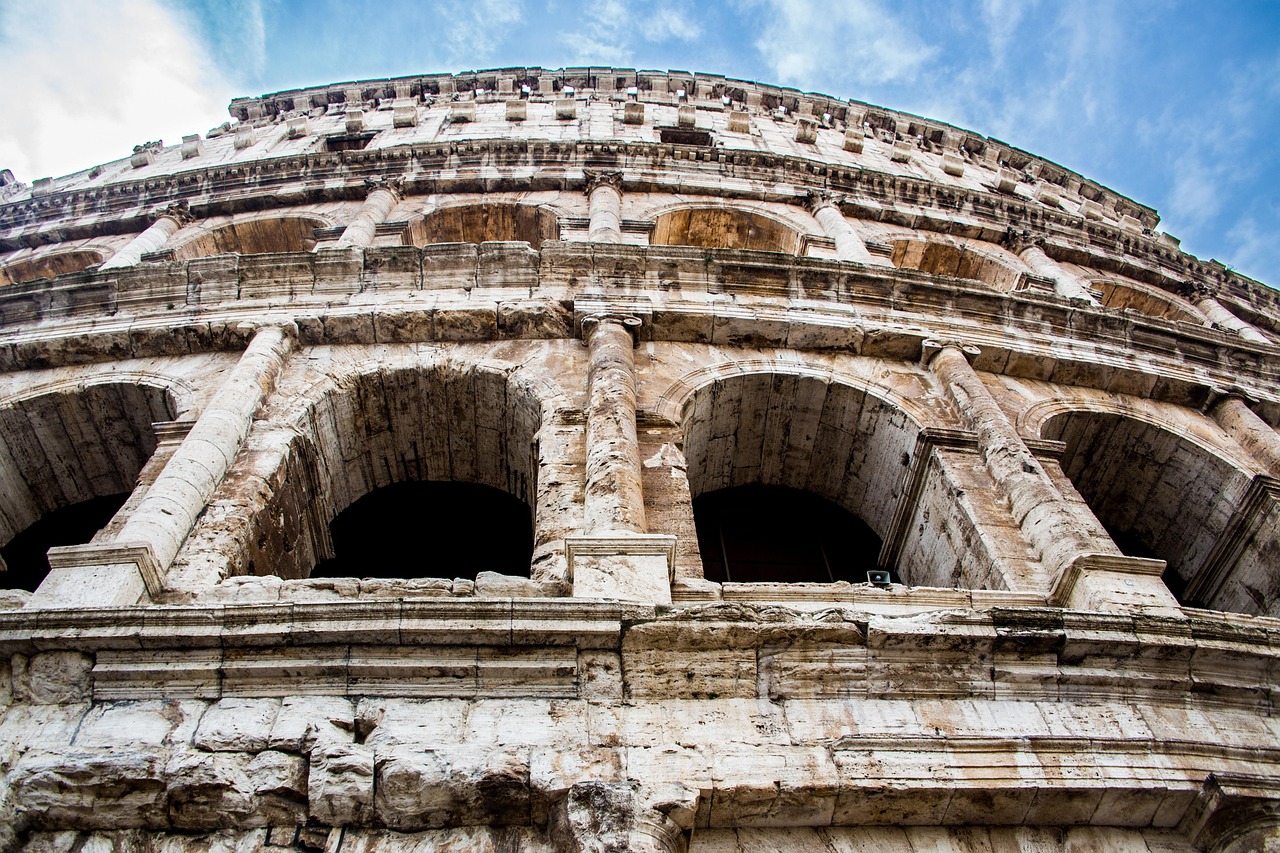
Colosseum Colosseo Rome Italy cultural adventure—those words barely prepare you for the first seconds when you turn a corner, and the Colosseum fills your vision. Even as a seasoned traveller, I still feel my pace slow in Rome, as if the air asks you to notice. Take a breath, let the scale land in your body, and allow yourself to simply discover it before you try to “do” it.
A first view of the amphitheatre and wonder
The Colosseum is an iconic symbol of Rome, a symbol of imperial power and a tourist attraction that remains strangely personal once you’re inside. Near this site once stood the Colossus and the statue of Nero; Nero’s shadow lingers in the name Colosseo, even though the Flavian emperors redirected the city’s story here. It is both symbolic and physical: an amphitheatre built for public spectacles, now a place where quiet awe often wins.
Before you enter, imagine the roar of 50,000 people—each spectator part of a living tide of sound. Many travellers describe the same jolt of perspective: you’re standing in a space designed to move crowds, and yet you can still find a private moment. Lucia, a travel blogger, once told me how the sunset turned the stone gold, and she felt a sudden, tender connection to Rome’s layered history, as if time were folding in on itself.
Creating a calm entrance plan in Rome
For today’s experience, it helps to understand the simple geography. The main arena viewpoint is what most people picture, while the upper tiers lift you into the stands, and the underground takes you beneath the arena, where the building’s working life unfolded. A solo adventurer I met said an expert archaeologist made heroism and tragedy feel close, less like a textbook and more like human lives, with bravery that didn’t look like a film.
Expect effort: uneven surfaces, stairs, and the pulse of the crowd—especially in warmer months. With a little support-focused planning (water, shade breaks, and a steady pace), your start can feel calm rather than rushed. You don’t need to outpace Rome; you can trust your own rhythm.




Parco Archeologico del Colosseo tickets and sito ufficiale planning with opening hours insight
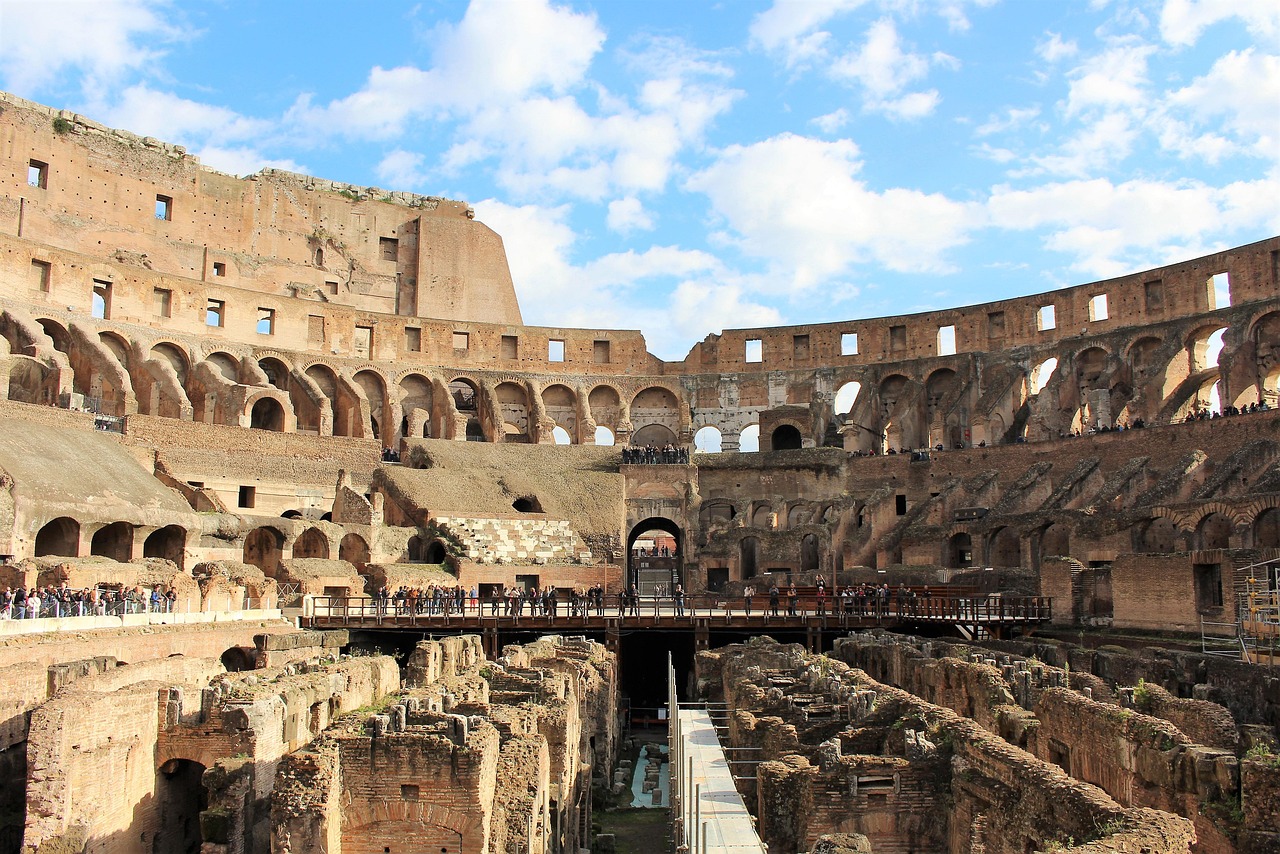
Parco Archeologico del Colosseo tickets and sito ufficiale planning in Rome
Parco Archeologico del Colosseo sito ufficiale ticket opening hours Rome—this is the practical backbone that lets your day feel seamless. The simplest choice for most travellers is the combined ticket that links the Colosseum, Roman Forum, and Palatine Hill, so you can explore them together without rethinking logistics at every gate. It’s also a smart way to design your day as one cultural narrative, not three disconnected stops.
Choosing the right ticket for a seamless day
As a baseline, the combined ticket is typically around €16, with discounts for EU citizens under 25 and free entry for children under 18—always check the latest updates before you pay. What matters for Adventure Seekers is what’s included: standard entry is powerful, but special areas (arena floor, upper tiers, underground) can require a specific time slot or a guided tour.
- Combined ticket: best value for a full Roman day (Colosseum + Roman Forum + Palatine Hill).
- Special access: look for underground/arena/upper tier availability when you book.
- Ticket revenue: contributes to ongoing restoration and conservation work.
Booking strategy and arriving with confidence
Book online in advance to avoid long queues and to secure the time you actually want—especially if you’re aiming for limited underground groups. Aim for early morning or late afternoon to dodge the harshest heat and the busiest crowd energy, particularly in spring and autumn. This is where your day begins to feel crafted: you’re choosing light, temperature, and space, not just an entry time.
Getting there is reassuringly straightforward: Metro Line B to the Colosseo stop, then follow the flow towards the security checks and your allocated entrance line. If you arrive early, use it as a gift—stand back for photos, sip a coffee nearby, and keep your ID and ticket handy for checks. If you’d like inspiration for a wider Italy itinerary, you can browse our Trip gallery and imagine what to pair with Rome next.
Underground and arena guided tour to uncover gladiator Rome with a guide
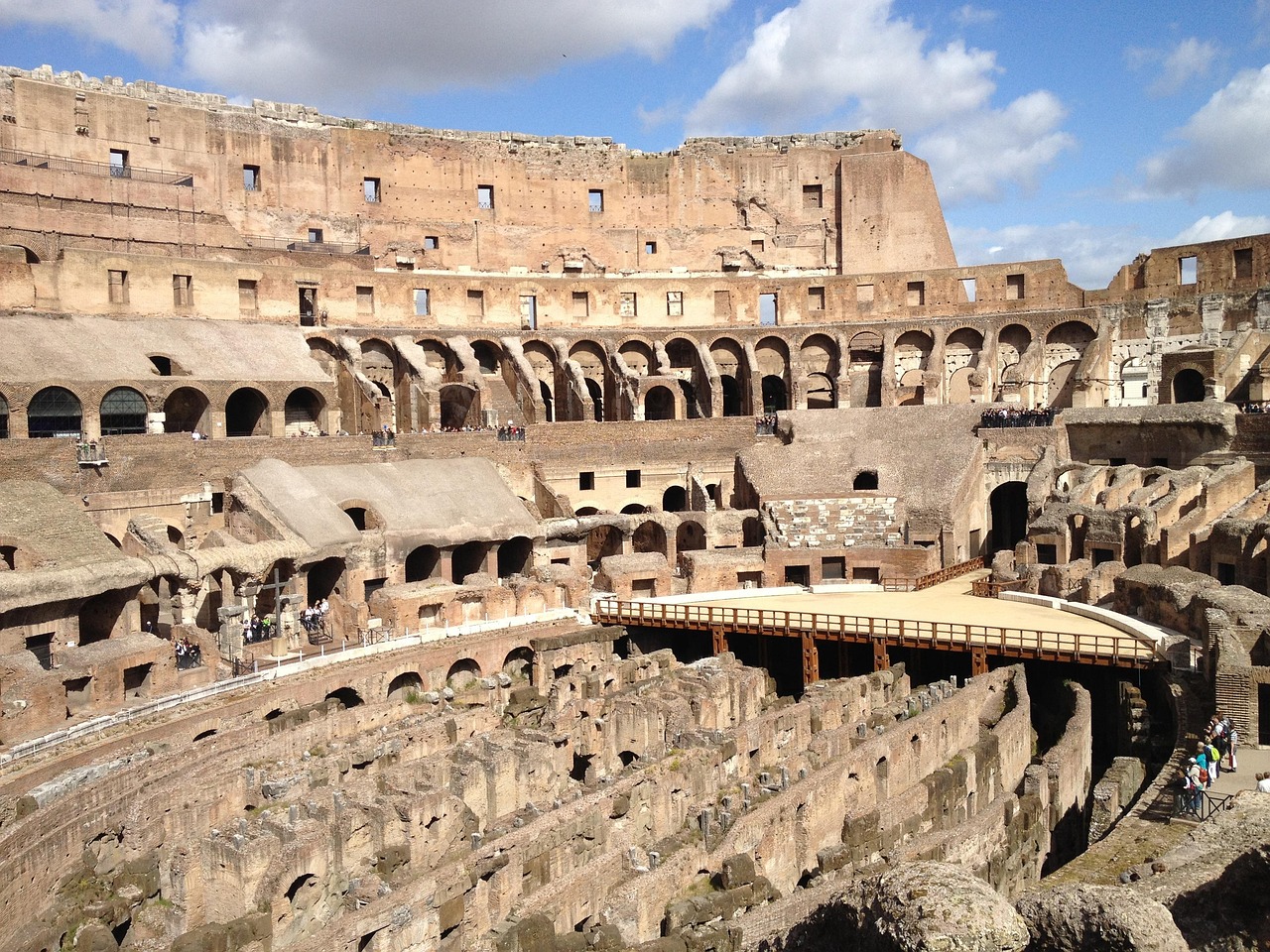
Underground and arena guided tour to uncover gladiator Rome
Colosseum underground guided tour arena gladiator fights Rome—this is the version of the monument that feels like an unveiling. Below the arena, you step into the working heart of the Flavian Amphitheatre, where schedules, fear, and engineering met in tight corridors. It’s the best place to uncover how the spectacle was built, not just watched.
Where gladiators waited, and the spectacle was made
The underground levels reveal where a gladiator prepared, where animals were held for animal hunts, and how stage machinery lifted surprises into the light. It’s hard not to imagine the moments before a contest: the clink of metal, the voice of an organiser, the weight of a coming battle. Even when you’ve read about gladiatorial combat, the spaces make it feel human—less myth, more breath.
The arena itself was a performance surface, and at times the programme could be as varied as an exhibition of power: gladiator fights, executions, and even early mock naval battles (stories say the floor could once be adapted for water before later structural changes). The drama wasn’t just entertainment; it was a public statement of order and control.
Flavian history and engineering you can feel underfoot
Construction of the Colosseum began under Emperor Vespasian around 72, and it opened under Titus—his successor—before Domitian expanded its functions during his reign. In other words, it belongs to the emperors of the Flavian dynasty, a family project on a city scale. Set against the Roman Empire, it reads like propaganda in stone, yet what survives is also architectural brilliance: concrete cores, an elegant arcade rhythm, and crowd-management routes that still make modern stadiums feel like echoes.
Time wasn’t gentle. An earthquake scarred the structure, and in later centuries neglect, opportunistic reuse, and restoration—sometimes the Colosseum became a quarry for building materials. A great guide can help you hold these layers together without judgment, offering insight rather than a lecture.
If you’re choosing a tour, consider the level of support you want. Small-group tours can feel social and efficient; private guiding can be deeply personal and paced to your curiosity. Ask your guide about daily life behind the spectacles, the evidence for changes over time, and how archaeologists interpret silence as carefully as they read inscriptions.The
Roman Forum and Palatine Hill explore civic life and myth with your combined ticket
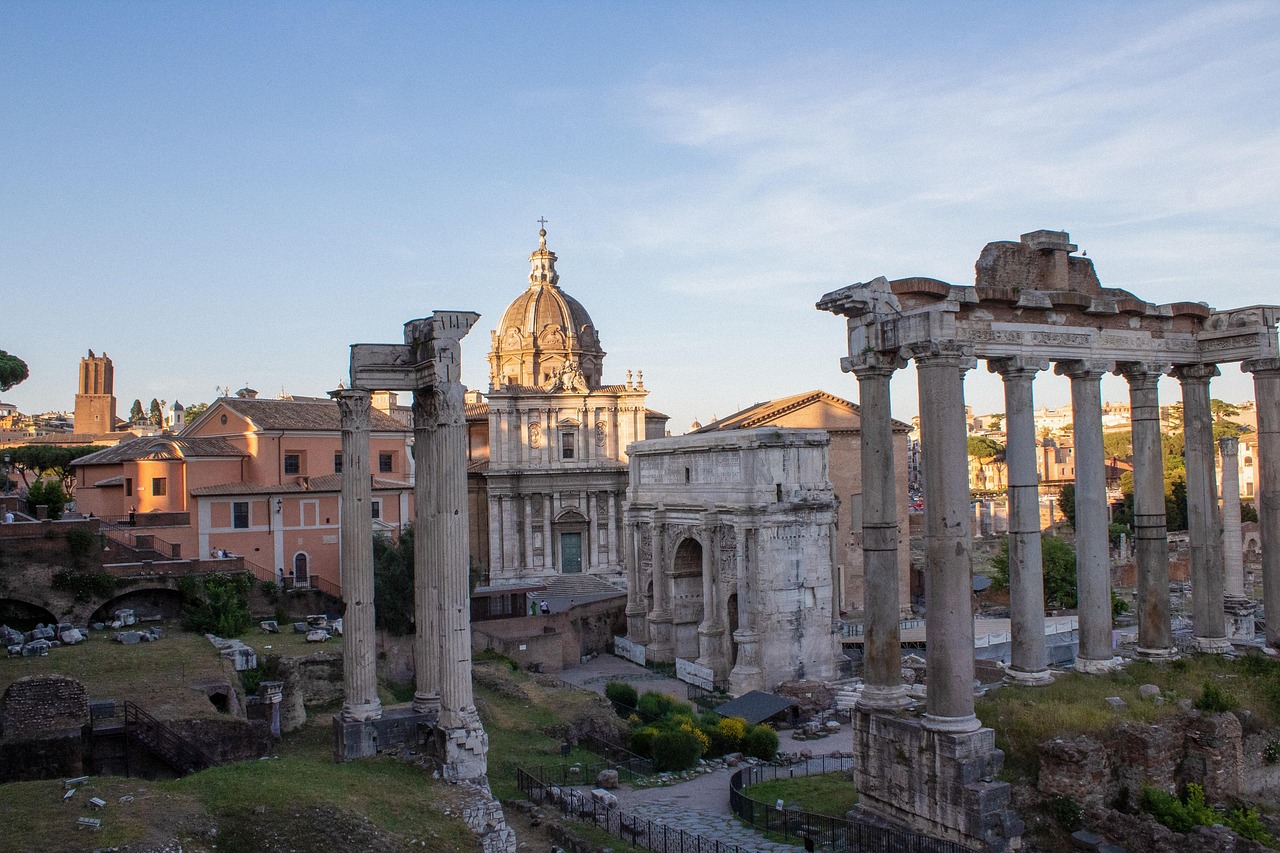
Roman Forum and Palatine Hill explore civic life and myth after the Colosseum
Roman Forum Palatine Hill Rome walk combined ticket—this is the natural continuation once the amphitheatre has opened your imagination. With your ticket, you move from engineered spectacle into the civic bloodstream of ancient Rome, where Romans argued, prayed, traded, and watched power perform itself in slower, daily ways. The shift is profound: you start to feel the city as a lived place, not just a set of famous stones.
Designing a Roman Forum walk with story-rich stops
Enter the Roman Forum with an unhurried mindset, and let viewpoints guide you. Look for corners where processions once threaded through, and pause where the ruins align into something like a street again. If you enjoy detail, listen for how your guide (or your own reading) turns fragments into lives: the click of sandals, the tension of politics, the tenderness of ordinary errands.
There’s also a later history to hold with care. In the Middle Ages, parts of this landscape were reused in a fortress-like manner, and the area’s story kept changing as faith and memory reshaped the city. Near the Colosseum, Christian remembrance remains; on Good Friday, the Pope leads the Via Crucis, and the city’s layers speak to one another across centuries.
Palatine Hill adventure and myth meet archaeology
Palatine Hill rewards Adventure Seekers who don’t mind uneven terrain and stairs. The climb offers panoramic views and a sense of height that makes the map of Rome click into place. It’s also the realm of myth and power: emperors built a palace complex here, and the ground feels charged with origin stories, whether you read them as legend or as a city’s way of explaining itself.
Move mindfully. Don’t touch the ruins, follow posted signs, and keep photography respectful—no flash where it’s restricted, and avoid tripods inside tighter areas. Creating space for quiet observation is, in its own way, the most refined kind of luxury.
Night tour and local Monti to celebrate Rome after dark with a guide
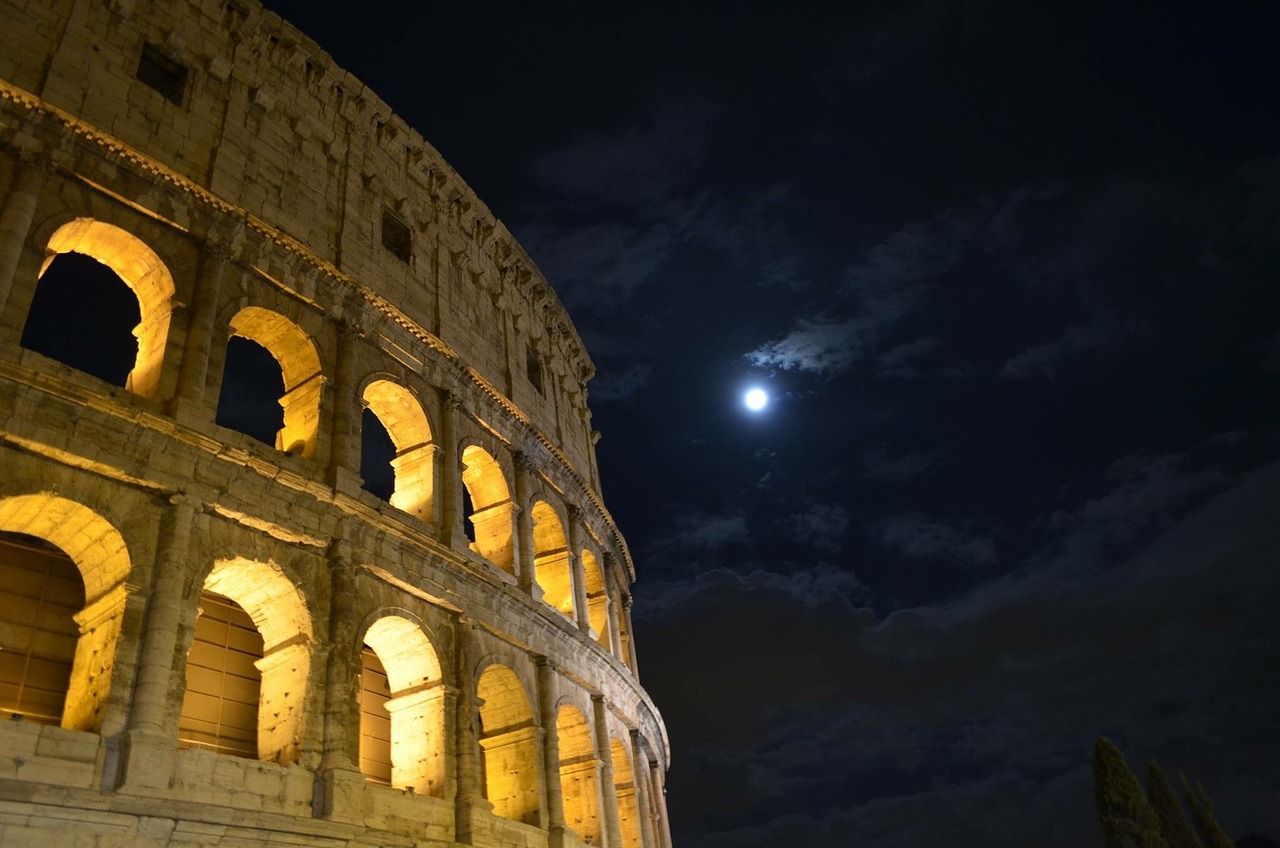
Night tour and local Monti to celebrate Rome after dark near the Colosseum
Colosseum night tour, Rome guide, Monti local eateries—if your days are full, make space for this. At night, the Colosseum becomes a different monument: illuminated edges, cooler air, and a calmer mood that invites a slower kind of attention. You’ll see its silhouette as a piece of living design, not just a daytime landmark surrounded by movement.
What to expect on a Colosseum night tour
Night tours typically run on set timings, with clear meeting points and tighter entry checks, so keep your ticket and ID to hand. Wear comfortable shoes and bring a light layer; even in Rome, it can feel breezy once you stop walking. If you’re travelling solo, choose reputable operators and a well-reviewed guide—trust matters, and good support is the difference between uneasy and effortless.
- Timing: arrive a little early so you’re not rushing through the entrance.
- Comfort: light jacket, water, and shoes that handle stone steps.
- Confidence: stick to well-lit routes and avoid deserted shortcuts.
Monti for a local finish that feels crafted
Afterwards, Monti is a gentle pivot back to modern Roma. The neighbourhood’s artisan shops and small Italian eateries help your evening feel local, not packaged—an unforced close to a big day. A relaxed stroll here is also a quiet act of care for yourself: you’re letting the experience settle rather than chasing one more checklist item.
As you walk, it’s easy to imagine the stones holding centuries of voices, then to step back into the present with gratitude. Rome is at its best when you allow it to be both grand and ordinary, all at once.
F.A.Qs: Rome Colosseum tickets and visiting basics
What is the Colosseum in Rome famous for?
The Roman Colosseum is famous as the largest ancient amphitheatre ever built and a powerful symbol of Roman engineering and imperial ambition. It hosted public spectacles ranging from gladiatorial contests to animal hunts, drawing vast crowds and shaping how the city wielded power and entertained.
How many gladiators were killed in the Coliseum?
No exact, reliable number survives for how many gladiators were killed in the Coliseum. Ancient sources are partial, sometimes exaggerated, and often focused on impact rather than records. A good guide can explain what historians infer from evidence, while also acknowledging the human cost behind the spectacle.
How much does it cost to visit the Colosseum?
A common baseline is a combined ticket for the Colosseum, Roman Forum, and Palatine Hill priced around €16, with discounts for EU citizens under 25 and free entry for children under 18. Prices and inclusions can change, so check official details before you book, especially for underground or arena access.
Are there toilets in the Colosseum?
Yes, there are toilets available for visitors in the Colosseum complex, though queues can form at peak times. It’s wise to use facilities when you see them, especially if you’re doing upper levels or a longer combined visit that continues into the Roman Forum and Palatine Hill.
What stayed with me after the Colosseum in Italy
Colosseum, Rome, Italy, personal reflection—days later, I still feel the scale in my chest, as if the air inside that amphitheatre recalibrated my sense of time. There’s a tenderness to it that surprised me: a place built for spectacle now invites silence, and the silence is not empty. It’s full of what you can’t fully know, and that’s exactly why it stays with you.
I remember warm light on stone, not as a postcard scene but as something intimate—like the city briefly showing its softer face. I think of the Roman stories we inherit: courage, cruelty, endurance, and the fragile lines between them. The ruins don’t ask you to approve of the past; they simply ask you to witness it with humility and care.
Somewhere between the upper tiers and the shadows below, my idea of “brave” shifted. Not the loud version, but the quiet kind: choosing attention over noise, choosing patience over urgency, and trusting your own pace even when the world rushes. You may leave with a different answer entirely—and that, too, is part of the gift.
Long after you’ve left Rome, history keeps appearing in everyday streets: an archway, a cobbled corner, a sudden view that makes you pause. Stay curious, and let the city’s stories unfold gently—without forcing them—whenever you’re ready to notice again.