Post Contents
- Visit Turin with Confidence: Italy’s First Capital, Top Sights, and an Elegant City-Centre Base
- Museums in Turin to Explore: Palazzo Madama, GAM, and the Best Things for Culture Lovers
- Museo Egizio: Egyptian Museum Turin Highlights and Tickets for Curious Travellers
- Mole Antonelliana: National Cinema Museum and a Night View of Turin
- Piazza San Carlo Cafés & Chocolate: Turin Itinerary, Get to Turin, and Stay in Turin Well
- Piazza San Carlo Cafés and the Bicerin Ritual
- Chocolate in Piedmont: Guido Gobino, Peyrano, and Icons Created in Turin
- A Day in Turin: Museum Morning, City Centre Strolls, and Things to See
- Logistics: Best Time to Visit Turin, How to Get to Turin, and Where to Stay
- Fine Dining in Turin: Reservations, Night Transport, and City-Centre Safety
- F.A.Qs: Things to do in Turin, Italy
- After Your Trip to Turin: What You’ll Remember From Northern Italy
Visit Turin with Confidence: Italy’s First Capital, Top Sights, and an Elegant City-Centre Base
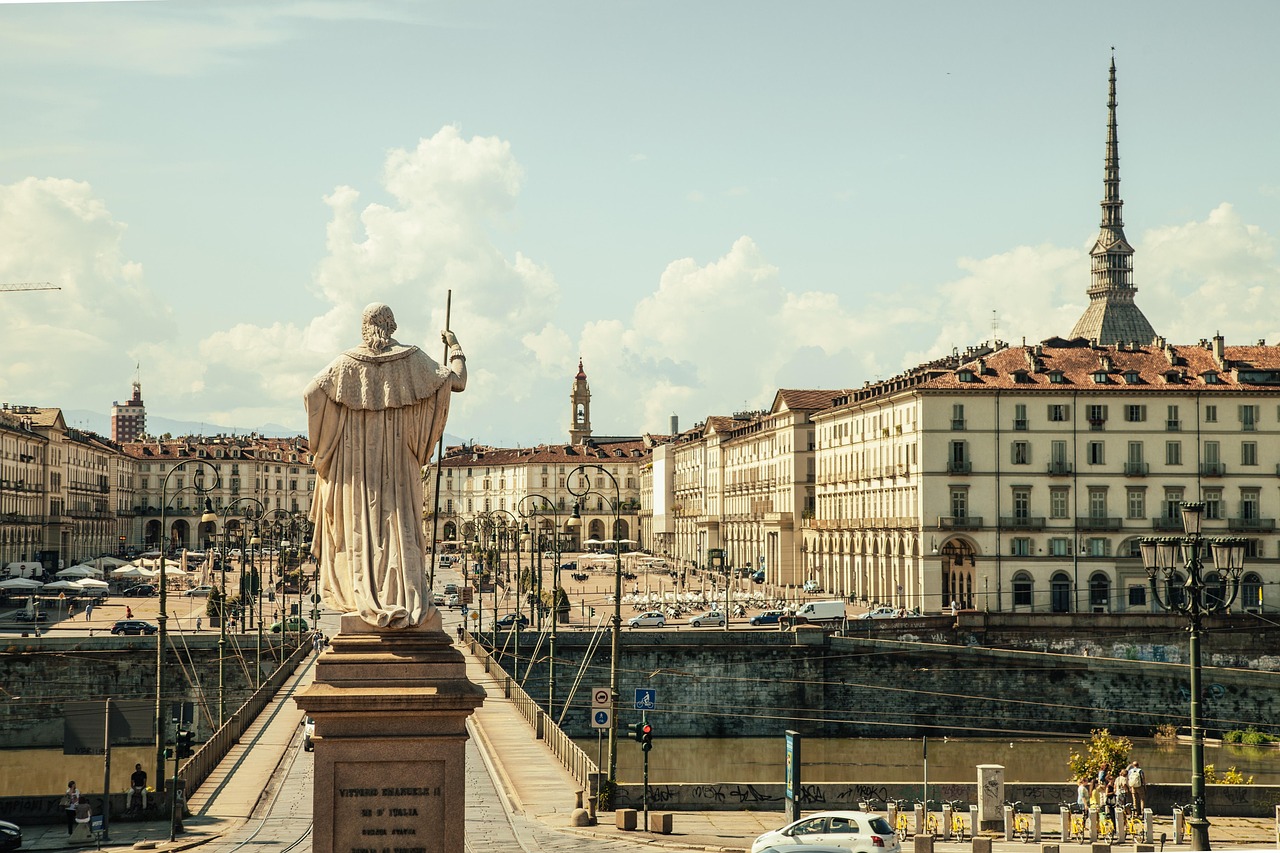
Visit Turin with confidence in Italy’s first capital, with top sights in the city centre
If you’re planning to visit Turin and want a calm introduction to Italy’s understated north, let the city reveal itself at a gentle pace. Turin was the first capital—Italy’s first in the modern era, and the first capital of Italy for a brief, formative moment—so the grandeur feels intentional rather than showy. Today, Turin is the capital of Piedmont, and that sense of order still shapes the arcades, boulevards, and the quietly polished rhythm of daily life.
As a graceful gateway to Piedmont and northwestern Italy, Turin is a city that suits travellers who value craft, space, and thoughtful service. To get oriented, head for the city centre around Piazza Castello, where the arcaded streets make it easy to see the city in any weather. Think of this first hour as your soft landing in the city of Turin: coffee in hand, no rush, and architecture that sets your pace for you.
Piazza Castello: Royal Core of the City of Turin and a Gateway to Key Attractions
Piazza Castello is the historical heart of the city—an open stage framed by palazzi façades where the past feels present but never heavy. Look for each statue and equestrian figure as part of a carefully composed scene; you’ll notice how every axis and perspective pulls you back towards ceremony, authority, and order. This royal centre was once defined by city walls, and even today, the street plan reads like a purposeful design rather than a coincidence.
Pause long enough to catch the details: the hush under the porticoes, the polished stone, the way the square opens and closes as people flow through it. It’s an attraction in its own right, and it also works as your compass point for many other attractions in Turin. When you plan to visit multiple sites, looping back here between stops makes the day feel organised, calm, and beautifully doable.
Royal Palace of Turin, Chapel of the Holy Shroud & Turin Cathedral: Baroque Heritage in Piazza Castello
To uncover the city’s baroque and Savoy heritage with confidence, consider an expert-led visit to the royal palace. A guided tour of the Royal Palace of Turin helps you read the rooms as more than opulence—materials, symbolism, and the way power was staged through architecture and ceremony. It’s definitely one of the best ways to connect with Turin and Piedmont as lived history, not simply spectacle.
Nearby, the chapel of the Holy Shroud and the Turin Cathedral invite a different pace—quiet, respectful, and grounded. For travellers who wish to see the Shroud (and understand the story of the holy shroud and the Shroud of Turin with care), it’s worth checking current access arrangements in advance; even without direct viewing, the atmosphere and artistry can feel deeply personal. In a destination known for its museum culture, this sacred complex is a reminder that meaning is sometimes held in silence rather than labels.
As the afternoon softens, design a golden-hour stroll down Via Roma. It’s polished, elegant for shopping, and ideal for people-watching—especially if you treat it as a slow ribbon back towards your hotel rather than a checklist. The mood is reassuring: discreet service, unhurried steps, and a city that feels composed from morning to night.




Museums in Turin to Explore: Palazzo Madama, GAM, and the Best Things for Culture Lovers
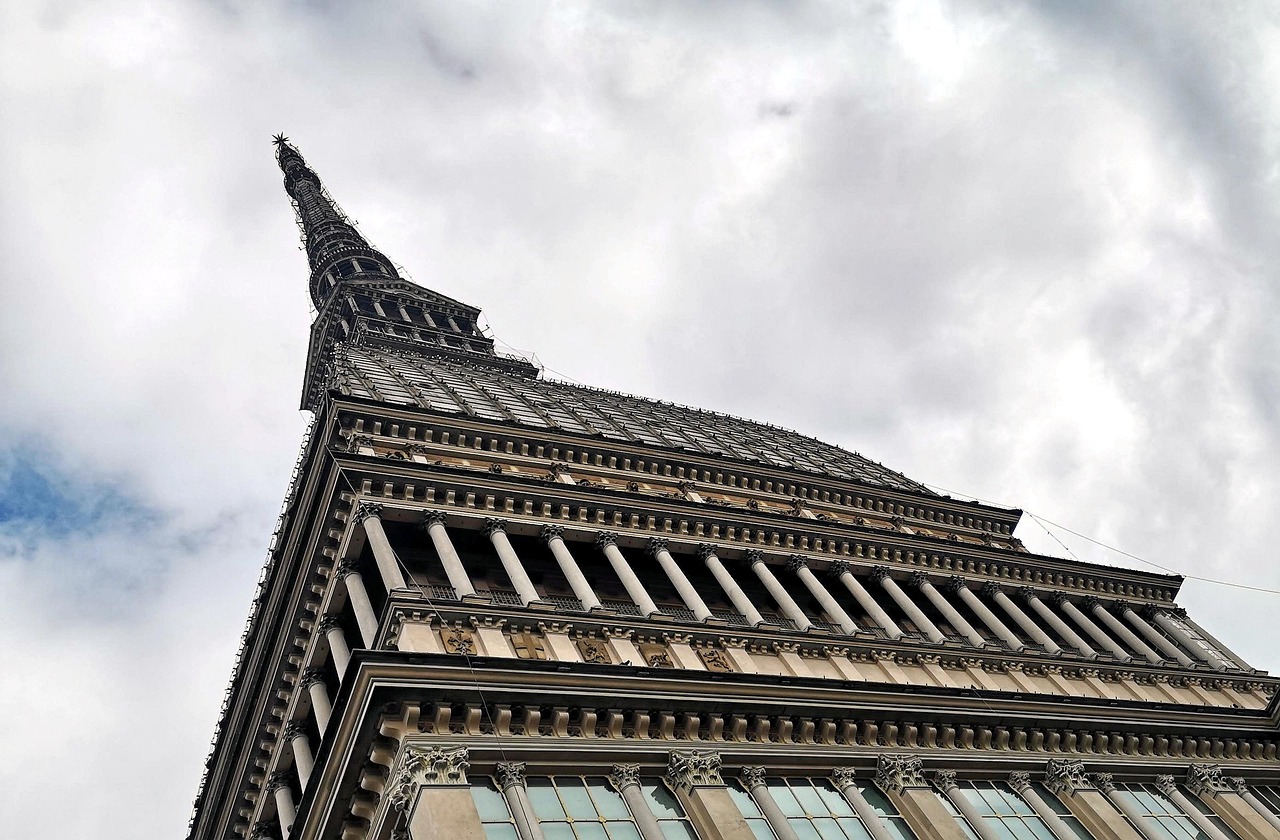
Museums to explore in Turin, from Palazzo Madama to GAM, for elegant days
For travellers searching for things to do in Turin, the cultural offering is remarkably coherent: each museum feels curated with intelligence rather than noise. Turin is home to collections that reward slow looking, so it’s easy to visit several museums without feeling drained—provided you pace your day with intention and leave breathing room between galleries.
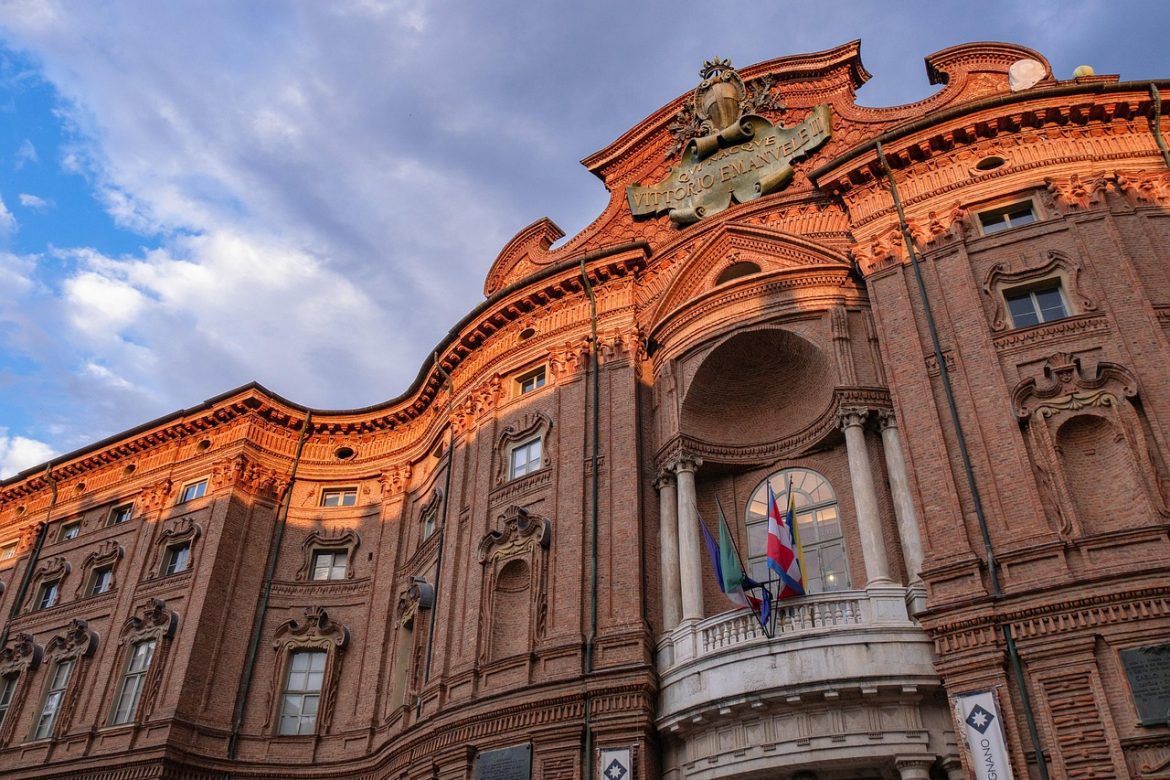
Start with Palazzo Madama, a building that wears its time periods like couture. Its layered identity—medieval structure with a baroque face—sets the tone for the city itself: disciplined elegance with hidden complexity, and an eye for objects that feel chosen rather than simply accumulated.
Palazzo Madama: City Museum of Ancient Art (Museo Civico) in the Heart of Piedmont
Palazzo Madama is a place to visit for anyone who wants architecture to tell a story. As the city museum of ancient art, it’s often introduced as the Turin city museum of ancient heritage—yet it’s more than a collection; it’s a lesson in proportion, ornament, and power. Move slowly through rooms where craftsmanship feels intimate, and let the building’s transitions guide you from medieval to baroque without a single abrupt turn.
In a city with a strong museum of Turin identity, Palazzo Madama helps you read local taste for refinement. Notice stonework, textiles, and the careful lighting—small signals of care that experienced travellers tend to recognise immediately, especially when comparing cultural stops across northern Italy.
How to Plan a Museum Day: Top Tips for Visiting Several Museums Without Fatigue
When you’re mapping out things to do in Turin, a simple rhythm keeps the day feeling crafted rather than crowded. Here’s a pacing approach that supports a seamless experience across multiple museo or museums—especially if you want to enjoy the collections and still have energy for aperitivo.
- Timed entry: book morning slots for your headline museum when attention is freshest.
- Morning focus: choose one “deep dive” gallery rather than trying to cover everything.
- Late-lunch reset: schedule a long lunch and a short walk under the arcades before your next museum visit.
- One more, not three: cap the day with a second museum or a short exhibition, not a marathon.
This is the advice we return to again and again: the most elegant itinerary is often defined by what you leave out, not by how much you squeeze in.
GAM in Piedmont: Modern Art Museum Energy as a Fresh Counterpoint
Then pivot into the present at GAM – Galleria Civica d’Arte Moderna e Contemporanea. As a contemporary counterpoint, this museum brings you into conversation with creative life in Piedmont: bolder forms, different questions, a fresher palette. If your mind has been living in royal rooms and ancient craftsmanship, GAM’s curatorial voice can feel like a bright, modern breath.
To engage well, choose a small number of works and spend more time with each. Read the wall text, then look again; your second look is where insight appears. It’s a gentle reminder that not all the city’s best experiences announce themselves loudly—many are quietly confident, like the city itself.
A personal note: a well-chosen guided tour can transform the experience. The right expert doesn’t overwhelm you with dates; they help you notice materials, symbols, and context, so you can trust your own response. That kind of support creates calm—and a museum day that feels human, not hurried.
Museo Egizio: Egyptian Museum Turin Highlights and Tickets for Curious Travellers
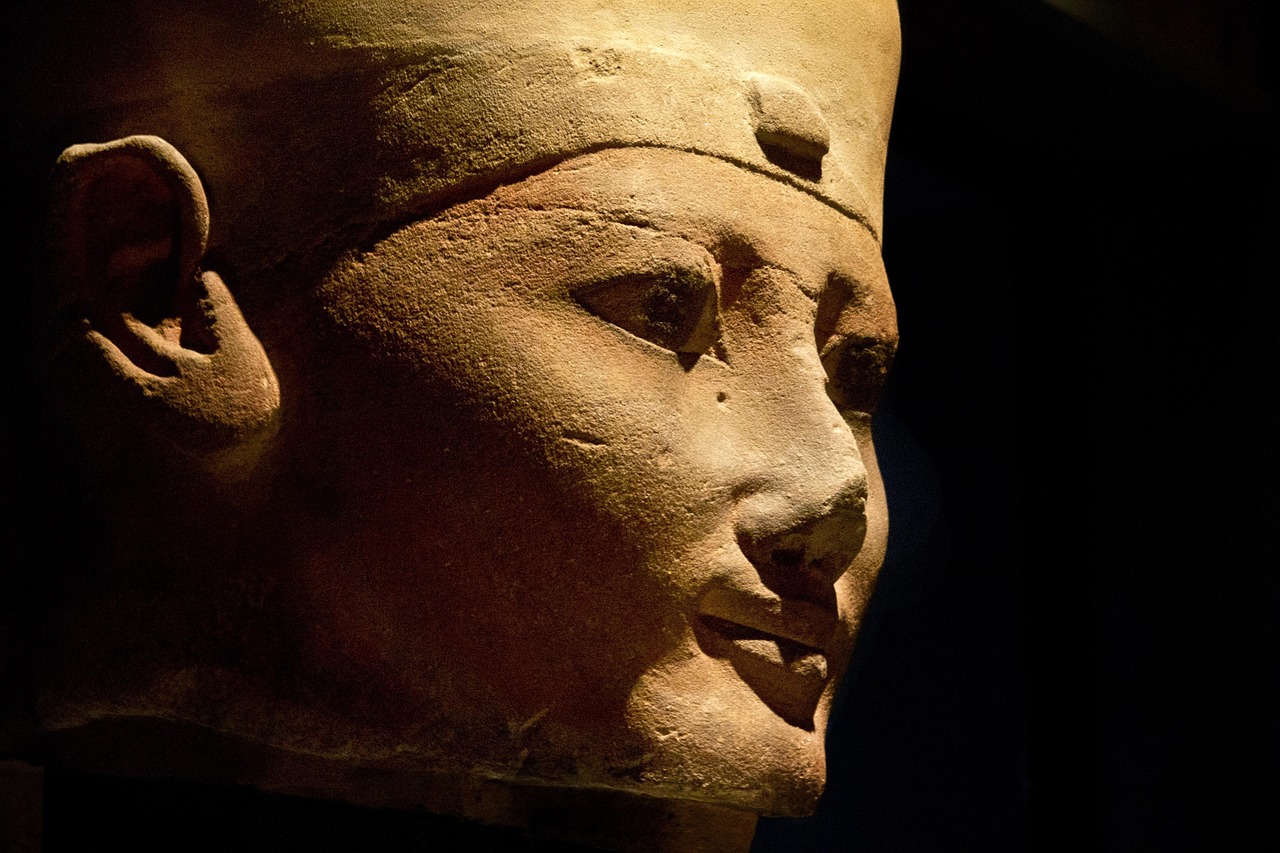
Museo Egizio and the Egyptian Museum experience in Turin for curious travellers
One of the most rewarding things to do in Turin is to spend focused time at the Egyptian Museum. If you’re searching for “Egyptian Museum Turin” or “Museo Egizio,” set expectations high: Turin is the home of a world-leading collection outside Egypt, curated with clarity that makes a complex civilisation feel accessible. This is one of the top things for travellers who prefer depth over spectacle, with a calm flow that encourages you to slow down.
The gallery sequence is thoughtfully designed, guiding you through belief, daily life, craftsmanship, and power. It’s a museum that rewards patience: even corridors feel composed, and you’ll find yourself lingering naturally—exactly the kind of cultural experience that lifts a wider trip through museums in Italy.
Inside the Turin Egyptian Museum: A Personal, Art-Led Way to Explore the Collection
An art enthusiast once described their visit to the Turin Egyptian Museum as unexpectedly emotional. They expected a grand collection; what they found was a human-scale encounter—rooms that felt close enough to “speak”, and labels that connected objects to people rather than abstractions. In their words, the curation shifted their understanding of ancient civilisations: from less distant monuments to a more lived world.
That’s the power of this museum. It doesn’t ask you to rush past highlights; it invites you to imagine hands shaping materials, writing inscriptions, repairing surfaces—craft as continuity, and history as something you can almost touch.
Tickets, Time to Visit, and Booking Advice for Museo Egizio
Practicalities matter if you want the day to feel seamless. Tickets are typically around €15, and booking ahead is strongly recommended; it’s the simplest way to avoid queues and keep your schedule refined. If you’re building an Italy itinerary that includes other cities, timed entry here can help the whole journey feel calm and well-managed.
The ideal moment is either early morning for quiet concentration or later afternoon when the flow softens. Give yourself at least two hours—three if you love reading, sketching, or simply spending longer with objects that pull you in.
What to See Beyond the Headliners: Details That Make This Museum Unforgettable
To gain real insight, look beyond the famous objects and focus on three details that deepen the story. Materials (stone, wood, pigments, metals) reveal what was valued and what was scarce. Inscriptions show a mind at work—language as design, not just meaning. And conservation tells a modern story of care: what survives, how it’s stabilised, and the choices curators make so we can continue to learn. This is a museum that teaches you how to look, which is a gift you carry into other museums in Italy.
Mole Antonelliana: National Cinema Museum and a Night View of Turin
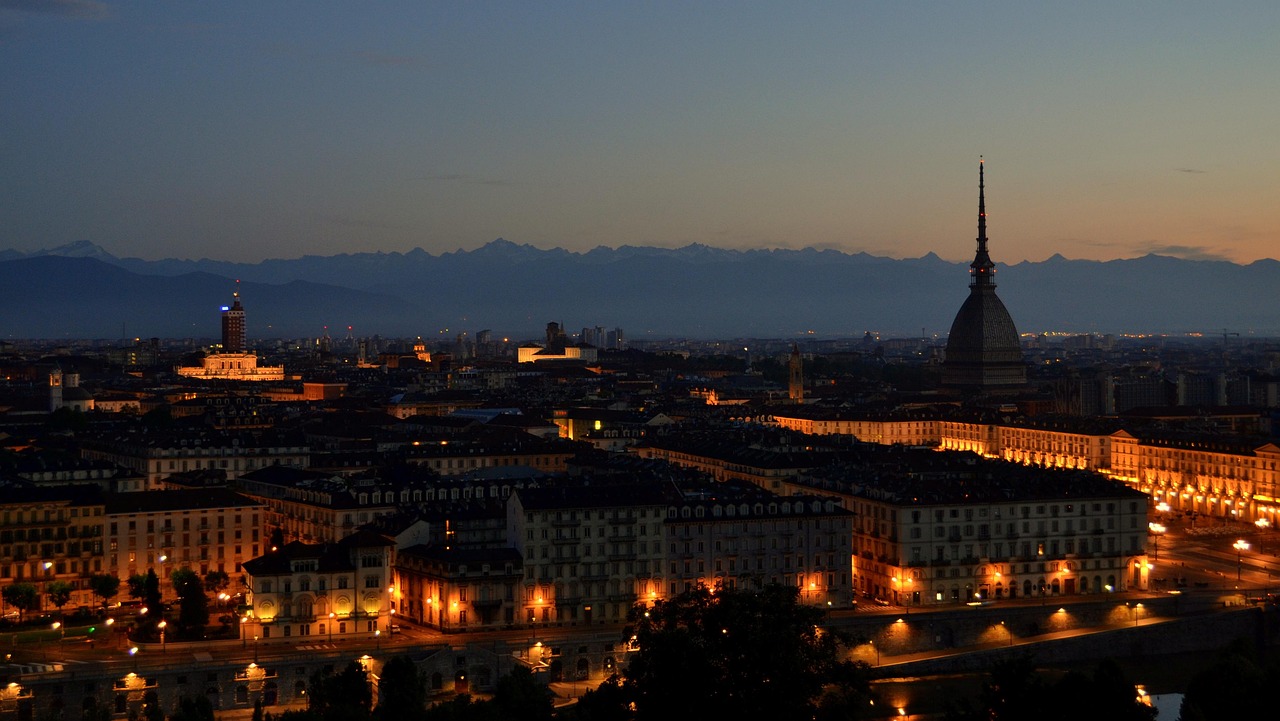
Mole Antonelliana and the National Cinema Museum at night with a panoramic view of Turin
For a memorable evening, set your sights on the Mole Antonelliana and its National Cinema museum. The Mole Antonelliana is the symbol of Turin—an architectural flourish that feels both eccentric and precise—and the galleries inside are playful, beautifully staged, and a smart choice when deciding what to see in Turin after dark.
The glass lift is part of the theatre. As it rises through the building’s hollow core, you feel the streets falling away beneath you, until you step out to take in a view of Turin that reorders your sense of geography and makes the grid of arcades feel suddenly legible.
Evening at the Cinema Museum: Interactive Galleries and Views of the City
A luxury traveller once told us their favourite moment wasn’t a grand dinner—it was an evening inside the Cinema museum, moving through interactive exhibits with the lightness of a child, then riding the glass elevator to the panoramic platform. Up above, the views of the city felt almost intimate: the geometry of streets, the soft glow of windows, and the dark outline of hills in the distance. It’s the kind of experience you remember not as a list, but as a feeling.
That’s what the city does so well: it creates space for wonder, then frames it with comfort.
Aperitivo Pairing: A Refined Turin Itinerary Cue Near the Mole
To design the evening well, pair the Mole with an aperitivo nearby, then take a late walk back through the lit arcades. Keep it simple and warm: a single cocktail, a few small plates, and time to talk. This rhythm supports a sense of trust in the night—unforced, elegant, and reassuring.
If you’re collecting things to see that feel special without being strenuous, this pairing is ideal: a landmark attraction, a gentle culinary pause, and the slow pleasure of watching the city breathe.
Practical Notes: Timed Tickets, Accessibility, and the Best Time to Go
- Timed tickets help you avoid peak lift queues; book ahead when you can.
- Best time to go: early evening for twilight, or later for a darker skyline and calmer galleries.
- Lift queues can lengthen at weekends—arrive a little earlier than your ideal viewing moment.
- Comfort: wear layers; the platform can feel cooler, even in mild seasons.
A small care note: if you’re returning to your hotel late, choose taxis or ride-share rather than public transport, especially if you’re unfamiliar with the area of Turin at night.
Piazza San Carlo Cafés & Chocolate: Turin Itinerary, Get to Turin, and Stay in Turin Well
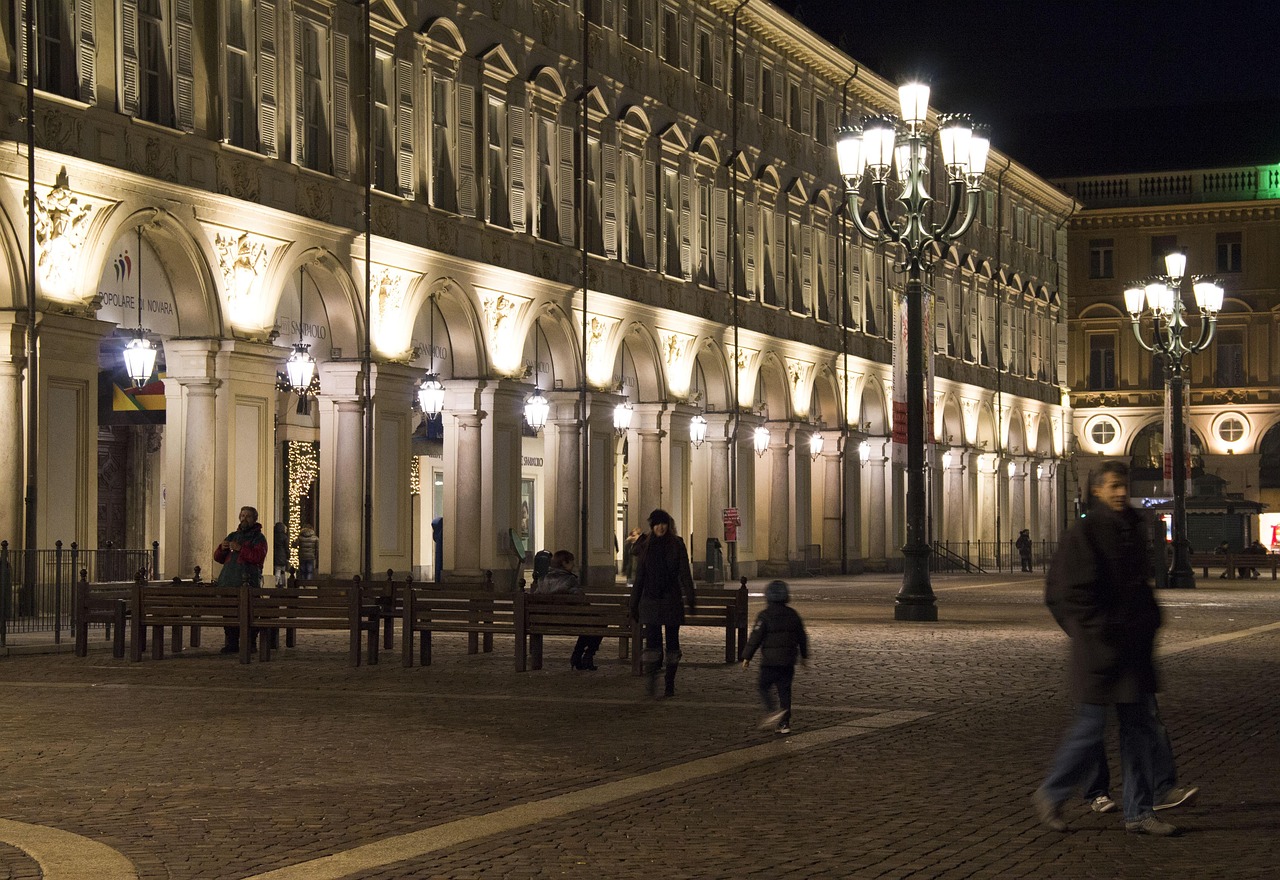
Piazza San Carlo cafés, chocolate and a Turin itinerary for elegant days
If you’re searching for Piazza San Carlo, cafés, chocolate tasting, and a polished route through the centre, the city will meet you with small luxuries that feel genuinely local. On a first trip to Turin, this is where the experience becomes tactile: espresso cups on silver trays, measured service, and the sound of footsteps under arcades. Often called the city’s living room, Piazza San Carlo is symmetrical, gracious, and softly theatrical—perfect for pausing between a museum morning and an unhurried afternoon stroll.
And if you love chocolate, you’re in the right place. Some of Italy’s most distinctive cacao traditions were created in Turin, shaped by craft, restraint, and an appetite for elegance rather than excess.
Piazza San Carlo Cafés and the Bicerin Ritual
Begin with classic addresses like Caffè San Carlo and Caffè Torino on Piazza San Carlo. One visitor still recalls stopping at Caffè San Carlo for bicerin—the layered local coffee of espresso, chocolate, and cream—and feeling instantly part of something enduring. The historical charm, the sophisticated clientele, and the discreet service add up to that reassuring sense that you’re exactly where you should be.
These cafés are not rushed spaces. They support conversation, observation, and the simple pleasure of noticing a statue in the square or the way light skims across stone. For high-end travellers, it’s a reminder that luxury is often a tempo, not a price point.
Chocolate in Piedmont: Guido Gobino, Peyrano, and Icons Created in Turin
To uncover the city’s sweet craft, design a tasting route at Guido Gobino and Peyrano. A traveller who loves chocolate once described their guided tasting as a lesson in artisanal restraint: flavours that unfold rather than shout, textures that feel engineered, and packaging that mirrors the city’s sense of style. In this part of Piedmont, chocolate isn’t just a souvenir; it’s a cultural object and a refined little ritual.
Ask for small recommendations—what’s seasonal, what’s traditional, what’s a modern twist—and build your own quiet “collection” to take back to your room. It’s one of the most satisfying experiences when you want joy without effort, especially between museum visits.
A Day in Turin: Museum Morning, City Centre Strolls, and Things to See
The city rewards a day that alternates focus with ease. Think: a museum in the morning, a café pause at midday, and something curated in the afternoon—so there’s plenty to see without fatigue. If you’re wondering about the essential things to see in Turin on a short break, this structure helps you cover highlights while still leaving time to simply see in Turin at your own pace.
Here is one clear list of things and a list of the best ways to anchor a polished day in Turin:
- Museum morning: choose one major museum (Palazzo Madama, GAM, or the Egyptian Museum) and go deep.
- Coffee pause: bicerin in Piazza San Carlo, then a slow arcade stroll.
- Curated afternoon: a second, smaller museum or a guided walk around Piazza Castello.
- Golden-hour: shopping and people-watching along Via Roma.
- Evening: aperitivo, then a refined dinner (reserve early).
If you’re planning an extended trip, the city also makes a beautiful base for a day trip into the wider landscape—vineyards, hill towns, and other best places in northern Italy just outside of Turin. Keep it selective rather than a long list; the goal is to stay present.
Logistics: Best Time to Visit Turin, How to Get to Turin, and Where to Stay
The best time to visit Turin is April–June or September–October, when the light is gentle, and the streets feel spacious. If you’re weighing up the timing of your visit, those shoulder seasons often offer the most seamless blend of weather and atmosphere, especially if you want a culture-heavy route without the peak-summer pressure.
For arrival, aim for Torino Porta Nuova train station, with convenient high-speed connections from major cities in Italy. Once you arrive, trams and buses are reliable, but walking is ideal in the centre—especially if you choose a quiet, walkable address near Piazza Castello, Via Roma, or the arcaded streets between them. If you’re browsing the best hotels in Turin, prioritise soundproofing, discreet service, and location over a view you won’t use. Keep some flexibility for a spontaneous visit in Turin, such as a last-minute gallery slot or an extra café stop when the light feels perfect.
If you’d like inspiration for a crafted route through the region, explore our Trip gallery and imagine how this destination might fit into your wider story of parts of Italy and northern Italy.
Fine Dining in Turin: Reservations, Night Transport, and City-Centre Safety
Turin’s culinary life is refined, and Michelin-starred dining can be a highlight when you reserve ahead. A couple once described their romantic walk through Piazza Castello, followed by a Michelin-starred dinner, as the moment the city “clicked”: impeccable service, Piedmontese dishes with modern precision, and the feeling of being looked after without fuss. Dress elegantly for high-end restaurants and upscale cafés; it’s less about formality and more about respect for the room.
Tipping is appreciated but not obligatory—rounding up is common, or around 5–10% in fine dining. Keep personal belongings secure in crowded spots, and consider taxis or ride-sharing late at night rather than public transport. These small decisions create confidence, and that confidence lets you relax into the city.
F.A.Qs: Things to do in Turin, Italy
Is Turin worth visiting in Italy?
Yes—Turin is worth visiting for travellers who appreciate elegant streets, Savoy heritage, and world-class museum culture without overwhelming crowds. As the first capital, it offers a beautifully curated core around Piazza Castello, including the royal palace and the Egyptian Museum. Add refined cafés, chocolate traditions, and top sights you can reach on foot, and it becomes a city break that feels calm, distinctive, and deeply rewarding.
What not to miss in Turin on a short visit?
Don’t miss Piazza Castello for the historic centre, the royal palace and nearby cathedral spaces (including the chapel of the Holy Shroud), and Museo Egizio for one of the world’s leading Egyptian collections. For a different mood, the Mole Antonelliana and the National Cinema museum deliver a memorable night experience and a panoramic view of Turin. Finish with cafés in Piazza San Carlo and a chocolate stop at Gobino or Peyrano.
What is Turin best known for?
Turin is best known for its Savoy royal legacy, its status as the first capital, and its exceptional museums—especially the Egyptian Museum. It’s also celebrated for the Mole Antonelliana as a city landmark, a sophisticated café culture, and artisanal chocolate craftsmanship. The arcaded streets and understated elegance make it a favourite for travellers seeking culture with a composed, local feel.
When to avoid Italy in 2026 for crowds and heat?
To avoid the busiest periods in Italy in 2026, try to skip late July through August when many destinations are hot, crowded, and prices rise. Major public holidays and long weekends can also bring heavier domestic travel. For a more seamless experience, consider April to June or September to October, when reservations, museum entries, and transport are generally easier to manage.
After Your Trip to Turin: What You’ll Remember From Northern Italy
What lingers after a thoughtful journey is rarely a checklist. It’s the way soft light settles under the arcades, turning a simple walk into something almost cinematic. It’s the hush of a museum room when you realise you’re not only looking at an object—you’re meeting a maker across time, and feeling your own attention become steadier. Consider this your travel guide to Turin in miniature: less about rushing, more about choosing the experiences that match your pace.
Later, memory returns in small scenes: a statue half-seen at the edge of Piazza Castello, the warmth of bicerin on a cool afternoon, the calm authority of a guide who helped you trust what you were seeing. Even the grand rooms of the royal palace may fade into sensation rather than image—gold, shadow, the sound of footsteps, and a sense of history held with care.
And then there is the water. The Po moves like a quiet thought through the city, and the Po river banks can feel like a private corridor for reflection. Parco del Valentino becomes a memory-space rather than a destination: hidden gardens, unhurried conversation, a bench in fading light, the sense of being allowed to slow down.
When travel is thoughtfully planned, trust grows naturally. You carry home a renewed confidence in your own pace and an appreciation for places that value craft over noise. If you’re building a list of top attractions for a future return, you’ll remember this city for its museums, its café culture, and its quietly regal streets—still unfolding, gently, whenever you let your mind return to it.