Post Contents
- Designing your Italy itinerary from bucket list to seamless travel for luxury travellers.
- Rome, Italy’s capital, is known for ancient wonders like the Colosseum, Roman Forum, and Vatican Museums.
- Venice Canals: Romantic private gondola rides on Grand Canal, Burano, and Murano, with local insights.
- Florence is one of Italy’s most beautiful cities for art lovers, with attractions such as the Uffizi Gallery and the Duomo
- Tuscany Tuscan Villas San Gimignano with Crafted Flavours for Tuscany villas, cooking classes, wine tasting, Chianti.
- Cinque Terre Beautiful Places on a Rugged Coastline for Cinque Terre hiking trails Vernazza Corniglia Monterosso Manarola
- Amalfi Coast and Naples: Explore colour, culture, and ancient Pompeii on a day trip to Positano, Naples, and Pompeii in southern Italy.
- Milan, luxury fashion, and the lakes of Northern Italy for visits: Milan luxury shopping, Last Supper, Lake Como, Lake Garda.
- Sardinia and the Dolomites offer two different Italian visions.
- F.A.Qs: Top destinations in Italy
- After Italy: Memories of top destinations linger after the journey.
Designing your Italy itinerary from bucket list to seamless travel for luxury travellers.
Designing Your Italy Itinerary From Bucket List to Seamless – calm planning for the best places to visit in Italy
If you’ve ever saved a dozen pins and called it an Italy itinerary, you already know the problem: it can look perfect on a screen, then feel relentless in real life. This travel guide is here to help you discover the best places to visit with a pace that feels calm, not rushed—so your trip to Italy has room for beauty, spontaneity, and genuine rest. The goal is not to “do Italy”; it’s to create days that feel crafted around you, with support built in.
For comfort and style, the best time to visit Italy is typically spring (April to June) and autumn (September to October). You’ll find softer light, fewer crowds around major attraction days, and temperatures that suit linen, silk, and a polished trench. Pack light layers: cities can be warm at lunch and surprisingly cool inside a museum or a stone basilica.
Arrivals and routing that keep a seamless rhythm
For a first trip to Italy, start with one clean arrival and one clean departure. Fly into Rome’s Fiumicino Airport or Milan’s Malpensa Airport, then build a high-speed train spine through northern Italy before you drift towards the coastline. Trains reduce friction: you step out in the heart of a city rather than on the edge of it, and you avoid the small stresses that can nibble away at confidence.
A classic flow many high-end travellers love is: Rome, then Florence, then Venice, and on to Milan—or the reverse if you prefer to end with the lakes and shopping. From there, you can add a coastal interlude or extend to an island or mountains, depending on your energy levels. If you’d like inspiration for how Designer Journeys shapes these transitions, browse our Trip gallery.
Booking strategy and high-end practicalities
Italy’s most famous doors open best when you arrive as expected. Book private guides, museum time slots, and pre-reserved entries well in advance—especially for Rome and Florence. Choose days with one “anchor” experience, then leave space around it for a long lunch, a slow walk, and the kind of local insight that only appears when you’re not sprinting.
- Protect your confidence: notify your bank of travel plans, and carry some cash for markets and small purchases.
- Build support into the plan: a concierge, a driver day, and a back-up option for weather can turn a wobble into a seamless pivot.
- Dress with care: modest shoulders and knees for religious sites, plus comfortable shoes for historic streets.
- Move with local ease: a warm “Buongiorno” goes a long way, and tipping around 10% in restaurants is a gentle norm.
With the structure set, we can explore the beautiful places that make Italy a beautiful country to return to—again and again—without ever feeling like you’re chasing your own holiday.




Rome, Italy’s capital, is known for ancient wonders like the Colosseum, Roman Forum, and Vatican Museums.
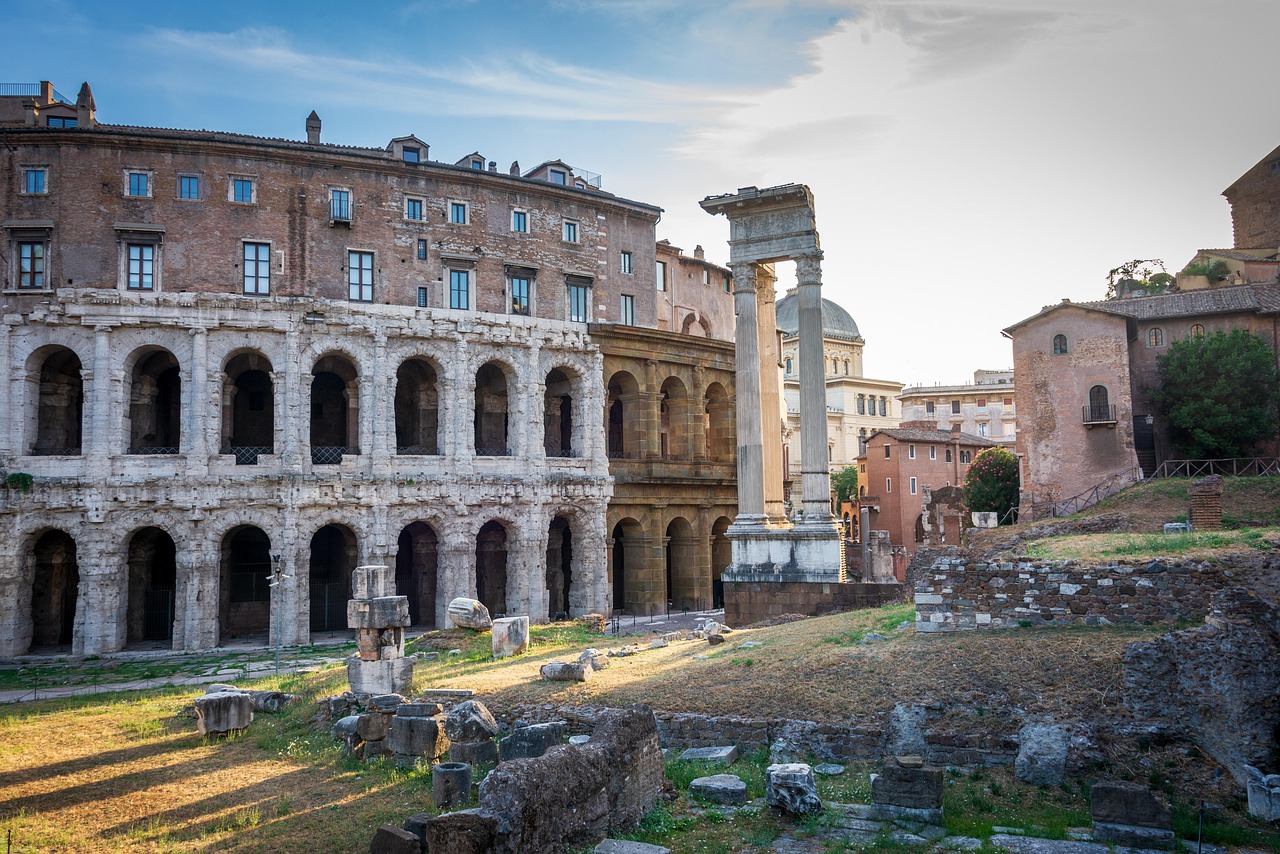
Rome, A Capital City in Italy, for the ancient wonders – Colosseum and Roman Forum history with an expert
To visit Rome well is to give it narrative, not noise—and “visit Rome capital of Italy Colosseum Roman Forum Vatican Museums” is exactly the combination that deserves an expert hand. Rome is the capital of Italy, a city where ancient engineering sits alongside everyday elegance, and where you can uncover layers of history without feeling overwhelmed. Begin with a guide who can tell stories with restraint: gladiator life, political theatre, and architectural detail—delivered like a private lecture you actually want to listen to.
Start early at the Colosseum, then step into the Roman Forum when the air still feels cool. With the right storyteller, you don’t just see ruins—you see the choreography of empire, the geometry of power, and the human scale of daily life. It’s a bucket list, yes, but it can still feel intimate when it’s paced properly.
Twilight rituals and the Trevi Fountain
As evening softens the streets, add the Trevi Fountain as a gentle first-timer’s ritual. Go later, when the crowds thin and the lights turn the water into silk. It’s a small pause that feels personal rather than performative—one of those places to visit that becomes a memory because you didn’t rush it.
Vatican Museums with calm strategy and care
For the Vatican Museums, strategy is kindness. Consider early-entry or after-hours options so you can absorb the art rather than endure it. Dress modestly for religious sites, and keep a light layer in your day bag; stone interiors can feel cool even in summer.
A luxury traveller once told us their most unforgettable moment in Rome wasn’t a grand gesture—it was silence. On a private tour of the Vatican Museums, they stood before priceless works away from the main crowds, hearing only their guide’s quiet voice and their own footsteps. That level of trust, support, and expert pacing turns an iconic museum into something you carry home.
Where to stay: choose a central base for walkability over traffic. A classic hotel near key piazzas makes Rome feel effortless—quick returns for a wardrobe change, an unhurried aperitivo, and an early night when your body asks for it.
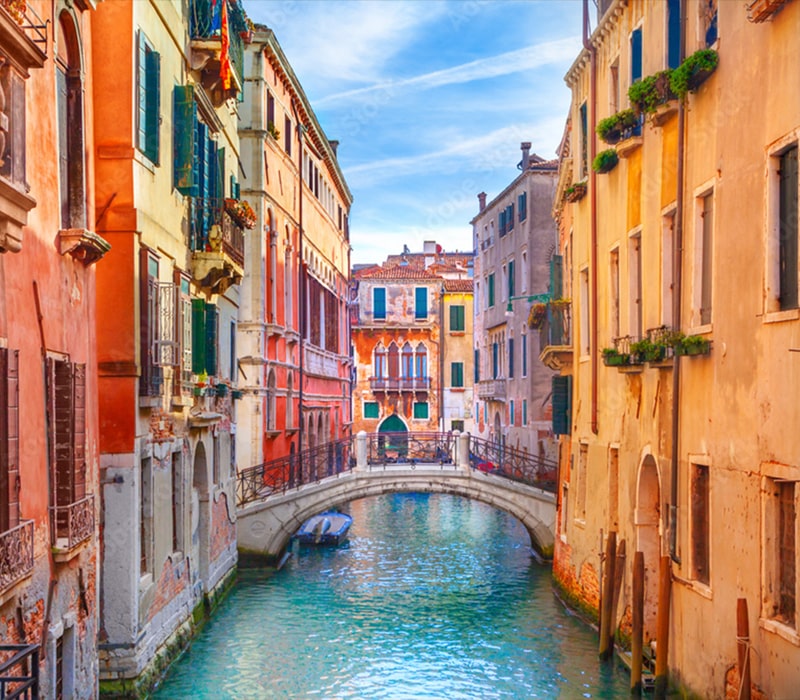
Venice Canals: Romantic private gondola rides on Grand Canal, Burano, and Murano, with local insights.
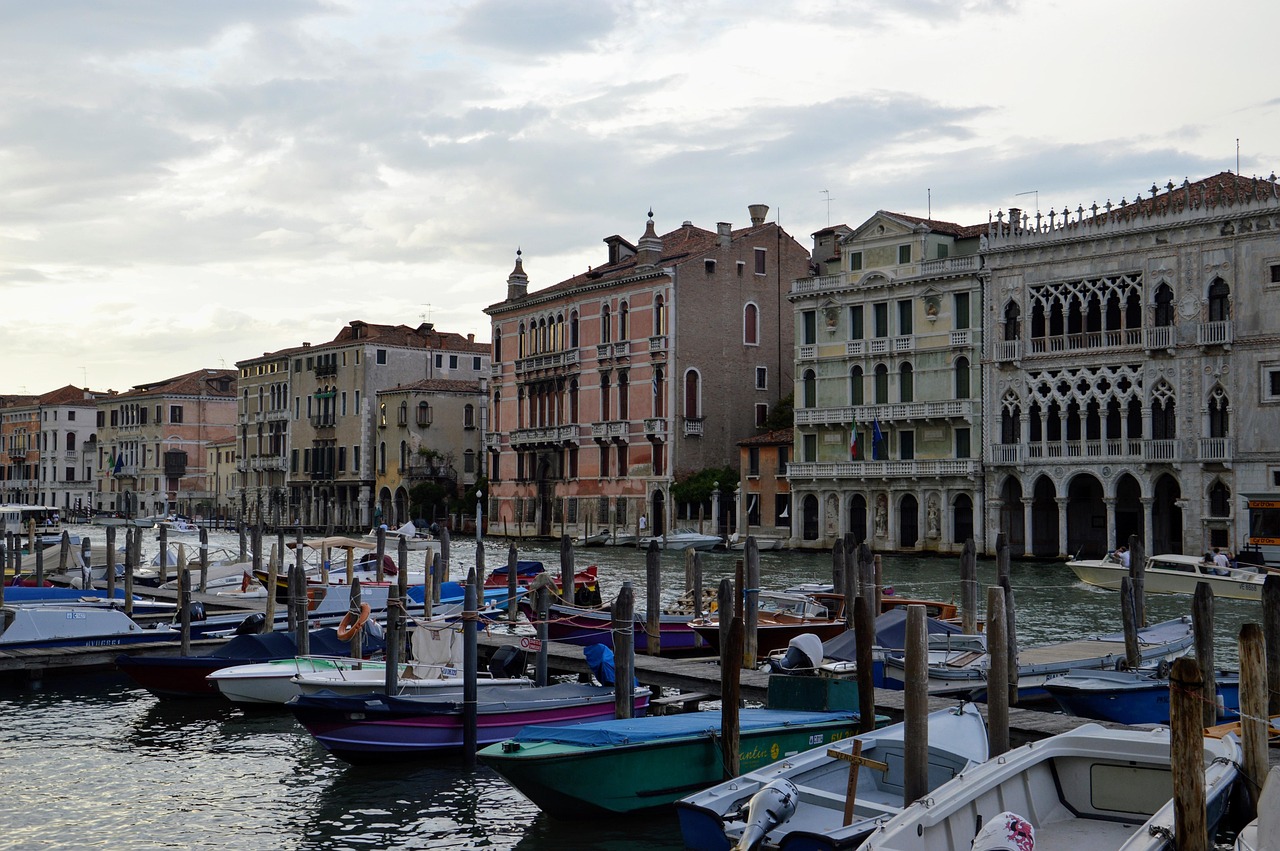
Venice Canals Grand Romance and Quiet Local Insight – a private gondola ride through a candlelit canal
Few places to visit in Italy hold you quite like Venice, and “Venice canal private gondola ride, grand canal, Burano and Murano” captures its most romantic rhythm. Imagine arriving at dusk when the city feels like a living artwork: lantern light, a soft slap of water against stone, and your first glide along a canal that seems to lead straight into a painting. A private gondola ride is not about cliché; it’s about slowing down, together, to let Venice reveal itself.
Let your gondolier take quieter turns, then drift towards the Grand Canal for that sweeping, cinematic perspective. If you’re deciding when to visit Venice, consider shoulder season: the air is gentle, the crowds soften, and the experience feels more like local life than top tourist theatre.
Go to Venice early for soft light and local etiquette
Here’s a simple rule: if you can, go to Venice early in the morning at least once. The city is hushed, bridges are empty, and you can take photographs without feeling like you’re directing traffic. Begin with a warm “Buongiorno” in a café, then wander with confidence—Venice rewards the traveller who chooses quiet over conquest.
A traveller once recalled a sunset gondola ride in Venice that ended with a surprise proposal. They described how the city didn’t feel like it was performing; it felt like it was holding space. That’s Venice at its best: romance with care, and beauty that doesn’t need an audience.
Island time with Burano and Murano
For a half-day escape, add Burano and Murano. Burano’s colours feel playful and bright, while Murano’s glass artistry is all craft and tradition. Go slowly: watch a demonstration, choose one meaningful piece, and leave time for a long lunch before you return.
Luxury logistics matter in Venice. A water taxi offers a seamless, private arrival, while the vaporetto can be enjoyable when you’re travelling light. Choose hotel locations that support peaceful rest between explorations, and ask your concierge about luggage handling so you never feel you’re “managing” the city. Venice should feel like it’s carrying you.
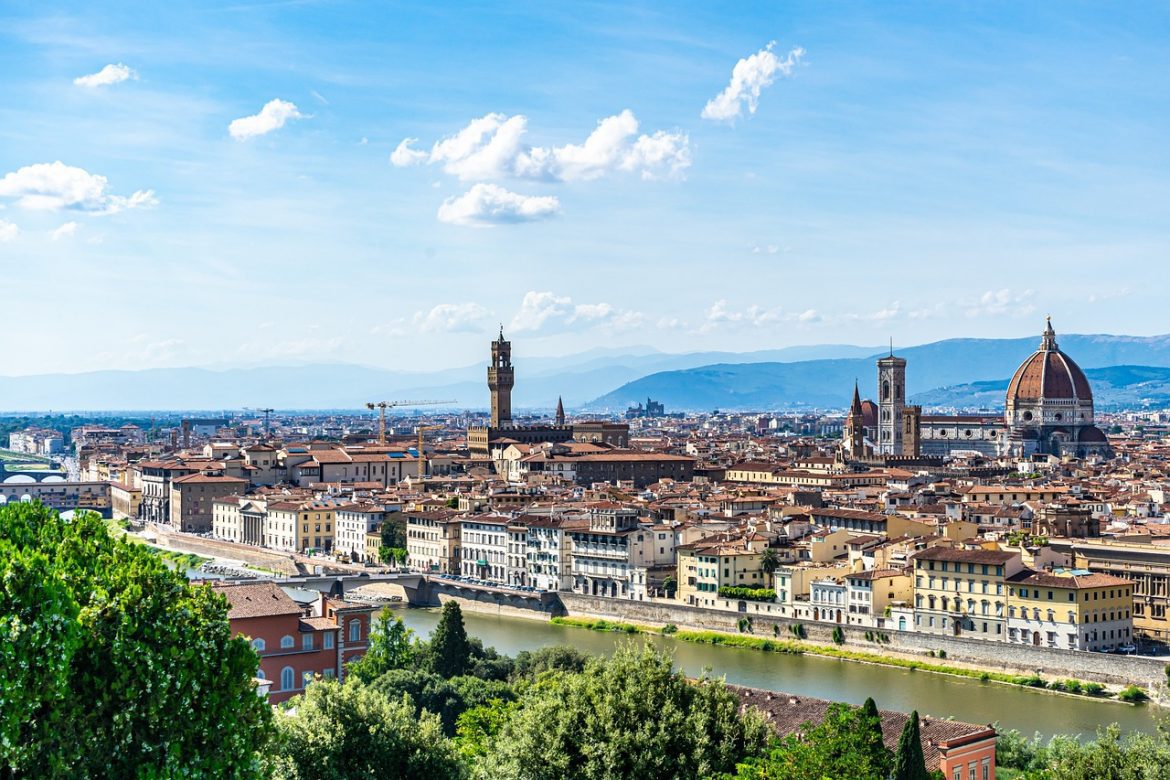
Florence is one of Italy’s most beautiful cities for art lovers, with attractions such as the Uffizi Gallery and the Duomo
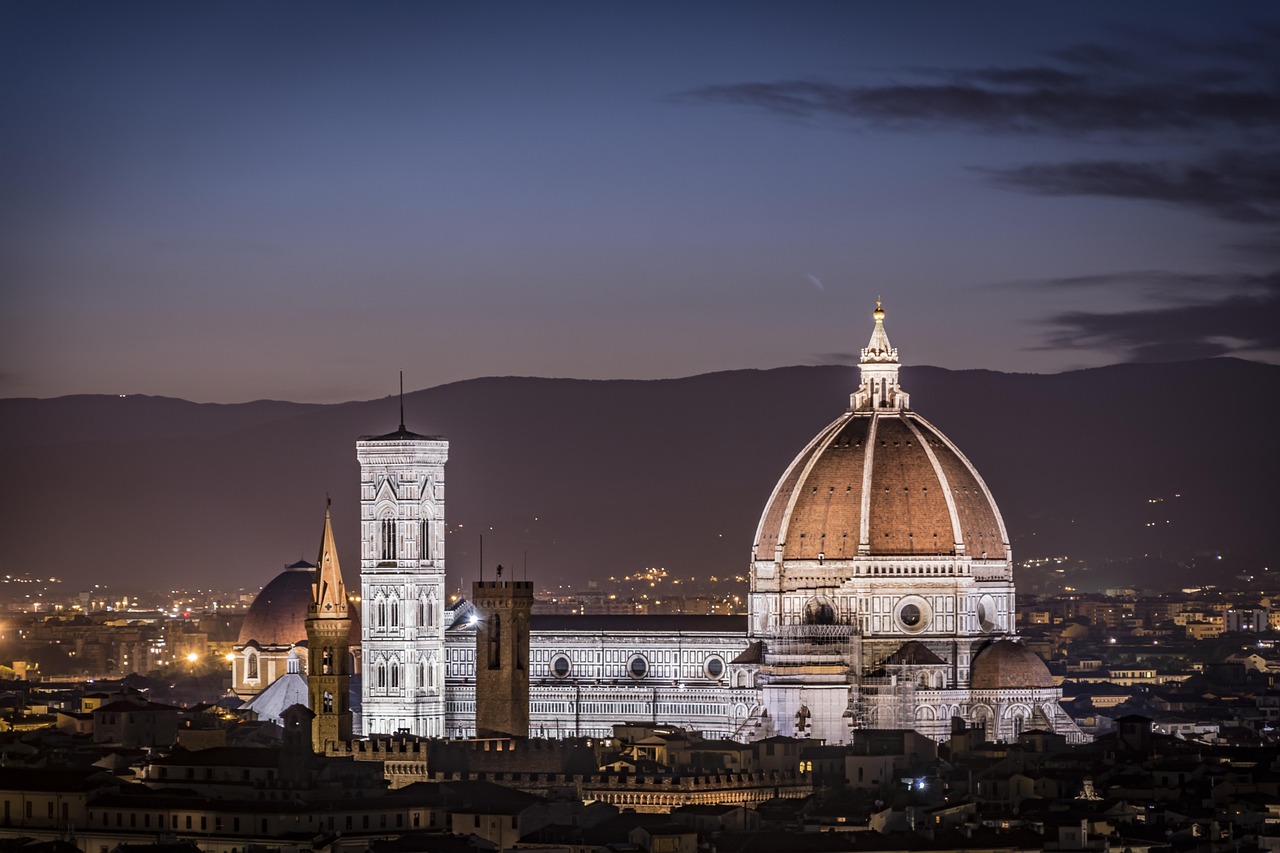
Florence, one of the Most Beautiful Cities for Art Lovers – Duomo views and Renaissance detail
Florence is one of the most beautiful cities to place art back into the realm of feeling—exactly what you want from “Florence places to visit in Italy, Uffizi Gallery, Duomo, things to do in Florence”. Florence is one of the most beautiful stops for those who crave human intimacy in art, not a checklist. Plan curated museum time with reservations that let you arrive calm and ready to see.
Begin with the Uffizi gallery, focusing on a few rooms with an expert who can uncover why the paintings changed the world. Then schedule a timed visit to Michelangelo’s David so you don’t spend your energy queueing. When people ask about things to do in Florence, this is the answer: create the conditions to feel something, not just to “see” it.
Florence art moments that stay personal
An art enthusiast once described their first encounter with Michelangelo’s David in Florence as unexpectedly emotional. They expected admiration; what they felt was connection—like standing close to a piece of the human spirit. Florence does that, gently. It reminds you that beauty can be both disciplined and tender.
Duomo, Santa Maria, and golden-hour Florence
Architectural icons deserve unhurried attention. Explore the duomo complex and the fine detail of santa maria—marble geometry, echoing interiors, and the sense of craft that defines Florence. Later, cross Ponte Vecchio at golden hour when the river reflects warm light back up into the city’s stone.
For dinner, reserve an osteria that feels local rather than engineered for crowds. Pace your courses—Italy is not a race—and keep tipping simple: around 10% is thoughtful and sufficient. Florence is a place in Italy where small courtesies come back to you quickly.
- Make Florence feel seamless: choose a hotel within easy walking distance of the historic centre.
- Time your museum visits: morning for focus, late afternoon for softer energy.
- Wear comfortable shoes: Florence streets are made for walking—and lingering.
If you want a polished add-on, take a day trip to Pisa with a driver for ease. The leaning tower is a joyful photo moment, and the leaning tower of Pisa is best enjoyed without logistical stress.
Tuscany Tuscan Villas San Gimignano with Crafted Flavours for Tuscany villas, cooking classes, wine tasting, Chianti.
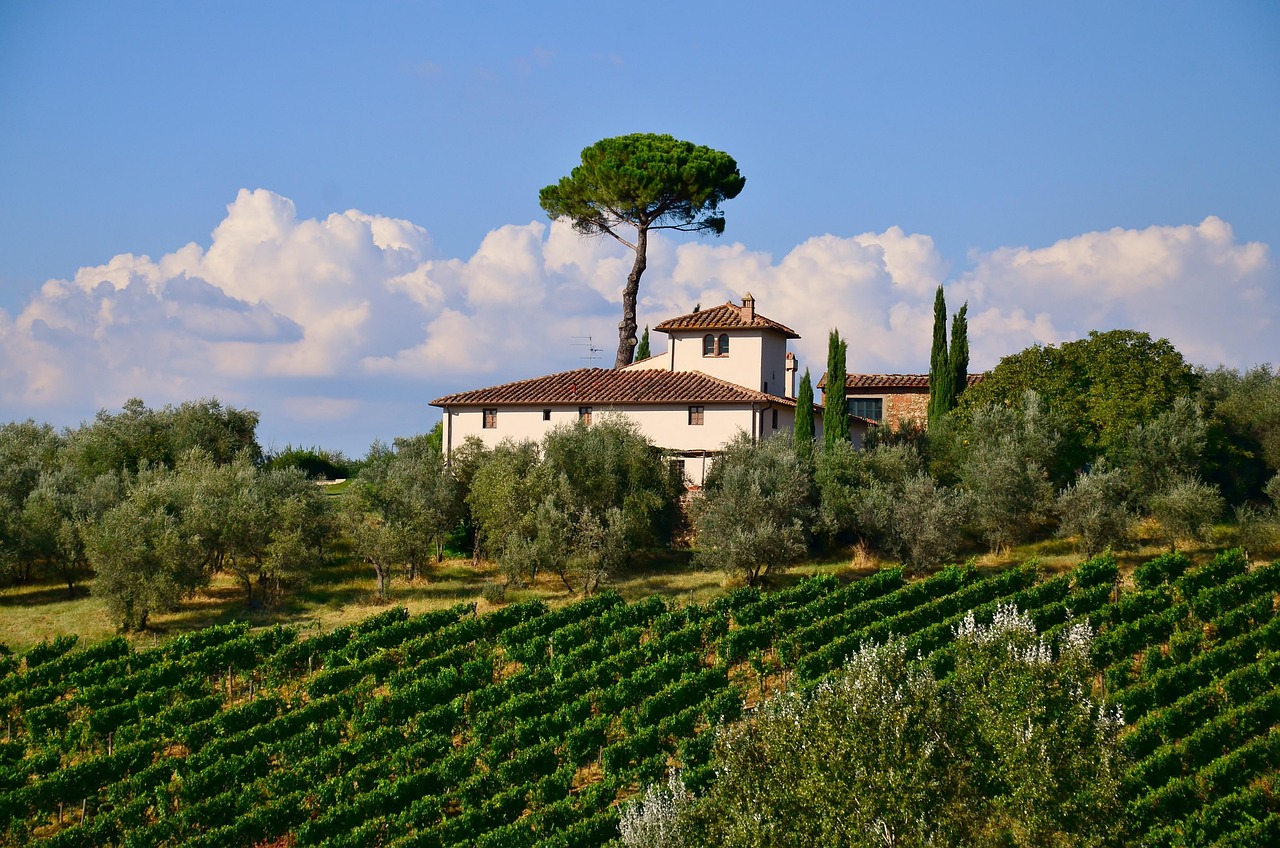
Tuscany Tuscan Villas San Gimignano and Crafted Flavours – a villa stay among vineyards
After the intensity of cities, Tuscany offers a softer exhale—exactly what “Tuscany villas cooking classes wine tasting Chianti San Gimignano” promises. Build a Tuscan interlude around a villa stay: slow mornings, quiet views, and countryside drives that feel designed rather than improvised. Tuscany is where your itinerary becomes less about covering ground and more about living well.
Choose a base with space: a garden for morning coffee, a pool for late afternoon, and a concierge who can arrange an expert-led tasting or a last-minute dinner change with calm competence. A well-chosen villa is both comfort and support, especially when you’re travelling together and want shared privacy.
Tuscan cooking classes and great food with local insight
For great food that feels truly local, book an exclusive cooking class with a market visit. You’ll shop for seasonal ingredients, then learn to make freshly rolled pasta and simple sauces that taste like Tuscany itself. This is the kind of experience that gives you confidence: you’re not just consuming culture, you’re participating in it.
A couple once recounted their culinary journey in Tuscany as the most bonding part of their Italy trip. They laughed over imperfect pasta shapes, then sat down to dinner with the pride of having made it, glass of Chianti in hand. It wasn’t flashy; it was personal—and it lasted.
Wine tastings in Chianti with a private driver
In the hills, tastings become storytelling. Seek small producers, ask about terroir, and let an expert explain what makes a vintage sing. Arrange a private driver so you can relax fully and return to your villa without thinking about roads or timings.
For medieval texture, add San Gimignano. Its towers give you a different view of time—an unhurried piazza hour, artisan gelato, and boutiques where craft still matters. Tuscany doesn’t ask you to hurry; it invites you to belong for a little while.
Cinque Terre Beautiful Places on a Rugged Coastline for Cinque Terre hiking trails Vernazza Corniglia Monterosso Manarola
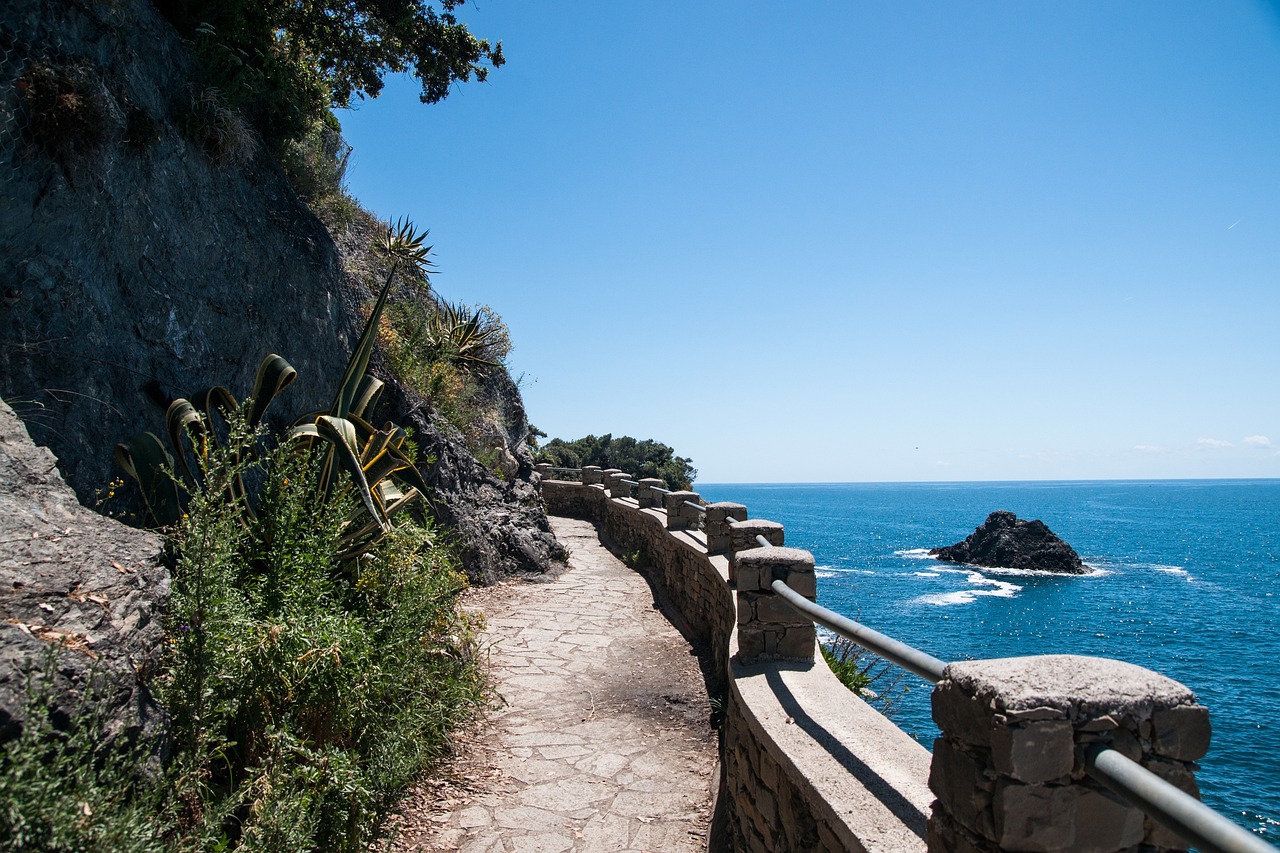
Cinque Terre Beautiful Places on a Rugged Coastline – scenic trails linking villages
Cinque Terre is one of Italy’s beautiful places where you feel the land under your feet—especially if “Cinque Terre hiking trails Vernazza Corniglia Monterosso Manarola” is on your wish list. Explore Cinque Terre on foot with comfortable shoes, choosing scenic segments and planning rests for photography and gelato rather than speed. This coastline is dramatic, but your experience can still be elegant when you design it thoughtfully.
Think in half-days: one walk, one long lunch, one swim or boat moment. Carry water, wear light layers, and check trail conditions—heat and uneven paths can turn a dreamy hike into something harder than it needs to be.
Village-by-village highlights across the coastline
Each village has a distinct mood. Vernazza offers harbour views that feel like a postcard you can step into. Corniglia sits higher, quieter, and calmer—perfect when you want space. Manarola at sunset glows with romance, while Monterosso al Mare gives you beach time and an easier pace.
An explorer once remembered hiking Cinque Terre’s rugged paths and feeling rewarded not by achievement, but by peace. They described the moment the trail opened to the sea: a hush, a salty breeze, and the sense that the villages were simply waiting—charming small-town encounters without any need to prove anything.
Local-feeling luxury add-ons
If you’d like a higher-comfort perspective, add a private boat hour for views from the water. Pair it with a seafood lunch reservation overlooking the coastline, then return to your hotel before the evening heat settles in. Cinque Terre can be one of the most amazing places to visit when you let it set the tempo.
- Pack for the trail: trainers with grip, sun protection, hydration, and a light wind layer.
- Plan your rests: aim for one “sit and look” moment in every village.
- Keep it seamless: ask your hotel to confirm boat timings and restaurant reservations.
Amalfi Coast and Naples: Explore colour, culture, and ancient Pompeii on a day trip to Positano, Naples, and Pompeii in southern Italy.
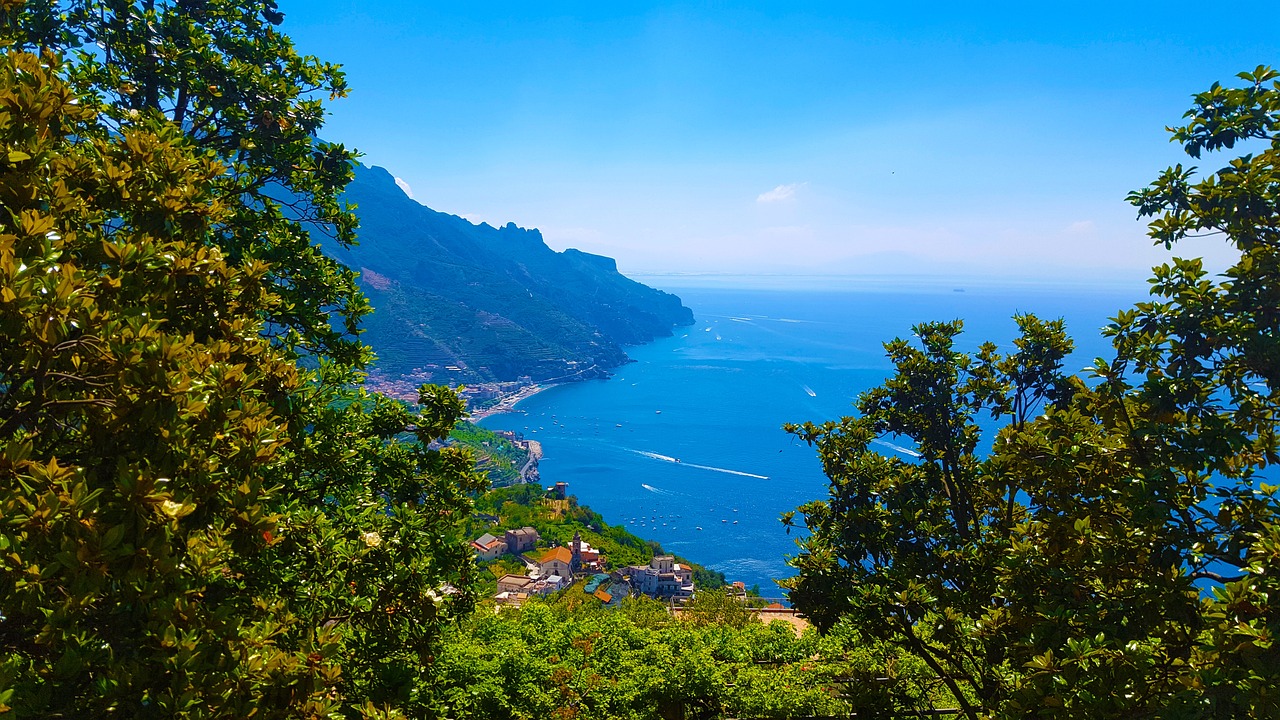
Amalfi Coast and Naples Colour, Culture and Ancient Pompeii – cliffside towns and sea views
The Amalfi Coast is a design-forward escape, and “Amalfi Coast Positano Naples Pompeii day trip southern Italy” is the trio that makes it both glamorous and grounded. Picture cliffside villas, lemon groves, and that particular kind of beauty that asks you to slow down with confidence. The Amalfi Coast can be busy, but with an expert plan, it still feels cared for—and truly yours.
Anchor yourself with a base that matches your energy: somewhere you can swim, read, and dress for dinner without feeling you’re constantly in transit. In southern Italy, the best luxury is often quiet: a view, a terrace, and seamless support from your hotel team.
Positano moments with relaxed glamour
Positano is all iconic angles and relaxed glamour, especially in late afternoon when the light warms the pastel buildings. Choose one beach club day, one sunset aperitivo, and one evening where dinner is the main event. The Amalfi Coast is not a checklist; it’s a mood, and pacing is your greatest style choice.
Go to Naples for bold flavour, then Pompeii with an archaeologist
Go to Naples with a guide and a little reassurance. Naples is bold, alive, and full of great food—perfect as a guided tasting route where you feel safe, welcomed, and in the right hands. With an expert, the city’s intensity becomes insight, not overwhelm.
For history, plan a tour of Pompeii with an archaeologist guide who can uncover the human stories behind the ruins. After Pompeii, book a calm countryside lunch to decompress; it helps you process what you’ve seen. This is also where modest dressing and sensible shoes matter—ruins are uneven underfoot, and the sun can be strong.
Transport is the difference between stress and seamless. On the Amalfi Coast, roads can be slow, so consider a private driver on key days. On calmer days, ferry hops can feel like a breath of fresh air. Design transitions intentionally, and the Amalfi Coast will feel like a reward rather than a test.
Milan, luxury fashion, and the lakes of Northern Italy for visits: Milan luxury shopping, Last Supper, Lake Como, Lake Garda.
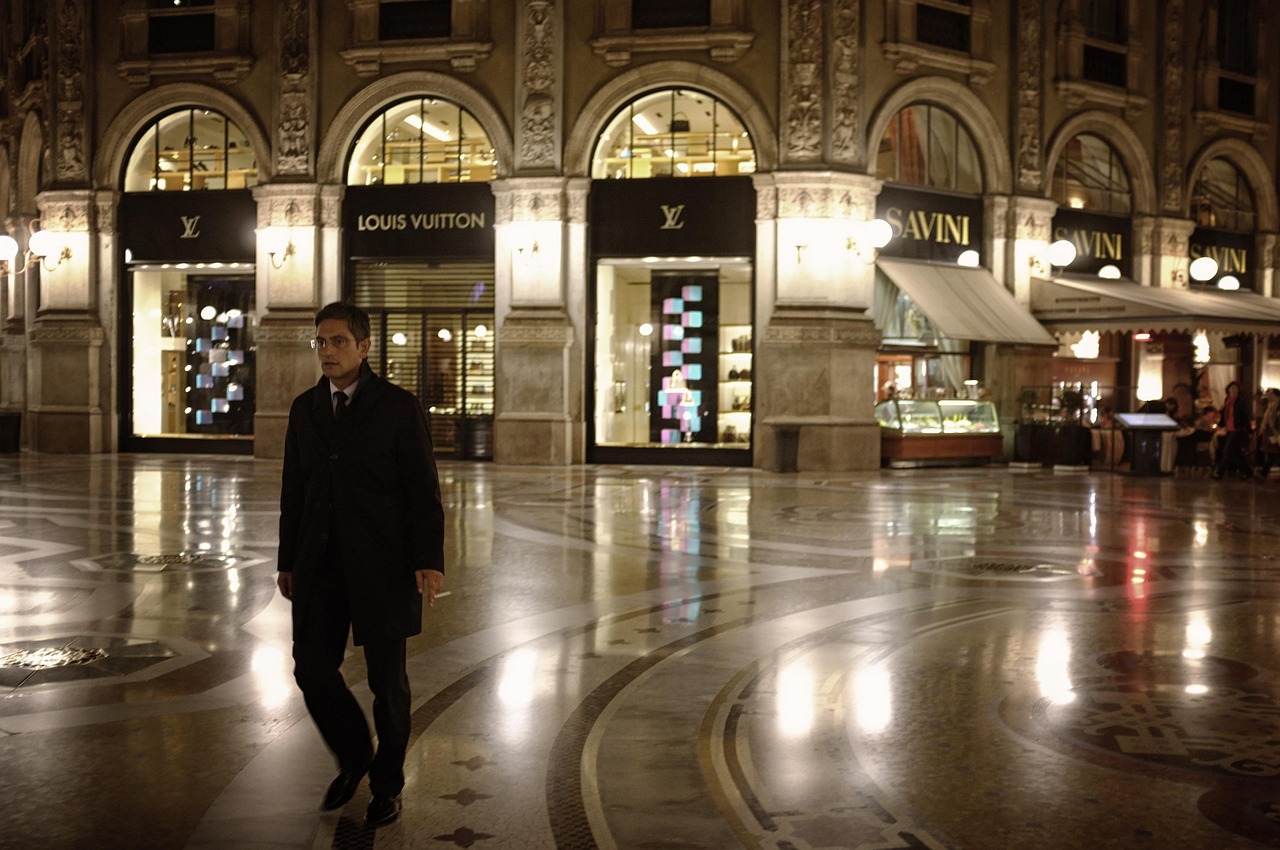
Milan Luxury Fashion and Northern Italy Lakes – designer boutiques and refined city energy
To visit Milan well is to treat it as both style and substance, and “visit Milan, luxury shopping, Last Supper, Lake Como, Lake Garda” is the perfect frame. Milan is Italy’s fashion capital: refined, modern, and wonderfully efficient—ideal when you want high comfort and high design. Plan a luxury shopping spree with appointments, focusing on craftsmanship rather than carrying bags from store to store.
Ask your concierge to map a tailored route between boutiques to make your day feel seamless. If you’re buying leather goods or tailoring, schedule fittings early, then return later for adjustments. Milan is one of those places to go where good planning looks effortless.
Last Supper as a quiet museum moment
For cultural balance, book a timed viewing of the Last Supper. Treat it like a reverent museum visit rather than a rush: arrive early, keep your phone away, and let the quiet do its work. Milan rewards restraint; it’s not trying to impress you, it’s inviting you to notice.
Lake Como and Lake Garda for restorative northern Italy
Then, add water. Lake Como makes a beautiful day trip: lakefront villas, a private boat hour, and the option of a spa afternoon for a real reset. It’s a gentle contrast to city intensity and a reminder that northern Italy has space and softness, too.
If you’d like a different rhythm, consider Lake Garda as an alternative. It has charming towns, a calmer pace, and easy access from Milan, making it a refined add-on. Where to stay: choose a polished base that supports early starts and late dinners, with concierge support for tickets and transfers.
- Shopping tip: book appointments for key maisons to avoid waiting and ensure stock availability.
- Cultural tip: timed entries are essential for securing the most sought-after slots at Milan’s most sought-after attractions.
- Ease tip: keep one “free” afternoon for café time and people-watching.
Sardinia and the Dolomites offer two different Italian visions.
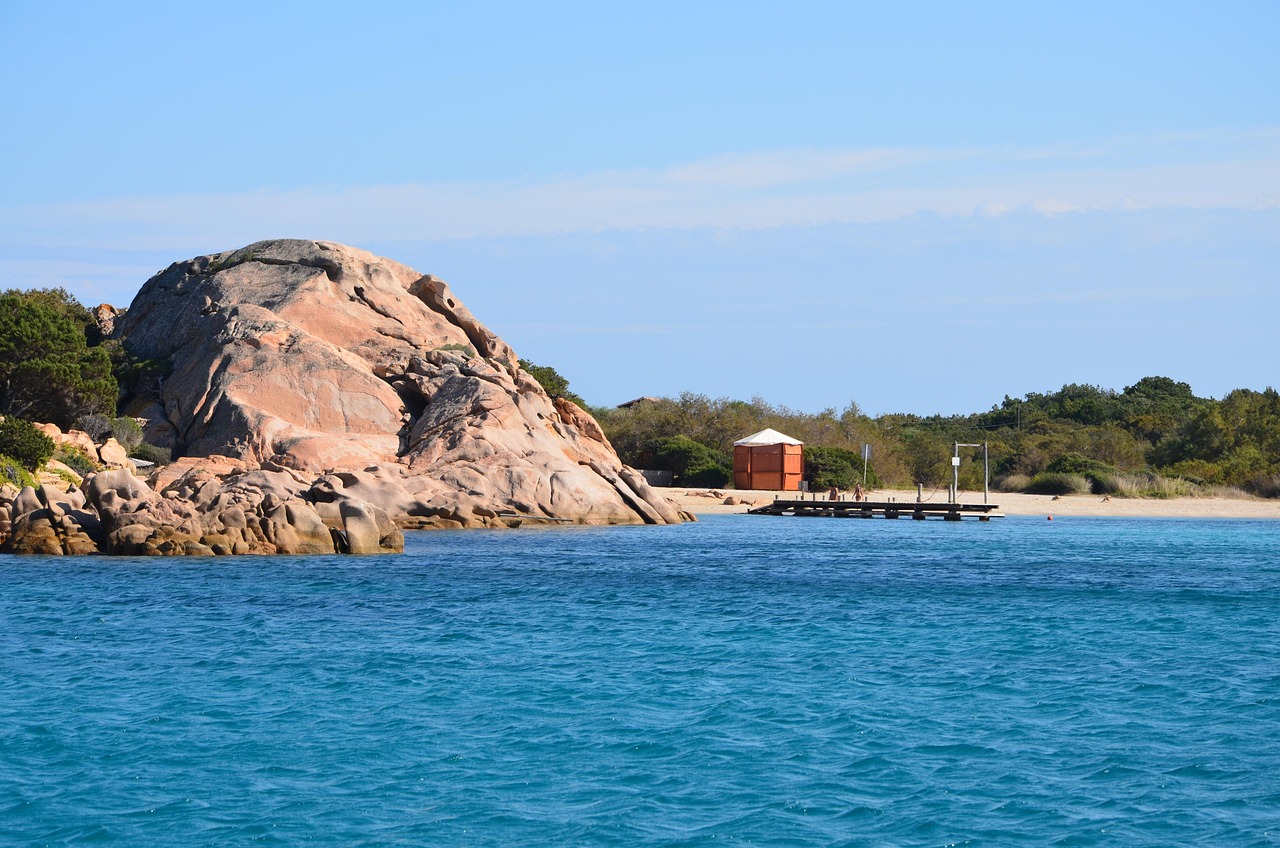
Sardinia and the Dolomites: Two Different Dreams of Italy – turquoise shores and alpine calm
Once you’ve seen the popular places, you may find yourself craving something quieter—an extension that feels more personal than performative. “Sardinia Costa Smeralda turquoise water Dolomites beautiful Italy” captures two different dreams, each offering a refined contrast to the classic circuit. Think of these as optional chapters for exploring italy at your own depth, beyond the obvious top tourist trail.
Both extensions work beautifully when you build in buffer days. That extra margin is not indulgence; it’s trust in your own comfort, and it’s what keeps travel feeling seamless.
Sardinia and Costa Smeralda for discreet beach luxury
Sardinia is the invitation to slow down completely. In Costa Smeralda, the turquoise water looks unreal, beach clubs feel discreet, and a private villa stay can be the definition of care. Here, luxury looks like privacy and soft service rather than spectacle.
Seasonality matters: shoulder months can offer warmer seas with fewer crowds, while high summer brings energy and higher demand. Pack layers for evenings, and keep cash handy for smaller coastal spots where card machines can be unpredictable.
Dolomites for alpine design and wellness-minded days
The Dolomites offer the opposite mood: crisp air, alpine design hotels, gentle hikes, and scenic drives that feel like a moving postcard. It’s a wellness-minded contrast to city days—long breakfasts, spa time, and walks chosen for beauty rather than difficulty. If you want beautiful Italy in a different key, this is it.
Routing can be simple with the right hub. From mainland Italy, Milan is a natural connector for flights and trains; from there, you can link to Sardinia by air, or head north for the mountains. Build in one buffer day on each end, and you’ll travel with confidence rather than crossing your fingers.
F.A.Qs: Top destinations in Italy
What are the top 3 destinations in Italy?
For many travellers, the top three are Rome for ancient history and the Vatican Museums, Venice for canal romance and artistry, and Florence for Renaissance culture, including the Uffizi and the Duomo. Each offers a distinct mood, and together they create a balanced first-time route with iconic highlights and plenty of room for calm pacing.
What is the nicest part of Italy to visit?
The nicest part depends on your ideal rhythm. Tuscany is often the easiest for a restorative, villa-based escape with wine and countryside drives. The Amalfi Coast suits travellers who want sea views and relaxed glamour, while northern Italy shines when you want efficient cities, refined hotels, and lake time for a gentler pace.
What is the prettiest place in Italy to visit?
“Prettiest” is personal, but Venice at dawn can feel astonishingly beautiful, with soft light on quiet canals. Many also find Cinque Terre unforgettable for its rugged coastline and colourful villages, especially at sunset. For a different kind of beauty, the Dolomites offer dramatic mountain scenery and peaceful, wellness-minded days.
What are the top 5 cities in Italy to visit?
A classic top five for a well-rounded trip is Rome, Venice, Florence, Milan, and Naples. Rome delivers ancient grandeur, Venice brings romance and artistry, Florence offers Renaissance depth, Milan adds fashion and design plus key cultural sights, and Naples provides bold character and access to Pompeii and the Amalfi Coast.
After Italy: Memories of top destinations linger after the journey.
When planning your Italy, it’s easy to focus on lists: the best places to visit, the right hotels, the perfect tables. Yet what lingers after the journey is rarely the checklist. It’s the echo of footsteps on stone at dusk, the hush inside a museum when the room finally breathes, and the glow of evening on water that makes conversation soften without anyone trying.
What stays with you is a kind of quiet confidence—earned by thoughtful design and the reassurance of knowing you were supported. You remember local kindness: a gentle correction on pronunciation, a waiter guiding you towards something seasonal, a driver who simply arrived early so you never had to worry. You remember how it felt to slow down together, and how that slowness opened the door to personal wonder.
And perhaps, most of all, you take home a sense that Italy is not a performance you’ve completed. It’s a place in Italy—or many places—where you can return for deeper belonging, for textures you didn’t notice the first time, and for beauty that meets you differently as you change. Sometimes, that alone is reason enough to visit, and to imagine what might be waiting if you ever decide to go back to Italy.