Post Contents
- Design a Rome itinerary with confidence in the centre of Rome – luxury planning for Rome’s best days
- Explore the Colosseum and Roman Forum with an expert private guide – ancient Rome, made clear
- Visit the Vatican City after hours for a serene art encounter – Vatican museum private tour
- Cool places and best things on Rome’s piazza circuit – Pantheon, Trevi Fountain, and Spanish Steps
- Trastevere nights for Italian food lovers – a Rome food tour in Trastevere
- What stayed with us: return to Rome reflections after luxury trips to Rome
- F.A.Qs: Rome Italy things to do for first-timers and luxury travellers
Design a Rome itinerary with confidence in the centre of Rome – luxury planning for Rome’s best days
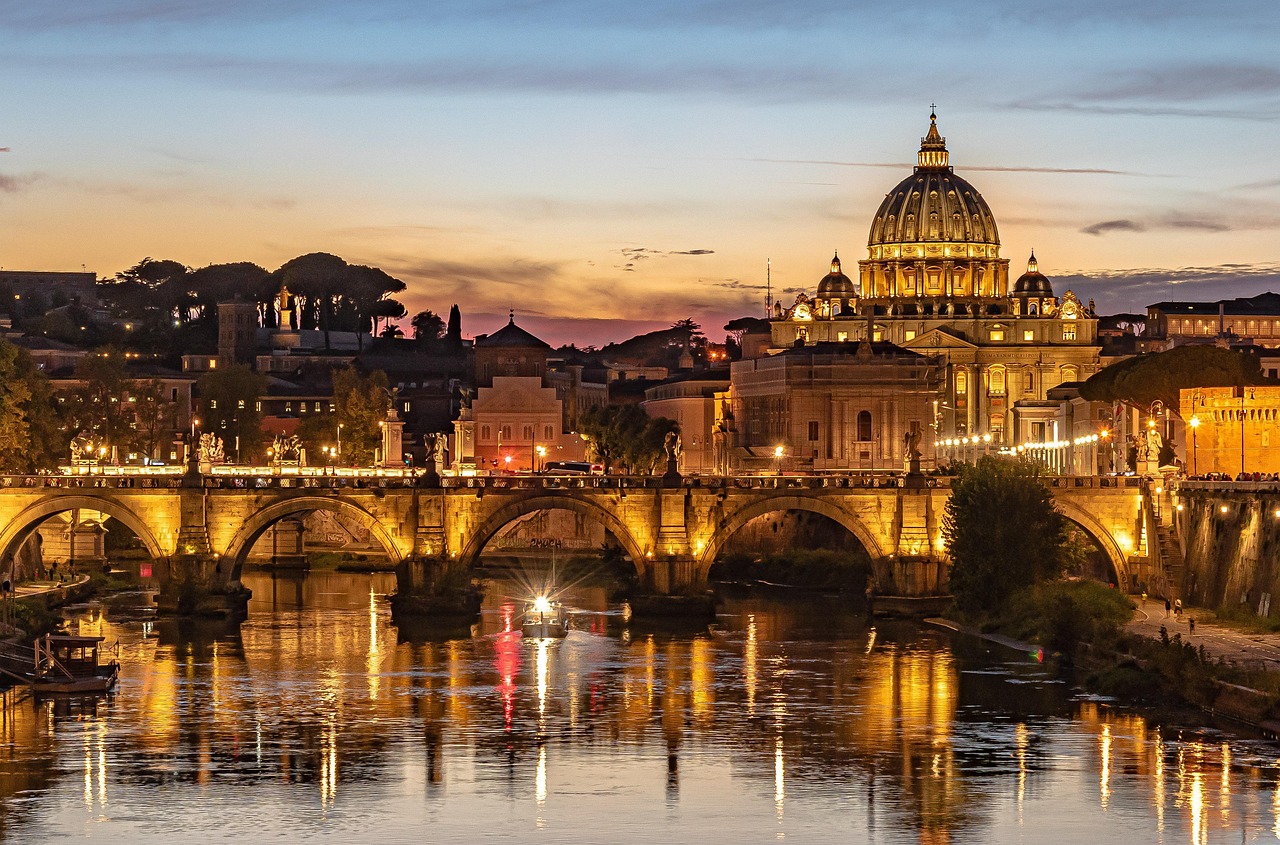
Design a Rome itinerary with confidence in the centre of Rome, tracing the Tiber between neighbourhoods for a calmer, more luxurious pace
Designing a luxury Rome itinerary for the high-end traveller starts with one calming truth: this city rewards a slower rhythm. There are so many things to do in Rome that it’s easy to over-pack each day, then feel as though you’re chasing the streets rather than discovering them. Instead, plan to protect your energy, build in comfort, and leave room for small, unplanned moments that make you want to visit Rome again.
As a simple framework for trips to Rome, begin planning around 8–12 weeks before travel; this is especially true in peak months. For major sights, it helps to think in reverse: book what is limited first (private guides, timed entries, special access), then shape the rest around elegant walks and unhurried meals. This anchor-first approach keeps your schedule seamless, reduces tourist stress when the lanes get busy, and makes each day feel intentional.
Best time for trips to Rome and what to book first (well in advance)
For comfort and fewer tourist crowds, spring and early autumn are the sweet spot—soft light, pleasant evenings, and less pressure in the lanes. Rome is definitely worth an extra night when there’s much to see in Rome, because you’ll experience more with less effort and fewer compromises. If you can, aim for midweek entries at headline sites, reserve key dinners a few days in advance, and keep weekends for open-air wandering.
Start with the bookings that define your days: the Colosseum, the Vatican Museums, and any after-hours experiences. Confirm private transfers and restaurant reservations next, then layer in neighbourhood time and slow mornings. If you’re pairing the city with an Italy itinerary, this method also protects your wider time in Italy—no last-minute reshuffles across the rail network, and fewer “sold out” surprises.
- Secure limited-access experiences first (private guide, after-hours entries) and choose times that match your energy.
- Then choose your base so evenings feel effortless and walking routes stay simple.
- Finally, curate the pace with long lunches, one major sight per half-day, and a simple see and what to skip mindset for peak days.
Best places to stay: where to stay in Rome and how to move around the capital city
Where you stay in Rome shapes everything. To stay in Rome with maximum ease, choose the center of Rome so you can walk to the Pantheon, the Spanish Steps, and the most photogenic lanes at the best hours. For travellers who want tranquil evenings, quieter pocket neighbourhoods near the river can offer calm without compromise; if your plans lean heavily towards art and early starts, a base near the Vatican can simplify logistics for late finishes after a special visit.
Getting around the capital city in style is less about speed and more about comfort. Private transfers remove friction at the start and end of days, and a luxury car hire (with driver where appropriate) becomes a kind of moving sanctuary between locations in Rome. Yet many top attractions are close enough that walking is often the best way to see the city of Rome—especially at dawn, when the city Rome feels hushed and almost private.
One luxury traveller once described the thrill of an early morning Vespa ride through cobblestone streets before the city awoke—shutters half-closed, the air cool and clean, and not a single tourist in sight. It wasn’t about racing anywhere; it was the feeling of slipping quietly into the local rhythm, like a Roman aristocrat reclaiming the streets for a private hour.
Practical tips for traveling can be simple, and still signal care: dress modestly when you visit the Vatican and other religious sites, greet Italians with a warm “Buongiorno”, and carry cash for small vendors. When service is exceptional, tip concierge teams and guides generously; trust like that is worth honouring. And if you’d like inspiration for how to weave this destination into broader Italy travel, you can explore our Trip gallery for design-led routes and ideas.




Explore the Colosseum and Roman Forum with an expert private guide – ancient Rome, made clear
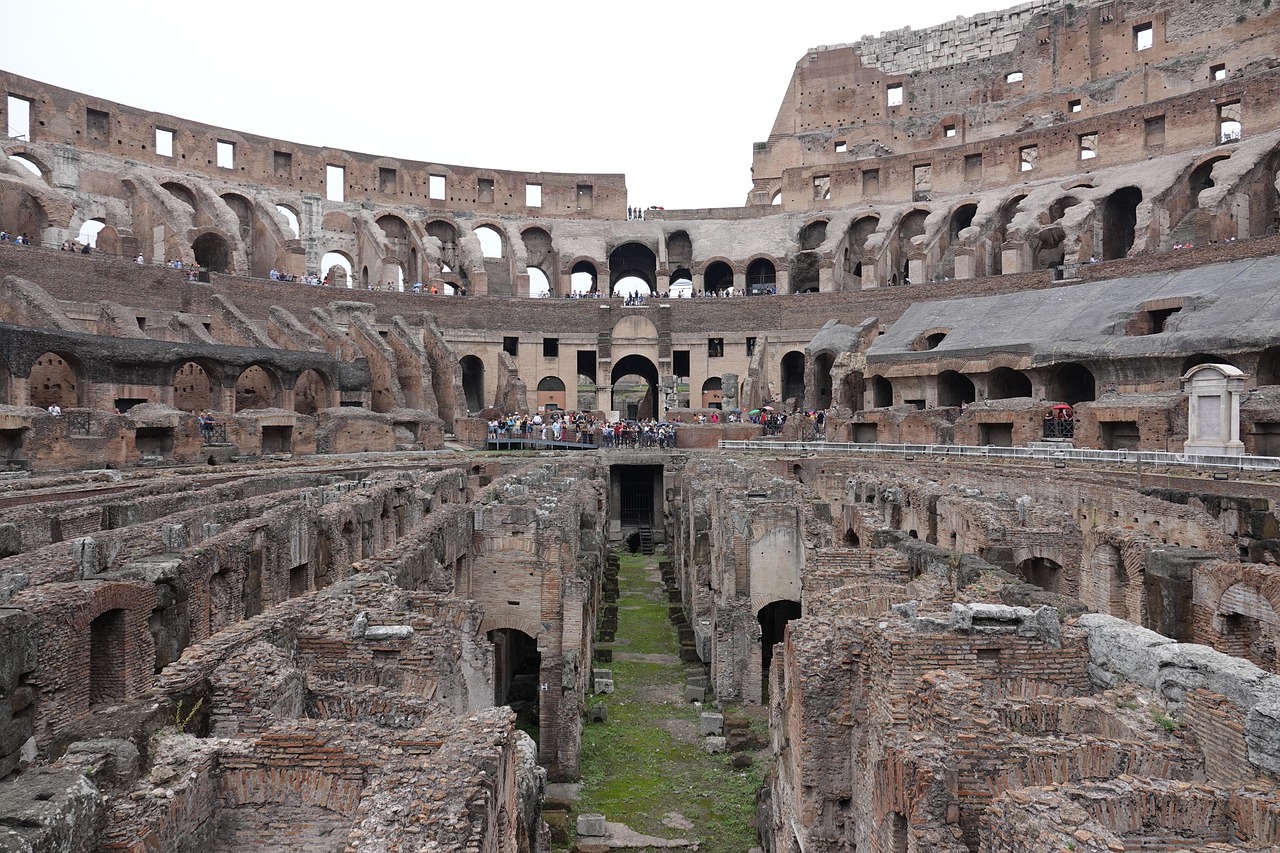
Explore the Colosseum and Roman Forum with an expert private guide, stepping into ancient Rome with context, comfort, and clarity
A Colosseum and Roman Forum private tour is one of the most compelling ways to experience ancient Rome—without being swallowed by the tourist tide. The Colosseum is a true bucket list monument, often linked in travellers’ imaginations to the 7 wonders of the world, and it deserves to be felt rather than simply “seen”. With an expert guide, the Colosseum stops being a famous shell and becomes a living stage of ambition, entertainment, and power.
For high-end travellers, the luxury isn’t about skipping history—it’s about being able to hear it. The difference between standing in a crowded corridor and moving calmly through the Colosseum with a private guide is night and day. Your guide can tailor the narrative to your interests: architecture, politics, a gladiator’s world, or the lives of ordinary Romans who filled the tiers.
Timed entry for the Colosseum: plan 30 days in advance to protect your day
To protect your time and your mood, book your tickets as soon as your travel dates are confirmed. As a rule of thumb, aim for 30 days in advance where possible—more in peak periods—because the best timed slots vanish first. Timed entry matters not only for queues, but for temperature: the Colosseum under strong sun can quickly become tiring, and a calm schedule keeps the experience elevated.
If you’re comparing options, look for a tour of the Colosseum that clearly states inclusions and pacing, and consider a reputable operator; some travellers like a tour with Walks of Italy for consistent standards, while private specialists can be even more personal. The goal is to have tickets well in advance, a clear meeting point, and a guide who can adapt if security lines shift. If this is your first time visiting the colosseum and roman history sites, that guidance alone can save you an hour of avoidable confusion.
What a private tour should reveal: Colosseum, entry to the Roman Forum, and Palatine Hill
Inside the Colosseum, you’ll want more than a photo stop. An exceptional guide translates engineering into insight: how crowds flowed, how shade and acoustics were managed, and how the structure could hold tens of thousands with surprising efficiency. And then there are the human stories—public spectacle, a gladiator’s training, and the social rules behind who sat where, and why it mattered.
Pair the Colosseum with the surrounding heart of empire for depth. With entry to the Roman Forum, each ruin stops being a confusing scatter and becomes a coherent city centre: processional routes, temples, and the daily machinery of governance. Add the Roman Forum and Palatine Hill viewpoints (Roman Forum and Palatine Hill is a powerful pairing), and you finally grasp the scale—how the Palatine Hill still feels like an elevated balcony over time.
To keep the experience refined, many high-end itineraries place the Colosseum early, then allow a slower lunch and a gentle afternoon. The aim is not to “do everything”; it’s to let one extraordinary attraction in Rome land properly, then move on before you’re depleted. It’s also one of the smartest ways to manage tourist flow without feeling like you’re battling the city.
- Ideal flow: Colosseum first, then Roman Forum, then a quiet pause with shade and water.
- Look for: a guide who can explain the ruin layers clearly and bring the site back to life.
- Finish well: choose one viewpoint on Palatine Hill rather than chasing them all.
One traveller shared a moment that stayed with them far longer than any checklist: sunset over the Roman Forum from a rooftop terrace. From above, the Forum felt less like a tourist attraction and more like a living map—warm stone, long shadows, and the soft hum of the city returning to itself.
Visit the Vatican City after hours for a serene art encounter – Vatican museum private tour
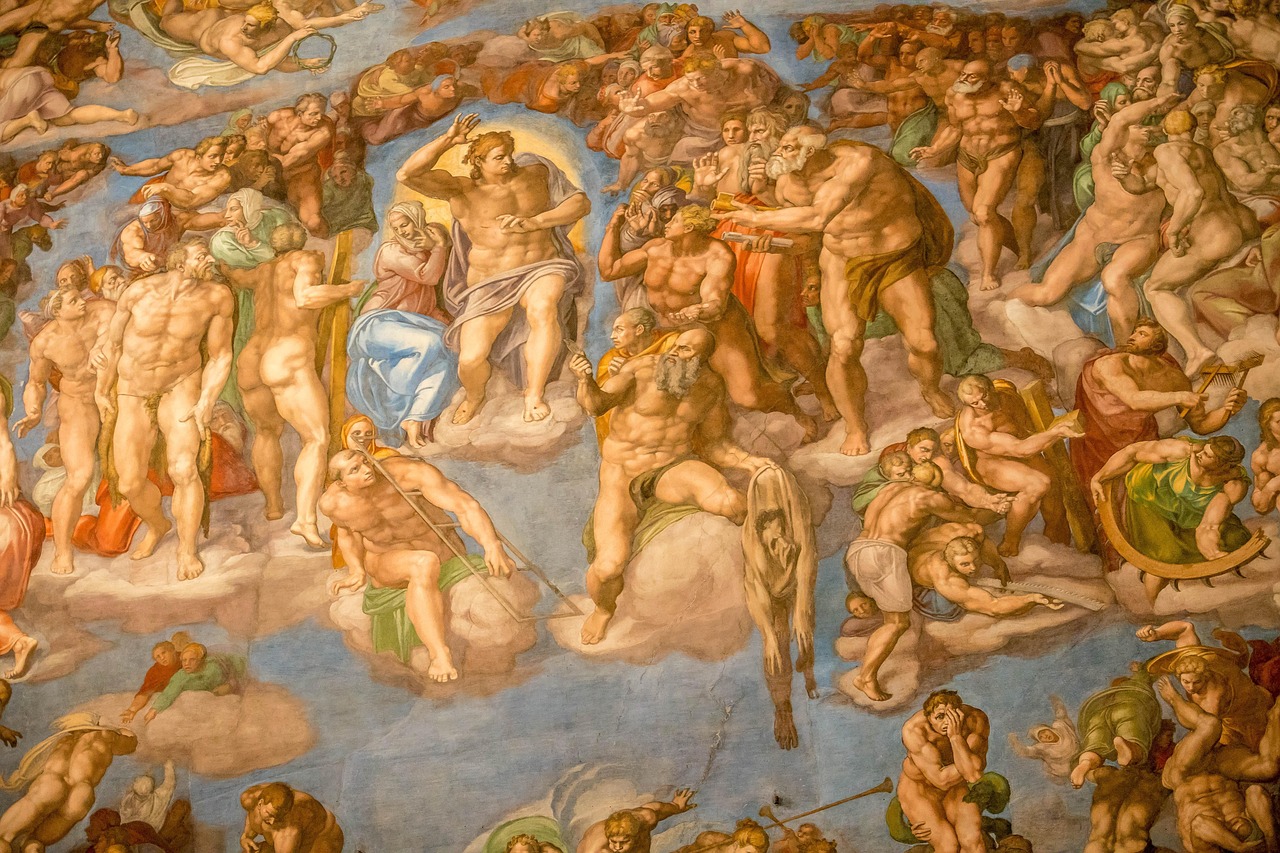
Visit the Vatican City after hours for a serene art encounter in the Vatican Museums, with space to pause and look
An after-hours Vatican museum Sistine Chapel private tour can change your relationship with the Vatican entirely. In the daytime, even the most patient traveller can find the experience crowded, loud, and surprisingly tiring—especially if you’re moving in a dense tourist pack. After hours, the atmosphere softens: fewer voices, more space to stand still, and a sense that the art is meeting you halfway.
For high-end travellers, this is where access becomes meaning. Instead of moving at the pace of a crowd, you can explore at your own rhythm, listen properly, and ask questions without feeling rushed. It’s also one of the most reassuring ways to experience Vatican City if you’re sensitive to noise or simply prefer your cultural encounters crafted and calm.
What to prioritise inside the Vatican museum for maximum impact
The Vatican museum is vast, and “trying to see it all” can blur into fatigue. A skilled guide will curate: key galleries with the strongest narrative, then moments of stillness where you can simply look. The Sistine Chapel becomes the emotional crescendo—less a room to tick off, more a space to absorb in quiet reverence.
It helps to agree a gentle intention before you begin: do you want to focus on sculpture and classical references, or on Renaissance painting and symbolism? With a private guide, the answers shape the route, and the experience feels personal rather than overwhelming. As with all major tourist attractions, the right pacing is the difference between “impressive” and truly moving.
Saint Peter’s Basilica: how to manage the line for the basilica
Saint Peter’s Basilica deserves unhurried attention, but the line for the basilica can be long at peak times. Plan your approach with your guide so you reduce time lost to queues, and keep a light layer with you—Rome evenings can cool quickly. Modest dress in practice means shoulders covered and shorts/skirts to the knee; it’s simple, respectful, and avoids any awkwardness at the door.
Once inside Peter’s Basilica, the most meaningful details are often the quiet ones: the way light moves across marble, the scale that makes conversation drop to a whisper, and the side chapels where locals pause. This is an attraction that rewards stillness, especially when you time it away from the biggest tourist surges.
Logistically, an evening visit often works best when you keep your daytime light: a long lunch, a rest, then private transfer to the Vatican. If you’re staying near the Vatican, late finishes feel effortless; if you’re based in the centre, arrange a car so you step back into your hotel without the stress of late-night navigation.
Finally, a reassuring note on comfort: security queues still exist, even for special access, and that’s normal. The difference is support—someone confirming timings, guiding you to the correct entrance, and making the evening feel seamless rather than uncertain. In this city, that kind of calm is its own luxury.
Cool places and best things on Rome’s piazza circuit – Pantheon, Trevi Fountain, and Spanish Steps
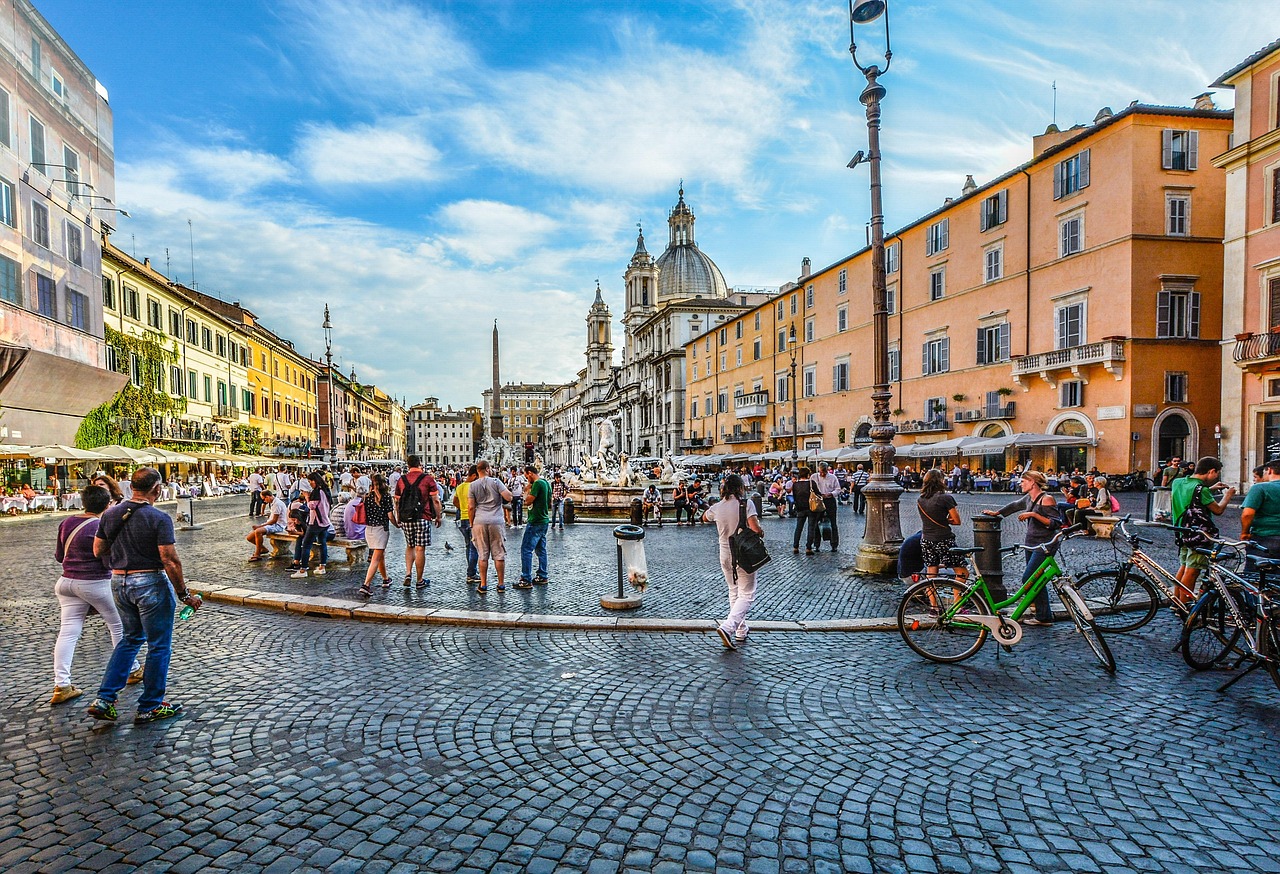
Cool places and best things around Rome’s piazza circuit from Piazza Navona to the Pantheon, with elegant stops in between
If you’re choosing the best things for a refined afternoon, build a walkable “open-air museum” loop through the centre. This is one of the most satisfying things to do in Rome because it’s flexible: you can pause when something delights you, slip into a church that’s free to enter, or sit with an espresso and watch the city move. For travellers, it’s also a relaxed way to link the top sights without turning the day into a hard tourist march.
Begin with Piazza Navona, a classic piazza for people-watching and one of the most photogenic tourist attractions in the historic core. Then drift into smaller lanes where the sound changes—heels on stone, a distant violin, a waiter calling softly from a doorway. If you have time, add Piazza del Popolo at the edge of the centre; it’s grand, cinematic, and a wonderful place to start a morning walk when the light is clear.
Pantheon moments: quiet timing, a corner from the Pantheon, and why it still stuns
The Pantheon still stuns, even if you’ve visited famous cathedrals across Europe. Step inside and you feel the geometry before you understand it: the dome’s perfect proportion, the oculus open to sky, and the way sound seems to hover. For photographs, there’s a corner from the Pantheon that frames the portico beautifully without the densest crowds—ask your guide or concierge for the quietest approach.
To enjoy the Pantheon at its best, arrive early or choose a shoulder time. When the doorway isn’t packed with tourist groups, you can stand in the centre and simply look up. It’s a small act, but it creates space for wonder—and it turns the Pantheon into a lived experience rather than a quick stop.
Trevi Fountain and Spanish Steps: throw a coin, then take in the view of Rome
For the Trevi Fountain ritual, timing is everything. Come early morning or late evening, when the marble seems to glow and the crowd thins. Then, throw a coin with intention—no theatrics needed, just a private wish you keep to yourself—and reset with gelato nearby before the next stop.
From there, continue to Piazza di Spagna and the Spanish Steps. The top of the steps offers a beautiful view of Rome in the cooler hours, and it’s an easy place to pause between shops and cafés. Spagna is also ideal for an elegant wander—refined service, beautiful storefronts, and the simple pleasure of browsing without pressure.
- Start: Piazza Navona for atmosphere and a slow coffee.
- Anchor: Pantheon for a moment of architectural awe.
- Ritual: Trevi Fountain, then gelato and a calm reset.
- Finish: Spanish Steps at golden hour for views of the city.
Two extra “uncover” moments elevate the loop for those who love quiet surprises. First, the Aventine Keyhole offers one of the best views—an unexpected frame that makes you feel like you’ve discovered your own private attraction in Rome. Second, the Victor Emmanuel II complex, also known as the Altar of the Fatherland, tells the story of unified Italy in stone: the first king, the king of Italy narrative, and a monument that is both imposing and strangely moving when seen in evening light.
Trastevere nights for Italian food lovers – a Rome food tour in Trastevere
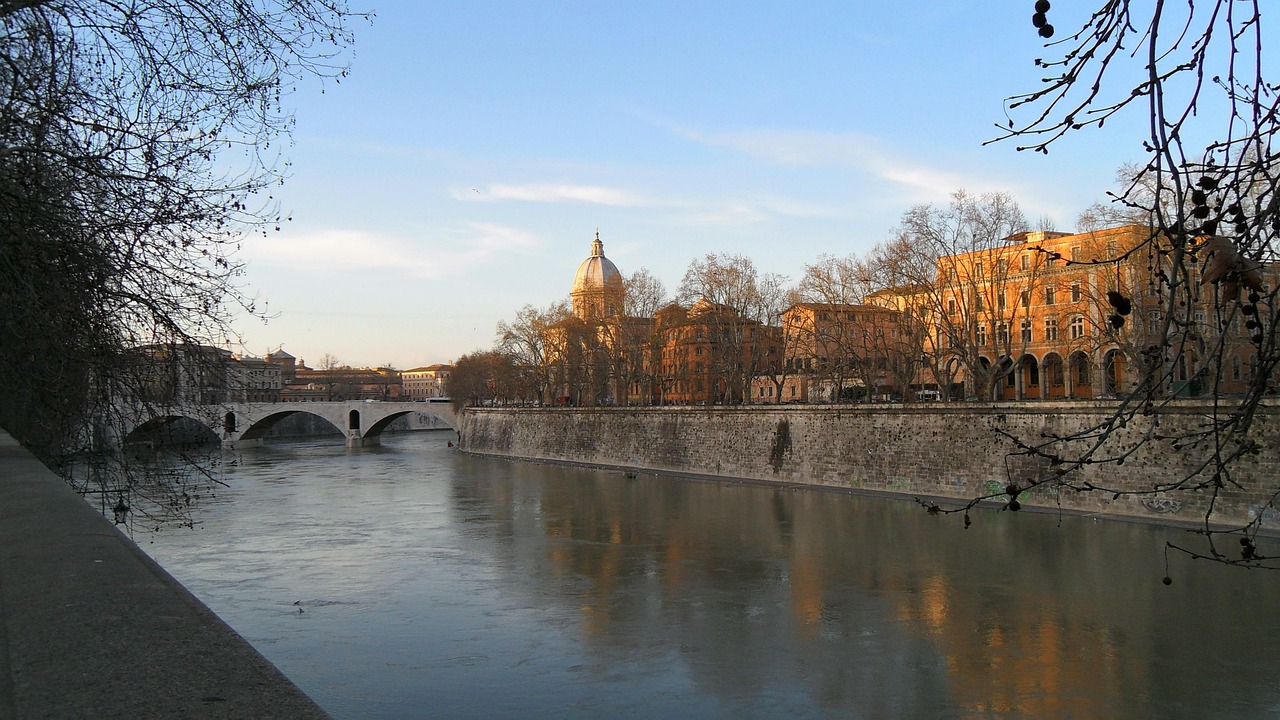
Trastevere nights with crafted Italian food and gourmet dining, easing into the city after dark
For many travellers, a Rome food tour in Trastevere is the evening answer to grand ruins and big-ticket galleries: softer light, local rhythm, and a restaurant scene that can be truly refined when chosen with care. A gourmet plan here isn’t about eating more; it’s about eating better—seasonal ingredients, confident wine pairing, and service that feels warm rather than formal. It’s also a welcome contrast if your day was built around the Colosseum and other headline tourist stops.
If you want connection without chaos, consider a private food tour designed for quality over quantity. The best versions focus on a few excellent stops, each with a clear story: why a particular pasta shape matters, how a sauce changes with the seasons, and what makes a pairing sing rather than compete. For guests continuing an Italy itinerary outside of Rome, this kind of evening becomes a delicious, memorable “local” chapter.
Tour in Trastevere: a relaxed route with a few standout stops
The right tour in Trastevere can feel like being introduced to a friend’s favourite neighbourhood. You might begin with aperitivo, then move to a restaurant where the kitchen’s confidence is obvious in its restraint. Between courses you’re not rushing—you’re noticing: the way laundry lines cut across an alley, the sound of plates behind a doorway, and the glow of lamps on ivy.
Build in one small indulgence: a gelato stop between courses or after dinner. It’s simple, but it resets the palate and slows the night in the best way. From there, a short riverside stroll back toward the lit bridges can feel like a private exhale—Trastevere behind you, the skyline ahead.
A private cooking class in a Roman palazzo: one of our favorite things
One couple told us their favorite things in Rome weren’t only the landmarks, but a private cooking class in a historic Roman palazzo. The kitchen felt like a stage for trust: hands dusted with flour, laughter when a shape went wrong, and that quiet pride when the final plate arrived beautifully. They didn’t just eat Roman dishes—they understood them, and carried that confidence home.
For practical dining guidance: reserve well ahead for the most sought-after tables, especially on Fridays and Saturdays. Keep your pacing generous, and carry a little cash for small vendors if you’re stopping for a late-night sweet. If you have concierge support, let them shape the evening as a seamless sequence—transfer, table, and timing—so you can simply be present.
What stayed with us: return to Rome reflections after luxury trips to Rome
Rome has a way of lingering, as though the city leaves a trace on your senses. Long after you’ve flown home, you may still hear the softened echo of footsteps under an archway, or remember the particular colour of evening stone as the day cooled. In the eternal city, even a brief pause can feel expansive—time layered over time, held together by silhouettes you begin to recognise as familiar.
What often remains isn’t the list of tourist attractions, but the moments that felt quietly crafted for you: the calm of an empty gallery, the hush before a door opens, the ease of being guided with care. That is a way to experience Rome that feels both indulgent and grounded, and it brings a certain confidence too—the sense you didn’t simply pass through, but truly arrived.
And the city keeps its promise of discovery. Even those who have lived in Rome will tell you that it changes with the season, the hour, and the version of yourself who arrives. In one chapter you might chase art and history; in another, you might return to Rome for long walks, beautiful meals, and the comfort of the familiar done exceptionally well.
In the end, Rome doesn’t call after you with urgency. It waits—patiently, warmly—like a place that understands you may one day want to feel it again.
F.A.Qs: Rome Italy things to do for first-timers and luxury travellers
What are the can’t-miss highlights in Rome?
Don’t miss the Colosseum with a private guide, the Roman Forum for context and scale, and an unrushed Vatican experience that includes the Sistine Chapel. Balance those icons with a piazza walk (Piazza Navona to the Pantheon), the Trevi Fountain at a quiet hour, and one neighbourhood evening in Trastevere for crafted Italian food and atmosphere.
Is $5000 enough for a trip to Italy?
$5000 can be enough for Italy depending on your travel style, season, and how many cities you include. For high-end travel in the city of Rome, private tours and premium hotels can exceed that quickly, so prioritise what matters most (for example, one special-access Vatican visit and one private Colosseum tour) and keep other days simpler with beautiful walks and excellent, mid-range dining.
Can I do Rome in 3 days without feeling rushed?
Yes, you can do Rome in 3 days if you plan carefully and book timed entries. Focus on one major sight per half-day: the Colosseum and Roman Forum, the Vatican Museums and Saint Peter’s Basilica, and then a day for the Pantheon, Trevi Fountain, Spanish Steps, and a relaxed evening in Trastevere. Private transfers and a central base help everything feel smoother.
What are the top five attractions in Rome?
Many travellers consider the Colosseum, the Roman Forum, the Vatican Museums, Saint Peter’s Basilica, and the Pantheon as the top five. If you’re choosing based on atmosphere as well as fame, add an early or late visit to the Trevi Fountain and time in a classic piazza such as Piazza Navona, then end with a Trastevere dinner for a more local feel.