Post Contents
- Sights in Florence for luxury travellers – a curated list of things and top attractions
- The Duomo and Santa Maria del Fiore – a sunrise visit to Piazza del Duomo
- Renaissance icons – Uffizi Gallery, Michelangelo, and Piazza della Signoria
- Medici grandeur – Pitti Palace and the Boboli Gardens in Oltrarno
- Ponte Vecchio, Tuscany day trips and Florence food – indulgent things to do in Florence
- What stays with you after Florence – a visit to Florence reflection beyond the sights
- F.A.Qs: Things to do in Florence – top 10 highlights, Duomo tips, and day trips
Sights in Florence for luxury travellers – a curated list of things and top attractions
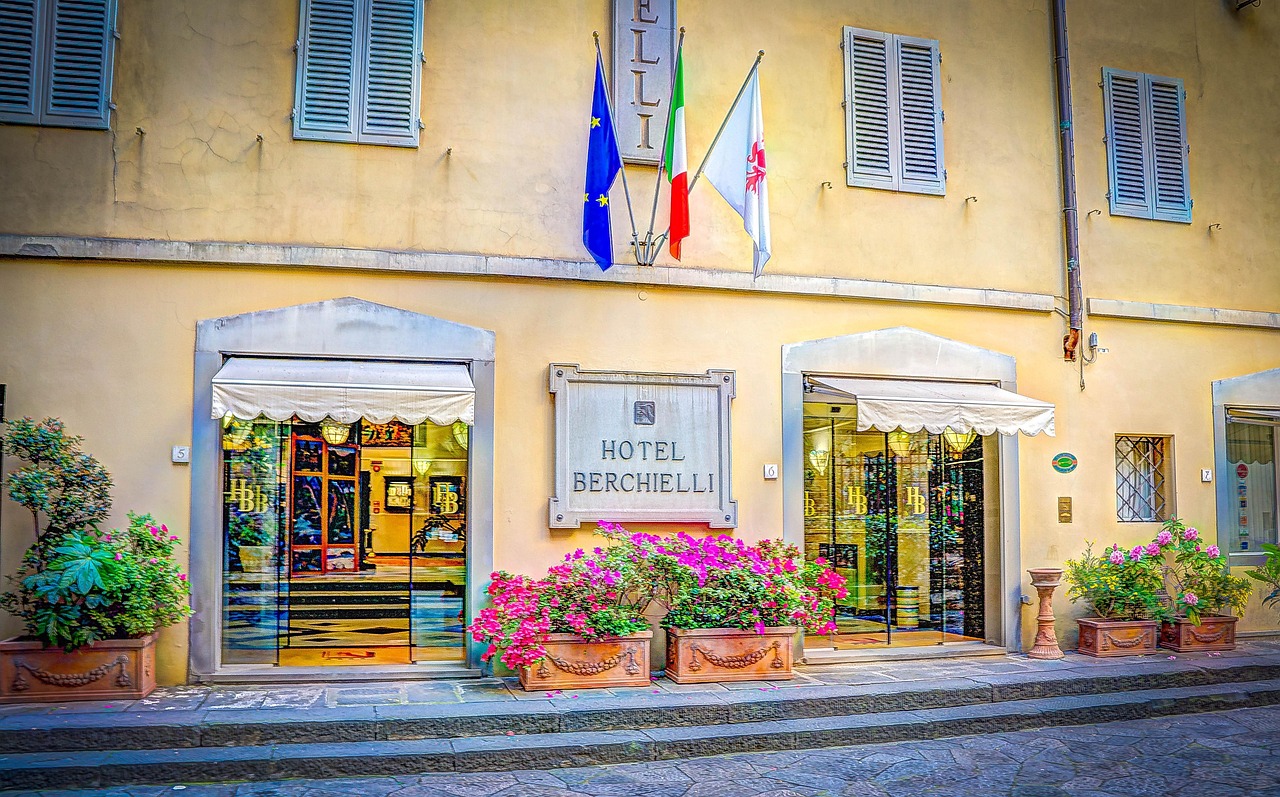
Sights in Florence for luxury travellers: elegant streets, Renaissance detail, and effortless pacing
When guests ask for the top 10 things to do in Florence Italy, a luxury lens helps: it’s not just a list of things, it’s how you design the flow so the city feels effortless. Florence is one of the top walkable cities in Italy—compact, graceful, and full of artistry—so sightseeing in Florence can be calm and tactile rather than frantic. The city of Florence is one place where you can step from a famous building to a tiny artisan studio in minutes, and still make it back for aperitivo in style.
For high-end travellers, the top things to see are often the same major attractions every tourist comes for—yet your experience can feel entirely different with early entry, private guiding, and a pace that honours your energy. This guide covers the best of central Florence and also covers the best things in a way that leaves room to linger: to discover a courtyard, to imagine the Medici world behind a doorway, and to create space between museums and meals.
Best time to visit Florence – time to visit tips for comfort (and fewer crowds)
For the best time to visit, aim for spring (April to June) or early autumn (September to October). The light is flattering, the air is kinder, and you’ll find it easier to secure the best rates in refined hotels without sacrificing location. Florence these days can feel busy in peak summer; the city is beautiful, but heat and crowds can make popular places to visit feel more touristy than inspiring.
If you only have a few days in Florence, shoulder season also helps you see in Florence with more ease—less queueing, fewer bottlenecks, and more last-minute flexibility for private reservations. It’s the difference between ticking off an attraction and feeling truly present during your time in Florence.
Where to stay in Florence – stay in Florence near the Duomo, Piazza, or Oltrarno
Where you stay in Florence quietly shapes your whole trip to Florence. The Duomo area is ideal for first-timers who want to wake up inside the postcard; it’s undeniably central, though it can feel more tourist after breakfast. Near Piazza della Repubblica, you’ll find elegant access to shopping and dining with a slightly more polished city rhythm—excellent for travellers who want the best places within a short stroll and plenty of places to visit in Florence.
Oltrarno, across the river, is a favourite for those craving calmer streets and local texture. It’s still close to everything in central Florence, yet evenings feel softer—perfect if you want to slip from a gallery day into a candlelit dinner without navigating the busiest lanes.
Arrivals, transfers and getting around Florence with confidence
Arriving well sets the tone. Florence airport (Peretola) is close, but a pre-arranged private transfer is worth it if you value seamless support after a flight—especially with luggage and hotel check-in logistics. If you arrive by rail at Florence train station (Santa Maria Novella), stepping off into the city of Florence is wonderfully direct; your driver can meet you trackside or just outside for a smooth handover.
Florence’s historic centre is best explored on foot, but taxis and private car services earn their keep for evening returns, transfers to the hills, or when you’re dressed for the opera. Public transport is reliable, yet a private guide adds insight and keeps the day beautifully paced, particularly when you’re weaving together the main attractions and deciding what to prioritise on a quick visit.
Quick comfort notes for a polished, respectful visit
- Wear comfortable walking shoes—cobblestones are charming until they aren’t.
- Carry a lightweight scarf to cover shoulders when you visit the cathedral and other Santa Maria sites.
- Tipping is typically around 10% in restaurants unless a service charge is included.
- A warm “Buongiorno” or “Buonasera” builds instant local goodwill.
If you’re browsing inspiration for visiting Italy more widely, you can explore our Trip gallery and imagine how Florence might pair with the Tuscan countryside or the coast—two wonderful cities to visit in one beautifully balanced itinerary.




The Duomo and Santa Maria del Fiore – a sunrise visit to Piazza del Duomo
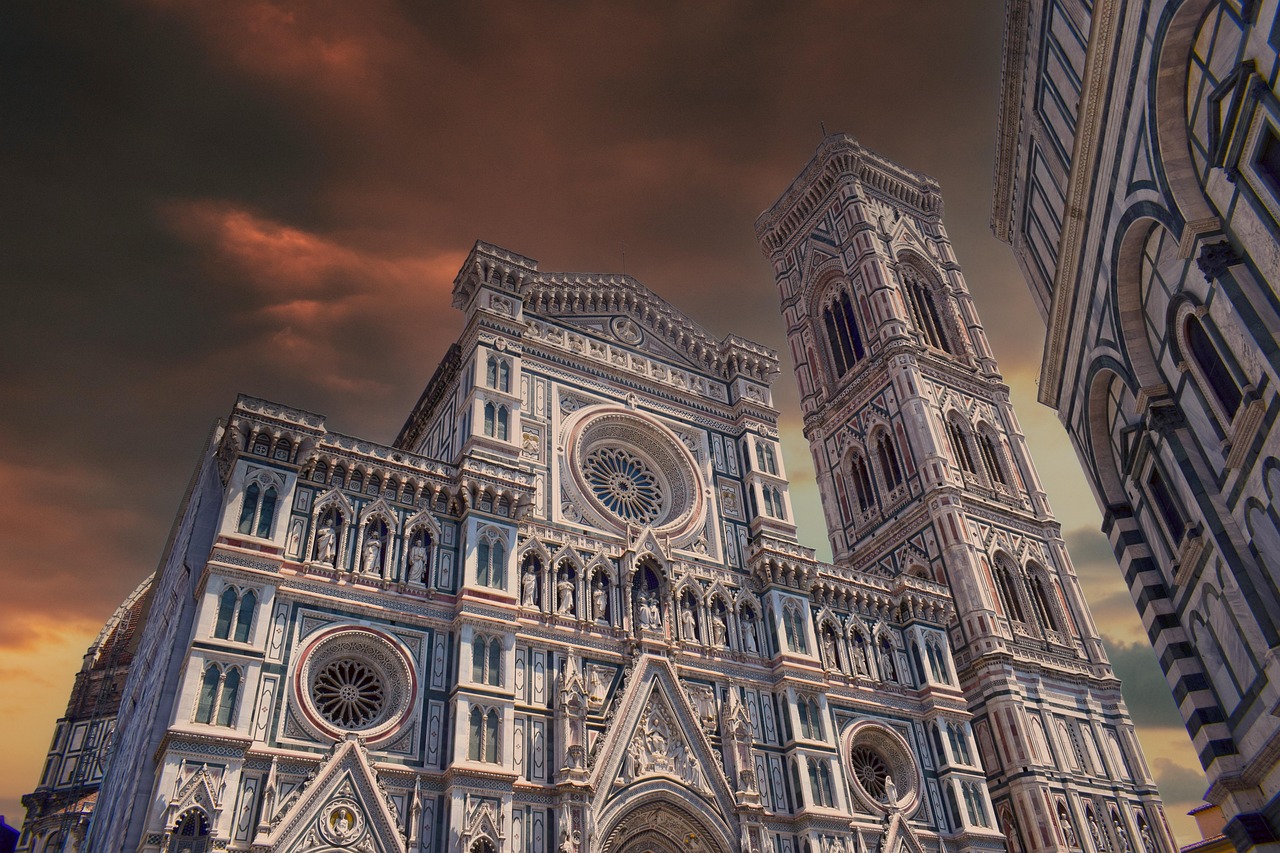
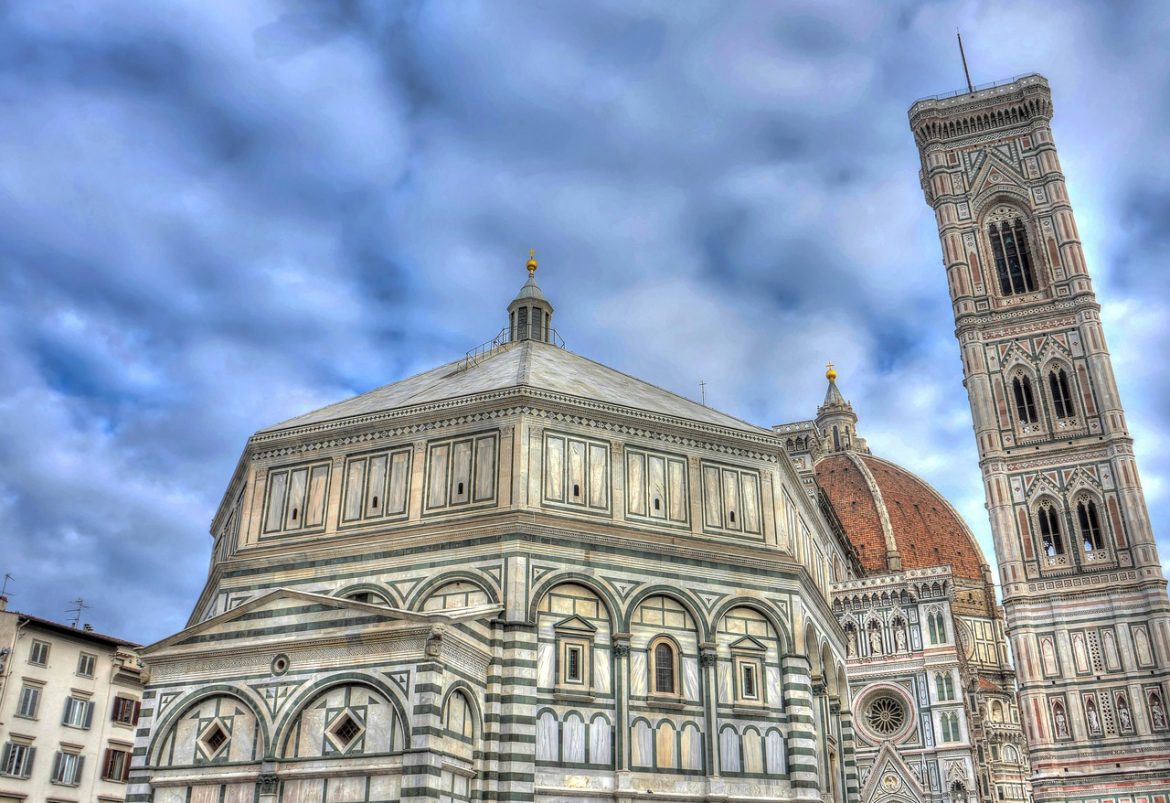
The Duomo and Santa Maria del Fiore at sunrise with Brunelleschi’s Dome above Florence
The Duomo complex at Piazza del Duomo is the iconic attraction that anchors nearly every visit Florence itinerary, yet the moment you choose changes everything. The phrase “see the Duomo” doesn’t quite prepare you for the hush of early morning: shutters half-closed, café lights warming up, and the cathedral façade catching the first clean light. To stand there before the city fully wakes is to uncover Florence as something intimate, not just monumental.
Santa Maria del Fiore—also known as the Duomo di Firenze—feels even more extraordinary when the square is quiet. For luxury travellers, the most valuable commodity isn’t access; it’s atmosphere. Sunrise delivers it, and it’s one of the best things you can do before the streets fill.
Brunelleschi’s Dome climb – best view of Florence and views of Florence at dawn
If you’re choosing one classic experience, climb Brunelleschi’s Dome for unforgettable views of Florence. One traveller told us their sunrise ascent felt almost private: steady breathing on the steps to the top, then a soft reveal of terracotta rooftops and church towers. They described the serenity as “a secret Florence,” and the viewpoint in Florence that made them fall in love with the city all over again.
From the terrace, you’ll understand why this is often called the best view of Florence. You can glance down and catch a single, perfect view of the duomo itself, then lift your eyes to the hills for the best view across the river and beyond the Florence skyline.
Tickets, timing, and when to visit the cathedral at the Duomo complex
Practicalities matter here. Book timed tickets well in advance, especially in high season, and choose the earliest slot you can manage. The climb is narrow and physical, so plan it on a morning when you feel fresh. Many luxury travellers ask a concierge or an expert planner to secure priority times—this is where thoughtful support makes the experience feel seamless.
To visit the cathedral with fewer crowds, go early or later in the day, and keep a scarf to hand for respectful coverage. The light inside Santa Maria spaces is gentle, and taking ten minutes simply to stand still is surprisingly restorative. If your interests run deeper, consider the museum del Duomo collection as a calm add-on after the square.
Giotto’s Bell Tower – another tower in Florence and a simple quick visit plan
If you want another tower in Florence, Giotto’s Bell Tower is a photographer’s dream—clean lines, patterned marble, and crisp angles that frame the city. It’s different from the Dome: slightly more open, often a little less intense, with its own rhythm of ascent. If time in Florence is tight, a quick visit might be: arrive at the Duomo complex early, climb one tower, then take a slow coffee before the museums open.
It’s a simple design principle: one summit per morning is usually enough. Leave space, and the Duomo becomes a memory you can feel rather than a task you completed.
Renaissance icons – Uffizi Gallery, Michelangelo, and Piazza della Signoria
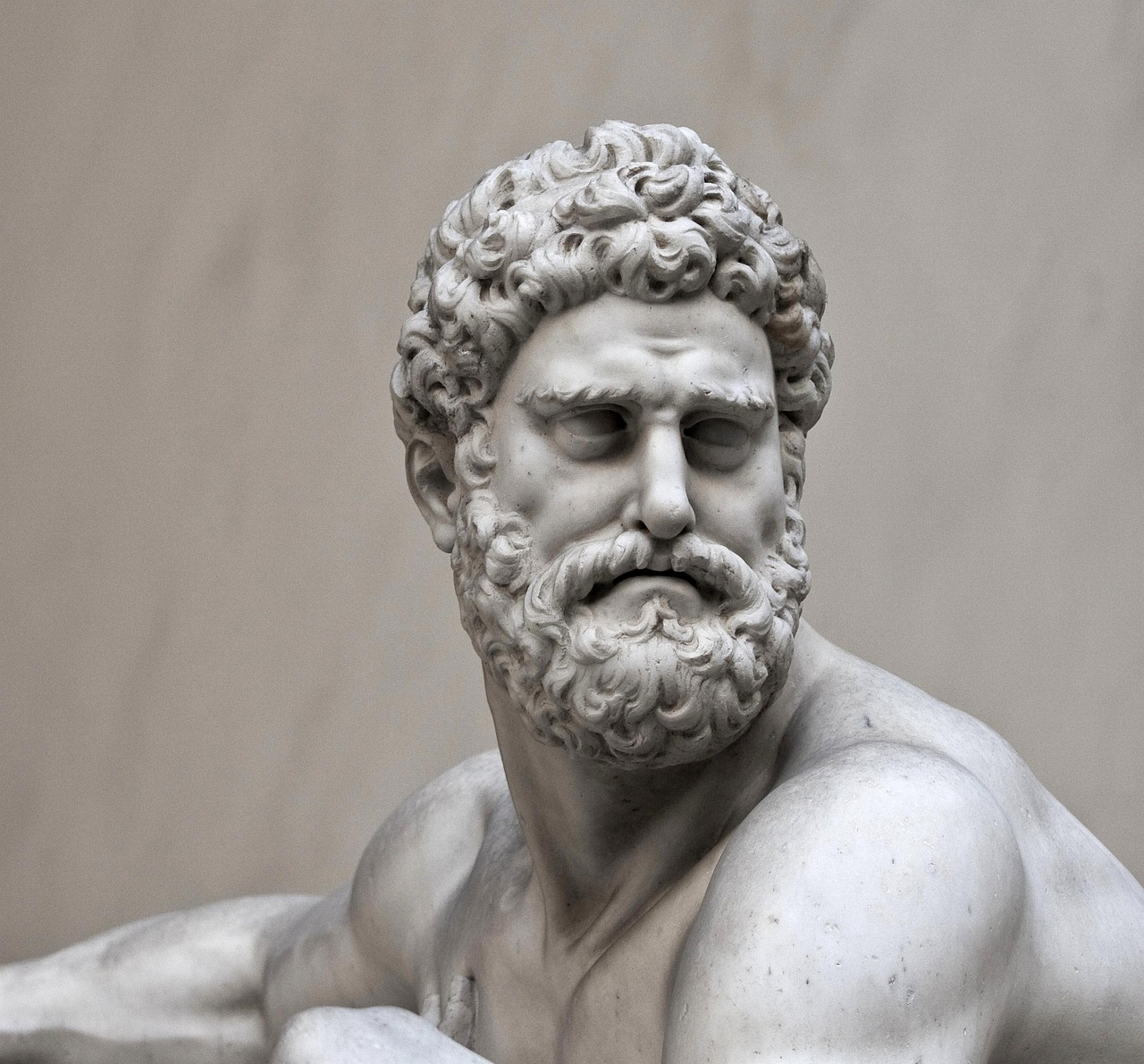
Renaissance icons from the Uffizi Gallery to Piazza della Signoria in Florence
For many, the Uffizi Gallery is the centrepiece of sightseeing in Florence, and with good reason: it holds the kind of art that reshapes how you see beauty. If your notes say “Uffizi Gallery Michelangelo Piazza della Signoria Palazzo Vecchio top things Florence Italy”, the luxury version is to explore with an expert guide who can read the room—moving swiftly when galleries are busy, pausing when a painting asks for time, and giving you insight that turns admiration into understanding.
Pre-booking is essential, and a timed entry is the simplest way to protect your day. You can also use a trusted platform such as Get Your Guide for ticketing when official slots are tight, though private guiding is where the museum becomes personal and less stressful for a first-time tourist.
Botticelli and Michelangelo at the Uffizi – why these top things to see feel unforgettable
An art lover once told us that seeing Botticelli’s Birth of Venus in person felt “shockingly immediate”—as though the image they’d known for years suddenly breathed. That’s the Uffizi at its best: it doesn’t just show you masterpieces, it invites you to discover your own response to them.
Michelangelo appears here too, and noticing the shift in power and anatomy across the rooms is one of those quiet pleasures that a well-paced visit unlocks. When you travel with care, you don’t just consume art; you meet it.
Piazza della Signoria and Loggia dei Lanzi – outside the Palazzo Vecchio
From the Uffizi, step into the civic heart: Piazza della Signoria. The air changes here—more theatrical, more public—and you begin to sense Florence as a city that has always staged itself. Standing by the Loggia dei Lanzi, sculptures feel like living presences, and it’s easy to imagine processions, announcements, and the swirl of history in the open air.
Pause outside the Palazzo Vecchio and take it in as the city’s grand stage. Palazzo Vecchio isn’t simply a building; it’s a statement. To visit the piazza in early evening is magical—less glare, more gold, and a sense that the stones are warming up for night.
Palazzo Vecchio tower options and an elegant reset via Piazza della Repubblica
If you want a second tower in Florence without overpacking your day, Palazzo Vecchio’s Arnolfo tower offers a different kind of height—more medieval, more vertical drama. Keep it optional: it’s ideal for travellers who enjoy a layered city narrative and don’t mind a bit of effort.
Then give yourself breathing space with a stroll towards Piazza della Repubblica. This is where Florence feels refined and open, perfect for aperitivo and people-watching. It’s a small reset that helps you hold on to that “best places” feeling—unhurried, intentional, and quietly celebratory.
A simple way to pace a Renaissance day
- Choose one major museum (Uffizi or a palace) and one civic square—both are one of the top ways to understand Florence fast.
- Build in a seated break after the Uffizi—your eyes need rest as much as your feet.
- If you add a tower, keep dinner reservations later to avoid feeling rushed.
Medici grandeur – Pitti Palace and the Boboli Gardens in Oltrarno
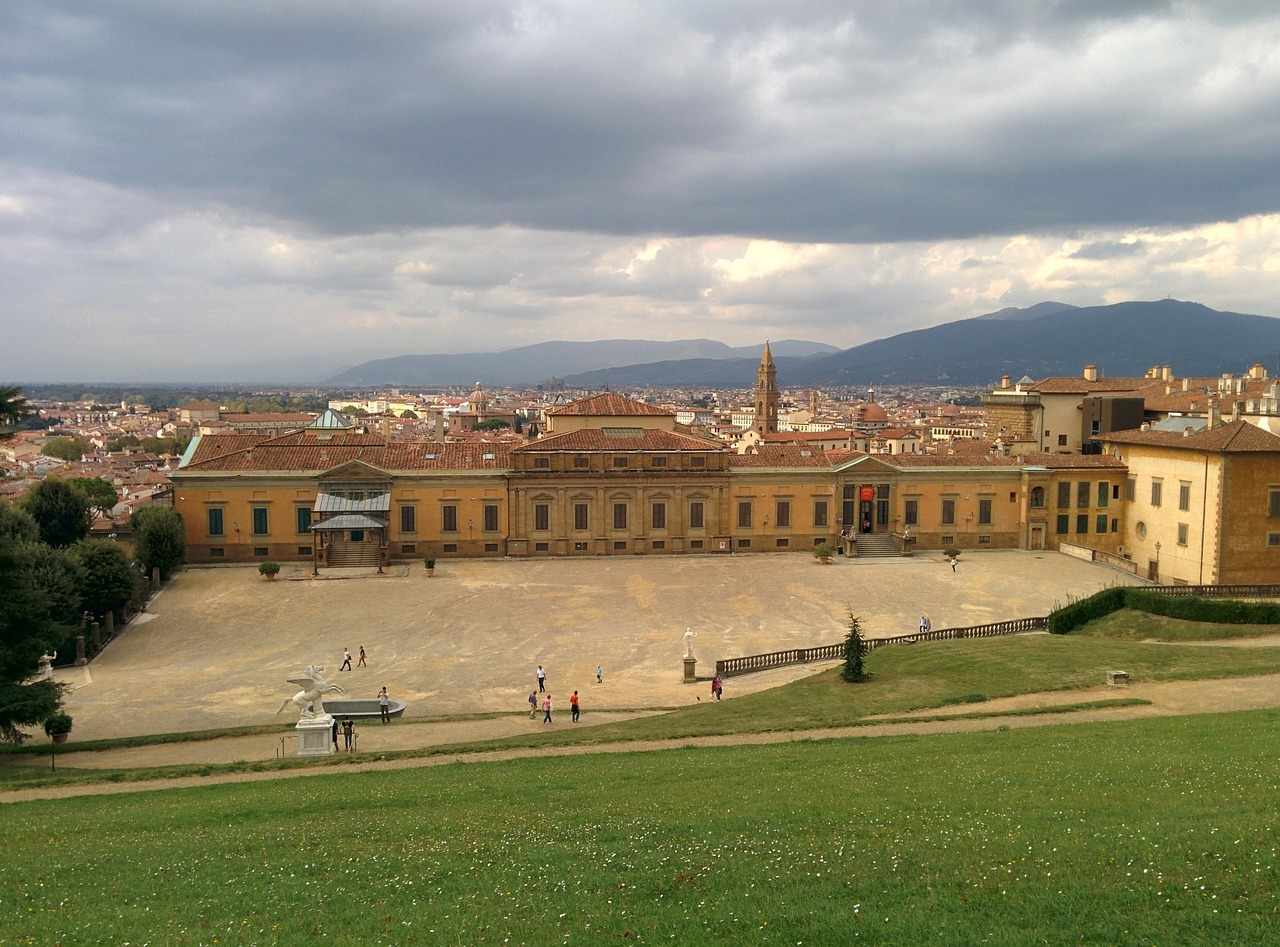
Medici grandeur at Pitti Palace and the Boboli Gardens in Florence
When you’re ready to swap public spectacle for private grandeur, plan “Pitti Palace private tour Boboli Gardens Pitti Palace Florence Italy” as a crafted half-day. Pitti Palace is where Florence’s power became domestic: rooms designed to impress, collections assembled to endure, and a sense of scale that quietly recalibrates your idea of luxury. With a private guide, you can design a route that highlights the most opulent spaces without museum fatigue.
This is the art of high-end travel: not seeing everything, but uncovering what matters to you—whether that’s gilded ceilings, Medici stories, or the way light falls across a gallery at a certain hour.
Pitti Palace with a private guide – a seamless, thoughtful route through the collections
A good guide will tailor the palace to your interests and keep the pace comfortable. They might focus on a handful of rooms where the Medici narrative feels vivid, then glide past the sections that don’t call to you today. You’ll gain insight without overload, and you’ll leave with the quiet confidence that you truly absorbed what you came for.
If you’re travelling with family or friends, a private visit also keeps you together—no losing each other in doorways, no stress at transitions. It’s small, but it’s the kind of support that changes the feel of the day.
Boboli Gardens – an art-and-nature escape with the best view over rooftops
From the palace, step straight into the Boboli Gardens: a living museum where hedges, statues, and long perspectives create a sense of order and play. We recommend arriving early, when the air is cooler and the paths feel spacious. Boboli Gardens reward an unhurried pace—stop for a view, sit for five minutes, and let the city’s intensity fade.
One visitor described lunch in the gardens as a peaceful escape amid a bustling itinerary: simple local delicacies, a shaded bench, and the strange joy of hearing footsteps on gravel instead of traffic. It’s a reminder to design rest into your days in Florence, not just your nights.
Oltrarno artisans, plus Santa Croce and Santa Maria landmarks nearby
After the gardens, drift into the Oltrarno to discover workshops where craft is still a daily practice. This is where you’ll find hand-crafted leather goods, paper marbling, and jewellery made with patience. Another traveller told us the highlight of their trip was meeting artisans who spoke with pride about heritage—an exchange that felt personal, not transactional.
If you’d like a sacred pause, consider Basilica di Santa Croce. Santa Croce offers beauty and stillness, with sculpture, tombs, and a reverent atmosphere that suits travellers who appreciate quiet cultural spaces. Nearby, you can also glance at Basilica di San Lorenzo and the surrounding streets around di San Lorenzo for a different texture of Florence—less polished, more lived-in, and full of local rhythm.
Ponte Vecchio, Tuscany day trips and Florence food – indulgent things to do in Florence
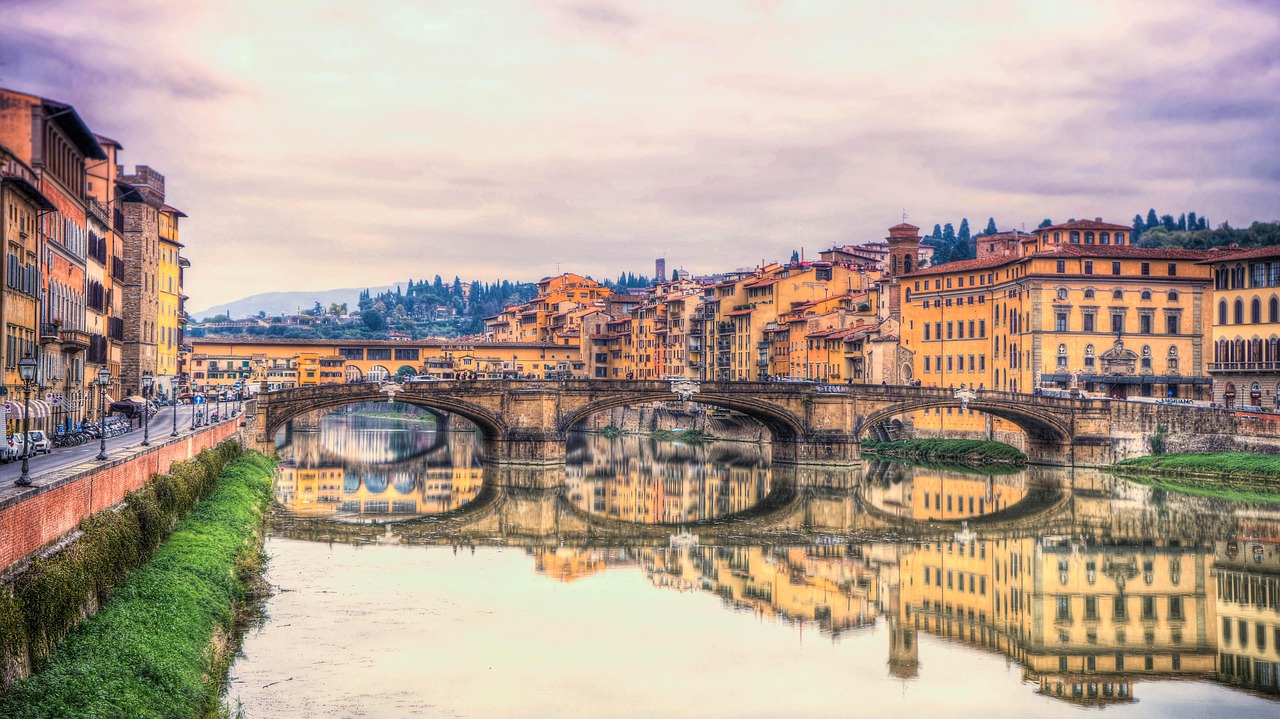
Ponte Vecchio indulgence, Chianti day trips and Florence food along the Arno
If your saved search reads “Ponte Vecchio in Florence Chianti day trip from Florence luxury shopping Via de’ Tornabuoni”, you’re already thinking like a luxury traveller: golden-hour scenes, curated purchases, and an easy countryside escape. These are some of the most pleasurable things to do in Florence because they combine beauty with comfort—and they invite you to explore beyond museum walls.
Done well, this day (or pair of evenings) becomes a ribbon of moments: river light, velvet theatre seats, a perfectly timed tasting, and the kind of dinner that makes you pause mid-sentence.
Ponte Vecchio in Florence at golden hour – the oldest bridge in Florence
Plan a slow walk across Ponte Vecchio at sunset. One visitor described the thrill of crossing as the golden hues reflected on the Arno, turning the bridge into something cinematic. It’s the oldest bridge in Florence, and that continuity—centuries of footsteps, merchants, and evening light—adds depth to the view.
Take your time, glance into the jewellers’ windows, then look outward to the river. Ponte Vecchio is both a place and a feeling: a softening of the day, a shared hush, a reminder that romance can be as simple as light on water.
Via de’ Tornabuoni shopping and Teatro della Pergola – a refined evening pairing
For luxury shopping, Via de’ Tornabuoni is where Florence dresses up. If you enjoy fashion, ask your hotel concierge to arrange a stylist or boutique appointments; it’s discreet, efficient, and often comes with small courtesies that feel genuinely warm. A gentle note of care: keep purchases discreet, especially as you move through busier streets.
For culture, Teatro della Pergola offers an intimate evening. Some guests shared their experience of attending a rare opera night there and feeling transported back in time by the venue’s scale and atmosphere. It’s not about grandeur; it’s about closeness—music held in a room that seems to listen back.
Florence food made effortless – places to eat from Michelin stars to Mercato Centrale
Florence food shines when you let it be both refined and real. Michelin-star dining is worth the planning—reservations often need to be made weeks ahead—so lean on concierge support for the best tables. For places to eat near the Arno, choose somewhere with a view and arrive slightly early; the calm before a dining room fills is part of the pleasure.
To balance fine dining with local flavour, spend an hour at Mercato Centrale. You can taste, browse, and build a sense of the city’s daily appetite without committing to a full meal. It’s a wonderful contrast to white tablecloth evenings.
Chianti in Tuscany – one of the best day trips from Florence
When you want countryside calm, a bespoke Chianti tasting is one of the best day trips from Florence. Arrange a private driver for the day trip from Florence—taxis are better saved for city hops—and plan two wineries rather than four. That spacing lets you connect with local vintners, taste rare Tuscan vintages, and learn about ancient techniques without rushing. It’s also a smart way to add variety if you’re comparing day trips versus extra museum time.
A couple once reminisced about how their private tasting became the most “together” moment of their journey: long views over vines, stories poured as generously as the wine, and a sense of Tuscany that felt intimate rather than staged.
Small luxuries that make the day feel designed
- Schedule Ponte Vecchio for sunset, then walk to dinner slowly along the Arno.
- Mix one Michelin-star meal with one casual stop at Mercato Centrale for contrast.
- For Chianti, prioritise a private driver and two exceptional estates for comfort.
And end with something sweet: gelato in Florence can be a nightly ritual—gelato every day if you like. The best you can find is often in smaller local gelaterie where flavours are clear and seasonal, and the scoop comes with a smile rather than a sales pitch.
What stays with you after Florence – a visit to Florence reflection beyond the sights
Long after your visit to Florence ends, you may find it’s not the big moments that return first, but the quiet details. The Florence skyline at dusk—softened edges, bells in the distance, a final wash of light over stone—settles somewhere in you. You remember the feel of the streets underfoot, the way the air changes near the river, and how a single doorway can hold centuries of artistry without asking for applause.
There’s a particular reassurance that comes from a well-designed journey. You trusted your pacing, you let yourself pause, and you accepted support where it mattered—tickets handled, transfers smooth, reservations thoughtfully timed. That gentle structure creates freedom: you’re able to be fully present, rather than always managing the next step.
And perhaps that’s Florence’s true gift. It invites you to return—maybe in a different season, maybe just in memory—and to see familiar beauty with new eyes. Not as a checklist, not as proof of anything, but as a reminder that creativity thrives when you allow it room.
Back home, you might notice you’re creating space for beauty in smaller ways: lingering over morning light, choosing quality over clutter, listening more closely. Florence doesn’t demand you hold on to it tightly. It simply stays—quietly—until one day you realise you’re carrying it, and wondering what it might show you next time.
F.A.Qs: Things to do in Florence – top 10 highlights, Duomo tips, and day trips
What should you not miss in Florence?
Don’t miss the Duomo complex, ideally early in the day, and reserve time for the Uffizi Gallery to see Botticelli and Michelangelo in person. Walk across Ponte Vecchio near sunset, and give yourself a slower moment in Boboli Gardens or the Oltrarno artisan streets. If you have time, a Chianti tasting is one of the most rewarding day trips for a calm Tuscany contrast.
What is Florence, Italy most known for?
Florence is most known for its Renaissance art and architecture, with the Duomo and Santa Maria del Fiore as the city’s defining cathedral landmark. It’s also celebrated for masters such as Michelangelo and Botticelli, world-class museums like the Uffizi Gallery, and iconic city scenes including Piazza della Signoria, Palazzo Vecchio and Ponte Vecchio over the Arno.
What is a must buy in Florence?
A must buy in Florence is something genuinely crafted: hand-made leather from an Oltrarno workshop, artisan jewellery, or beautifully marbled paper. These pieces carry local skill rather than just a logo. If you shop on Via de’ Tornabuoni, consider timeless accessories you’ll use often, and ask your concierge for discreet boutique appointments for a more personal experience.
Can I wear jeans in Florence?
Yes—jeans are perfectly acceptable in Florence, especially for daytime sightseeing. Choose a smart cut and pair them with comfortable, polished shoes for cobblestones. For Michelin-star dining or the opera, you may feel more at ease in tailored evening wear. When visiting the cathedral or other religious sites, bring a scarf to cover shoulders as needed.