Post Contents
- Designing a coast in Italy travel guide with confidence – an Italian coastal itinerary for a scenic coastline
- Amalfi Coast luxury base planning – Positano, Ravello and Amalfi town sea-view hotels
- Along the Amalfi Coast: things to do in Amalfi, Naples, Sorrento, Capri, Pompeii + time to visit the Amalfi
- Cilento Coast in southern Italy – quiet seaside town escapes, beach days and nature-led luxury
- Costa Smeralda, Sardinia – beach clubs, luxury resorts and yacht days on the Italian coast
- Leaving a coast in Italy with what lingers – seaside memories, service, and the scenic coastline
- F.A.Qs: coast in Italy essentials for refined travel tips
Designing a coast in Italy travel guide with confidence – an Italian coastal itinerary for a scenic coastline
Designing an Italian coastal travel guide in confidence for a scenic coastline itinerary
If you’re searching for a coast in Italy travel guide that feels reassuring rather than overwhelming, start here: Italy’s shoreline isn’t one experience, it’s a collection of moods. You can have cliff-top glamour and polished la dolce vita, or a quieter seaside town where the day stretches gently from coffee to the mare. For high-end travellers, the magic is in how the journey is designed—so the coast feels like ease, not effort.
What makes the Italian coast such a beautiful place for luxury travel is the variety held together by culture: impeccable food, warm service, and an instinctive sense of style. You’ll find boutique hotels and restaurants and thoughtful villa options, but also small rituals that make you feel looked after—fresh pastries delivered without fuss, a table held until you arrive, a host who remembers how you take your espresso.
Three headline regions on the coast to discover with confidence
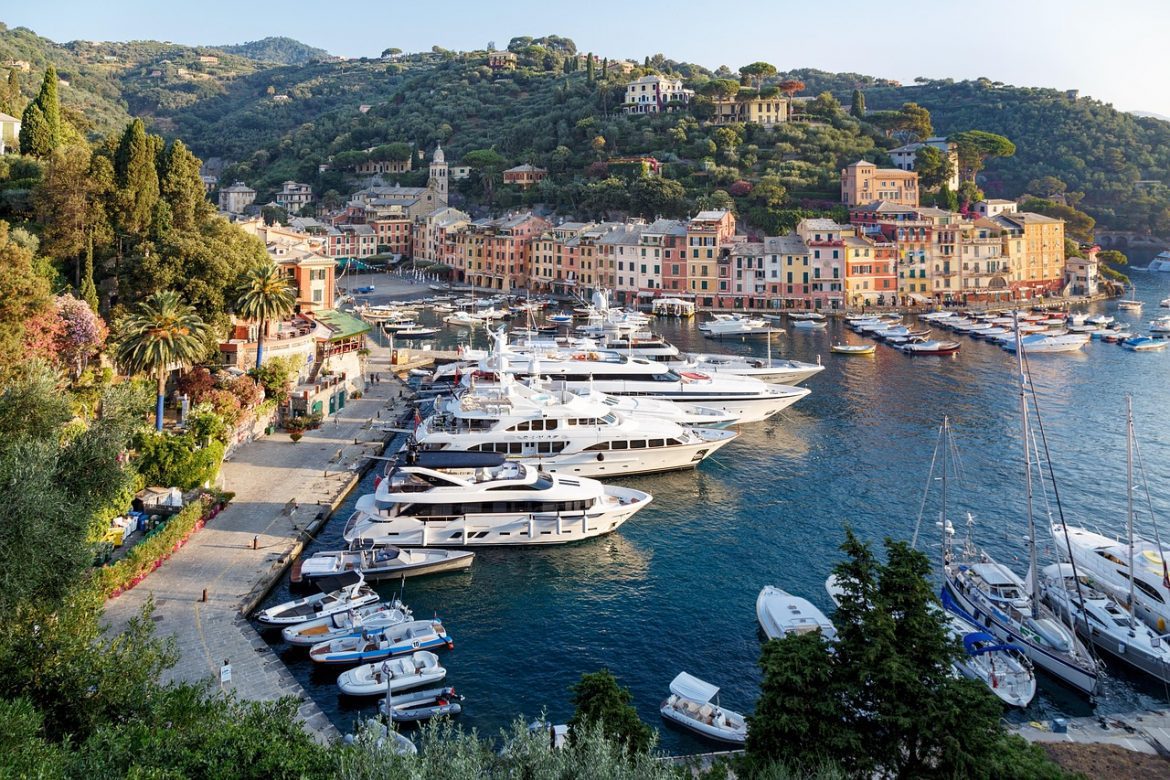
To create clarity, begin with three regions that consistently deliver unforgettable coastal views and high-touch service. First, the Amalfi Coast in Campania, a UNESCO World Heritage site where houses tumbling down the cliff edge feel like theatre set against the Tyrrhenian Sea. Second, Sardinia’s Costa Smeralda, where white sand beaches meet designer-level hospitality and discreet beach clubs. Third, the Ligurian Riviera, from Portofino towards Cinque Terre—an elegant strip of Italian coastal life with gourmet dining, luxury yachts, and a hiking trail network that turns the coastline into a curated gallery.
A local guide in Portofino once told me the fishing village has always belonged to artists and celebrities in equal measure. Over an espresso by the harbour, they shared stories of painters who came for the light, and film stars who return for the privacy. That blend of glamour and gentleness is precisely why the Ligurian Riviera remains a high-end favourite: it’s polished, but never loud.
Alternative coastlines for different seasons and styles across southern Italy and the islands
If your idea of luxury is space and quiet, there are other coastal areas to uncover at a calmer pace. The Cilento Coast offers nature-forward restoration in southern Italy, while the Salento coast leans sun-bleached and beach-focused. The Maremma coast brings Tuscan ease—good wine, a long sandy beach, and less theatre—while Sicily delivers island contrast, ancient ruins, and a sense of layered history. Each is a different part of the italian coast, and choosing well is the first act of good design—especially if you’re weaving in hill towns and countryside moments between sea days.
The Designer Journeys approach is simple: fewer bases, better rooms, and logistics that feel seamless. Private transfers replace guesswork, and local insight replaces frantic research—so you can be present with the people you’re travelling with, together, in a rhythm that feels personal.
- Design fewer moves: two bases can feel richer than five hotel check-ins, especially on a winding coast.
- Create ease: private transfers and well-timed ferries make the coast feel calm and scenic coastal rather than rushed.
- Choose the right room: a true sea view terrace changes the whole day—morning light, afternoon shade, and an effortless evening.
- Book intelligently: secure the key experiences early, then leave space to wander a village lane or linger at the beach.
If you’d like to browse inspiration before you commit, this Trip gallery can help you imagine what’s possible along this coast in Italy.




Amalfi Coast luxury base planning – Positano, Ravello and Amalfi town sea-view hotels
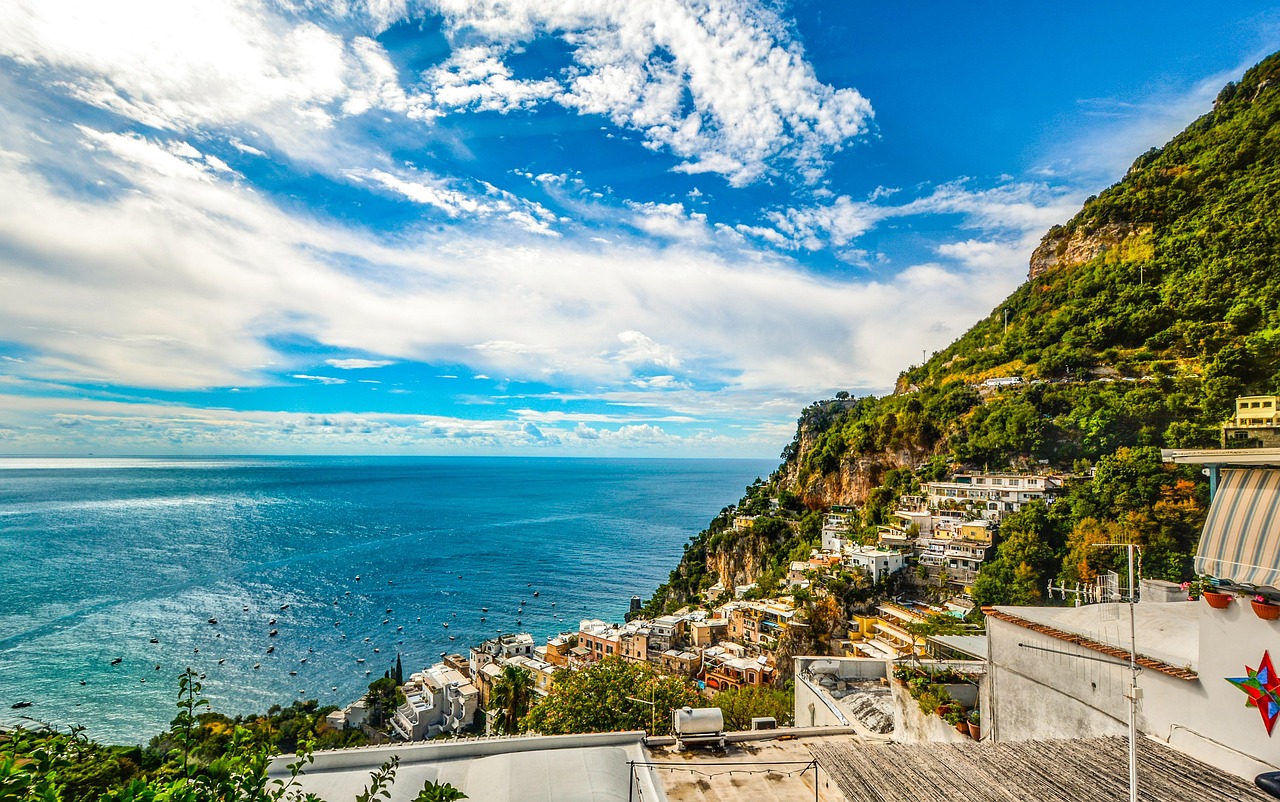
Amalfi Coast coastal towns Positano Ravello Amalfi town luxury hotels Italy
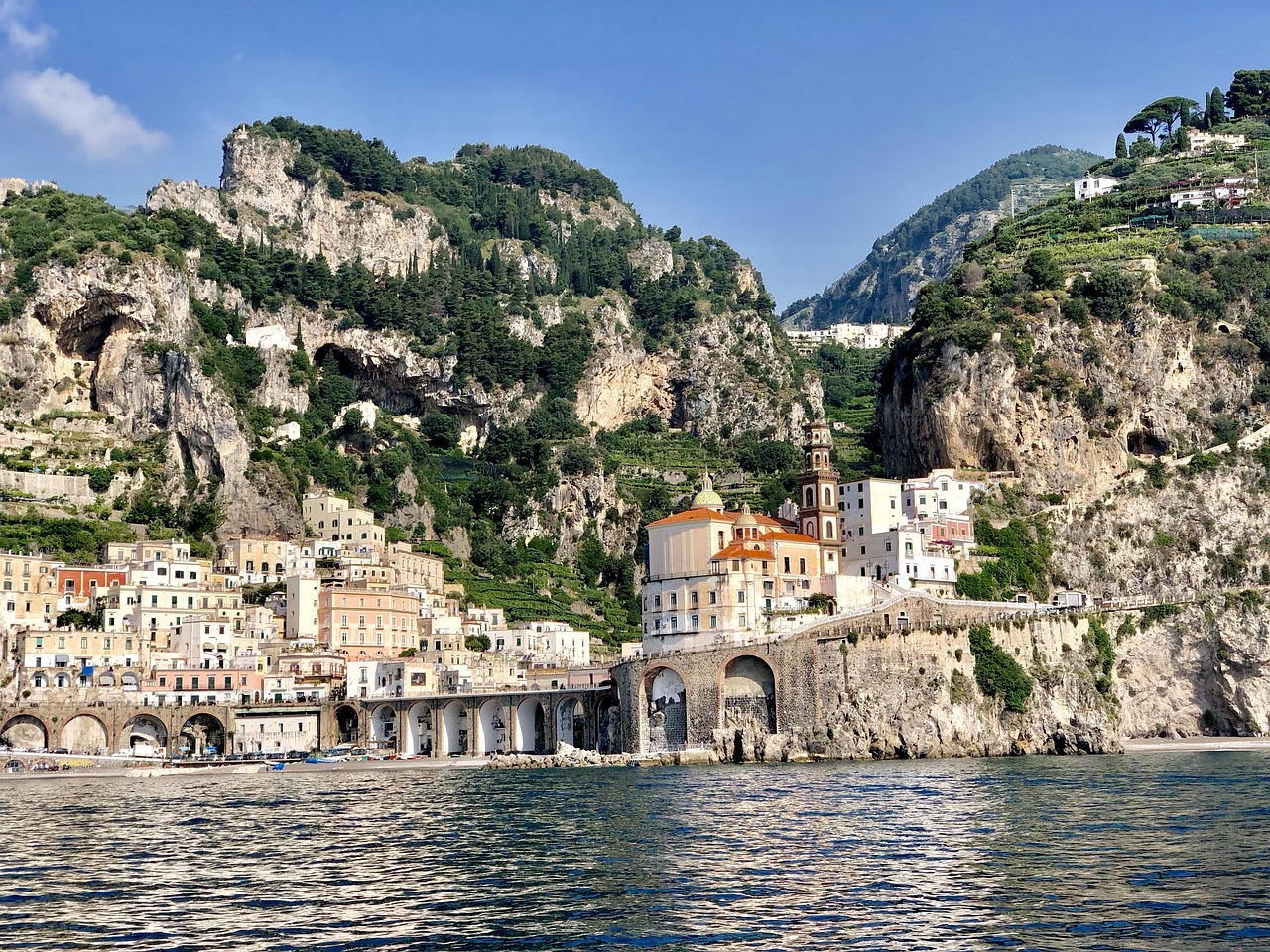
The Amalfi Coast is more than a string of photo spots—it’s a living coastline shaped by light, citrus, and sea air. This UNESCO World Heritage site is famous for dramatic cliffs and a road that clings to the cliff edge like ribbon, with scenic bends that reward a slower pace. Yet the most refined way to experience the Amalfi Coast is to slow it down: one excellent base, a second quiet bolt-hole, and days designed around the water and the Mediterranean rhythm of long lunches.
There’s a reason this coast is so often described as Italy’s most beautiful. The rock faces catch the sun differently each hour, and the Tyrrhenian Sea can shift from deep cobalt to turquoise in a single afternoon. Even in busy months, thoughtful planning restores the feeling that the beach, the terrace, and the view belong to you.
Coastal towns in Italy with distinct personalities: Positano, Amalfi, Ravello, Praiano
Positano is the romantic showpiece—vertical, pastel, and impossibly chic. It’s ideal if you want boutique hotels and restaurants within easy reach, and you don’t mind a few steps in exchange for views that make you pause mid-sentence. Amalfi (the town of Amalfi) carries a maritime history that feels grounded; its cathedral square is a human, local stage, especially in the early morning before the day trip crowd arrives.
Ravello sits higher, a calmer perch above the coast. It’s the antidote to bustle—gardens, music, and long, quiet lunches with coastal views that feel like a private balcony over the world, especially at Villa Cimbrone. If you want intimacy, Praiano offers a softer village feel, with sunset-facing terraces and an unhurried pace that couples and families often trust immediately.
For a small but lovely arrival or departure detail, note Vietri sul Mare at the Salerno end—ceramics, colour, and a gentle transition into the coast’s rhythm.
Sea-view stays and choosing the right base on the Amalfi Coast
On the Amalfi Coast, where you stay shapes your entire experience. A sea view isn’t just a view; it’s a way to begin and end the day with quiet reassurance. If you want to be in the centre of the energy, stay in Positano. If you prefer a composed, gardened calm, choose Ravello. If you’re building a honeymoon-like escape with privacy, a villa can be the most personal choice—especially when paired with a driver and a few pre-booked restaurant reservations.
When you’re selecting hotels and restaurants, ask for what you actually value: silence, a terrace, an adults-oriented pool, or a concierge who can arrange a boat tour without making it feel like a performance. In the busiest weeks, the best rooms disappear early; planning ahead is a form of care for your future self and an Amalfi Coast must for travellers who value calm.
One evening in Positano, a traveller described a moment that still reads like a love letter to the coast. They’d arranged a sunset dinner on a private terrace—local seafood, a glass of crisp white, and the soft glow of candles as the coastline turned rose-gold. Below, Positano’s pastel buildings cascaded down the cliff, and the sea held that steady, soothing hush. After dinner, a chilled limoncello arrived without fanfare, and the whole scene felt crafted yet utterly real—luxury as time, not spectacle.
When you’re ready to turn dreaming into dates and reservations, it helps to visit the Amalfi Coast with a clear plan—so the coast gives you its best self, and you feel supported from the moment you arrive for your first visit to the Amalfi Coast.
Along the Amalfi Coast: things to do in Amalfi, Naples, Sorrento, Capri, Pompeii + time to visit the Amalfi
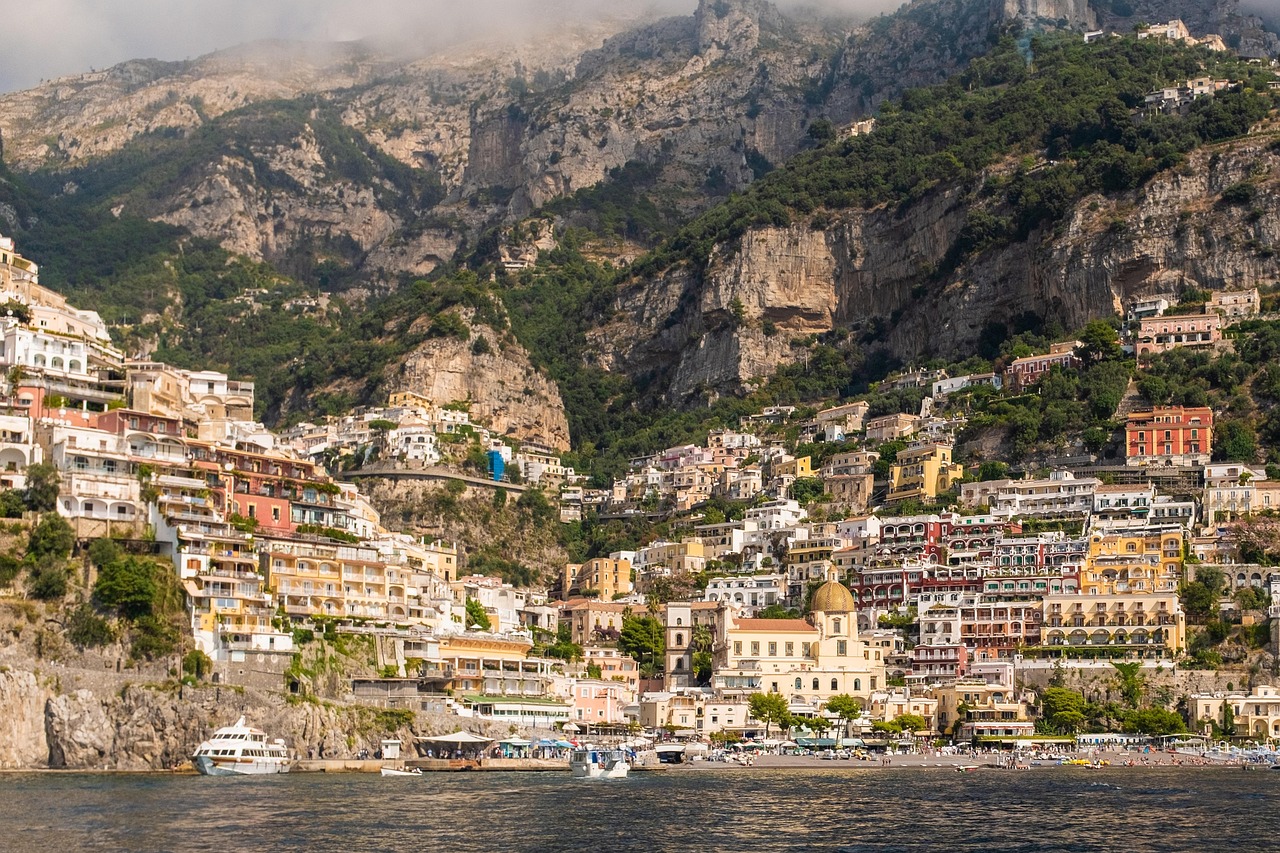
Along the Amalfi Coast things to do in Amalfi Naples Sorrento Capri Pompeii time to visit the Amalfi
When travellers search for things to do in Amalfi, Naples, Sorrento, Capri, and Pompeii, they often need two things: a clear entry plan and a gentler pace. Naples is the main gateway—vivid and alive—and often best enjoyed with expert support so it feels energising rather than intense. From there, Sorrento brings balance: an elegant base with easy access to the Amalfi Coast and the seaside. Salerno is an alternative for calmer arrivals, especially if you prefer to slide into the coast quietly rather than through the busiest transport hubs.
Campania distances look small on a map, yet this coastline moves at its own speed. Treat transfers as part of the experience: a scenic approach, a stop for espresso, a first glimpse of the mare, then a proper check-in where you can breathe and feel the Mediterranean light settle in.
Time to visit the Amalfi Coast: best time to visit, peak season and high season realities
The best rhythm for refined ease is late spring and early autumn, when the weather is luminous and the days feel comfortably long. This is the time to visit the Amalfi if you want terraces without the crush and service that feels more personal. By contrast, peak season and high season bring pressure—ferries fill, beach platforms book out, and the most photogenic corners can feel overexposed by tourism.
That said, even in summer you can design calm into the day: begin early, reserve what matters, and return to your hotel for shade while the busiest hours pass. A simple mid-afternoon reset makes evenings feel unhurried and properly scenic.
Best things to do in Amalfi: boat tour days, day trip ideas, and the coast from the water
Think beyond viewpoint hopping. One of the best things is seeing the coast from the water, where the rock line reads like sculpture and the coastal towns feel stitched to the stone. A private boat tour can include swim stops in a sheltered cove, a floating aperitivo, and a return timed for golden hour.
For a day trip, Capri is the classic: style, sea caves, and people-watching done properly—ideally with an early ferry and a driver waiting so you don’t lose time to queues. Back on mainland Italy, a sunset aperitivo works best when it’s strategic: choose a terrace that faces west, arrive a touch before the rush, and let the evening unfold without checking the clock.
If you enjoy walking, the Path of the Gods can be one of the most scenic experiences on the Amalfi Coast—especially with a guide who understands pacing, heat, and the best photo angles. It becomes less about endurance and more about perspective, with that unmistakable coastal hush between villages.
For culture, Pompeii is transformative when it’s handled with care. The ancient city can feel overwhelming if you arrive in the midday heat with a large group; with a private guide and a well-timed start, the site becomes intimate and meaningful. Pair it with Naples’ archaeological museum for context—mosaics, frescoes, and a narrative thread that turns stones into stories.
Getting around is where a good plan protects your mood. Ferries are brilliant for sea days, especially between Sorrento, Positano and Amalfi—many guests love the simple logic of Amalfi and Positano by sea—yet you’ll want to secure tickets and timings early. On land, hiring a chauffeur keeps the Amalfi drive a scenic moment rather than a stress test; you can still enjoy the turns and views while someone else handles the logic. If you prefer independence, renting a car can work in shoulder season, but parking and narrow roads are real considerations around the coast.
- Naples: arrive, check in, then take a short guided walk and an early dinner.
- Sorrento: use as a restful base for ferries, long lunches, and a beach afternoon.
- Capri: go early, keep it light, and return before the late-day crowds.
- Pompeii: book a private guide, start early, and plan shade breaks.
If your heart is set on the classic sweep of positano and amalfi, you can still keep it gentle—plan fewer stops, add comfort, and explore the Amalfi Coast as a series of beautifully designed days rather than a checklist.
Cilento Coast in southern Italy – quiet seaside town escapes, beach days and nature-led luxury
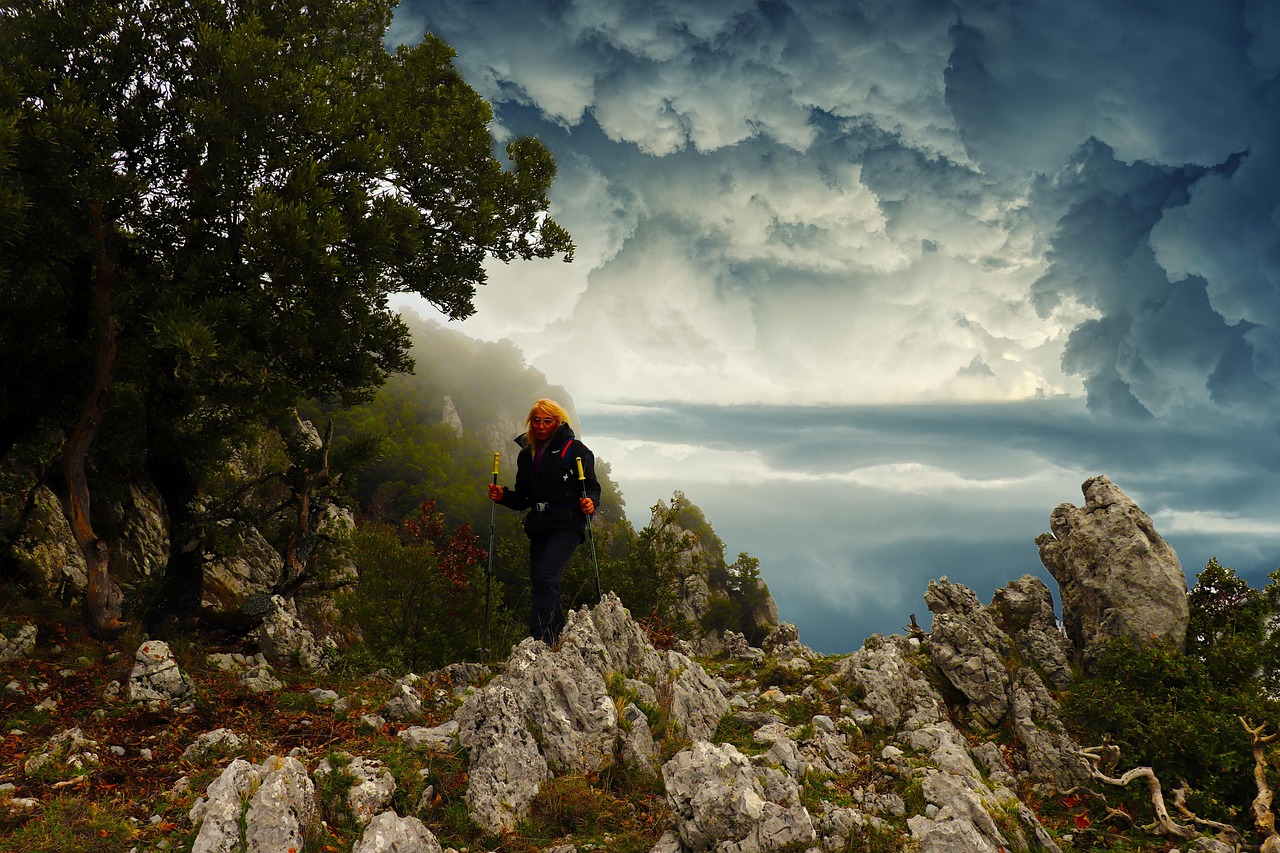
Cilento Coast southern Italy beach seaside town quiet luxury Italy
The Cilento Coast story is, in many ways, the antidote to headline glamour further north. The Cilento Coast offers more space, more nature, and a slower rhythm—ideal if you want your coast to feel restorative, with trust and care built into the simple structure of the day. This is southern Italy at its most grounded: sunlight, olive groves, and long stretches where you can hear the sea without competing noise.
If you’ve loved the Amalfi Coast but want something softer afterwards, Cilento is a graceful step. It’s still unmistakably Italian, yet the energy is different—less performance, more presence—while keeping you close to the same Mediterranean pleasures of seafood, sun, and salt air.
Beach days that feel private: sandy beach comfort, coves, and clear water
Here, the beach experience can be wonderfully uncomplicated: a sandy beach in the morning, long swims in clear water by midday, and a late lunch that turns into an afternoon without plans. You’ll find a quiet cove if you’re curious, plus stretches of coastline where even a simple swim feels like a reset.
If you like a little structure, choose beach clubs that prioritise comfort without crowds—look for generous spacing between sunbeds, quiet service, and a menu that goes beyond the basics. The goal is support, not spectacle: shade when you need it, a cold drink when you don’t want to move, and the sense that someone is gently looking out for you.
Stays and experiences in Cilento that feel crafted, not performative
Cilento’s charm is in its small villages and countryside-meets-seaside stays. A villa tucked between hills and the coast can be a perfect base, especially for families or friends travelling together. Local food traditions are strong here—think simple seafood, seasonal vegetables, and wines that taste of the land rather than a label.
Rather than calling it “off the beaten path”, it’s more accurate to say it’s deliberately under-edited. You can still have expert guiding, beautiful rooms, and thoughtful service—just without the sense that every moment is competing for attention, making it a rewarding coast in Italy choice for travellers who value space.
A seamless add-on itinerary works well: keep two bases, one for the Amalfi Coast and one for the Cilento Coast, and use a driver for transfers. That way you get the iconic cliff drama and then a quieter beach finale, without constant hotel-hopping. If flights and timing make more sense, Sicily can be swapped in as an island ending—another kind of coast altogether, with its own colour and confidence.
Costa Smeralda, Sardinia – beach clubs, luxury resorts and yacht days on the Italian coast
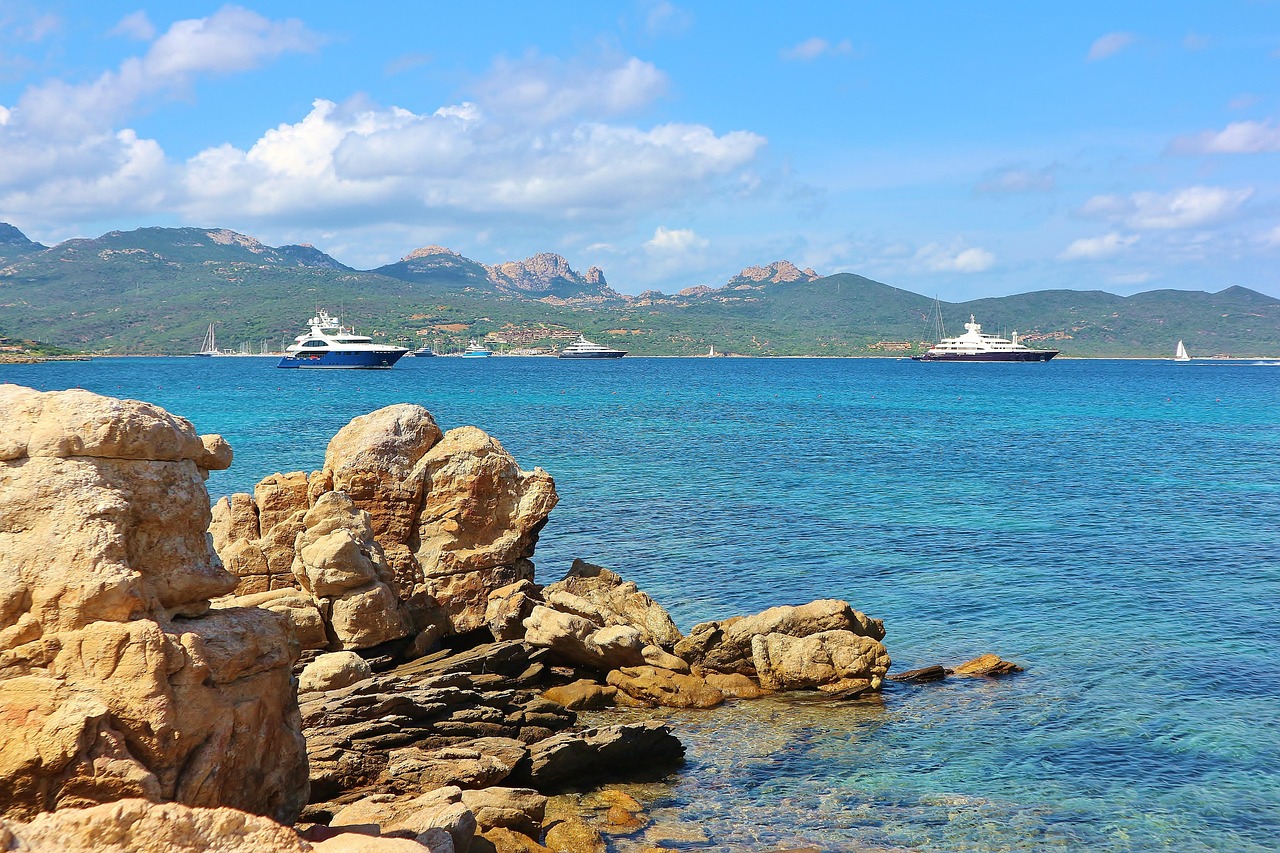
Costa Smeralda Sardinia beach clubs luxury resorts yacht charter Italy beach
For travellers drawn to Costa Smeralda life, the appeal is immediate: luminous water, polished service, and a social calendar that can be as lively—or as private—as you choose. This coast is known for exclusivity, yet the most memorable version of it is often quiet: late starts, soft sea breezes, and a hidden cove where your only agenda is a swim and a long lunch by the beach.
It’s also a beautiful counterpoint to mainland Italy. After the cliff drama of the Amalfi Coast, Sardinia can feel like an exhale—flatter horizons, longer beach walks, and a palette of blues that seems almost unreal.
Yacht days with discretion and a sense of freedom along the coastline
A yacht charter guest once described their favourite day as “effortless perfection”. They cruised along the coastline with a discreet crew who anticipated needs before they were spoken, then stopped for a golden-hour swim in turquoise water near a sheltered cove. After that, they arrived at one of the beach clubs for a long lunch—fresh fish, chilled wine, and the gentle hum of a place that knows how to host without hovering.
What stood out most wasn’t status; it was privacy and pace. The sea became your schedule, and the service made it feel safe to fully switch off on this part of the Italian coast.
Where to stay and how to create the right feeling for a beach-first escape
Deciding between a resort and a villa is really about atmosphere. If you want spa access, concierge power, and an easy glide into nightlife, a resort is ideal. If you want your own rhythm—breakfast when you wake, music by the pool, a chef for one special evening—a villa creates a deeply personal base.
Book well in advance here, particularly for late summer, and ask about bespoke packages: boat days, beach club reservations, family-friendly planning, or a quieter adults-focused setup. Thoughtful preparation keeps the glamour from becoming exhausting and helps you enjoy the beach at its best.
Logistics can still be seamless: connect via Rome or Naples, then take private transfers and keep your first day deliberately light. A simple template works beautifully—late start, boat, long lunch, a beach swim, then a calm return to change before dinner. For nights out, embrace the smart dress codes and enjoy the elevated scene, but balance it with authentic trattorias so the trip never feels performative.
- Beach mornings: choose one beach and settle in rather than chasing five.
- Boat afternoons: plan one signature yacht day, then keep another day open.
- Evenings: alternate glamorous dining with simple local favourites.
- Service: prioritise discretion, not fuss—true luxury is ease.
And if you’re comparing beaches in Italy, remember this: Amalfi is cliff-and-town drama, while Costa Smeralda is pure beach polish—two different kinds of pleasure, both worth designing around your own style and travel pace in south Italy.
Leaving a coast in Italy with what lingers – seaside memories, service, and the scenic coastline
By the time you leave this coast, what lingers is rarely the list of places ticked off. It’s the texture of the days: salt on your skin after a swim, the quiet between courses at lunch, the way evening light slides across the coastline as if it’s being painted in real time. You may remember the Amalfi Coast for its cliff-side theatre, or Sardinia for its calm, but the deeper memory is the feeling of being allowed to slow down.
There’s also a gentle gratitude for the people who held the journey together. A driver in Campania who turned winding roads into conversation. A host who offered a warmer table when the breeze shifted. A chef who remembered your preference without making a point of it. These are small acts of local care, and they change how travel feels—less managed, more held.
In the end, luxury is time, ease, and trust. It’s a morning where no one is rushing you, and an afternoon where you can simply sit and watch the sea. The coast in Italy becomes a memory you carry, not a place you consume—and when life asks for beauty and calm again, you’ll know there is still more to uncover, at your own pace, along the Amalfi Coast and onwards along the southern coast.
F.A.Qs: coast in Italy essentials for refined travel tips
What is the most famous coast in Italy for luxury travel?
The Amalfi Coast is the most famous coast in Italy, known for its dramatic cliff scenery, Positano and Amalfi, and sea-view terraces above the Tyrrhenian Sea. It’s a UNESCO World Heritage site and a classic choice for high-end travellers because you can combine iconic scenery with boutique hotels, private boat days, and exceptional dining when planned well.
What are five coastal towns in Italy worth visiting?
Five standout coastal towns in italy include Positano, Amalfi (the town of Amalfi), Ravello, Portofino, and Monterosso al Mare in Cinque Terre. Each has a distinct mood: Amalfi Coast glamour and gardens, Ligurian Riviera polish, and Cinque Terre’s colourful seaside charm with beautiful coastal walks.
Do ladies wear jeans in Italy, including Naples and the coast?
Yes—ladies wear jeans in Italy, especially in cities like Naples and for casual daytime exploring. For coastal evenings, many travellers choose a slightly smarter look: linen trousers, a silk blouse, or a simple dress. In fine hotels and restaurants, dressing neatly is appreciated, and it helps you feel confident in more elegant settings.
Which coast of Italy is nicer: Amalfi, Sardinia, or Cilento?
It depends on the feeling you want. The Amalfi Coast is ideal for cliff drama, iconic coastal towns, and romantic views. Costa Smeralda in Sardinia suits travellers who prioritise beach time, beach clubs, and yacht days with privacy. For quiet authenticity, the Cilento Coast offers a slower, nature-led escape—perfect if you want a gentler seaside rhythm after Naples and the headline coast.