Post Contents
- Rome the Capital of Italy Your First Clear Bearings for Quick Orientation in Rome
- Ancient Rome Colosseum Roman Forum Itinerary in Rome Italy
- Vatican City St Peter’s Basilica Sistine Chapel in Rome Italy
- Trastevere Local Rome Piazza Street Food in Italy
- Hidden Gems in Rome Italy Villa Borghese Trevi Fountain Walks in Rome
- Rome Italy Vespa Tour Cooking Class Metro Safety Tips for Seamless Days
- After Rome What the Eternal City Leaves With You in Rome Italy
- F.A.Qs: Rome Italy Travel Questions
Rome the Capital of Italy Your First Clear Bearings for Quick Orientation in Rome
Rome the Capital of Italy Your First Clear Bearings for Quick Orientation in Rome
If your “Is Rome in Italy—capital of Italy” quick orientation question is bouncing around your head as you land, here’s the simple, reassuring answer. Rome is in the country of Italy, and Rome is the capital. More precisely, Rome is the capital city of Italy, while Vatican City sits within the city as a separate city-state, the enclave of the vatican, woven into daily Rome by footpaths, queues, and bells.
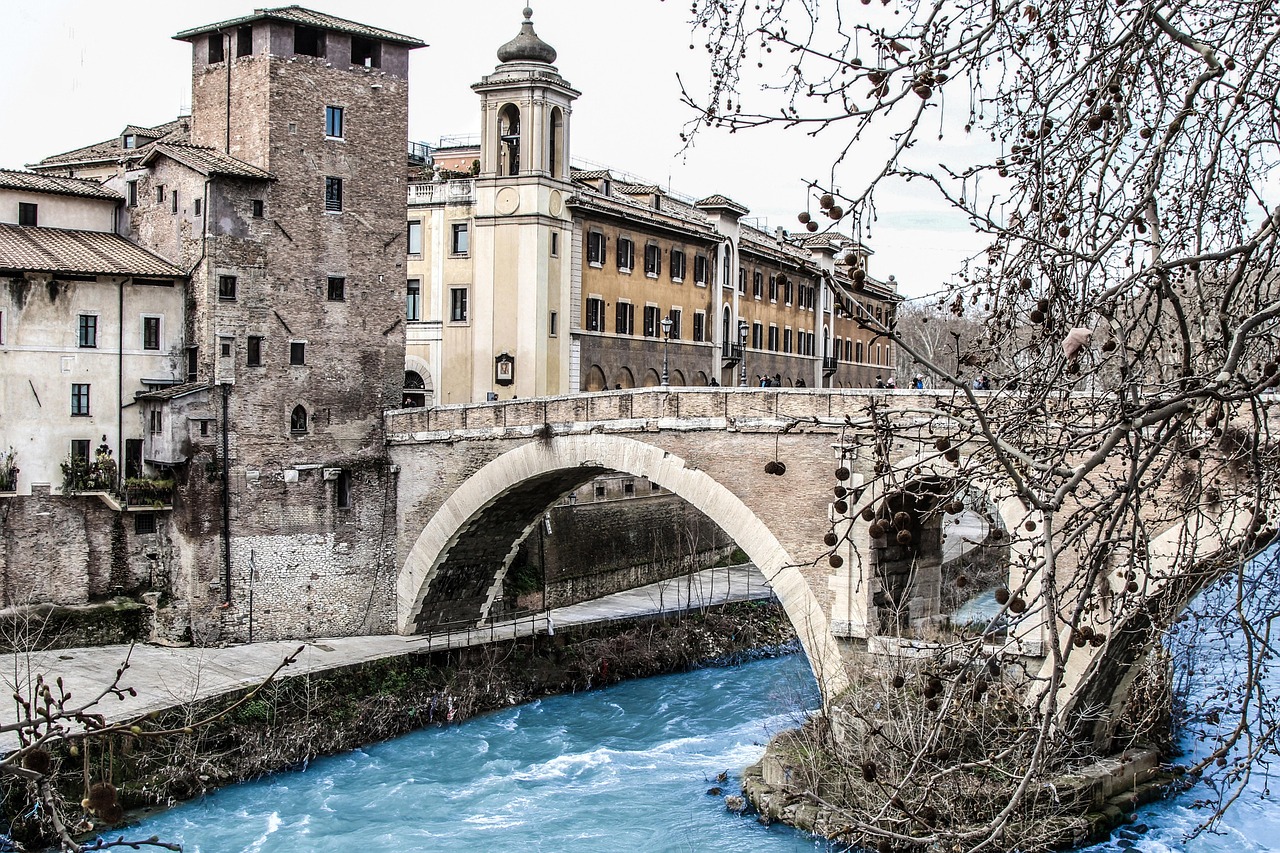
To ground yourself, imagine a map-in-words: Rome sits in central Italy on the Italian peninsula, in the region of Lazio, with the Tiber River curling through the city like a compass line you can walk beside. The population of Rome is about 2.8 million, yet the historic centre can feel intimate once you start moving on foot.
Rome and Roma in one breath
Roma holds nearly three thousand years of layers—an ancient city with Etruscans and an Etruscan pulse in its earliest roots, then republic, empire, church, and modern Italian life all sharing the same streets. It helps to know that Rome became the capital after unified Italy took shape: in 1870, Italian troops entered the city as Victor Emmanuel II completed unification in the Kingdom of Italy, and later the Italian Republic carried that role forward in a new form.
Arrival-day checklist for calm confidence
Your first day is about trust—trust in your pace, your instincts, and a plan that leaves space to wander. Rome is home to big landmark moments, but it’s also a city of small corners; design your first afternoon to feel seamless rather than rushed.
- Walk first: even 30 minutes on foot teaches you the texture of Rome—cobbles, crossings, and how far things really are.
- Know the municipality logic: transport tickets are city-wide, but practical “zones” are how locals think—centre for walking, outer areas for quick metro hops.
- Stay central if you can: a hotel within the city centre supports early starts (sunrise sites) and feels safe when you return late.
With your bearings set, the city stops feeling like a puzzle and starts feeling like a crafted playground for curiosity.




Ancient Rome Colosseum Roman Forum Itinerary in Rome Italy
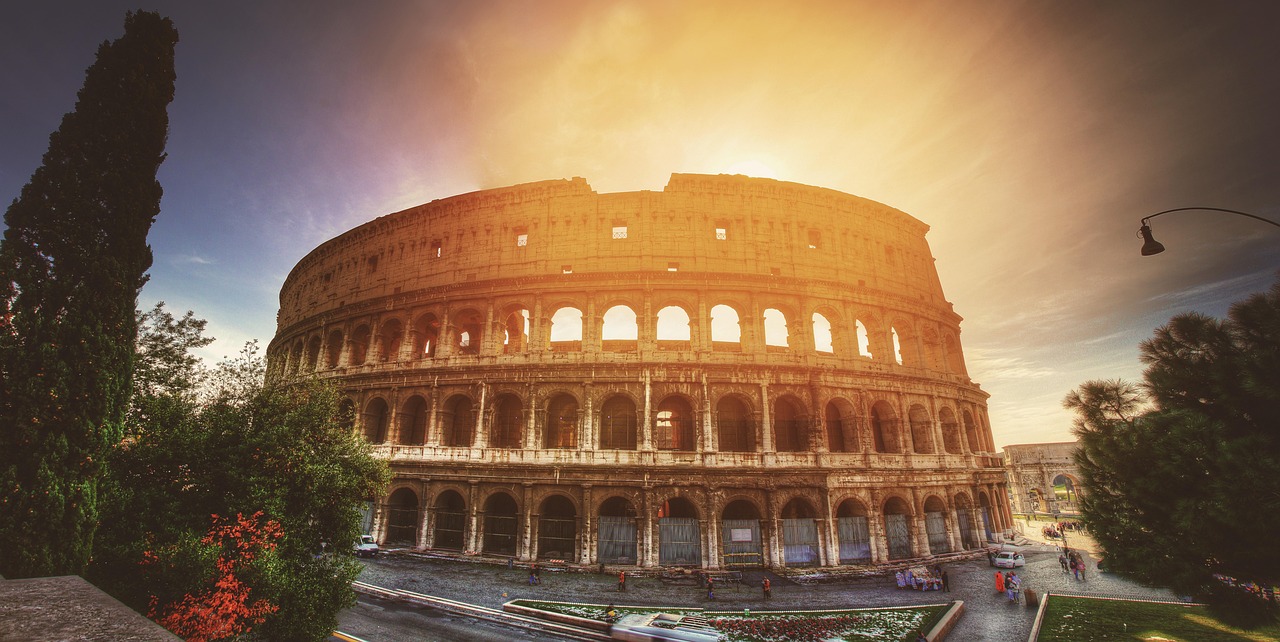
Ancient Rome Colosseum Roman Forum Itinerary in Rome Italy
For an Ancient Rome Colosseum Roman Forum itinerary in Italy, start before the city fully wakes. A traveller once told me about climbing towards the upper levels at sunrise—quiet stone, cool air, and that heart-thump moment when the Colosseum opened beneath them. With no roar of crowds, they felt the weight of history and, strangely, a sense of care: the city letting them in gently.
This is the heart of the roman empire experience, but it lands better when you carry a simple timeline. The Roman Republic rose (think 509 BCE) into a vast imperial system (Augustus, 27 BCE), then you track the decline of the roman empire and the fall of the roman empire across later centuries (476 CE is the common western marker). Knowing those BCE and CE anchors gives every monument more meaning than a photo ever could.
Rome power loop for monument-level thrills
Design a “power loop” that feels ambitious yet doable: Colosseum to the Roman Forum to Capitoline Hill. A guide adds expert insight in the Forum where ruins can blur; the Colosseum often works beautifully with a timed entry and a calm audio guide. On Capitoline Hill, the city opens into layers—Roma beneath your feet, modern Rome humming just beyond.
As you walk, remember: ancient Rome was once a city of around one million residents at its height, and its engineering still shapes your route. Even the shadows feel architectural.
Rome extensions if you’ve got energy
If adventure is your love language, add one gritty extension: the Appian Way, where dust, pines, and ancient paving make you feel wonderfully far from traffic. Then catch an aqueduct viewpoint—suddenly Rome’s water story becomes tactile, and the genius feels modern again.
Practical tip: entry fees vary, so book in advance and look for combined tickets; iconic landmarks like the colosseum and nearby sites often bundle well, keeping your day seamless and queue-light.
Vatican City St Peter’s Basilica Sistine Chapel in Rome Italy
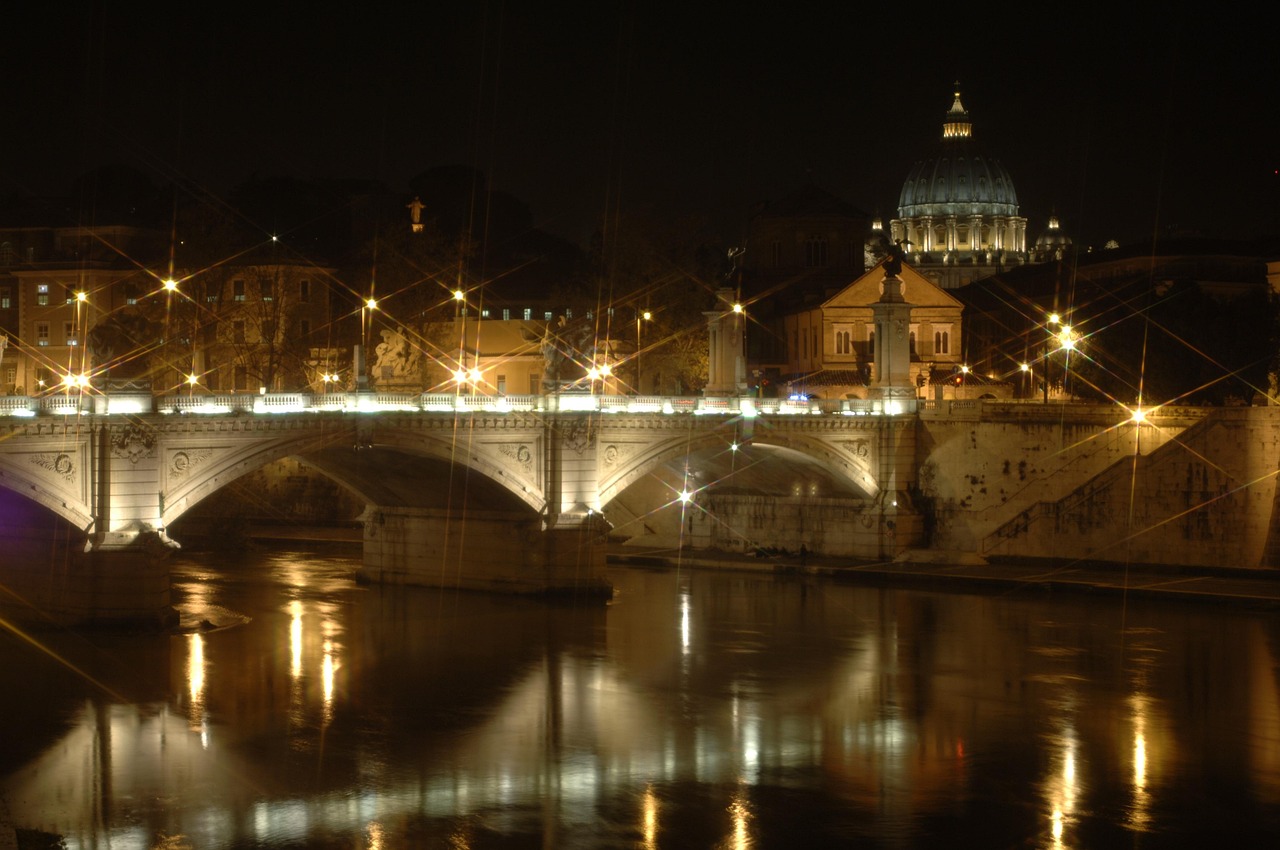
Vatican City St Peter’s Basilica Sistine Chapel in Rome Italy
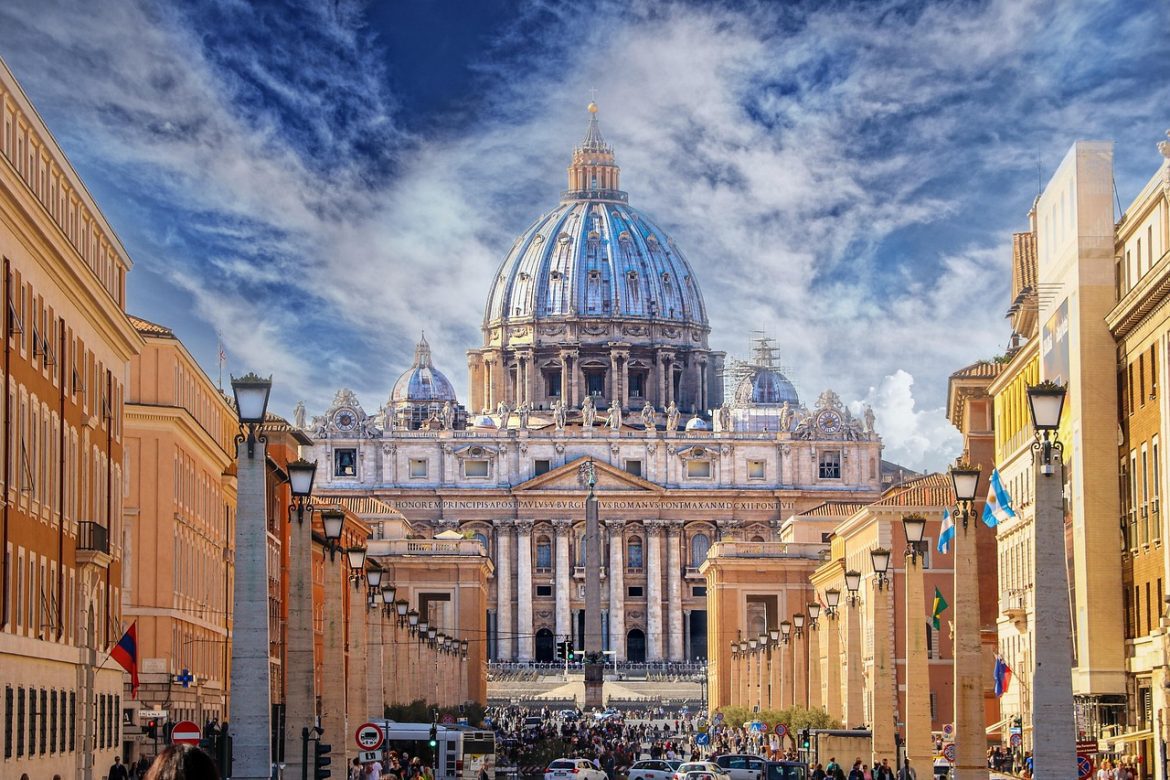
If you’re planning a Vatican City St Peter’s Basilica Sistine Chapel Rome Italy day, expect a spiritual centre with global pull—one that shapes the city’s rhythm even if you’re here purely for art and atmosphere. The papacy, and the wider papal tradition, commissioned beauty as a language of belief, power, and welcome; you can feel that intention in the scale of the spaces.
Inside the basilica, let yourself slow down. Look for quiet corners, take seated pauses, and keep hydration in mind—this is how you sustain awe without overload. In the Sistine Chapel, Michelangelo’s ceiling isn’t just “seen”; it’s absorbed, best with a few minutes of stillness rather than a hurried glance.
Rome, palace etiquette, and the papacy in plain terms
The Vatican state is distinct, yet it’s threaded into Rome’s everyday routes—cafés, taxi ranks, and the gentle choreography of queues. When you hear “palace” here, it’s often about the Apostolic Palace: mention it respectfully, keep your voice low in sacred areas, and follow photography rules without pushing your luck. That small care builds trust with the place and with yourself.
Rome booking plan for calmer entry
To keep the experience crafted, book timed entries and consider early or late slots. If crowds make you tense, a guided route can support you—less decision fatigue, more space to simply feel. For first-time visitors, it’s the difference between “surviving” and truly exploring.
- Choose: first entry of the day or late afternoon for softer pressure.
- Build pauses: a café stop and a shaded sit-down after the museums.
- Keep it light: one major art push per day is often enough in Rome.
A useful thread of history: after 1870, Pope Pius IX took refuge in the Vatican as the Papal States ended; the Lateran Treaty later formalised the modern arrangement. (And no, it’s not the Holy Roman story people sometimes confuse it with—this is very much Italy’s own modern settlement.)
Trastevere Local Rome Piazza Street Food in Italy
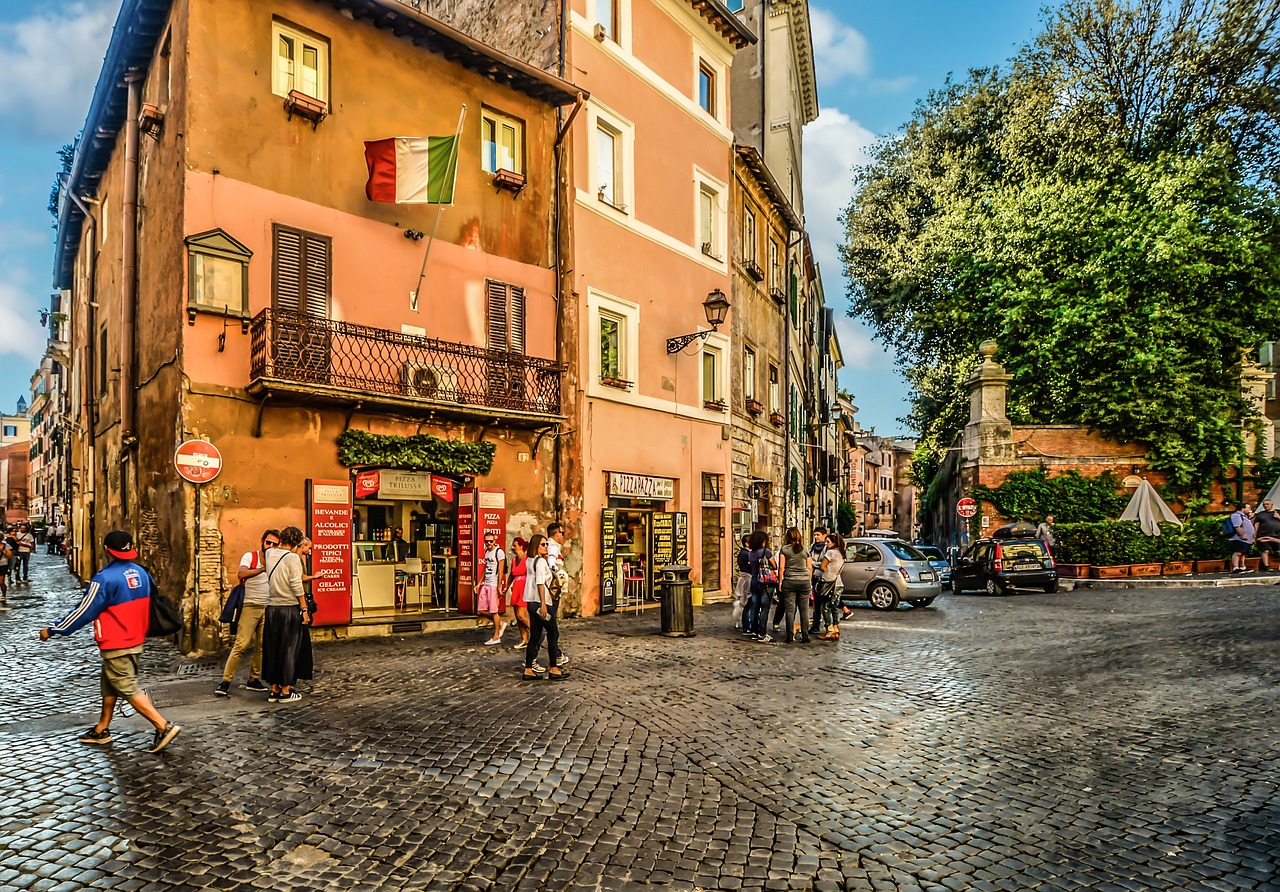
Trastevere Local Rome Piazza Street Food in Italy
For Trastevere local Rome piazza street food Italy energy, go in the early evening when the lanes start to glow. Here, Rome no longer feels like a checklist; it feels lived-in—laundry lines overhead, artisan shops, and laughter spilling out of doorways. This is where you discover the city’s softer pulse, one cobbled turn at a time.
A solo traveller once shared a personal moment: they paused near a trattoria, and locals invited them into an impromptu meal. That’s Roman hospitality—warm, spontaneous, and real. The best response is “yes” with boundaries: join if it feels right, keep your phone secure, tell a friend your location, and trust your instincts with gentle confidence.
Rome piazza evening plan with baroque theatre
Start at Piazza Navona for pure baroque stagecraft—Bernini’s fountain work brings movement to stone. Then drift, gelato in hand, into slow conversation and street music. This is adventure by atmosphere: crafted, effortless, together.
Rome sunset on the Spanish Steps
A couple once described their sunset on the Spanish Steps as surprisingly intimate, even with the lively crowd. Street performances turned the air golden, and the city felt like it was singing just for them. It’s a landmark, yes, but the real treasure is how Rome teaches you to linger.
Dining etiquette that keeps things smooth: greet with “Buongiorno”, don’t rush meals, and try a few basic Italian phrases. Even a simple “per favore” and “grazie” creates connection—and you’ll feel that care returned.
Hidden Gems in Rome Italy Villa Borghese Trevi Fountain Walks in Rome
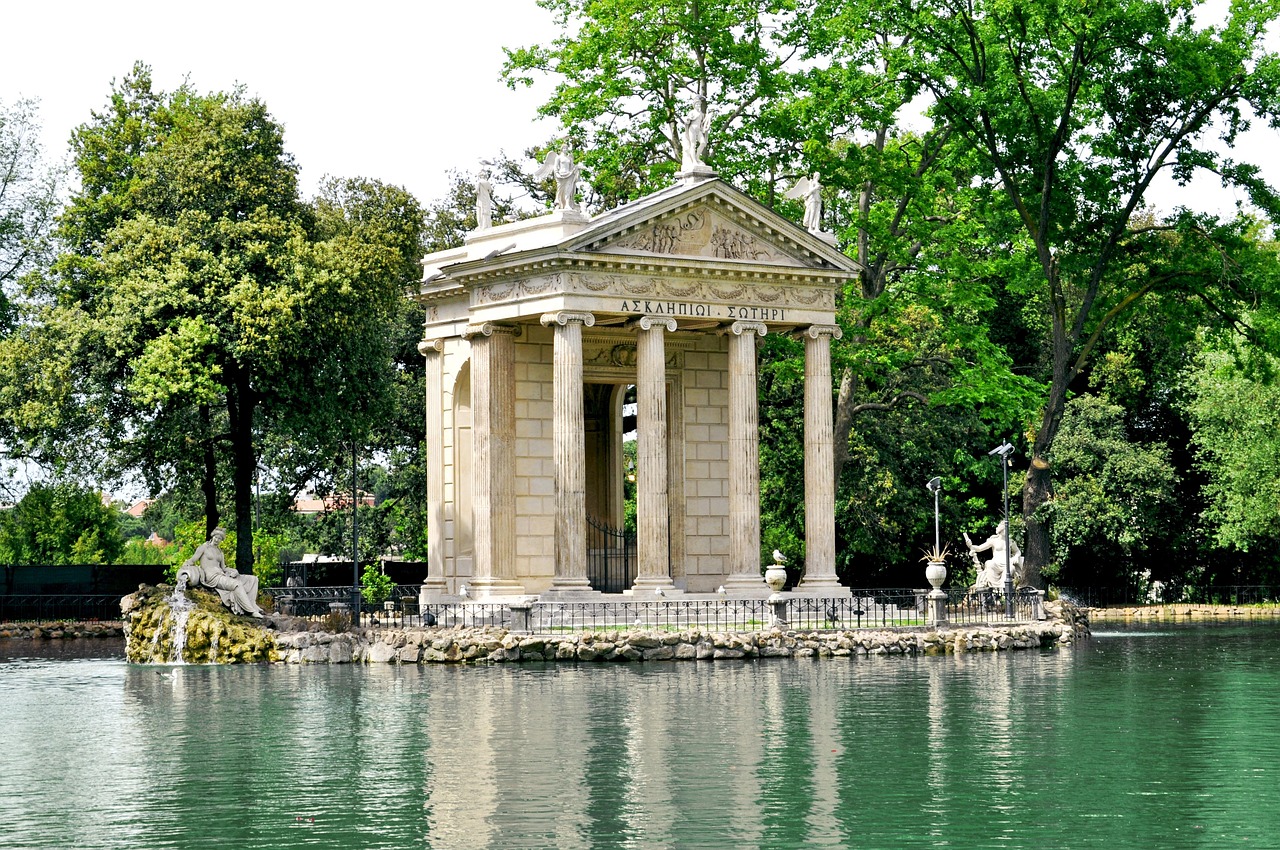
Hidden Gems in Rome Italy Villa Borghese Trevi Fountain Walks in Rome
If you’re searching for hidden gems in Rome Italy Villa Borghese Trevi Fountain moments, think in contrasts: hush and spectacle, shade and marble. Villa Borghese is your green reset—an intentional pause that preserves energy for late nights, early starts, and all the discovering in between. It’s also a quietly luxurious way to travel: you create space, not just plans.
Rome seven hills micro-adventure you can actually enjoy
Rather than trying to collect every viewpoint, choose one or two hills and go deep. Aventine offers a composed perspective; Caelian feels residential and calm; Esquiline shows a different texture of the city. Viminal and Quirinal are less “postcard”, more real Rome—perfect for travellers who like insight over hype.
Keep your route simple: pick a start, a viewpoint, and a café finish. That’s how Rome stays seamless rather than exhausting.
Rome trevi strategy for a crafted night
For Trevi, go late and go gently. The Trevi Fountain is at its best when the city quiets—less jostling, more shimmer. Keep belongings secure (close zips, one hand on your bag in tight spaces), and let the moment feel designed rather than crowded.
History-in-the-streets sidebar: the Aurelian Walls once marked a boundary story for much of the city, and they still whisper of protection and change. Rome also carries modern layers that deserve sensitive attention: Mussolini and Benito Mussolini-era planning left a legacy of fascist architecture—EUR is a clear example tied to the Fascist Party. You don’t have to linger there, but noticing these layers helps you hold the city’s complexity with care.
If you want an optional contrast, Florence makes a clean compare-and-contrast day trip on art and scale—then you’ll return to Rome with fresh eyes, grateful for its glorious messiness.
Rome Italy Vespa Tour Cooking Class Metro Safety Tips for Seamless Days
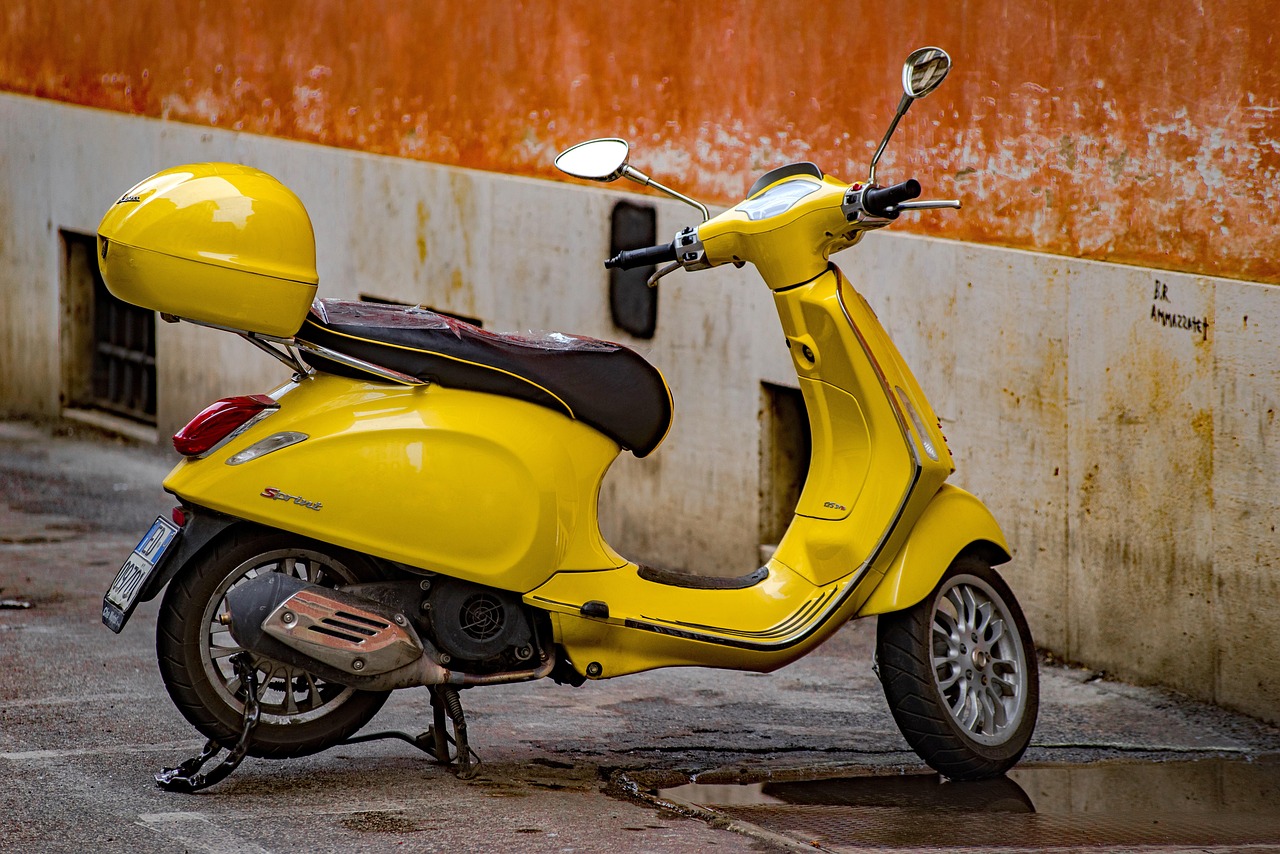
Rome Italy Vespa Tour Cooking Class Metro Safety Tips for Seamless Days
For Rome Italy Vespa tour cooking class metro safety tips, think of your days as a design problem with a joyful solution. One adventure seeker described the thrill of navigating Rome’s cobbled streets on a Vespa—wind, scent of espresso, sudden tiny cafés and artisan shops you’d never find by car. That kind of freedom is real, but it lands best with support and a plan that protects your confidence.
Rome Vespa basics for safe, stylish adventure
If you ride yourself, confirm licensing rules, insurance cover, and your comfort with traffic. For many high-end travellers, a guided option is the sweet spot: you get the adrenaline with expert navigation, and you can focus on the view rather than the stress. Wear closed shoes, keep a light jacket for evening cool, and don’t underestimate the power of a calm pace.
Rome cooking class for local connection
A cooking class is the perfect counterbalance to big monument days. Choose a small group, ask what’s seasonal, and expect hands-on learning—pasta shaping, sauce tasting, and the kind of conversation that makes Rome feel local. You’ll leave not only with recipes, but with trust in your own ability to meet a place on its terms.
For timing, the best time to visit is April to June or September to October, when Rome feels milder and crowds thin out. To keep things seamless, use metro and buses for distance, then walk to soak up the vibe; clustering sights reduces backtracking and helps you stay present. For bookings, secure the Vatican Museums and Colosseum well ahead, and watch for combined tickets where they genuinely save time.
In crowded areas, a simple routine is enough: zip bags, keep phones out of back pockets, and pause before you’re jostled. For inspiration and itinerary ideas beyond the city, you can browse our Trip gallery and imagine what you’d design next—Rome first, then the rest of Italy when it feels right.
After Rome What the Eternal City Leaves With You in Rome Italy
After Rome, facts fade faster than feeling. You remember how Roma holds time in layers—ancient Rome under glass, the Italian state in motion, and modern life sipping coffee beside ruins without making a fuss. It’s a historic city that is called the eternal city, and somehow that name makes sense only after you’ve walked it.
Maybe what stays with you is a single image: sunrise stone at the Colosseum, quiet enough to hear your own breath. Or the Spanish Steps at sunset, where music threaded through the crowd and you felt, unexpectedly, at ease. Or that shared meal in Trastevere, when warmth from strangers became your own.
Rome doesn’t ask you to complete it. It asks you to notice—how a basilica can feel both vast and intimate, how a piazza can turn into a theatre without warning, how the Tiber River keeps time even when you don’t. There’s room for complexity too: empire and faith, grandeur and ordinary kindness, all moving together.
When you leave, you carry a quieter kind of confidence—earned by navigating, by trusting your pace, and by letting the city meet you halfway. And one day, perhaps, you’ll find yourself imagining a different season, a different street, the same open-hearted attention waiting for you again.
F.A.Qs: Rome Italy Travel Questions
Is Rome a country or part of Italy?
Rome is part of Italy and it’s the capital city of the country. It isn’t a country on its own. The only separate sovereign territory you’ll encounter in Rome is Vatican City, a small independent city-state located within the city.
Is Rome in Italy yes or no?
Yes—Rome is in Italy. Rome is Italy’s capital, located in the Lazio region in central Italy on the Italian peninsula, with the Tiber River running through it.
What time do Italians usually go to bed?
It varies by lifestyle and season, but many Italians go to bed later than travellers expect, often around 23:00 to midnight. In Rome, dinners commonly start after 20:00, so evenings can feel lively well into the night, especially in warmer months.
Do ladies wear jeans in Italy?
Yes, jeans are widely worn in Italy, including in Rome. For a polished look, many travellers choose well-fitted jeans with smart shoes and a neat top. If you’re visiting churches such as a basilica, bring a light layer to cover shoulders and avoid overly short clothing.