Post Contents
- Verona travel design basics and top things to do in Verona, Italy, top attractions itinerary
- Juliet in Verona, Casa di Giulietta and Juliet’s famous balcony, Italy
- Arena nights and piazza life Verona Arena Arena di Verona opera Piazza delle Erbe
- Along the Adige River Ponte Pietra e Castelvecchio a Verona.
- Valpolicella wine day trip with Verona and Venice pairings from Verona, Italy
- F.A.Qs: Verona attractions Italy
- What stayed with us after Verona Verona reflections travel memories Italy
Verona travel design basics and top things to do in Verona, Italy, top attractions itinerary
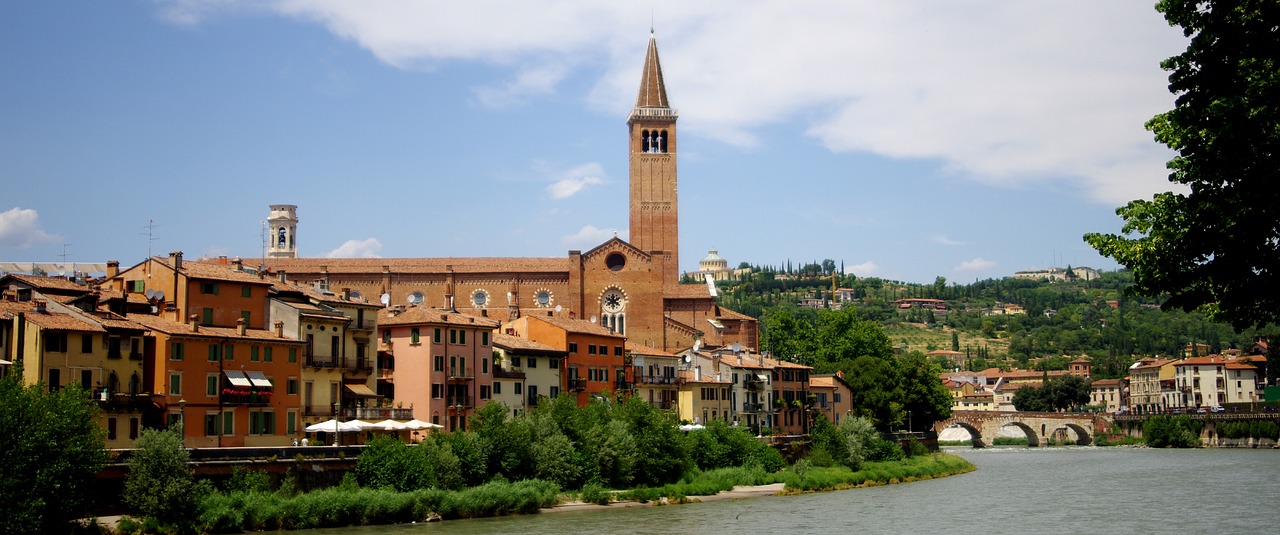
Verona travel design basics and top things to do in Verona, Italy, top attractions itinerary in the historic centre
If you’re curating things to do in Verona, Italy, top attractions itinerary ideas for a refined trip to Verona, the first decision is pace. The history of Verona sits comfortably beside a modern appetite for good taste—beautiful hotels, thoughtful galleries, and evenings that feel personal rather than performative. As a UNESCO World Heritage site, the city of Verona is a bucket-list stop, yet it shines most when you let the day unfold with trust and a little space for surprise.
Verona is a city in northern Italy with a gentle sense of order: stone streets, measured distances, and piazza life that naturally draws you in. High-end travellers often tell us the real luxury here is the seamless feeling of moving between headline moments and quieter corners—designed, but never over-managed. Imagine morning bells, a calm cathedral visit, then a long lunch that supports the afternoon’s discoveries.
History of Verona and the city in northern Italy, pacing
The layers are easy to read: Roman foundations, medieval power, Renaissance confidence. This is why Verona attracts history buffs without requiring an academic mood; the city offers clarity and charm in equal measure. Slow exploration also keeps your experience grounded—especially when the most photogenic streets are busiest.
To avoid the crowds, aim to visit Verona between April and June, or September and October. The light changes beautifully across open piazza spaces, and the Adige River takes on a softer, reflective tone in the early evening. In peak summer, you can still uncover quiet by stepping out early, pausing for a long lunch, then returning to the centre after the day-trippers thin out.
Arrivals, footwear, and a flexible Verona Card itinerary
Arriving is straightforward: fly into Verona Villafranca Airport or take the train from major Italian cities. Once you’re in the centre, walking is the most elegant way to connect the main attraction points, but cobblestones can be surprisingly tiring—choose comfortable yet polished footwear, especially around the tourist areas near the Arena and the old town lanes.
To design your days with confidence, consider the Verona Card for entry into several museums and sites; it can simplify decisions when you want freedom rather than constant ticket planning. If you’re short on time, this is one of the easiest ways to keep an itinerary feeling crafted rather than crowded. For more inspiration as you plan, browse our Trip gallery and imagine how Verona might pair with the wider region.
- Ideal timing: April–June and September–October for pleasant weather and easier dining reservations.
- Local customs: a warm “Buongiorno” goes a long way; dress modestly when entering churches.
- Comfort tip: keep evenings lighter on walking so you can enjoy an aperitivo and dinner together without fatigue.
For calmer cultural anchors, step into the Basilica of San Zeno for a hushed, art-filled pause, then continue to the Duomo di Verona. The Verona Cathedral area has a quieter rhythm that feels like a counterpoint to the livelier streets—an expert choice when you want depth without noise.




Juliet in Verona, Casa di Giulietta and Juliet’s famous balcony, Italy
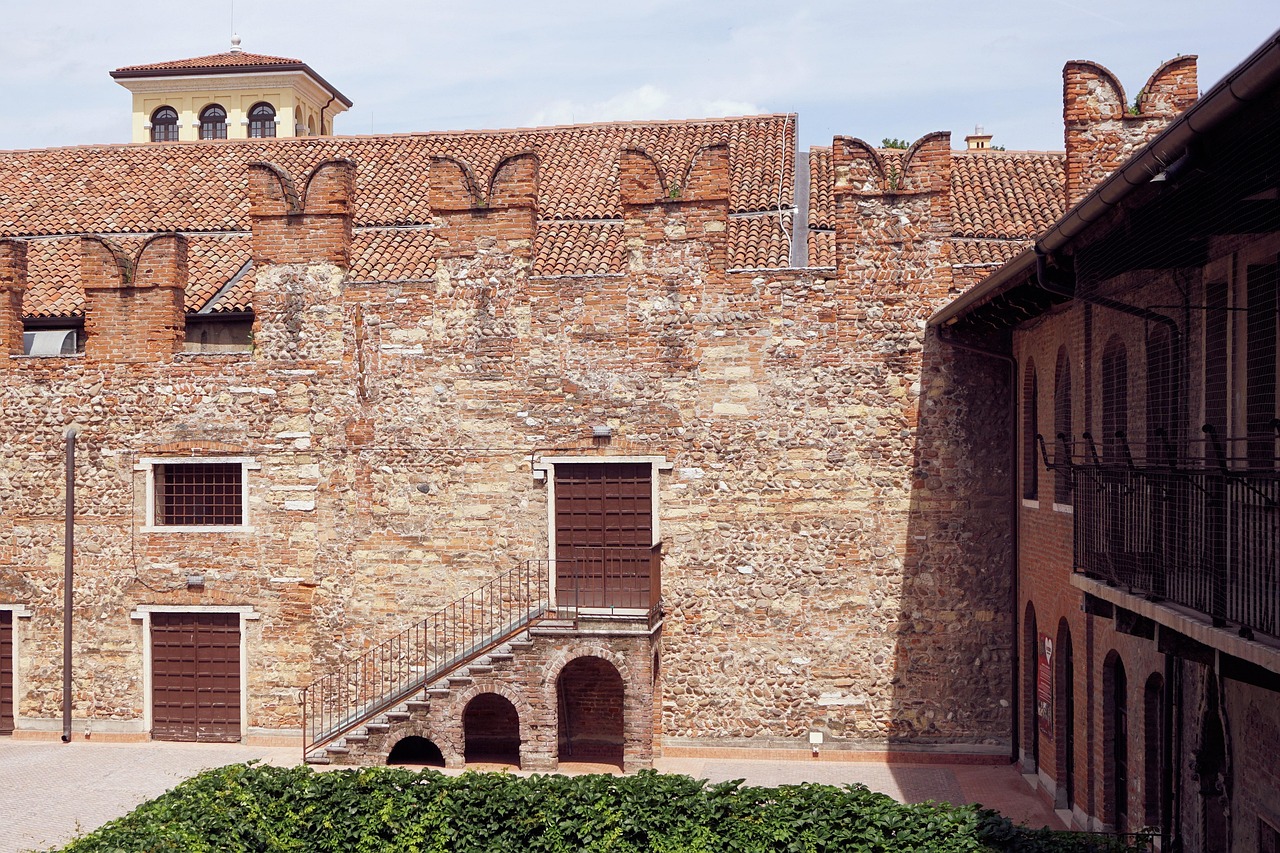
Juliet in Verona, Casa di Giulietta, and the famous balcony experience in the courtyard
For many guests, Juliet’s balcony in Verona, Casa di Giulietta, Italy, is the moment that first pulled them towards Verona. You’ll approach through narrow lanes, then step into the courtyard where the mood shifts—half theatre, half quiet wish. Even at busy times, you can keep it personal by arriving early or visiting later in the afternoon when the day’s energy begins to soften.
At Juliet’s house, expectations matter. The site is romantic, yes, but the most meaningful experience comes when you treat it as a symbol of the city rather than a promise of historical certainty. One traveller described the unforgettable moment standing on Juliet’s balcony, looking down into the courtyard, and feeling connected to a story that has travelled further than any one place.
Casa di Giulietta courtyard details and Juliet’s balcony
What to expect: a small museum space, the courtyard below, and the celebrated balcony itself. The flow can feel quick, so a little preparation helps—pause, look up, take in the textures of the walls, and let the atmosphere settle before you take photos. A private guide can add quiet context, sharing how the Romeo and Juliet legend became woven into Verona’s identity without pushing the story too far.
You’ll also see travellers searching for the small details—Casa di references on signage, and “di Giulietta” in ticketing and guidebooks—so it can feel reassuring to have someone explain the practicalities. If you prefer independence, you can still keep it refined by choosing off-peak times and moving gently through the space, giving others room.
Romeo nearby, Casa di Romeo and self-guided lanes
Just beyond the main lane, you can pair the visit with Casa di Romeo (often marked as di Romeo), then drift through side streets for a self-guided stroll. It’s an easy way to uncover a different Verona—small boutiques, doorways with flowers, and a more local pace that supports the romance without turning it into a performance.
A gentle note on etiquette: remember, people live here. Keep voices low in the lanes, avoid touching private entrances, and treat the courtyard as a shared space rather than a stage. That care is part of travelling well—and it’s often what leaves you with the warmest memory.
Arena nights and piazza life Verona Arena Arena di Verona opera Piazza delle Erbe
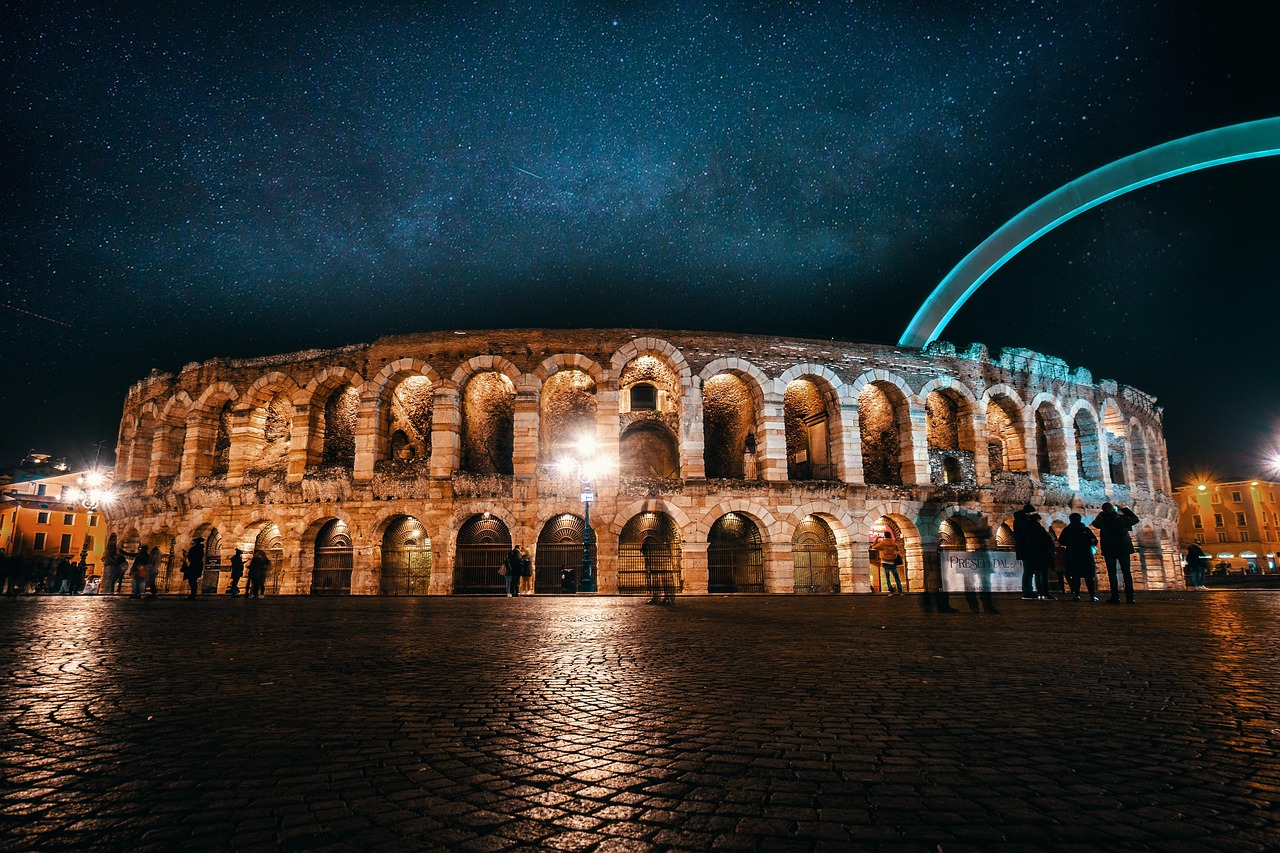
Arena nights and piazza life from Verona Arena to Piazza delle Erbe
Verona Arena, Arena di Verona, opera, and Piazza delle Erbe are the classic pairing that makes an evening feel both grand and effortless. The Roman amphitheatre dominates the centre with a quiet authority—dating to the 1st century—and it’s often described as one of the best-preserved venues of its kind. A light comparison to the Colosseum in Rome is inevitable, but Verona’s scale feels more intimate, and that intimacy supports the emotion of live performance.
Known as the Verona Arena and Arena di Verona, opera nights
The amphitheatre is known as the Verona Arena for a reason: it still does what it was built to do—gather people and hold attention. One high-end visitor told us their opera night felt like time travel: ancient stone under candlelight, a warm night breeze, then the first notes rising into the open sky. If you’re designing your visit around a show, book well in advance; tickets can range from about €30 to over €150 depending on seating and date.
Before the performance, treat Piazza Bra as your social forecourt. It’s one of the largest squares in Verona, and it’s where you can settle into the city’s evening rhythm without hurrying. Choose a refined cafe for an aperitivo, keep your plans seamless, and allow extra time so you can arrive unflustered and present.
- Opera comfort: bring a light wrap for cooler evenings; stone seats can feel chilly later on.
- Timing: Arrive early for a calmer entry and to enjoy the atmosphere outside the arena.
- Style note: elegant, practical shoes matter—especially after the show when streets are busy.
Piazza delle Erbe, Torre dei Lamberti and Palazzo details
By day, shift into Piazza culture at Piazza delle Erbe (sometimes searched as Piazza Erbe). This is where Verona feels most Veronese: market energy, artisanal stalls, and the warmth of vendors who share the stories behind what they make. Travellers often remember the small interactions—an offered taste, a short conversation, a recommendation that feels genuinely local.
For a vertical perspective, climb Torre dei Lamberti, then drift into Piazza dei Signori, where the mood becomes quieter and more grand. Look out for Palazzo Maffei and its statues of Greek-inspired figures—an art detail that rewards attentive eyes. These moments, threaded together, create an experience that feels designed but still alive.
Along the Adige River Ponte Pietra e Castelvecchio a Verona.
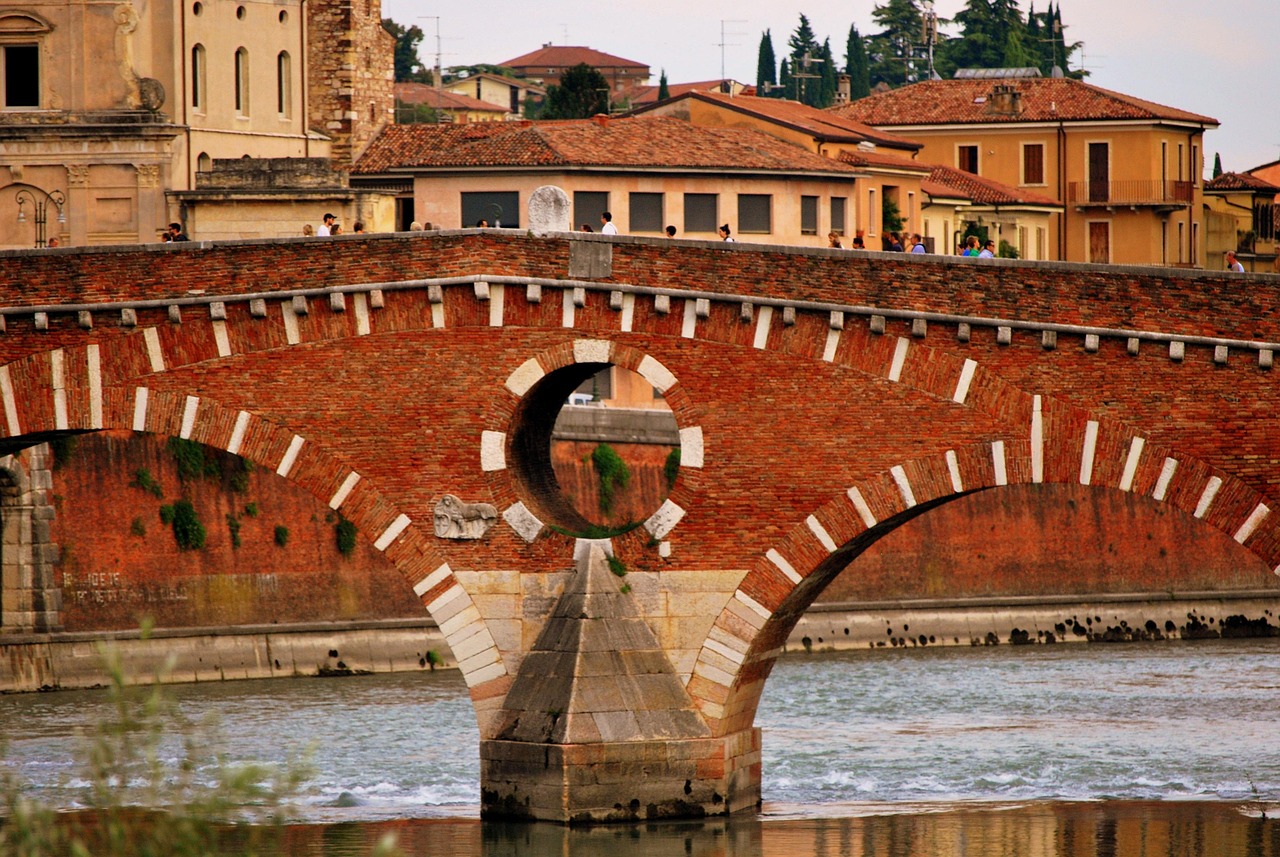
Along the Adige River, Ponte Pietra and Castelvecchio walk in Verona
Along the Adige River, Verona Ponte Pietra, and Castelvecchio are the route that lets you breathe between headline sights. The riverside acts as Verona’s calming thread, making it easy to connect major moments without feeling pulled. If your day has included crowds, the Adige River offers a reset—steady water, soft reflections, and a pace that supports conversation.
Across Ponte Pietra to Castel San Pietro viewpoint
Cross the ponte, and you’ll feel the city change. The Ponte Pietra bridge is often dated to the 1st century BC, and stepping across Ponte Pietra is a memorable transition into a different Verona—more residential, more panoramic. Continue up towards Castel San Pietro for a vantage point to see the skyline unfold; it’s one of those places where you finally get a true view of Verona.
If you’d like the ascent to feel effortless, take the funicular. It’s an elegant option that saves energy for dinner while still giving you a view of the city you came to see. At the top, linger long enough to let the soundscape shift: fewer voices, more wind, and a wider horizon.
Castelvecchio fortress, museo and Scaliger storytelling
Back on the flatter streets, Castelvecchio brings you into medieval strength and curated calm. This fortress houses a museum with a collection of artworks that suits travellers who value expert interpretation and quiet galleries—an antidote to the busiest lanes. The architecture itself is part of the exhibition, giving each room a sense of place rather than just a display.
The Scaliger legacy runs through the site’s bridge and details, and the storytelling adds depth even if you only have an hour. If you’d like an optional softness afterwards, Giusti (Giardino Giusti) offers a garden pause—green, measured, and pleasantly local in feel.
Valpolicella wine day trip with Verona and Venice pairings from Verona, Italy
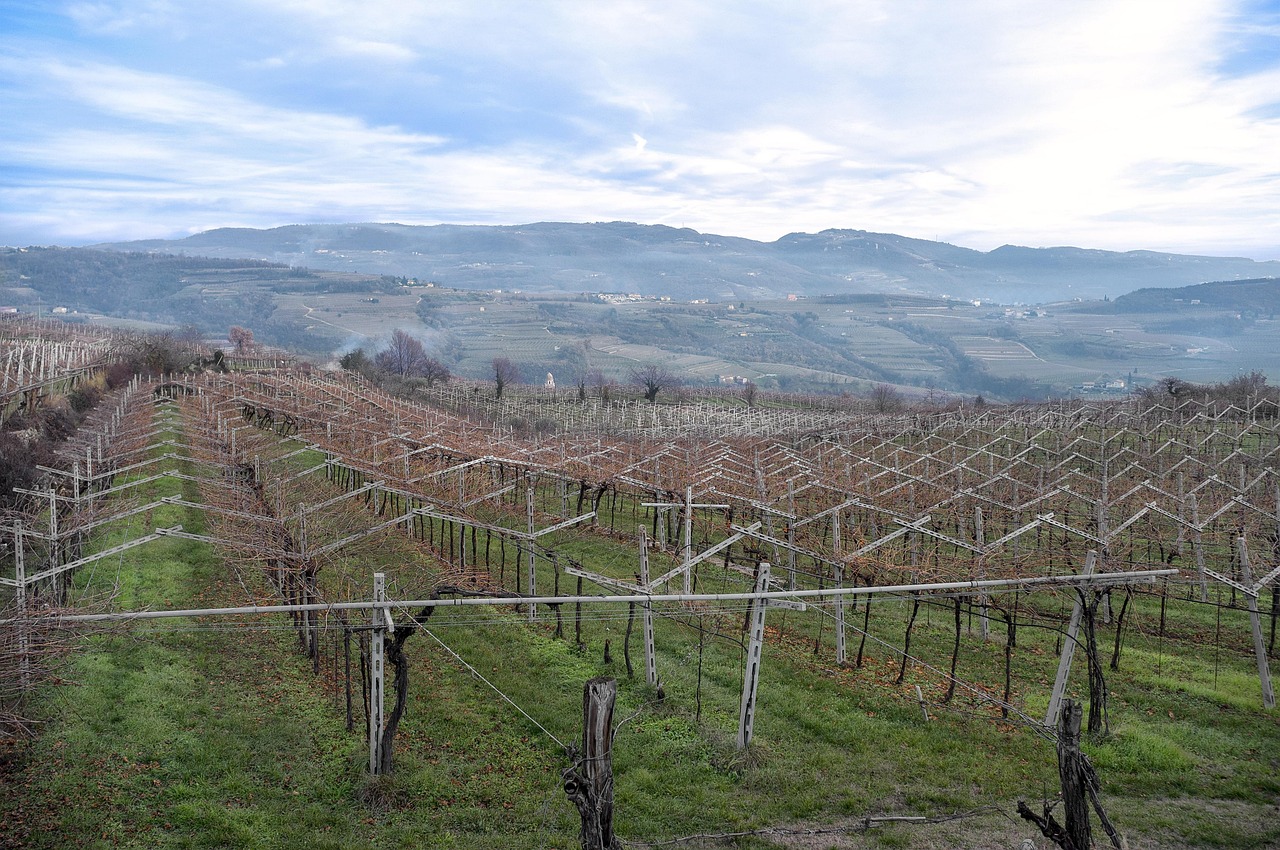
Valpolicella wine day trip and Verona and Venice pairings from Verona
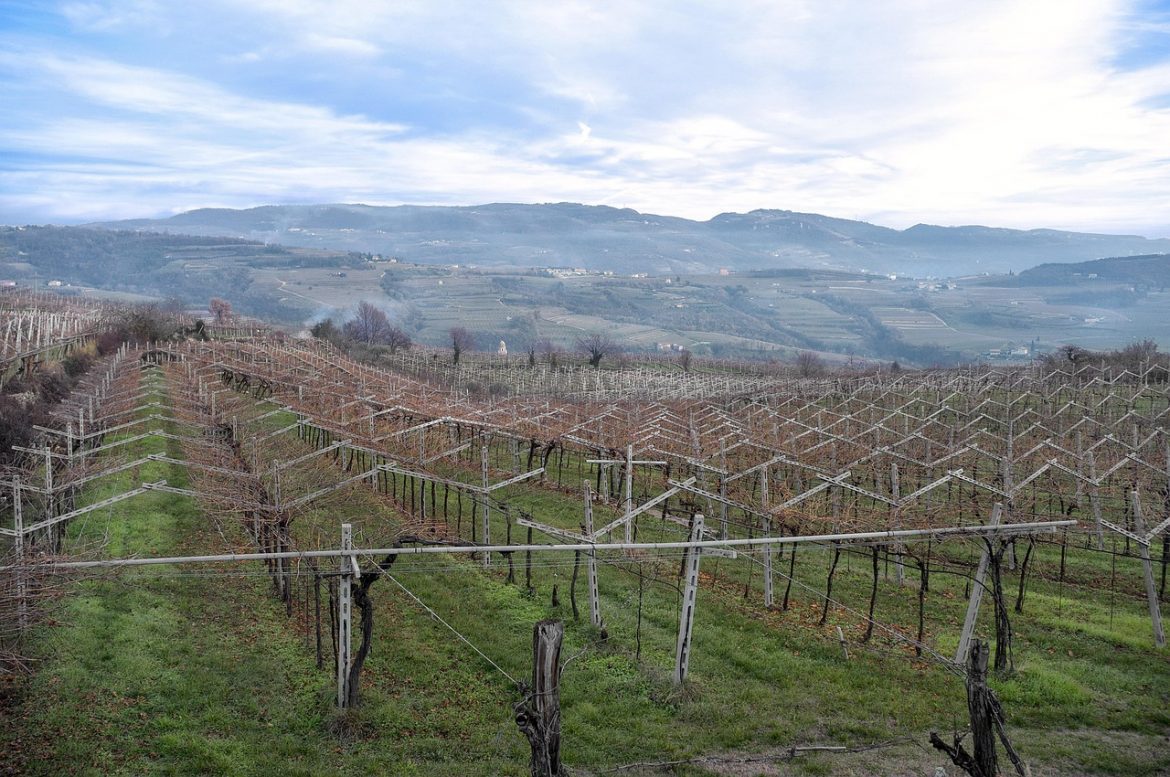
Valpolicella wine tasting day trip from Verona, Italy, is one of the most rewarding ways to widen your lens while keeping your base calm. Just outside the city, vineyard estates in Veneto invite you into intimate tastings of Amarone and Ripasso, often led by an expert sommelier who makes the experience feel both educational and wonderfully relaxed. Wine connoisseurs frequently describe these sessions as the highlight: unhurried pours, cellar air, and conversation that feels genuinely personal.
Booking with confidence for a crafted day trip in Veneto
To book with confidence, choose certified providers and ask for private transfers so the day feels seamless from hotel pickup to return. A well-designed route balances cellar time with scenery—rolling hills, stone farmhouses, and short stops that support the tasting rather than distract from it. If you enjoy detail, request a focus on production styles and ageing, then allow time to simply sit with a glass and look out over the vines.
- Quality marker: book directly with a certified operator for authenticity and reliable access.
- Best pace: two wineries is often ideal—enough depth without palate fatigue.
- Style tip: keep the evening in Verona light, especially after a generous tasting lunch.
Verona and Venice, plus Lake Garda in Verona’s orbit
For an elevated alternative, consider Verona and Venice as a twin-centre stay. The shift feels easiest when you place Verona first—using its grounded rhythm to settle in—then move to Venice for a contrasting, floating beauty. Keep the transfer day simple and avoid overloading it with too many attractions; the goal is to remain present rather than hurried.
Another nearby option for places to see in Verona’s orbit is Lake Garda. It’s ideal for lakefront lunches, light shopping, and slow, restorative waterside walks between city days. The combination—Verona’s stone elegance and the lake’s open air—creates a gentle balance.
One couple shared their favourite final evening: returning to Verona after a vineyard day, then dressing up for a private dinner overlooking the lit-up historic centre. They spoke about togetherness more than spectacle—the sense that good travel is built on care, thoughtful timing, and the confidence to leave some space unplanned.
F.A.Qs: Verona attractions Italy
What is Verona, Italy, best known for?
Verona is best known for the Roman amphitheatre that hosts opera, the romance of Juliet and Romeo, and elegant piazza life in the historic centre. Many travellers also come for riverside walks along the Adige and for nearby Valpolicella wines, which add a refined, local dimension to the city’s culture.
What to do in Verona for a day?
In one day, focus on a tight centre: start at the Verona Arena and Piazza Bra, then stroll to Piazza delle Erbe and Torre dei Lamberti for views. Add a brief, atmospheric stop at Casa di Giulietta, and finish with a calm walk along the Adige River, with time for aperitivo and an unhurried dinner.
Is Verona, Italy, worth visiting?
Yes—Verona is worth visiting for its blend of Roman heritage, graceful architecture, and a pace that suits high-end travel. It’s a city where headline sights sit close to quieter churches, galleries, and riverside pauses, so your day can feel both enriching and restorative without constant transport.
Is 2 days in Verona enough?
Two days is enough for the major highlights and a more relaxed rhythm. You can combine the Arena, Piazza del Duomo, Juliet’s House, and a dedicated museum visit, such as Castelvecchio, then still have time for a scenic viewpoint at Castel San Pietro or a slow evening walk. If you add Valpolicella, a third day makes everything feel easier.
What stayed with us after Verona Verona reflections travel memories Italy
Verona reflections, travel memories, and Italy are rarely loud. They come back in small, precise flashes: the stone underfoot warmed by late sun, the hush that settles in a candlelit piazza once the day’s noise thins, the steady presence of the Adige like a quiet line through everything.
Juliet, the balcony, and the story of Romeo and Juliet linger less as a checklist and more as a metaphor—love, longing, and the odd tenderness of believing in something beautiful for a moment. The most meaningful memory is often unplanned: a glance exchanged on a bridge, a shared laugh at the wrong turn that became the right street, a shopkeeper’s kindness that felt like trust offered without condition.
In the evening, Lady Verona seems to soften in the golden light, as if the city is reminding you that elegance can be gentle. You may remember how easily lively moments and calm pauses can exist together—opera applause and riverside silence, both held in the same day. And perhaps that becomes the insight you carry home: travel is not only about where you go, but how you choose to be present, with care for the place and for each other.
Long after you’ve left, you might find yourself imagining a return—not out of urgency, but out of quiet curiosity about what Verona would reveal next time, when you arrive with even more time to listen.