Post Contents
- Great Wall of China Mutianyu: Cultural heritage context and why this section matters
- Getting to Mutianyu from Beijing via public transport is straightforward and convenient.
- Visiting Mutianyu: opening hours, entrance ticket, shuttle bus, cable car and chairlift
- Visit Mutianyu Great Wall: hike watchtowers and a classic section.
- Visit the Mutianyu cable car and take the toboggan ride in China
- F.A.Qs: Visiting Mutianyu
- What stays with you after Mutianyu for a personal reflection on China
Great Wall of China Mutianyu: Cultural heritage context and why this section matters
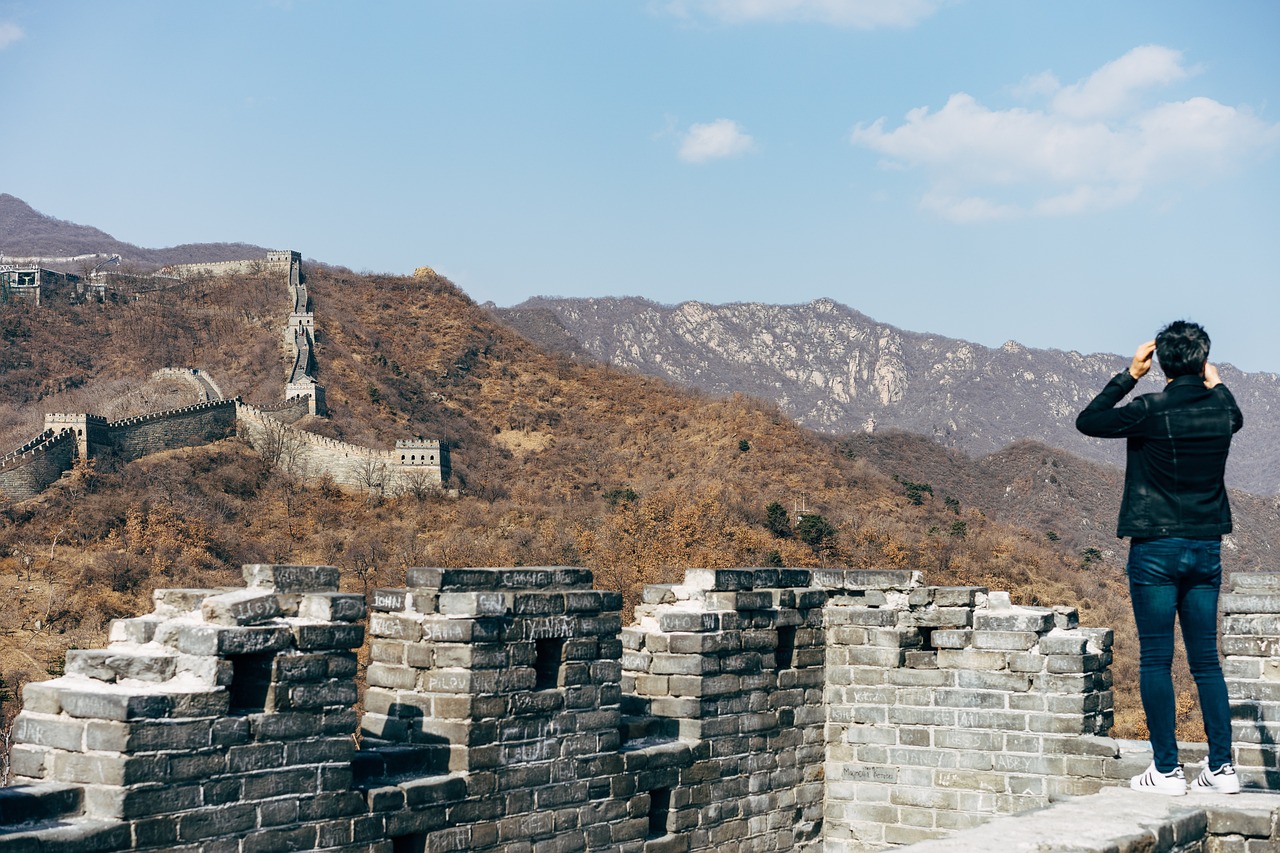
Mutianyu on the Great Wall of China in the context of cultural heritage in China
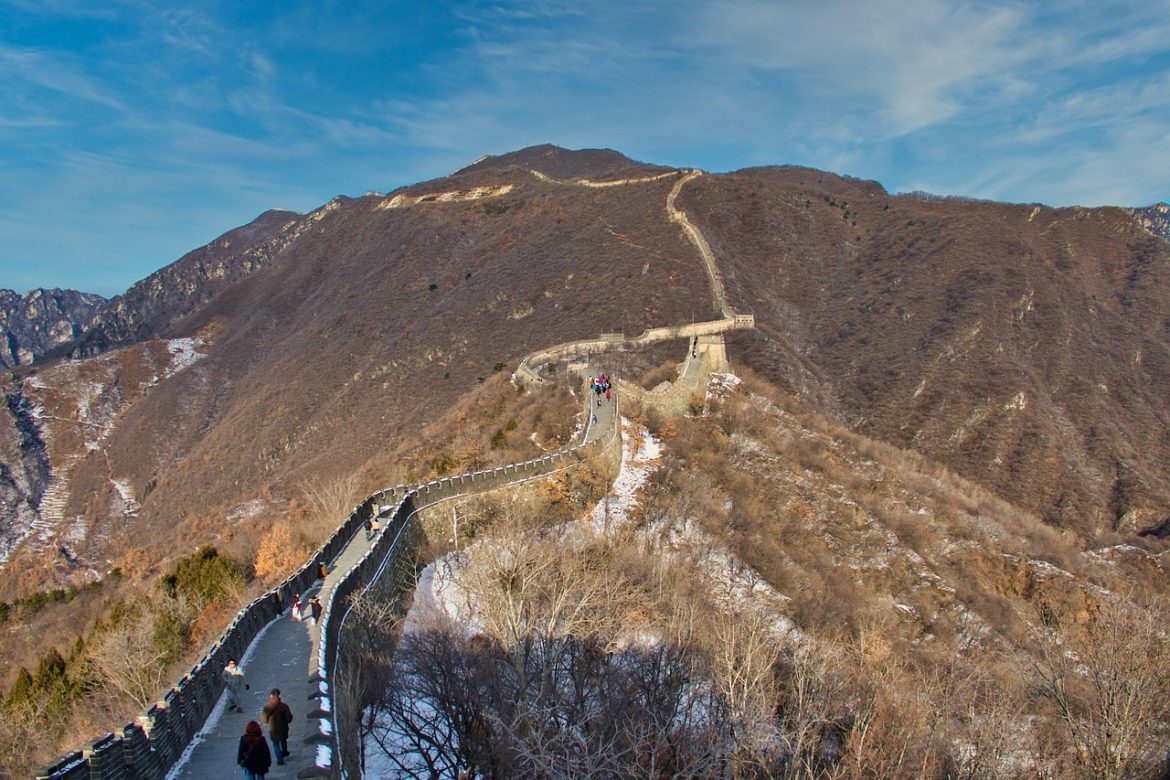
For travellers dreaming of the Great Wall of China Mutianyu experience, the story starts with the Great Wall itself—immense, iconic, and surprisingly intimate when you choose the right section. The Mutianyu Great Wall is often described as one of the best-preserved stretches, and the careful work to reconstruct weak points helps protect the original spirit while keeping the visit welcoming for modern travellers. You can explore at your own pace, step away from the main tourist flow, and still feel the gravity of this landmark shaped by labour, fear, and hope.
Much of what you see today is rooted in the Ming dynasty, when the wall was built, expanded, and strengthened across strategic mountain corridors. The anchor date matters: in 1368, the dynasty’s rise drove major fortification efforts, refining earlier defences into the brick-and-stone system many visitors imagine. At Mutianyu, you feel those decisions in the way this section of the wall grips the ridgeline—practical, commanding, and unexpectedly elegant.
Mutianyu vs Badaling: fewer crowds, scenic ridgelines, and a calmer adventure
Comparing Mutianyu and Badaling is really about the kind of energy you want. Badaling can feel busy and fast-moving, while Mutianyu often brings a little more breathing space and fewer crowds at the edges of the day—especially if you arrive early. For active travellers, that matters: the climb still feels like a real ascent, yet it’s not so extreme that you spend the entire time watching your footing instead of the scenery.
The mountain layers here are quietly cinematic, with forested slopes stacking into the distance and views that feel scenic rather than theatrical. It’s a chance to experience the wall in a more personal way: create your own challenge by climbing higher watchtowers, then soften it with a gentler return when your legs are ready.
Ancient Chinese engineering underfoot: granite steps, watchtowers, and Ming Dynasty design
Look closely, and you’ll see how ancient Chinese builders adapted to terrain: granite is used in places for strength, and the wall threads through densely wooded gradients that once hid troop movements and supply lines. Watch for drainage grooves, parapet height, and the spacing between towers—each choice designed for defence and signalling, including smoke and fire messages moving across distances.
Set expectations with care. Some stair runs are steep, and stones can be uneven where age meets restoration; the middle section is typically the most comfortable underfoot, while the edges feel more rugged. Design your pace: pause at a watchtower, take water, and let your breath catch up to your eyes.
One traveller told me about a tranquil sunrise hike here—arriving before the first tour groups, stepping into pale light, and watching the wall’s curves glow like a ribbon laid across the hills. In that stillness, you don’t just see history; you feel invited into it, gently, on your own terms.


Getting to Mutianyu from Beijing via public transport is straightforward and convenient.

Mutianyu day trip logistics from Beijing with less hassle
If you’re planning the Mutianyu Great Wall from Beijing, public transportation options exist, but the best experience often comes down to timing and how much hassle you’re willing to carry. The drive from downtown Beijing typically takes about 1.5 to 2 hours, depending on traffic, so an early start helps preserve the calm you came for. Leave space for a queue later in the morning—especially on weekends, school breaks, and peak season.
High-end travellers often prioritise a seamless day: door-to-door comfort, reliable timing, and a driver who waits while you explore the scenic area. But there’s also real satisfaction in navigating the route yourself, particularly if you’re travelling light and want a more local rhythm between Beijing and the hills.
Options to get to the Mutianyu Great Wall and keep it round-trip
To get to the Mutianyu Great Wall, you have three common paths. You can take a private car for the most effortless flow; join group tours for simple structure; or piece together the route yourself for flexibility. If you’re new to Beijing or travelling with family, I recommend taking a round-trip plan so you’re not negotiating return logistics when you’re tired and sun-warmed.
- Private car: take a private driver for the most seamless comfort, photo stops, and a schedule that adapts to you.
- Group tours: great for first-timers; they often include ticket guidance and clear meeting points.
- DIY transport: rewarding if you enjoy the city-to-countryside transition and want to control every minute.
If you’re browsing curated routes and want to design a wider China journey around Beijing, this Trip gallery can help you imagine what to pair with the wall—food, art districts, or a slow countryside escape.
Beijing to Huairou steps and the 916 express leg
The DIY route that many travellers research starts with Beijing to the Huairou district. A common leg is the 916 express (often mentioned online), followed by a connection towards Huairou North, then onward to the scenic area via local transport. From Huairou, you’ll typically find a local shuttle bus that takes you closer to the entrance zone, though exact lines and stops can change, so it’s worth checking the latest advice with your hotel concierge.
Two support notes that save stress: keep your booking screenshots offline, and set a realistic return time—especially if you plan to linger for photos. If you prefer a slower rhythm, consider a Mutianyu Great Wall hotel near the foot of the Great Wall: it offers sunrise and sunset, and a calmer pace without clock-watching.
Visiting Mutianyu: opening hours, entrance ticket, shuttle bus, cable car and chairlift
Visiting Mutianyu practicalities: tickets, access, and rides
When visiting Mutianyu, opening hours, entrance ticket rules, and cable car logistics in China are the small details that make your day go smoothly. Hours vary by season, so do check close to travel, but the on-the-ground flow is usually straightforward: arrive, find the ticket gate, validate your entrance ticket, then board the internal shuttle bus up towards the Wall access area. Those internal shuttles are often frequent—about every 5-10 minutes—so you rarely wait long once you’re inside the scenic area.
If you’re arriving with a driver or tour, confirm which entrance you’ll use; signage may refer to a north ticket gate depending on the approach road. The most important thing is to keep your QR codes or paper stubs handy until you’ve passed the final checks.
Tickets in CNY, each ride offers a unique experience.
Costs can change, but budgeting in CNY is refreshingly manageable. The entrance fee is commonly around 45–55 RMB, while the cable car, chairlift, and toboggan options cost extra. It’s worth it for many travellers because each mode offers a unique experience for your energy and your time: less time commuting uphill, more time walking the battlements with intent.
- Entrance: usually 45–55 RMB (subject to updates) and paid in CNY.
- Cable car: enclosed cabins, comfortable for cooler days or light rain.
- Chairlift: open-air, breezier, with a more playful sense of height.
- Toboggan: a controlled, fun descent and a classic toboggan ride for many visitors.
If you’re unsure about the cable car or chairlift, decide based on comfort and the kind of views you enjoy: the cable car can feel more sheltered and swift, while the chairlift keeps you open to the air and pine-scented wind.
Times to visit, peak season patterns, and accessibility with care
The best times to visit are spring and autumn, when the mountain air is crisp, and the hills can blossom or burn gold. Peak season brings more tourist traffic, and the May Day holiday can be especially busy, so an early start is your quiet advantage—soft light, cooler steps, and time to pause for photos without a crowd pressing behind you.
For wheelchair users, the lower facilities and some paved areas can be workable, and staff are often kind about directing you. On the wall itself, however, you need to walk: stairs and narrow passages make full step-free access difficult. Planning with care—choosing gentler segments and allowing extra time—helps everyone feel supported.
A final practical note: if you need to buy tickets on-site, bring a little extra CNY and patience, as lines can form mid-morning. The goal is confidence, not speed.
Visit Mutianyu Great Wall: hike watchtowers and a classic section.

Explore the section of the Great Wall on foot: routes, watchtowers, and views
To visit mutianyu great wall on foot—following hiking routes and climbing watchtowers in this section of the Great Wall China—is to step into a landscape that rewards curiosity. This Mutianyu section is often described as divided into three sections, and that mental map helps you design a route that matches your fitness, mood, and time. Whether you want a gentle wander or a leg-burning climb, the site makes it easy to explore without feeling lost.
Think of the walk as a series of choices: how high you want to go, how long you want to stay on the stone, and how much you want your legs to remember the day. For many, simply to ascend is a personal milestone—proof that adventure can be crafted, not forced.
Section of the Great Wall routes by time and fitness
If you have limited time, a 1-hour out-and-back can still deliver a strong payoff: pick a clear vantage point, climb steadily, and linger long enough to let the scenery settle in. With more time, you can create a longer loop by using different access points (for example, up by ride and down on foot, or the reverse), which keeps the experience varied and more private-feeling.
- Quick high-impact walk: choose one direction, reach a viewpoint, then return before midday crowds.
- Balanced half-day: ride up, walk a longer stretch, then descend at leisure (this often typically takes around 3–5 hours on site overall).
- Challenge option: target a higher set of towers, taking breaks at shaded corners.
Wherever you go, watchtowers become story stations: once used for signal fires, supply checks, and troop shelter, they now frame the mountains like windows. Along the stone line, you can see how one kilometre can unfold into many perspectives as it snakes over ridges, turning the landscape into living scenery.
Safety, comfort, and a wider Great Wall lens beyond Mutianyu
Footing matters. Steps can be steep, and in places stones tilt with age; add wind, and it becomes a different kind of effort. Wear sturdy shoes, carry water, and pace yourself—especially in heat. Attractions include restored stairways, viewpoints, and tower interiors, but the climbs are still real, so give yourself time and breaks.
For cultural enthusiasts wanting a broader context, it helps to know there are wilder alternatives like jiankou and gubeikou. Those stretches can be more raw and demanding, whereas this section of the Great Wall at Mutianyu is ideal when you want beauty with support—one of the best-preserved areas of the Great Wall of China that still feels authentic.
Visit the Mutianyu cable car and take the toboggan ride in China

Cable car thrills, toboggan descent, and local flavour at Mutianyu
If you plan to visit the Mutianyu cable car and take the toboggan ride in China, the day shifts from historic pilgrimage to pure, vivid play. Taking the cable car up turns the approach into a scenic reveal: the trees drop away, the ridge rises, and the wall unfurls like a drawn line across the mountains. It’s not just transport—it’s the first quiet thrill.
For many travellers, that ride also protects energy for what matters: time on stone, time in towers, and time letting the view do its work. If you’re travelling with a guide, their storytelling can add insight without interrupting the wonder—especially when they point out defence details you might otherwise miss.
Cable car to ascend, chairlift options, and the toboggan descent
There are a few ways to ascend, and choosing well can make the whole experience feel more crafted. The cable car to ascend is often the easiest for mixed-ability groups, while the chairlift is airy and fun if you’re comfortable with open views. Either way, stepping off at the top feels like arriving on a stage set by mountains—and the moment you ascend the great wall can feel genuinely breathtaking.
And then there’s the famous descent. As one adventure seeker put it after their first ride, “I didn’t stop laughing the whole way down.” For them, the cable car leads to the hero of the afternoon—the winding toboggan track—fast enough to feel daring, controlled enough to feel safe. Do follow instructions, keep distance between sledges, and use the brake gently; trust the system, but stay attentive.
If you’re deciding whether to take the toboggan, consider it a chance to experience the site with a sense of lightness. Say yes if you want a story that isn’t just a photograph.
Watchtower photography, local vendors, and small cultural moments
For photography, aim for angles that show the wall’s curves and the fortress silhouettes against the hills. A good watchtower stop can reveal how a single ridgeline looks like multiple layers when it snakes over peaks. If you’re feeling ambitious, ask your guide about the highest point you can comfortably reach in your time window, then settle in for a few frames as clouds move through.
Along the route, local vendors offer snacks and small souvenirs—sweet fruit, warm treats, and little keepsakes to take home. Try a simple greeting, be respectfully curious, and leave no litter; care is part of cultural heritage. These small exchanges often become as memorable as the view.
A designed-for-you mini-itinerary: start with sunrise if you can, take the cable car up as light hits the ridgeline, enjoy a mid-morning hike between towers, then finish by descending via the toboggan—adventurous, reassuring, and entirely your own. For a smoother flow, take the toboggan as your last leg down.
F.A.Qs: Visiting Mutianyu
Is the Mutianyu Great Wall the same as the Great Wall of China?
The Mutianyu Great Wall is one restored section of the Great Wall of China, located outside Beijing. It’s part of the same historic defensive system, but it has its own character—mountain scenery, well-maintained paths, and a calmer feel than some busier sections.
How much time do you need at Mutianyu Great Wall?
Most travellers need 3 to 5 hours on site, depending on whether you hike extensively and whether you use the cable car or chairlift. If you want a relaxed pace with photos, watchtower breaks, and a toboggan descent, plan closer to half a day.
Is Mutianyu a good choice for first-time visitors?
Yes—this section is widely loved because it balances beauty, history, and comfort. The restoration is thoughtful, the views are expansive, and the routes suit different fitness levels. It’s a strong choice if you want an adventurous day that still feels supported and safe.
How much does it cost to go to Mutianyu?
The entrance ticket is typically 45–55 RMB, but prices can vary by season and policy. Extra costs apply if you add the cable car, chairlift, or toboggan. Budget a little more in CNY if you want the full experience and a smoother day.
What stays with you after Mutianyu for a personal reflection on China
After the day at Mutianyu, the personal reflection many travellers describe isn’t about ticking off a sight—it’s the quiet confidence of meeting a vast place on your own terms. Visiting the Great Wall can be intense, but here it often feels balanced: you choose your pace, you pause when the scenery asks you to, and you keep going.
Time feels different up there. You start to picture the builders—hands raw, shoulders tired, lives shaped by duty—turning stone into defence. There’s a tenderness in that contradiction: a structure first constructed for conflict, now open to tourists, held with trust and care as part of the Great Wall of China’s living memory.
Many visitors speak warmly of local guides, and it’s easy to understand why. A well-told story—about a battle, a signal fire, a family line of workers—creates connection. Long after the photos fade into your camera roll, that insight remains, softening the monumental into something human.
And then there’s the last look back. Wind on stone, sunlight shifting across the hills, and the sense that travel can still be unhurried. You leave carrying more patience than you arrived with, and a small, steady bravery—enough to wonder what other stories China might offer when you’re ready to uncover them.