Post Contents
- Designing Your Italy Bucket List of Beautiful Places best places in Italy to visit luxury bucket list
- Rome the Capital of Italy and the Heart of Historic Italy Rome city in Italy Colosseum Roman Forum Vatican luxury guide
- Venice a Tourist Destination Made Intimate Hidden Gem Hours Venice luxury gondola ride canal palazzo Grand Canal
- Florence and Tuscany Crafted Art and Vineyards Florence place to explore Tuscany Chianti Uffizi private tour
- Amalfi Coast Glamour and Naples Energy in Southern Italy Amalfi Coast Positano Naples Vesuvius Sicily luxury travel
- Cinque Terre Coastline Beauty and the 5 Towns by Sea Cinque Terre coastline beach Monterosso al Mare La Spezia guide
- Milan and the Lakes to the Alps Lake Como Lake Garda Dolomites Milan Duomo Lake Como Bellagio Varenna Lake Garda Dolomites luxury
- Seamless Planning for a High End Trip to Italy best time to visit in Italy high speed train Rome Florence Venice luxury budget safety
- After Italy What Stayed With Me discover Italy personal journey reflection
- F.A.Qs:
Designing Your Italy Bucket List of Beautiful Places best places in Italy to visit luxury bucket list
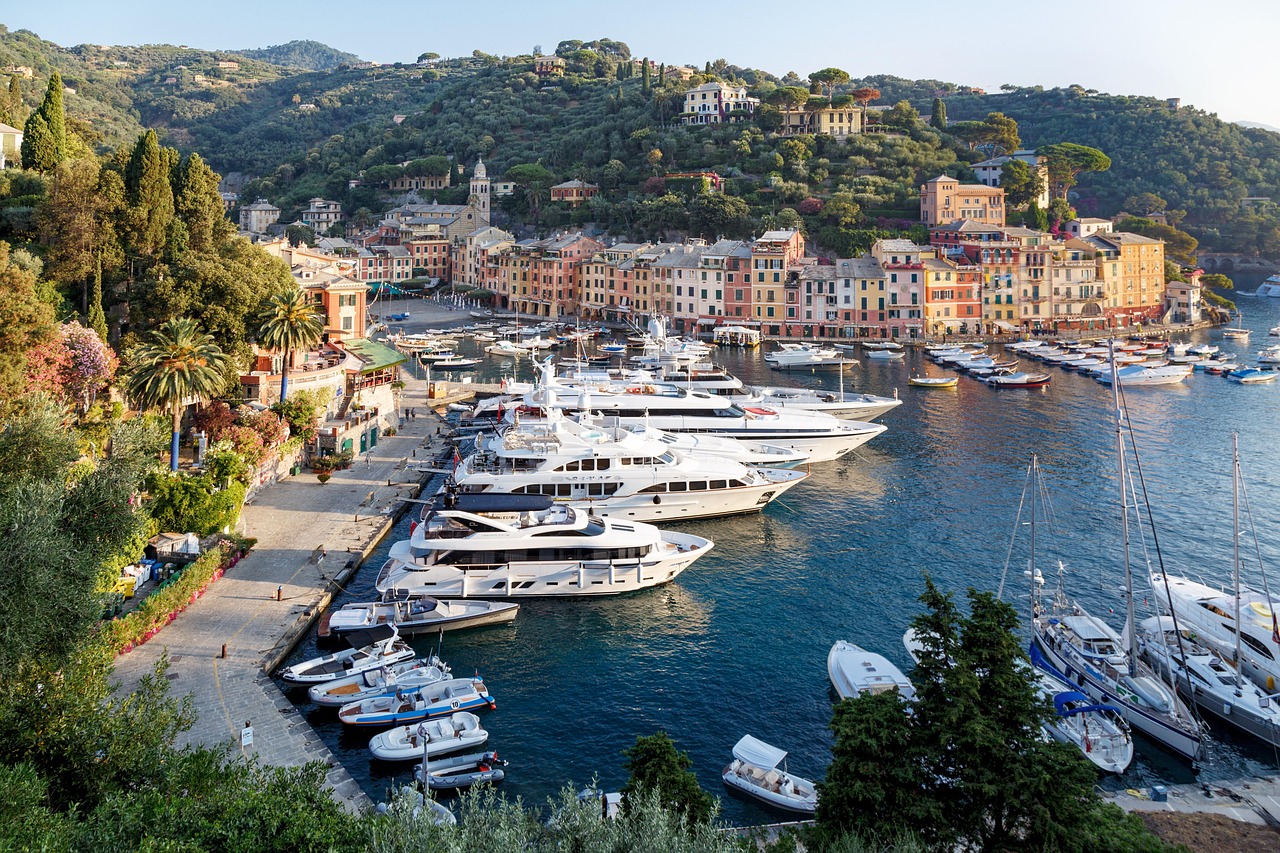
Designing Your Italy Bucket List of Beautiful Places with Riviera-inspired luxury
For a first trip, “best places in Italy to visit luxury bucket list” is less a single answer and more an invitation to create a route that balances icons with breathing space. The most memorable places in italy are often the ones you experience slowly—arriving just before the crowds, lingering for an aperitivo, or returning to a favourite piazza when the light softens. This is how a travel bucket list becomes a lived story, not a checklist.
Start by thinking in regions rather than pinpoints. Central italy naturally anchors a first itinerary (Rome, Florence, Tuscany), then you can choose a northward flourish (Milan and the lakes) or a southern crescendo (the Amalfi Coast and beyond). To keep the journey feeling crafted, aim for two “signature cities” and one slower base—so you can explore with confidence, not hurry.
Places in Italy at a glance from icons to slower stays
Here’s a reassuring way to frame your options without overwhelm—stunning places, but with the pacing designed around comfort and mood:
- Classic first-timer arc: Rome, Florence, Venice—linked by fast trains, with day trips where they truly make sense.
- Country calm: Tuscany (Chianti, Val d’Orcia) for vineyards, villas, and restorative rhythm.
- Northern elegance: Milan, Lake Como, Lake Garda and the alps for polished style and spa-like air.
- Southern drama: southern italy along the coastal curve for cliffside stays and vivid, local energy.
One gentle rule: choose one place to explore deeply, then let the rest orbit around it. Your itinerary should support you—transfers that feel seamless, restaurant reservations made with care, and time left open for curiosity.
Quiet luxury in famous places through timing and expert support
The difference between “seeing” and truly experiencing Italy is often timing. Early entries, private guides, and thoughtfully chosen hours turn famous places into personal moments—like arriving at a museum before the doors fully wake, or stepping into a church when the air is still cool and reverent. This is where trust matters: when your plans are quietly held by expert hands, you can relax into the day.
As you read, notice three signature threads we’ll weave throughout: a sunset rooftop dinner overlooking the Colosseum, a quiet canal morning in Venice, and a Tuscan wine encounter built around real relationships with local vintners. Imagine them as anchors—sensory, intimate, and yours.
In terms of pace, seven to twelve nights is a sweet spot for first-timers. If you’re short on time, focus on two cities and one countryside base; if you want breadth, an italian road trip becomes the right design choice once you’re comfortable driving and parking—or you opt for a driver who makes it effortless.




Rome the Capital of Italy and the Heart of Historic Italy Rome city in Italy Colosseum Roman Forum Vatican luxury guide
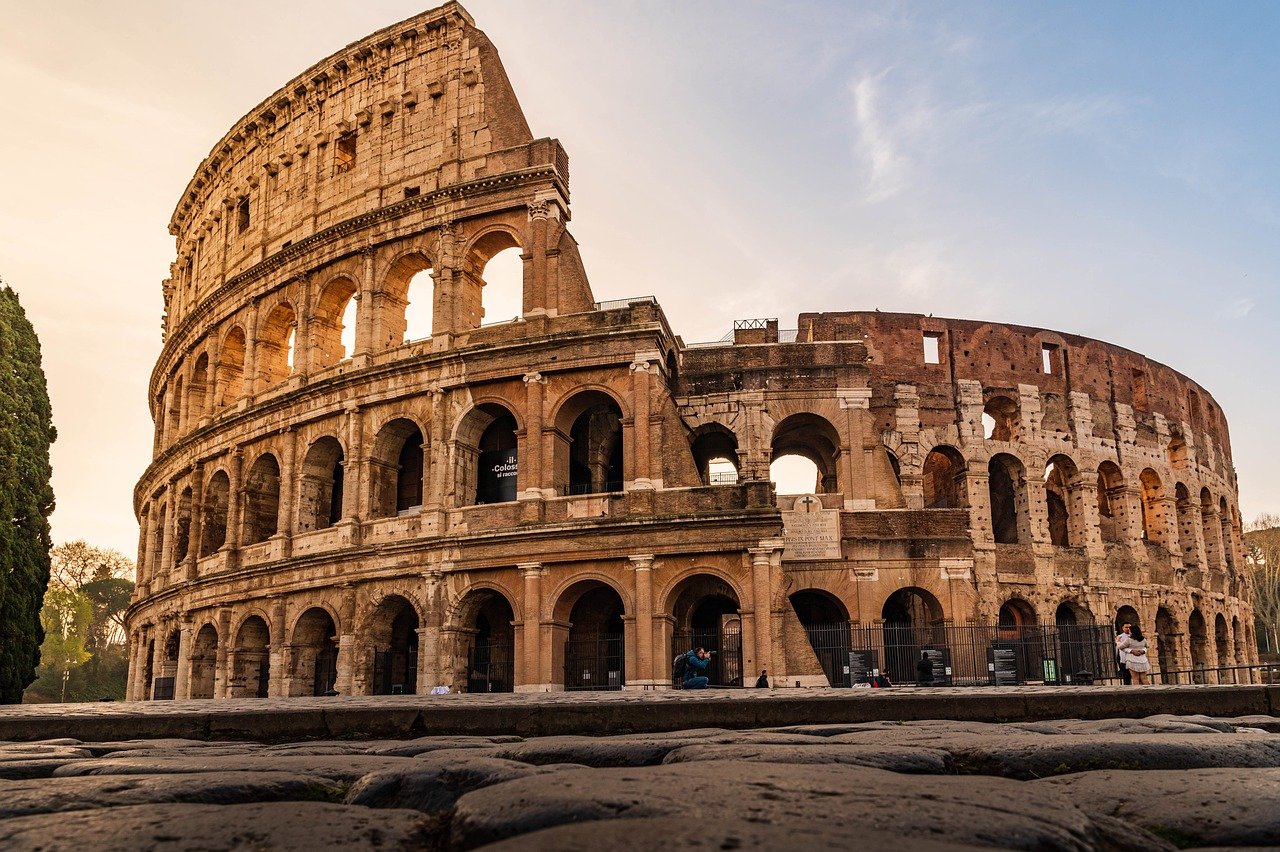
Rome the Capital of Italy and the Heart of Historic Italy with Colosseum light
For “Rome city in Italy Colosseum Roman Forum Vatican luxury guide”, think of Rome as the capital of italy with layers you can feel underfoot—marble, stone, and the soft echo of footsteps at dusk. Historic italy isn’t a concept here; it’s the way a street corner suddenly opens onto ruins, or how an ordinary morning coffee becomes cinematic. Begin with the essential trio, but make it calm: timed entries, smart sequencing, and a guide who turns facts into meaning.
Colosseum and Roman Forum with calm, timed entry
Plan to visit the Colosseum early or late, when the heat and crowds ease. The colosseum in rome is powerful at any hour, yet the emotional difference of a quieter slot is real—you hear your guide, you notice details, you can take your time with photographs. Pair it with the Roman Forum (one continuous narrative rather than two separate “tasks”) and you’ll understand how the city worked, not just how it looked.
One traveller told us about a sunset dinner that stayed with them for years: a table on a rooftop terrace overlooking the Colosseum, where the sky turned amber and the ancient cityscape felt close enough to touch. The atmosphere was breathtaking—part celebration, part quiet awe—made possible by a concierge who secured the reservation and timed the evening stroll back through softly lit lanes.
Vatican City and basilica etiquette with warm reassurance
For the Vatican Museums, book well ahead and choose a first entry where possible. The vatican is dazzling, but the experience changes when you’re not funnelled through at peak hours. In Vatican City, a private or small-group guide helps you pause in front of the masterpieces rather than being carried by the current.
When you enter a basilica, dress codes matter: shoulders covered, longer hemlines, and hats removed. St Peter’s Basilica is often described as the largest church in italy, and it deserves respectful behaviour—quiet voices, mindful photographs, and space for worshippers. That sense of care is part of the privilege of travel.
Luxury micro-moments in Rome are beautifully simple: espresso at a tucked-away piazza, a tailored evening route that avoids busy arteries, and the confidence of a hotel team who can support last-minute theatre tickets or a table change when the weather turns. Rome rewards gentleness—especially when you allow it to meet you slowly.
Venice a Tourist Destination Made Intimate Hidden Gem Hours Venice luxury gondola ride canal palazzo Grand Canal
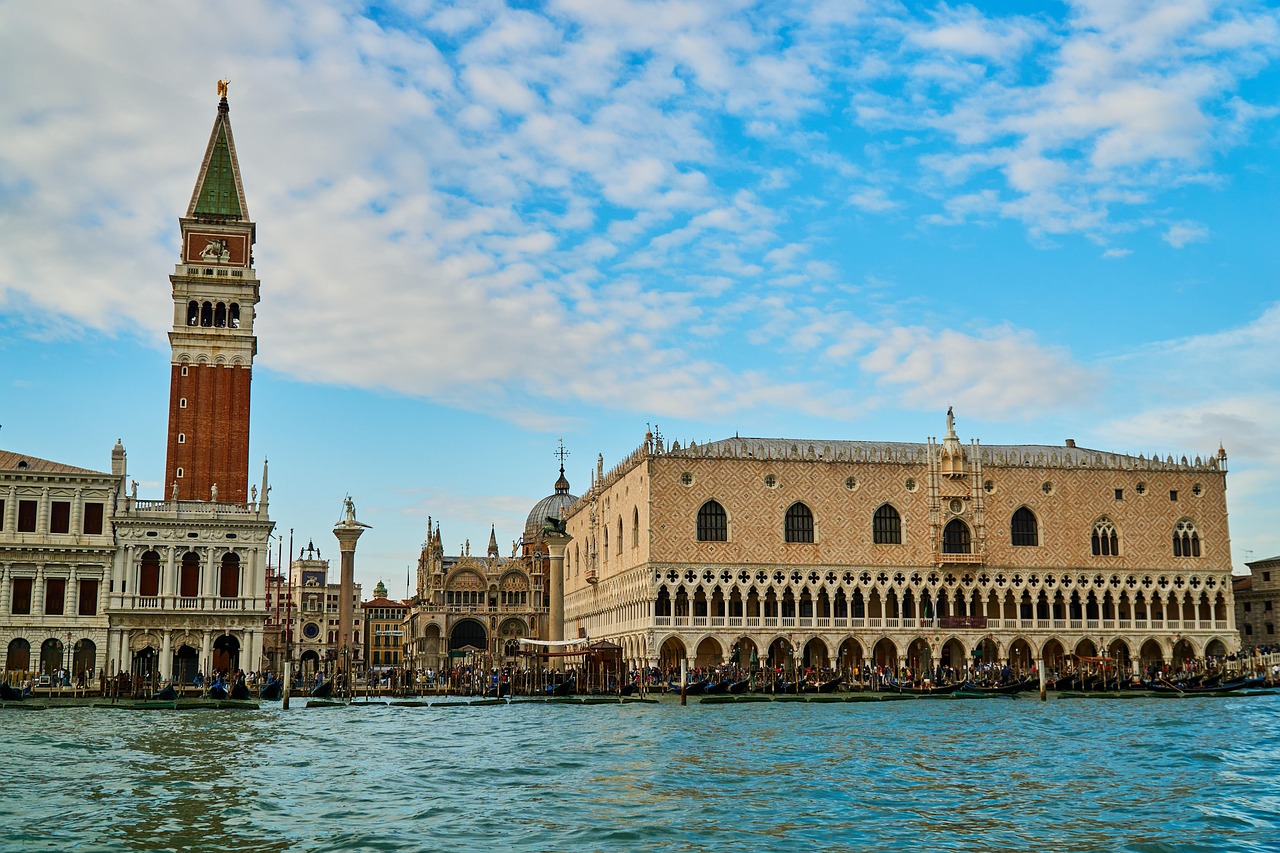
Venice a Tourist Destination Made Intimate Hidden Gem Hours by private gondola
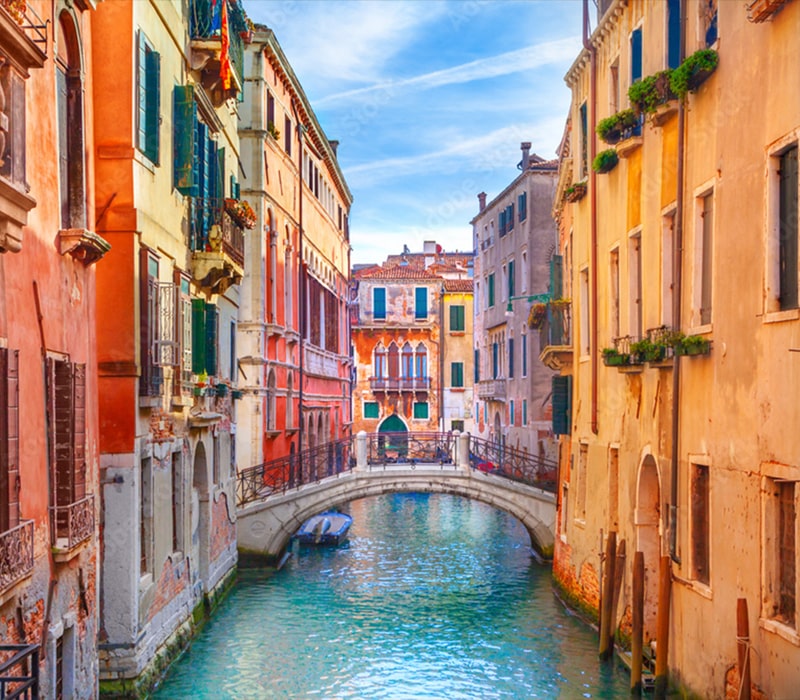
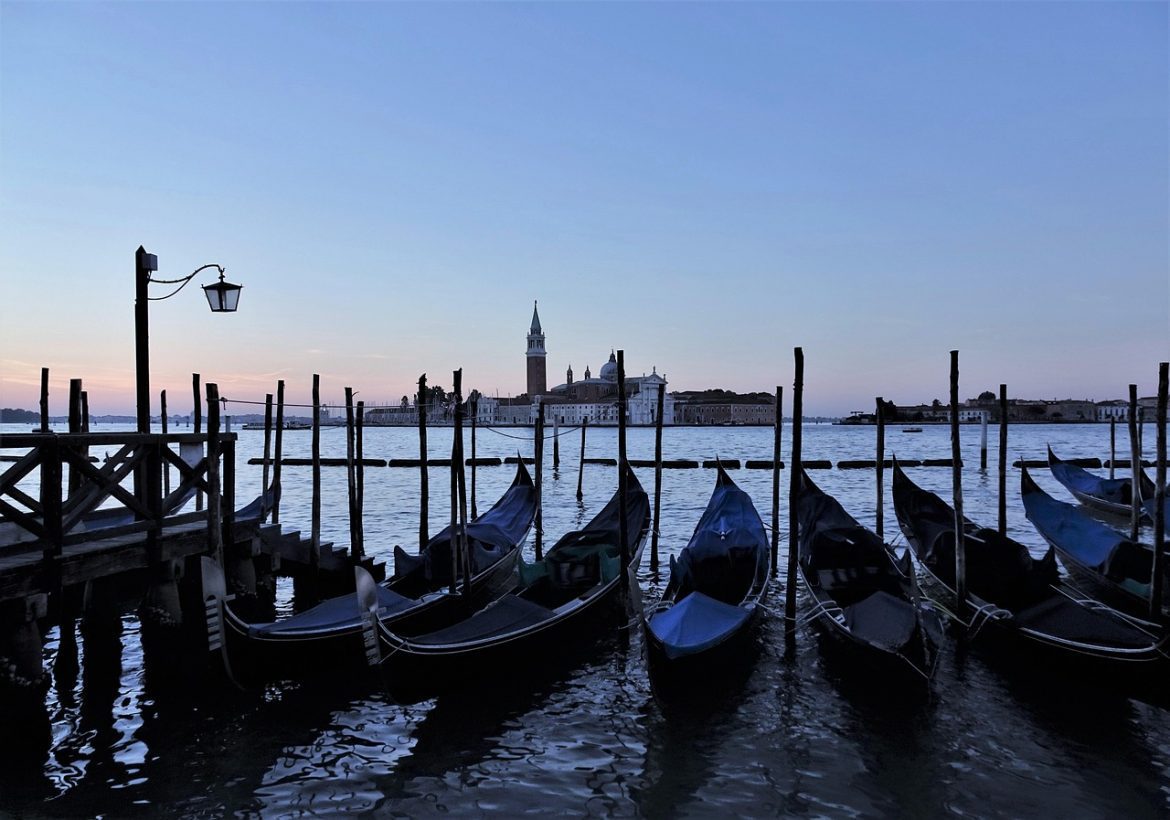
If you’re searching “Venice luxury gondola ride canal palazzo Grand Canal”, the secret is to treat Venice as a ritual of timing. Yes, Venice is a tourist destination—but it becomes intimate when you design it for the hours most people miss. This is your hidden gem: dawn, when the canal holds the city like a mirror and even the footbridges feel hushed.
Venice at dawn by gondola and soft canal light
An elegant couple once shared their favourite memory: a quiet morning gondola ride that began before breakfast, when the city was just waking. They drifted past shuttered windows and the gentle curve of a palazzo façade, listening to water instead of crowds. They said it felt like seeing Venice for the first time—slow, private, and full of trust in the plan.
To keep it seamless, ask your hotel to coordinate the pick-up point and confirm the exact route. The Grand Canal is glorious, but the emotion often lives in the smaller passages—where reflections sharpen and you can hear the oar’s rhythm.
St Mark’s basilica and calm routes beyond the main lanes
Anchor the classics without overwhelm. Visit St Mark’s area early, then time a basilica entry for a calmer window; pre-booked entrances prevent you from losing the morning in queues. Afterwards, step away into hidden courtyards, where laundry lines and tiny gardens reveal everyday life.
For a local bite, slip into a small bacaro for cicchetti, then take a slow loop back via quieter bridges. If you’d like one practical reassurance: arrive light. A simple luggage strategy—rolling case plus a day bag—makes stairs and vaporetto docks less stressful.
On arrival, choose between vaporetto and private water taxi based on mood and budget. A water taxi offers immediate comfort and a beautiful first impression; the vaporetto is efficient, but busier. Either way, keep pickpocket awareness in mind at the busiest points (stations and docks), and let your hotel support you with directions so you don’t feel rushed.
Florence and Tuscany Crafted Art and Vineyards Florence place to explore Tuscany Chianti Uffizi private tour
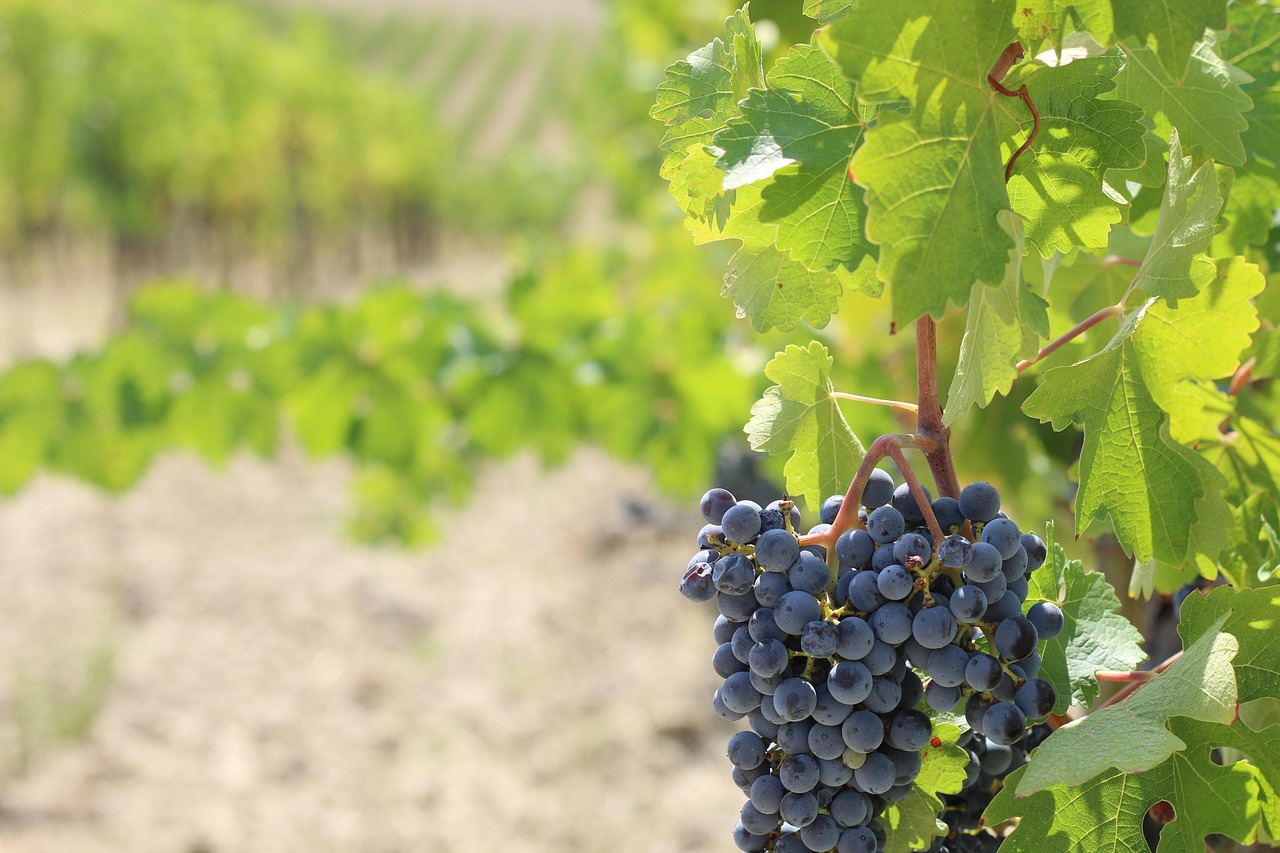
Florence and Tuscany Crafted Art and Vineyards with Chianti grapes
“Florence place to explore Tuscany Chianti Uffizi private tour” captures the essence of this pairing: Florence for art with context, Tuscany for landscapes with soul. Florence rewards a slower gaze—less rushing between sights, more letting a guide connect the Renaissance threads so the city becomes understandable, not just admired. Tuscany then opens like an exhale: vineyards, olive groves, and long lunches where the conversation matters.
Florence with a curator’s eye Uffizi, Duomo and Santa Maria del Fiore
In florence, a private-led visit to the Uffizi Gallery changes everything. Instead of a checklist, it becomes a narrative—why patrons commissioned certain works, how techniques evolved, and what to notice when the room is full. Your guide can also shape the pace: pauses when you feel moved, and gentle shortcuts when you don’t.
Balance it with Florence’s icons. The Duomo and Santa Maria del Fiore are best appreciated early, before the day heats up. Later, cross Ponte Vecchio once, then let yourself get slightly lost around a quieter piazza where artisans still work. For the view from the top, choose golden hour—when the city blushes and the rooftops feel almost close enough to trace with your eyes.
Tuscany in Chianti with local vintners and a crafted wine encounter
Then shift into tuscany, where the rhythm changes. Think a villa base among rolling hills, where mornings begin with espresso on a terrace and afternoons are built around relationships, not retail. Chianti is famed for a reason, yet the most rewarding tastings are often private—appointments where producers have time to share their philosophy and pour something rare.
A luxury traveller described their personalised Tuscan wine tour as unexpectedly moving. They connected deeply with local vintners, walked the vines with the owner, and tasted older vintages in an intimate cellar. It wasn’t about spending more; it was about being welcomed, and having the experience designed with care.
If you want an easy add-on, plan a day trip to Pisa. The leaning tower is one of italy’s most famous sights, and seeing the leaning tower of pisa in shoulder season keeps it serene. While you’re in the region, a short stop in San Gimignano can add a medieval silhouette to your Tuscany story without feeling like a detour.
Amalfi Coast Glamour and Naples Energy in Southern Italy Amalfi Coast Positano Naples Vesuvius Sicily luxury travel
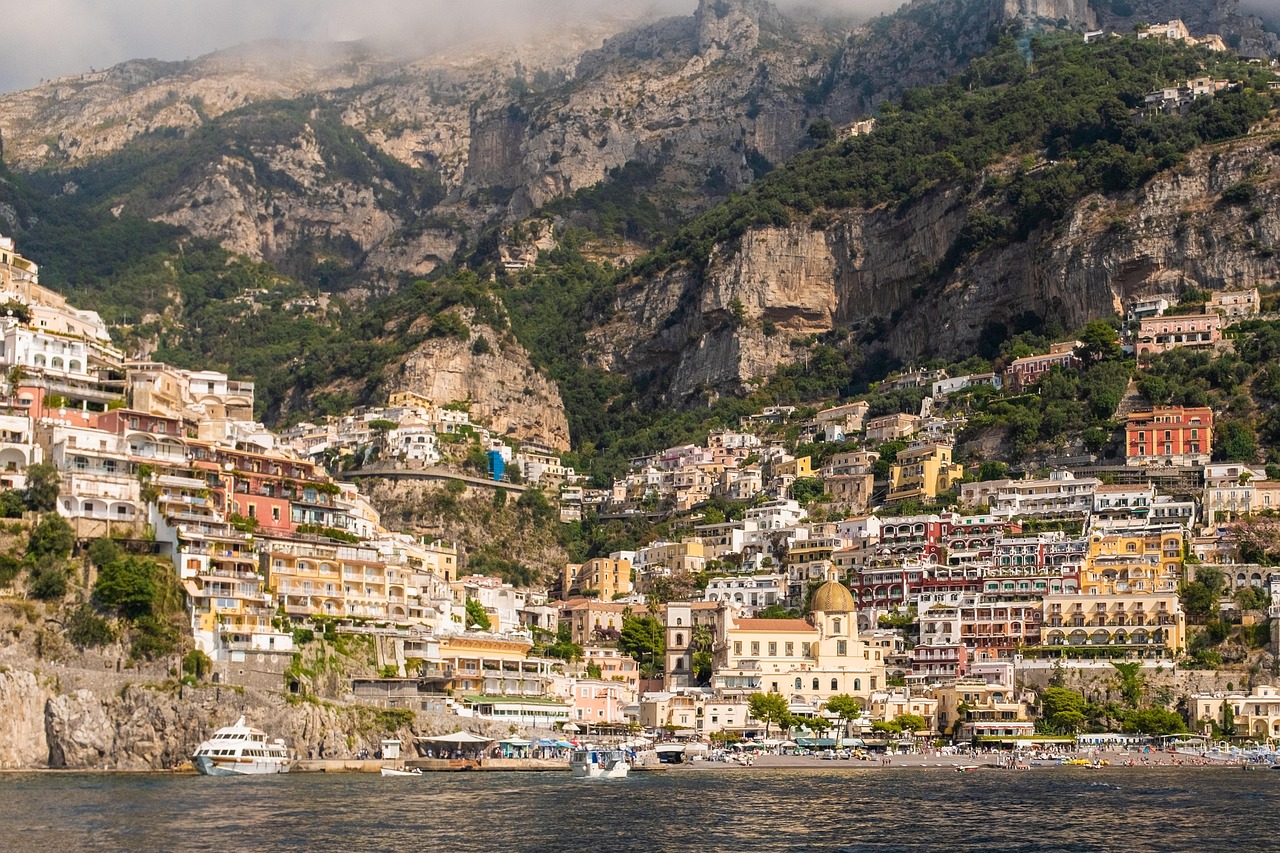
Amalfi Coast Glamour and Naples Energy in Southern Italy with Naples streets
When you search “Amalfi Coast Positano Naples Vesuvius Sicily luxury travel”, you’re really looking for contrast: glamour against grit, serenity against speed, coastline views against city energy. The Amalfi Coast is a jewel of mainland italy—coastal roads curling above the sea, gardens spilling over terraces, and cliffside hotels that understand privacy as well as beauty.
Amalfi Coast and Positano silhouettes at sunset
Base yourself where you can breathe. A beautiful villa stay (or a boutique hotel with a strong concierge) makes the difference between “busy” and blissful. In Positano, the town’s romantic lines are at their best at sunset, when the hillside lights begin to blink on and the sea goes slate-blue. Build in time for a swim stop or a small beach club afternoon—simple pleasures, beautifully done.
Signature details elevate the coast: a single limoncello tasting at a family producer, a boat hour arranged quietly, and pre-arranged transfers that spare you from the stress of road logistics. This is where seamless support feels like a luxury in itself.
Naples, best pizza and a Vesuvius half-day with a driver
Then comes Naples—a bold, brilliant counterpoint. With the right guidance, you can walk the streets with confidence, understanding neighbourhood boundaries and the city’s humour. For many, the best food memory here is disarmingly simple: the best pizza, eaten standing or at a small table, with the kind of satisfaction that only truly local craft can deliver.
For perspective, add Vesuvius as a half-day with a private driver. You can pair Vesuvius with archaeological sites if you want deeper context, or simply come for the view and the feeling of scale. If you have the appetite for a slower island chapter, Sicily is a natural extension—markets, beaches, and a gentler rhythm that lets you linger. Sicily can feel like a different part of italy entirely, yet it still carries that unmistakable warmth.
Cinque Terre Coastline Beauty and the 5 Towns by Sea Cinque Terre coastline beach Monterosso al Mare La Spezia guide
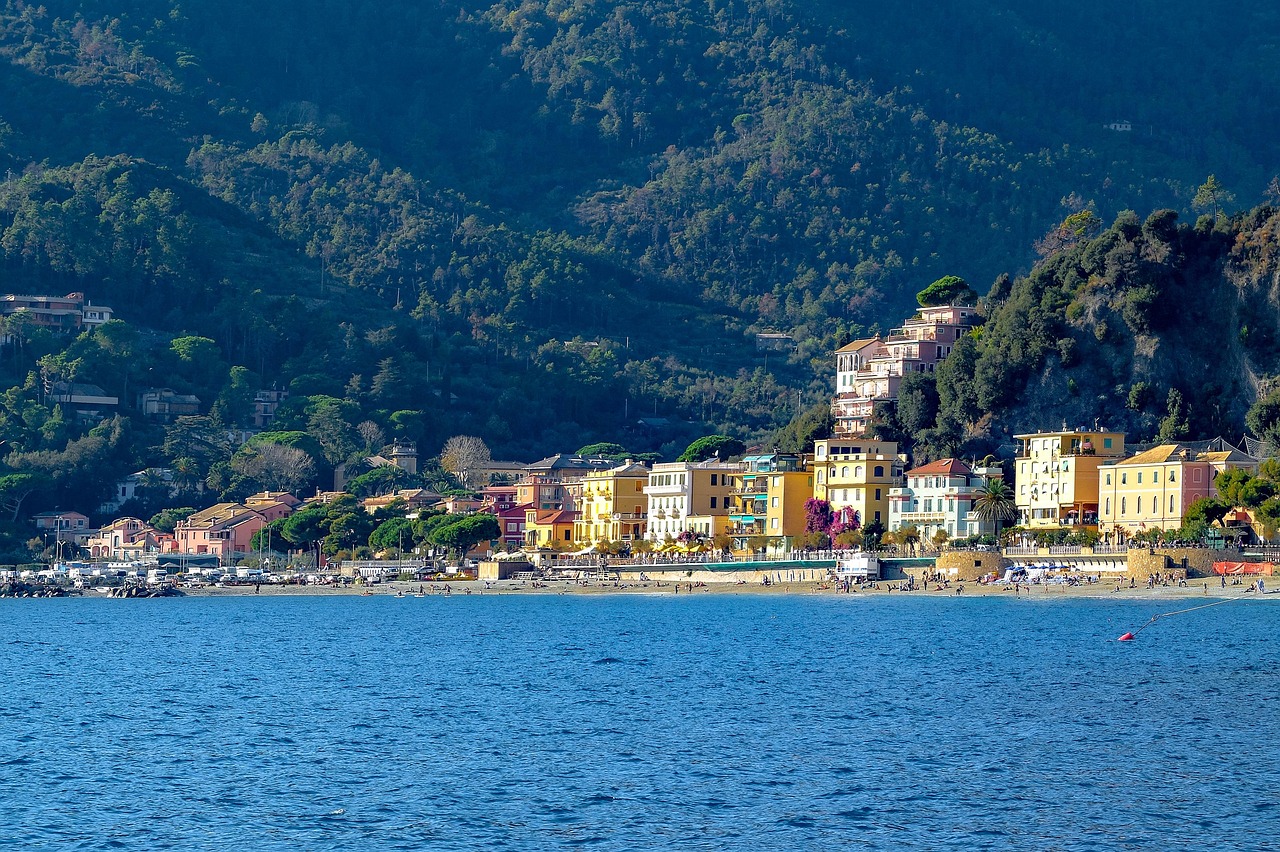
Cinque Terre Coastline Beauty and the 5 Towns by Sea with pastel villages
For “Cinque Terre coastline beach Monterosso al Mare La Spezia guide”, think of Cinque Terre as one of the most beautiful settings in Italy for a slower pace. The 5 towns cling to the cliffs like watercolours, linked by paths, boats and trains, and protected as a national park. It’s a coastline chapter that feels both iconic and refreshingly simple—swim, walk, look, repeat.
La Spezia arrival and choosing the right walking segments
Most travellers arrive via La Spezia, where the train station can feel busy at peak times. Keep it calm by travelling mid-morning, packing light, and letting your hotel meet you if you prefer. Once you’re settled, choose walking segments that suit your energy: a short scenic stretch followed by a long lunch often feels more luxurious than pushing for the longest route.
If you prefer to minimise effort, boats connect many points in season, offering a beautiful angle back towards the villages. It’s also a wonderful way to avoid the hottest hours on the trails.
Monterosso al Mare is ideal for a beach afternoon—more space, a softer curve of sand, and an easy-going aperitivo with sea air. In high summer the villages can be busy, so avoid the summer months crush with early starts and late lunches. You’ll feel the difference immediately.
Because Cinque Terre is also a unesco world heritage landscape, it pays to treat it with care: stay on protected trails, respect closures, and bring proper shoes even if you only walk a little. For a quieter note, ask a local for a small swimming cove, order a small local wine pour, and find a sunset bench that feels personal rather than performative. It’s a gentle reminder that the best memories often arrive softly.
Milan and the Lakes to the Alps Lake Como Lake Garda Dolomites Milan Duomo Lake Como Bellagio Varenna Lake Garda Dolomites luxury
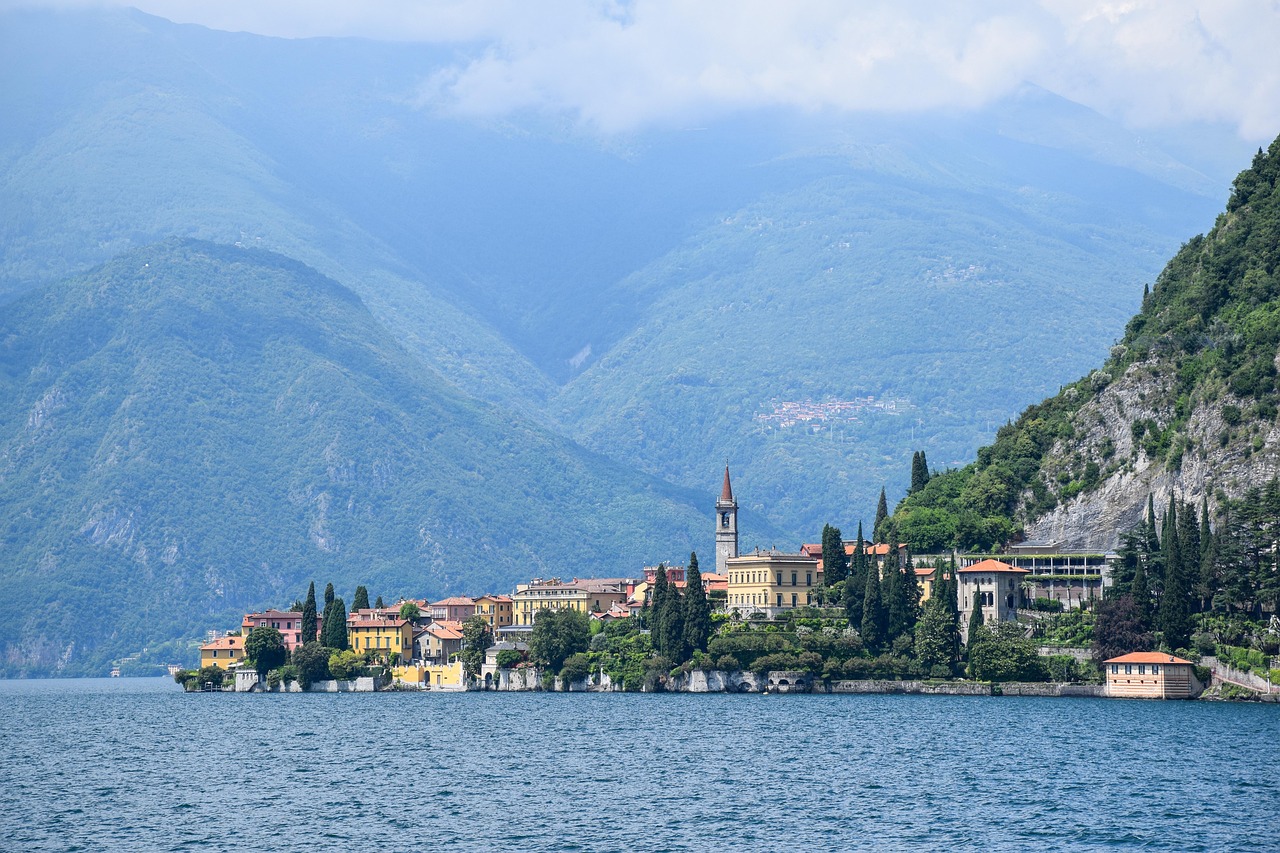
Milan and the Lakes to the Alps Lake Como Lake Garda Dolomites with lakeside serenity
If “Milan Duomo Lake Como Bellagio Varenna Lake Garda Dolomites luxury” is on your radar, you’re designing an arc of polish into calm. Milan is modern Italy in a tailored suit—galleries, aperitivo culture, and design heritage—then the lakes soften everything, and the mountains close the journey with clean air and cinematic light. These are well worth a visit for travellers who want beauty without feeling jostled.
Milan Duomo terraces, design districts and a touch of castle history
In milan, begin with the Duomo terraces for a rooftop perspective—stone spires and city geometry. Then explore the design districts, where craftsmanship is part of the everyday. For history with an urban edge, a walk past Sforza Castle adds a grounded sense of continuity.
Milan also works beautifully as a one- or two-night start or finish: an elegant bookend to slower landscapes.
Lake Como and Lake Garda then Dolomites and the alps
Lake Como is calm elegance at its most picturesque. Choose a villa base if you can, and set aside time for a private boat hour—simple, restorative, and unforgettable. The lakeside towns of Bellagio and Varenna reward a slow wander: waterfront promenades, small boutiques, and long coffees watching boats glide by.
For variety, Lake Garda offers a different palette—broader horizons, relaxed promenades, and thermal baths for true restoration. Then, if your schedule allows, lift into the Dolomites. The dolomites and the alps bring a final contrast: mountain light, spa hotels, and scenic drives that feel cinematic yet grounded.
To keep it crowd-light, travel on weekdays and reserve key experiences early. A concierge-led plan—drivers, restaurant bookings, boat timings—gives you confidence, so you can simply arrive and enjoy what’s worth a visit without the friction.
Seamless Planning for a High End Trip to Italy best time to visit in Italy high speed train Rome Florence Venice luxury budget safety
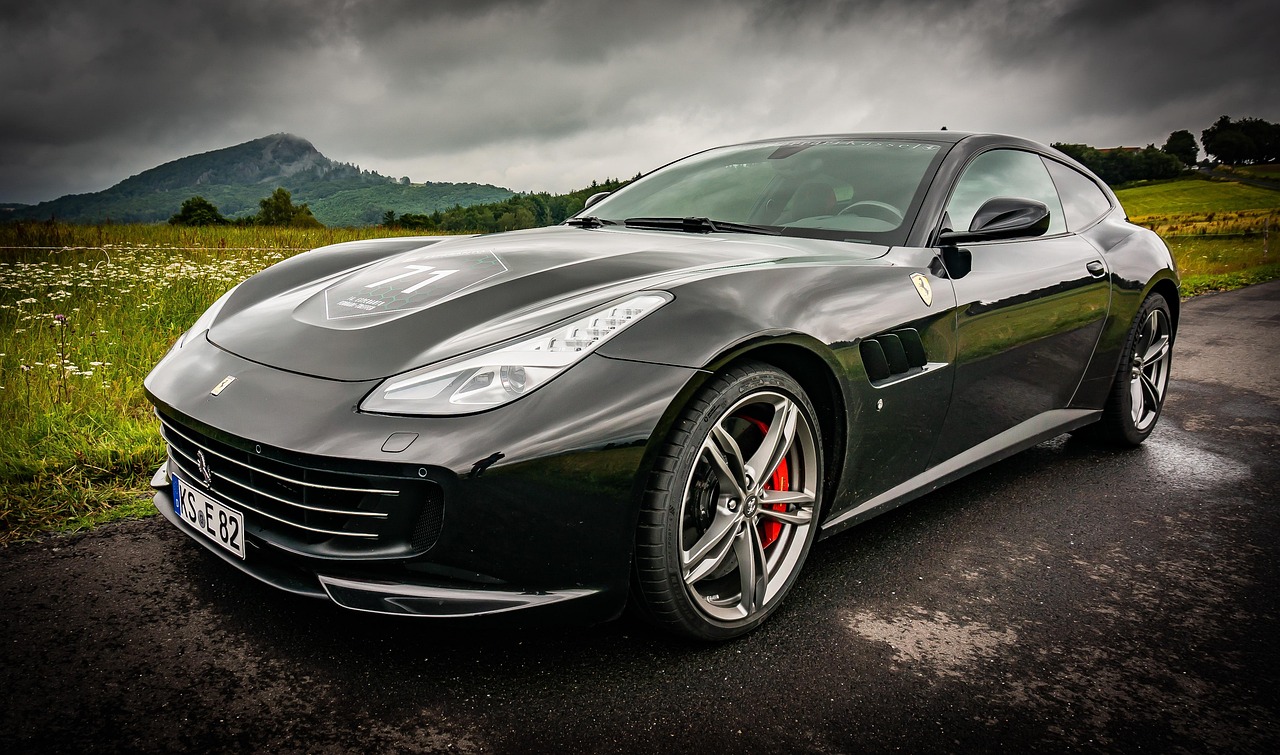
Seamless Planning for a High End Trip to Italy with classic Italian road style
If you’re researching “best time to visit in Italy high speed train Rome Florence Venice luxury budget safety”, you’re already thinking like a seasoned traveller: you want the trip to feel smooth. The most successful trip to italy is designed around comfort and timing—so exploring italy feels joyful, not effortful. A few thoughtful decisions up front create the space for spontaneity later.
Best time to visit in Italy and how to move with ease
To visit in italy with the best blend of weather and calm, choose spring (April to June) or early autumn (September and October). These are often the most comfortable months for city walking and countryside days, and they help you avoid the highest peaks in hotel pricing. It’s also a lovely time to rediscover Rome, florence and venice without feeling pressed.
For transport, design around high-speed trains between Rome, Florence and Venice. They’re efficient, comfortable, and remove the stress of driving in cities. Then add private car services for Tuscany, the Amalfi Coast, and any countryside day trip where you want flexibility and local insight.
Luxury budget, bookings, safety and gentle customs
As a baseline, budget around €150–€300 per day for luxury accommodation, fine dining, and exclusive experiences—knowing it typically rises in peak season, in iconic locations, or when you add private guides and drivers. If you’re planning a villa stay, costs can shift upward, but the comfort and privacy can be deeply worth it.
- Book ahead: timed tickets for major museums and guided tours, plus key restaurants—especially in peak weeks.
- Stay aware: pickpockets in crowded areas; keep valuables minimal, and use hotel safes thoughtfully.
- Respectful visits: follow church dress codes when entering a basilica or sacred site; a light scarf can be a simple solution.
- Support matters: a trusted travel expert can coordinate changes, weather pivots, and last-minute reservations with calm confidence.
If you’d like a visual sense of what a crafted itinerary can look like, you can browse our Trip gallery. The aim is always the same: a journey that feels seamless, personal, and quietly reassuring from start to finish.
With the practicalities handled, Italy becomes exactly what you hoped for—an experience you can relax into, together.
After Italy What Stayed With Me discover Italy personal journey reflection
When I think back on “discover Italy personal journey reflection”, it isn’t the grand moments that arrive first—though they were there, luminous and unmistakable. What lingers is the hush before Venice fully wakes, when the water is still and the city seems to breathe in slow time. It’s the weight of stone in Rome, warm under the hand, and the way history feels less like a lesson and more like a presence.
I remember the softness of Tuscan light across the vines, and the quiet pride in a winemaker’s voice as they poured something they rarely share. I remember how a well-timed reservation can change an evening, how a thoughtful route can spare your feet, and how being supported allows you to look up more often—to notice, to wonder, to feel. That, perhaps, is the gentlest luxury: not having to hold every detail yourself.
Later, at home, the memories return in textures. The clink of a cup on a saucer in a small piazza. The sound of shoes on a bridge in Venice. The faint salt in the air along the coastline. You realise the journey didn’t end at the airport; it simply folded itself into you, becoming a personal archive of light, warmth, and trust.
And the loveliest part is knowing Italy is never truly finished—there will always be another corner, waiting for your next visit to italy, when the time is right.
F.A.Qs:
Which is the most visited place in Italy?
Rome is often considered the most visited, thanks to the Colosseum, the Vatican Museums and the city’s extraordinary concentration of landmarks. Within Rome, the Vatican area and the Colosseum zone typically draw the highest footfall, especially in peak season.
What is the prettiest place in Italy to visit?
“Prettiest” depends on your style: Venice feels like a living painting at dawn, Tuscany is all golden hills and vineyards, and Lake Como offers serene lakeside elegance. For many travellers, Cinque Terre is also one of the most beautiful for pure coastal scenery.
How often do people shower in Italy?
Most Italians follow habits similar to the rest of Europe, with daily showers being common—especially in warmer months. In summer, some people shower more than once a day due to heat and humidity, while in cooler seasons it can vary by personal preference and region.
What are the big 3 in Italy?
The “big 3” Italian cities most first-time visitors prioritise are Rome, Florence and Venice. Together they offer ancient history, Renaissance art, and a unique waterside cityscape, with efficient high-speed trains making the route straightforward to plan.