Post Contents
- Designing a Luxury Travel Guide to Italy Tourist Places – Best Places, Beautiful Stops, and a Bucket List Itinerary
- Rome’s Ancient Grandeur as a Tourist Destination – Colosseum, Roman Forum, Vatican Museums, and the Sistine Chapel
- Venice and Cinque Terre Romance – Canals, Gondola Evenings, and Italian Riviera Charms
- Florence and Tuscany Renaissance Beauty – Uffizi Masterpieces, Michelangelo, a Duomo Walk, and a Vineyard Day with Pisa
- The Amalfi Coast and Naples – A Coastline of Limoncello, Positano Views, and Pompeii Day Trips
- Milan to the Dolomites – Lake Como Style, Alpine Air in the Alps, and a Hidden Gem Finale
- Leaving Italy: What Stays With You After Visiting These Best Places
- F.A.Qs: Italy tourist places and luxury travel planning made simple
Designing a Luxury Travel Guide to Italy Tourist Places – Best Places, Beautiful Stops, and a Bucket List Itinerary
Designing a Luxury Italy Travel Guide with a crafted itinerary and designer-level pacing
When you search for italy tourist places and compare the best places to visit for a truly luxury itinerary, it helps to begin with a designer mindset: not rushing to “do it all”, but shaping days with trust, care, and clear intent. Italy is a beautiful country with beautiful places scattered across northern Italy, central Italy, and southern Italy; the art is threading them together so it feels curated, not crowded.
For many high-end travellers, this is a true bucket list travel destination—yet it can also be surprisingly gentle when designed well. For a first trip to Italy (or a return visit), protecting your pace is what makes the whole experience feel effortless, especially on your first visit in italy.
Best time to visit and best times for comfort, crowds, and beach weather
For comfortable weather and fewer crowds, April to June and September to October are often ideal—great for terraces, gardens, and walking routes without the crush of peak summer. It’s also the season when concierge teams can often secure better dining tables and more flexible private guides. If your calendar only allows July or August, we can still design something seamless—just lean into early starts, private boats, and restful afternoons by the beach or pool.
If you want a quieter twist, consider a few days on the island of sardinia for clear water and refined resorts, or a shoulder-season add-on in sicily for soulful baroque towns and slow island evenings—both can complement mainland italy beautifully without changing the spirit of your itinerary.
Exploring Italy with trains, drivers, and a crafted route
Italy’s high-speed trains are a gift for high-end travellers: fast, comfortable, and remarkably efficient between major italian cities such as Rome, florence, venice, and milan. For countryside days—think tuscany vineyards, Chianti lanes, or a dramatic coastline—a private car service becomes the quiet luxury that keeps your day flowing.
A grounding note that helps every itinerary click: Rome is the capital of italy, and it’s often the most logical starting point for first-time visitors. From there, you can string together regions northward (Rome → Florence/Tuscany → Venice → Milan/Lake Como), or reverse the direction—either way, a well-designed route avoids backtracking and keeps the feeling of exploring italy intact.
Use this planning checklist to create calm, confident days—especially around the top attractions and top tourist corridors:
- Book museum tickets online well in advance; request early-entry or special access where possible.
- Confirm dress codes for religious sites (covered shoulders and knees) to avoid last-minute stress.
- Build “white space” into each day: a café stop, a gallery pause, an unhurried piazza moment.
- Stay aware of pickpockets in crowded areas; keep valuables secure and hands free.
If you’d like to see how our journeys look in real life—hotels, pacing, and those small details that create confidence—you can browse the Trip gallery. Think of this page as a luxury travel guide you can use to shape your own route, then refine with expert support where it matters most.
With the foundations in place, we can move into Italy’s most iconic scenes—beginning with the city where scale, story, and grandeur still feel almost unreal.




Rome’s Ancient Grandeur as a Tourist Destination – Colosseum, Roman Forum, Vatican Museums, and the Sistine Chapel
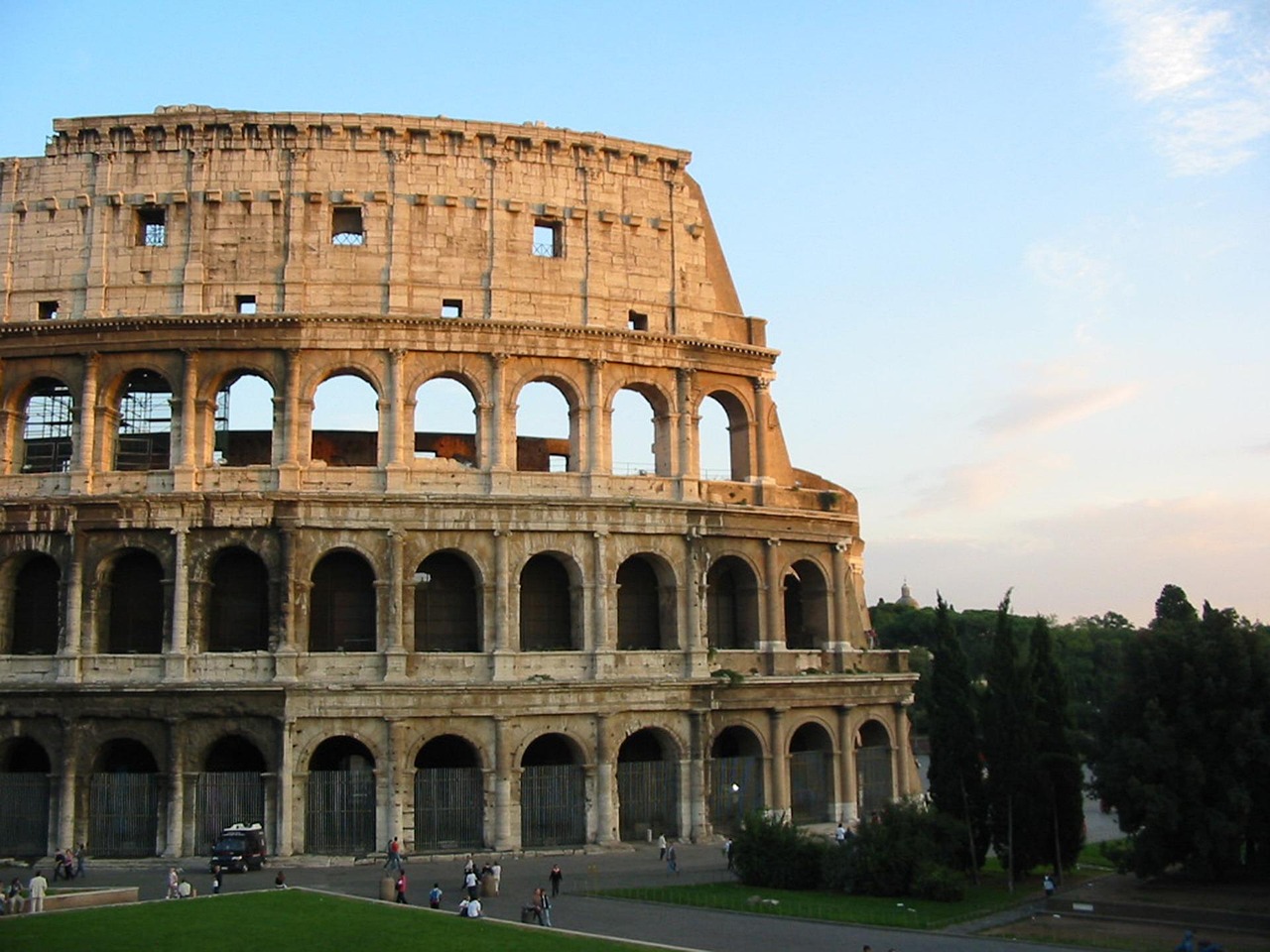
Rome’s ancient grandeur at the Colosseum, designed for insight and ease
For many travellers, rome and vatican city sit at the heart of any list of italy tourist places: the Colosseum, the roman forum, and the possibility of a private Vatican Museums visit that ends beneath the ceiling of the sistine chapel. Done well, this is not a whirlwind—it’s a day designed around expert storytelling, smart timing, and a pace that feels steady, not strained.
Centre of Rome day plan with the Roman Forum and Colosseum
Begin early in the center of rome, before the streets fully swell. With an expert private guide, the Colosseum becomes more than a photo stop: you’ll uncover how engineering, politics, and spectacle shaped the roman empire. Continue into the Forum where temples, arches, and worn stones make the ancient world feel startlingly present.
High-end tip: choose early-entry or a first-slot guided tour, then retreat for a long lunch where you can actually absorb what you’ve seen. Rome rewards travellers who create breathing space between monuments—your memory of the city will be richer for it.
The Vatican Museums with a private viewing and a basilica moment
The Vatican Museums deserve their own calm window of time. A private viewing changes the emotional temperature completely: you can stand, look up, and let the paintings settle, rather than being carried by the crowd’s current. Dress respectfully, plan around security, and aim for timings that avoid midday crush points.
Afterwards, step into peter’s basilica, often described as the largest church in italy. Even if you’ve seen countless churches, this basilica experience is different in scale and atmosphere; it asks for a quieter voice, a slower step. If queues are long, your guide can advise the best entry strategy—confidence is simply good planning.
As evening arrives, keep the pace gentle: a sunset stroll from a lantern-lit piazza to a classic viewpoint, then dinner in a neighbourhood you can walk back through comfortably. Rome is generally safe, but it pays to stay situationally aware in crowded areas, especially around major sights.
For couples and families, one curated experience—like a private guide or a timed museum entry—often creates the most meaningful day. You’re not just “seeing” Rome; you’re being supported to experience it together, with space for personal questions and unhurried wonder.
From Rome’s ancient stone, the journey can turn towards water and light—where romance is less about clichés and more about the way a city slows you down.
Venice and Cinque Terre Romance – Canals, Gondola Evenings, and Italian Riviera Charms
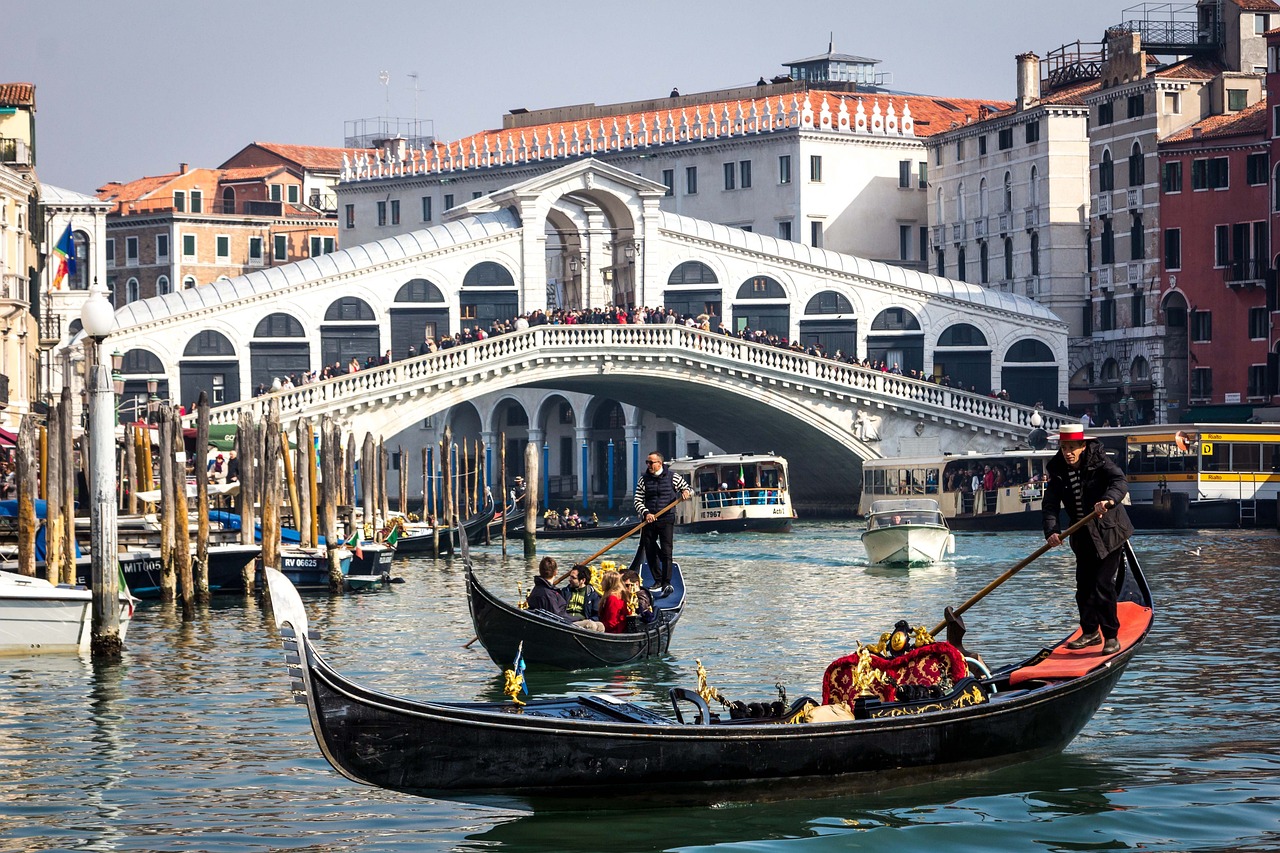
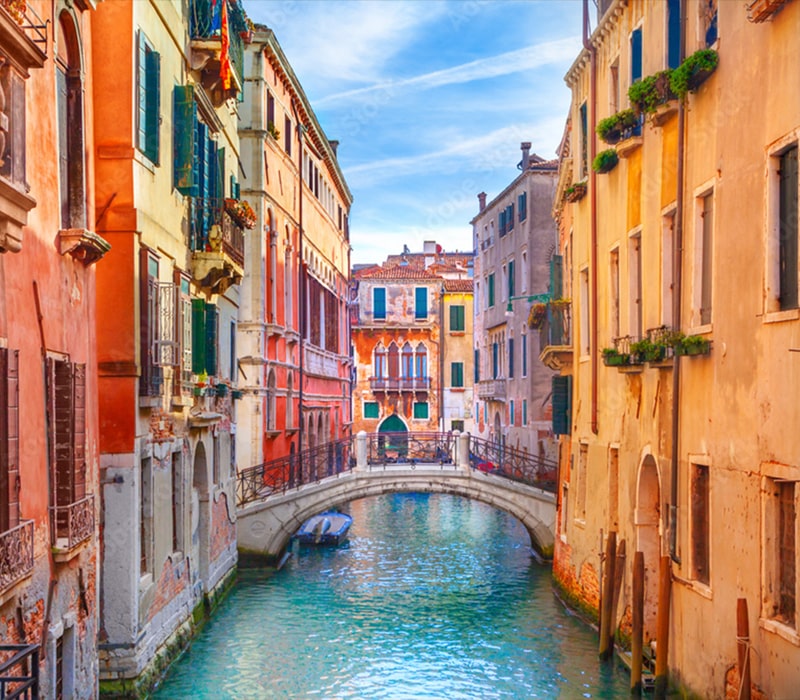
Venice at dusk: slow water routes, soft light, and lingering moments
If your search includes venice moments by the water and a refined escape to cinque terre on the italian riviera, you’re imagining Italy at its most cinematic—yet the magic is strongest when it’s intimate. The best way to visit venice is to design a slower rhythm: one beautiful route, one unhurried museum or church, and time to simply listen to water moving through stone.
Venice by gondola at an unhurried pace
Choose a gondola ride as a deliberate chapter rather than a rushed tick-box. A carefully chosen route can include a quiet canal stretch, then a glimpse of the grand canal as palazzo façades rise like theatre sets. This is where Venice feels most personal: not a performance, but a pause.
A couple once told us their sunset ride in Venice deepened their connection—not because it was showy, but because they finally exhaled. The city asked nothing from them except to be present, together, while light turned the water bronze and softened the edges of the day.
Rialto area and Ponte di Rialto: a lost-on-purpose hour
For texture, begin near the market quarter, then step away into smaller lanes where a courtyard, a tiny bakery, or a masked artisan becomes your souvenir. Build in a “lost-on-purpose” hour: turn the map off, wander, then meet your driver or water taxi at a pre-agreed point. It’s the perfect balance of freedom and support, especially if you’re travelling with family.
For comfort: keep your valuables secure in busy lanes, and ask your hotel to arrange a private transfer for arrivals and departures. Venice is compact, but luggage and bridges are a pairing best avoided when you can create a seamless alternative.
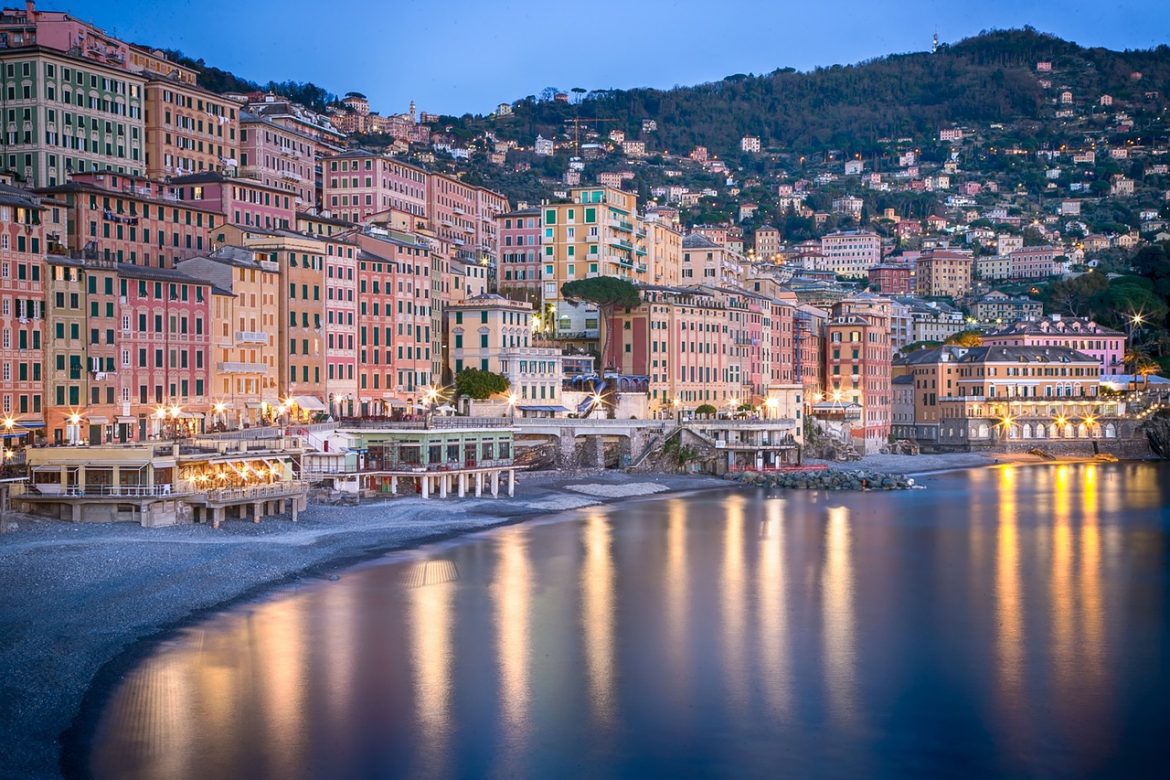
Then, shift from lagoon to rugged shore. cinque terre is a jewel-like gem along the coast, and its villages are part of a unesco world heritage site landscape that feels both wild and lovingly lived-in.
Here’s a simple way to shape a day in the 5 towns without the midday congestion:
- Start early in vernazza for a picturesque harbour view when the lanes are still quiet and the light is kind.
- Continue to monterosso al mare (or monterosso) for an easy beach hour and a long seafood lunch.
- Use timed trains, or add a private boat segment for a more effortless, photographic perspective.
Note that Cinque Terre is a national park area with path conditions that change; your concierge can confirm which walks are open and whether you’ll enjoy light hiking or prefer a beach-and-boat day. Either way, the goal stays the same: a coastline experience that feels crafted, not chaotic.
After sea air and salt, Italy’s next pleasure is colour and craftsmanship—where art feels like a conversation across centuries.
Florence and Tuscany Renaissance Beauty – Uffizi Masterpieces, Michelangelo, a Duomo Walk, and a Vineyard Day with Pisa
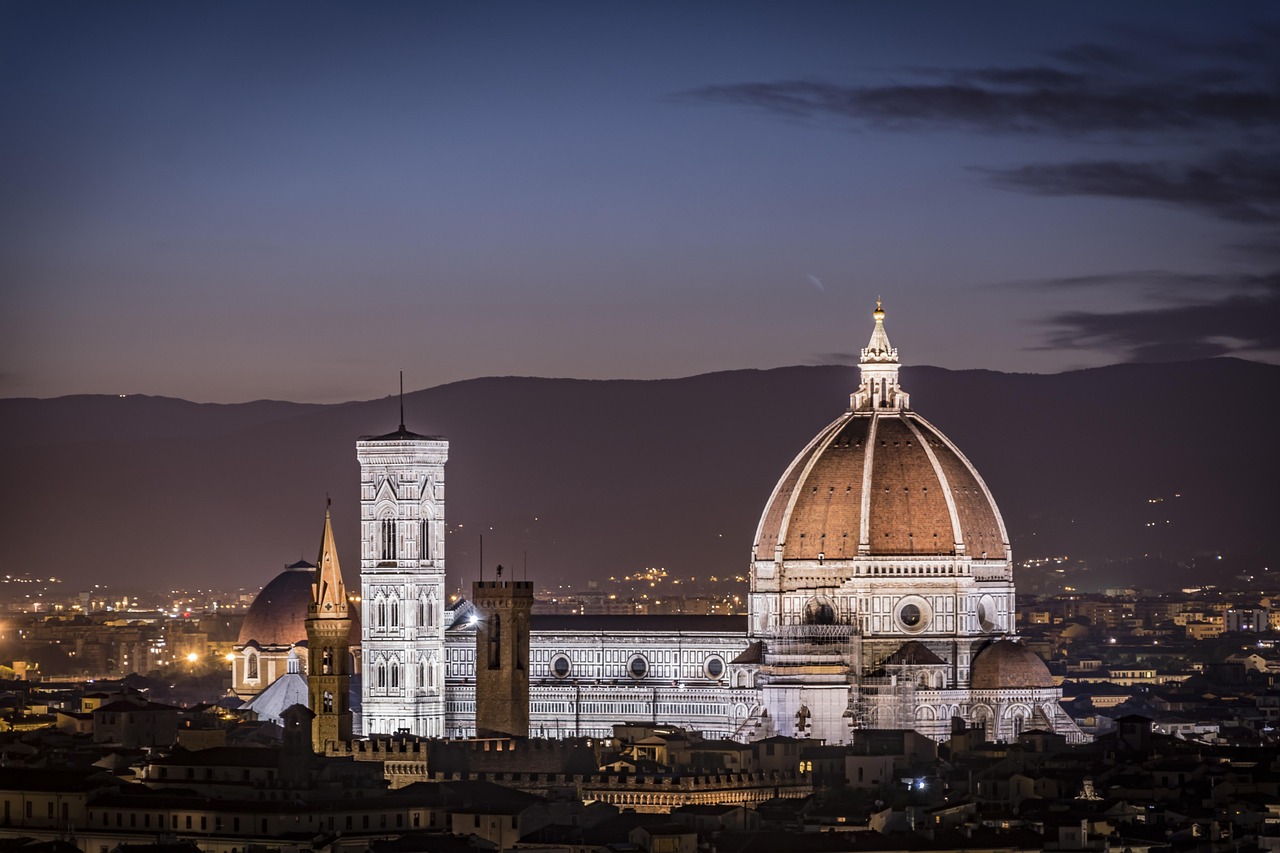
Florence near the Duomo: Renaissance detail, marble light, and timeless craft
florence can read like a checklist on paper, but the real luxury is time: time to look, to learn, and to let beauty land. As a city in italy for art lovers, Florence offers masterpieces within walking distance—and with timed entries, your days can feel calm, connected, and thoughtfully guided.
Florence and the Uffizi with timed entry and true insight
Begin with the Uffizi Gallery, pre-booked with a timed slot for a smoother arrival. Inside, you’ll discover Botticelli’s grace and the strength of Renaissance composition; you’ll also find references to michelangelo that deepen the story of the city. A private guide can help you explore with confidence, translating symbolism and technique into something you’ll actually remember.
A solo traveller once described standing beneath Michelangelo’s David as a moment of awe—and not just admiration, but creative clarity. In Florence, that kind of personal encounter is possible when you design your day so you’re not arriving flustered. Let the morning be about art, then give yourself permission to slow down.
Duomo walks, Santa Maria del Fiore, and Ponte Vecchio at golden hour
Step out into the duomo quarter around santa maria del Fiore—more precisely, santa maria del fiore—where marble geometry seems to change with the light. Later, aim for ponte vecchio at golden hour; it’s one of those moments that feels gently cinematic even on an ordinary day. If you linger for photos, keep a soft awareness of crowds and your belongings.
From Florence, the countryside opens easily. A one- or two-night extension into tuscany lets you exchange museum rooms for cypress-lined lanes, stone villages, and a slower kind of luxury.
In Chianti, choose a private vineyard visit with a tasting led by a winemaker or sommelier. One wine enthusiast shared how harvesting grapes in Tuscany—hands stained purple, laughter in the rows—ended in a private tasting that felt like being welcomed into someone’s life, not sold to. That’s the experience to ask for: local, expert, and quietly generous.
And yes, you can add pisa without tipping the day into exhaustion. The leaning tower is an easy rail journey from Florence, or an even smoother hop with a private driver if you’re continuing into the countryside. Arrive, take in the leaning tower of pisa, and linger in the piazza dei Miracoli—an unesco world heritage ensemble—then leave before the afternoon crowds gather, keeping the day seamless and light.
Next, we turn south, where cliff roads and citrus trees introduce an Italy that feels sunlit and deeply restorative.
The Amalfi Coast and Naples – A Coastline of Limoncello, Positano Views, and Pompeii Day Trips
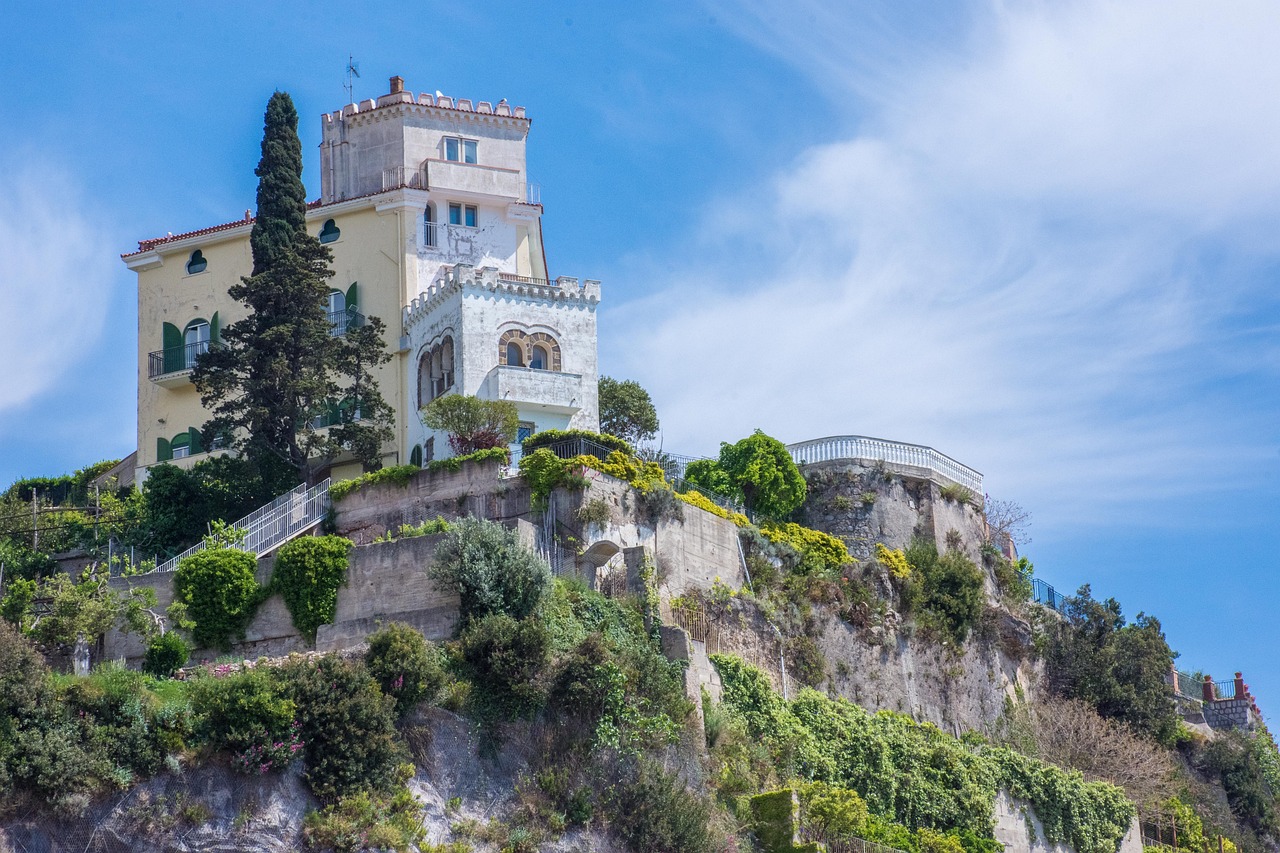
The Amalfi Coast: sunlit roads, sea views, and slow-luxury afternoons
The amalfi coast is the dream sequence many travellers hold onto for years—and for good reason. It’s one of the most memorable places to visit in italy, defined by a dramatic coastline, bright villages, and the feeling of being suspended between sea and sky. The secret is pacing: give yourself 2–4 nights so the region feels like a retreat rather than a day trip.
Amalfi Coast living with a cliffside rhythm
One traveller described their stay as “the first time I realised rest can be designed”. Mornings began with fresh lemons on the table, a soft breeze off the water, and sea views that made time feel generous. This is where the Amalfi Coast shines for high-end travellers: wellbeing through beauty, not through schedules.
For a sense of place, try a chilled glass of limoncello after dinner—simple, local, and quietly joyful. Plan restaurant reservations early, especially in peak season, and let your hotel coordinate transfers so you’re not negotiating narrow roads and parking.
Positano, one beach day, and a boat escape
positano is the visual icon: pastel houses, steep stairways, and boutiques tucked into unexpected corners. Design one day for the beach (or a beach club) and another for the sea—private boat time can be the most calming way to experience the Amalfi Coast. It also solves the practical problem of road traffic while giving you the most flattering views.
To keep evenings relaxed, ask your driver to handle hotel-to-hotel transfers and sunset viewpoints, then let dinner be walkable from your base. This is where support becomes the ultimate luxury: you can explore without feeling responsible for every detail.
Then, for contrast, step into naples. It’s energetic, expressive, and best experienced with a guide who helps you uncover the city’s flavours with confidence.
Plan a guided, food-focused afternoon that stays in well-travelled areas, and pair it with pompeii for history without overwhelm. With a private driver, you can do Pompeii early, return to Naples for lunch, then retreat back to the coast or onward by train—crafted, not chaotic.
From southern heat and sea air, Italy’s north offers polish and alpine quiet—an elegant counterbalance that feels restorative.
Milan to the Dolomites – Lake Como Style, Alpine Air in the Alps, and a Hidden Gem Finale
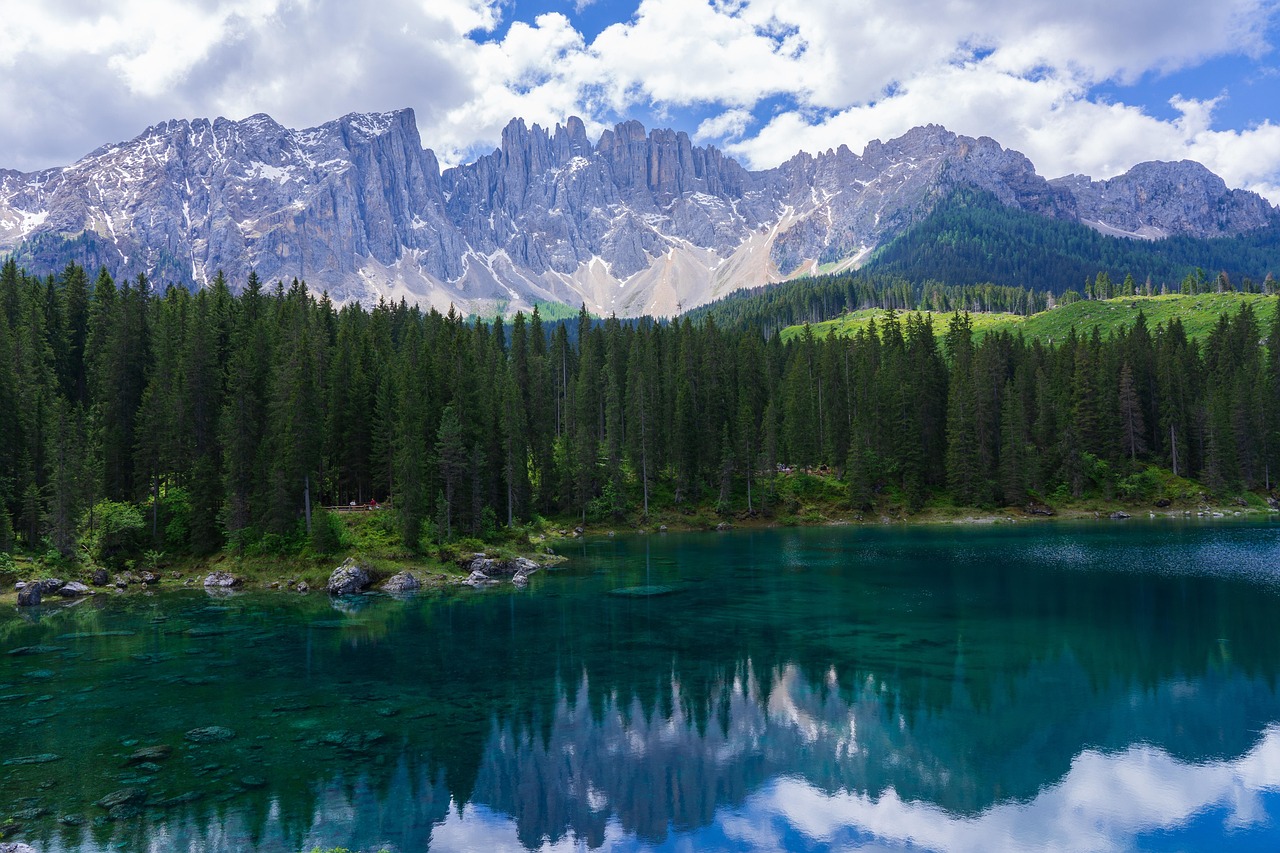
From Milan to the Dolomites: polished cities, quiet lakes, and alpine restoration
milan reads like a refined finale—and it can be, especially for travellers who want style and serenity in equal measure. Milan is a modern counterpoint to Rome and Florence: sharper lines, contemporary energy, and a sense that design is part of daily life. If you need to visit milan on a business schedule, you can still create delight—by planning efficiently and protecting your evenings.
Milan city pleasures with the Duomo and Michelin-starred warmth
Start with the Milan duomo for a quick, high-impact moment, then explore a design district with an unhurried coffee stop. If time allows, add castle time at Sforza Castle for a different view of the city’s history and scale. A business traveller once told us that after meetings, a Michelin-starred dining experience in Milan became the highlight: traditional flavours, modern technique, and service that felt genuinely caring.
To keep your day seamless, group sights by neighbourhood and pre-book tables—Milan rewards travellers who design around reservations rather than hoping for walk-ins.
Lake Como and Piedmont for lakeside calm and seasonal flavour
From Milan, lake como is the polished exhale: villa-lined shores, private boat transfers, and long lunches where the view does half the work. A simple option is train plus driver—train from Milan to the lake, then a private car to your hotel—so movement stays smooth.
In Piedmont, you’ll uncover a quieter kind of luxury. Join expert hunters and attentive dogs for truffle hunting, then return to a local estate to taste what you’ve found. One traveller recalled the thrill of discovering rare truffles in woodland soil—mud on boots, laughter in the trees—followed by a meal that made the whole afternoon feel like a secret shared. It’s a true hidden gem experience: sensory, seasonal, and deeply local.
Dolomites and the Alps for restorative air
Finally, let the dolomites and the alps reset you. Choose a spa hotel with mountain views, take restorative hikes that suit your fitness level, and breathe air that feels clean and bright. After the energy of Venice, Florence, Naples, and Milan, the Dolomites offer quiet that doesn’t feel empty—it feels earned.
If you’re planning this northern stretch, a few high-end notes help it land beautifully:
- Keep milan to one or two nights if it’s primarily a gateway; add more if dining and design are priorities.
- Choose one anchor base on lake como to avoid constant packing and unpacking.
- Book truffle season experiences early in Piedmont, as the best estates keep small groups.
- In the dolomites, prioritise wellness and views over long drives—less movement, more restoration.
And then, almost without noticing, the journey turns towards home—yet Italy rarely feels like it ends cleanly.
Leaving Italy: What Stays With You After Visiting These Best Places
italy tourist places can sound like a simple search term, but the reflections afterwards are often the truest part of travel. What lingers isn’t only what you saw; it’s the softened sense of time—the way light moved across stone, the way a waiter remembered your preference, the hush that fell before a masterpiece as if the room itself was listening.
You may remember a shared laugh on a quiet bridge in venice, when the city felt like it belonged to you for a moment. Or the steady awe in florence, standing beneath David and realising art can rearrange your inner landscape. Or the calm of the amalfi coast at breakfast, when sea air and lemon trees made “enough” feel beautifully simple.
For the foodie, it might be milan at night—unexpected warmth behind the formality of a fine dining room, and the realisation that pleasure can be both elegant and easy. For the wine lover, it’s the quiet pride of a winemaker in tuscany, explaining a vintage as if it were a family story. And for those who seek something earthy and rare, it’s the memory of woodland in Piedmont—hands brushed with soil, breath held for a second, then the small triumph of finding what was hidden.
Perhaps that’s the true gift of a crafted journey: not that you ticked off a travel bucket list, but that you felt held by beauty and human warmth, with enough support to be fully present. Long after you’ve unpacked, Italy stays with you in small, vivid fragments—an unseen piazza you didn’t turn into, a season you haven’t tried yet, and a future return that feels less like a plan and more like a quiet possibility. Those are the top italy moments—personal, unrepeatable, and quietly unforgettable.
F.A.Qs: Italy tourist places and luxury travel planning made simple
Which place is the most visited in Italy?
Rome is often considered the most visited place in Italy overall, with the Colosseum and the Roman Forum drawing huge numbers each year. Within Rome, the Vatican Museums and St. Peter Basilica are among the busiest. For a calmer experience, book timed tickets or arrange early-entry or private viewings, especially in peak season.
Is $10,000 enough for a trip to Italy?
$10,000 can be enough for a trip to Italy, depending on the length, season, and the level of luxury you choose. High-end travellers can make it work with fewer internal flights, smart use of high-speed trains, and careful hotel selection. Private guides, drivers, and premium rooms can raise costs quickly, so prioritise the experiences that matter most to you.
What are five must-see destinations for first-time visitors?
Many travellers shortlist Rome, Venice, Florence, the Amalfi Coast, and Tuscany as five essential stops, because each offers a distinct mood—ancient history, water-city romance, Renaissance art, dramatic coastline, and vineyard life. To keep it seamless, plan a logical route by train and add private transfers for countryside or coastal days.
Can I drink tap water in Italy?
Tap water is generally safe to drink in Italy, particularly in cities and towns. In some areas, the taste may differ due to mineral content, so many hotels offer filtered water or provide bottled options. In restaurants, you can ask for “acqua del rubinetto” (tap water), though bottled still or sparkling water is more commonly served.