Post Contents
- First steps on the Grand Canal: the Peggy Guggenheim Collection museum at Palazzo Venier dei Leoni
- Making of a Collector: London risk-taking and the Guggenheim Foundation legacy
- Masterpieces up close: modern art highlights inside the museum’s intimate rooms
- Canal-side quiet magic: the sculpture garden at Palazzo Venier dei Leoni
- Evening energy, guided tour options, and a temporary exhibition during the Venice Biennale
- Design a seamless visit: tickets, timing, and museum etiquette
- Dorsoduro museum mile route: from Accademia to gallerie dell’accademia and Le Stanze del Vetro
- What stayed with me after time with the Peggy Guggenheim Collection: a personal reflection
- F.A.Qs: Peggy Guggenheim Collection Venice Italy
First steps on the Grand Canal: the Peggy Guggenheim Collection museum at Palazzo Venier dei Leoni
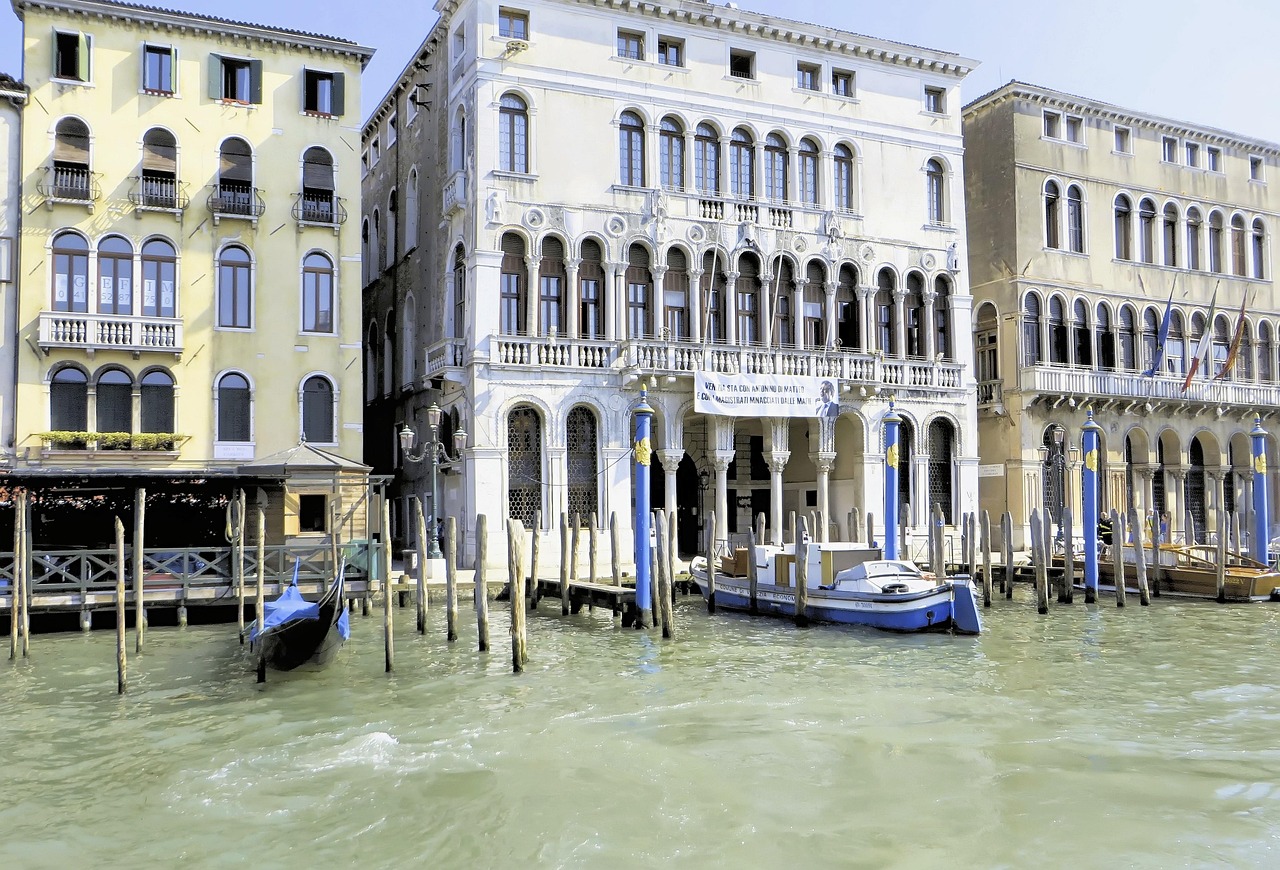
Arriving by water and slowing down on the canal, just before you step into the galleries
If you’re planning peggy guggenheim collection venice italy as a cultural highlight, this museum feels like a private invitation rather than a test of patience. The peggy guggenheim collection is located inside a low, elegant residence, right on the grand canal in venice—an address that instantly changes your pace. Step off the waterside walkway, cross a calm threshold, and let the city’s shimmer stay outside while the rooms quietly pull you in.
For high-end travellers who love culture but don’t want the scale (or noise) of mega-institutions, this is the guggenheim museum in venice that behaves like a peggy guggenheim house museum. The layout encourages you to move slowly, returning to favourite works without feeling rushed. The result is unusually intimate: short sightlines, quiet corners, and a sense that the art is close enough to speak.
Venier dei Leoni: a calm threshold where canal light softens the first rooms
On arrival, notice how the light lands on stone and water, and how the first spaces feel like a gentle exhale. You don’t need to “know” anything to belong here; begin with one room, one wall, one moment of attention. Let the museum do what it does best—support a slower, more personal kind of seeing.
If you ever feel “behind” on art history, trust this: choose one piece that stops you, and let your own questions lead. That approach—attention over urgency—often unlocks the most meaningful viewing.





Making of a Collector: London risk-taking and the Guggenheim Foundation legacy
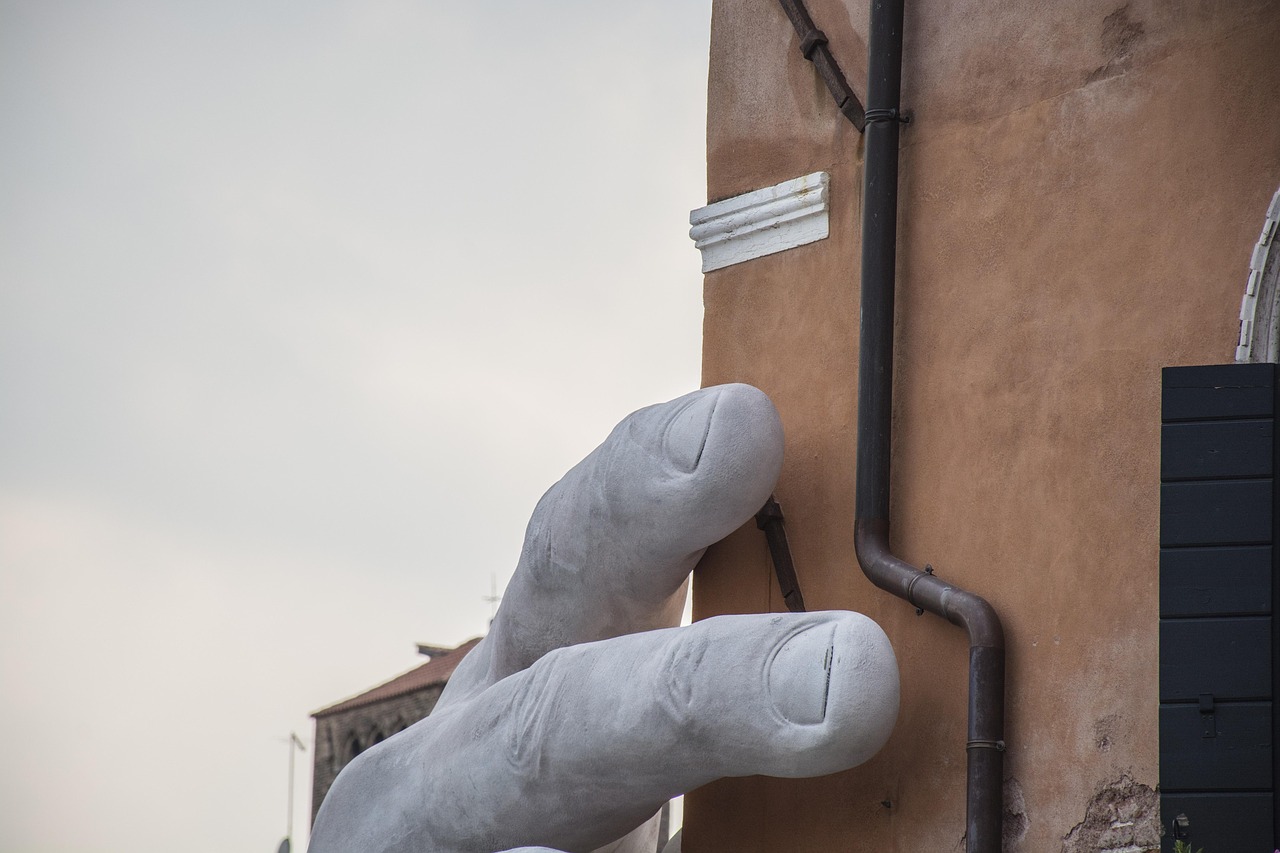
The early choices that shaped a collector’s eye—and still shape how you experience the rooms today
The Making of a Collector story is less about polite patronage and more about bold, adventurous taste backed by real risk. This making of a collector arc is fuelled by choosing artists before the wider world agreed, supporting new ideas when convention preferred the safe. As you walk through the galleries now, you’re not just seeing objects—you’re meeting decisions made with uncommon confidence.
Peggy Guggenheim in London: Guggenheim a Londra, Guggenheim Jeune, and a first solo exhibition
Peggy Guggenheim’s years in London sharpened her instincts and her nerve, and that turning point still echoes through the collection. If you’ve ever searched guggenheim a londra, you’re really looking for the moment her life tilted toward the avant-garde and never quite looked back. She opened Guggenheim Jeune—guggenheim jeune—her sua prima galleria, where a first solo exhibition helped refine what she would champion next.
This site also connects to a wider constellation: the Guggenheim Foundation, Solomon R, and an international conversation that stretches to Bilbao and Abu Dhabi. Yet the heart of it remains personal—peggy and her collection, built through relationships and conviction, feels like a lived-in statement rather than a corporate showcase. Even the quieter corners reward lingering, especially when you notice how European and American art is placed in conversation.
- Insider insight to carry into the museum: look for artists she supported early, before they became “inevitable”.
- Reassuring mindset: you’re allowed to respond emotionally first, and read the labels second.
- Design your own narrative: connect one work to her courage, not just to a movement or date.
Masterpieces up close: modern art highlights inside the museum’s intimate rooms
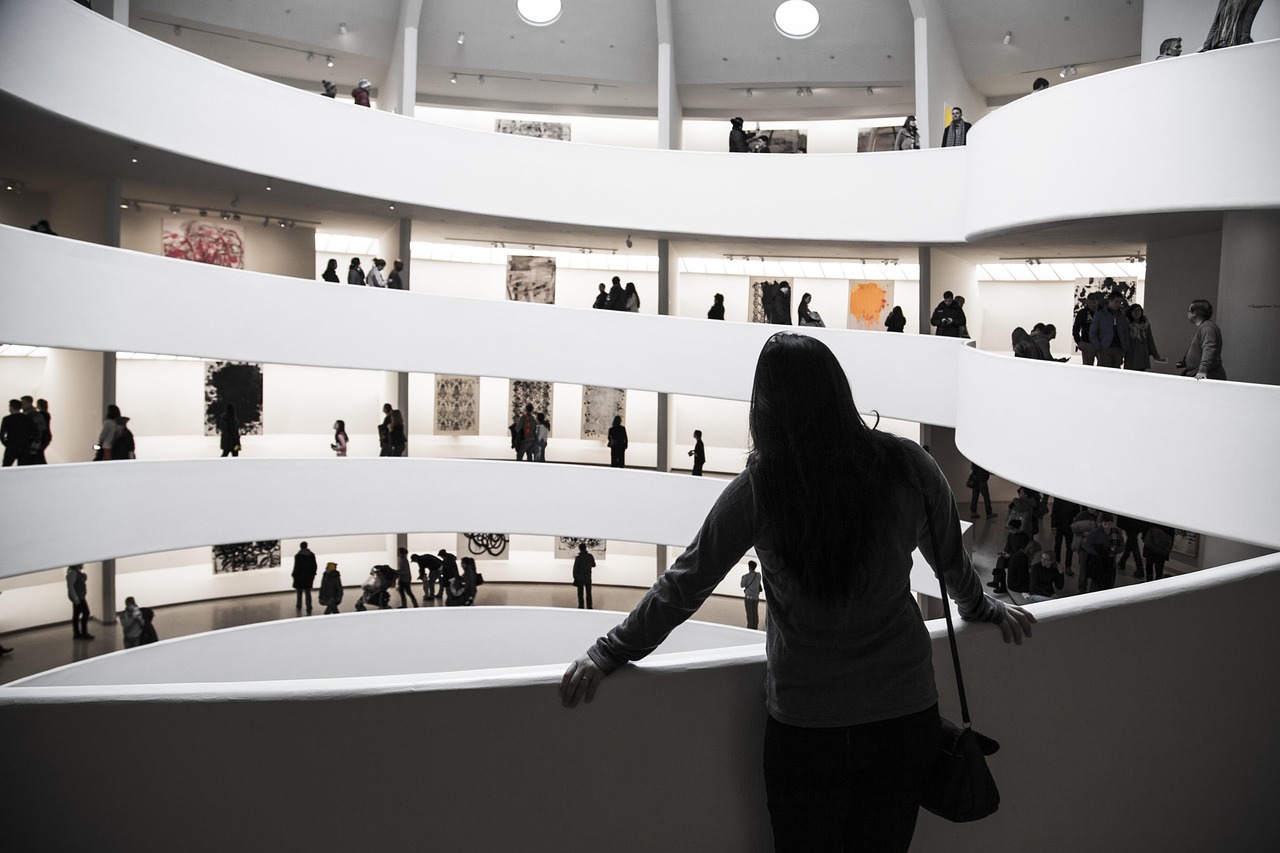
An unhurried way to meet major works at close range, without the pressure of marathon galleries
The experience here is defined by proximity: a collection of modern art presented at human scale, in rooms that reward quiet attention. This museum feels different because you can meet a masterpiece without the intimidation of endless corridors. In the museum’s intimate rhythm, your attention becomes the luxury—stand, breathe, and truly see.
Permanent collection (collezione permanente): a curatorial route through la collezione
Start with a simple, curatorial route: Picasso for structure, Jackson Pollock for velocity, and Dalí when you’re ready to be surprised. You’ll also encounter Max Ernst, and a clear thread of abstract expressionism that makes the twentieth-century story feel immediate rather than academic. The pacing is part of the pleasure—each room gives you enough space to notice how energy, line, and mood shift from one artist to the next.
For deeper art-lovers, make time for Vasily Kandinsky. His work can feel like music made visible—an anchor that keeps your experience grounded in sensation, not just theory. In moments like these, the museo ospita di opere that don’t ask for speed; they ask for presence, and for you to stay with one artwork a little longer than you planned.
If you notice references to the Schulhof collection around the holdings, take it as a reminder that collections are living ecosystems—shaped by relationships, time, and evolving taste. Let la collezione guide you gently; del museo, the flow of il museo supports reflection, almost like a well-designed home.
- Choose one work and give it two full minutes before you read anything.
- When surrealism appears, notice the dream-logic: odd scale, sharp shadows, and playful discomfort.
- Practical calm: if a room feels busy, step back and return—this is a museum designed for loops, not sprints.
Canal-side quiet magic: the sculpture garden at Palazzo Venier dei Leoni

A rare pause outdoors where art, air, and light reset your pace
The setting is a scene you can feel in your body: soft edges, waterlight, and an atmosphere that doesn’t demand performance. Step outside and you’ll find the sculpture garden, a calm pocket where the city briefly turns down its volume. Treat it as part of the visit, not an extra—this pause changes how you see when you return to the rooms.
A garden pause with views toward Santa Maria della Salute and basilica di san giorgio maggiore
Take one mindful loop outdoors, then pause. Across the water, Santa Maria della Salute fixes your sense of place, while a glance toward the basilica di san giorgio maggiore draws that clean horizon line. Many travellers—especially those navigating crowded lanes—find a peaceful retreat here and a moment of trust in their own rhythm.
Try a small ritual: sit for five minutes, write one line of insight, and let art and nature settle you. When you return indoors, you’ll notice details you might have missed earlier—proof that the most seamless travel experiences are often the quietest.
Evening energy, guided tour options, and a temporary exhibition during the Venice Biennale
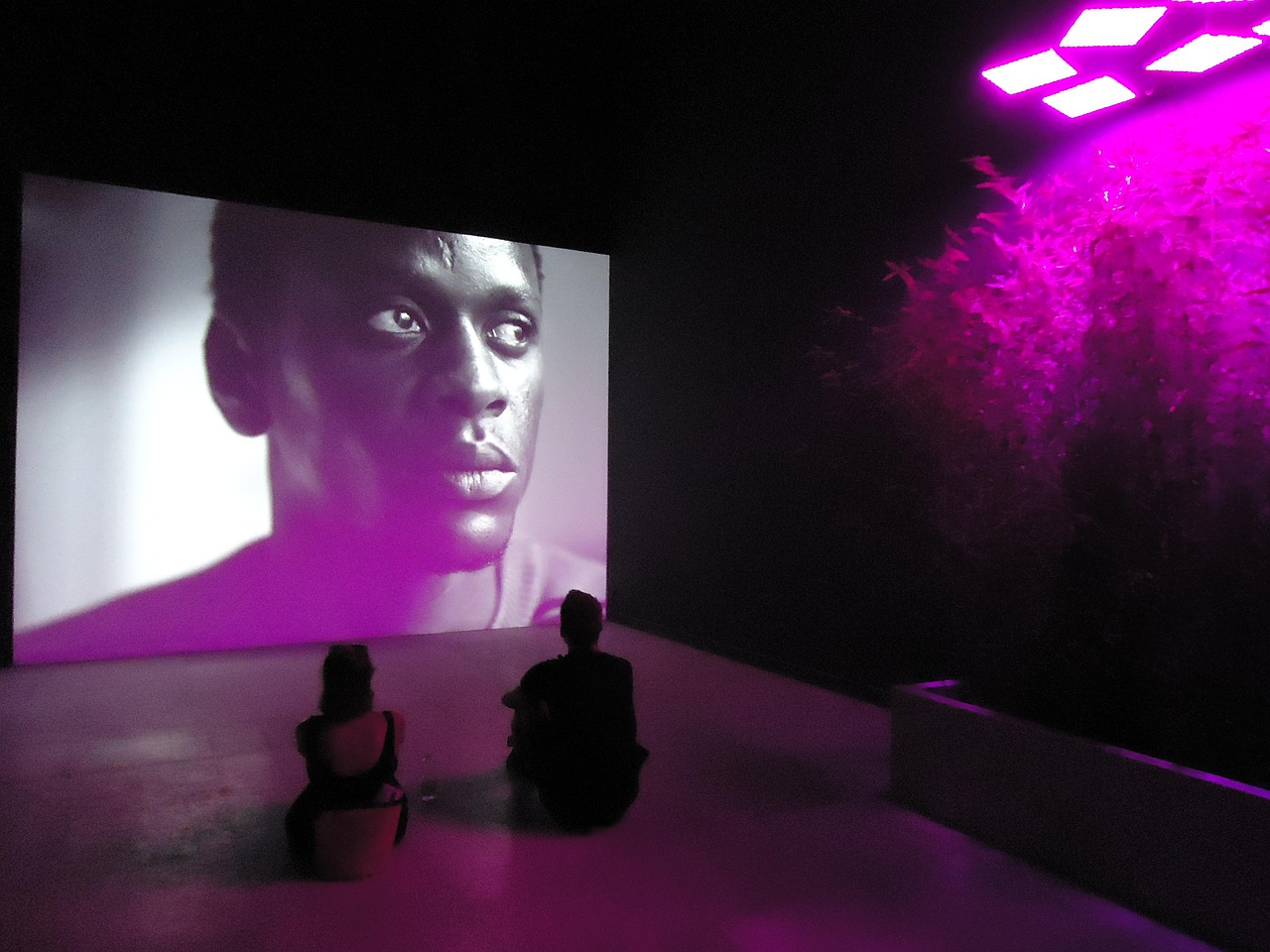
When the programme shifts, the mood shifts too—especially on late openings and special events
A temporary exhibition can completely change the mood of your visit, taking you from reflective to electrifying in a single hour. Keep an eye on the programme—la mostra temporanea—because one strong exhibition can become the most talked-about part of your day. If you enjoy contemporary ideas, this is where the energy feels current rather than historic.
Guided tour timing for layered stories, without losing the calm
If you want story layers fast, a guided tour is a smart, crafted choice. You’ll uncover connections between artists, patrons, and di peggy guggenheim details that make the rooms feel lived-in rather than merely labelled. On the busiest opening weeks, consider arriving early, moving gently, and letting others pass—this is one of the few places where calm can still be protected by shared courtesy.
Special evening events often feel surprisingly intimate: softer sound, slower pace, and a social hush rather than a party crush. Keep your voice low, move with care, and you’ll help preserve the contemplative atmosphere for everyone sharing the space.
Design a seamless visit: tickets, timing, and museum etiquette
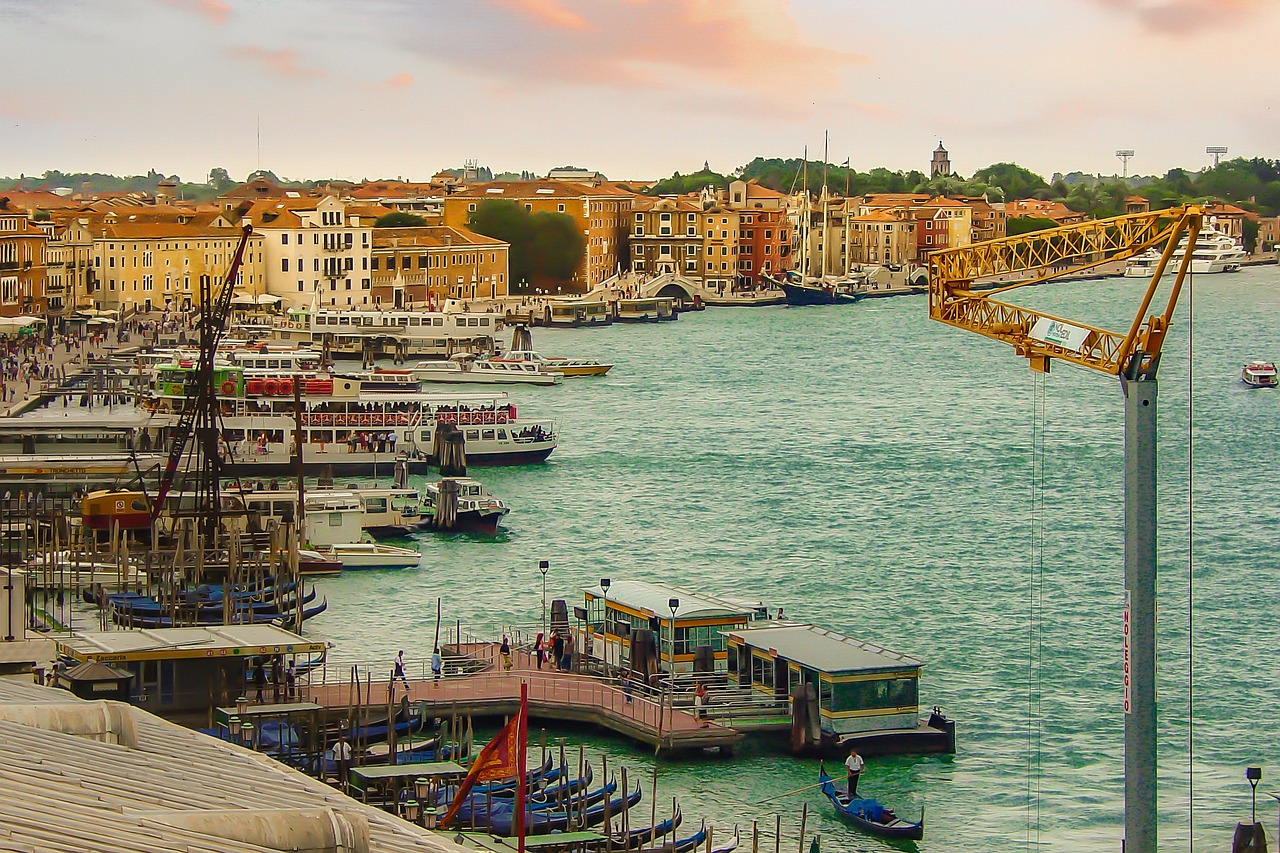
A calm arrival and a smart time slot can make this small museum feel effortlessly luxurious
Before you visit the Peggy Guggenheim, planning matters more than people expect, because this is a compact museum with a big reputation. Aim for mid-morning on weekdays for the calmest rooms and the most generous garden pause. Tickets are often around 15 euros, with discounts for youths; under 18s typically enter free, and EU citizens under 26 may qualify for reduced admission—check the official site for the latest details.
Arriving by vaporetto and following “alla collezione peggy guggenheim” signs
Getting there is straightforward: arrive by vaporetto, then walk a short distance in comfortable shoes. If you see “alla collezione peggy guggenheim” on signage, you’re close—follow it with confidence and let the canals do the navigating for you. This is one of those moments where getting slightly turned around can still feel like part of the charm, not a failure.
Set expectations kindly: photography inside the galleries is prohibited to protect the works, and the best pace is unhurried. Move thoughtfully, give others space, and trust that even a short visit can feel complete when you’re present.
- Seamless timing: arrive mid-morning, then save the garden for your final ten minutes.
- Quiet etiquette: keep calls outside, and let the rooms hold their calm.
- Gift-shop moment: the museum shop is worth a gentle browse for books and postcards—treat it as a coda, not a rushed exit.
If you’re designing a wider Italian art journey beyond the lagoon, you can gather inspiration through our Trip gallery and keep your days feeling both adventurous and beautifully paced.
Dorsoduro museum mile route: from Accademia to gallerie dell’accademia and Le Stanze del Vetro
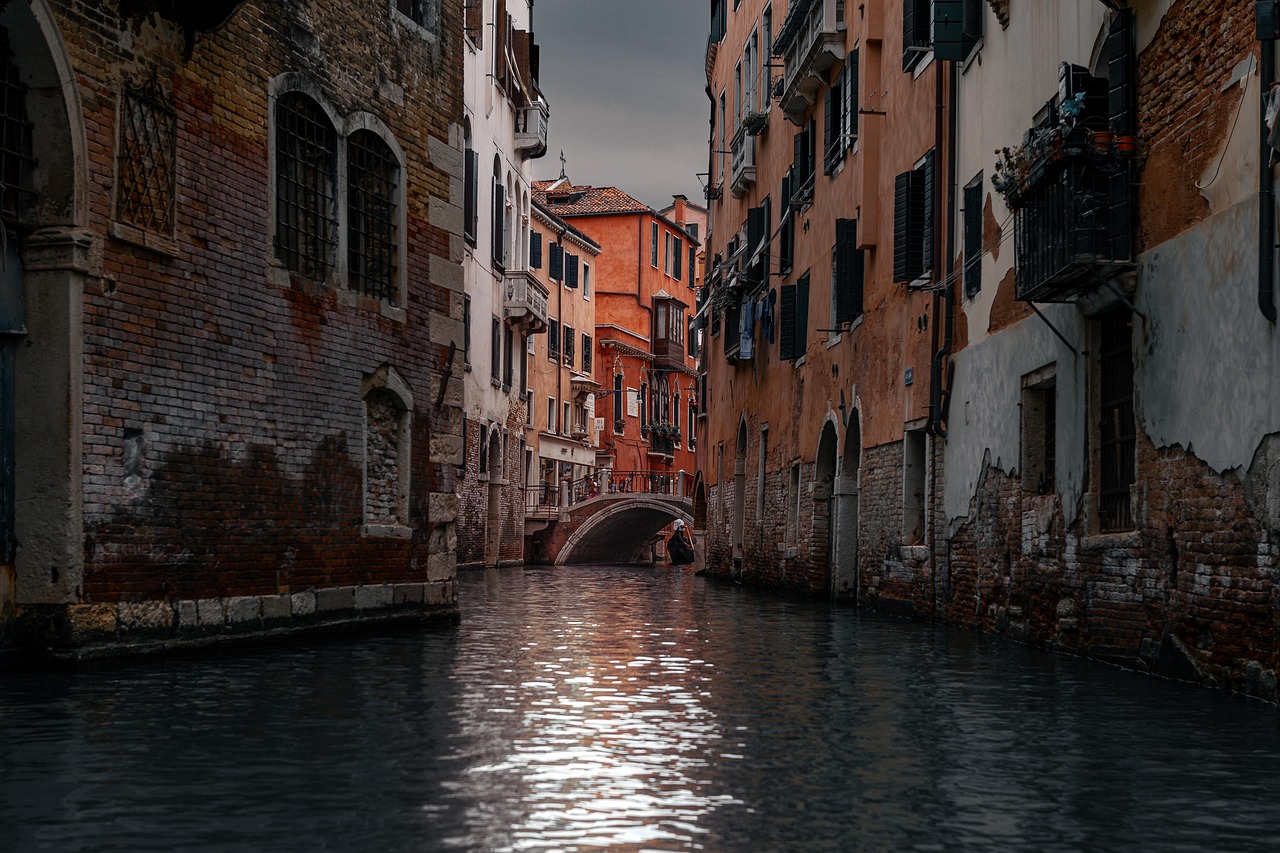
Turn one visit into a half-day of art, craft, and easy walking between cultural stops
This pairing turns one museum stop into a half-day cultural adventure. Begin near Accademia and let the Peggy Guggenheim Collection set your modern mood, then broaden the storyline at gallerie dell’accademia for a deeper sense of painting and tradition. The contrast is the point: modern art sharpens your eye, and the city’s older layers feel richer afterward.
Glass, craft, and a Venetian detour beyond the main galleries
For a crafted add-on, Le Stanze del Vetro offers glass-focused shows that connect beautifully with the venetian craft story—precision, light, and material intelligence. If you still have energy, consider contemporary extensions like Galleria di Palazzo Cini, or go bigger with Palazzo Grassi – Punta della and the related Grassi – Punta della Dogana spaces for bold scale and fresh ideas.
The walking logic is simple: from the waterfront, cross the accademia bridge and the church landmarks, then choose your next stop based on time and appetite. End with something local and low-key—a bacaro for a spritz, or a quiet café espresso—so the day closes with warmth rather than fatigue.
- High-end pacing tip: two cultural stops are often the sweet spot; leave space for wandering.
- Energy check: if your mind feels full, choose a café over “just one more” room.
- Adventure with care: the city rewards slow routes more than ambitious lists.
What stayed with me after time with the Peggy Guggenheim Collection: a personal reflection
What lingers for me isn’t a checklist of names—it’s the feeling of encountering boldness at close range. In a city that can be dazzlingly busy, the intimacy of this museum and the hush of the garden create a different kind of memory: not louder, not bigger, but deeper. I think of light moving across stone, and how a single work can stay with you like a private conversation you can return to whenever you need it.
Outside there’s the swirl of footsteps and camera shutters, yet inside the residence the air seems to settle. That calm doesn’t just offer relief; it quietly uncovers something in you—patience, attentiveness, even a renewed willingness to create without needing permission. It’s a reminder that creativity isn’t only housed in galleries; it’s a practice you carry home with steady confidence, shaped by what you’ve dared to look at closely.
Sometimes I remember the garden more than the rooms: the pause, the gentle order of the space, and the sense that I didn’t have to rush to deserve it. At its best, this destination teaches trust—trust in your pace, your curiosity, your own responses. And when the light shifts on the water, you may find yourself wondering what you’ll notice next time, if you return not for more, but for deeper.
F.A.Qs: Peggy Guggenheim Collection Venice Italy
Where is the Peggy Guggenheim Collection in Venice?
The museum sits inside Palazzo Venier dei Leoni on the Grand Canal, in an easy-to-reach canalside location. It’s a simple walk from nearby transport stops and works well as a refined, time-efficient visit between other sights.
How much is the Peggy Guggenheim Collection worth?
There isn’t a single official public figure, and the value changes with the art market. Because the collection includes world-renowned works by major modern artists, its cultural and financial value is considered extremely significant—beyond what a simple price tag can capture.
Is the Peggy Guggenheim Collection worth visiting?
Yes—especially if you enjoy modern art and want an intimate museum experience. Many travellers love seeing major works up close in a calm setting, and the garden offers a peaceful pause that feels rare in such a popular destination.
Do you need to book tickets in advance?
Booking ahead is wise during peak travel periods and around major calendar events, when timed entry can sell out. On quieter weekdays you may find same-day availability, but planning in advance helps keep your visit seamless and stress-free.